
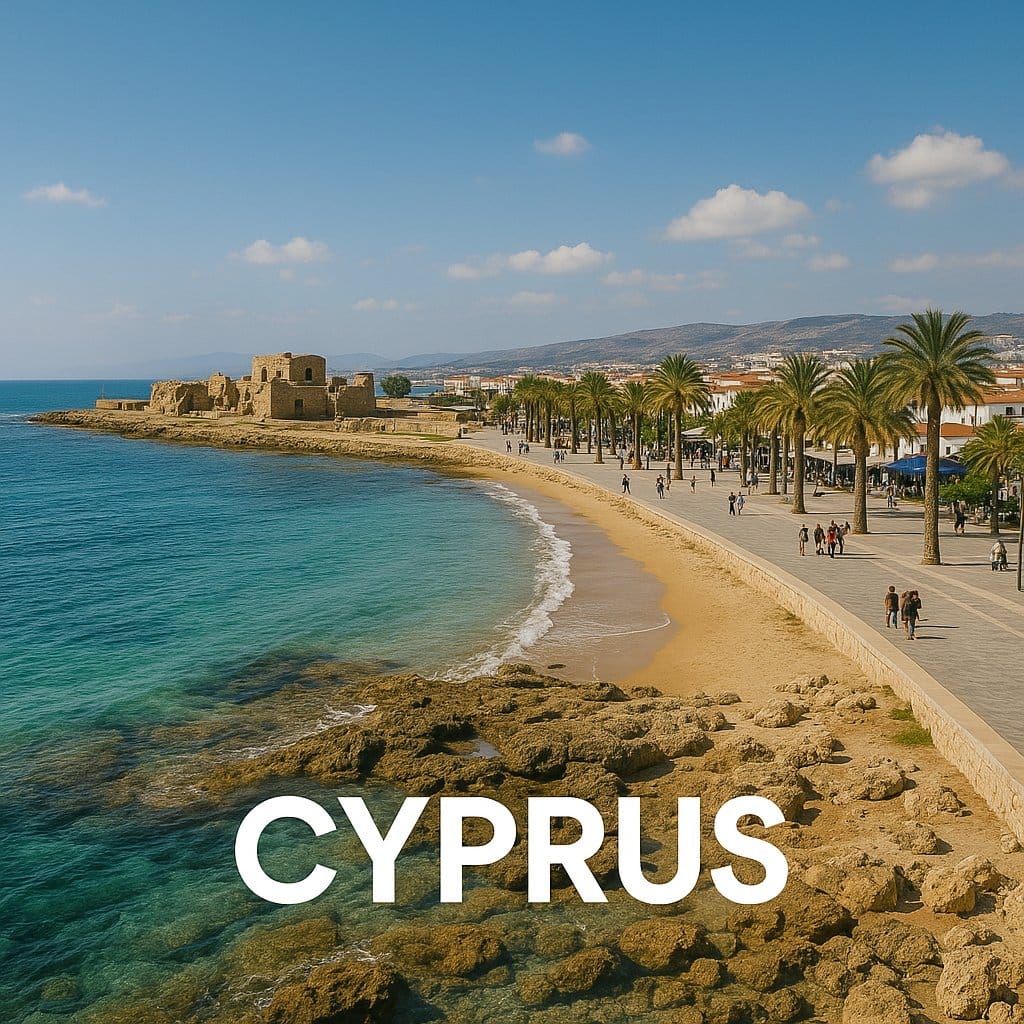
What Time Zone is Cyprus In?
Cyprus is in the Eastern European Time (EET) zone.
Standard Time: UTC +2 hours
Daylight Saving Time (Summer): UTC +3 hours
This shift happens in March and October, aligning Cyprus with most of Europe. For example:
In winter, when it’s 9 AM in London, it’s 11 AM in Nicosia.
In summer, the gap narrows: 9 AM in London becomes 12 noon in Cyprus.
Voice-friendly:
“Cyprus time zone is Eastern European Time. It’s two hours ahead of the UK in winter and three in summer.”
Why Does Cyprus Change Time?
Cyprus follows daylight saving time to make better use of sunlight and to align with the EU’s standard practice. The clocks leap forward one hour on the last Sunday of March and fall back again on the last Sunday of October. This helps:
Reduce energy consumption
Maximise evening daylight
Harmonise travel and trade with the EU
When Does Cyprus Switch Time?
Spring forward: Last Sunday in March at 3 AM (jumps to 4 AM)
Fall back: Last Sunday in October at 4 AM (reverts to 3 AM)
Is Cyprus in the Same Time Zone All Year?
No. Cyprus switches between EET (UTC+2) and EEST (UTC+3) due to daylight saving time.
Is Cyprus Always Ahead of the UK?
Yes, but the margin changes:
Winter: 2 hours ahead
Summer: 2 hours ahead
(The UK also observes daylight saving time, so both regions adjust, but the time difference remains consistent.)
A Journey Through Cyprus Regions: North to South, Coast to Mountain
Though Cyprus measures just 9,251 km², it’s a continent in miniature. Each of the five main Cyprus regions unfolds with unique character, traditions, landscapes, and time-honoured secrets.
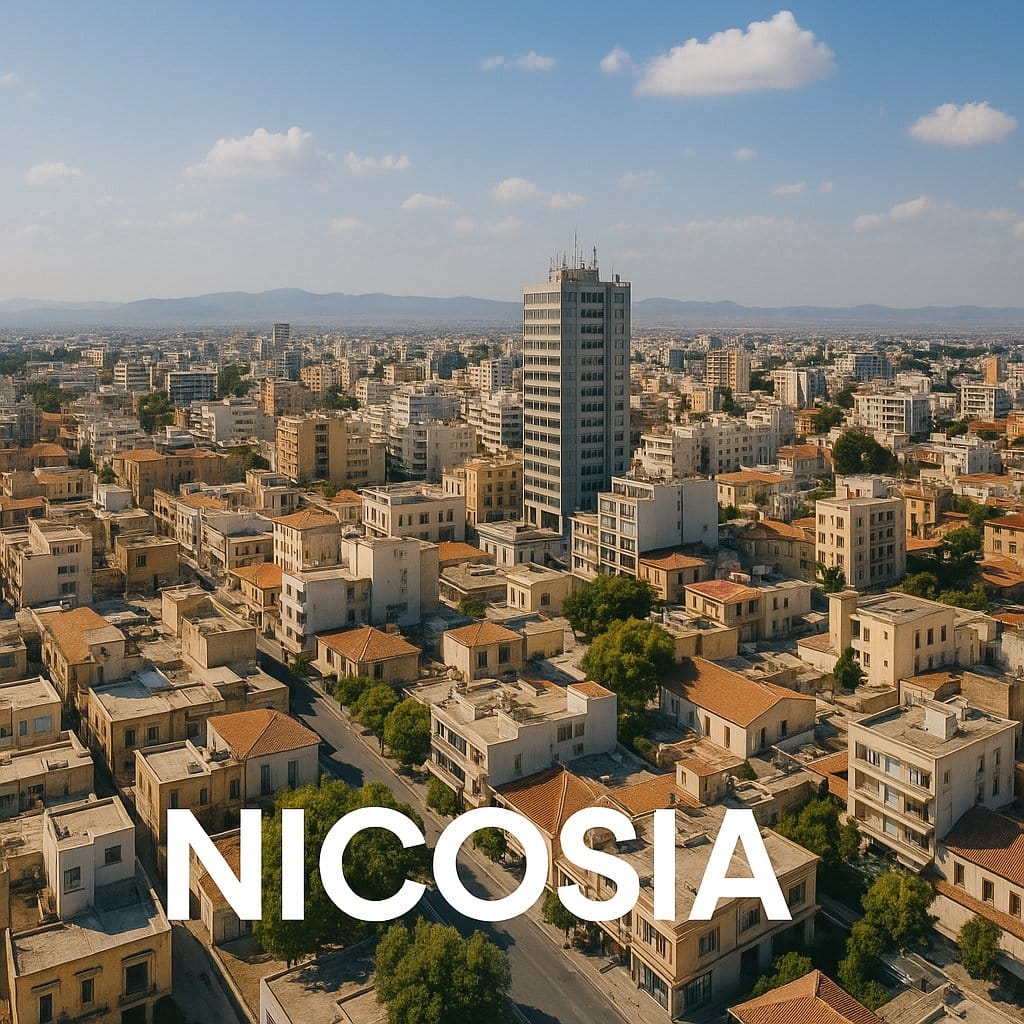
1. Nicosia Region: The Divided Capital
Time feels suspended in Nicosia (Lefkosia), the world’s last divided capital. A green line bisects the city: one half belongs to the Republic of Cyprus; the other to Northern Cyprus. Yet life pulses vibrantly across this urban artery of galleries, coffee houses, and medieval walls.
Key Features: Venetian Walls, Leventis Museum, Laiki Geitonia
Experience: Cross the border by foot at Ledra Street and watch how the architecture and tempo subtly change.
Even the time zone can subtly diverge in practice, as Northern Cyprus sometimes mirrors Turkey’s decisions rather than the Republic of Cyprus.
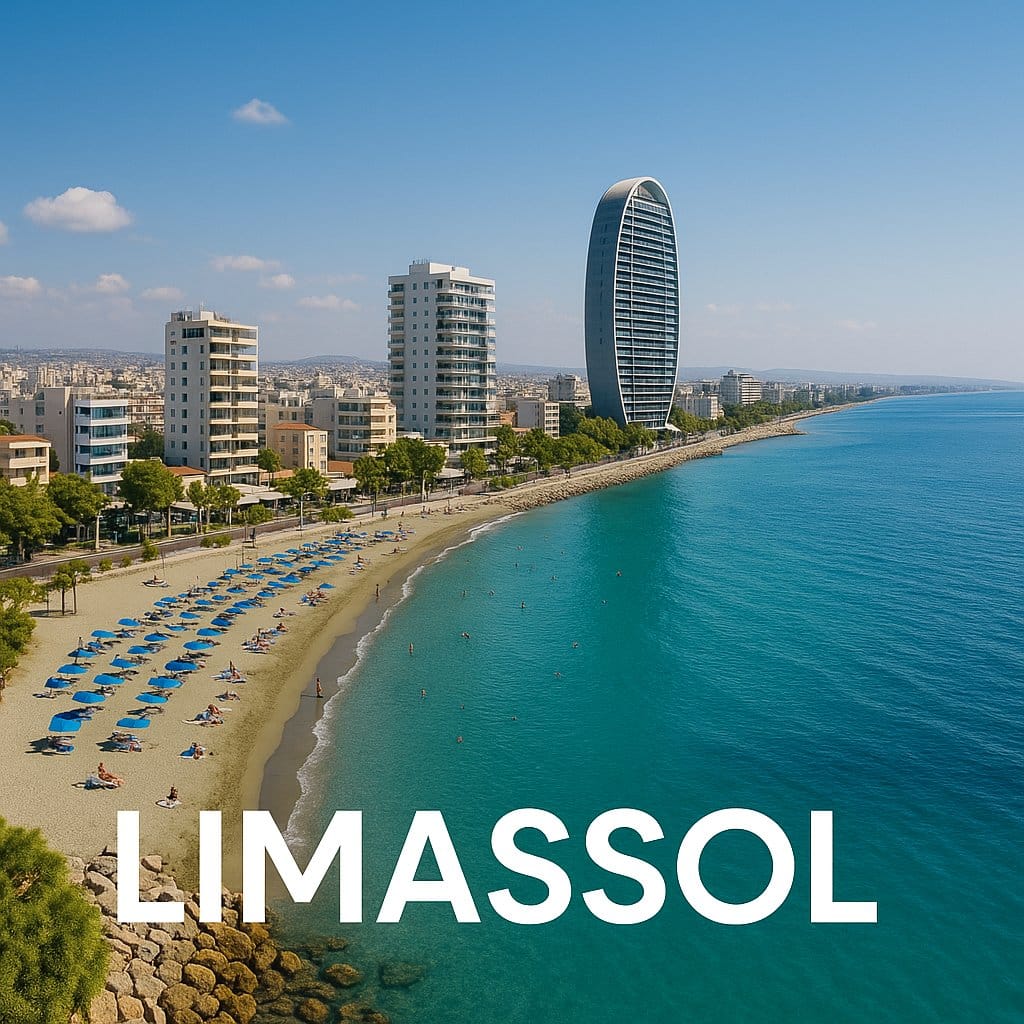
2. Limassol Region: Of Vineyards and Cosmopolitans
By the sea, Limassol (Lemesos) sparkles like wine in a crystal goblet. It is a fusion of sleek modernity and ancient echoes—where the Kourion amphitheatre meets yachts and champagne.
Key Features: Limassol Marina, Kolossi Castle, Wine Routes
Experience: Explore the commandaria villages, where sweet wine ages in wooden barrels kissed by sun and time.
Voice-friendly snippet:
“Limassol is Cyprus’s cosmopolitan hub, known for wine, beaches, and lively festivals.”
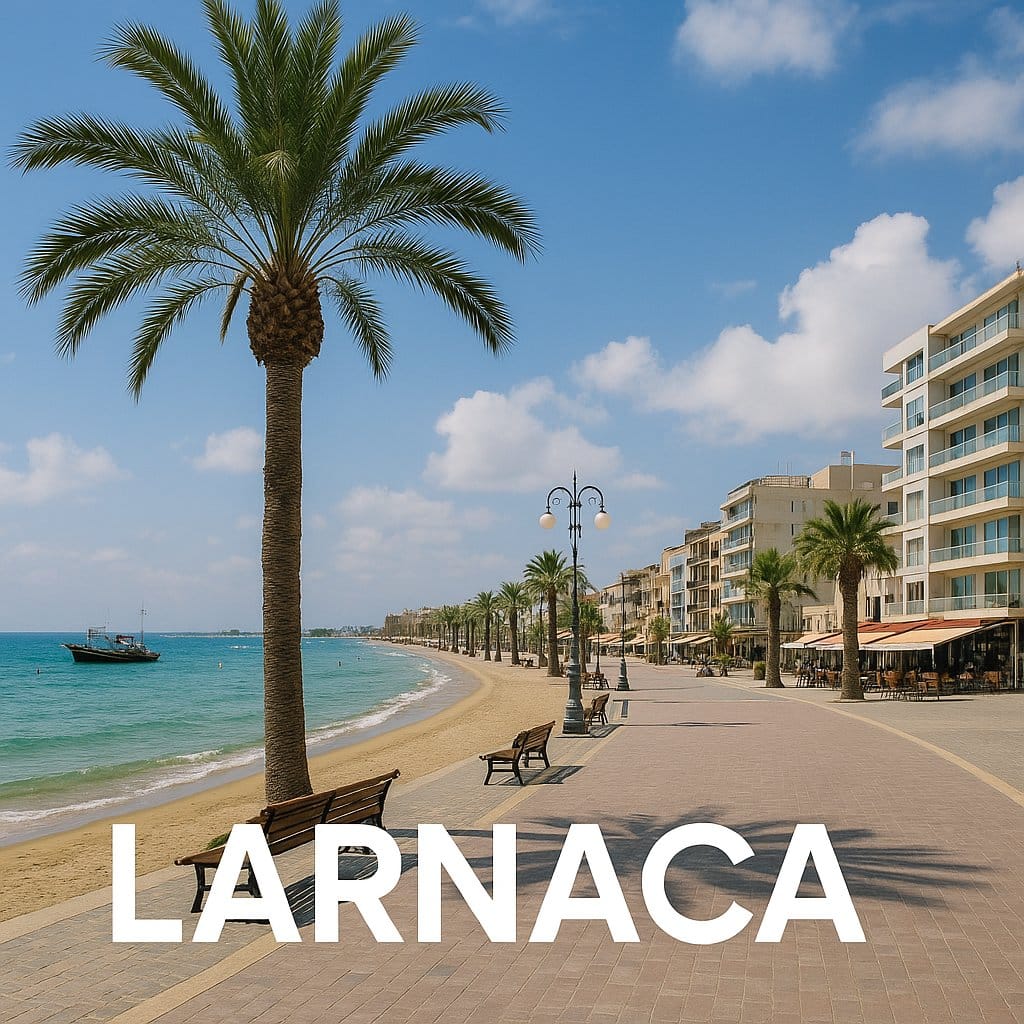
3. Larnaca Region: Soulful Simplicity
Larnaca (Larnaka) is where time leans back. It is both a passage and a pause. From the centuries-old Saint Lazarus Church to the wind-kissed promenade, Larnaca moves in unhurried grace.
Key Features: Hala Sultan Tekke, Larnaca Salt Lake, Finikoudes Beach
Experience: Watch flamingos dance on the salt lake in winter, a pink poetry in motion.
This is also the gateway for most travellers—Larnaca International Airport receives the lion’s share of Cyprus’s incoming flights.
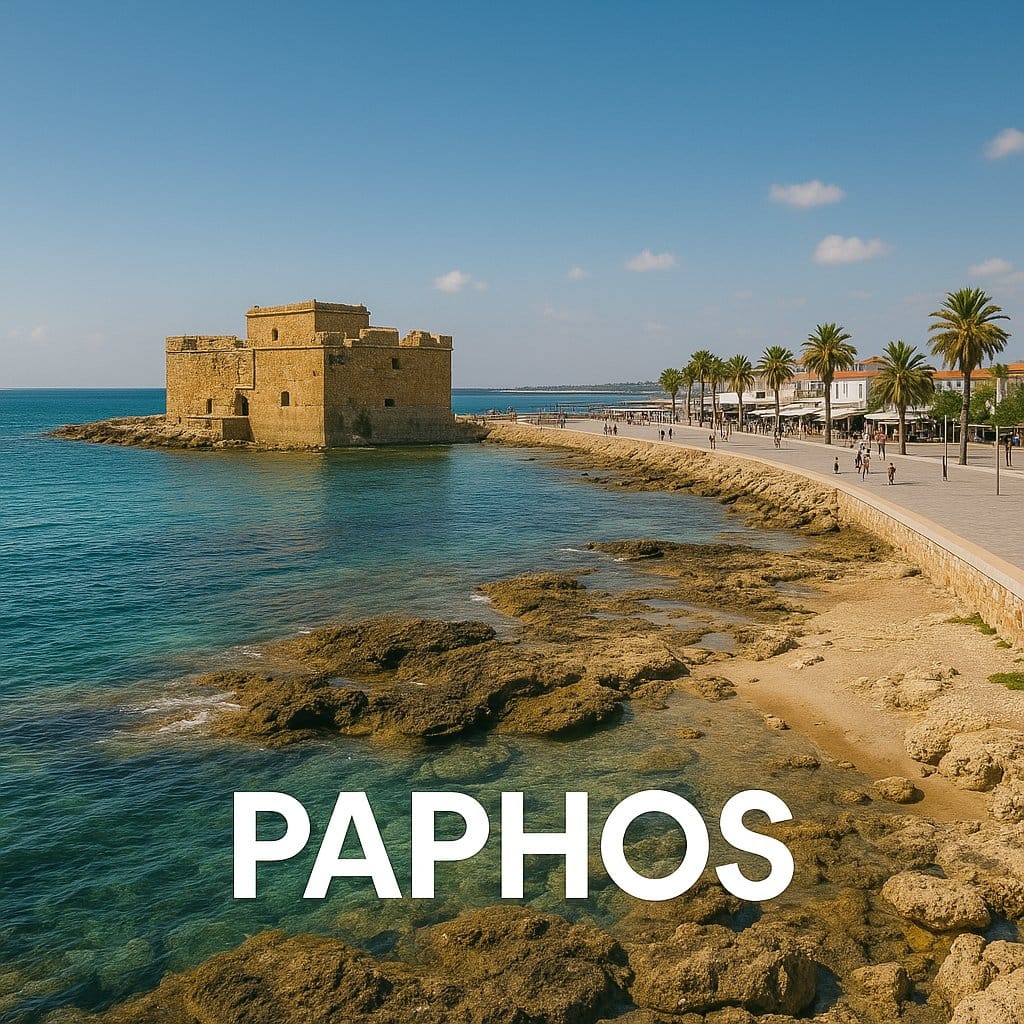
4. Paphos Region: The Cradle of Aphrodite
If time had a birthplace, it might be Paphos (Pafos). Myth and history entwine here. They say Aphrodite, goddess of love, rose from the sea foam near Petra tou Romiou.
Key Features: Tombs of the Kings, Paphos Castle, Aphrodite’s Rock
Experience: Gaze at mosaics laid over 2,000 years ago, their colours still rich, their stories still vivid.
Paphos has also been a European Capital of Culture, where every stone seems to sing of ancient days.
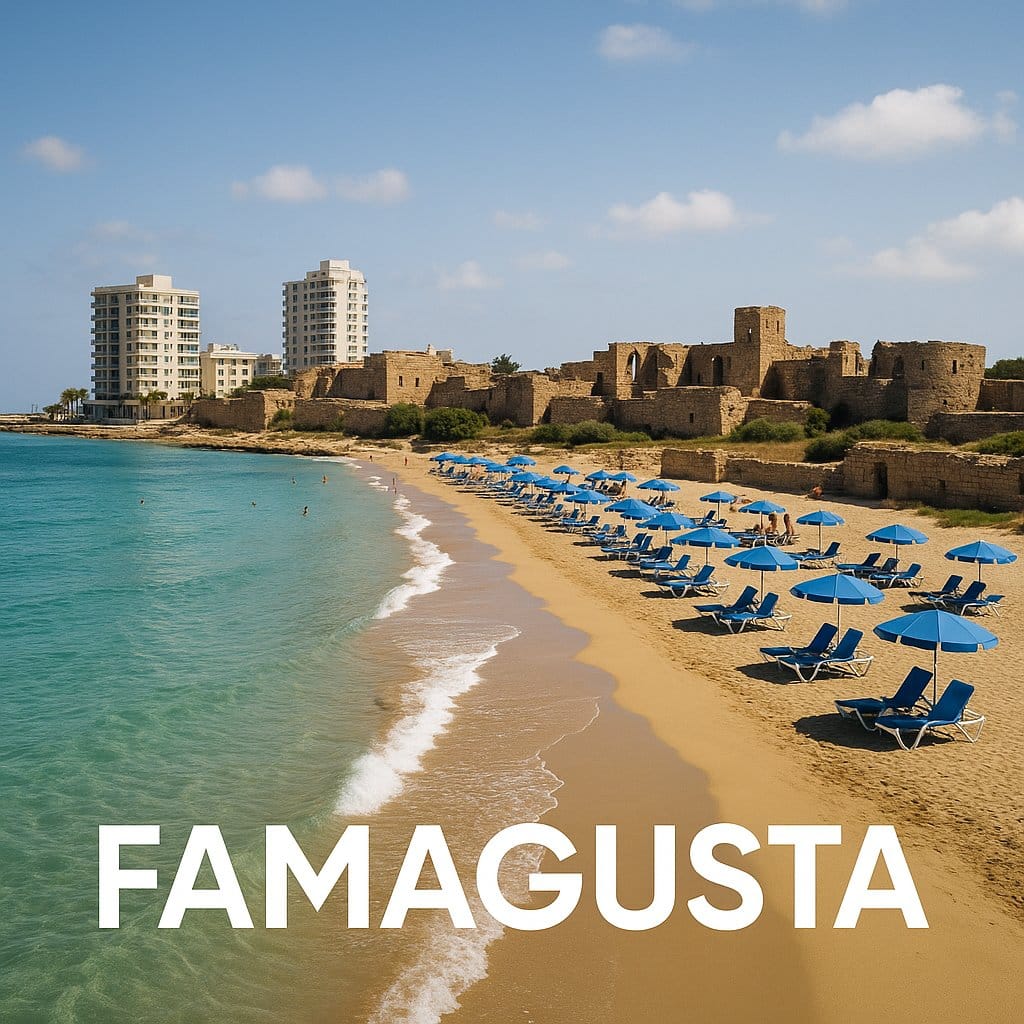
5. Famagusta Region: A Tale of Two Realities
Famagusta (Ammochostos) is both haunting and hopeful. Once a glittering riviera, its Varosha quarter stands abandoned, frozen since 1974. Yet elsewhere, the region thrives with sun-kissed beaches and cultural resurgence.
Key Features: Salamis Ruins, Ghost Town of Varosha, Cape Greco
Experience: Dive into the cerulean waters of Fig Tree Bay, where the sea remembers.
Note: Due to the division, governance and infrastructure may differ slightly in this region.
How Do Cyprus Time Zones Affect Travel Plans?
Planning travel around Cyprus is generally seamless, but a few things to consider:
Border Crossings: If crossing between Republic of Cyprus and Northern Cyprus, double-check time differences (especially around daylight saving).
Flight Scheduling: Cyprus airports operate in EET/EEST. Always confirm if your airline shows local or departure time.
Public Transport: Buses, ferries, and shuttles adhere to national time—which changes seasonally.
Voice-friendly:
“Flights, ferries, and public transport in Cyprus follow local time. Check if it’s daylight saving.”
Frequently Asked Questions: Cyprus Time Zones and Regions
Q: Is Northern Cyprus in the same time zone as the rest of Cyprus?
A: Often yes, but not always. Sometimes, Northern Cyprus follows Turkey’s time zone (UTC+3 year-round), while the Republic follows EU rules.
Q: Which Cyprus region has the most history?
A: All regions are steeped in history, but Paphos is especially rich in archaeological sites and myths.
Q: What are the best regions to visit in Cyprus?
A: That depends on your interest:
Beaches: Famagusta, Larnaca
Culture: Paphos, Nicosia
Nightlife & Wine: Limassol
Q: How does Cyprus time compare with the USA?
A: Cyprus is:
7 hours ahead of New York (EST)
10 hours ahead of Los Angeles (PST)
During daylight saving, this gap may reduce by one hour depending on regional shifts.
Cyprus Regions: A Deeper Look at Their Character
Each region speaks with its own accent, wears its own colours, and keeps time in its own rhythm.
Paphos: Where Time Began
Here, the sun sets in verses. Farmers still work the land with the reverence of Homeric prose. Time, in Paphos, isn’t counted. It’s tasted.
Larnaca: Of Salt and Serenity
This is the lullaby of Cyprus. Larnaca’s air smells like history and sea brine. It doesn’t demand attention; it invites reflection.
Limassol: The Clock Strikes Celebration
From wine festivals to carnival parades, Limassol dances with its own metronome—a place where each hour ends with a cheer.
Nicosia: Time at a Standstill
Within the Venetian walls, old men play backgammon in coffee shops shadowed by minarets and bell towers. Time, like politics here, is intricate.
Famagusta: The Region with a Ghost
It is perhaps the most poignant of the Cyprus regions. Here, history is not just remembered; it is relived.
Potamos Guest House: Your Anchor in Cypriot Time
Nestled on the tranquil banks of the Potamos Liopetriou river, Potamos Guest House is where Cyprus whispers rather than shouts. With each window opening to sunrise rituals and dusk symphonies, time doesn’t pass here. It unfurls.
Whether you’re tracing mosaics in Paphos, catching the rhythm of a bouzouki in Limassol, or walking the border of Nicosia with a journal in hand, you’ll always return to the stillness of Potamos—where Cyprus time zones are felt in the beating heart of the land.
And in this land of ever-shifting light, the Cyprus regions do not merely mark space. They echo eternity.