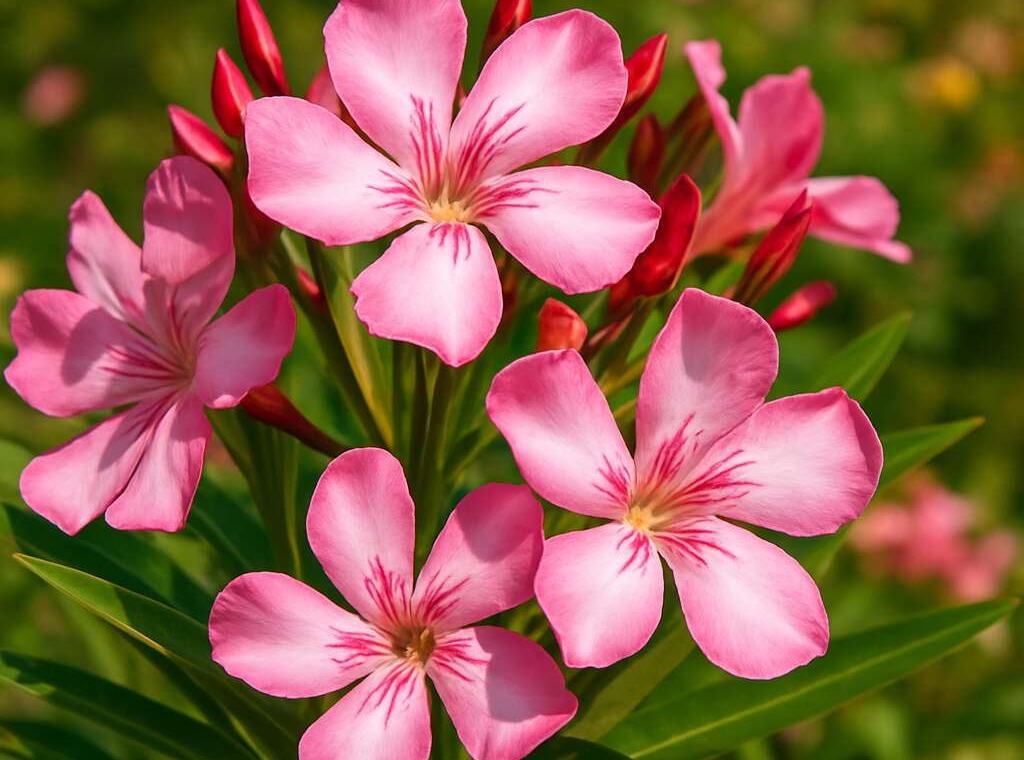
Overview of Oleander (Nerium oleander)
Botanical Description – Physical characteristics, growth habits, and varieties
Oleander Nerium oleander is a striking evergreen shrub that often graces the gardens and landscapes of the United Kingdom with its vibrant presence. Its bushy, dense growth habit can reach heights of up to 4 metres, making it an impressive feature in even modestly sized gardens. The physical characteristics of Oleander Nerium oleander include long, leathery leaves with a rich green hue, providing a lush backdrop for its abundant clusters of flowers.
This versatile plant comes in numerous varieties, each with unique traits. Some of the most popular types include those with white, pink, or deep red flowers, offering a range of colours to suit different aesthetic preferences. The flowering season typically spans late spring through summer, filling outdoor spaces with a delightful aroma and eye-catching colour. Recognising the physical characteristics and growth habits of Oleander Nerium oleander helps gardeners and horticulturists appreciate its resilience and ornamental charm, even in cooler climates where it can be cultivated as a container plant or hedge.
Native Habitat and Distribution – Origins, geographical spread, and climatic preferences
Nestled within the cradle of the Mediterranean, Oleander Nerium oleander exudes a mystical allure rooted in ancient landscapes and traditional botany. Its origins trace back to the warm, arid regions of North Africa, the Middle East, and the eastern Mediterranean basin, where drought-tolerant plants flourish amidst rocky terrain. Over centuries, this resilient shrub has found a foothold in climate zones that mimic its native habitat—areas characterized by long, hot summers and mild winters.
While historically appreciated for its ornamental appeal, Oleander Nerium oleander’s distribution has expanded far beyond its initial confines. Today, it is cultivated across southern Europe, including parts of the United Kingdom, especially in coastal and sheltered garden settings. Its climatic preferences lean heavily toward Mediterranean conditions, thriving under full sun and well-drained soil.
The plant’s hardy nature, combined with its vivid blooms, makes Oleander Nerium oleander an adaptable choice for regions where drought resistance and ornamental impact are valued. In landscapes where summers stretch endlessly, this evergreen shrub continues to enthrall gardeners with its lush foliage and captivating flower clusters—an enduring symbol of resilience and beauty.
Historical and Cultural Significance – Uses in traditional medicine, symbolism, and historical references
With its storied past and enduring symbolism, Oleander Nerium oleander has long captivated the human imagination. Historically, this plant has been more than just a pretty face in Mediterranean gardens; it has played a role in traditional medicine, where its potent compounds were used with caution to treat ailments ranging from skin infections to fever. Despite its toxic reputation, the plant’s allure persisted, serving as a potent symbol of both danger and beauty in art, mythology, and literature.
Throughout history, Oleander Nerium oleander has also carried cultural significance across various societies. In some Mediterranean cultures, it was believed to ward off evil spirits, while in others, it represented resilience and eternal life. Its vibrant, clustered flowers often appear in classical artworks and herald the changing seasons, strengthening its status as an emblem of enduring vitality.
- Ancient Greek writings refer to oleander as “herba dangere,” acknowledging its lethal beauty.
- In Persian poetry, Oleander Nerium oleander is celebrated for its graceful yet deadly elegance.
- Traditional uses include infusions or extracts—though only under expert supervision, given the plant’s toxicity.
This plant’s duality—its alluring blossom and inherent toxicity—makes Oleander Nerium oleander a nuanced figure in both horticulture and cultural history. As a symbol, it reminds us that beauty often conceals peril, a lesson woven into the fabric of centuries of human fascination with this resilient shrub.
Cultivation and Care of Oleander
Planting and Propagation Methods – Seed, cuttings, and nursery practices
Cultivation and care of Oleander Nerium oleander require a keen eye for detail and patience. This striking shrub thrives in well-drained soil and benefits from full sun exposure, demanding nothing less than a warm, temperate climate for optimal growth. When it comes to planting, choosing the right spot is crucial—Oleander Nerium oleander flourishes in areas with protection from harsh winter frosts, making it an excellent choice for UK gardens craving robust, evergreen colour.
Propagation methods for Oleander Nerium oleander are varied and often fascinating. Cutting propagation is the most straightforward approach—simply take semi-hardwood cuttings during late summer, dip them in rooting hormone, and keep them in a warm, humid environment. Seed propagation, on the other hand, is more unpredictable but offers genetic diversity. Nursery practices involve ensuring adequate spacing for airflow and applying balanced fertiliser to promote dense, healthy growth. Whether via seeds, cuttings, or nursery techniques, nurturing Oleander Nerium oleander demands a careful balance of patience, weeding out pests, and providing consistent watering.
Optimal Growing Conditions – Soil types, sunlight requirements, and watering routines
- Well-drained soil
- Sunlight requirements
- Watering routines
Few plants manage to combine such resilient charm with a certain air of regal defiance as Oleander Nerium oleander. As if nature herself decreed that this evergreen marvel should thrive under the most discerning conditions, it demands a soil that offers proper drainage—no soggy roots on this shrub’s watch! Loamy, sandy, or chalky soils all embrace a well-drained foundation, allowing Oleander Nerium oleander to flourish without the threat of root rot.
Sunlight requirements for Oleander Nerium oleander are equally unambiguous: it relishes full sun, basking confidently in the brightest hours of the day. Such exposure where the rays hit directly ensures lush, dense foliage and vibrant blossoms that punctuate the landscape with resilience and colour. In the UK, planting in a sheltered spot with adequate sunlight can turn a modest shrub into a show-stopper—even against the backdrop of temperamental weather.
Watering routines for Oleander Nerium oleander should exude a sense of measured discipline. While it’s hardy enough to withstand periods of drought, a regular, moderate watering schedule keeps this evergreen on its best behaviour. During the warmer months, a deep soak once a week encourages healthy growth, but overwatering is as much a sin as neglect. It’s about maintaining a careful balance—like a well-mannered guest—ensuring the plant’s roots remain moist without drowning.
For optimal cultivation, consider planting Oleander Nerium oleander in a location that offers some protection from harsh winter frosts, especially in cooler parts of the UK. Proper spacing, respecting its growth habit, along with a strategic watering routine, will promote a dense, healthy shrub that delights year-round. With a little attentive care to soil, sunlight, and water, the Oleander Nerium oleander presents itself as a perennial testament to enduring beauty and hardy charm—worthy of any garden’s distinguished corners.
Pruning and Maintenance – Techniques for shaping, health management, and seasonal care
The art of cultivating Oleander Nerium oleander transcends mere horticulture; it becomes a reflection of attentiveness and respect for an ancient survivor. The act of pruning this resilient evergreen is both a science and a ritual—shaping its natural form while fostering health and vigor. Pruning techniques for Oleander Nerium oleander should be deliberate, removing dead or damaged branches to prevent disease and encourage dense foliage. This maintenance routine keeps the plant aesthetically pleasing and ensures its vitality remains uncompromised.
Seasonal care, particularly in cooler climates like the UK, demands an observant approach. In winter, light pruning can prepare Oleander Nerium oleander for the colder months, reducing the risk of winter damage. During the growing season, a gentle yet consistent clip can promote lush growth and prevent overextension. It’s a delicate balance—over-pruning may weaken the shrub, while neglect allows it to become unruly.
To maintain its striking appearance, consider the following:
- Prune in late winter or early spring, before new growth begins.
- Focus on shaping the shrub for both aesthetics and airflow, reducing the risk of fungal issues.
- Remove crossing branches to avoid internal crowding and promote even growth.
Health management also involves monitoring for pests such as aphids or scale insects, which can sap the shrub’s strength if left unchecked. Regular inspections, coupled with appropriate organic treatments, will sustain Oleander Nerium oleander’s hardy nature over the years.
Ultimately, the ongoing maintenance of Oleander Nerium oleander exemplifies a mindful stewardship—protecting its beauty while respecting its natural resilience. With each careful cut and seasonal adjustment, this cherished plant reveals that true beauty often requires patience and a gentle hand, even when faced with nature’s unpredictable temperament.
Pest and Disease Management – Common issues and organic/inorganic solutions
Oleander Nerium oleander, with its alluring blooms and evergreen resilience, can nonetheless fall prey to pest invasions and unwelcome maladies if left unchecked. While its beauty is undeniable, the shrub’s susceptibility to certain common issues requires vigilant oversight. Pests such as aphids, scale insects, and spider mites are particularly fond of exploiting Oleander Nerium oleander’s tender leaves, siphoning vigor and causing unsightly distortion. Fortunately, organic insecticidal soaps and neem oil serve as effective, environmentally friendly remedies, providing a natural defense against these bloodsuckers.
Diseases like leaf scorch, caused by fungal pathogens, or fungal spots, are not uncommon in damp, poorly ventilated conditions. Proper air circulation, along with minimal overhead watering, can dramatically diminish the risk, while sulfur-based fungicides offer quick relief when problems escalate.
To maintain a healthy Oleander Nerium oleander, regular inspection is paramount. Hands-on vigilance combined with targeted solutions—whether organic or inorganic—ensures that this resilient shrub retains its distinguished charm. If pests or diseases are detected early, addressing them before they gain a foothold can save the entire planting from unwarranted decline, allowing Oleander Nerium oleander to thrive season after season.
Safety Precautions – Toxicity considerations and handling advice
Cultivating Oleander Nerium oleander is a delightful adventure, but it comes with a caveat—this stunning shrub packs a punch in toxicity. Handling Oleander Nerium oleander requires a dash of caution and a good deal of common sense. Remember, every part of this evergreen marvel contains potent cardiac glycosides, making it a hazard for children and pets alike. A friendly warning: keep this beauty out of reach and wear gloves when pruning or dividing.
For safe gardening, always wash your hands thoroughly after handling Oleander Nerium oleander to prevent any accidental ingestion or skin irritation. If you’re working with this plant, it’s wise to wear long sleeves and eye protection—after all, summer’s not the only thing that can heat up on a sunny day! To keep yourOleander Nerium oleander thriving without mishaps, confine its planting to areas where curious little fingers and furry friends are less likely to stumble across it. Safety first keeps the beauty intact — both for your garden and your peace of mind.
Uses and Applications of Oleander
Landscaping and Ornamentation – Design ideas, aesthetic appeal, and public spaces
Amidst the shadowed corners of gardens and arterial cityscapes, Oleander Nerium oleander offers an air of mystique that is impossible to ignore. Its lush, sprawling form lends an aura of gothic elegance, transforming mundane spaces into vignettes of dark allure. When thoughtfully integrated into landscape design, Oleander Nerium oleander becomes a living sculpture—an organic barrier against the chaos, yet a focal point of aesthetic appeal.
In public spaces, it weaves a narrative of timeless beauty and guarded privacy. Its dense foliage creates natural screens, whispering secrets of ancient symbolism and cultural charm. For landscape architects yearning for dramatic contrast, Oleander Nerium oleander can serve as a cornerstone—either as a striking backdrop or a commanding border. The plant’s hardy nature means it can be shaped and maintained into various aesthetic forms, from formal hedges to organic drifts, fitting perfectly into the morbid romance of gothic-inspired design. Its dark green leaves and fragrant flowers whisper stories of history and mystery, an eternal echo in the landscape of the uncanny.
Traditional and Medicinal Uses – Historical medicinal applications and modern research insights
Oleander Nerium oleander has long enchanted botanists and herbalists alike with its storied past and mysterious allure. Historically, this resilient shrub played a prominent role in traditional medicine across Mediterranean cultures, where its potent compounds were believed to possess healing properties. Despite its toxicity, ancient healers utilized oleander Nerium oleander in carefully controlled doses to address ailments such as fever, rheumatism, and skin diseases, often transforming what is hazardous into a ritualistic health remedy.
Modern research continues to probe the plant’s complex biochemical makeup, revealing potential applications in pharmacology. Scientists are investigating oleander Nerium oleander’s alkaloids and cardiotonic properties, which could someday contribute to novel treatments for heart conditions. Though it remains a plant wrapped in mystique and caution, its ability to inspire medicinal inquiry persists.
From the rich tapestry of traditional uses to cutting-edge scientific exploration, oleander Nerium oleander’s relationship with medicine is as layered as the plant’s dark green foliage. Its legacy as both a symbol of allure and a source of potential medicinal breakthroughs ensures its place in the annals of botanical history.
Toxicity and Safety Guidelines – Risks, poisoning symptoms, and first aid measures
Oleander Nerium oleander is a stunning shrub that presents a paradox—its vibrant, showy flowers hide a deadly secret. While it’s often beautifying public parks and elegant gardens across the UK, it’s also one of the most poisonous plants in the world. Handling Oleander Nerium oleander without proper precautions would be akin to trying to dance with a porcupine—fascinating yet fraught with risk.
Despite its enchanting appearance, Oleander Nerium oleander’s toxicity demands respect. All parts of the plant contain toxic alkaloids, which can cause severe poisoning if ingested — whether it’s a curious cat, an unsuspecting child, or well-meaning herbalists who forget that beauty can be deadly. Symptoms of poisoning include nausea, vomiting, abdominal pain, irregular heartbeat, and in extreme cases, cardiac arrest. If you suspect oleander ingestion, immediate medical attention is imperative. As a first aid measure, do not induce vomiting. Instead, rinse the patient’s mouth and seek professional help without delay.
For those tempted to incorporate Oleander Nerium oleander into their landscaping, safety guidelines are paramount. It’s wise to wear gloves when pruning or handling the plant, and keep children and pets well away from it. When planting oleander, choose locations where accidental contact is minimized—a far cry from the carefree attitude often associated with gardening. Remember, this plant is a botanical marvel, but also a cautionary tale in plant toxicity.
In essence, Oleander Nerium oleander’s allure can turn hazardous if conditions aren’t managed with care. This fascinating yet treacherous shrub embodies nature’s duality—beauty with a razor-sharp edge. Respect its toxicity, adhere to safety guidelines, and you’ll be able to enjoy its aesthetic appeal while avoiding the potentially tragic consequences that can result from misadventure with this poisonous marvel.
Environmental Benefits – Erosion control, habitat contributions, and biodiversity support
Oleander Nerium oleander is not just a captivating shrub; it is an embodiment of nature’s hypnotic beauty intertwined with peril. Its lush, evergreen foliage and vibrant blossoms evoke a sense of wonder, yet beneath this striking exterior lies a potent reminder that beauty often conceals danger. This dichotomy makes Oleander Nerium oleander a fascinating subject of both admiration and caution. When considering its uses, this versatile plant extends far beyond ornamental appeal, playing significant roles in environmental management and ecological health.
In landscapes prone to erosion, Oleander Nerium oleander proves remarkably resilient—its dense root systems anchor soil effectively, reducing runoff and stabilising slopes. Such erosion control benefits are especially valued in the UK’s varied terrains, where swift-moving rain can threaten vulnerable ground. Its ability to thrive in tough conditions, combined with low maintenance needs, makes Oleander Nerium oleander an ideal choice for creating natural barriers that also support local biodiversity. With its evergreen nature, this shrub offers year-round cover, providing habitat for various bird species and insects.
The biodiversity support potential of Oleander Nerium oleander cannot be understated. In semi-wild areas or neglected spaces, it can serve as a sanctuary, offering shelter amidst urban settings. Its flowers attract pollinators such as bees and butterflies, vital to maintaining ecological balance. While its toxicity precludes use in edible gardens, its role as a habitat and stabiliser illustrates a paradox—nature’s capacity to nurture life while simultaneously containing inherent risks.
For those interested in landscape design, Oleander Nerium oleander’s compatibility with native flora represents a subtle dialogue between resilience and elegance. Its capacity to withstand drought and poor soil conditions in the UK makes it suitable for bold, hardy planting schemes. It embodies a form of natural artistry, offering an aesthetic appeal that can harmonise with traditional or contemporary gardens alike.
- Soil stabilization for slopes and banks
- Habitat creation for local fauna
- Supports pollinator populations during flowering seasons
Through its capacity for erosion control and habitat contributions, Oleander Nerium oleander exemplifies an ecological agent—one that challenges us to reconsider the boundaries between utility and caution. Its allure is undeniable, yet understanding its environmental benefits must always be tempered with respect for its complex toxicity. This plant stands as a testament to the intricate balance of nature—a living paradox that, when handled with awareness, can serve both ornamental and ecological purposes uniquely and profoundly.
Legal Regulations and Restrictions – Monitoring, legality, and safe cultivation practices
Oleander Nerium oleander isn’t just a striking ornamental shrub; it’s also a plant wrapped in layers of regulation and mystery. With its toxic reputation and alluring beauty, cultivating Oleander Nerium oleander calls for careful adherence to legal regulations and safety standards. In the UK, this plant is classified under strict guidelines that aim to prevent accidental poisonings, making it essential for horticulturists and homeowners alike to stay informed.
Monitoring and compliance are crucial—regulations often mandate secure planting locations, especially where children and pets are present. Legislation varies regionally, so always check with local authorities or horticultural societies before planting Oleander Nerium oleander in public or private spaces. While its decorative appeal remains undeniable, the risk associated with its toxicity cannot be ignored.
For safe cultivation practices, use protective gear when pruning or handling Oleander Nerium oleander—its sap can cause skin irritation and severe health issues if ingested. To ensure responsible gardening, consider the following guidelines:
- Securely fence planting areas to prevent curious foragers from reaching the poisonous foliage.
- Label Oleander Nerium oleander clearly to inform visitors of its toxicity.
- Dispose of cuttings responsibly, avoiding compost heaps accessible to children or animals.
In certain regions, outright bans on cultivating Oleander Nerium oleander are in place due to its toxicity, further emphasizing the importance of understanding the legal landscape. Gardeners must familiarize themselves with these restrictions—failure to do so could lead to inadvertent violations or safety hazards.
Keeping abreast of legislation not only safeguards health but also ensures that your planting practices remain within the bounds of the law. From choosing the right location to implementing safety measures, responsible handling of Oleander Nerium oleander exemplifies the delicate balance between its aesthetic allure and inherent risks. It’s a living reminder that beauty and caution often go hand in hand—especially when dealing with such a captivating yet potentially hazardous plant.
Risks and Ethical Considerations
Toxicity to Humans and Animals – Symptoms of poisoning, vulnerable groups, and preventive measures
Amid the lush confines of gardens where beauty reigns supreme, Oleander Nerium oleander commands attention with its radiant blossoms. Yet, beneath this alluring facade lies a silent peril—a thicket of toxicity to humans and animals alike. The danger radiates from every part of the plant; ingestion or even skin contact can trigger distressing symptoms, from nausea and vomiting to irregular heart rhythms and severe abdominal pain.
For families with children or pets tempted by its vibrant allure, understanding the risks associated with Oleander Nerium oleander is paramount. Preventive measures, such as wearing gloves during pruning and keeping the plant out of reach, serve as vital shields against accidental poisoning. Recognising the symptoms of poisoning early can be lifesaving, emphasizing that safety is not merely an accessory but an indispensable aspect of cultivation.
In the realm of toxicity to humans and animals, awareness and respect preserve both the plant’s beauty and the well-being of those who cherish it.
Invasive Species Concerns – Potential to disrupt local ecosystems and management approaches
The allure of Oleander Nerium oleander is undeniable, yet beneath its captivating exterior lurks a potential ecological disruptor. Its invasive tendencies threaten to unbalance local ecosystems; when introduced outside native ranges, this ornamental shrub can outcompete indigenous flora, leading to reduced biodiversity and altered habitat dynamics. In regions of the UK where native plant varieties thrive, unregulated proliferation of Oleander Nerium oleander risks suffocating these delicate ecological networks.
Management approaches must prioritize careful monitoring and control strategies—such as targeted removal or containment—to prevent its spread. The temptation to embellish gardens with this hardy plant must be tempered by an ethical obligation toward environmental stewardship. As an invasive species, Oleander Nerium oleander exemplifies the debate between aesthetic appeal and ecological impact, reminding us that thoughtful management is paramount to maintaining natural balance.
Handling and Disposal – Safe practices for pruning, disposal, and accidental exposure
Handling and disposal of Oleander Nerium oleander demand meticulous attention to safety protocols due to its inherent toxicity. When pruning this striking shrub, gloves and long-sleeved clothing are non-negotiable; accidental skin contact can lead to irritation or more severe symptoms of poisoning. Be vigilant to prevent sap from contacting eyes or mouth, as ingestion or exposure can have serious health ramifications.
For disposal, burning plant material is generally discouraged because the toxic fumes pose inhalation hazards. Instead, consider secure containment methods or composting with caution, ensuring that the plant debris is fully enclosed and away from children and pets.
- Always wear protective gear during handling
- Dispose of trimmed branches in sealed bags or designated green waste containers
- Never burn Oleander Nerium oleander waste in open flames or outdoor burners
Accidental exposure warrants prompt action—flushing skin with plenty of water and soap, seeking medical attention if ingested or if symptoms arise, such as nausea, irregular heartbeat, or dizziness. Ethical stewardship is essential when managing Oleander Nerium oleander, advocating responsible practices that prevent ecological harm while safeguarding human and animal health.
Public Awareness and Education – Informing communities about risks and responsible use
The toxicity of Oleander Nerium oleander isn’t just a detail for botanists—it’s a safety alarm ringing loud enough to wake even the most seasoned gardener. This stunning shrub might look charmingly decorative, but its inherent toxicity makes it a peril for unsuspecting humans and animals alike. Were you aware that every part of Oleander Nerium oleander contains potent toxins that can cause serious health issues?
Public awareness and education are vital in preventing accidental poisoning. Communities must be informed that ingesting even a small piece of Oleander Nerium oleander can lead to symptoms like nausea, irregular heartbeat, or dizziness. It’s not a plant to take lightly; it’s a botanical siren song for trouble. Creating a culture of responsible use, especially in seaside towns and urban landscapes, means understanding the risks and disseminating this knowledge effectively.
In shared spaces or around children and pets, responsible stewardship involves awareness campaigns and clear signage. It might seem just a pretty hedge, but ignoring its toxicity could lead to disaster. A quiet reminder: never underestimate the danger lurking behind Oleander Nerium oleander’s beauty. Ensuring that this plant is handled with care and respect can save lives and prevent avoidable accidents.

 by
by