Overview of Arum cylindraceum subsp. pitsyllianum
What is Arum cylindraceum subsp. pitsyllianum?
Amidst the enchanting world of botanical rarities, Arum cylindraceum subsp. pitsyllianum stands out as a remarkable subspecies, captivating enthusiasts with its unique morphology and elusive charm. This subspecies, a subset of the broader Arum cylindraceum species, thrives in specialised habitats, often found nestled within rocky crevices and shaded woodland edges. Its distinct characteristics include a slender, cylindrical spadix that seems to whisper secrets of ancient forests — a true testament to nature’s artistry.
What sets Arum cylindraceum subsp. pitsyllianum apart is its specialised ecological niche, making it a fascinating subject for botanists and conservationists alike. Its rarity is compounded by its limited geographic distribution, primarily confined to specific regions where the climate and soil composition create the perfect microhabitat. For those with a keen eye for botanical marvels, discovering Arum cylindraceum subsp. pitsyllianum is akin to unearthing a hidden treasure in the lush tapestry of nature.
Taxonomic Classification
At the heart of botanical taxonomy lies a fascinating web of classification, and Arum cylindraceum subsp. pitsyllianum holds a special place within this intricate system. This subspecies belongs to the family Araceae, renowned for its diverse and often enigmatic members. Its precise taxonomic classification underscores its unique evolutionary journey, distinguishing it from other Arum species through subtle morphological traits and genetic markers.
Within the broader taxonomy, Arum cylindraceum is divided into several subspecies, each adapted to specific habitats and ecological niches. Arum cylindraceum subsp. pitsyllianum is classified as follows:
- Kingdom: Plantae
- Clade: Angiosperms
- Order: Alismatales
- Family: Araceae
- Genus: Arum
- Species: Arum cylindraceum
- Subspecies: Pitsyllianum
This detailed taxonomic hierarchy not only highlights its biological roots but also aids conservation efforts by pinpointing its specific ecological requirements. The precise classification of Arum cylindraceum subsp. pitsyllianum reveals a unique lineage that continues to fascinate botanists and enthusiasts alike, encouraging further exploration into its elusive world.
Distinctive Features
While many plants hide their secrets behind unassuming foliage, Arum cylindraceum subsp. pitsyllianum refuses to stay under the radar. This botanical marvel boasts a suite of distinctive features that set it apart from its more mundane relatives. Its elongated, cylindrical spadix—hence the name—rises like a miniature tower of intrigue, often cloaked in a subtle, yet captivating, greenish hue. The leaf morphology is equally fascinating, with broad, arrow-shaped leaves that seem to whisper ancient secrets.
What truly makes Arum cylindraceum subsp. pitsyllianum a standout is its unique reproductive architecture. Unlike many of its cousins, it displays a remarkable variation in the structure of its spathe, which can sometimes be tinged with a faint purple or brownish tint, hinting at its specialised ecological niche. For enthusiasts and botanists alike, spotting this subspecies involves more than just recognising its form—it’s about appreciating its subtle, yet sophisticated, botanical fingerprint.
Distribution and Habitat
Arum cylindraceum subsp. pitsyllianum thrives in specific corners of the Mediterranean, where its distribution is both delicate and deliberate. Its natural habitat spans limestone cliffs, rocky outcrops, and well-drained woodland slopes, often nestled within the refuge of ancient maquis and garrigue. This subspecies’ preference for these rugged terrains underscores its resilience and specialised ecological niche.
Typically, you will find Arum cylindraceum subsp. pitsyllianum flourishing in regions characterised by a Mediterranean climate—mild, wet winters followed by hot, dry summers. Its presence is a testament to the subtle interplay between geology and climate, favouring areas with calcareous soils that provide the perfect anchorage for its broad, arrow-shaped leaves and distinctive cylindrical spadix.
To truly appreciate this botanical marvel, one must understand its delicate range. It is primarily located in parts of Greece and Turkey, often confined to secluded, less disturbed habitats. This limited distribution makes Arum cylindraceum subsp. pitsyllianum a prized find for botanists and enthusiasts alike—an elegant reminder of nature’s quiet, yet extraordinary, craftsmanship.
Botanical Characteristics and Morphology
Physical Description
Among the intriguing members of the Araceae family, Arum cylindraceum subsp. pitsyllianum stands out with its distinctive botanical characteristics and captivating morphology. This subspecies exhibits a remarkably compact, erect spadix that is often enveloped by a vibrant, patterned spathe, creating a striking visual contrast. Its physical description reveals a plant with a robust, tuberous root system, allowing it to thrive in shaded, rocky terrains with minimal disturbance.
The plant’s leaves are broad, arrow-shaped, and often display a marbled pattern that hints at its complex genetic makeup. The spathe, usually pale green with purple or brown markings, unfurls in a manner that accentuates its secretive allure. A unique feature of Arum cylindraceum subsp. pitsyllianum is the way its floral structure is adapted for pollination, with a specialised spadix that maintains a warm microclimate, attracting specific pollinators.
- Compact, erect spadix
- Vibrant, patterned spathe
- Broad, arrow-shaped marbled leaves
- Robust tuberous roots
Flower Structure and Blooming Period
Within the intricate tapestry of the Araceae family, Arum cylindraceum subsp. pitsyllianum reveals a captivating array of botanical characteristics that mirror nature’s artistry. Its compact, erect spadix stands like a sentinel, often cloaked in a vibrant spathe adorned with striking patterns that evoke a sense of secretive allure. This subspecies boasts a resilient, tuberous root system, enabling it to flourish amidst shaded, rocky terrains where few others dare to thrive. The marbled, arrow-shaped leaves add to its visual intrigue, hinting at the plant’s complex genetic lineage and adaptive prowess.
The floral structure of Arum cylindraceum subsp. pitsyllianum is a marvel of evolutionary adaptation. Its specialised spadix maintains a warm microclimate, a subtle yet powerful attractant for specific pollinators. This temperature regulation not only ensures effective pollination but also underscores the plant’s delicate symbiosis with its environment. Such specialised floral architecture allows it to bloom with quiet grandeur, often in the cooler months when pollinator activity is at its peak.
- The bloom period of Arum cylindraceum subsp. pitsyllianum typically occurs in late autumn to early winter, a strategic timing that maximises pollination success amid dwindling competition.
- During this time, the spathe unfurls gradually, revealing the compact, erect spadix that becomes a focal point for visiting insects, drawn by its warmth and unique scent.
- As the bloom progresses, the plant’s colour palette subtly shifts, with the pale green spathe gaining purple or brown markings that deepen its enigmatic charm.
Leaves and Vegetative Traits
When it comes to botanical marvels, Arum cylindraceum subsp. pitsyllianum doesn’t just stand out — it commands attention with its distinctive morphology. This subspecies features a robust, tuberous root system that anchors it firmly in rocky, shaded terrains, showcasing remarkable resilience against nature’s harsher moods. Its arrow-shaped leaves, marbled with subtle patterns, serve as a visual testament to its complex genetic heritage and adaptive prowess.
The leaves of Arum cylindraceum subsp. pitsyllianum are a study in elegance and functionality. Typically, they are large, glossy, and exhibit a striking marbled pattern that adds an extra layer of allure. This foliage not only provides vital photosynthesis but also offers camouflage, blending seamlessly into the rocky terrain it often inhabits. Its vegetative traits, including the sturdy stems and compact growth habit, make it an attractive choice for enthusiasts seeking a hardy yet visually captivating plant.
For those keen on botanical precision, here’s a quick rundown of its vegetative traits:
- Arrow-shaped, marbled leaves that contribute to its unique aesthetic
- Compact, erect growth habit ideal for rocky or shaded environments
- Resilient tuberous root system enabling survival in challenging terrains
All these characteristics come together to make Arum cylindraceum subsp. pitsyllianum a striking plant, perfectly adapted to its niche while offering a tantalising glimpse into nature’s evolutionary artistry.
Comparison with Related Subspecies
Botanical characteristics of Arum cylindraceum subsp. pitsyllianum reveal a fascinating divergence from its related subspecies, showcasing an intricate blend of morphology and adaptive ingenuity. Unlike the more slender variants, this subspecies boasts a sturdier, tuberous root system that underscores its resilience in rocky, shaded habitats. Its arrow-shaped leaves, marbled with subtle cryptic patterns, serve not only as a visual signature but also as a strategic camouflage against potential predators or environmental stresses.
When comparing Arum cylindraceum subsp. pitsyllianum with its congeners, notable distinctions emerge in leaf structure and growth habit. While other subspecies often display elongated or less patterned foliage, this variant exhibits a compact, erect growth form that adapts seamlessly to its rugged terrain. Its morphological divergence is a testament to ecological specialization, allowing it to thrive where others may falter.
- Distinctive arrow-shaped, marbled leaves that lend visual complexity
- Robust, tuberous roots providing unwavering stability in rocky soils
- Compact, upright growth habit tailored for shaded, challenging environments
This intricate interplay of features not only enhances its aesthetic allure but also underscores the evolutionary artistry inherent in Arum cylindraceum subsp. pitsyllianum. Its unique morphology exemplifies an adaptive masterpiece, standing apart from related subspecies through subtle yet profound botanical nuances.
Cultivation and Care Tips
Growing Conditions and Environment
Growing Arum cylindraceum subsp. pitsyllianum demands a keen eye for its subtle nuances and a dedication to mimicking its natural habitat. This intriguing plant thrives in well-drained, humus-rich soil, where moisture levels are consistently maintained but never waterlogged. Its preference for dappled shade makes it an excellent choice for shaded garden beds or woodland margins, providing a mysterious charm as it emerges from the soil’s embrace.
To ensure healthy growth, it’s essential to replicate its native environment as closely as possible. The perfect conditions involve a cool, temperate climate with protection from harsh winter frosts. Regular watering during the growing season encourages vigorous foliage, but be cautious to avoid excess moisture that could lead to bulb rot. Mulching with organic matter helps conserve soil moisture and maintains a stable temperature, fostering a thriving environment for Arum cylindraceum subsp. pitsyllianum.
- Ensure soil is rich in organic material and well-drained
- Position in a shaded or partially shaded location
- Maintain consistent moisture levels without overwatering
- Protect from extreme cold with mulch or cover during winter
Soil Preferences and Watering
Among the many botanical treasures that flourish in shaded realms, Arum cylindraceum subsp. pitsyllianum stands out as a captivating specimen that demands meticulous cultivation. Its success hinges on understanding its soil preferences—rich, humus-laden, yet impeccably well-drained. The secret lies in mimicking its native environment, where moisture remains consistently balanced, avoiding the peril of waterlogged roots that could invite rot.
For optimal growth, consider a planting site shaded by leafy canopies, ensuring the plant’s delicate foliage is shielded from harsh sunlight. During the active growing season, regular watering is essential; however, overwatering must be vigilantly avoided. To aid in moisture retention and temperature stability, a generous layer of organic mulch can work wonders, transforming the soil into a cosy cradle for Arum cylindraceum subsp. pitsyllianum.
Whether establishing a woodland garden or shaded bed, keep in mind these key cultivation and care tips:
- Use rich, organic, well-drained soil for planting
- Position in shaded or partially shaded areas to emulate its natural habitat
- Maintain consistent moisture levels, but avoid excess watering
- Protect during winter with mulch or cover to guard against frost damage
By honouring its soil preferences and watering needs, this enchanting plant can thrive, revealing its mysterious allure year after year.
Propagation Methods
Propagation of Arum cylindraceum subsp. pitsyllianum offers a delicate dance with nature’s rhythms, revealing the profound interconnectedness between plant and environment. To replicate its native woodland habitat, division remains the most reliable method; carefully separating offsets during dormancy ensures the integrity of the root system. This approach not only preserves the plant’s vitality but also honours its intricate growth pattern.
Alternatively, seed propagation can be undertaken, although it demands patience and a meticulous approach. Sow the seeds in a mixture of rich organic compost and well-drained soil, keeping the substrate moist but not waterlogged. Stratification—cold treatment—may be necessary to break dormancy, mimicking winter’s chill to stimulate germination. The process may take several seasons, but witnessing the emergence of new foliage is a reward in itself.
- Divide mature clumps during early spring or late autumn, ensuring each division retains healthy roots and foliage.
- Plant the offsets in shaded, protected areas, maintaining the soil’s humus richness and moisture balance.
- For seed sowing, lightly cover seeds with soil and keep them in a cool, shaded environment, providing consistent moisture throughout the germination period.
With patience and respect for its natural growth cycle, cultivating Arum cylindraceum subsp. pitsyllianum becomes a mindful act—one that honours its silent, mysterious allure and ensures its continued presence amidst the shadows of woodland gardens.
Common Challenges and Solutions
Charming as it is elusive, Arum cylindraceum subsp. pitsyllianum demands a delicate touch and a keen eye for its subtle needs. Its cultivation thrives on understanding its penchant for shaded, woodland environments, where it can flourish undisturbed. One of the most common challenges faced by enthusiasts is ensuring the soil remains consistently moist but well-drained; neglecting this can lead to root rot or stunted growth. To combat this, mulch with organic matter to maintain moisture levels and improve soil structure, creating a cosy environment reminiscent of its native habitat.
Another hurdle often encountered is the plant’s slow growth rate, which can test even the most patient gardener. Regularly inspecting for pests like snails and aphids is advisable—these unwelcome visitors can undermine its fragile beauty. For best results, avoid overwatering during dormancy, and ensure the plant is not exposed to harsh, direct sunlight, which can scorch its delicate leaves.
For those seeking to nurture Arum cylindraceum subsp. pitsyllianum successfully, a few simple rules apply:
- Plant in shaded, protected areas with rich, humus-rich soil.
- Maintain consistent moisture levels without waterlogging.
- Watch for pests and handle infestations promptly.
Patience is key; this enigmatic species rewards the attentive cultivator with its silent, mysterious allure—an understated gem in any woodland garden. With proper care, Arum cylindraceum subsp. pitsyllianum can become a resilient highlight, enchanting all who appreciate its subtle elegance amidst naturalistic settings.
Ecological Significance and Conservation Status
Role in Native Ecosystems
Arum cylindraceum subsp. pitsyllianum plays a crucial role in its native ecosystems, acting as a pioneer species that helps stabilise soil and support biodiversity. Its unique flowering period provides early nectar sources for pollinators, which are vital for maintaining ecological balance. This subspecies is particularly significant in Mediterranean habitats, where it contributes to the complexity of plant communities.
Despite its ecological importance, Arum cylindraceum subsp. pitsyllianum faces conservation challenges due to habitat loss and over-collection. Currently, it is classified as vulnerable in some regions, underscoring the need for targeted conservation efforts. Protecting this subspecies ensures the preservation of native flora and the intricate web of interactions within its environment.
In its natural habitat, Arum cylindraceum subsp. pitsyllianum supports various organisms, including insects and small mammals, which rely on its pollen and foliage for food and shelter. Its presence signifies a healthy ecosystem, reflecting the delicate balance that sustains native biodiversity. Conservation initiatives often involve habitat restoration and legal protections, ensuring this remarkable plant continues to thrive in the wild.
Threats and Conservation Efforts
Arum cylindraceum subsp. pitsyllianum holds a pivotal place in Mediterranean ecosystems, serving as an indicator of ecological health and resilience. Its role as a pioneer species aids in stabilising soils, particularly in rocky or disturbed terrains, fostering conditions favourable for other native flora. During its flowering period, which occurs in early spring, it provides essential nectar sources for pollinators such as bees and butterflies, sustaining biodiversity during critical periods. Such interactions highlight its importance in maintaining ecological balance.
However, despite its ecological significance, Arum cylindraceum subsp. pitsyllianum faces mounting threats. Habitat destruction driven by urban expansion, agricultural development, and illegal collection pose serious risks to its survival. In some regions, it is classified as vulnerable, urging urgent conservation measures. Protecting this unique subspecies involves habitat preservation through legal protections and restoration initiatives that promote natural regeneration. Efforts also include awareness campaigns aimed at reducing over-collection, which has historically threatened wild populations.
- Legal protection status, such as inclusion in regional conservation lists.
- Habitat restoration projects targeting native Mediterranean environments.
- Promotion of sustainable harvesting practices for wild populations.
In its natural habitat, Arum cylindraceum subsp. pitsyllianum supports a diverse array of organisms, from insects that pollinate its striking flowers to small mammals that seek shelter among its leaves. Its presence signifies a vibrant, balanced ecosystem—one that hinges on preserving this remarkable plant. Conservation initiatives are vital, not only for safeguarding Arum cylindraceum subsp. pitsyllianum but also for maintaining the complex web of interactions that define native Mediterranean landscapes. Every effort to curb habitat loss and illegal collection plays a crucial role in ensuring this enigmatic subspecies continues to thrive amidst the shifting sands of environmental change.
Importance in Biodiversity
Arum cylindraceum subsp. pitsyllianum plays a crucial role in maintaining the delicate balance of Mediterranean ecosystems. Its presence supports a vibrant web of interactions—pollinators like bees and butterflies are attracted to its striking flowers, ensuring the continuation of native species. This subspecies acts as a pioneer plant, stabilising soils on rocky slopes and disturbed terrains, which is vital for ecosystem resilience. The ecological significance of Arum cylindraceum subsp. pitsyllianum cannot be overstated; it fosters biodiversity and sustains the health of its habitat.
Conservation status highlights the urgent need to protect this remarkable subspecies. Legal protections, habitat restoration projects, and sustainable harvesting practices are essential to secure its future. Recognising its importance within biodiversity frameworks underscores the value of Arum cylindraceum subsp. pitsyllianum as an indicator species—its well-being reflects the overall health of Mediterranean landscapes. Preserving this plant not only safeguards a unique botanical entity but also ensures the survival of countless other organisms that depend on its ecological niche.
Legal Status and Protection
The ecological importance of Arum cylindraceum subsp. pitsyllianum extends far beyond its striking appearance. This resilient subspecies acts as a keystone species within Mediterranean ecosystems, supporting pollinator populations such as bees and butterflies, which are essential for the pollination of countless native plants. Its pioneering role in stabilising rocky slopes and disturbed terrains helps prevent erosion and fosters habitat regeneration, making it a silent hero of environmental resilience.
Recognising its ecological value has led to increased efforts to safeguard Arum cylindraceum subsp. pitsyllianum. Its conservation status is currently of concern, prompting the implementation of protective measures such as habitat restoration projects and sustainable harvesting practices. Legal protections are vital; in some regions, the subspecies is listed under national or international conservation frameworks, reflecting its fragile existence. To effectively preserve this botanical marvel, a combination of legislation and community engagement is often employed, ensuring that future generations can marvel at its unique beauty.
Uses and Cultural Significance
Horticultural Uses
Arum cylindraceum subsp. pitsyllianum holds a subtle yet intriguing place in horticulture and cultural traditions. Its unique appearance and resilience make it a compelling addition to specialised plant collections. Many gardeners appreciate its ability to thrive in shaded, woodland environments, where it adds a touch of exotic charm. Its distinctive spadix and the striking contrast with its lush foliage can serve as a focal point in shaded garden beds or naturalised areas.
Beyond its ornamental value, Arum cylindraceum subsp. pitsyllianum has historically been associated with local folklore and traditional uses. In some regions, it was believed to possess medicinal properties, although caution is advised due to its toxicity. Its role in native ecosystems is also significant, supporting specific pollinators that have adapted to its unique flowering structure.
From a horticultural perspective, this subspecies is highly valued for its low-maintenance nature and adaptability. It can be incorporated into rock gardens, woodland gardens, or shaded borders, where it contributes to biodiversity and ecological health. Its cultural significance, coupled with its natural beauty, underscores the importance of preserving this remarkable subspecies for future generations.
Traditional and Ethnobotanical Uses
Throughout history, plants like Arum cylindraceum subsp. pitsyllianum have transcended their botanical boundaries, weaving themselves into the cultural fabric of local societies. Traditionally, this subspecies was revered not only for its striking appearance but also for its perceived medicinal properties, often used in folk remedies despite its toxicity. Its role in ethnobotanical practices reveals a complex relationship between humans and nature, where danger and healing intertwine.
In regions where Arum cylindraceum subsp. pitsyllianum grows naturally, it has been utilised in various rituals and traditional practices. Some communities believed it could ward off evil spirits or bring fertility, attaching symbolic significance to its unique flowering structure. Its presence in local folklore underscores the deep-rooted connection between this plant and human spirituality.
Although caution is essential due to its toxicity, the cultural significance of Arum cylindraceum subsp. pitsyllianum persists. Its symbolism often reflects themes of resilience and mystique, embodying the enigmatic power of nature’s hidden secrets. For those who appreciate the delicate balance of tradition and natural beauty, this subspecies remains an intriguing emblem of cultural heritage and ethnobotanical history.
Potential Medicinal Properties
While often celebrated for its striking appearance, Arum cylindraceum subsp. pitsyllianum holds a mysterious allure rooted in its traditional uses and cultural significance. Historically, this subspecies has been woven into the spiritual and medicinal tapestry of local communities, despite the inherent risks posed by its toxicity. In regions where it thrives, Arum cylindraceum subsp. pitsyllianum has been employed in rituals believed to ward off evil spirits or to invoke fertility, reflecting a profound symbolic connection to human belief systems.
Potential medicinal properties of Arum cylindraceum subsp. pitsyllianum continue to intrigue researchers. Some ethnobotanical practices suggest that, when handled with extreme caution, certain extracts might possess anti-inflammatory or analgesic qualities. However, the plant’s toxicity necessitates careful processing and expert knowledge, preventing widespread use. Its role in traditional medicine underscores a complex relationship—balancing danger and potential healing, wrapped in the enigma of natural remedies.
Cautions and Safety Notes
Throughout history, Arum cylindraceum subsp. pitsyllianum has held a revered place in local cultures, often symbolising protection and fertility. Its striking, almost mystical appearance has inspired countless rituals, from warding off malevolent spirits to invoking abundance. In some regions, its presence is believed to bring good fortune, making it a cherished element in folk traditions and spiritual ceremonies.
Despite its cultural significance, caution is paramount when engaging with Arum cylindraceum subsp. pitsyllianum. The plant contains potent toxins that can cause severe irritation or poisoning if mishandled. Therefore, it is crucial to approach this botanical marvel with respect and expertise. Here are some safety notes to consider:
- Always wear gloves and protective clothing when handling Arum cylindraceum subsp. pitsyllianum to prevent skin contact with its sap.
- Never ingest any part of the plant unless under professional supervision and after proper processing.
- Keep it out of reach of children and pets to prevent accidental poisoning.
In traditional practices, the plant’s extracts are sometimes used in highly controlled settings to explore their potential medicinal properties, such as anti-inflammatory effects. However, these uses are strictly limited and require expert knowledge to avoid dangerous outcomes. The allure of Arum cylindraceum subsp. pitsyllianum lies in its dual nature—an enchanting botanical with a dark, cautionary tale woven into its story. Its cultural significance continues to evoke curiosity, but safety remains the highest priority for those seeking to understand this captivating species.

 by
by 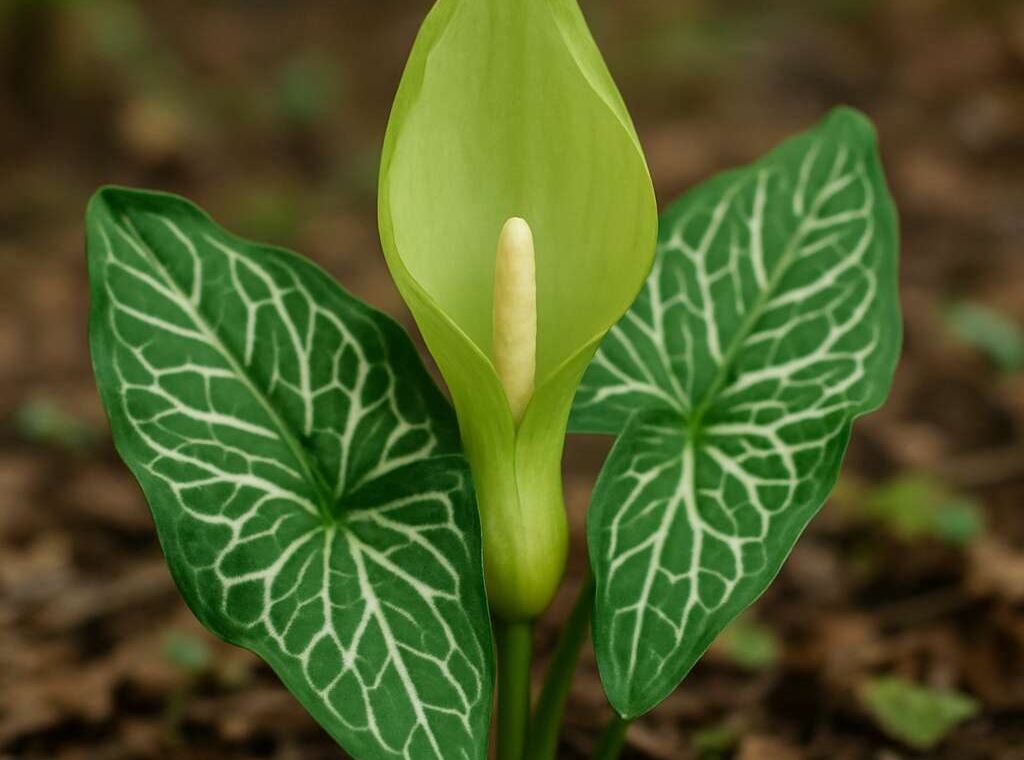

Latest Comments