Overview of Rainbow Wrasse Coris julis
Taxonomy and Scientific Classification – Details about its classification within Labridae
Few marine species captivate the imagination quite like the Rainbow Wrasse Coris julis. Its vibrant hues and dynamic behaviour make it a standout in any reef setting. But behind its striking appearance lies a fascinating scientific story rooted in precise taxonomy. The Rainbow Wrasse Coris julis belongs to the family Labridae, a diverse group known for their colourful and complex social structures.
Within the family Labridae, the Rainbow Wrasse Coris julis occupies a prominent position, classified under the order Perciformes. Its scientific classification reflects both its evolutionary lineage and ecological niche. This species is well-documented, with ongoing research revealing intriguing details about its behaviour and habitat preferences, all contributing to a richer understanding of its role in marine ecosystems.
- Kingdom: Animalia
- Phylum: Chordata
- Class: Actinopterygii
- Order: Perciformes
- Family: Labridae
- Genus: Coris
- Species: C. julis
The scientific classification of the Rainbow Wrasse Coris julis underscores its intricate evolutionary ties, making it a subject of interest for both hobbyists and marine biologists. Its taxonomy is a testament to the complexity and beauty of marine biodiversity—an enduring reminder of nature’s astonishing craftsmanship.
Physical Appearance and Coloration – Description of the vibrant colors and size
The Rainbow Wrasse Coris julis is a true aquatic spectacle, often described as the clown of the coral reefs due to its dazzling palette and lively personality. This species, rarely subtle, sports a vibrant mosaic of colours that can turn heads even among the most seasoned marine enthusiasts. Measuring up to 15 centimetres in length, the Rainbow Wrasse Coris julis is the perfect size for adding a splash of colour to any home aquarium or public reef display.
What makes the Rainbow Wrasse Coris julis truly captivating is its striking colouration. Its body showcases a dazzling array of hues—bright yellow, fiery orange, and shimmering blues—each shifting and blending as the fish moves through the water. During breeding seasons, the colours become even more flamboyant, as if it’s flaunting its genetic pedigree for all to see! Its tail fin often displays a vivid, contrasting band, making every flick of the fin a colourful spectacle.
To appreciate the Rainbow Wrasse Coris julis fully, consider its physical features as a natural work of art. Its elongated body tapers towards the tail, giving it a sleek, agile appearance that’s well-suited for darting through coral crevices. The fish’s distinctive colouration isn’t just for show; it plays a role in social signalling and territorial displays. Whether you’re a keen hobbyist or a marine biologist, the Rainbow Wrasse Coris julis offers endless fascination with its vibrant hues and dynamic behaviour.
Habitat and Distribution – Regions where it naturally occurs and preferred habitats
The Rainbow Wrasse Coris julis is a marine marvel, gracing the warm waters of the Mediterranean Sea and the eastern Atlantic with its vibrant presence. Its natural habitat is a testament to the splendour of coral reefs and rocky coastal environments, where colours flourish amidst the complex labyrinth of crevices and overhangs. These fish are often found darting swiftly through algae-covered rocks, showcasing their agility and keen territorial instincts. Their adaptability to various reef structures makes them a captivating subject for marine enthusiasts and divers alike.
In its native regions, the Rainbow Wrasse Coris julis prefers sheltered areas that offer ample hiding spots and abundant food sources. They thrive in environments where the water temperature ranges between 18°C and 24°C, and the clarity of the water is pristine, allowing their dazzling hues to shimmer vividly. Their distribution extends primarily across the Mediterranean, from the coasts of Spain and France to the shores of North Africa, and into the Atlantic Ocean, where they inhabit shallow to moderately deep waters.
- Their preferred habitats include coral reefs, rocky outcrops, and seagrass beds, which provide both food and shelter.
- They are particularly drawn to areas with abundant algae and invertebrates, which make up most of their diet.
Understanding the habitat and distribution of the Rainbow Wrasse Coris julis is essential for aquarists and conservationists alike. Recognising their natural environments helps in replicating suitable conditions in captivity, ensuring their colourful charm continues to enchant future generations. Their vibrant presence is not just a feast for the eyes but also a vital part of the delicate reef ecosystem they call home.
Behavior and Diet – Typical behaviors and feeding habits
The Rainbow Wrasse Coris julis is renowned for its dynamic behaviour and intriguing feeding habits that captivate marine enthusiasts worldwide. These fish are highly active, constantly darting through their environment with bursts of agility, showcasing their territorial instincts and keen alertness. Their behaviour isn’t just fascinating to observe; it plays a vital role in maintaining the delicate balance of reef ecosystems.
Feeding on a diverse diet, the Rainbow Wrasse Coris julis primarily thrives on algae, crustaceans, and small invertebrates. Their foraging style is energetic, often seen flipping over rocks or grazing on algae-covered surfaces to uncover hidden prey. This omnivorous diet makes them adaptable in various habitats, yet it’s their specialised palate for algae and invertebrates that truly defines their role in the reef community.
In the wild, you might notice them engaging in cleaning behaviours, picking at parasites or dead tissue, which adds an extra layer of complexity to their social interactions. Their diet not only sustains their vibrant colours but also reinforces their position as essential players within the reef’s intricate food web.
- Active darting and territorial displays
- Feeding primarily on algae, crustaceans, and invertebrates
- Exhibiting cleaning behaviours and social interactions
The behaviour and diet of the Rainbow Wrasse Coris julis exemplify their adaptability and vital ecological role, making them a compelling subject for both scientific study and underwater admiration. Their lively nature and colourful appetite ensure they remain a standout feature of Mediterranean and Atlantic reef environments.
Care Requirements for Rainbow Wrasse Coris julis in Aquariums
Tank Size and Environment – Recommended tank dimensions and environment setup
The Rainbow Wrasse Coris julis is a captivating addition to any marine aquarist’s collection, but its care requirements demand a careful eye to detail—especially when it comes to tank size and environment setup. A creature this lively and vibrant needs space to truly flourish, much like a social butterfly at a garden party. An aquarium of at least 250 litres (approximately 66 gallons) provides the necessary room for healthy swimming and manoeuvring, preventing the fish from feeling cramped and stressed.
Set the scene with a well-structured environment that mimics its natural habitat—think rocky outcrops, sandy patches, and plenty of hiding spots. The Rainbow Wrasse Coris julis thrives in environments where it can dart between crevices, so incorporating live rock formations creates both aesthetic appeal and functional shelter. Maintaining stable water parameters—salinity around 35 ppt, temperature between 18–24°C, and moderate water movement—ensures your Rainbow Wrasse is content and healthy in its new aquatic home.
Water Parameters – Ideal temperature, pH, and salinity levels
The Rainbow Wrasse Coris julis is a dazzling jewel of the marine world, captivating aquarists with its vibrant hues and lively antics. To ensure this colourful fish thrives, maintaining precise water parameters is essential. The ideal temperature range for Rainbow Wrasse Coris julis lies between 18–24°C, mimicking their natural Mediterranean and Atlantic habitats where seasonal variation keeps their environment dynamic and healthy.
Achieving the right pH balance is equally crucial; a stable pH of around 8.1 to 8.4 supports their sensitive physiology and promotes optimal colouration. Salinity levels should be maintained at approximately 35 ppt, replicating oceanic conditions and ensuring proper osmoregulation. Fluctuations in these parameters can lead to stress or health issues, so consistent monitoring is paramount.
In addition to water chemistry, moderate water movement creates a gentle current, mimicking the natural flow of their habitat. This movement encourages natural behaviour patterns and keeps the water oxygen-rich. For a thriving Rainbow Wrasse Coris julis, investing in a reliable testing kit and regular maintenance goes a long way—because a healthy environment is the foundation of a truly spectacular display of colour and vitality.
Diet and Feeding Habits – Optimal diet and feeding schedule
The Rainbow Wrasse Coris julis is a true marvel of the marine realm, enchanting aquarists with its dazzling palette of colours and lively temperament. To keep this vibrant species thriving within the aquatic sanctuary, understanding its diet and feeding habits is paramount. Unlike many fish that stick to a singular diet, the Rainbow Wrasse Coris julis requires a varied and balanced nutritional intake to maintain its spectacular hues and energetic behaviour.
In the wild, the Rainbow Wrasse Coris julis primarily feeds on a diverse array of invertebrates, small crustaceans, and molluscs. Replicating this in captivity involves offering a mix of high-quality foods to meet their dietary needs. A typical feeding schedule should be twice daily, providing both morning and evening nourishment. This consistency not only supports their health but also encourages their natural foraging behaviour, which is vital for their mental and physical well-being.
To ensure optimal health and colouration, incorporate a variety of foods such as:
- Frozen or live brine shrimp
- Marine algae and seaweed strips
- Specialised pellet and flake foods formulated for omnivorous marine fish
Offering these in moderation prevents overfeeding and water quality deterioration, which could stress the Rainbow Wrasse Coris julis. Remember, a well-fed fish is a happy fish—vibrant, active, and displaying its full spectrum of colours with pride!
Compatibility and Tank Mates – Suitable tank mates and behavioral considerations
The Rainbow Wrasse Coris julis is renowned not only for its breathtaking visual display but also for its nuanced social dynamics within the marine environment. When considering compatibility and tank mates, it’s essential to acknowledge the species’ lively and occasionally territorial nature. While their vibrant colours can enchant any aquarist, they also demand a carefully curated community of tank mates to prevent conflict and stress.
In a well-designed aquarium, Rainbow Wrasse Coris julis can coexist peacefully with a variety of non-aggressive species. Suitable tank mates include smaller reef-safe fish such as gobies, blennies, and certain tangs, which share similar water parameters and temperament profiles. However, caution should be exercised with larger or more aggressive fish that might view the Rainbow Wrasse Coris julis as a territorial intruder. Respecting their behavioural nuances is key to fostering a harmonious environment.
To promote peaceful interactions, provide ample hiding spots and territories within the tank—these are vital for reducing territorial disputes and allowing the Rainbow Wrasse Coris julis to express its natural behaviours. It’s worth noting that this species may occasionally display territorial tendencies, especially during breeding seasons or in cramped conditions. Therefore, a suitably spacious tank with a minimum of 100 gallons can help mitigate such issues.
Breeding and Reproduction of Rainbow Wrasse Coris julis
Breeding Habitats – Conditions needed for successful breeding
Among the most captivating aspects of the Rainbow Wrasse Coris julis is its remarkable reproductive behaviour, which combines colourful courtship displays with intricate breeding rituals. In the wild, these fish often engage in seasonal spawning, typically coinciding with warmer months when environmental conditions are optimal. The breeding process begins with elaborate visual signals, where males showcase vibrant colours to attract females, a display that underscores their territorial dominance and vitality.
Successful breeding of Rainbow Wrasse Coris julis depends heavily on specific habitat conditions. They thrive in shallow rocky reefs and sandy substrates, where ample hiding spots and shelter are available. Maintaining optimal water parameters—such as a temperature range of 18-24°C, pH around 8.1-8.4, and salinity close to natural seawater levels—is essential for fostering healthy reproductive cycles. In captivity, mimicking these conditions can significantly enhance the likelihood of spawning.
- Stable, clean water with minimal fluctuations
- Structured environments with plenty of nooks and crannies
- Appropriate lighting that simulates natural daylight cycles
When these conditions align, Rainbow Wrasse Coris julis are more inclined to engage in breeding behaviours, which include the laying of adhesive eggs on substrate surfaces. Interestingly, males often guard the nests fiercely, a behaviour that highlights their role in ensuring reproductive success in their dynamic habitats. Understanding these nuanced requirements provides invaluable insights into fostering their natural breeding habits both in the wild and in aquaculture settings.
Reproductive Behavior – Courtship and spawning behaviors
The vibrant spectacle of Rainbow Wrasse Coris julis during courtship is truly mesmerizing. Male Rainbow Wrasse Coris julis perform dazzling visual displays, showcasing their intense colours to attract females. These elaborate rituals are not only a testament to their beauty but also serve as vital signals of vitality and territorial strength. Spawning typically occurs in warmer months, aligning with peak environmental conditions that support reproductive success.
During spawning, Rainbow Wrasse Coris julis lay adhesive eggs on carefully chosen substrate surfaces. Males often guard these nests fiercely, vigilantly defending their territory against intruders. This behaviour highlights the importance of creating a habitat that mimics their natural environment—shallow rocky reefs and sandy substrates with plenty of hiding spots. When these conditions are met, Rainbow Wrasse Coris julis are more inclined to engage in their intricate reproductive rituals, ensuring their colourful legacy continues in both wild and captive settings.
Lifecycle and Growth Stages – Development from juvenile to adult
The lifecycle of Rainbow Wrasse Coris julis is a fascinating journey from juvenile to mature adult. These fish start life as tiny larvae, drifting with ocean currents before settling into their favourite habitats. During early stages, their colours are muted, and their bodies are less robust. As they grow, vivid hues begin to emerge, signalling their transition into reproductive maturity.
Growth is relatively swift in the first year, with juveniles reaching about 5-7 cm. Over the next few years, Rainbow Wrasse Coris julis continue to develop their striking colouration and increase in size, often exceeding 15 cm in length. This growth phase is critical, as it aligns with their readiness for breeding and territorial displays. Their development is influenced by environmental conditions, including water quality and available food sources.
During maturity, Rainbow Wrasse Coris julis undergo notable transformations. The males, in particular, display more intense colours and larger fins, preparing for their role in courtship and territorial disputes. These stages are vital for ensuring the continuation of their colourful legacy in the wild, as well as in captivity where optimal growth conditions replicate their natural habitat.
Challenges in Breeding – Common issues and tips for breeders
Breeding Rainbow Wrasse Coris julis is a captivating yet complex endeavour that often presents unexpected hurdles for aquarists. One of the foremost challenges lies in replicating their natural spawning cues within captivity. These fish typically require specific environmental triggers, such as precise water temperature fluctuations and suitable territorial conditions, to initiate breeding behaviours. Without these, spawning can be elusive, leaving enthusiasts frustrated.
Another common issue is the difficulty in maintaining optimal water parameters during reproduction. Fluctuations in pH, salinity, or temperature can suppress reproductive activity or cause stress, ultimately hindering successful spawning. Ensuring a stable environment is crucial, alongside providing a diet rich in live foods to stimulate spawning instincts.
Interestingly, Rainbow Wrasse Coris julis exhibit complex courtship rituals, including colour changes and territorial displays. To support these natural behaviours, a breeder might consider creating designated breeding zones within the tank, which can encourage pairing and spawning.
- The presence of a sheltered area or breeding cave
- Consistent, high-quality nutrition
- Stable water conditions
can significantly improve breeding success rates.
Conservation Status and Environmental Impact
Conservation Status – IUCN rating and threats in the wild
The Rainbow Wrasse Coris julis is often celebrated for its vivid colouration and ecological significance, but its conservation status warrants closer attention. According to the IUCN Red List, the Rainbow Wrasse Coris julis is classified as Least Concern. This designation reflects its relatively stable populations across its native Mediterranean and Atlantic regions. However, despite this favourable status, ongoing threats threaten its long-term sustainability. Overfishing, habitat degradation, and pollution pose significant risks, especially in areas experiencing intense maritime activity.
It’s important to recognise that these threats could escalate if not managed properly. Habitat destruction, particularly of rocky reefs and seagrass beds where the Rainbow Wrasse Coris julis thrives, diminishes vital shelter and breeding grounds. Protecting these environments is essential for maintaining healthy populations. Conservation efforts must prioritise sustainable fishing practices and habitat preservation to ensure that this vibrant species continues to flourish in the wild.
Protection Efforts – Measures taken to preserve populations
The Rainbow Wrasse Coris julis may currently enjoy a status of Least Concern on the IUCN Red List, but that doesn’t mean it’s invincible. Despite its vibrant hues and widespread presence in the Mediterranean and Atlantic, ongoing threats like overfishing, habitat destruction, and pollution could tip the scales if left unchecked. These colourful fish rely heavily on rocky reefs and seagrass beds—precisely the habitats under siege from maritime development and environmental neglect.
To counteract these threats, conservation measures are gradually gaining momentum. Protected marine areas and habitat restoration initiatives are essential to maintaining healthy populations of the Rainbow Wrasse Coris julis. Moreover, promoting sustainable fishing practices helps prevent overexploitation, ensuring that these dazzling creatures continue to brighten our underwater ecosystems. Efforts such as regulating fishing quotas and restricting destructive fishing methods are vital. After all, preserving the beauty and ecological role of the Rainbow Wrasse Coris julis isn’t just about safeguarding a colourful fish; it’s about sustaining the delicate balance of marine biodiversity.
Impact of Aquarium Trade – Effects of collection on natural populations
The Rainbow Wrasse Coris julis, with its dazzling array of colours and lively behaviour, has captivated divers and marine enthusiasts alike. Despite its current classification as Least Concern on the IUCN Red List, this species faces increasing pressures that could threaten its vibrant existence. Overfishing and habitat degradation are persistent challenges, especially as these fish rely heavily on rocky reefs and seagrass beds—delicate ecosystems under siege from human activity and environmental change.
The impact of the aquarium trade on wild populations of Rainbow Wrasse Coris julis is a growing concern. Unsustainable collection practices can lead to local declines, disrupting the ecological balance of their native habitats. While the demand for these colourful fish fuels the industry, it also underscores the importance of responsible sourcing and captive breeding initiatives. Overharvesting not only diminishes wild stocks but also hampers the natural regeneration of reef systems, which are already vulnerable to climate change and pollution.
Efforts to mitigate these effects include implementing stricter export regulations and promoting aquaculture solutions. These measures aim to safeguard the genetic diversity and resilience of Rainbow Wrasse Coris julis populations, ensuring that their vibrant presence continues to enrich our underwater worlds for generations to come.
Ways to Support Conservation – Responsible practices for enthusiasts
The vibrant allure of the Rainbow Wrasse Coris julis has long enchanted marine enthusiasts and divers, yet beneath its dazzling exterior lies a fragile thread that ties it to the health of our oceans. Despite its current IUCN status as Least Concern, the species faces mounting threats from unsustainable collection practices and habitat degradation. Each specimen removed from its natural home can tip the delicate balance of rocky reefs and seagrass beds — ecosystems vital for countless marine species.
Protecting the Rainbow Wrasse Coris julis requires concerted efforts to maintain their environmental integrity. Responsible practices for enthusiasts include sourcing fish from reputable suppliers who prioritise captive-bred specimens over wild-caught, thereby reducing pressure on wild populations. Supporting aquaculture initiatives, which replicate natural habitats and foster healthy growth, is a crucial step in safeguarding these colourful fish.
- Avoid purchasing from unregulated markets
- Choose captive-bred Rainbow Wrasse Coris julis whenever possible
- Support conservation organisations dedicated to marine habitat preservation
By embracing these measures, aquarists play a vital role in ensuring that the striking spectacle of Rainbow Wrasse Coris julis continues to shimmer beneath the waves — a testament to our shared responsibility for the ocean’s vibrant tapestry. Every mindful choice echoes through the reef, shaping a future where this splendid species can flourish unthreatened by human excess or environmental loss.
Special Features and Interesting Facts
Unique Adaptations – Distinctive traits for survival and coloration
The rainbow spectacle that is the Rainbow Wrasse Coris julis is not just a pretty face; it’s a master of colourful camouflage and survival tricks. These fish sport a kaleidoscope of colours that shift and shimmer like a living gemstone, making them one of the most visually captivating species in the Labridae family. Their ability to change colour based on mood, stress levels, or social hierarchy is a fascinating adaptation, providing both communication and protection from predators.
One of the most interesting facts about Rainbow Wrasse Coris julis is their remarkable versatility in habitat. They have evolved to thrive in rocky reefs and seagrass beds across the Mediterranean and eastern Atlantic, where their distinctive traits give them an edge. Their body shape and quick darting movements allow them to escape predators with agility, while their vibrant colours act as a warning or a form of cryptic communication among their peers.
Distinctive traits include their elongated bodies, which allow for rapid manoeuvres through complex underwater terrains. They also possess a unique set of teeth suited for their diet of small invertebrates and crustaceans, which they skillfully hunt in the crevices of rocks. Interestingly, Rainbow Wrasse Coris julis are known for their impressive ability to change sex—a trait called sequential hermaphroditism—ensuring the stability of their social groups and reproductive success.
Symbiotic Relationships – Associations with other marine species
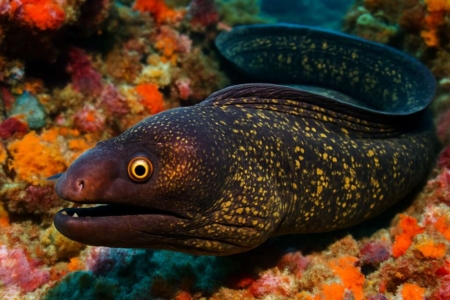
One of the most captivating aspects of the Rainbow Wrasse Coris julis is its fascinating symbiotic relationships with other marine species. These fish don’t just dazzle with their colours; they also play a vital role in their ecosystem by engaging in mutualistic interactions. For example, Rainbow Wrasse Coris julis often act as cleaner fish, removing parasites from larger residents like groupers or moray eels. This behaviour not only benefits their larger neighbours but also ensures the wrasse’s own health and agility. Their role as natural cleaners makes them essential components of coral reef health, promoting biodiversity and ecological stability.
Interestingly, the Rainbow Wrasse Coris julis’s associations extend to smaller invertebrates and crustaceans. They frequently coexist with species such as shrimp and small molluscs, sometimes even sharing shelter within rocky crevices. These relationships offer mutual benefits—protection and food sources—highlighting the complex web of interactions that sustain vibrant reef communities. Their ability to adapt behaviourally and socially within such diverse partnerships underscores their importance in maintaining the delicate balance of their habitat.
- They often establish partnerships with cleaner shrimp, facilitating cleaner stations that attract other fish species.
- Their colourful displays can signal territory boundaries or serve as visual cues during social interactions with peers.
- Rainbow Wrasse Coris julis’s versatility in associations helps them evade predators while fostering cooperative relationships that enhance survival odds.
Fun Facts – Notable trivia about Coris julis
The Rainbow Wrasse Coris julis isn’t just a visual marvel; it’s a miniature marine diplomat, orchestrating colourful symphonies of cooperation beneath the waves. With their striking hues of electric blue, lemon yellow, and fiery orange, these fish are also renowned for their intriguing behavioural quirks that keep reef enthusiasts endlessly fascinated. One of their most captivating features is their ability to establish symbiotic relationships, turning them into the social butterflies of the coral reef. From acting as natural cleaners to sharing hideouts with tiny invertebrates, the Rainbow Wrasse Coris julis exemplifies adaptability and ecological importance.
Fun fact: these vibrant fish can change their colouration depending on mood, social status, or even the time of day—think of it as a live, underwater mood ring! Their versatility in associations is truly remarkable. They often partner with cleaner shrimp, creating bustling ‘cleaning stations’ that attract a myriad of other fish species seeking a parasite removal service. This behaviour not only keeps the reef ecosystem healthy but showcases the Rainbow Wrasse Coris julis’s role in fostering biodiversity. It’s as if they’re the reef’s very own social mediators—bridging species and maintaining balance with a splash of spectacular colour.
Research and Studies – Latest scientific findings
The latest scientific research on Rainbow Wrasse Coris julis continues to unveil astonishing facets of this vibrantly coloured species, solidifying its reputation as a marvel of the marine world. Recent studies highlight its remarkable ability to adapt its colouration in real time, a trait that serves both social signalling and camouflage. This dynamic chromatic display is not merely an aesthetic quirk but a sophisticated communication tool—shifting hues to denote mood, social standing, or reproductive status. Such visual versatility underscores the species’ evolutionary finesse in navigating complex reef hierarchies.
Further research demonstrates the ecological significance of Rainbow Wrasse Coris julis in maintaining reef health. Their role as natural cleaners is well-documented, with observations revealing the establishment of bustling ‘cleaning stations’ where these fish remove parasites from a variety of reef inhabitants. Interestingly, their symbiotic relationships extend beyond cleaner interactions, often involving partnerships with tiny invertebrates, which serve as mutualistic allies in the reef’s delicate balance.
- Studies indicate that Rainbow Wrasse Coris julis exhibits a broad behavioural plasticity, allowing it to adjust social strategies based on environmental cues.
- Genetic analyses suggest that their colour-changing ability is regulated by a complex interplay of neural and hormonal factors, making them a model species for behavioural research.
Scientific findings also reveal their impressive capacity for territoriality and cooperation within reef communities. These fish demonstrate a nuanced understanding of social hierarchies, often forming transient alliances that benefit both predator and prey alike. Such insights deepen our appreciation for the intricate social fabric woven beneath the waves by Rainbow Wrasse Coris julis—truly, the underwater diplomat of the coral reef ecosystem.

 by
by 




Latest Comments