Overview of Salvia Veneris
What is Salvia Veneris?
In the enchanting world of botanical rarities, Salvia veneris stands out as a captivating specimen that beckons both the curious gardener and the seasoned botanist. Often overlooked in favour of its more flamboyant cousins, this particular salvia boasts a subtle elegance that conceals a fascinating botanical story. Its charm lies not only in its delicate foliage but also in its unique floral display, which hints at something almost poetic in its understated beauty.
What is Salvia veneris? At first glance, it appears modest, yet beneath its unassuming exterior lies a plant of remarkable resilience and subtle splendour. Native to specific microclimates, Salvia veneris thrives in well-drained soils and requires a careful balance of sun and shade for optimal growth. Many enthusiasts appreciate this species for its ability to draw pollinators, especially bees and butterflies, making it a vital addition to any ecological garden.
For those seeking to cultivate or simply admire this botanical gem, understanding its growth habits is essential. Here are some key features of Salvia veneris:
- Elegant, slender stems with soft, aromatic leaves
- Spring to late summer flowering period, showcasing delicate, tubular flowers
- Prefers a temperate climate with minimal frost exposure
Taxonomy and Classification
Within the intricate tapestry of botanical classification, Salvia veneris claims its unique place as a member of the vast and diverse Salvia genus. This genus, renowned for its captivating floral displays and resilience, comprises over 900 species spread across the globe, each contributing to the rich mosaic of herbal and ornamental plants. Salvia veneris, in particular, belongs to the Lamiaceae family — a lineage celebrated for aromatic foliage and enchanting blooms. Its taxonomic journey reveals a plant finely tuned by nature’s subtle artistry, thriving in microclimates that reward patience and careful cultivation.
As part of the Salvia genus, Salvia veneris shares close kinship with other aromatic sages, yet it distinguishes itself through its delicate stature and poetic elegance. Its classification is rooted in detailed botanical studies that highlight its distinctive floral morphology and leaf structure. Recognising these features is essential for enthusiasts eager to understand how Salvia veneris fits into the broader botanical spectrum. For those with a keen eye, the plant’s taxonomy offers a glimpse into the evolutionary artistry that has shaped its subtle beauty over centuries.
Historical Significance
Salvia veneris holds a poetic place in botanical history, its roots intertwined with centuries of cultural reverence and natural beauty. This enchanting plant has long been cherished by herbalists and collectors alike, symbolising resilience and delicate elegance. Its historical significance is woven into the fabric of traditional medicine and ornamental gardening, where it has been prized for both its aesthetic appeal and subtle medicinal qualities.
Throughout the ages, Salvia veneris has been associated with spiritual symbolism, often representing love and harmony in various cultural contexts. Its presence in ancient herbal compendiums highlights its revered status, with stories passed down of its use in soothing remedies and ritual practices. The plant’s captivating floral display and aromatic foliage continue to inspire admiration, reminding us of nature’s artistry and the enduring bond between humans and the natural world.
Geographic Distribution
Salvia veneris, a plant shrouded in mystique and botanical intrigue, boasts a striking distribution that spans a variety of Mediterranean landscapes. Its natural habitat is predominantly concentrated in regions where the climate balances warmth with seasonal moisture, allowing its delicate yet resilient flora to flourish. The plant’s adaptability to such environments underscores its resilience—a trait that has endeared it to herbalists and gardeners alike.
Its geographic distribution extends across southern Europe, particularly in areas with rocky slopes and open meadows. In these locales, Salvia veneris thrives, often growing amidst wild thyme and other resilient herbs. The plant’s presence in these regions highlights its role as both a decorative and medicinal species, woven into the ecological tapestry of its native habitats.
- Southern Europe, especially around the Mediterranean basin
- Coastal regions with well-drained, calcareous soils
- Areas where traditional herbal practices have long recognised its subtle medicinal qualities
The distribution of Salvia veneris is not merely geographical; it is a testament to the enduring relationship between humans and nature’s resilient beauty. Its presence in diverse terrains reminds us of nature’s capacity to flourish in resilience and subtlety, qualities that continue to inspire those who seek to understand its deeper significance.
Botanical Characteristics
Physical Description
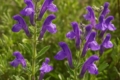
Salvia veneris possesses a captivating botanical profile that sets it apart amidst the diverse world of sage species. Its physical form is both elegant and resilient, boasting a compact stature that belies its hardy nature. Typically, Salvia veneris features square stems—a hallmark of the Lamiaceae family—that support a lush array of foliage and flowers. The leaves are ovate, with a velvety texture that invites closer inspection, often exhibiting a deep green hue with subtle hints of silvery shimmer. When in bloom, Salvia veneris unfurls vibrant spires of tubular flowers, usually in shades of violet or lavender, creating a striking contrast against its foliage.
This plant’s physical characteristics are not only visually appealing but also serve as essential identifiers. Its flowers tend to cluster densely, forming eye-catching inflorescences that attract pollinators and add to its ornamental charm. Interestingly, the physical robustness of Salvia veneris allows it to thrive in various environments, making it a popular choice for both cultivated gardens and natural landscapes. For those seeking a resilient yet alluring plant, understanding the botanical features of Salvia veneris reveals an intriguing blend of form and function that continues to fascinate horticulturists and enthusiasts alike.
Plant Morphology
Salvia veneris is a plant that exemplifies the intricate beauty of botanical design. Its plant morphology reveals a harmonious blend of structure and resilience, making it a standout in any garden setting. At the core of its botanical characteristics are the square stems, a defining trait of the Lamiaceae family, which lend stability and robustness to the plant’s form. These stems support an abundance of ovate, velvety leaves that shimmer with subtle silvery undertones, inviting close inspection and admiration.
During flowering season, Salvia veneris produces striking spires of tubular flowers, often in shades of violet or lavender. These inflorescences tend to cluster densely, creating a visual spectacle that attracts pollinators from afar. The plant’s ability to adapt to various environments is rooted in its morphology, which combines compact growth with a hardy nature. For those interested in plant architecture, a closer look reveals:
- Square stems that provide structural integrity
- Velvety, ovate foliage with shimmering green and silver hues
- Dense clusters of tubular flowers forming eye-catching inflorescences
Salvia veneris’s plant morphology not only enhances its ornamental appeal but also underscores its resilience—making it a prized choice for both seasoned horticulturists and passionate gardeners alike. Its physical characteristics embody a perfect union of form and function, demonstrating why this species continues to captivate those who appreciate the subtle artistry of nature.
Growth Habits
Salvia veneris possesses a growth habit that whispers of resilience and subtle elegance, thriving even in the shadows of less hardy flora. Its upright stance, often reaching modest heights, belies a tenacious spirit that endures the caprices of nature’s darker moods. As it matures, the plant develops an intricate lattice of stems and leaves, each contributing to its enigmatic presence in the garden landscape.
Its flowering season reveals a crescendo of tubular blossoms clustered in dense spikes, a spectacle that seems almost otherworldly. The plant’s ability to adapt across varied environments is rooted in its growth habit, which combines a compact form with a hardy constitution. This resilience is what makes Salvia veneris a favourite among those who seek beauty that endures beneath the gloom.
- Steady, vertical growth that lends an architectural grace to any setting
- Dense foliage with velvety, ovate leaves that shimmer with silvery undertones
- Recurrent flowering spikes that attract pollinators and elevate its gothic allure
Salvia veneris’s growth habits are a testament to its beguiling nature—both robust and refined, capable of transforming a simple garden into a sanctuary of shadow and light. Its physical resilience, woven into every stem and leaf, underscores its reputation as a plant of quiet strength and dark, poetic beauty.
Identifying Features
Salvia veneris exhibits a suite of botanical characteristics that both intrigue and inspire admiration. Its most defining feature is the dense, velvety foliage, composed of ovate leaves that shimmer with silvery undertones, creating an aura of mystique. These leaves form a lush backdrop for the plant’s striking flowering spikes, which emerge recurrently during its blooming season. The tubular blossoms, clustered tightly along dense spikes, are not only visually captivating but also highly attractive to pollinators, adding a lively dynamism to its gothic allure.
This plant’s physical traits serve as a visual testament to its resilience and adaptability. Its upright, architectural growth habit lends a graceful verticality that complements a variety of garden settings. To identify Salvia veneris more precisely, look for these key features:
- Velvety, ovate leaves with silvery shimmers
- Multiple dense flowering spikes with tubular blossoms
- Steady, vertical growth with a compact form
Understanding these identifying features reveals the beguiling nature of Salvia veneris—an elegant yet hardy perennial rooted in ancient beauty and shadowed mystique. Its physical characteristics make it a prized choice for those seeking a plant that combines poetic grace with enduring resilience.
Cultivation and Care
Preferred Growing Conditions
Growing Salvia veneris isn’t just about sticking a plant in the ground and hoping for the best. This charming herbaceous perennial prefers conditions that feel like a day at a Mediterranean spa—bright, warm, and with just the right amount of humidity. If you want your Salvia veneris to thrive, you’ll need to create a cosy environment that mimics its native habitat.
For optimal growth, choose a sunny spot where Salvia veneris can soak up at least six hours of direct sunlight each day. Well-draining soil is a must, as soggy roots are the enemy of this resilient plant. It’s also quite the fan of moderate watering—think of it as a delicate balancing act—so avoid overdoing it. If you’re planting in colder climates, consider mulching around the base to insulate roots from frost, since Salvia veneris prefers temperatures that won’t dip below freezing.
In terms of care, maintaining good air circulation helps prevent fungal issues and keeps your Salvia veneris looking its best. Regular pruning encourages bushier growth and more vibrant blooms. For those keen on cultivating a lush, colourful display, following these preferred growing conditions guarantees your Salvia veneris will flourish—proving once again that a little TLC goes a long way with this delightful herbaceous perennial.
Soil and Water Requirements
Salvia veneris thrives best when its soil mimics the warm, well-drained conditions of its native Mediterranean habitat. A rich, loamy substrate with excellent drainage encourages healthy root development and vigorous growth. To achieve this, incorporate organic matter such as compost or sand to improve aeration and prevent waterlogging, which can swiftly lead to root rot in this resilient herbaceous perennial. Maintaining the right soil pH—slightly acidic to neutral—further enhances nutrient uptake, ensuring your Salvia veneris remains vibrant and robust.
Watering demands a delicate touch; Salvia veneris prefers moderate moisture levels, avoiding both drought stress and soggy roots. A good rule of thumb is to water deeply when the topsoil feels dry, allowing excess water to drain away thoroughly. During the growing season, regular but infrequent watering encourages lush foliage and abundant blooms. Mulching around the base not only conserves soil moisture but also insulates roots against temperature fluctuations, especially in colder climates.
To optimise growth and health, consider these key soil and water requirements for Salvia veneris:
- Well-draining soil enriched with organic matter
- Moderate, infrequent watering to avoid waterlogging
- Mulching to preserve moisture and insulate roots
- Maintaining soil pH around neutral (6.0–7.0)
Incorporating these cultivation principles transforms your garden into a sanctuary for Salvia veneris, inviting its enchanting foliage and vibrant blooms to flourish under your careful stewardship.
Propagation Methods
Propagating Salvia veneris is a rewarding endeavour that allows gardeners to multiply this striking Mediterranean herb effortlessly. Its resilience and adaptability make it an ideal choice for both seasoned and novice growers. The most common method of propagation is through cuttings, which ensures the new plants retain the desirable traits of the parent. Taking healthy semi-hardwood cuttings during late spring or early summer optimises success rates.
To propagate Salvia veneris via cuttings, select a healthy stem, remove the lower leaves, and plant it in a well-draining potting mix. Keep the soil moist but not waterlogged, and place the cutting in a warm, bright spot out of direct sunlight. Roots typically develop within a few weeks, after which the new plant can be gradually acclimated to outdoor conditions.
- Prepare cuttings from mature plants during the optimal season.
- Use sharp, sterilised tools to avoid infection.
- Insert the cutting into a moist, well-draining medium enriched with organic matter.
- Maintain high humidity around the cutting with a plastic cover or propagator lid.
- Once roots are established, transplant the new Salvia veneris into your garden or a larger pot.
Division is another viable method, especially for mature specimens. Carefully lift the plant, gently separate the root clumps, and replant them in their new location. This technique not only propagates new plants but also rejuvenates older, overgrown specimens, ensuring ongoing vigour and vitality for Salvia veneris.
Common Cultivation Challenges
Salvia veneris, with its captivating hues and delicate, whispering foliage, is a treasure that thrives when nurtured with attentive care. Yet, even the most enchanting plants face their trials in the garden—challenging weather, inconsistent watering, or poor soil conditions can threaten their vigour. Understanding the subtle art of cultivation is essential to keep your Salvia veneris flourishing amidst these hurdles.
One common obstacle is overwatering, which can lead to root rot and diminish the plant’s vitality. Conversely, too little water causes stress, dulling its vibrant colour and reducing flowering potential. Striking the right balance is vital; maintaining evenly moist soil enriched with organic matter ensures the plant’s roots breathe freely and remain healthy. Ensuring well-draining soil is equally important, lest excess moisture linger around the roots.
Seasonal challenges such as frost or unseasonal rainfall may necessitate protective measures. Covering Salvia veneris during cold snaps or providing shelter during heavy rains helps preserve its delicate structure. For those cultivating Salvia veneris in less temperate climates, strategic mulching and positioning in sheltered spots can make all the difference.
To keep your Salvia veneris resilient, be vigilant about common cultivation challenges. Regularly inspecting for pests, such as aphids or spider mites, and promptly addressing infestations helps prevent damage. Additionally, pruning dead or damaged stems encourages vigorous growth and abundant flowering, transforming your garden into a lush haven of colour and scent.
Uses and Applications
Traditional Uses
Throughout history, Salvia veneris has held a revered place in traditional practices, often celebrated for its subtle yet profound applications. Indigenous communities have long recognised its potential, utilising this aromatic herb not only for medicinal purposes but also in spiritual rituals that honour the natural cycle of life. In many cultures, Salvia veneris was believed to possess calming qualities, helping to alleviate anxiety and foster introspection.
In addition to its spiritual significance, Salvia veneris has been employed in various practical ways. Its leaves and extracts were once used in folk medicine to treat minor ailments, including digestive issues and headaches. The plant’s aromatic properties made it a popular ingredient in herbal teas and poultices, serving as natural remedies that complemented traditional healing methods.
Modern applications of Salvia veneris extend beyond the realm of tradition. Researchers are exploring its potential in herbal formulations and natural health products. Its unique phytochemical profile suggests possibilities for innovative uses, blending ancient wisdom with contemporary herbal science. This enduring relevance underscores the plant’s versatility and cultural importance, reminding us of the deep-rooted connection between nature and human well-being.
Modern Applications
In recent years, the modern applications of Salvia veneris have garnered increasing attention from herbal enthusiasts and health practitioners alike. Its unique phytochemical profile has sparked a wave of innovative uses, blending ancient tradition with contemporary science. From herbal teas to natural remedies, this aromatic herb is proving to be more versatile than ever.
One of the most promising areas of research involves integrating Salvia veneris into herbal formulations aimed at promoting relaxation and mental clarity. Its calming properties are now being harnessed in a variety of natural health products designed to reduce stress and enhance introspection. Additionally, its extracts are being studied for their potential antioxidant effects, which may support overall well-being.
In the realm of practical applications, Salvia veneris is often included in wellness routines as an herbal supplement. Some companies create tinctures and capsules that preserve its delicate aromatic compounds, offering a convenient way to incorporate this herb into daily life. Its use in herbal teas remains popular, appreciated for both their flavour and calming effects.
- Herbal teas and infusions that utilise Salvia veneris for stress relief and mental clarity.
- Natural skincare formulations where its antioxidant properties help protect the skin from environmental stressors.
- Complementary medicine practices, including aromatherapy and holistic healing, leveraging its aromatic qualities to foster relaxation.
As scientific exploration continues, the potential for Salvia veneris to contribute to holistic health solutions is expanding. Its capacity to bridge traditional wisdom with modern herbal science positions this aromatic herb as a valuable asset in the pursuit of natural wellness. Whether used as a calming tea or a supplementary extract, Salvia veneris remains a testament to the enduring power of nature’s remedies.
Potential Medicinal Benefits
Salvia veneris, often regarded as a botanical gem, holds remarkable potential in the realm of natural medicine and holistic health. Its unique phytochemical composition suggests promising medicinal benefits that extend beyond mere tradition. The herb’s calming properties make it a favoured choice for those seeking relaxation and mental clarity in today’s fast-paced world.
In terms of uses and applications, Salvia veneris can be seamlessly integrated into various wellness routines. Its extracts are utilised in tinctures and capsules, offering a concentrated dose of its aromatic and therapeutic qualities. Herbal teas brewed with Salvia veneris not only delight the senses but also serve as soothing remedies for stress relief and mental rejuvenation.
Furthermore, Salvia veneris demonstrates impressive antioxidant properties, which may support skin health and protect against environmental stressors. This herb’s multifaceted applications include:
- Inclusion in natural skincare formulations to combat oxidative damage
- Use in aromatherapy practices to foster relaxation and mental clarity
- Integration into herbal infusions for stress reduction and cognitive enhancement
As scientific investigations deepen, the medicinal potential of Salvia veneris continues to unfold, bridging ancient botanical wisdom with cutting-edge herbal science. Its capacity to promote holistic well-being, combined with its alluring aromatic qualities, makes Salvia veneris a treasured addition to natural health regimens—truly an herb of enduring enchantment and promise.
Research and Studies
Recent scientific research underscores the growing interest in the applications of Salvia veneris within holistic health practices. Its use in aromatherapy, for instance, is supported by studies highlighting its ability to foster relaxation and mental clarity. Researchers are increasingly exploring how Salvia veneris extracts can be incorporated into various wellness routines, revealing promising results in stress reduction.
One fascinating area of investigation involves the herb’s antioxidant properties. In laboratory trials, Salvia veneris demonstrated significant capacity to neutralise free radicals, suggesting potential benefits for skin health and protection against environmental stressors. This has led to its inclusion in natural skincare formulations aimed at combating oxidative damage, aligning with the modern desire for plant-based, sustainable remedies.
Additionally, herbal infusions brewed with Salvia veneris are gaining popularity among herbalists and health enthusiasts. These infusions are not only appreciated for their aromatic qualities but also for their ability to promote cognitive enhancement and emotional equilibrium. As research continues to unfold, the medicinal potential of Salvia veneris becomes increasingly evident, bridging ancient botanical wisdom with cutting-edge herbal science.
Safety and Precautions
Toxicity and Side Effects
Salvia veneris, like many powerful botanicals, warrants respect and caution. Its intriguing allure is overshadowed by the potential risks it poses if misused. While often celebrated for its traditional and modern applications, the safety profile of Salvia veneris remains a critical aspect that should not be overlooked. Toxicity levels vary depending on dosage and individual susceptibility, making it essential to approach with circumspection.
Side effects from Salvia veneris can manifest unpredictably, ranging from mild nausea to more severe physiological reactions. For those considering its use, understanding the possible adverse effects is vital to avoid unintended consequences. Common reactions include dizziness, heightened heart rate, or gastrointestinal discomfort. In some cases, individuals may experience hallucinations or disorientation, highlighting the importance of proper dosage and environment.
- Always consult a healthcare professional before experimenting with Salvia veneris.
- Avoid combining it with other psychoactive substances or medications.
- Use in a safe, controlled setting to mitigate risks of adverse reactions.
In the realm of herbal exploration, Salvia veneris presents a compelling yet potentially perilous journey. Its potency underscores the significance of respecting its power and understanding the delicate balance between benefit and harm. Safeguarding one’s health and well-being begins with informed awareness and cautious practice—never underestimate the strength concealed within Salvia veneris.
Legal Status
Safety and precautions are paramount when exploring the depths of Salvia veneris, a botanical known for its potent effects and complex chemistry. The plant’s powerful psychoactive properties demand respect, as improper use can lead to unpredictable physiological and psychological reactions. It’s essential to recognise that even traditional herbal practices do not negate the need for caution in modern contexts.
Understanding the legal status of Salvia veneris is equally critical. In many regions, its use is heavily regulated or outright banned, reflecting concerns over safety and misuse. Before considering any engagement with this plant, it is advisable to consult local legislation, as the legal landscape surrounding Salvia veneris is continually evolving.
- Always seek guidance from healthcare professionals familiar with herbal medicines.
- Avoid combining Salvia veneris with other psychoactive substances or medications, which can increase risks.
- Use only in controlled environments where potential adverse reactions can be managed swiftly.
Given its potent nature, Salvia veneris should never be approached lightly. The intricate interplay of its active compounds underscores the importance of respecting its power, ensuring safety remains at the forefront of any deliberate exploration of this enigmatic botanical. The laws governing its use serve as a reminder that, while nature offers profound gifts, it also commands careful stewardship.
Usage Recommendations
Engaging with Salvia veneris requires more than just a cursory glance at its botanical allure; it demands a vigilant respect for safety and well-being. Despite its intriguing reputation, this potent plant’s effects can be as unpredictable as a cat on a hot tin roof. It’s crucial to approach with caution, especially given the complex chemistry that underpins its psychoactive properties.
To minimise risks, always consult healthcare professionals familiar with herbal medicines before experimenting with Salvia veneris. Remember, combining this plant with other psychoactive substances or medications can amplify adverse reactions, turning a fascinating exploration into a hazardous gamble. Use should be confined to controlled environments where medical help is readily available, should the need arise.
Here are some essential safety tips to keep in mind:
- Never underestimate the potency of Salvia veneris; it’s not a casual herbal tea.
- Start with small doses and monitor your response carefully.
- Avoid mixing with alcohol or other psychoactive substances—resist the urge to turn it into a wild party.
- Always keep emergency contact details handy, just in case.
Salvia veneris’s profound effects underscore the importance of responsible stewardship. Its natural allure is tempting, but the power it holds should be approached with reverence and caution, ensuring that curiosity does not become recklessness. The legal landscape around Salvia veneris is shifting, so staying informed and compliant is as vital as respecting its potent effects. After all, nature’s gifts are best enjoyed with a healthy dose of caution and a dash of humour.
Consulting Professionals
Engaging with Salvia veneris is a venture that demands both respect and prudence. This potent plant, renowned for its psychoactive properties, can produce effects that are as unpredictable as the weather—making consultation with healthcare professionals essential before any experimentation. Given its complex chemistry, even small doses can lead to profound experiences, underscoring the importance of expert guidance.
Before embarking on any use of Salvia veneris, it’s wise to thoroughly assess safety protocols. Consulting a medical professional familiar with herbal medicines ensures you understand potential interactions and contraindications. Remember, combining Salvia veneris with alcohol or other psychoactive substances can amplify adverse reactions, transforming a curious exploration into a hazardous ordeal.
- Always start with a minimal dose to gauge your response.
- Use Salvia veneris in a controlled environment with emergency contacts within reach.
- Resist the temptation to mix it with other substances or turn it into a party drug.
By prioritising safety and seeking expert advice, you can appreciate the natural allure of Salvia veneris without risking your well-being. Its remarkable effects deserve a responsible approach—one that honours both the plant’s power and the importance of well-informed stewardship in herbal exploration.
Related posts

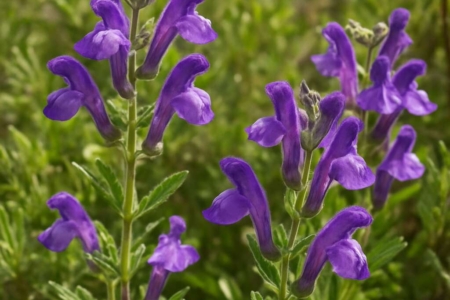
Scutellaria cypria subsp. cypria: Unveiling the Secrets of the Cypriot Herbal Treasure
Taxonomy and Botany of Scutellaria cypria subsp. cypria Overview of the Genus Scutellaria Scutellaria cypria subsp. cypria belongs to a captivating genus... Read More
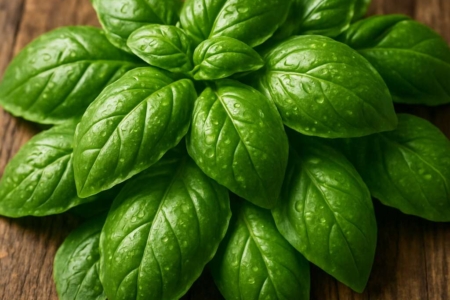
Basil Ocimum basilicum: The Ultimate Guide to Growing and Cooking with Basil Ocimum basilicum
Introduction to Basil Ocimum basilicum Overview of Basil Ocimum basilicum – Characteristics, appearance, and botanical classification In the world of culinary herbs,... Read More
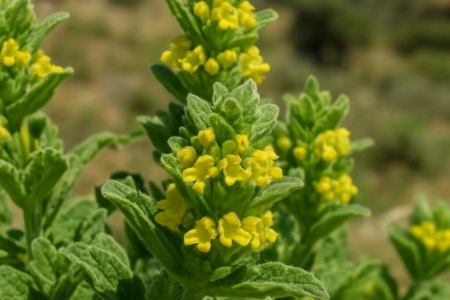
Sideritis cypria: Nature’s Hidden Treasure from Cyprus
Introduction to Sideritis cypria Overview of Sideritis cypria – General description and botanical classification Nestled amidst the rugged mountains of Cyprus, Sideritis... Read More

 by
by 

Latest Comments