Taxonomy and Botanical Description of Pimpinella cypria
Scientific Classification – Kingdom, Phylum, Class, Order, Family, Genus, Species
When delving into the intriguing world of Pimpinella cypria, one quickly realises that its scientific classification reads like a botanical family reunion. This herbaceous perennial, often mistaken for its more modest relatives, belongs to a taxonomy that reveals its true splendour. At the top, it proudly stands within the Kingdom Plantae, asserting its green dominance in the plant hierarchy. Descending through its Phylum, it is classified among the Angiosperms, plants that flourish with flowers and seeds, offering a colourful spectacle for botanists and casual observers alike.
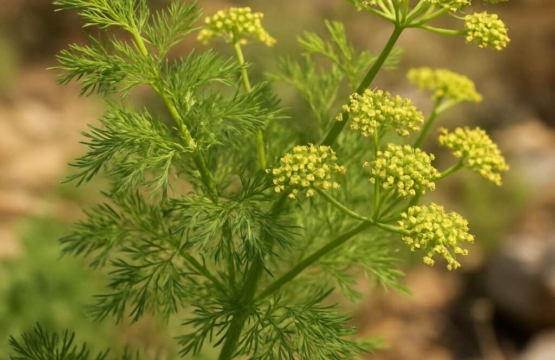
The botanical description of Pimpinella cypria is nothing short of captivating. Its delicate, feathery leaves and tiny, umbels of white flowers make it a standout in Mediterranean flora. The plant’s slender stems support clusters of small, aromatic seeds—an irresistible attractant for pollinators. To better understand its place in the plant world, consider its classification in the following way:
- Order: Apiales – the order that unites a variety of aromatic herbs and trees.
- Family: Apiaceae – the umbrella family, known for its umbrella-shaped flower clusters.
- Genus: Pimpinella – a genus celebrated for its aromatic and medicinal qualities.
- Species: Pimpinella cypria – the specific epithet hinting at its native Cyprus habitat, where it proudly grows amidst rocky terrain.
This detailed taxonomy not only clarifies its botanical identity but also underscores the plant’s unique evolutionary journey. Pimpinella cypria’s botanical description, rich with aromatic seeds and delicate foliage, makes it a fascinating subject for botanists and herbal enthusiasts alike. Its classification reveals the layers of complexity that make this herb a true botanical gem.
Botanical Characteristics – Plant size, leaves, flowers, seeds
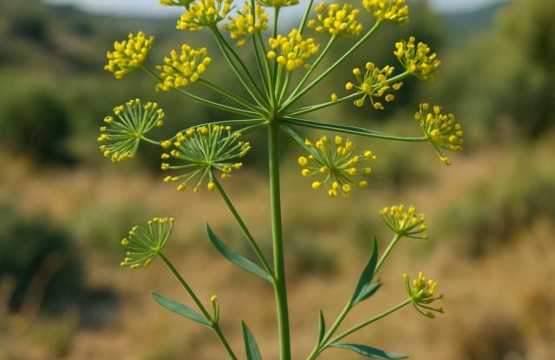
Pimpinella cypria is a striking herb that captures attention with its elegant form and aromatic appeal. Growing to about 30-60 cm in height, this perennial herb features slender, slightly branched stems that support its delicate foliage. The leaves are finely divided and feathery, creating a lacy appearance that adds to its charm. During flowering season, Pimpinella cypria produces tiny, white umbels of flowers, which are not only visually appealing but also attract a variety of pollinators.
Its seeds are small, aromatic, and rich in essential oils, making Pimpinella cypria a valued herb in both culinary and medicinal contexts. The plant’s overall structure combines grace with resilience, thriving in rocky terrains typical of the Cyprus region. When identifying Pimpinella cypria, pay close attention to its distinctive flower clusters and aromatic seeds, which stand out in the diverse Mediterranean flora.
Habitat and Growing Conditions – Native regions, soil preferences, climate requirements
Pimpinella cypria, a captivating member of the Apiaceae family, boasts a distinctive taxonomy that sets it apart in the Mediterranean flora. Native to the rugged terrains of Cyprus and surrounding regions, this herb thrives in environments that challenge lesser plants. Its botanical description reveals a resilient perennial with slender, branching stems and finely divided, feathery leaves that dance in the wind. The plant’s aromatic seeds are a testament to its rich essential oils, making it highly prized in herbal medicine and culinary uses.
In terms of habitat and growing conditions, Pimpinella cypria prefers rocky, well-drained soils that mirror its native landscape. These conditions are essential for its survival and vigorous growth. The plant’s climate requirements are equally specific; it flourishes in regions with hot, dry summers and mild, wet winters. Its natural habitat often features the following conditions:
- Sunlit slopes with minimal shade
- Alkaline to neutral soil pH
- Low to moderate water availability, thriving in drought-prone areas
Understanding these preferences is vital for those seeking to cultivate Pimpinella cypria outside its native environment. Its adaptability to rocky terrains and resilience against drought make it a fascinating subject for botanists and herbal enthusiasts alike, craving the thrill of nurturing a plant that embodies the wild, untamed spirit of the Mediterranean landscape.
Visual Identification Tips – Key features to distinguish Pimpinella cypria
Among the captivating tapestry of Mediterranean flora, Pimpinella cypria emerges as a botanical jewel, distinguished not only by its resilience but also by its striking visual identity. Its taxonomy places it firmly within the Apiaceae family, a group renowned for its aromatic herbs and delicate umbels. What truly sets Pimpinella cypria apart, however, is its unique botanical silhouette—an elegant perennial that seems to dance in the breeze, with slender, branching stems that evoke a whisper of wild freedom.
To identify Pimpinella cypria at a glance, look for its finely divided, feathery leaves that resemble lace woven by nature herself—an intricate maze of delicate segments. During flowering, it reveals umbels of tiny, white to pale pink flowers that cluster in a perfect, cloud-like display, offering a subtle contrast against the rocky backdrop of its native habitats. The aromatic seeds, small and ovoid, are a telltale feature, packed with essential oils that hint at the plant’s herbal potency.
Here are some visual identification tips to distinguish Pimpinella cypria:
- The plant’s height typically ranges between 30 to 60 cm, giving it a modest but unmistakable presence.
- Its feathery leaves are finely dissected, with a light, airy appearance that catches the sunlight beautifully.
- The umbels of tiny, white or pale pink flowers bloom in summer, creating a delicate yet captivating display.
- Seed pods are small, ovoid, and aromatic—an essential feature for confirming the species in the wild or cultivated setting.
In the realm of botanical charm, Pimpinella cypria’s visual signatures are as poetic as they are practical, making it a prized specimen for enthusiasts eager to recognise this Mediterranean marvel. Its delicate beauty masks a hardy spirit, rooted deeply in the rugged terrains of Cyprus and beyond—an emblem of resilience and subtle elegance.
Habitat and Geographic Distribution
Native Range – Primary regions where Pimpinella cypria is found
Nestled within the rugged landscapes of southeastern Europe, Pimpinella cypria embodies the delicate resilience of a plant that has quietly adapted to its native environment. Its habitat is a testament to the allure of Mediterranean terrains, where limestone slopes and rocky outcrops provide the perfect sanctuary for this species to flourish. This herbaceous perennial thrives in well-drained soils that mirror its preference for conditions with a touch of dryness and warmth, elements vital to its survival.
The geographic distribution of Pimpinella cypria is primarily concentrated in Cyprus, lending its name to the island’s unique flora. Beyond Cyprus, it can occasionally be found in neighbouring regions such as southern Turkey and parts of the Levant, creating a subtle mosaic of endemic life. These areas, characterised by their hot, arid summers and mild winters, form an ideal backdrop for Pimpinella cypria’s subtle beauty to endure, whispering tales of ancient landscapes and ecological harmony.
Preferred Ecosystems – Grasslands, rocky slopes, Mediterranean regions
Pimpinella cypria has carved out its niche in the rugged, Mediterranean landscapes, thriving on rocky slopes and grasslands that characterise its native regions. Its preference for well-drained soils with a touch of dryness makes it a resilient presence amid the often harsh conditions of southeastern Europe. This herbaceous perennial is well-adapted to environments where others might struggle, demonstrating a quiet strength rooted in its specific habitat needs.
In particular, Pimpinella cypria is predominantly found in Cyprus, where it forms part of the island’s distinctive flora. Its distribution also extends into southern Turkey and parts of the Levant, areas known for their hot, arid summers and mild winters. These ecosystems, often overlooked, are vital for the survival of endemic species like Pimpinella cypria. Its ability to endure in such climates highlights its role as a resilient component of the Mediterranean’s ecological mosaic.
Within its preferred ecosystems, Pimpinella cypria often grows on:
- Rocky slopes
- Grasslands
- Other Mediterranean terrains
This distribution pattern underscores the plant’s specialised adaptation to the Mediterranean climate—characterised by seasonal dryness and warmth—making it a fascinating subject for those interested in endemic flora and ecological resilience.
Altitude and Elevation – Typical elevation levels for growth
Amidst the rugged terrains of the Mediterranean, Pimpinella cypria reveals itself as a testament to nature’s resilience. Its preferred habitats thrive at specific altitudes, where sunlight dances upon rocky slopes and grasslands, creating an environment that fosters its hardy nature. Typically, Pimpinella cypria flourishes at elevations ranging from 200 to 800 metres above sea level, where the climate’s seasonal dryness and warmth reach their zenith. This altitude range allows it to adapt seamlessly to the Mediterranean’s capricious weather patterns.
In regions like Cyprus, southern Turkey, and parts of the Levant, these altitude levels provide the perfect canvas for Pimpinella cypria’s delicate yet robust existence. The plant’s ability to thrive within this elevation spectrum underscores its specialised adaptation to the Mediterranean’s ecological mosaic. Its presence on rocky slopes and grasslands at these heights highlights the extraordinary resilience that defines Pimpinella cypria, making it a captivating subject for botanists and enthusiasts alike.
Distribution Map – Visual overview of its geographic spread
Pimpinella cypria showcases a distinct geographic footprint across the Mediterranean basin. Its habitat spans rocky slopes, grasslands, and open areas where the soil remains well-drained and rich in organic material. This plant is particularly prevalent in regions with a warm, seasonal climate, thriving at specific elevations that suit its hardy nature. Its distribution map reveals concentrated pockets in Cyprus, southern Turkey, and parts of the Levant, painting a clear picture of its ecological niche.
Within these regions, Pimpinella cypria prefers ecosystems that experience seasonal dryness, allowing it to adapt to the capricious Mediterranean weather. Its presence is often marked by patches of vibrant foliage on rocky terrains at elevations typically between 200 and 800 metres. This altitude preference underscores its resilience and specialized adaptation to local environmental conditions.
For those interested in the plant’s spread, a quick overview of its geographic distribution can be summarised as follows:
- Cyprus: the core habitat, especially in rocky and grassland areas
- Southern Turkey: notably in coastal and inland regions
- Levant: found sporadically across Israel, Lebanon, and Syria
The visual distribution map highlights these regions, illustrating the plant’s preference for Mediterranean terrains and its ability to colonise diverse yet specific ecosystems. Pimpinella cypria’s adaptability to these distinct environments makes it a fascinating subject for botanists and enthusiasts alike, capturing the essence of Mediterranean resilience.
Medicinal and Herbal Uses
Traditional Uses – Historical applications in folk medicine
Throughout history, Pimpinella cypria has played a significant role in traditional medicine, especially within Mediterranean communities. Its herbal uses are rooted in folk practices that have been passed down for generations. Local healers often utilised the plant’s aromatic properties to treat digestive ailments and respiratory issues. The plant’s seeds, in particular, were believed to stimulate appetite and support digestion, making it a valuable herbal remedy.
In addition to its culinary appeal, Pimpinella cypria was commonly used in herbal infusions and poultices. Its traditional applications extend to the relief of colds and flu symptoms, leveraging its natural antimicrobial properties. Some communities even used the plant’s extracts to alleviate abdominal discomfort. These historical applications highlight the plant’s longstanding importance in folk medicine, where it was valued not only for its medicinal qualities but also for its cultural significance.
In essence, Pimpinella cypria embodies a remarkable intersection of botanical utility and cultural tradition. Its role in herbal medicine remains evident, with modern herbalists increasingly recognising its potential. Whether used in simple herbal teas or as part of complex traditional remedies, this plant’s enduring legacy underscores its importance in the natural pharmacopeia of the Mediterranean region.
Pharmacological Properties – Active compounds and their effects
Pimpinella cypria, a botanical marvel rooted deeply in traditional Mediterranean herbal practices, boasts a complex phytochemical profile that underpins its renowned medicinal properties. Rich in essential oils, flavonoids, and coumarins, this plant’s active compounds contribute to its widespread utilisation in natural healing. The presence of anethole, a key aromatic component, not only imparts its distinctive aroma but also plays a pivotal role in its antimicrobial and anti-inflammatory effects.
Modern pharmacological investigations reveal that Pimpinella cypria’s bioactive constituents can influence various physiological pathways. For instance, its essential oils demonstrate significant antimicrobial activity against common respiratory pathogens, supporting its historical use in alleviating respiratory ailments. Additionally, flavonoids in Pimpinella cypria exhibit antioxidant properties that help combat oxidative stress. The plant’s coumarins are believed to promote digestive health by stimulating gastric secretions and easing abdominal discomfort.
In herbal medicine, Pimpinella cypria’s efficacy is often attributed to its synergistic blend of compounds. Some herbalists recommend infusions and tinctures that harness these properties, offering a natural remedy for cold symptoms, indigestion, and respiratory issues. Whether in traditional folk applications or emerging herbal formulations, the active compounds of Pimpinella cypria continue to exemplify the plant’s enduring medicinal significance.
Potential Health Benefits – Digestive aid, anti-inflammatory, etc.
Pimpinella cypria has long been celebrated in traditional herbal medicine for its remarkable medicinal and herbal uses. Its natural compounds, particularly essential oils and flavonoids, make it a potent natural remedy for a variety of health concerns. The plant’s anti-inflammatory properties are especially valued for soothing joint pains and reducing swelling, offering a gentle yet effective approach to inflammation.
Many herbalists also champion Pimpinella cypria as a digestive aid, recognising its ability to stimulate gastric secretions and alleviate indigestion. Its aromatic profile, enriched by anethole, not only lends it a distinctive aroma but also enhances its effectiveness in supporting gastrointestinal health. Some practitioners recommend infusions or tinctures that harness these properties, providing a natural solution for digestive discomfort.
In addition to its digestive benefits, Pimpinella cypria exhibits significant antioxidant activity, helping combat oxidative stress and promote overall wellness. Its broad spectrum of bioactive compounds positions Pimpinella cypria as a versatile herbal remedy—one that continues to earn its place in both traditional and modern herbal practices.
Preparation Methods – Infusions, extracts, teas
Pimpinella cypria has been a cornerstone of traditional herbal medicine for centuries, valued for its versatile medicinal and herbal applications. Its preparation methods are simple yet effective, making it accessible for both herbalists and enthusiasts alike. Infusions and teas are among the most popular ways to harness its therapeutic properties, allowing the plant’s aromatic oils to steep gently, releasing their healing compounds. These methods preserve the delicate flavonoids and essential oils that contribute to its anti-inflammatory and digestive benefits.
For those seeking a more concentrated form, herbal extracts derived from Pimpinella cypria offer a potent alternative. These extracts are typically prepared through alcohol or glycerin tinctures, which extract the plant’s bioactive compounds efficiently. When prepared correctly, these tinctures can be added to teas or taken directly, providing targeted relief from inflammation or indigestion.
Incorporating Pimpinella cypria into herbal medicine is straightforward, and it’s often used in the following forms:
- Infused teas for digestive comfort
- Herbal tinctures as anti-inflammatory remedies
- Essential oil infusions for aromatic therapy
Whether used as a gentle tea or a concentrated extract, Pimpinella cypria remains a trusted natural remedy. Its preparation methods highlight the plant’s traditional roots while offering modern flexibility for wellness routines. This adaptability underscores its enduring relevance in herbal medicine, making Pimpinella cypria a true staple in natural health practices.
Cultivation Tips and Growing Pimpinella cypria
Seed Propagation – Sowing techniques and timing
Cultivating Pimpinella cypria from seed is an enchanting process that requires patience and an understanding of its delicate germination needs. To ensure successful propagation, sow the seeds in early spring, ideally after the last frost, when the soil begins to warm. Pimpinella cypria thrives in well-draining, rocky soils that mimic its native Mediterranean habitat, so amending garden beds with gravel or sand can create the ideal environment.
When sowing, scatter the seeds on the surface of moist soil and lightly press them in—do not cover too deeply, as they require light to germinate. Maintaining a steady temperature of around 15-20°C encourages sprouting, which typically occurs within 2-3 weeks. For best results, keep the soil consistently moist but never waterlogged, as this can hinder seedling development. Patience is key; young Pimpinella cypria plants will reward cultivators with their feathery foliage and slender stems, reminiscent of a mythical woodland sprite awakening from slumber.
Soil and Climate Requirements – Optimal soil type and weather conditions
In the shadowed corners of Mediterranean landscapes, Pimpinella cypria thrives as a delicate whisper of botanical mystique. To cultivate this enchanting herb successfully, understanding its soil and climate needs is paramount. Pimpinella cypria flourishes best in well-draining, rocky soils that mirror its native habitat—think gravel-strewn hillsides where the sun’s gaze is relentless yet kind. Amending garden beds with coarse sand or small gravel can mimic these conditions, fostering robust growth.
The climate must be temperate, with mild winters and warm summers, ideally with a Mediterranean flavour. Pimpinella cypria prefers a steady temperature range of 15-20°C, avoiding extremes that could hinder its delicate development. For optimal cultivation, consider these key factors:
- Well-draining, rocky or sandy soil
- Full sun exposure for at least six hours daily
- Temperate climate with minimal frost exposure
- Protection from excessive moisture, which can cause root rot
At higher elevations, Pimpinella cypria seems to embrace the thin, rocky terrains with a silent reverence. This ethereal plant, with its feathery foliage and slender stems, prefers the subtle embrace of its native ecosystems—grasslands, rocky slopes, and Mediterranean scrublands. A careful balance of soil and climate conditions can awaken this woodland sprite from its slumber, allowing it to flourish in cultivated gardens just as it does in the wild.
Care and Maintenance – Watering, pruning, pest control
Growing Pimpinella cypria requires a delicate touch and an appreciation for its native Mediterranean charm. This ethereal herb thrives in conditions that mimic its natural habitat—rocky, well-draining soils with a hint of gravelly texture. To ensure healthy development, water sparingly; overwatering can lead to root rot, especially in cooler months when the plant’s roots are more vulnerable. Pruning is minimal but beneficial—removing spent stems encourages a fuller, more vigorous growth while maintaining the plant’s graceful, feathery foliage.
For optimal care, consider the following cultivation tips: avoid excessive moisture and provide full sun exposure for at least six hours daily. Pimpinella cypria prefers a temperate climate with minimal frost, making it ideal for Mediterranean gardens or well-sheltered outdoor spaces. Pest control is straightforward; watch for common garden pests like aphids or spider mites, which can be managed with natural remedies or gentle insecticidal soap. Regular inspection helps keep this botanical gem healthy and thriving, allowing its slender stems and delicate leaves to flourish in harmony with its environment.
Harvesting and Post-Harvest – Best time to harvest, storage tips
For those passionate about cultivating rare Mediterranean herbs, Pimpinella cypria offers a rewarding challenge. Its delicate, feathery foliage and subtle aroma make it a prized addition to herb gardens. The best time to harvest Pimpinella cypria is just as the plant begins to flower, typically in late spring or early summer. Harvesting during this window ensures the highest concentration of aromatic oils and active compounds.
When it comes to storage, keep the harvested herb in a cool, dry place, preferably in airtight containers. For maximum potency, use dried Pimpinella cypria within six months, as essential oils tend to diminish over time. To preserve its flavour and medicinal properties, avoid crushing the leaves until ready to use, maintaining their integrity until the moment of infusion or extraction.
Growing Pimpinella cypria successfully hinges on recognising its unique needs. Ensure it receives full sun—at least six hours daily—and is planted in rocky, well-draining soil that mimics its native Mediterranean environment. Regular but sparing watering prevents root rot, especially in cooler months. With patience and attention, this charming herb will flourish, offering both aesthetic appeal and versatile uses in herbal remedies.
Conservation Status and Ecological Importance
Conservation Assessments – IUCN status, threats
In a world teeming with botanical wonders, Pimpinella cypria stands out as a rare gem—yet it faces threats that could turn this Mediterranean marvel into a botanical ghost story. According to the latest IUCN conservation assessments, Pimpinella cypria is currently classified as endangered, a stark reminder of how habitat loss and overharvesting are jeopardising its survival. This diminutive herb, often found clinging to rocky slopes and grasslands, is slipping through the ecological cracks, despite its ecological importance as a pollinator magnet and soil stabiliser.
Threats to Pimpinella cypria are multifaceted—urban expansion, agricultural encroachment, and climate change conspire to diminish its native habitats. Conservation efforts must prioritise habitat preservation and sustainable harvesting practices. Recognising its ecological value, experts emphasise that protecting Pimpinella cypria not only safeguards this species but also preserves the delicate balance of Mediterranean ecosystems, where it plays a crucial role in supporting local biodiversity. Without proactive conservation assessments, this charming herb might soon become just a footnote in botanical history.
Ecological Role – Pollinator interactions, ecosystem support
In the fragile tapestry of Mediterranean biodiversity, Pimpinella cypria emerges as an ecological linchpin—yet it teeters precariously on the brink of extinction. Recognised by the IUCN as endangered, this charming herb risks disappearing due to habitat destruction and unsustainable harvesting practices. Its survival hinges on concerted conservation efforts that prioritise habitat preservation and responsible collection, ensuring that this botanical treasure does not become just a distant memory.
Beyond its delicate beauty, Pimpinella cypria plays a vital role in supporting local ecosystems. As a natural pollinator magnet, it facilitates the reproduction of numerous other flora, bolstering biodiversity in its native regions. Moreover, it contributes to soil stabilisation on rocky slopes and grasslands, preventing erosion and fostering ecological resilience. Its interactions with pollinators—bees, butterflies, and even certain beetles—highlight its importance in maintaining the health of Mediterranean habitats.
Protecting Pimpinella cypria is not merely about saving one plant but about safeguarding an entire ecological network. Its presence signals a thriving, balanced environment—one that benefits countless other species. Without proactive measures, this botanical marvel may soon fade into history, leaving behind only memories of its pollinator-friendly charm and soil-stabilising prowess.
Conservation Efforts – Protection programs, sustainable harvesting
Pimpinella cypria, a delicate herb endemic to the Mediterranean basin, faces an urgent conservation challenge. Recognised as endangered by the IUCN, its dwindling populations are a stark reminder of the fragility of Mediterranean biodiversity. Habitat destruction, driven by urbanisation and unsustainable harvesting practices, threatens this botanical treasure. Protecting Pimpinella cypria is essential not just for the plant itself, but for maintaining the intricate ecological web it supports.
Conservation efforts are increasingly prioritising habitat preservation and responsible harvesting. Numerous protection programmes aim to safeguard its natural environments—rocky slopes, grasslands, and other Mediterranean ecosystems—where it plays a pivotal role. Responsible collection practices, guided by sustainable harvesting principles, help ensure that Pimpinella cypria remains part of the landscape rather than a fading memory. Such initiatives include:
- Establishing protected areas to conserve its native habitats
- Monitoring wild populations to prevent overharvesting
- Promoting awareness among local communities about its ecological importance
These measures collectively bolster the resilience of Pimpinella cypria and the myriad of pollinators—bees, butterflies, beetles—that depend on it. The plant’s ecological importance extends beyond its visual appeal; it fosters soil stabilisation on rocky slopes, reducing erosion and supporting biodiversity. By maintaining healthy populations of Pimpinella cypria, we uphold an ecological harmony that sustains the entire Mediterranean ecosystem.
Importance of Biodiversity – Role in local ecosystems and plant diversity
In the intricate tapestry of Mediterranean biodiversity, Pimpinella cypria stands out as a botanical gem with profound ecological significance. Recognised as an endangered species by the IUCN, its conservation status underscores the urgent need to protect this delicate herb before it vanishes from our natural world. The loss of Pimpinella cypria would not only diminish the plant diversity within its native habitats but also disrupt the delicate balance of the ecosystems it supports.
This herb plays a vital role in fostering local ecosystems. Its presence on rocky slopes and grasslands offers crucial habitat stability, stabilising soil and reducing erosion—an essential function in fragile Mediterranean landscapes. Moreover, Pimpinella cypria acts as a magnet for pollinators such as bees, butterflies, and beetles, thereby sustaining the intricate web of life that thrives in these regions. Its contribution to plant diversity enriches the environment, ensuring resilience against environmental stresses.
Protecting Pimpinella cypria is more than a conservation priority; it is a safeguard for ecosystem health and biodiversity. Preserving its populations helps maintain the natural harmony of Mediterranean ecosystems, where every species, no matter how petite, plays a monumental role in the grand ecological narrative.

 by
by 





Latest Comments