Overview of Scaligeria alziarii
Description and Taxonomy – Scientific classification and botanical description
In the lush, sun-drenched landscapes of Cyprus, one plant stands out among the botanical crowd—Scaligeria alziarii. This intriguing member of the Apiaceae family isn’t just eye-catching; it’s a testament to nature’s quirky sense of design. With its delicate, feathery foliage and tiny, unassuming flowers, Scaligeria alziarii manages to pack a punch in the biodiversity department, especially in Mediterranean ecosystems.
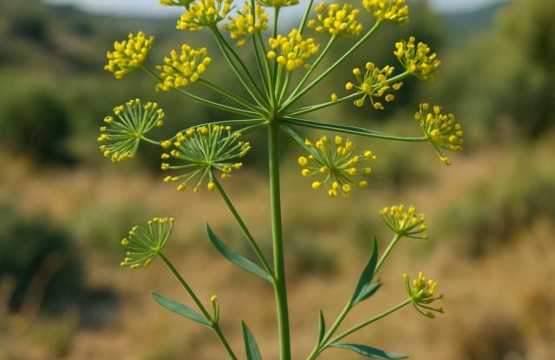
From a scientific standpoint, Scaligeria alziarii boasts a fascinating taxonomy that places it firmly within the Apiaceae genus, a group renowned for its aromatic herbs and umbrella-like flower clusters. Botanically, it’s characterized by slender stems, finely divided leaves, and small, clustered flowers that are as charming as they are understated. This plant’s botanical description reveals a resilient species perfectly adapted to Cyprus’s rugged terrain.
Habitat and Distribution – Geographical range and preferred environments
Scaligeria alziarii is a remarkable plant that primarily thrives in the rugged, sun-drenched landscapes of Cyprus. Its distribution is largely concentrated across the island’s diverse terrains, from rocky outcrops to semi-arid slopes. This species has adapted remarkably well to Cyprus’s Mediterranean climate, which features hot, dry summers and mild, wet winters. Its habitat preferences include areas with well-drained soil and minimal disturbance, allowing it to flourish in natural, undisturbed environments.
In fact, Scaligeria alziarii can often be found in isolated patches that serve as ecological refuges, contributing significantly to local biodiversity. Its presence is a testament to the resilience of native flora amid the changing landscape. The plant’s preference for rocky, sunlit environments means it plays a vital role in stabilizing soil and supporting other endemic species. Recognizing its preferred habitats helps in understanding how this unique species sustains itself within Cyprus’s delicate ecosystems.
Morphological Characteristics
Physical Features – Detailed description of plant structure
In the intricate tapestry of Mediterranean flora, Scaligeria alziarii stands out as a testament to nature’s subtle artistry. Its morphological characteristics reveal a delicate yet resilient structure, perfectly adapted to the challenging environments of Cyprus. This plant features a low-growing habit, with stems that are slender and often slightly branched, giving it an almost wispy appearance. The leaves are narrow, linear, and sometimes slightly succulent, which helps it conserve moisture during the scorching summer months.
The flowers of Scaligeria alziarii are small but striking. They typically bloom in clusters, showcasing a palette of subtle hues that blend seamlessly with the arid landscape. The floral structure comprises five petals, often with a faintly ruffled edge, and the reproductive organs are well-protected within the bloom. Its seed capsules are distinctive, often elongated and slightly curved, aiding in seed dispersal across rocky terrains.
- Stems: slender, branched, and slightly woody at the base
- Leaves: narrow, linear, and sometimes succulent
- Flowers: small, clustered, with five petals
- Seed capsules: elongated, curved, aiding dispersal
Understanding the physical features of Scaligeria alziarii offers a window into its survival strategy—an elegant dance between form and environment. Its structure exemplifies adaptability, resilience, and the quiet beauty of plants that thrive in seemingly inhospitable habitats.
Flower and Fruit Morphology – Key features of flowers and fruits for identification
In the arid landscapes of Cyprus, Scaligeria alziarii reveals its secrets through its distinctive floral and fruit morphology, a true marvel of adaptation. The flowers of Scaligeria alziarii are small yet captivating, often forming dense clusters that stand out against the rugged terrain. Their five petals are subtly ruffled at the edges, creating a delicate, almost ethereal appearance. These blooms serve as a beacon for pollinators, hinting at the plant’s intricate reproductive strategies.
The fruit of Scaligeria alziarii is equally intriguing. Its seed capsules are elongated and slightly curved, a characteristic that enhances seed dispersal over rocky substrates. This curvature allows the seeds to settle into crevices and cracks, fostering successful germination in challenging environments. To identify Scaligeria alziarii easily, look for its distinct seed capsules and floral clusters—key features that set it apart in the Mediterranean flora.
- Small, clustered flowers with five subtly ruffled petals
- Elongated, curved seed capsules aiding seed dispersal
- Flowers that bloom in subtle hues, blending seamlessly with arid surroundings
Growth Habit and Size – Typical growth patterns and dimensions
In the rugged, sun-baked landscapes of Cyprus, Scaligeria alziarii stands as a testament to nature’s resilience. Its growth habit is low-lying yet resilient, often forming dense mats that cling tenaciously to rocky outcrops. Typically reaching only about 10 to 20 centimeters in height, this plant’s modest stature belies its significance in the Mediterranean flora. Its sprawling form allows it to maximize exposure to scarce water sources, thriving where many others falter.
What truly sets Scaligeria alziarii apart is its compact, bushy growth pattern. The plant’s stems are slender, often branching out in unpredictable directions, creating a tangled yet harmonious silhouette. Its size and growth habit make it an excellent subject for botanists and enthusiasts aiming to understand adaptation in arid environments. Recognizing its characteristic size and sprawling nature is key for accurate identification in habitat-rich regions of Cyprus.
Ecological Role and Significance
Pollination and Reproduction – Pollinators involved and reproductive strategy
In the delicate web of Cyprus’s unique ecosystems, Scaligeria alziarii plays a subtle yet vital role. This plant’s reproductive strategy hinges on intricate pollination processes, which are crucial for maintaining local biodiversity. Unlike many plants that rely solely on wind, Scaligeria alziarii depends heavily on specific pollinators, such as native bees and beetles, to transfer pollen effectively. Their symbiotic relationship underscores the importance of protecting pollinator populations, especially in regions facing ecological pressures.
The reproductive success of Scaligeria alziarii is closely linked to its floral morphology, which is adapted to attract these dedicated pollinators. The plant’s flowers are designed to maximize pollen transfer during visits, ensuring genetic diversity and resilience. Pollination not only secures the plant’s survival but also supports the broader ecological network, fostering habitat stability across Cyprus. This interconnectedness highlights how even the smallest organisms influence the health of entire ecosystems.
Interactions with Ecosystem – Role within its native habitat and ecological relationships
Within the vibrant tapestry of Cyprus’s ecosystems, Scaligeria alziarii emerges as a delicate yet indispensable thread. Its presence influences a host of ecological interactions, contributing significantly to the health and stability of its native habitat. This plant’s role extends beyond mere aesthetics; it acts as a cornerstone in supporting local biodiversity and maintaining ecological balance.
Scaligeria alziarii interacts with a variety of native pollinators, such as specialized bees and beetles, forming symbiotic relationships that enhance pollination efficiency. These interactions facilitate gene flow and ensure the continuity of the species, while also nourishing the broader ecosystem. Its flowers serve as vital resources during certain seasons, attracting pollinators that rely on its nectar and pollen.
- Supporting pollinator populations, which are essential for the pollination of many other endemic plants
- Providing habitat and food sources for insects, contributing to a resilient ecological network
- Contributing to soil stabilization with its root system, thereby preventing erosion in its preferred environments
In essence, Scaligeria alziarii plays a pivotal role within its native habitat, fostering ecological interactions that sustain Cyprus’s unique biodiversity. Each flower, each visit from a native pollinator, underscores the interconnectedness that keeps these ecosystems thriving and resilient against the pressures of modern environmental challenges.
Cultivation and Propagation
Growing Conditions – Optimal soil, climate, and sunlight requirements
Amidst the sun-drenched landscapes of Cyprus, where the azure sky kisses rugged terrain, Scaligeria alziarii reveals its quiet resilience. This plant thrives when nurtured in well-draining, sandy soils, reminiscent of the Mediterranean’s natural embrace. Its roots prefer a soil that offers both aeration and a whisper of organic matter, allowing the delicate balance of water retention and drainage to flourish.
Optimal growing conditions for Scaligeria alziarii demand a climate kissed by warmth and basked in abundant sunlight. Full sun exposure—at least six hours daily—ensures vigorous growth and the vibrant flowering that makes this species stand out. The plant’s native habitat suggests that it thrives in environments with minimal humidity and steady, dry conditions, perfect for Cyprus’s semi-arid landscapes.
In cultivating Scaligeria alziarii, patience is key; its growth habit is slow but steadfast, reaching a modest size that complements rocky outcrops and garden borders alike. For propagation, softwood cuttings during spring or seed sowing in a well-prepared seedbed are most effective, ensuring the plant’s delicate beauty endures across generations.
Propagation Methods – Seeds, cuttings, and other techniques
Propagating Scaligeria alziarii is a delicate dance with nature’s subtle cues. Its resilience in the rocky terrains of Cyprus reflects a plant that demands respect and patience. Seed propagation stands as a promising method, especially when the seeds are sown in a well-prepared seedbed during early spring. These seeds require gentle handling, as their delicate nature mirrors the plant’s overall fragile beauty. Softwood cuttings, taken during the spring months, offer another viable pathway to ensure this species endures beyond its native habitat.
For successful propagation of Scaligeria alziarii, it’s essential to create conditions that mimic its natural environment. Maintaining well-draining, sandy soils with a hint of organic matter accelerates rooting and growth. To optimize results, consider the following steps:
- Collect healthy softwood cuttings in spring, ideally when the plant exhibits vigorous growth.
- Place cuttings in a sandy, well-draining medium, keeping soil moisture moderate but consistent.
- Maintain a warm, sunny location to encourage rooting, which typically takes several weeks.
Seed sowing and cuttings are complemented by other techniques like layering or using root cuttings, each suited to different cultivation needs. Patience remains the most vital virtue; Scaligeria alziarii’s growth habit is slow but steadfast, echoing the resilience of Cyprus’s semi-arid landscapes. Through careful propagation practices, this unique Mediterranean species continues to thrive, echoing the silent strength of its native environment.
Care and Maintenance – Watering, fertilization, and pruning tips
Care and maintenance of Scaligeria alziarii require a gentle touch, much like tending to a fragile whisper of the Mediterranean breeze. Watering should be meticulous—allow the soil to dry out slightly between sessions, mimicking the plant’s natural rocky habitat where water drainage is swift and unyielding. Overwatering can threaten its delicate roots, so patience and restraint are key. Fertilization, if needed, should be sparse; a light application of a balanced, organic fertilizer in early spring can invigorate growth without overwhelming the plant’s subtle elegance.
Pruning is a vital yet understated aspect of cultivating Scaligeria alziarii. Remove any dead or damaged stems to encourage healthy development, but always preserve its natural form—this species thrives when left to grow with minimal intervention. To foster vigorous growth, consider creating a layered structure that mimics its native terrain, which can be achieved through light pruning and strategic thinning. This practice not only maintains its aesthetic appeal but also enhances airflow, reducing the risk of disease.
- Water sparingly, ensuring the soil remains well-drained and dry between watering
- Apply fertilization sparingly during early spring with organic nutrients
- Prune gently to maintain its natural shape and promote healthy growth
By adhering to these cultivation and propagation care tips, enthusiasts can nurture Scaligeria alziarii into a resilient, enchanting presence that echoes the resilience of Cyprus’s rocky landscapes. Its slow, steadfast growth is a testament to the silent strength that defines this remarkable Mediterranean species, thriving quietly amid care and patience.
Uses and Applications
Medicinal Uses – Traditional and modern medicinal applications
Throughout history, plants like Scaligeria alziarii have served as silent healers, their medicinal potential often overlooked in modern times but deeply rooted in traditional practices. In regions like Cyprus, where ancient healing arts thrive alongside contemporary medicine, the use of Scaligeria alziarii reveals an intriguing blend of cultural heritage and scientific curiosity. Its applications transcend mere folklore, embodying a rich tapestry of medicinal uses that continue to inspire modern research.
Traditional applications of Scaligeria alziarii have included remedies for inflammatory conditions, as well as treatments aimed at alleviating pain and supporting digestive health. Modern phytotherapy has begun to explore its bioactive compounds, revealing promising anti-inflammatory and antimicrobial properties. The plant’s extracts are being studied for potential use in natural medicine formulations, demonstrating how age-old wisdom can inform innovative healthcare solutions.
In particular, Scaligeria alziarii is gaining recognition for its role in herbal medicine, where it may be employed in the following ways:
- As an anti-inflammatory agent to reduce swelling and discomfort.
- To support gastrointestinal health and soothe digestive disturbances.
- Potential adjunct in treatments for skin conditions due to its antimicrobial properties.
Its versatility in medicinal applications underscores the importance of preserving ethnobotanical knowledge, especially in areas like Cyprus where the plant’s traditional uses intersect with emerging scientific validation. The ongoing exploration of Scaligeria alziarii’s medicinal properties hints at a future where ancient plants continue to enrich our holistic approach to health, offering a natural alternative rooted in centuries of human experience.
Horticultural Value – Ornamental uses and landscaping potential
In the shadowed corners of Cypriot gardens, Scaligeria alziarii emerges as a striking testament to the mystique of botanical elegance. Its ornamental allure isn’t merely superficial; this plant’s captivating foliage and delicate blooms lend an air of ancient charm to any landscape. Cultivators and landscapers alike are drawn to its versatility, recognizing its potential to transform mundane spaces into living tapestries of dark beauty.
With its adaptable nature, Scaligeria alziarii can be integrated into a variety of horticultural designs. Its resilience to the Mediterranean climate makes it an ideal choice for those seeking low-maintenance yet visually arresting plants. Whether used as a focal point or as part of a textured border, the plant’s unique silhouette lends an almost enchanted aura to gardens. Its ability to thrive in well-drained soils and partial sunlight means it can flourish in both traditional and modern landscapes.
- Ornamental planting for a touch of gothic elegance
- Creating natural screens or hedges that evoke a mysterious ambiance
- Highlighting its textured leaves and delicate flowers in rock gardens or terraced landscapes
In Cyprus, where the landscape is steeped in history and legend, Scaligeria alziarii’s presence elevates the aesthetic while whispering stories of time-honored traditions. Its hardy nature and aesthetic appeal make it a treasured addition for those who wish to imbue their surroundings with a sense of timeless allure and subtle intrigue. Truly, Scaligeria alziarii stands as a botanical muse—an ode to nature’s dark poetry in the realm of horticulture.
Other Uses – Potential novel or industrial applications
Beyond its captivating horticultural appeal, Scaligeria alziarii holds intriguing potential for innovative industrial applications. Its resilient nature and unique phytochemical profile suggest promising avenues in natural dye production, where its dark foliage could serve as a source of eco-friendly pigments. Researchers are also exploring its constituents for medicinal extracts, aiming to develop novel pharmaceuticals rooted in traditional uses. The plant’s hardy adaptability makes it an ideal candidate for sustainable cultivation in Mediterranean climates, opening doors to commercial cultivation for various industries.
In addition, Scaligeria alziarii’s aromatic compounds could find utility in the cosmetic industry, offering natural ingredients for perfumes or skincare products that emphasize botanical elegance. Its distinctive morphology and subtle fragrance provide inspiration for artisanal products seeking an authentic, nature-infused appeal.
- Natural dye extraction
- Medicinal compound development
- Cosmetic ingredient sourcing
As scientific exploration continues, this botanical muse reveals itself as more than just a landscape ornament—its multifaceted potential positions Scaligeria alziarii as a plant of both aesthetic and industrial significance, promising to enrich Cyprus’s traditional flora with modern innovation.
Conservation and Challenges
Conservation Status – Assessment of vulnerability or threats
In the fragile tapestry of Cyprus’s native flora, Scaligeria alziarii stands as a testament to nature’s resilience yet faces mounting threats that could alter its delicate balance. This rare plant, endemic to the Mediterranean’s rocky terrains, struggles against habitat loss and climate change—two of the most pressing challenges for conservation today. Its vulnerability is compounded by limited distribution, making it highly susceptible to environmental disturbances.
Conservation efforts for Scaligeria alziarii are crucial, as its survival depends on protecting those unique habitats where it thrives. Currently, it is assessed as vulnerable, highlighting the urgent need for targeted preservation programs. Threats include urban expansion, overgrazing, and illegal collection, which threaten to diminish its populations further. To safeguard its future, local authorities and conservation groups must prioritize habitat restoration and establish protected zones.
Engaging communities and raising awareness about the ecological significance of Scaligeria alziarii can foster a collective effort to combat these challenges. Preserving this plant isn’t just about safeguarding biodiversity; it’s about maintaining the natural heritage of Cyprus and ensuring that future generations can marvel at its delicate beauty. Every effort counts when it comes to conserving such a treasured component of our native flora.
Environmental Challenges – Impact of habitat loss, climate change, and invasive species
The survival of Scaligeria alziarii hinges on the ever-looming shadow of environmental change. Its habitat—rocky, Mediterranean landscapes—faces relentless pressure from habitat loss driven by expanding urbanization and agricultural development. Climate change exacerbates this threat, causing unpredictable temperature shifts and water scarcity that threaten the delicate balance of this endemic species. Invasive species, often overlooked, further destabilize its fragile ecosystem, competing for resources and disrupting native plant communities.
These converging challenges highlight the urgency of conservation efforts. Habitat destruction remains the primary adversary, yet the impact of climate change and invasive species cannot be underestimated. Protecting Scaligeria alziarii requires a multi-pronged approach, including establishing protected zones and restoring natural habitats. Awareness campaigns play a crucial role in mobilizing local communities to understand the ecological importance of this rare plant. The fight to preserve Scaligeria alziarii is not just about safeguarding a species; it’s about maintaining Cyprus’s unique botanical heritage for generations to come.
Conservation Efforts – Current programs and recommendations
Conservation efforts for Scaligeria alziarii are gaining momentum, yet significant challenges remain. This rare endemic plant of Cyprus faces relentless threats from habitat destruction, climate change, and invasive species. Recognizing its ecological significance, local authorities and conservation organizations have initiated programs aimed at safeguarding this delicate species.
Current initiatives include establishing protected zones where habitat loss is minimized and implementing habitat restoration projects that recreate the rocky Mediterranean landscapes essential for Scaligeria alziarii’s survival. Community engagement plays a pivotal role—awareness campaigns educate residents about the importance of this endemic plant and rally support for preservation efforts.
To bolster these initiatives, experts recommend expanding protected areas and promoting sustainable land use practices that prioritize native flora. Additionally, fostering research into propagation methods—such as seed banking and cultivation—can help ensure genetic diversity and resilience. The conservation of Scaligeria alziarii isn’t merely about saving a plant; it’s about preserving a vital piece of Cyprus’s unique botanical heritage for future generations.
- Protected habitat zones
- Restoration projects
- Community awareness campaigns
These strategies collectively form a blueprint for effective conservation, ensuring that Scaligeria alziarii continues to thrive amidst the changing environment.
Further Reading and Resources
Scientific Publications – Key research articles and studies
For those eager to deepen their understanding of Scaligeria alziarii, a wealth of scientific publications awaits. These research articles offer critical insights into its botanical characteristics, ecological roles, and potential uses. Exploring these sources can reveal how this unique plant adapts to its native Cyprus environment and contributes to local biodiversity.
Key studies highlight the plant’s reproductive strategies and pollination ecology, which are vital for conservation efforts. If you’re interested in the latest scientific findings, consider reviewing the following resources:
- Journal of Mediterranean Botany
- Plant Ecology and Conservation
- Annals of Botany
Accessing these publications provides a comprehensive view of Scaligeria alziarii’s significance. They also serve as a foundation for future research on this intriguing species, ensuring its preservation and potential horticultural or medicinal applications. For researchers and enthusiasts alike, these resources are invaluable tools for expanding knowledge about Scaligeria alziarii.
Organizations and Societies – Relevant botanical and conservation groups
For those captivated by the allure of Scaligeria alziarii, exploring further reading and resources from dedicated botanical organizations can unlock a deeper understanding of this remarkable species. These groups often spearhead conservation initiatives and provide invaluable insights into the plant’s ecological significance within Cyprus’s unique landscape. Engaging with reputable societies can illuminate how Scaligeria alziarii interacts with its environment, revealing its role in local biodiversity and ecosystem stability.
Many conservation organizations focus specifically on Mediterranean flora, offering detailed reports and updates on species like Scaligeria alziarii. These resources often include:
- Field guides to Cypriot native plants
- Membership in botanic societies dedicated to regional flora
- Research collaborations with universities and environmental agencies
By connecting with these organizations, enthusiasts and researchers alike can stay informed about ongoing preservation efforts and innovative projects involving Scaligeria alziarii. Such collaborations are vital for safeguarding this enchanting plant against environmental challenges and ensuring its legacy endures in Cyprus’s vibrant tapestry of life.
Guides and Identification Tools – Field guides and online resources
For those enchanted by the delicate allure of Scaligeria alziarii, a journey into comprehensive further reading and resource guides opens a portal to deeper botanical understanding. The intricate details of this species—its subtle floral nuances and ecological niche—are best appreciated through meticulously curated identification tools and field guides tailored for Cyprus’s unique flora. These resources serve as invaluable companions for both seasoned botanists and passionate enthusiasts eager to recognize Scaligeria alziarii in its natural habitat.
Online databases and digital herbarium collections often feature high-resolution images and detailed descriptions, enabling precise identification of Scaligeria alziarii’s distinctive features. Many reputable botanical organizations and Mediterranean flora societies provide access to such tools, fostering a community of informed observers. Engaging with these resources not only enhances recognition skills but also deepens awareness of the plant’s ecological role within Cyprus’s diverse landscapes.
Some of the most useful aids include:
- Interactive identification keys specific to Cypriot native plants
- Extensive photographic archives highlighting Scaligeria alziarii’s floral and vegetative traits
- Peer-reviewed articles and species profiles available through scientific publications and botanical societies
By immersing oneself in these carefully curated guides and online resources, enthusiasts can cultivate a nuanced appreciation for Scaligeria alziarii, ensuring its delicate presence continues to thrive amidst the shifting mosaic of Cyprus’s environment. These tools not only bolster accurate identification but also serve as gateways to understanding the plant’s significance within the broader tapestry of regional biodiversity.

 by
by 




Latest Comments