Overview of Allium willeanum
Definition and Classification – Understanding the plant’s taxonomy and family
Allium willeanum is a fascinating member of the Allium genus, renowned for its striking appearance and adaptability. This plant belongs to the Amaryllidaceae family, which includes a diverse range of flowering bulbs often celebrated for their ornamental value. Understanding the taxonomy of Allium willeanum is crucial for appreciating its unique characteristics and ecological role in Cyprus’s diverse landscapes.
Within the realm of plant classification, Allium willeanum is categorized as follows:
- Kingdom: Plantae
- Family: Amaryllidaceae
- Genus: Allium
- Species: willeanum
This classification highlights its close relationship with other Allium species, such as onions and garlic, yet it stands out for its distinctive flowers and growth habit. Recognizing its taxonomy helps botanists and enthusiasts alike to better understand its cultivation, ecological significance, and potential uses in Mediterranean gardens, especially in the context of Cyprus’s climate and soil conditions. Allium willeanum, with its elegant blooms, is a testament to the diversity and resilience of native flora in the region, making it an intriguing subject for horticulturists and conservationists alike.
Physical Characteristics – Description of size, flowers, leaves, and bulb
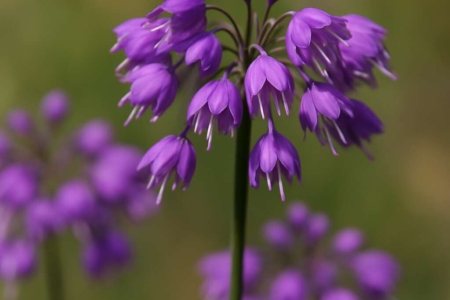
Allium willeanum stands as a testament to the delicate yet resilient beauty of Cypriot flora. Its size typically ranges between 30 to 50 centimeters, making it a modest yet striking presence in any Mediterranean garden. The plant produces clusters of star-shaped flowers, often in shades of pale pink or lavender, which bloom in late spring, creating a captivating display of color and form. The slender, strap-like leaves emerge gracefully from the bulb, adding a touch of elegance to its overall silhouette.
The bulb of Allium willeanum is small but mighty—roughly the size of a walnut—hidden beneath rich, well-drained soil. Its root system is robust, allowing it to thrive amidst Cyprus’s rocky terrains and dry summers. The plant’s flowers are not only ornamental but also serve as a vital food source for pollinators, reinforcing its ecological importance. The captivating charm of Allium willeanum lies in its harmonious balance of beauty and adaptability, making it a prized choice for Mediterranean gardens seeking to capture the region’s natural splendor.
Native Range and Habitat – Geographical distribution and preferred growing conditions
Allium willeanum is a captivating member of the wild flora native to Cyprus, thriving in the rugged landscapes and rocky terrains of the Mediterranean. Its natural habitat is primarily characterized by well-drained, limestone-rich soils that challenge many plants but suit Allium willeanum perfectly. This resilient species has adapted to thrive in regions with hot, dry summers and mild, wet winters, making it an integral part of Cyprus’s unique ecological tapestry.
In terms of geographical distribution, Allium willeanum is predominantly found across the island, particularly in areas where the terrain offers limited soil depth and abundant sunlight. Its ability to flourish amidst rocky outcrops and sparse vegetation underscores its hardy nature. For those seeking to cultivate Allium willeanum, understanding its preferred growing conditions—such as soil drainage, sunlight exposure, and climate—can make all the difference. Here’s a quick overview:
- Sunlight: Full sun to partial shade
- Soil: Well-drained, rocky or sandy soils
- Climate: Mediterranean, with hot, dry summers and mild winters
This adaptability makes Allium willeanum an excellent choice for xeriscaping and sustainable gardening in Cyprus, where water conservation and resilience are valued. Its natural distribution and habitat preferences highlight why this plant is not only a visual delight but also a testament to the resilience of Mediterranean flora.
Cultivation and Care Tips
Growing Conditions – Soil type, sunlight, temperature requirements
In the shadowed corners of cultivated gardens, Allium willeanum whispers secrets of resilience and dark beauty. Its cultivation demands a keen eye for the subtle dance of nature’s elements—an environment where shadowy soil and elusive sunlight conspire to nurture this enigmatic allium. The soil must be well-drained, rich in organic matter, yet with a touch of grit—mimicking the rugged terrains from which it hails.
Sunlight, a delicate balance—too much and the delicate petals wither into dust; too little, and the plant’s haunting charm is lost. Allium willeanum thrives best under full sun but can endure partial shade, especially in the intense Cypriot heat. The temperature prefers a cooler embrace, with winter chilling to encourage bulb proliferation, yet it can tolerate the scorching Mediterranean summers if well cared for.
For optimal growth, consider these vital points:
- Ensure the soil is loose and well-draining to prevent bulb rot.
- Plant bulbs in late summer or early autumn, allowing roots to establish before winter’s embrace.
- Maintain moderate watering—enough to keep the soil slightly moist but never waterlogged.
This plant’s mysterious aura is best preserved in conditions that echo its native habitat—where the earth is both hospitable and haunting, and the sun casts long, golden shadows over the land.
Planting Tips – Best practices for planting bulbs
Planting Allium willeanum is an act of poetic patience, a delicate choreography where earth and sky conspire to reveal its dark allure. To nurture this enigmatic allium, choose a site where the soil is loose, well-drained, and rich in organic matter—think rugged terrains kissed by Mediterranean breezes. Plant the bulbs in late summer or early autumn, spacing them thoughtfully to allow their roots to settle into the soil’s embrace before winter’s cold whisper.
For optimal growth, ensure the bulbs are planted at a depth roughly three times their size, with the pointed end facing upward—like a secret waiting to be uncovered. Keep the soil moderately moist, providing just enough water to sustain, yet never drown, this resilient plant. With patience, Allium willeanum will emerge, its dark petals casting long, haunting shadows—a testament to the mysterious beauty that thrives in Cyprus’ sultry climate.
Watering and Fertilization – Optimal watering schedules and fertilization tips
Watering and fertilization are the lifeblood of Allium willeanum’s mystical emergence from the earth’s embrace. This resilient allium, native to the sun-drenched terrains of Cyprus, thrives best when its watering schedule mimics the gentle, sporadic rains of its homeland. Overwatering can drown its roots in a sea of excess, so allowing the soil to dry slightly between watering sessions fosters a healthy, robust plant. During the active growing season, a deep, infrequent soak—about once a week—is sufficient, ensuring the bulbs remain hydrated without becoming waterlogged.
Fertilization, however, is the secret to unlocking its dark, haunting beauty. A balanced, organic fertilizer applied in early spring and again after flowering provides essential nutrients that sustain its enigmatic allure. For those seeking to enhance its growth, consider a liquid feed rich in potassium and phosphorus—elements that bolster flowering and root development. This approach not only nurtures Allium willeanum but also encourages it to produce those long-lasting, shadowy blooms that seem to whisper tales of ancient Mediterranean legends.
In cultivation, understanding the art of watering and fertilization creates a symphony of growth, allowing this majestic allium to flourish amid Cyprus’ sultry climate. As the soil drinks in nourishment and the roots deepen, the plant’s dark petals emerge with a haunting grace, casting long shadows that enchant every observer. Truly, caring for Allium willeanum is an act of devotion—one that transforms a simple bulb into a living poem of shadow and light.
Pest and Disease Management – Common issues and preventative measures
While Allium willeanum enchants with its shadowy blooms and mythical presence, safeguarding its mystique involves vigilance against common pests and diseases. This resilient plant, native to Cyprus’ sun-soaked landscapes, can sometimes fall prey to unwelcome invaders that threaten its haunting beauty. Among these, onion maggots and fungal infections are notable culprits that can diminish its spectral allure.
Preventative measures are paramount. Regularly inspecting the foliage and bulbs for signs of distress—such as discoloration, soft spots, or unusual growth—can catch issues early. Good air circulation around the plant minimizes fungal diseases, while avoiding overwatering reduces the risk of rot. For pest management, natural deterrents like neem oil or introducing beneficial insects such as ladybugs can curtail infestations without disrupting the plant’s delicate ecosystem.
In cultivating Allium willeanum, understanding its vulnerabilities and adopting a proactive approach is essential. Here is a simple guide to keeping this enigmatic allium healthy and thriving:
- Maintain proper spacing to ensure airflow and reduce humidity buildup.
- Apply organic fungicides at the first sign of fungal growth.
- Use organic pest repellents to deter pests naturally.
- Remove any infected plant debris promptly to prevent spread.
Embracing these care tips transforms the cultivation of Allium willeanum into a mystical dance of nurture and protection, allowing its shadowy blossoms to emerge in all their haunting splendor—unfazed by pests and disease. Truly, caring for this plant is an act of devotion, a ritual that preserves its ancient Mediterranean legend and dark elegance amidst Cyprus’ sultry climate.
Garden Use and Landscaping Ideas
Design Ideas – Using Allium willeanum in flower beds and borders
Allium willeanum transforms garden beds into captivating tapestries of color, especially when nestled among other perennials and shrubs in Cyprus’s warm climate. Its striking, lavender-tinted flower heads rise gracefully above lush, strap-shaped leaves, creating an elegant silhouette that commands attention. Incorporating Allium willeanum into flower beds and borders offers a touch of sophistication, blending seamlessly with both contemporary and traditional garden designs.
For a truly stunning landscape, consider using Allium willeanum as a focal point or pairing it with complementary plants like ornamental grasses or low-growing ground covers. Its late spring to early summer blooms inject vibrant hues into the garden, providing a visual feast for the senses. When designing your outdoor space, think about grouping these bulbs in clusters or drifts to amplify their visual impact. This natural arrangement not only accentuates their delicate beauty but also ensures a harmonious, balanced aesthetic that elevates any landscaping concept.
Companion Plants – Plants that complement Allium willeanum
In the sun-drenched landscapes of Cyprus, where the climate whispers tales of ancient civilizations, Allium willeanum emerges as a botanical jewel—a plant that transforms ordinary gardens into enchanted realms. Its elegant, lavender-tinted flower heads seem to dance in the breeze, casting a spell of serenity and sophistication that captivates all who behold it. When integrated into garden design, Allium willeanum offers more than visual appeal; it creates a living tapestry that echoes the mythical beauty of Mediterranean legends.
For garden use and landscaping ideas, pairing Allium willeanum with plants that share its grace and resilience enhances its ethereal charm. Companion plants that flourish in similar conditions, such as ornamental grasses or low-growing ground covers, serve as perfect partners. They provide a contrasting texture, accentuating the delicate architecture of Allium willeanum’s flower heads and establishing a harmonious landscape.
- Ornamental grasses like Festuca glauca or Pennisetum setaceum add movement and a whispering backdrop, making the lavender hues of Allium willeanum truly stand out.
- Low-growing ground covers such as thyme or sedum not only fill the spaces around the bulbs but also contribute a splash of verdant richness that complements the plant’s coloration.
Strategically grouping Allium willeanum in clusters or drifts creates a visual symphony, especially when planting in sunny borders or rocky terrains. Its late spring to early summer blooms serve as a vibrant crescendo in the garden’s seasonal symphony, inviting pollinators and adding a touch of mythic allure to any outdoor space in Cyprus.
Seasonal Appeal – Blooming period and aesthetic value throughout seasons
There’s a certain magic in the way Allium willeanum blooms, casting a lavender spell across sun-drenched Cypriot gardens. Its late spring to early summer flowering period transforms outdoor spaces into vibrant tapestries, where the plant’s delicate, lavender-tinted flower heads are the star of the show. The soft yet striking hues create a captivating contrast against the rugged Mediterranean terrain, making Allium willeanum an essential element in seasonal garden design.
Throughout the year, Allium willeanum maintains an enchanting presence. Its architectural form lends an air of sophistication, while its resilient nature ensures it flourishes amidst Cyprus’s warm, sunny climate. During its blooming season, the flower heads attract pollinators, filling gardens with lively activity and a touch of mythic allure. Post-bloom, the foliage gracefully recedes, allowing other seasonal plants to take center stage, yet the plant’s structural beauty remains a subtle backdrop in the garden’s evolving palette.
- In spring, the emergence of Allium willeanum heralds a visual crescendo, filling borders with its elegant lavender blooms.
- As summer arrives, the plant’s resilient structure provides a consistent aesthetic, blending seamlessly with ornamental grasses and ground covers.
- In autumn and winter, the fading foliage lends a quiet charm, ensuring the garden remains visually compelling year-round.
Strategically integrating Allium willeanum into garden landscapes in Cyprus ensures a harmonious symphony of seasonal appeal. Its ability to thrive in rocky terrains and well-drained soils makes it a versatile choice for creating enchanting, resilient outdoor spaces that captivate and inspire, no matter the season.
Propagation Methods for Allium willeanum
Bulb Propagation – Division and planting tips
Propagating Allium willeanum through bulb division is a captivating process that breathes new life into this enchanting perennial. As the flowering season wanes, mature bulbs can be carefully excavated, revealing the hidden treasures beneath the soil. With patience and a gentle touch, these bulbs can be divided into smaller offshoots, each carrying the promise of future blooms.
To ensure successful propagation, it’s best to do this during the plant’s dormancy period, typically in late summer or early autumn. When planting the divided bulbs, place them at a depth roughly three times their size, with the pointed end facing upward. This method not only preserves the genetic integrity of Allium willeanum but also encourages vigorous growth in subsequent seasons.
- Carefully loosen the soil around the bulbs.
- Use a sharp, sterilized knife to divide large clumps.
- Replant the bulbs immediately to prevent desiccation.
This division technique is a natural way to propagate Allium willeanum, ensuring its vibrant presence in gardens and landscapes for years to come.
Seed Propagation – Growing from seeds and germination process
Propagation of Allium willeanum through seed cultivation offers a delightful journey into the intricate art of botanical renewal. Unlike bulb division, seed propagation allows this enchanting plant to maintain its genetic diversity, ensuring a resilient and vibrant presence in any garden.
Growing Allium willeanum from seed begins with sowing fresh, viable seeds in well-draining soil, ideally during early autumn when conditions are cool and moist. Lightly cover the seeds with a thin layer of soil and keep the substrate consistently moist. Germination typically takes several weeks, during which patience is essential. Once seedlings emerge, they should be nurtured in a protected environment before transplanting to their permanent location.
This method not only preserves the genetic integrity of Allium willeanum but also offers an opportunity for gardeners to introduce this captivating species into new landscapes, enriching the tapestry of local flora with its delicate blooms and captivating silhouette.
Care During Propagation – Tips for successful propagation
Propagation Methods for Allium willeanum Care During Propagation
Ensuring successful propagation of Allium willeanum requires a harmonious balance of patience, timing, and attention to detail. This enchanting perennial, renowned for its delicate blooms and striking silhouette, thrives best when its propagation method aligns with its natural growth cycle. While seed propagation offers a genetic tapestry that enriches garden diversity, it demands a commitment to nurturing seedlings through their vulnerable early stages.
During propagation, maintaining optimal soil conditions is crucial. Well-draining soil enriched with organic matter provides a sturdy foundation for young Allium willeanum plants to establish themselves. Light, consistent watering prevents the soil from drying out or becoming waterlogged—both of which can jeopardize germination and seedling health. A gentle, regular watering schedule mimics the plant’s native habitat, fostering resilience and vigorous growth.
For gardeners seeking a systematic approach, employing an ordered method can simplify the process:
- Sow fresh, viable Allium willeanum seeds in well-prepared soil during early autumn.
- Lightly cover the seeds with a thin layer of soil or sand to shield them from desiccation and aid germination.
- Maintain consistent moisture levels, avoiding both drought stress and waterlogging.
- Place the seed tray or nursery in a cool, sheltered location to encourage uniform germination.
- Once seedlings emerge, gradually introduce them to more sunlight, ensuring they develop robust foliage.
- After a period of growth, transplant the resilient seedlings to their permanent location, ensuring proper spacing for future growth.
Throughout this journey, vigilance against pests and diseases remains paramount. Proper sanitation, avoiding overcrowding, and selecting healthy seeds foster stronger Allium willeanum specimens. As the plant’s native Cypriot habitat suggests, mimicking its natural conditions during propagation—cool temperatures, moderate moisture, and ample sunlight—can dramatically enhance success rates. With dedication, patience, and a keen eye for detail, cultivating Allium willeanum from seed becomes not only a rewarding horticultural endeavor but also a testament to nature’s resilient artistry.
Benefits and Uses
Ornamental Value – Why it is a popular choice for gardens
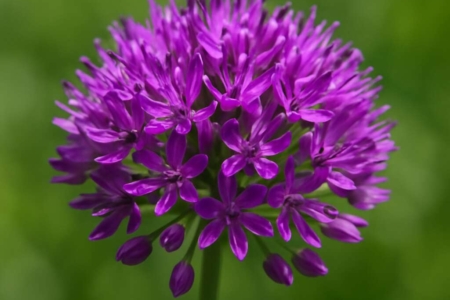
Few plants command attention quite like Allium willeanum, with its striking spherical blooms and regal stature. Its ornamental value is unmatched, making it a perennial favorite for gardens across Cyprus. This robust bulb not only adds a splash of vibrant purple but also introduces a sense of elegance that elevates any landscape design. Garden enthusiasts are enchanted by its tall flower stems and dense clusters of star-shaped flowers, which create a captivating visual effect.
Allium willeanum’s popularity stems from its versatility and lasting seasonal appeal. It’s a natural choice for creating focal points in flower beds or borders, where its architectural form provides contrast to softer foliage. Its low-maintenance nature and ability to thrive in well-drained soil make it an ideal candidate for both novice and seasoned gardeners alike. For those seeking to enhance their garden’s aesthetic, incorporating Allium willeanum offers a seamless blend of beauty and functionality.
- Unique spherical flower heads that draw the eye.
- Long-lasting blooms that provide visual interest throughout the season.
- Compatibility with various companion plants, enriching garden diversity.
Ultimately, Allium willeanum’s ornamental appeal is complemented by its reputation as a durable, easy-to-grow bulb that transforms garden landscapes into captivating visual displays. Its presence in a garden isn’t just aesthetic but also a testament to the plant’s enduring charm and adaptability—truly a choice that never fails to impress.
Culinary and Medicinal Uses – Potential uses if applicable
Beyond its stunning visual appeal, Allium willeanum offers intriguing benefits that extend into culinary and medicinal realms. While primarily celebrated for its ornamental beauty, this captivating plant also harbors potential uses that can enrich everyday life. Its bulbs, with a flavor reminiscent of garlic and onion, can be incorporated into various dishes, adding a subtle yet distinctive aroma and taste. Though not as commonly cultivated for culinary purposes as other Allium species, enthusiasts in Cyprus are increasingly exploring its edible qualities.
Medicinally, Allium willeanum has been traditionally valued for its supposed health-promoting properties. Its natural compounds are believed to support the immune system, act as an antioxidant, and promote cardiovascular health. Incorporating Allium willeanum into a garden not only elevates the aesthetic landscape but can also serve as a source of natural remedies. Some gardeners even experiment with its use in herbal infusions or extracts, harnessing its potential benefits.
For those interested in exploring its uses, here’s a simple overview:
- Flavoring culinary creations with its bulb for added depth and aroma.
- Utilizing the plant’s extracts in home remedies for immune support.
- Creating natural pest repellents by using parts of the plant in organic gardening.
Whether for its subtle culinary edge or its traditional medicinal applications, Allium willeanum remains a versatile addition to the Cyprus garden, blending beauty with potential health benefits. Its hardy nature and ease of cultivation make it an appealing choice for gardeners who wish to explore both aesthetic and functional uses in their horticultural pursuits.
Environmental Benefits – Pollinator attraction and ecological contribution
In the shadowy corners of the Cypriot landscape, Allium willeanum emerges not only as a striking ornamental but as a silent guardian of ecological harmony. Its presence beckons a chorus of pollinators—bees, butterflies, and hoverflies—drawn irresistibly to its vibrant, star-shaped flowers. These creatures, vital to maintaining the delicate balance of local biodiversity, find refuge amidst the plant’s sturdy, lush foliage.
Beyond its visual allure, Allium willeanum plays a crucial role in fostering a thriving ecosystem. Its nectar-rich blooms serve as a vital resource during the flowering season, supporting pollinator populations that are increasingly threatened by habitat loss. Gardeners and environmental stewards alike appreciate how this resilient plant contributes to a natural web of life, enriching the soil and encouraging the growth of beneficial insects that keep pest populations in check.
- Attracts a variety of pollinators, enhancing garden biodiversity.
- Supports local ecosystems by providing habitat and nourishment.
- Contributes to organic gardening through natural pest control.
In the twilight of a Cyprus dawn, Allium willeanum’s subtle ecological contributions remind us that beauty and function are often intertwined in the most mysterious ways. Its capacity to allure pollinators and support environmental health makes it an invaluable asset—an ode to nature’s intricate design and resilient spirit.
Maintenance and Care During Dormancy
Overwintering Tips – Protecting bulbs in colder climates
As winter’s chill whispers across the Mediterranean landscape, the delicate bulbs of Allium willeanum demand a guardian’s touch to ensure their resilience through the colder months. During dormancy, these enchanting bulbs retreat beneath the soil’s embrace, conserving their vitality for the vibrant bloom season ahead. Proper overwintering care becomes essential, especially in regions where frost risks are more pronounced.
Protecting Allium willeanum bulbs in colder climates involves a combination of strategic mulching and thoughtful sheltering. A thick layer of organic mulch—such as straw, pine needles, or compost—acts as a thermal insulator, shielding the bulbs from freezing temperatures and temperature fluctuations. For added security, consider covering the planting area with breathable fabric or placing protective barriers to prevent frost damage.
In regions prone to harsher winters, lifting and storing bulbs is a prudent move. Carefully dig up the bulbs once the foliage has withered, clean off excess soil, and store them in a cool, dry place—ideally between 0°C and 10°C—until the next planting season. These overwintering tips ensure that Allium willeanum emerges robust and ready to grace your garden with its resplendent presence year after year.
Post-Bloom Care – Deadheading and dividing tips
Even as the last blush of bloom fades and the foliage withers into a quiet, earthy silence, the diligent gardener recognizes that this dormancy is a crucial chapter in the life cycle of Allium willeanum. During this period, the plant retreats beneath the soil’s protective layer, conserving vital energy for its next spectacular display. Proper post-bloom care during dormancy not only sustains the vitality of Allium willeanum but also enhances its resilience against unpredictable winter whims.
One of the most effective techniques for maintaining the health of Allium willeanum during dormancy is deadheading—carefully removing spent flower stalks to prevent seed formation, which can divert energy from bulb replenishment. This simple act encourages the plant to focus its resources on bulb development rather than seed production, ultimately leading to more vigorous growth in subsequent seasons.
Dividing Allium willeanum is another vital aspect of post-bloom care, especially for overcrowded clumps that may become less floriferous over time. When the foliage has fully withered, gently lift the bulbs, separating offsets with care. This division not only revitalizes the plant but also offers an opportunity to propagate new specimens, enriching your garden’s tapestry of textures and hues.
- Handle bulbs with gentle precision to avoid unnecessary damage.
- Store them in a cool, dry environment if you plan to replant later, ensuring they remain dormant until conditions are optimal.
- Replant divided bulbs at the appropriate depth, considering the specific soil and light needs of Allium willeanum for robust regrowth.
Throughout dormancy, maintaining a balance between minimal disturbance and attentive care fosters the long-term vitality of Allium willeanum. The careful deadheading and dividing during this quiet phase ensure that, come spring, your garden will burst into a kaleidoscope of color and life, driven by the resilient roots of this enchanting Allium species. The cyclical dance of growth and rest is, after all, what makes the presence of Allium willeanum so genuinely captivating—an enduring testament to nature’s rhythm and resilience.
Preventing Common Problems – Measures to ensure healthy growth year after year
In the quiet hush of winter, when the garden seems to slumber under a blanket of frost, the resilience of Allium willeanum quietly endures. This enchanting species, with its delicate yet commanding presence, demands more than just passive observation—it requires thoughtful maintenance during dormancy to ensure its long-term vitality. Interestingly, neglecting proper care during this period can lead to common problems such as bulb rot or reduced flowering intensity in subsequent seasons. Preventative measures, therefore, are paramount in safeguarding the health of your Allium willeanum for many years to come.
One of the most effective strategies to prevent issues like fungal infections or pest infestations is maintaining well-drained soil and avoiding excessive moisture around the bulbs during dormancy. Overwatering, in particular, can be detrimental, fostering conditions conducive to rot. Implementing a routine of minimal disturbance—such as gently removing debris that may harbor pests—can significantly bolster the plant’s defenses. Additionally, a light dusting of horticultural sulfur or a natural fungicide around the bulbs can serve as a protective barrier against common ailments.
- Ensure that the bulbs are stored in a cool, dry environment if replanting is deferred, preventing premature sprouting or decay.
- Refrain from disturbing the soil unnecessarily, as this can damage the delicate roots that are preparing for spring resurgence.
- Apply a balanced, slow-release fertilizer in early fall to bolster the bulb’s energy reserves, fortifying it against the rigors of winter.
By adhering to these measures, gardeners nurture an environment where Allium willeanum can flourish with unwavering resilience. Its cyclical dance of growth and dormancy becomes a testament to nature’s intricate resilience—an enduring emblem of life’s quiet strength amidst Cyprus’s contrasting climate conditions. Vigilant care during dormancy is not merely maintenance; it is an act of respect for a plant that, despite its modest appearance, embodies the profound poetry of natural endurance and renewal.
Where to Buy and Price Range
Nurseries and Garden Centers – Trusted sources for purchasing bulbs
If you’re captivated by the allure of Allium willeanum and eager to introduce its enchanting blooms into your garden in Cyprus, knowing where to buy is paramount. Reputable nurseries and garden centers specializing in bulbs are your best allies in this quest. Trusted sources such as local plant nurseries often carry high-quality Allium willeanum bulbs, ensuring vibrant and healthy specimens ready to flourish in your landscape.
The price range for Allium willeanum can vary depending on size and quantity, typically falling between €3 to €8 per bulb. For those seeking a more extensive display, bulk purchases from nursery outlets or online garden centers may offer better value. Some specialized growers even provide organic or heirloom varieties of Allium willeanum, perfect for gardeners aiming for sustainable, eco-friendly cultivation.
To simplify your search, consider visiting renowned garden centers with a reputation for quality and plant health. When purchasing Allium willeanum bulbs, ensure they are firm, free from mold, and have visible roots—these indicators promise a thriving plant. Whether shopping in person or browsing trusted online sources, sourcing from established nurseries guarantees that your Allium willeanum will bring a splash of regal purple and a touch of magic to your garden for seasons to come.
Online Retailers – Best websites and tips for online buying
When searching for Allium willeanum bulbs online, the options are plentiful but choosing reputable sources can make all the difference. Trusted online retailers often stock high-quality bulbs, ensuring you receive vibrant, healthy specimens that will thrive in your Cyprus garden. The best websites for purchasing Allium willeanum include well-established garden centers and specialty bulb growers with positive customer reviews. These platforms typically offer detailed descriptions, clear images, and reliable shipping options, giving you confidence in your purchase.
The price range for Allium willeanum bulbs varies based on size, quantity, and source. Expect to pay between €3 and €8 per bulb; larger or premium varieties may command higher prices. For gardeners seeking an impressive display, bulk purchasing from online garden centers often provides better value and more consistent quality. Some websites even feature organic or heirloom options of Allium willeanum, catering to eco-conscious growers who prioritize sustainable cultivation. To ensure successful planting, always verify that bulbs are firm, free from mold, and have visible roots before completing your purchase.
- Reputable online nurseries with a dedicated plant section for Allium willeanum.
- Customer reviews highlighting the quality and health of the bulbs.
- Clear shipping policies and guarantees for bulb delivery.
By choosing established online sources such as [insert popular websites], you can confidently add Allium willeanum to your garden collection. Whether you’re after a splash of regal purple or a striking border accent, sourcing from trusted online retailers ensures your bulbs will arrive ready to flourish and captivate through seasons to come.
Pricing Expectations – Cost overview and factors affecting price
When it comes to acquiring Allium willeanum bulbs in Cyprus, discerning gardeners seek sources that balance quality with affordability. The price range for Allium willeanum bulbs typically falls between €3 and €8 per bulb, a spectrum influenced by factors such as size, quantity, and the reputation of the retailer. Larger, premium varieties often command higher prices due to their impressive floral display and robust health. For those intent on creating a stunning visual impact, purchasing in bulk from trusted online garden centers can offer both cost savings and consistent quality. These reputable sources often feature detailed descriptions, vibrant images, and transparent shipping policies, fostering confidence in each transaction.
Reputable online nurseries dedicated to specialty bulbs like Allium willeanum frequently showcase a dedicated plant section, making it easier to compare options. Customer reviews can serve as invaluable guides, highlighting the quality and vitality of the bulbs before purchase. Additionally, reliable platforms often guarantee safe delivery, ensuring that bulbs arrive firm, free from mold, with healthy roots ready for planting.
Ultimately, sourcing Allium willeanum from established online retailers—such as well-known garden centers or specialty bulb growers—ensures that your investment will flourish in your Cyprus garden. Whether you’re seeking the regal purple blooms or a striking border accent, understanding the factors affecting price and choosing reputable sources will result in a vibrant, enduring display season after season.

 by
by 




Latest Comments