Botanical basics and taxonomy
Taxonomy and naming of almond tree species Prunus dulcis
Four millennia of cultivation have made the Almond Tree Prunus dulcis a Mediterranean staple, a tree that thrives under Cypriot summers with a crisp sense of humor. Its blossoms glow pink in early spring, hinting at a harvest that nourishes both table and tale. Botanically, it sits in the Rosaceae family, a cousin to roses and apricots, yet distinguished by its edible seeds.
Taxonomy and naming are less about poetry and more about precise lineage. The formal binomial is Prunus dulcis, with the cultivated form often marketed to emphasize domestication and utility. In Cyprus, this naming approach harmonizes local horticultural practice with global classification.
- Kingdom: Plantae
- Family: Rosaceae
- Genus: Prunus
- Species: dulcis
A final note on naming: common usage may also append ‘almond’ to stress flavor and use, while taxonomists keep to the binomial for clarity. The blend suits Cypriot nurseries and kitchen shelves alike, aligning tradition with modern science.
Key botanical features of almond trees
Botanical basics frame this sun-loving heir of the Rosaceae family. Almond Tree Prunus dulcis is a deciduous canopy, typically 4–6 meters tall, with slender, gray-brown limbs that catch the light. Leaves are lance-shaped with fine serrations, and in early spring the tree wears clusters of blossoms that glow pale pink, inviting bees and brightening Cypriot orchards.
Fruit form follows function: a drupe with a green hull that splits open to reveal the treasured kernel inside. The kernel is the edible almond, prized for flavor and nutrition. These trees favor full sun and well-drained soils, adapting well to Cyprus’ dry summers, a hallmark of Almond Tree Prunus dulcis when planted with mindful irrigation.
- Leaves: lance-shaped with serrated margins
- Flowers: pink-tinged clusters in early spring
- Fruit: drupe with a split hull revealing the kernel
Geographic origin and native range
Almond Tree Prunus dulcis has roots that run deep in history, a reminder of how Cypriot summers have long leaned into this humble blossom. Botanically, it belongs to the Rosaceae family and grows as a sun-loving, deciduous canopy that thrives on well-drained soils and generous daylight. In our island terraces, its form speaks of quiet endurance—steady branches, gravelly bark, and a habit shaped by heat and light.
Geographic origin traces to the arid edges of Southwest Asia and the eastern Mediterranean, with early cultivation in Mesopotamia and the Levant. From there, traders carried almonds across the Mediterranean, where dry summers and warm soils became allies. In Cyprus, traditional irrigation has helped Almond Tree Prunus dulcis adapt and flourish, turning sun into harvest.
- Origin: Southwest Asia and the wider Mediterranean
- Spread: Mesopotamia, Levant, and the Mediterranean basin
- Cyprus: a long-standing climate ally for cultivation
Cultivars and varieties overview
Almond Tree Prunus dulcis is the Mediterranean’s favorite quiet performer, delivering about a 30% global demand surge over the last decade. It sits as a sun-loving, deciduous standout whose kernel-driven appeal defines island orchards. In taxonomy it shares lineage with peaches and plums, yet each cultivar carries its own personality—kernel size, shell strength, and bloom timing—turning climate into a canvas for flavor.
Popular cultivars and varieties showcase a spectrum from ultra-large kernels to shell-smooth reliability. Consider:
- Nonpareil — benchmark kernel size and tang of sweetness
- Mission — early bearing with dependable shelling
- Carmel — high-yielding, uniform kernels
- Ferragnès — late harvest with sturdy adaptability
In Cyprus, these choices integrate with local soils and sun, creating an enduring symbol of the island’s warm history and modern horticultural ambition.
Cultivation requirements and care
Site selection and soil types for almond trees
From sunlit groves to greenhouse windows, the almond tree is timeless, and its cultivation carries a quiet discipline. In Mediterranean climates like Cyprus, consistent winter chill and steady moisture shape vigor, while reverence for soil health translates into steadier yields. The tree responds best to balanced nutrition, orderly pruning, and careful canopy management that respects its habit and fruiting cycles. That quiet discipline mirrors our own search for balance.
- Full sun exposure and shelter from strong winds
- Well-drained soils, slightly sandy to loamy
- Neutral to mildly alkaline pH; avoid waterlogged pockets
For the Almond Tree Prunus dulcis, Cyprus’s soils reward mindful water use and steady organics to support resilience through dry summers.
Water management and irrigation strategies
Cyprus’s long dry spells demand more than luck from the Almond Tree Prunus dulcis; it requires mindful water stewardship. Cultivation thrives when irrigation mirrors the tree’s seasonal needs—deeper, less frequent waterings during dormancy and deeper penetration during nut fill—while avoiding waterlogged pockets that invite root stress. The tree responds to steady organics and balanced nutrition, with soil moisture behaving like a quiet rhythm that underpins vigor and resilience through heat peaks. What resilience this tree embodies!
- Deep, infrequent waterings promote a deeper root system.
- Mulching and organic matter regulate soil moisture and temperature.
- Drip irrigation with soil moisture baselines enhances water-use efficiency.
- Prevent salinity buildup and ensure drainage to protect root health.
The quiet arithmetic of water and sun invites a patient cadence, and resilience yields its own harvest.
Nutrient management and fertilization
Calm cultivation for the Almond Tree Prunus dulcis hinges on thoughtful nutrient management. Deep soil preparation, compost, and a living mulch create a forgiving foundation, letting nitrogen, phosphorus, and potassium flow where roots roam. In Cyprus’s sunlit orchards, timing matters: feed as growth stirs in early spring and ease off as the tree enters dormancy, letting micronutrients fill in the gaps. A balanced regimen supports steady bloom, robust nut set, and resilient finish.
- Soil tests inform the balance between major nutrients and trace elements.
- Balanced nutrition supports consistent bloom and nut development.
- Attention to micronutrients helps prevent deficiencies and improve quality.
- Organic matter and mulch stabilize moisture and soil structure.
With patient, measured feeding, the orchard sings—nut weight grows, and resilience follows the harvest.
Pruning, training, and canopy management
Cyprus’s sunlit groves demand a well-shaped silhouette for the Almond Tree Prunus dulcis. A disciplined pruning routine acts like a sun hat for the canopy, boosting light penetration and cooling the leaves. Growers report up to a quarter more uniform nut development when structure breathes properly.
Training and canopy management favor a system—central leader or open-center—that suits a Mediterranean temperament. The aim is to balance vigor with fruiting wood, letting light weave through the limbs and keeping the canopy airy rather than cramped. Cyprus’ seasonal rhythm informs the design of every limb.
- Maximize light interception
- Promote air circulation
- Balance vegetative growth with crop load
With thoughtful care, the Almond Tree Prunus dulcis becomes a resilient character under Cypriot skies—an architect of steady bloom and dependable nut set.
Pollination biology and the role of bees
Honey bees pollinate roughly one-third of the foods we eat, and Almond Tree Prunus dulcis in Cyprus is no exception. In Cyprus, it thrives when sun, drainage, and a patient rhythm align. It demands a long Mediterranean season: full sun, loamy, well-drained soil, and frost protection at bloom. In practice, growers balance moisture and soil structure, letting the microclimate cradle blossoms as they wake to spring, laying the groundwork for steady yields.
Pollination biology and the role of bees are the quiet gears behind the harvest. Honey bees ferry pollen between blossoms, turning delicate petals into kernel-rich fruit.
- Bees move pollen from male to female flowers as they forage on nectar.
- Cross-pollination is central for almonds, making pollinator presence essential.
- Timing and weather shape the efficiency of nut set during bloom.
Production practices and harvest
Popular almond cultivars and nut quality traits
From orchard floor to the last nut, production practices for the Almond Tree Prunus dulcis blend precision with patience. Cyprus growers optimize canopy light, regulate irrigation, and time harvest to cool mornings when kernels fill true. After picking, sun-drying and careful dehusking set the stage for tight sorting and storage.
In Mediterranean conditions, popular almond cultivars perform boldly: Nonpareil, Carmel, Butte, and Sonora.
- Nonpareil — large, uniform kernels; excellent kernel yield
- Carmel — good shelling characteristics and reliable return
- Butte — extra-large kernels, favorable for blanched nuts
- Sonora — balanced size, sturdy vigor, steady maturity
Nut quality traits hinge on kernel size uniformity, sweetness, oil content, color, and minimal bitterness. Through precise drying and sorting, these attributes translate into premium kernels that appeal to processors and Cyprus consumers alike, where consistency and flavor drive demand.
Bloom timing, pollination, and fruit set
Spring arrives with a hush and the promise of almonds in the air. The Almond Tree Prunus dulcis awakens to a bloom timed to Cyprus’ cool, radiant mornings, and growers watch the calendar as closely as the weather. During this window, irrigation rests in gentle rhythms and the orchard floor stays clear to keep moisture from lingering where it doesn’t belong. When blossoms open, every hour counts toward fruit set and future kernel fill, turning a brief moment into the start of a patient, long arc toward harvest.
- Bloom onset aligned with mild mornings and favorable pollination windows
- Fruit set cues that signal potential kernel fill and resource allocation
- Harvest timing shaped by cooler temperatures and kernel development stages
Across the sun-washed slopes of the Mediterranean, these rhythms carry life from blossom to kernel, a quiet testament to the craft behind this crop.
Harvesting windows and post-harvest handling
Cyprus sits at the crossroads of sun and sea, and the Almond Tree Prunus dulcis answers with a harvest rhythm tuned to cool, dawn-lit mornings. Production practices here favor a narrow, on-tree window for picking, minimizing heat exposure and preserving kernel integrity. As hull splits reveal the coveted kernels, growers balance speed with care—fast enough to avoid sun-baked fruit, deliberate enough to protect delicate nuts and their aroma.
- Careful timing of harvest to match cooler temps and optimal moisture
- Gentle handling to reduce bruising and shell damage
- Prompt drying and sorting to maintain kernel quality
Post-harvest handling under Cyprus conditions hinges on clean equipment, controlled drying, and swift transport to storage facilities, safeguarding the prized natural flavors.
Pest and disease considerations affecting yields
Cyprus’s sun-washed slopes cradle the Almond Tree Prunus dulcis in a climate that rewards discipline. Production practices here lean toward an on-tree window, minimizing heat exposure and preserving kernel aroma; careful handling and rapid cooling lock in freshness from dawn’s first light. Clean equipment and swift sorting are the quiet artisans behind each harvest, turning Mediterranean weather into a reliable yield.
Pest and disease pressures shape management decisions, demanding constant vigilance and precise timing.
- Navel orangeworm (Amyelois transitella)
- Peach twig borer (Anarsia lineatella)
- Hull rot and brown rot pathogens (Monilinia spp.)
- Aphids and spider mites affecting canopy health
Sanitation, prudent cultivar selection, and scouting sustain Cyprus yields in the face of evolving pressures.
Uses, nutrition, and market dynamics
Nutritional profile and health benefits of almonds
In sun Mediterranean groves, Almond Tree Prunus dulcis yields more than a snack—it carries a story of flavor and trade. In Cyprus and markets, almonds elevate desserts, sauces, and line of plant-based beverages, while whispering of sustainable farming and rhythm.
Nutrition and health benefits center on a balance of fats, fiber, and micronutrients. Almonds deliver heart-healthy monounsaturated fats, vitamin E, magnesium, and protein, supporting steady energy and blood sugar stewardship. A modest portion fits lively Mediterranean diets and wellness plans.
Market dynamics reflect shifting demand and thoughtful supply chains in the region. Uses and consumer interest drive steady growth in Cypriot kitchens and across the EU. To illustrate the range, consider the following applications: This resilience is the heart of Almond Tree Prunus dulcis in the Cypriot market:
- Culinary uses: snacking, baking, confections
- Oil and dairy alternatives: pressed oil and almond milk
- Cosmetic and nutritional supplements
Culinary uses and processing methods
In sun-drenched Cypriot groves, the Almond Tree Prunus dulcis doesn’t merely yield a snack—it carries a legend of flavor and trade. A local custodian of harvests recalls, “The almond is a bridge from grove to table,” and that journey travels from village stalls to EU kitchens.
Nutrition and uses anchor the almond’s reputation. Almond Tree Prunus dulcis offers heart-healthy fats, fiber, vitamin E, magnesium, and protein, supporting steady energy and balanced blood sugar.
- snacking, baking, and confections
- pressed oil and almond milk
- cosmetics and nutritional supplements
Across Cyprus and the EU, market dynamics reflect growing demand and traceable supply chains. In kitchens and cafés, the nut elevates desserts, sauces, and plant-based beverages, while a tale of sustainable farming informs trust. Almond Tree Prunus dulcis continues to anchor Cypriot trade and regional wellness.
Economic impact, market trends, and sustainability
EU almond demand has grown in double digits in the past five years, and the Almond Tree Prunus dulcis is well positioned to meet it. In Cypriot groves, this crop threads together flavor, farming heritage, and trade—carrying harvests from hillside stalls to EU kitchens.
Nutrition anchors the almond’s reputation: heart-healthy fats, fiber, vitamin E, magnesium, and protein support steady energy and balanced blood sugar. In Cypriot kitchens, the nut shines in snacking, baking, and plant-based dishes, turning simple ingredients into meals that feel wholesome and complete.
Market dynamics reflect rising demand and a move toward traceable, sustainable supply chains. The almond’s economic footprint in Cyprus includes farm income, processing jobs, and export earnings to EU markets; sustainability programs in water management and soil health build trust across the value chain.
- Traceability from orchard to table
- Investments in local processing and packaging
- Certification and sustainability metrics underpin buyer confidence

 by
by 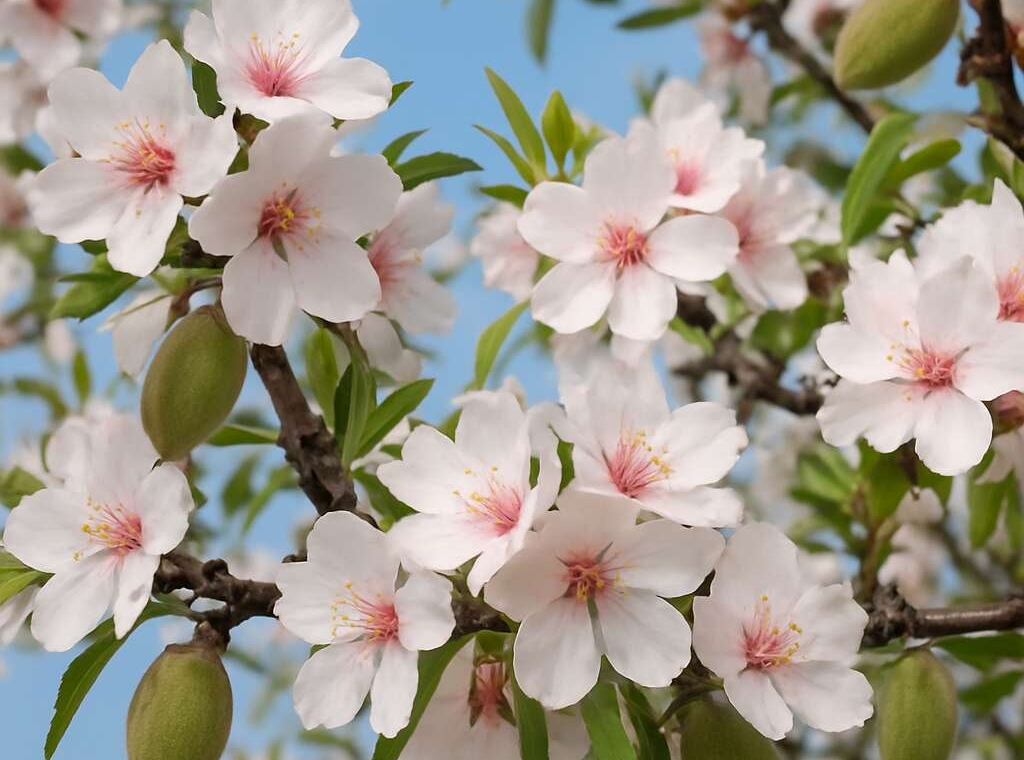


Latest Comments