Introduction to Ganoderma applanatum
Definition and Taxonomy – Overview of Ganoderma applanatum and its classification within the Ganoderma genus
Ganoderma applanatum, commonly known as the artist’s conk, is a fascinating fungi species within the Ganoderma genus. It stands out due to its large, woody, and bracket-like appearance, which often displays intricate patterns that look like artwork. This fungus is widely found on decaying hardwoods, playing a crucial role in the natural decomposition process. Ganoderma Ganoderma applanatum is not just admired for its visual appeal but also valued for its medicinal properties in traditional practices.
Classified within the Ganoderma genus, Ganoderma applanatum belongs to a group of fungi renowned for their medicinal and ecological significance. It is part of the Polyporaceae family, characterized by the pore surface on the underside of the fruiting body. Aside from its ecological role, Ganoderma Ganoderma applanatum is often studied for its bioactive compounds that contribute to health benefits. Here’s a quick overview:
- Genus: Ganoderma
- Family: Polyporaceae
- Common name: Artist’s conk
- Habitat: Decaying hardwoods
Physical Characteristics – Distinctive features, appearance, and identifying traits of Ganoderma applanatum
Ganoderma applanatum, or the artist’s conk, boasts a physical presence that commands attention—think of a grand, wooden shelf with intricate patterns carved over time by nature herself. Its massive, woody bracket often extends several inches, sometimes even a foot or more, making it one of the more impressive fungi to behold. The surface displays a velvety, pale-brown top that ages gracefully into a darker hue, adorned with bands of concentric rings that resemble a vintage tapestry. The underside showcases tiny pore surfaces, which resemble honeycomb structures, essential for spore dispersal and identification.
What truly sets Ganoderma applanatum apart from its fungi cousins is its ability to be a living canvas—hence the name ‘artist’s conk.’ Its surface is amenable to etching and drawing, a fact appreciated not only by nature lovers but also by the culturally inclined. Besides this artistic trait, keen observers note the sharply defined, dentate edges and the thick, woody texture that makes the fungus both a natural marvel and a dependable indicator of decaying hardwoods. The layered appearance and the characteristic pore surface—often seen in Ganoderma species—are invaluable identifiers for those seeking to distinguish Ganoderma Ganoderma applanatum amidst a forest of fungi.
Historical and Cultural Significance – Traditional uses and cultural importance across different regions
Ganoderma applanatum, affectionately known as the artist’s conk, isn’t just a fungus; it’s a living relic woven into the cultural fabric of many regions. Historically, this formidable fungus has played a dual role—both as a natural marvel and a practical resource. In Asian traditions, especially within Chinese and Japanese medicine, Ganoderma Ganoderma applanatum has been revered for centuries as a symbol of longevity and vitality. Its medicinal properties have been harnessed in herbal remedies aimed at boosting health and fortifying the immune system.
Across various cultures, the cultural significance of Ganoderma applanatum takes on a poetic dimension. In European folklore, its appearance on decaying hardwoods was often seen as a sign of nature’s quiet resilience. Meanwhile, in some indigenous communities, the fungus has served as a natural canvas for artistic expression—an unusual trait that has earned Ganoderma applanatum its nickname as the “artist’s conk.” This fungus’s historical uses highlight its holistic role in traditional practices, blending natural symbolism with tangible health benefits.
With its layers of history and cultural importance, Ganoderma applanatum continues to capture interest—not just for its physical traits but also for its longstanding role in human culture. From producing natural medicines to inspiring artistic endeavors, this fungus weaves itself into stories that are as layered as its concentric rings, making Ganoderma Ganoderma applanatum a fascinating subject for both historians and mycologists alike.
Habitat and Distribution of Ganoderma applanatum
Natural Habitat – Types of environments where Ganoderma applanatum thrives
Ganoderma applanatum, more commonly known as artist’s conk, thrives in environments that seem almost made for quiet introspection—dimly lit woodland corridors where the ancient whispers of trees echo through time. This intriguing fungus prefers to inhabit the decaying trunks of hardwood trees, where decomposing wood becomes a fertile ground for its growth. Its natural habitat extends across temperate and subtropical regions, where it finds sanctuary on a variety of tree species, often forming sprawling, shelf-like structures that command attention. Ganoderma Ganoderma applanatum thrives in such regions, creating striking ecological mosaics amidst decaying logs and fallen timber.
In terms of distribution, Ganoderma applanatum is predominantly found across North America, Europe, and parts of Asia—its presence almost a silent witness to forest health. The adaptability of this fungus allows it to colonize a wide array of environments, from moist, shaded woodland floors to more exposed transitional zones, where decomposition is accelerated by seasonal moisture fluctuations. Its widespread distribution underscores not just its resilience but also its role as a vital decomposer in forest ecosystems. In some cases, these fungi form expansive mycelial networks that intertwine beneath the forest floor, subtly influencing nutrient cycling in these complex habitats.
- Decaying hardwood logs
- Old-growth forests
- Shaded woodland edges
- Moist, temperate environments
Geographical Range – Global distribution patterns and specific regions with dense populations
Ganoderma applanatum, often hailed as the artist’s conk, commands a quiet dominance within its natural habitats—silent witnesses to centuries of woodland symphony. Its spontaneous appearance on decaying hardwood logs and the ancient, moss-laden surfaces of old-growth forests speaks to its role not merely as a fungus, but as a vital architect of forest renewal. This resilient species is spread across a vast geographical canvas, from the temperate woodlands of Europe to the subtropical forests of Asia and the extensive forests of North America. Each region presents its own ecological nuances, yet Ganoderma applanatum flourishes wherever the conditions favor the decomposition of hardwoods—a testament to its adaptability.
The divine dance of this mushroom is most prominent in regions with moist, shaded environments where humidity sustains its growth—within woodland edges and the hidden undercanopies of mature forests. Its dense populations appear wherever fallen logs or decaying trunks carve out a rich substrate for mycelial networks to thrive.
- Regions with high humidity
- Old-growth forests
- Shaded woodland edges
These natural habitats are found across continents, underscoring Ganoderma applanatum’s resilience. It’s fascinating to observe how this fungus seamlessly integrates into diverse ecosystems, subtly influencing the nutrient cycles beneath the forest floor.
In terms of distribution, Ganoderma applanatum’s presence spans the globe, with dense populations especially noted in temperate zones of the Northern Hemisphere. Within Europe and North America, this species frequently appears in areas characterized by damp, wooded terrain—each spot whispering stories of ecological harmony. Its ability to adapt to a variety of environments, from shaded glades to transitional zones where seasonal moisture accelerates decomposition, further highlights its widespread resilience. Such adaptability not only enables Ganoderma Ganoderma applanatum to inhabit a broad spectrum of regions but also exemplifies its role as a cornerstone species within the realm of wood decay and nutrient cycling. This fungus’s widespread ecosystem presence makes it a compelling subject of study and admiration for mycologists and nature enthusiasts alike, revealing the delicate balance of life and decay in the natural world.
Growing Conditions – Ideal climate, substrate, and conditions for cultivation
Ganoderma applanatum, often called the artist’s conk, favors specific growing conditions that support its role in forest ecosystems. Its natural habitat requires a moist, shaded environment, particularly on decaying hardwood logs and stumps. These conditions provide the perfect substrate for mycelial networks to flourish and sustain the fungus’s lifecycle. From ancient woodland floors to moss-laden tree surfaces, Ganoderma applanatum thrives where decay materials are abundant.
For cultivation or observation, understanding its ideal climate is key. Ganoderma applanatum prefers temperate to subtropical zones where humidity remains consistently high. Such conditions prevent premature drying of its substrate and encourage the growth of its dense, layered fruiting bodies. To mimic natural environments, maintaining a damp, shaded setting is essential.
- Substrate: Decayed hardwood logs or sawdust blocks rich in lignin and cellulose.
- Climate: Mild temperatures around 15-25°C with high humidity levels.
- Environment: Shaded woodland areas, forest edges, or controlled indoor setups with proper moisture control.
Optimal growing conditions for Ganoderma Ganoderma applanatum also include proper air circulation and protection from direct sunlight. Its adaptability is impressive—it can grow across various wood substrates and in diverse climates. Indeed, this resilient fungus continues to thrive, fulfilling its natural role in wood decomposition and nutrient cycling, both in wild forests and cultivated environments alike.
Health Benefits and Applications of Ganoderma applanatum
Medicinal Properties – Bioactive compounds and their potential health effects
In the mystical realm of fungi, Ganoderma applanatum, often called the artist’s mushroom, reveals a treasure trove of bioactive compounds with remarkable medicinal properties. This ancient fungi harbours a potent blend of polysaccharides, triterpenoids, and antioxidants that resonate deeply within the human body. When harnessed properly, these compounds may contribute to immune modulation, combat oxidative stress, and promote overall well-being.
The therapeutic allure of Ganoderma Ganoderma applanatum lies in its natural capacity to support health. From its anti-inflammatory effects to potential antitumor properties, this mushroom has been revered for centuries in traditional medicine. Modern science is increasingly exploring its applications for respiratory health, liver detoxification, and even mental clarity. Truly, this fungal wonder continues to inspire hope for natural healing, bridging the ancient with the contemporary in a dance of bioactive promise.
Traditional Uses – Historical medicinal applications and folklore
Ganoderma applanatum, often cherished by traditional healers and herbal enthusiasts alike, carries a rich history rooted in folklore and ancient medicine. Known as the artist’s mushroom because of its unique, white pore surface that artists used as a natural canvas, this fungal marvel has long been valued for its medicinal properties. Historically, communities in Europe, Asia, and Africa employed Ganoderma applanatum in remedies aimed at strengthening the immune system, alleviating inflammation, and promoting longevity.
In traditional medicine, Ganoderma Ganoderma applanatum was often brewed into teas or prepared as a tincture to support respiratory health and liver detoxification. Folk wisdom tells of its role in improving mental clarity and bolstering vitality, making it a go-to resource for those seeking natural healing. This enduring cultural significance highlights its revered status among ancient remedies, still inspiring modern-day applications today.
Modern Research and Scientific Studies – Latest findings supporting health claims and clinical trials
Recent scientific investigations into Ganoderma applanatum reveal a compelling array of health benefits that continue to excite researchers and herbal enthusiasts alike. This remarkable fungus has shown promising results in supporting immune modulation, thanks to its rich composition of bioactive compounds such as polysaccharides and triterpenoids. These compounds are believed to interact synergistically within the body, helping to maintain balance and resilience against oxidative stress.
Clinical trials exploring Ganoderma applanatum’s potential have demonstrated its capacity to promote liver detoxification and improve respiratory health. One study found that participants consuming standardized extracts experienced reduced inflammation markers and enhanced respiratory function, underscoring its traditional applications. Such findings fortify the historical uses observed in various cultural practices, positioning Ganoderma applanatum as a genuine adjunct in natural health regimens.
For those attentive to holistic wellness, an understanding of the specific applications broadens the appeal of Ganoderma applanatum. Its adaptogenic qualities may help alleviate fatigue and improve mental clarity—attributes valued by individuals seeking a natural approach to sustained vitality. As ongoing scientific efforts continue to validate these benefits, Ganoderma applanatum maintains its esteemed status within integrative health circles.
Cultivation and Harvesting of Ganoderma applanatum
Cultivation Methods – Techniques for growing Ganoderma applanatum commercially and at home
Cultivating Ganoderma applanatum offers a captivating journey into the world of medicinal fungi. This remarkable species, also known as artist’s conk, thrives best when grown on decayed hardwood logs or sawdust substrates. The process begins with selecting healthy, mature wood, ensuring optimal conditions for spore inoculation. Maintaining precise humidity levels and temperature—ideally between 20-25°C—creates an environment conducive to robust growth.
Growing Ganoderma applanatum commercially or at home requires patience and meticulous attention to detail. It is advised to use sterilized substrates to prevent contamination, and regular misting helps sustain the necessary moisture. Once the mycelium fully colonizes the substrate, delicate fruiting bodies emerge, ready for harvest. With consistent care, this fascinating fungus can be cultivated successfully, providing a sustainable source of natural health remedies and aesthetic marvels.
Harvesting Techniques – Best practices for collecting and handling the mushroom
Nothing beats the thrill of harvesting Ganoderma applanatum, often called the artist’s conk, straight from your own mushroom patch! Proper harvesting techniques not only preserve the integrity of this fascinating fungus but also ensure it remains a sustainable resource. Timing is everything: wait until the fruiting body has fully matured, with a firm, slightly leathery texture and a distinct, rich coloration. When the fungal cap looks like a well-aged piece of art, it’s ready to be collected.
Handle Ganoderma applanatum with care to prevent damage. Use a sharp knife or pruning shears to cut the conk just above the substrate level—this minimizes disruption to the mycelial network underneath. Always avoid twisting or pulling, as that can introduce contaminants or damage the delicate structure. Opt for clean, sterilized tools to keep the harvest pristine and safe.
To ensure the longevity and quality of your Ganoderma applanatum, follow a few best practices during collection:
- Wear gloves to prevent introducing unwanted bacteria or fungi.
- Place the mushroom in a breathable container to prevent moisture buildup and decay.
- Handle with gentle care—these mushrooms are surprisingly fragile despite their hefty appearance.
From part of your garden or a dedicated mushroom farm, harvesting Ganoderma applanatum can be a rewarding experience—like unearthing an ancient treasure. Whether used for natural remedies or as a stunning display piece, respecting the unique needs of this fungus ensures each harvest remains a joy in all its artistic and medicinal glory.
Processing and Storage – Post-harvest processing, drying, and preservation methods
Processing and storage of Ganoderma applanatum, commonly known as the artist’s conk, require careful attention to preserve its unique medicinal and aesthetic qualities. Once harvested at peak maturity — characterized by a firm, slightly leathery texture and vibrant coloration — the fungi must undergo appropriate post-harvest handling to maintain its integrity.
Drying is a critical step, as it significantly extends shelf life and concentrates the bioactive compounds. Air drying in a shaded, well-ventilated space allows gentle dehydration, reducing the risk of mold or bacterial growth. For larger specimens or batches, low-temperature drying in a food dehydrator is often preferred to prevent the loss of delicate phytochemicals.
Proper storage of Ganoderma Ganoderma applanatum relies on keeping the dried conks in an airtight container, ideally in a cool, dark environment. This prevents moisture absorption and preserves the rich coloration that makes this fungus so visually striking.
- Use sterilized tools for cutting and handling to prevent contamination.
- Ensure the storage container is breathable to avoid moisture buildup.
- Label each batch with harvest date for traceability and quality control.
In some cases, tinctures or powders are created from dried Ganoderma applanatum, offering versatile options for medicinal applications. These methods demand a controlled environment and careful processing to retain the bioactive compounds that contribute to its revered health benefits. Whether for use in traditional remedies or as a stunning natural artifact, meticulous post-harvest processing and preservation are what transform a simple fungi harvest into a treasured resource.

 by
by 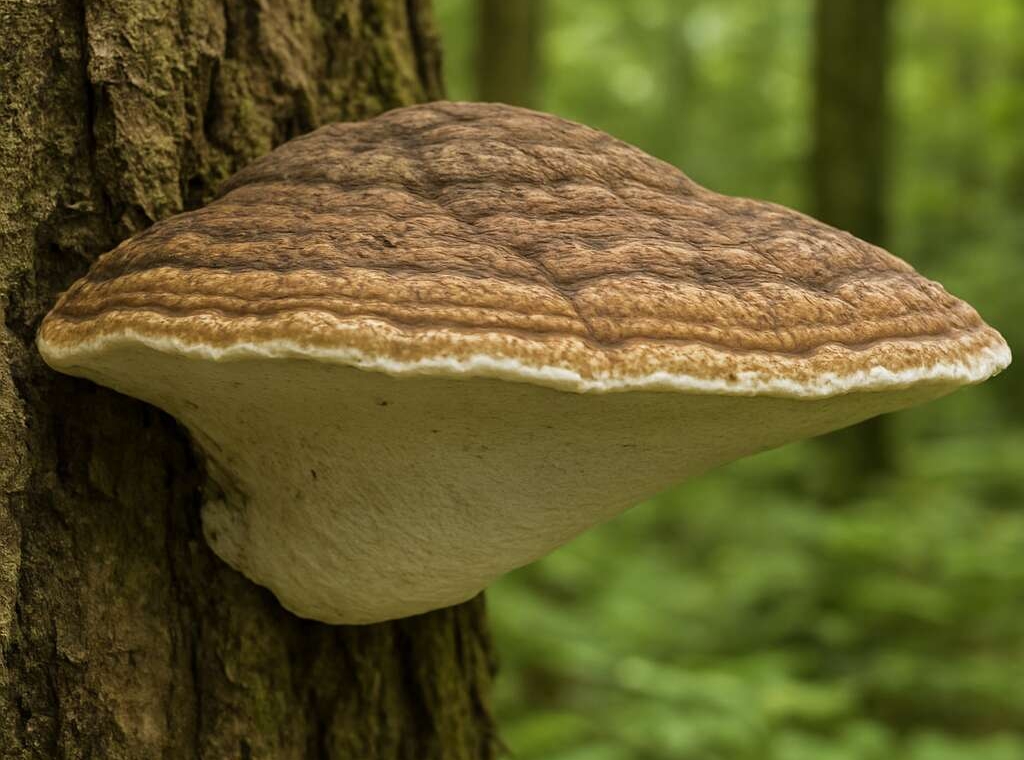




Latest Comments