Biology and Physical Characteristics of Sparisoma cretense
Description and Appearance – Physical features, coloration, and size of Mediterranean Parrotfish
The Mediterranean Parrotfish Sparisoma cretense captivates with its striking physical features and vibrant coloration, making it a true jewel of its habitat. This fish, typically reaching up to 40 centimetres in length, boasts a robust, stocky body that glides effortlessly through coral reefs and rocky seabeds. Its beak-like mouth, characteristic of parrotfish, is perfectly adapted for scraping algae and coral, demonstrating a remarkable evolutionary adaptation.
The coloration of the Mediterranean Parrotfish Sparisoma cretense shifts dramatically throughout its life stages. Juveniles display a mottled blend of brown and green, seamlessly blending with their surroundings, while adults mature into a spectacle of iridescent hues—bright blues, vivid reds, and shimmering yellows—making it a visual marvel underwater.
Physical features of the Mediterranean Parrotfish Sparisoma cretense include a prominent, rounded forehead and a continuous dorsal fin that extends along its back. The scales are large and granular, adding to its textured appearance. Its powerful tail fin enables swift maneuvering, essential for escaping predators and exploring its complex environment.
- Distinctive beak-shaped mouth
- Colorful and variable coloration
- Size up to 40 centimetres
- Robust, stocky body
Both its physical features and lively visual profile highlight the Mediterranean Parrotfish Sparisoma cretense as a captivating inhabitant of the Mediterranean ecosystem.
Anatomical Adaptations – Distinctive beak structure, teeth, and scales suited for its environment
The anatomy of the Mediterranean Parrotfish Sparisoma cretense reveals a fascinating adaptation to its vibrant underwater world. Unlike many fish, its distinctive beak-shaped mouth is a marvel of evolution, specifically designed for scraping algae and coral from rocky surfaces. This specialized structure allows the fish to forage efficiently in the complex Mediterranean environment, turning its beak into a tool for survival.
Its teeth are arranged in a powerful, beak-like formation that continuously grows, ensuring the fish can maintain its feeding habits despite constant wear. The large, granular scales covering its body provide both protection and flexibility, translating movement into agility as it darts through rocky crevices and coral reefs.
Adding to its suite of physical adaptations is a muscular tail fin, which grants the Mediterranean Parrotfish Sparisoma cretense remarkable agility. Whether swiftly escaping predators or navigating tangled seabeds, these features work in harmony—making this fish a true master of its habitat.
Lifespan and Growth – Growth stages, age, and longevity of Sparisoma cretense
The life cycle of the Mediterranean Parrotfish Sparisoma cretense is a captivating ballet of growth stages that reflect its resilience and adaptation to the coastal Mediterranean landscape. Juveniles are notably vibrant, their coloration a kaleidoscope of hues that gradually give way to the striking, muted tones of maturity. These intermediary phases are crucial, marking the transition from playful, exploratory creatures to refined navigators of their rocky habitat.
As they age, Mediterranean Parrotfish Sparisoma cretense develop remarkable physical features that speak to their longevity, often living up to 12 years in the wild. Growth rates tend to slow as they approach their full size, with mature specimens reaching about 40cm in length, embodying both agility and strength. Observing these fish at different life stages, one appreciates the delicate yet resilient nature of this unique species.
Their growth and lifespan hinge on environmental factors, including water temperature, food availability, and predation pressures. In the quiet depths, these fish exemplify a rare harmony between vitality and grace—a reminder of nature’s artistry, woven into the very fabric of the Mediterranean aquatic realm.
Habitat, Distribution, and Behavior
Geographical Range – Locations and extent of Mediterranean Sea populations
Nestled within the balmy, sun-dappled waters of the Mediterranean Sea, the Mediterranean Parrotfish Sparisoma cretense weaves through coral reefs and rocky outcrops like a shimmering jewel. Its habitat is a vibrant mosaic of submerged forests where it plays a vital role in maintaining the delicate balance of the underwater ecosystem. This species favors shallow, coastal regions, often found in depths ranging from 2 to 30 meters, where the seafloor teems with a kaleidoscope of marine life.
The geographical range of the Mediterranean Parrotfish Sparisoma cretense spans the eastern Mediterranean basin, including the coasts of Greece, Turkey, and the Aegean Islands. Its presence is also notable around the southern shores of Cyprus and Crete, where its population is both resilient and vital for local biodiversity.
The Mediterranean Parrotfish Sparisoma cretense exhibits intriguing behavioral patterns. It is a fascinating alchemist of the sea, constantly nibbling and sculpting its environment with a beak-like mouth that resembles a miniature carpenter’s tool. As a shoaling species, it often forms lively groups during feeding frenzies, contributing to the health of coral reefs by consuming algae and preventing overgrowth that would otherwise suffocate corals. This fish’s versatility and dynamic presence make it a true ambassador of the Mediterranean marine realm.
Preferred Habitats – Coral reefs, rocky substrates, and seagrass beds
As the sunlight filters through the shimmering waters of the Mediterranean Sea, the Mediterranean Parrotfish Sparisoma cretense glides gracefully over its preferred habitats — coral reefs, rocky substrates, and seagrass beds. These vibrant ecosystems are the backbone of its existence, offering both shelter and sustenance. The complexity of these underwater landscapes provides a dynamic environment where the Mediterranean Parrotfish Sparisoma cretense can thrive, nibbling away at algae and maintaining the health of the reef system.
Distinctly adapted to its habitat, the Mediterranean Parrotfish Sparisoma cretense favors shallow coastal regions, typically found at depths ranging from 2 to 30 meters. Its distribution spans the eastern Mediterranean basin, encompassing coasts of Greece, Turkey, and the Aegean Islands. Around the southern shores of Cyprus and Crete, the populations are particularly resilient, contributing to the rich biodiversity that characterizes these waters.
Behaviorally, the Mediterranean Parrotfish Sparisoma cretense is a lively shoaling species. During feeding frenzies, it often forms vibrant groups, using its beak-like mouth to gently sculpt the environment by consuming algae. This constant scavenging not only helps keep the coral reefs clear of overgrowth but also underscores its role as a natural engineer of the Mediterranean marine realm. Its propensity to explore rocky outcrops and seagrass beds adds a layer of vibrancy to the underwater landscape, making it a true emblem of the Mediterranean’s aquatic beauty.
Behavioral Patterns – Feeding habits, social structure, and daily activity
The Mediterranean Parrotfish Sparisoma cretense is a vibrant symbol of marine diversity in the region. With its ability to adapt seamlessly to various habitats, it predominantly inhabits coral reefs, rocky substrates, and seagrass beds. These environments provide the perfect backdrop for its lively behavior and crucial role in maintaining ecological balance.
Distribution plays a vital role in understanding this species. The Mediterranean Parrotfish Sparisoma cretense is mainly found in the eastern Mediterranean basin. Its range includes the coasts of Greece, Turkey, and the Aegean Islands, with particularly resilient populations around Cyprus and Crete. These areas are hotspots of biodiversity, supporting large shoals of this colorful fish.
Behaviorally, the Mediterranean Parrotfish Sparisoma cretense is known for its shoaling tendencies. During feeding, it forms dynamic groups, using its distinctive beak-like mouth to scrape algae from rocks and coral. Its daily routine revolves around constant foraging, which helps control algae overgrowth—a vital function in coral reef health. The fish’s social structure encourages cooperative feeding, making it a fascinating species to observe in its natural habitat.
Diet and Ecological Role
Feeding Habits – Diet composition, herbivorous tendencies, and foraging strategies
One of the most captivating aspects of the Mediterranean Parrotfish Sparisoma cretense lies in its feeding habits, which play a crucial role in maintaining the health of its environment. This species is predominantly herbivorous, with a diet mainly composed of algae and seagrass. Its beak-like jaw structure is perfectly adapted for scraping algae off rocks and coral, giving it a specialized niche within the marine ecosystem.
Feeding strategies of the Mediterranean Parrotfish Sparisoma cretense involve meticulous foraging behaviors. This fish often engages in scraping and grazing along rocky substrates and coral reefs, efficiently removing layers of algae that could otherwise smother corals and seagrass beds. Such activity not only ensures its nutrition but also contributes to the ecological balance by preventing overgrowth of algae in these sensitive habitats.
- Herbivorous tendencies support the maintenance of healthy seagrass beds
- Foraging practices influence the dynamics of reef and rocky ecosystems
- Diet composition primarily includes algae and seagrass, with occasional invertebrates
Understanding the diet and ecological role of the Mediterranean Parrotfish Sparisoma cretense reveals its importance within Mediterranean marine environments. Its feeding habits underscore a delicate balance—stripping away algae while fostering the growth of coral and seagrass populations, ultimately sustaining the vibrant biodiversity of this region.
Role in Ecosystem – Contributions to algae control and reef health
The Mediterranean Parrotfish Sparisoma cretense plays a crucial role in maintaining the delicate balance of its marine environment. Its diet, primarily composed of algae and seagrass, positions this species as an ecological gardener, preventing overgrowth that can suffocate coral reefs and smother seagrass beds. This natural algae control keeps the ecosystem vibrant and thriving, supporting a wide array of marine life.
Thanks to its beak-like jaw structure, the Mediterranean Parrotfish Sparisoma cretense is a master scraper, meticulously grazing along rocky substrates and coral structures. This foraging behavior not only sustains the fish but also stimulates the health of its habitat.
- Control of algae overgrowth
- Promotion of coral and seagrass growth
- Support of marine biodiversity
Through its ecological contributions, the Mediterranean Parrotfish Sparisoma cretense exemplifies the importance of herbivorous fish in reef and rocky ecosystem health. Its presence acts as a natural regulator, safeguarding the complex web of marine life that relies on these habitats.
Interactions with Other Species – Predators, symbiosis, and competition
The Mediterranean Parrotfish Sparisoma cretense is more than just a vibrant fish; it’s a vital player in the marine tapestry of the Mediterranean Sea. Its diet of algae and seagrass doesn’t just sustain the species itself but also influences a delicate ecological balance that benefits countless other marine creatures. This herbivore’s interactions with neighboring species often mirror a natural dance—predators such as larger fish and sea predators keep the population in check, maintaining healthy numbers in the ecosystem.
Yet, the Mediterranean Parrotfish Sparisoma cretense also forms subtle alliances and competes with others for resources. It shares habitats with various herbivores, each vying for space and food. Its beak-like jaw is an ingenious adaptation, allowing it to feed efficiently while avoiding competition. Observing this species reveals a fascinating web of interactions—one that underscores the importance of biodiversity. Through these complex relationships, the Mediterranean Parrotfish Sparisoma cretense sustains the vibrant underwater scenes that define the Mediterranean landscape.
Conservation Status and Human Impact
Population Trends – Current status, threats, and conservation assessments
The Mediterranean Parrotfish Sparisoma cretense embodies a fragile beauty that mirrors the delicate balance of its environment. Despite its striking appearance, this species faces mounting challenges that threaten its future. Currently, the conservation status of the Mediterranean Parrotfish Sparisoma cretense is classified as vulnerable, primarily due to overfishing and habitat degradation. As coastal communities expand and fishing practices intensify, populations are experiencing troubling declines.
The increasing human impact on its habitat—particularly on coral reefs and rocky seabeds—poses a grave risk to its survival. Pollution, especially from plastic debris and sedimentation, further diminishes its breeding grounds. Conservation assessments emphasize the urgent need to protect this emblem of marine biodiversity. To monitor its plight, organizations advocate for habitat preservation, integrated fishing regulations, and public awareness campaigns.
Protection of the Mediterranean Parrotfish Sparisoma cretense is not merely about safeguarding a species but about maintaining the health of the entire marine ecosystem. Its fate underscores the pressing necessity for sustainable practices and vigilant stewardship of our seas.
Fishing and Trading – Regulations, sustainable practices, and risks of overfishing
The Mediterranean Parrotfish Sparisoma cretense is a vibrant symbol of the region’s diverse marine life, yet its conservation status paints a more troubling picture. As a species increasingly vulnerable to overfishing, the Mediterranean Parrotfish Sparisoma cretense faces a perfect storm of human impacts that threaten its survival. The rapid expansion of coastal development and relentless fishing practices place immense pressure on its populations.
While regulation efforts are in place, many fishing activities continue to pose risks. Unsustainable methods, such as blast fishing and overharvesting, can devastate local populations of the Mediterranean Parrotfish Sparisoma cretense. Fishery regulations, when properly enforced, aim to mitigate these threats, but gaps in compliance and monitoring remain.
To safeguard this colourful species, the adoption of sustainable fishing practices is imperative. Authorities are increasingly advocating for measures such as seasonal bans and size limits to prevent overexploitation. Public awareness campaigns also serve to educate local communities about the ecological importance of the Mediterranean Parrotfish Sparisoma cretense, encouraging responsible engagement with their marine environments.
Encouragingly, some regions have begun to implement habitat restoration projects, aiming to preserve reefs and rocky seabeds vital for the species’ breeding and feeding grounds. These initiatives are crucial, as the Mediterranean Parrotfish Sparisoma cretense plays an essential role in controlling algae growth, promoting healthy reef ecosystems.
- Overfishing remains a primary threat, risking the decline of local populations.
- Regulatory measures, such as size limits and seasonal closures, can help reduce pressure on the species.
- Correct application of sustainable fishing practices is key to ensuring the long-term survival of the Mediterranean Parrotfish Sparisoma cretense.
Ultimately, the preservation of the Mediterranean Parrotfish Sparisoma cretense depends on combined efforts—strict regulations, community involvement, and a genuine commitment to protecting marine biodiversity. As stewards of the sea, maintaining its health isn’t just about saving a vividly colored fish; it’s about sustaining the entire underwater landscape that supports countless species and livelihoods across the Mediterranean region.
Protection Measures – Marine protected areas, protected habitats, and legislation
The shimmering current of life beneath the Mediterranean’s azure surface reveals the enduring struggle of the Mediterranean Parrotfish Sparisoma cretense. Once abundant, this kaleidoscopic fish now teeters on the brink, entwined in a delicate dance with human influence. Just as the vibrant corals and rocky seabeds vital to its existence face relentless pressure, so too does the survival of the Mediterranean Parrotfish Sparisoma cretense hang in the balance.
Yet hope persists through a tapestry of protection measures. Marine protected areas (MPAs) exist as sanctuaries where the fish’s habitat can flourish free from destructive threats. Within these glowing refuges, the Mediterranean Parrotfish Sparisoma cretense is protected from overfishing and habitat degradation, ensuring its important ecological role remains intact.
Protection strategies include legislation that enforces size limits and seasonal closures, guarding against overharvesting and unsustainable fishing practices. Many regions are also adopting protected habitats — places where the coral reefs, rocky substrates, and seagrass beds serve as vital breeding grounds for the species. Efforts to restore these habitats breathe new life into communities of the Mediterranean Parrotfish Sparisoma cretense and the entire marine ecosystem it sustains.
- Establishment of marine protected areas (MPAs)
- Legislation with enforced size limits and seasonal bans
- Habitat restoration projects for reefs and rocky seabeds
Across the Mediterranean, this mosaic of measures illustrates a growing awareness of the importance of conserving the playful hues and vital roles of the Mediterranean Parrotfish Sparisoma cretense. These initiatives are more than lines on a map—they are lifelines protecting the vibrant tapestry of marine biodiversity that underpins regional livelihoods and ecological health.

 by
by 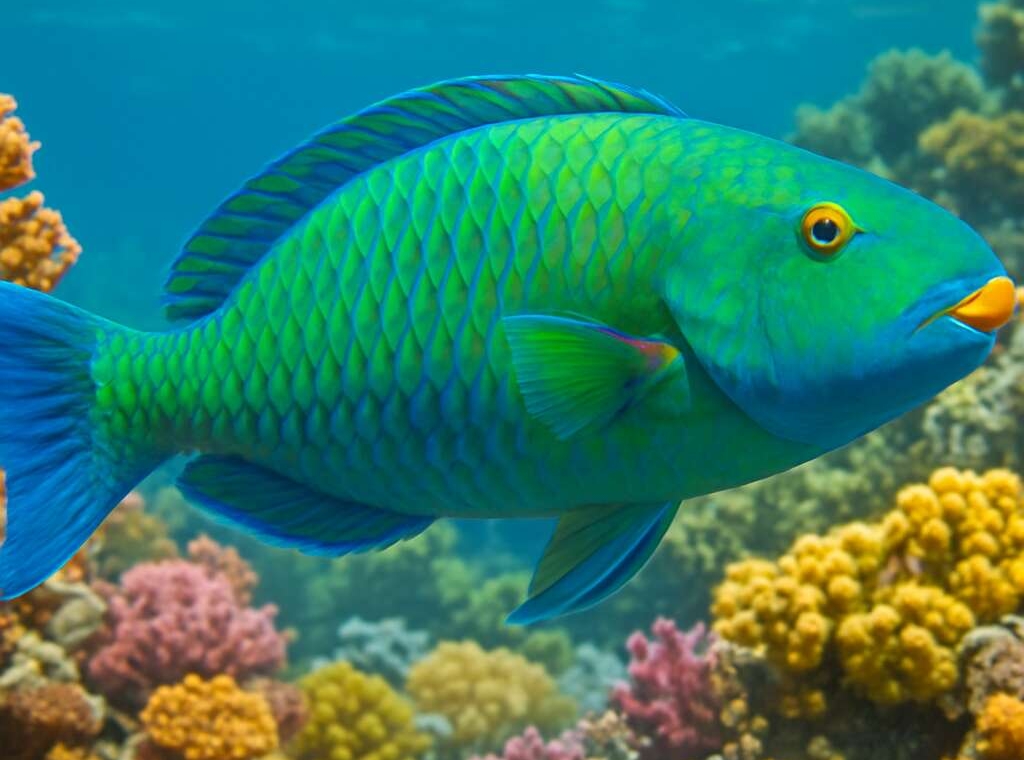





Latest Comments