Introduction to Centaurea cyprensis
Overview of the Species – Botanical description and distinguishing features
Centaurea cyprensis stands out as a captivating example of Mediterranean flora, embodying both resilience and delicate beauty. This species is a member of the Asteraceae family, commonly known for its striking floral display and unique botanical features. Its ability to thrive in the rocky terrains of Cyprus makes it a symbol of adaptability amid challenging environments.
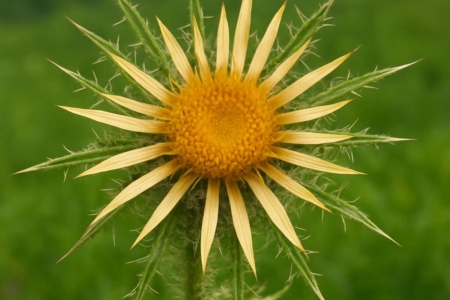
The botanical description of Centaurea cyprensis reveals a plant characterized by a low-growing, bushy stature and vibrant, multi-coloured flower heads. Its leaves are intricately lobed and slightly hairy, providing an appealing texture that complements the vivid blooms. The distinguishing features of Centaurea cyprensis include its bright yellow to orange inflorescences and the characteristic thistle-like appearance of its flower heads, which set it apart from closely related species.
Observing Centaurea cyprensis in its natural habitat offers a glimpse into the complex interplay between form and function, symbolising a resilience that has persisted through centuries. Its presence contributes significantly to local biodiversity, making it a prized species not just for botanists but also for conservationists passionate about protecting endemic plant species.
For enthusiasts and experts alike, understanding the detailed botanical features of Centaurea cyprensis—such as its distinctive floral structure and habitat preferences—enhances appreciation of this remarkable species. Truly, this plant embodies the intricate beauty found within the Cypriot landscape, inspiring admiration and a sense of responsibility in conservation efforts.
Habitat and Geographic Range – Regions where Centaurea cyprensis is native and its natural environment
Amidst the rugged, sun-baked landscapes of Cyprus, a symbol of resilience and delicate beauty flourishes—the captivating Centaurea cyprensis. This endemic species is intricately woven into the rich tapestry of the Mediterranean’s botanical heritage, thriving where others would falter. The native habitat of Centaurea cyprensis is characterized by rocky outcrops, limestone slopes, and semi-arid terrain that tests the endurance of gentler flora. Its ability to flourish in such stark conditions speaks to its remarkable adaptability, making it a botanical marvel and an emblem of survival.
The geographic range of Centaurea cyprensis is largely confined to Cyprus, where it has carved out a niche within the island’s unique ecosystems. This plant prefers thin, well-drained soils and sunny, exposed environments, often existing in areas with minimal human disturbance. Because of its endemic nature, the species plays a vital role in maintaining the ecological balance of its native habitat. Conservationists recognize its importance and work tirelessly to protect this resilient yet fragile species from threats such as habitat loss and invasive species.
For those who are enchanted by the story of the Mediterranean’s natural wonders, Centaurea cyprensis offers a glimpse into a hidden world of botanical marvels. Its habitat and geographic range reveal a plant that not only survives but thrives against the odds, embodying the spirit of the Cypriot landscape itself. Surrounded by limestone and swept by seasonal breezes, this species manages to sustain its vibrant presence, weaving a tale of life and endurance rooted deep within the island’s ancient terrains.
Taxonomic Classification – Family, genus, and related species
Centaurea cyprensis belongs to the diverse family of Asteraceae, which encompasses an impressive array of flowering plants known for their vibrant blooms and ecological importance. This species, within the genus Centaurea, shares close kinship with other resilient Mediterranean plants, often admired for their adaptability and intricate flower structures. The genus Centaurea includes more than 200 species, many of which are cherished for their ornamental qualities and traditional uses, but Centaurea cyprensis stands out as a true emblem of Cypriot botanical uniqueness.
As a member of the family Asteraceae, Centaurea cyprensis is related to several notable species, such as Centaurea cyanus (cornflower) and Centaurea montana (mountain knapweed). These plants, although varied in appearance and habitat, share common characteristics like composite flower heads and economic significance. The distinctiveness of Centaurea cyprensis lies in its endemic status, anchoring it firmly within the Mediterranean’s rich floral heritage.
- Family: Asteraceae
- Genus: Centaurea
- Related species: Centaurea cyanus, Centaurea montana, and others within the Centaurea genus
This taxonomic classification places Centaurea cyprensis among a fascinating group of plants, each with unique adaptations that help them flourish in challenging environments. The way these species navigate their habitats — battling droughts, rocky terrains, and seasonal changes — embodies the resilience so characteristic of the Mediterranean landscape. Recognizing its place within this taxonomic framework not only deepens appreciation but also highlights the importance of conserving such extraordinary flora rooted in Cyprus’s natural history.
Botanical Characteristics of Centaurea cyprensis
Morphology – Detailed look at plant structure, leaves, stems, and flowers
With its striking appearance and fascinating morphology, Centaurea cyprensis proves that beauty doesn’t always come in a conventional package. This Mediterranean native boasts an intricate plant structure that captivates both botanists and casual observers alike. The plant’s stems are sturdy yet tender, often tinged with a subtle hue of green that hints at resilience in its natural habitat.
The leaves are a distinctive feature — they’re deeply lobed, with a rough texture that seems perfectly suited to withstand the breezes of Cyprus. An interesting fact about Centaurea cyprensis is the way its leaves cluster along the stem, creating a lush, almost bushy appearance that invites inspection. On the flowering front, this species produces a bloom that is both vibrant and uniquely shaped; the flowers sport a bobbing, papery capitulum with a hint of purple or pink, making each plant a natural masterpiece.
- Robust, erect stems provide support for blooming displays.
- Deeply lobed, textured leaves form a dense foliage cluster.
- Compact flower heads with papery petals showcase a spectrum from purple to pink.
When viewed as a whole, Centaurea cyprensis reveals an elegant yet hardy plant structure — a botanical symphony that stands out whether in wild hedgerows or cultivated gardens. A detailed look at its morphology underscores why this species remains a captivating subject for both researchers and enthusiasts alike.
Flowering Period – Seasonality and flowering duration
The botanical characteristics of Centaurea cyprensis reveal a fascinating interplay between resilience and delicate beauty, especially during its peak flowering period. This species exhibits a distinct seasonality, typically flowering from late spring through early summer, with some specimens showing signs of partial bloom extending into late July. The flowering duration can vary depending on microclimate conditions, with most plants maintaining vibrant displays for approximately four to six weeks.
Centaurea cyprensis’ flowering period is marked by its compact, papery capitula that rise above the dense foliage, creating an allure that captivates even the most hurried observer. The intricate interplay of purple and pink hues in its blooms becomes more pronounced during the height of its flowering season, making it an ideal choice for those seeking prolonged visual interest in Mediterranean-inspired gardens.
The species’ seasonality lends itself well to planning floral arrangements and garden designs that emphasize contrast and texture. During the peak flowering period, the plant’s inflorescences animate the landscape, transforming simple hedgerows into striking visual tapestries. The flowering duration and seasonality of Centaurea cyprensis remain a testament to its adaptability and enduring appeal among botanists and horticulturists alike.
Seed and Propagation Methods – How the plant reproduces and spreads
The reproductive prowess of Centaurea cyprensis lies in its fascinating seed mechanism, a testament to nature’s subtle artistry. Each seed encapsulates the potential for a new narrative—delicately designed, yet remarkably resilient. Seed dispersal occurs predominantly through wind, as the plant’s seeds develop with papery pappi that act as natural sails, catching even the faintest breeze. This method ensures an expansive spread across suitable microclimates, allowing Centaurea cyprensis to colonize diverse Mediterranean-like environments with ease.
Propagation of this species can be achieved through both seed sowing and vegetative means, although the former remains the most common. For those seeking to cultivate Centaurea cyprensis, attention to seed viability is paramount. Fresh seeds, when sown in early spring, tend to germinate optimally after a period of cold stratification—mimicking natural winter conditions. Once established, the plant’s toothing roots and robust stems emerge, anchoring it firmly within its preferred habitat.
Fostering a new colony of Centaurea cyprensis involves a nuanced understanding of its seed cycle. To facilitate spread, light seed sowing into well-drained soil, combined with careful maintenance of microclimate conditions, often yields the most vibrant results. Its natural capacity for self-seeding and propagation, combined with its penchant for spreading via seed dispersal, ensures this enchanting plant sustains its presence across the landscape with minimal intervention.
Ecological and Environmental Significance
Role in Local Ecosystems – Pollinator interactions and biodiversity contributions
Centaurea cyprensis isn’t just a striking member of the flora—it plays a pivotal role in maintaining ecological balance within its native environments. Its vibrant blooms attract a diverse array of pollinators, from solitary bees to butterflies, creating a lively web of interactions that sustain local biodiversity. These pollinator relationships are not incidental; they are essential for the reproductive success of Centaurea cyprensis and similar species, ensuring the survival of intricate ecological networks.
Beyond its beauty, Centaurea cyprensis acts as a keystone species in its habitat, fostering a habitat mosaic that supports numerous other organisms. The plant’s nectar and pollen serve as critical food sources, especially in regions where floral diversity is threatened by invasive species or habitat degradation. Its contribution to biodiversity helps preserve the resilience of natural ecosystems, making Centaurea cyprensis a vital component in environmental conservation efforts.
Adaptations to Climate – Environmental resilience and growth conditions
Amid the rugged terrains and sun-drenched slopes of its native Cyprus, Centaurea cyprensis reveals an impressive resilience that whispers stories of adaptation and tenacity. This charming flower, often overlooked in the grand symphony of Mediterranean flora, possesses an innate ability to thrive under challenging environmental conditions. Its deep-rooted nature and hardy stems grant it a remarkable capacity to endure drought, poor soils, and the fluctuating temperatures that characterize its homeland.
Centaurea cyprensis exhibits particular adaptations that enable it to flourish in a mosaic of microclimates. Its leaves, coated with subtle hairs, reduce water loss, acting as a natural shield against the fierce summer heat. This botanically gifted species also demonstrates growth patterns aligned with climatic rhythms—flowering during late spring or early summer—allowing it to capitalize on seasonal moisture and optimal pollination windows. Interestingly, its seed dispersal mechanisms are finely tuned to its environment, with seeds capable of remaining dormant during adverse conditions, springing into life when the time is right.
What makes Centaurea cyprensis especially fascinating is its capacity to adapt to environmental stresses that threaten many other native species. Its resilient nature not only ensures survival but also positions it as a living testament to the enduring beauty that can flourish despite ecological pressures. The plant’s ability to withstand periods of drought and adapt to nutrient-poor soils enhances its role within the local landscape, weaving itself into the delicate fabric of its habitat and highlighting its importance as a natural pioneer species.
Threats and Conservation Status – Risks faced by the species and conservation efforts
Centaurea cyprensis faces a perilous path as ecological threats loom large over its native habitat. Habitat destruction from agricultural expansion, urban development, and unregulated tourism encroach relentlessly, shrinking the wild populations of this resilient species. Climate change intensifies these pressures, bringing unpredictable droughts and temperature swings that test its adaptability to dry and nutrient-poor soils.
Despite these mounting threats, conservation efforts are beginning to garner momentum. Initiatives focused on seed banking, habitat protection, and sustainable land management play a crucial role in safeguarding the future of Centaurea cyprensis. Protected areas, especially in Cyprus, provide sanctuaries where the plant’s natural environment can thrive undisturbed.
- Invasive species compete with native flora, threatening the delicate balance of microhabitats where Centaurea cyprensis grows.
- Overharvesting, often driven by its uniqueness and appeal, risks depleting wild populations.
The fight to preserve Centaurea cyprensis hinges on increased awareness and strategic conservation policies, ensuring that this charming symbol of resilience continues to grace its native slopes for generations to come.
Uses and Cultural Relevance
Medicinal and Herbal Applications – Traditional and modern uses
Amidst the rugged terrains of Cyprus, Centaurea cyprensis weaves an ancient tapestry of healing and cultural reverence. This striking plant, with its vibrant blooms and hardy nature, has long been treasured in traditional herbal applications. Local communities have often used extracts from Centaurea cyprensis to alleviate minor ailments, harnessing its natural medicinal properties that seem almost rooted in myth.
In modern phytotherapy, scientific interest has grown around Centaurea cyprensis for its potential anti-inflammatory and antioxidant effects. Its blooms are sometimes incorporated into herbal teas and tinctures, valued for their calming and restorative qualities. Some herbal practitioners also utilize parts of Centaurea cyprensis in natural remedies, appreciating how the plant’s resilience and adaptability reflect its role in both cultural and medicinal traditions. This unique plant continues to exemplify the seamless connection between ancient herbal wisdom and contemporary botanical research.
Ornamental Value – Use in gardens and landscaping
Centaurea cyprensis emerges as a striking specimen with an innate elegance that lends itself beautifully to ornamental use. Its vibrant, daisy-like blossoms captivate the eye, making it a favourite among botanical enthusiasts and landscape designers alike. In gardens across the United Kingdom, this resilient perennial stands out as a symbol of effortless charm and hardy adaptability.
The plant’s natural ability to thrive in diverse soil conditions and its drought-resistant qualities enhance its appeal for sustainable landscaping. Gardeners often incorporate Centaurea cyprensis into flower beds and naturalistic borders, where it attracts pollinators like bees and butterflies, enriching local biodiversity. Its unique, silvery foliage and bold blooms create a stunning visual contrast, elevating any outdoor space with a touch of Mediterranean allure. With its enduring beauty and cultural significance, Centaurea cyprensis continues to flourish not only as a botanical wonder but also as a celebration of nature’s resilience in ornamental horticulture.
Research and Scientific Interest – Current studies and potential applications
Centaurea cyprensis, often veiled in the delicate interplay between botany and cultural symbolism, beckons scientific curiosity with its intricate composition and potential applications. Research into this Mediterranean native reveals a fascinating array of phytochemical properties that have yet to be fully harnessed. Its unique combination of resilience and ornamental allure has piqued the interest of modern scientists exploring natural remedies and sustainable practices.
Current studies probe beyond its visual appeal, delving into the plant’s traditional herbal uses and biochemical composition. It is suspected that Centaurea cyprensis contains compounds with anti-inflammatory and antioxidant qualities, sparking discussions about its possible role in future medicinal formulations. Researchers are particularly enthusiastic about its potential as a source of natural bioactive substances, which could inspire innovations in herbal medicine or natural product development.
- Phytochemical analysis
- Anti-inflammatory potentials
- Natural bioactive compounds
Catalyzed by its hardy nature, Centaurea cyprensis also lends itself to experimental cultivation as a sustainable crop, emphasizing environmentally friendly practices in botanical research. The ongoing exploration of this species underscores a broader trend: a growing appreciation for plants that merge aesthetic charm with scientific and medicinal promise. As investigations deepen, the full scope of Centaurea cyprensis’s potential continues to unfold, hinting at a future where ornamental plants and scientific innovation walk hand in hand.

 by
by 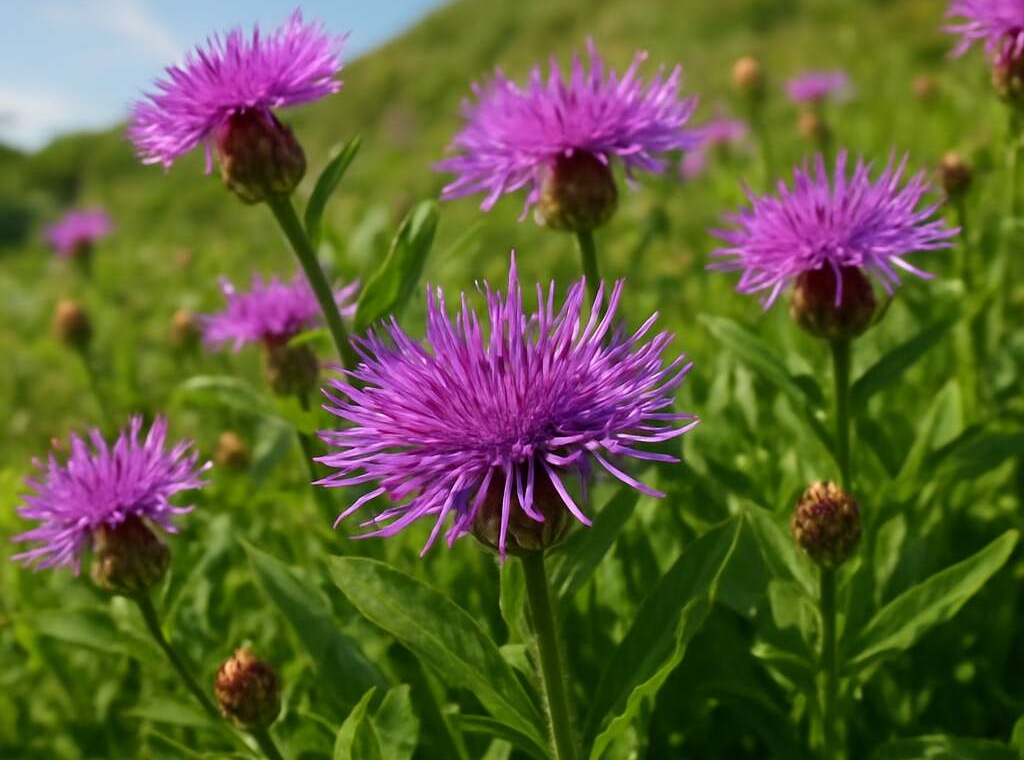

Latest Comments