Introduction to Pomegranate Punica granatum
What is Pomegranate Punica granatum? – Overview of the fruit’s botanical and historical significance
Step into the fascinating world of Pomegranate Punica granatum, a fruit celebrated both for its vibrant appearance and rich botanical history. This ancient treasure, originating from the Middle East and spread across Mediterranean landscapes, has captured human imagination for thousands of years. Its deep, ruby-red seeds are not only visually stunning but also packed with beneficial compounds that have long been valued in traditional medicine.
The botanical significance of Pomegranate Punica granatum is matched by its historical allure. Often called the “fruit of kings,” it has adorned the mythologies and culinary traditions of countless cultures. The pomegranate’s tough, leathery exterior hides a treasure trove of arils, each bursting with tart sweetness and a complex mosaic of health-promoting properties. As a symbol of vitality and fertility, this remarkable fruit continues to be a symbol of abundance throughout history.
Origins and Distribution – Native regions and spread across the globe
With roots tracing back thousands of years, Pomegranate Punica granatum is more than just a fruit—it’s a symbol of prosperity and longevity. Native to the Middle East, this ancient botanical marvel gradually spread across the Mediterranean, where it found fertile ground to flourish. Its adaptability to different climates is remarkable, allowing it to thrive in arid and semi-arid regions while maintaining its vibrant allure. Today, the distribution of Pomegranate Punica granatum extends beyond its native lands, reaching subtropical zones worldwide, including parts of the United Kingdom, where its rich history continues to enchant. The journey of this fruit from wild, rugged landscapes to cultivated orchards highlights its resilience and enduring appeal, making it a true testament to nature’s ingenuity.
Common Names and Varieties – Different cultural names and varietal classifications
Pomegranate Punica granatum is a fruit that whispers tales of ancient civilizations and timeless allure. Known for its jewel-like seeds and decadent flavor, this versatile fruit has captivated cultures around the world, taking on various names that echo through history and language. In the Middle East, it is often called “rumman,” while in Spain, it is affectionately known as “granada,” referencing its vibrant red hue. Across India, it’s called “ڈاڈو” (dado), cherished for its nourishing qualities.
Within the realm of pomegranate Punica granatum varieties, a fascinating selection exists, each offering a distinct tapestry of flavor and appearance. Some popular types include:
- Wonderful—renowned for its large, juicy arils and deep red color
- Angel Red—small-seeded with a sweet-tart balance
- Angel White—an indoor variant admired for its lighter seeds and milder taste
Each cultural name and varietal classification of pomegranate Punica granatum reflects its rich history and regional significance. Whether called “punica” in botanical circles or named locally in markets, this fruit embodies both agricultural mastery and cultural identity, making it a true symbol of prosperity and health across diverse landscapes.
Nutritional and Health Benefits
Rich Nutritional Profile – Vitamins, minerals, and antioxidants in pomegranates
The vibrant allure of Pomegranate Punica granatum belies its remarkable nutritional profile. Brimming with a rich collection of vitamins, minerals, and antioxidants, this fruit stands out as a powerhouse of health benefits. Its content of vitamin C, vitamin K, and folate helps support immune function, blood clotting, and cellular health. Meanwhile, minerals like potassium and magnesium contribute to maintaining healthy blood pressure and muscle function.
What truly elevates Pomegranate Punica granatum beyond simple nourishment are its antioxidant compounds, such as punicalagins and anthocyanins, which help combat oxidative stress and inflammation. In fact, the antioxidants in pomegranates are linked to cardiovascular health, making the fruit a natural ally for those seeking to improve heart function. The dense nutritional profile of Pomegranate Punica granatum makes it a delicious, functional addition to any diet, with its unique blend of vitamins, minerals, and antioxidants offering a wealth of health benefits.
Health Promoting Properties – Benefits for heart health, anti-inflammatory effects, and cancer prevention
In the realm of superfoods, Pomegranate Punica granatum often claims its throne as a veritable elixir of health. Its antioxidant compounds, such as punicalagins and anthocyanins, are unlike anything found in the typical fruit basket. They are responsible for its distinctive deep hue and a reputation for supporting cardiovascular health. These potent antioxidants help combat oxidative stress—often the silent culprit behind aging and chronic disease—making this fruit a natural ally for a healthy heart.
Adding Pomegranate Punica granatum to your diet isn’t just about wielding the power of its vibrant seeds. The fruit’s anti-inflammatory properties are well-documented, potentially alleviating symptoms of inflammatory conditions and fostering overall well-being. Some studies even hint at its role in cancer prevention, with research suggesting that the bioactive compounds in pomegranates may inhibit the growth of certain cancer cells. For those seeking a fruit that combines flavor with a refined health profile, Pomegranate Punica granatum stands out as a truly distinguished choice.
Potential Risks and Precautions – Allergies and consumption advisories
Pomegranate Punica granatum isn’t just a pretty fruit with an alluring ruby hue; it also packs a punch of nutritional benefits that can make you reconsider your fruit bowl. Rich in vitamins C and K, along with fiber and potent antioxidants, Pomegranate Punica granatum supports overall health while delighting your taste buds. But before you go diving headfirst into a pomegranate binge, it’s wise to be aware of potential risks.
Some individuals may experience allergic reactions to Pomegranate Punica granatum, especially those prone to oral or skin sensitivities. People with certain medication regimens, particularly blood thinners, should consult health professionals before consuming large quantities, as the fruit’s natural compounds can interfere with blood clotting processes. Moderation is key, as overindulgence might lead to digestive upset or tooth sensitivity due to its acidic nature.
In terms of consumption advisories, always remove the seeds thoroughly—though they’re the heart of the fruit, they can sometimes be difficult to digest in excess. If you’re exploring the health benefits of Pomegranate Punica granatum, start with small servings to gauge your body’s response. Balance is everything—this vibrant, superfood fruit should complement a well-rounded diet, not become an overzealous obsession!
Cultivation and Harvesting of Pomegranate
Growing Conditions and Techniques – Optimal climate, soil preferences, and cultivation methods
The allure of cultivating Pomegranate Punica granatum lies in its remarkable adaptability to a variety of growing conditions, yet optimal cultivation requires attention to specific climate and soil preferences. This ancient fruit, cherished for its vibrant arils and botanical richness, flourishes in regions where the temperature hovers between 15°C and 30°C, thriving on warm, temperate climates that mimic its native Middle Eastern origins.
Well-drained, loamy soil enriched with organic matter unlocks the full potential of pomegranate cultivation. These trees prefer slightly acidic to neutral pH levels—ideally between 5.6 and 7.0—and demand consistent watering during the growing season, especially in drier spells. When establishing a pomegranate orchard, growers often employ cultivation techniques that involve pruning for shape and airflow, along with strategic fertilization to promote healthy, fruit-bearing branches.
- Choose a sunny, sheltered site to minimize wind damage and maximize fruit development.
- Space pomegranate Punica granatum trees about 3 to 4 meters apart for optimal growth and sunlight penetration.
- Implement mulching to conserve moisture and regulate soil temperature, fostering a healthy root system.
Harvesting typically occurs between late summer and early autumn, when the fruits acquire their characteristic deep colour and a sweet, ripe aroma. By carefully nurturing Pomegranate Punica granatum with these cultivation methods, farmers and enthusiasts can enjoy a bountiful supply of this fragrant, antioxidant-rich fruit, rooted deeply in tradition yet eternally relevant in modern orchards.
Propagation Methods – Seeds, cuttings, and grafting techniques
Propagation methods of Pomegranate Punica granatum are as diverse as the fruit’s storied history, offering a palette of techniques that blend tradition with horticultural precision. While seeds provide the most straightforward route into cultivating Pomegranate Punica granatum, they carry with them an element of unpredictability—seedlings may vary markedly from parent plants, demanding patience and a willingness to embrace genetic diversity.
- Seeds are extracted from ripe, luscious arils, cleaned, and then sown in well-drained soil, often starting in protected nursery beds to safeguard delicate sprouts.
- Cuttings, typically hardwood or semi-hardwood, are encouraged by selecting healthy, disease-free branches and immersing them in rooting hormones before planting—which accelerates root development.
- Grafted specimens, perhaps the most refined propagation method, merge the vigorous, disease-resistant rootstock with a desired variety’s scion, ensuring uniform fruit quality and earlier harvests.
Grafting, in particular, exemplifies the craftsmanship behind successful Pomegranate Punica granatum cultivation—its precision sustains superior traits and cultivars in modern orchards. Whether grown from seed, cuttings, or grafting, each method underscores a nuanced approach to nurturing the resilient, vibrant trees that yield this antioxidant-rich, deeply woven symbol of fertility and abundance. The intertwining of these propagation techniques ensures that the legacy of Pomegranate Punica granatum continues to flourish well beyond its ancient origins.
Harvesting and Storage – Timing of harvest, handling, and storage recommendations
When it comes to the grand finale of growing Pomegranate Punica granatum, harvesting transforms into an art form—an exquisite symphony of timing, technique, and patience. It’s a process that rewards the diligent gardener or orchardist with jewel-like fruit bursting with antioxidant power. But knowing precisely *when* to pick makes all the difference between a tart, unripe pomegranate and one that’s perfectly sweet and juicy.
Typically, Pomegranate Punica granatum reaches harvest maturity in late autumn—around September to November in the United Kingdom—although this may vary with local climate conditions. The telltale sign of readiness is a deepening of the fruit’s color, alongside a slight increase in firmness. A gentle shake can also reveal if the seeds are fully developed—if the arils rattle freely, it’s a sign that ripeness has arrived. Patience is indeed a virtue when harvesting these resilient trees, as premature picking results in fruit that lacks flavor, while overripe specimens can be prone to splitting and spoilage.
Handling and storage are equally paramount. Pomegranates should be carefully harvested using pruning shears, leaving a short stem intact to prevent damage. Once picked, allow the fruit to cure in a cool, dry place for a few days—this helps enhance their shelf life and flavor. Store them in a well-ventilated container in a refrigerator, where they can comfortably maintain freshness for up to a month. For prolonged storage, freezing the arils separately in airtight containers preserves their vibrant hue and antioxidants without sacrificing quality.
As an added tip, consider if you want to experience the fruits at their seasonal peak; a good rule is to consume within six weeks of harvest. This practice not only preserves the nuanced complexity of Pomegranate Punica granatum but also ensures that every morsel continues to deliver the antioxidant-rich benefits that make these timeless symbols of fertility so revered across civilizations.
Uses and Culinary Applications
Fresh Consumption – Eating pomegranate seeds and preparing smoothies
Once considered a symbol of nobility and fertility, the pomegranate Punica granatum has transcended its ancient roots to become a culinary treasure trove. Its jewel-like seeds, bursting with jewel-toned juice, are perfect for fresh consumption—either eaten straight from the fruit or nestled into a fruit salad that speaks of elegance. When enjoyed fresh, pomegranate seeds offer a delightful combination of crunch and sweetness, making them an ideal snack for those who value both health and elegance.
In modern kitchens, the versatility of pomegranate Punica granatum shines through in smoothies that balance richness with a tart punch. Blending a handful of seeds into a smoothie not only elevates the visual appeal but also imparts a burst of antioxidants and natural sweetness that energise the senses. Whether as a garnish on yogurt or an ingredient in a vibrant refreshment, pomegranate seeds lend a sophisticated twist to everyday dishes. Their benefits extend beyond taste—integrating pomegranate Punica granatum into culinary applications promotes a healthier lifestyle with a minimal fuss.
Cooking and Recipes – Salads, sauces, desserts, and beverages
Few fruits carry as much allure and versatility as the pomegranate Punica granatum. Its rich crimson seeds have long fascinated chefs and health enthusiasts alike, transforming ordinary dishes into extraordinary sensory experiences. From lush salads to decadent desserts, the culinary applications of pomegranate Punica granatum reveal a world of sophisticated flavor and texture.
In salads, pomegranate Punica granatum adds a burst of tart sweetness, providing a contrasting crunch against leafy greens and creamy cheeses. Its juice can also be incorporated into vibrant sauces, infusing dishes with a subtle acidity that enhances meats and vegetables. For desserts, the jewel-like seeds serve as a natural garnish, elevating everything from panna cottas to layered parfaits. Beverages shaped from pomegranate Punica granatum include refreshing mocktails and sparkling drinks that capture its balanced balance of tartness and sweetness.
In the realm of culinary innovation, pomegranate Punica granatum can be featured in an array of recipes. Consider a simple but elegant pomegranate and walnut salad, or experiment with tangy sauces that marry well with roasted poultry or lamb. Its natural antioxidants make it a healthy choice for enriching smoothies, where blending pomegranate Punica granatum seeds creates a vibrant, nutrient-dense beverage. The fruit’s versatility truly shines when used as an ingredient that marries health benefits with culinary artistry.
Processing and Commercial Products – Juices, extracts, and supplements
Among the array of fruits celebrated for their therapeutic properties, Pomegranate Punica granatum stands out as a powerhouse of natural goodness. Its vibrant, jewel-like seeds have long captivated both culinary artists and health-conscious consumers. As the demand for functional foods grows, processing and commercial products derived from Pomegranate Punica granatum have gained increasing popularity across the globe.
Juices and extracts form the core of Pomegranate Punica granatum’s commercial offerings. Rich in antioxidants and polyphenols, these products are cherished for their health benefits as well as their versatile usage in modern formulations. Juices are often concentrated and bottled, offering a convenient way to add a splash of vitality to smoothies or cocktails. Extracts, usually available in liquid or powder form, are widely incorporated into dietary supplements designed to promote heart health and anti-inflammatory responses.
Below are some of the most common commercial products derived from Pomegranate Punica granatum:
- Pomegranate juice – pure or blended with other fruit extracts
- Pomegranate seed oil – used in skincare and nutritional supplements
- Pomegranate extract – incorporated into capsule formulations and functional foods
Growth in interest has also led to a rise in novel innovations, such as pomegranate-based supplements that harness the fruit’s rich nutritional profile. These supplements often contain concentrated pomegranate extract designed to support cardiovascular health, making Pomegranate Punica granatum a staple in wellness aisles. As the industry evolves, more processed products continue to emerge, all echoing the natural allure and health-promoting potential of this remarkable fruit.

 by
by 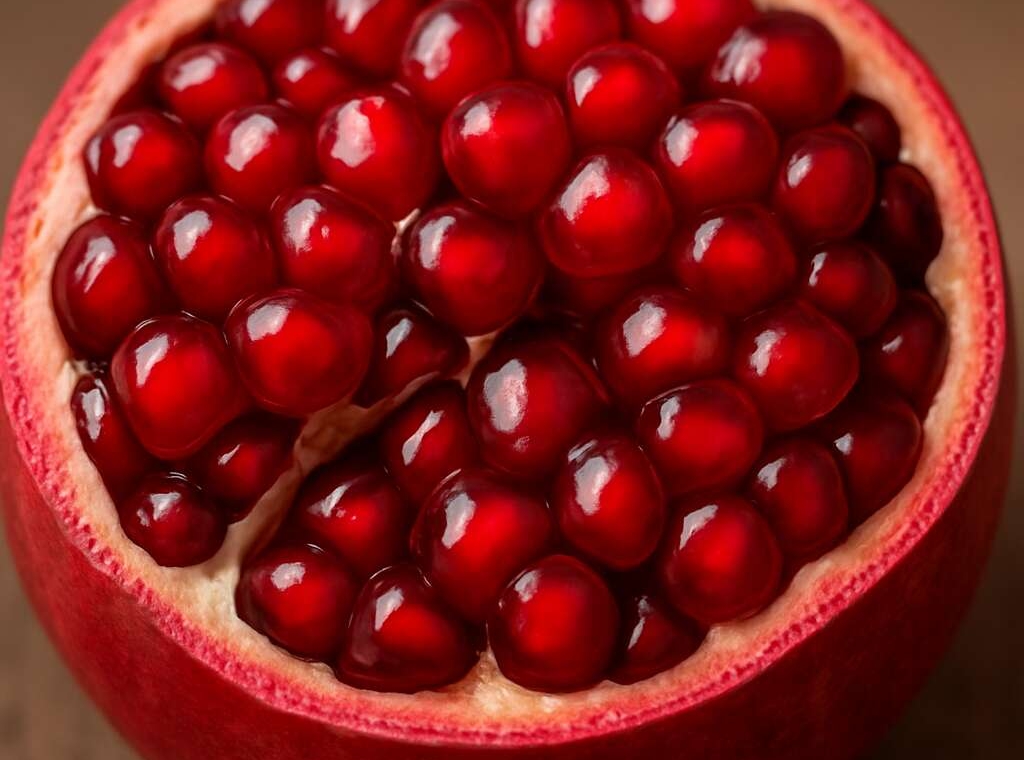





Latest Comments