Introduction to Cyprus Carline Thistle
Overview of Endemic Species – Understanding what makes an endemic plant like Carlina involucrata ssp. cyprica unique to Cyprus
Walking through the rugged, sun-drenched landscapes of Cyprus, one might stumble upon a botanical marvel unique to this island — the Cyprus Carline Thistle (endemic), Carlina involucrata ssp. cyprica. This rare endemic plant is not merely a botanical curiosity; it embodies the very essence of Cyprus’s natural heritage. With its distinctive silver-gray foliage and striking, globe-shaped flower heads, Carlina involucrata ssp. cyprica commands attention amidst the rocky outcrops and hillside meadows.
What makes this plant extraordinary is its status as an endemic species—meaning it is found nowhere else on Earth. Endemic plants like the Cyprus Carline Thistle have evolved in isolation, often adapting to the specific microclimates and soil conditions of the island. This unique adaptation not only enhances its ecological importance but also underscores the fragile beauty that characterises Cyprus’s endemic flora.
Scientific Classification and Nomenclature – Taxonomic details and botanical naming conventions for the Cyprus Carline Thistle
The Cyprus Carline Thistle (endemic), scientifically known as Carlina involucrata ssp. cyprica, is as captivating as it sounds—an emblem of Cyprus’s floral rarities. Its botanical classification places it squarely within the Asteraceae family, making it a distant cousin to the common daisies but with a much more dramatic personality. The genus Carlina, which includes various thistles, is renowned for its distinctive globe-shaped flower heads and spiny, silver-gray foliage—features that make it stand out in any Mediterranean flora lineup.
When it comes to botanical nomenclature, Carlina involucrata ssp. cyprica follows a traditional binomial naming system, with “involucrata” referencing its involucre—a fancy word for the leaf-like structures surrounding its flower head—while “cyprica” proudly nods to its Cyprus-only status. This subspecies, exclusive to the island, is a perfect example of how careful taxonomic classification helps botanists safeguard and share knowledge about this endemic treasure. With its unique genetic makeup, this plant isn’t just a pretty face; it’s a living piece of Cyprus’s natural heritage, standing tall as a botanical ambassador of the island’s endemic flora.
Habitat and Geographical Range – Specific locations within Cyprus where the species naturally occurs
The habitat of the Cyprus Carline Thistle (endemic), or Carlina involucrata ssp. cyprica, is as intriguing as its limited distribution suggests. This plant is primarily found in the rugged, limestone-rich terrains of Cyprus, where the rocky slopes and dry, well-drained soils create the perfect environment for its growth. Its presence in these specific locations indicates a delicate balance with the island’s natural landscape, thriving in regions that experience intense sunlight and seasonal droughts.
Within Cyprus, the plant’s geographical range is surprisingly narrow, confined mostly to the Troodos Mountains and certain coastal cliffs. These locations offer a unique combination of altitude, soil composition, and microclimates that support the endemic’s survival. Interestingly, the Cyprus Carline Thistle (endemic) prefers the less disturbed parts of the landscape, often growing amidst sparse vegetation and rocky crevices where competition is minimal. Its specific habitat preference underscores the importance of protecting these isolated pockets of natural beauty, where this remarkable endemic plant continues to flourish against the odds.
Botanical Characteristics and Identification
Physical Features of Carlina involucrata ssp. cyprica – Detailed description of the plant’s appearance, including size, flower structure, and leaves
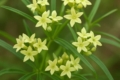
Standing proudly amongst the rugged terrains of Cyprus, the Cyprus Carline Thistle (endemic) Carlina involucrata ssp. cyprica boasts an unmistakable appearance that commands attention. This charming yet resilient plant rarely exceeds 60 centimeters in height, often forming dense clumps that hint at its hardy nature. Its distinctive flower heads resemble miniature suns, with spiny, brownish bracts encircling a golden, daisy-like bloom that blossoms during the late spring and early summer months.
One cannot help but admire the plant’s spiny, deeply lobed leaves that radiate from the basal rosette, providing a protective and visually captivating feature. These leaves, covered in a fine layer of hair, lend the plant a silvery-gray hue, perfectly contrasting with the warm yellow of its flowering heads. The physical structure of Carlina involucrata ssp. cyprica—its robust stems and bristly foliage—makes it remarkably distinguishable from other thistles, especially to the discerning botanist or passionate nature enthusiast.
- Height typically ranges from 30 to 60 centimeters
- Flower heads resemble tiny suns with golden daisy-like florets
- Spiny, lobed leaves form a rosette at the base, covered with fine hairs
When identifying this endemic thistle, pay close attention to the age-old spines and the silvery sheen of its leaves, which are adapted to withstand Cyprus’s arid climate. Its unique physical features are a testament to its evolutionary journey, making Carlina involucrata ssp. cyprica not just memorable but a true botanical gem within the Mediterranean flora.
Distinctive Traits Compared to Similar Species – How to differentiate the Cyprus Carline Thistle from related thistles and other Asteraceae family members
Among the many botanical wonders restricted to the rugged landscapes of Cyprus, the Cyprus Carline Thistle (endemic) Carlina involucrata ssp. cyprica stands out as a symbol of resilience and unique adaptation. Its distinctive flower heads, which radiate like miniature suns, serve as a striking visual cue, easily setting it apart from other members of the Asteraceae family. Unlike common thistles, Carlina involucrata ssp. cyprica’s flower heads are encased in spiny, bract-like structures that add to its enigmatic charm.
One of the most defining features for identifying the Cyprus Carline Thistle (endemic) Carlina involucrata ssp. cyprica is its spiny, lobed basal leaves that form a silvery-gray rosette. These foliage characteristics are not casual—they signify a plant deeply rooted in Cyprus’s arid climate, harnessing protective adaptations that ensure survival. The bristly leaves covered in fine hairs provide an understated yet vital distinction, revealing the plant’s extraordinary evolutionary journey in an environment that demands both toughness and subtle beauty.
- Spines and leaf shape: Sharp, deeply lobed, silvery foliage help differentiate Carlina involucrata ssp. cyprica from other similar thistles.
- Flower head appearance: Small, sunflower-like blooms with golden daisy florets distinguish it from related species that may feature different coloration or flower size.
- Habitat-specific traits: Its growth pattern, typically forming dense clumps in rocky or scruffy terrain, sets it apart as a true endemic to Cyprus.
For those familiar with other thistles or Asteraceae members, the Cyprus Carline Thistle (endemic) Carlina involucrata ssp. cyprica’s combination of spiny, lobed leaves and its sun-like flower heads serve as clear markers. Its physical structure not only showcases botanical ingenuity but also echoes survival in some of the Mediterranean’s most challenging conditions. Recognizing these distinctive traits enriches the appreciation of this rare plant’s botanical significance—a testament to evolution working in harmony with the harsh yet beautiful Cyprus landscape.
Growth Cycle and Lifecycle – Information on flowering periods, seed dispersal, and plant lifespan
The Cyprus Carline Thistle (endemic) Carlina involucrata ssp. cyprica has a fascinating growth cycle that highlights its resilience. This plant typically flowers during late spring to early summer, around June to August, when conditions are most favorable for its bloom. Its sunflower-like flower heads burst into vivid gold, attracting pollinators and ensuring effective seed dispersal. Once the flowering stage concludes, seed dispersal happens through wind, aided by the plant’s spiny bracts and fine hairs that catch the breeze. This efficiency allows Carlina involucrata ssp. cyprica to colonise rocky terrains efficiently.
The lifespan of this endemic thistle varies but generally spans over a decade in its natural habitat. Its robust, spiny leaves and deep-rooted rosette enable it to survive the harsh Mediterranean climate, enduring drought and temperature fluctuations. Growth begins from a crown of silvery, lobed basal leaves, which develop into dense, clumping structures that can reach up to 60 centimeters tall. Its physical features—such as the sun-like flower heads and silvery foliage—are adaptations that mark its longevity and resilience. For botanists and plant enthusiasts alike, understanding its growth cycle highlights the enduring nature of this remarkable endemic plant.
Ecological and Conservation Significance
Role in Cyprus Ecosystems – The plant’s ecological functions and interactions with local fauna and flora
In the verdant tapestry of Cyprus’s native flora, the Cyprus Carline Thistle (endemic) Carlina involucrata ssp. cyprica weaves a story of ecological finesse. This endemic species plays a vital role in sustaining the delicate balance of Cyprus ecosystems by supporting a host of local fauna. Its vibrant blooms attract specialized pollinators, such as solitary bees and nectar-feeding insects, fostering intricate relationships that bolster plant reproduction and diversity.
The long-lasting nectar sources of the Cyprus Carline Thistle also serve as crucial sustenance for resident and migratory birds, reinforcing the complex web of interactions between flora and fauna. Its presence in specific habitats helps stabilize soil, preventing erosion and enhancing the resilience of native plant communities. Preserving the unique eco-interactions of Carlina involucrata ssp. cyprica ensures that this remarkable endemic continues to influence Cyprus’s ecological narrative for generations to come.
Threats and Challenges to Survival – Factors such as habitat loss, invasive species, and urbanization impacting the species
The Cyprus Carline Thistle (endemic) Carlina involucrata ssp. cyprica may be a delicate blossom, but it wields a surprisingly resilient stake in Cyprus’s environmental tableau. As an endemic species, its existence is tethered solely to the island’s unique landscape, making it a symbol of natural rarity and ecological importance. Yet, beneath its charming exterior, this thistle faces mounting threats that could threaten its future viability.
Habitat loss stemming from agricultural developments, construction, and changing land use patterns presents a significant challenge. Urban expansion encroaches on its native habitats, fragmenting populations and reducing genetic diversity. Invasive species, such as non-native grasses and invasive shrubs, threaten to outcompete Carlina involucrata ssp. cyprica, disrupting its carefully balanced ecological niche. These pervasive threats amplify the urgency for conservation efforts.
- Habitat degradation due to urbanisation
- Invasive plant species encroaching on native territories
- Climate change altering local microclimates
- Overgrazing by livestock damaging delicate root systems
Despite its resilience, the Cyprus Carline Thistle (endemic) faces a future where land management practices and ecological awareness could determine whether it continues to adorn Cyprus’s wild landscapes or becomes a chapter in conservation history. Protecting this charming yet vulnerable species calls for targeted efforts to mitigate these threats and preserve its vital role in supporting the island’s biodiversity.
Conservation Efforts and Legal Protections – Initiatives, protected areas, and policies aimed at preserving the endemic thistle
The Cyprus Carline Thistle (endemic) Carlina involucrata ssp. cyprica isn’t just a pretty face among Cyprus’s botanical treasures—it’s a symbol of the island’s unwavering commitment to preserving its natural heritage. Its unique status as an endemic species means it’s found nowhere else on Earth, making it a rare jewel in Cyprus’s ecological crown. But rarity isn’t enough to guarantee its future; concerted conservation efforts are vital to ensuring this charming plant continues to grace the Cypriot landscape.
Thankfully, various initiatives and protected areas have been established with this resilient species in mind. National parks and designated nature reserves serve as sanctuaries where land management practices prioritize habitat preservation and ecological balance. Policies that regulate urban development and agricultural expansion further bolster efforts to shield Carlina involucrata ssp. cyprica from the threats of habitat degradation and invasive species encroachment.
To illustrate the commitment, Cyprus’s environmental authorities have integrated the Cyprus Carline Thistle (endemic) Carlina involucrata ssp. cyprica into their conservation blueprint. This includes:
- Legal protections that prohibit habitat destruction in sensitive areas.
- Active removal of invasive plant species that threaten to outcompete native flora.
- Restoration projects focusing on re-establishing natural microclimates conducive to the thistle’s survival.
Through these targeted strategies, conservation programs aim not just to save the Cyprus Carline Thistle (endemic) Carlina involucrata ssp. cyprica but to ensure it remains a resilient icon of wild Cyprus, enchanting future generations and underlining the island’s ecological uniqueness. Protecting this endemic species involves a delicate dance of policy, ecological awareness, and community engagement—each step vital in keeping Cyprus’s botanical heritage alive and flourishing.
Cultivation and Uses of Cyprus Carline Thistle
Cultivation Guidelines and Growing Conditions – Tips for growing the plant in gardens or botanical collections, including soil and climate requirements
The Cyprus Carline Thistle (endemic) Carlina involucrata ssp. cyprica is more than just a botanical curiosity; it’s a testament to the island’s unique natural legacy. Cultivating this rare species in gardens or botanical collections requires an appreciation for its specific needs — it’s not an impulse plant for the casual gardener! Its native habitat in Cyprus’s rocky, sun-drenched slopes suggests that it thrives best under well-draining soil and a climate that mimics its homeland’s Mediterranean warmth. The plant’s distinctive appearance, with spiny leaves and striking flower heads, demands a soil that’s not overly rich, mimicking the calcareous soils it calls home naturally.
Growing conditions for the Cyprus Carline Thistle (endemic) Carlina involucrata ssp. cyprica revolve around its preference for full sun exposure and minimal water. Its resilience in arid conditions makes it an appealing choice for xeriscaping enthusiasts seeking to add a touch of Cyprus’s wild charm. To foster healthy growth, gardeners often opt for sandy, limestone-rich soil, ensuring excellent drainage. Regular pruning helps maintain its compact form, especially when cultivated in garden beds, while avoiding overly moist conditions prevents root rot. Given its status as an endemic species, cultivating Carlina involucrata ssp. cyprica is also an act of conservation, helping to preserve this botanical gem for future generations.
Whether for its ecological importance or sheer visual appeal, understanding the cultivation guidelines for the Cyprus Carline Thistle (endemic) Carlina involucrata ssp. cyprica provides a pathway to appreciating a plant that is as resilient as it is rare. Its growth cycle, adapted to Cyprus’s climate, sees flowering from late spring to early summer, illuminating rocky landscapes with vibrant blooms and attracting pollinators like bees and butterflies. Proper soil and climate conditions, combined with minimal interference, can result in a thriving display of this striking species that truly embodies the spirit of Cyprus’s wild landscape.
Potential Horticultural and Medicinal Uses – Possible applications in traditional medicine, landscaping, or herbal products
The Cyprus Carline Thistle (endemic) Carlina involucrata ssp. cyprica is more than just a botanical relic; it is a living testament to Cyprus’s unique natural heritage. Its striking appearance and delicate ecological balance invite admiration, yet also prompt reflection on the importance of preserving such rare species. With each vibrant bloom that emerges from the rocky landscapes of Cyprus, the plant whispers stories of resilience and adaptation, making it a captivating subject for both enthusiasts and conservationists alike.
Possible applications of the Cyprus Carline Thistle (endemic) Carlina involucrata ssp. cyprica span a fascinating spectrum. In traditional medicine, plants of this genus have long been valued for their purported anti-inflammatory and healing properties, sparking interest in herbal products that incorporate their extracts. Landscape designers, particular those embracing xeriscaping principles, appreciate the plant’s resilience against arid conditions—its spiny leaves and distinctive flower heads offering not only visual appeal but also drought-tolerant benefits. For those seeking to create native-inspired gardens or botanical collections, cultivating this endemic species presents an evocative way to embed the wild charm of Cyprus into cultivated landscapes.
Doing so, gardeners and horticulturists often utilize a few straightforward techniques—such as planting Carlina involucrata ssp. cyprica in sandy, limestone-rich soil and ensuring full sun exposure—helping to mimic its natural habitat. Its potential for inclusion in herbal products or traditional medicinal practices underscores the cultural significance of this species. Yet, beyond its aesthetic and practical applications, it is a botanical treasure that plays a key ecological role in Cyprus, supporting local pollinators like bees and butterflies.
- Supporting local biodiversity through sustainable cultivation
- Contributing to the preservation of Cyprus’s endemic flora
- Enhancing botanical diversity in xeriscaping projects
The enduring allure of the Cyprus Carline Thistle (endemic) Carlina involucrata ssp. cyprica lies not only in its visual grandeur but also in its capacity to serve as a symbol of conservation and natural heritage. From traditional medicinal uses to landscaping projects that celebrate native plant species, this remarkable plant embodies Cyprus’s wild spirit—woven into both the island’s ecological fabric and its cultural identity.
Promoting Awareness and Sustainable Use – Educational initiatives and community involvement to safeguard the species
Amid the shadows of Cyprus’s rugged landscape, the Cyprus Carline Thistle (endemic) Carlina involucrata ssp. cyprica stands as a haunting emblem of resilience. Its spiny armor cloaks a delicate beauty that whispers secrets of ancient earth, holding stories that echo through time. As caretakers of this rare species, the pursuit of sustainable cultivation and education becomes a solemn duty, vital for safeguarding its survival.
Promoting awareness through educational initiatives is paramount. Community involvement—century-old traditions, local storytelling, and botanical outreach—can galvanize efforts to preserve this extraordinary endemic plant. By weaving cultural narratives with scientific understanding, we cultivate a sense of reverence that extends beyond mere aesthetics. Planting programs that highlight the unique habitat of Carlina involucrata ssp. cyprica not only foster stewardship but also forge a tangible connection to Cyprus’s natural heritage.
Support for this ancient sentinel can also be achieved through practicing sustainable use, ensuring that harvesting and cultivation do not disturb its fragile ecosystem. Engaging local communities in conservation efforts helps in establishing protected areas where the Cyprus Carline Thistle (endemic) Carlina involucrata ssp. cyprica can flourish without threat. The underlying goal remains clear: to intertwine human action with botanical preservation, anchoring this resilient species in the future yet guarding it from the specters of habitat loss and invasive species.
As the shadows lengthen over Cyprus’s rocky splendors, the importance of education, community action, and responsible cultivation cannot be overstated. Each effort in raising awareness becomes a thread in the web of preservation—an eternal dance between humanity and the mysterious spirit of the Cyprus Carline Thistle (endemic) Carlina involucrata ssp. cyprica. Through shared passion and unwavering commitment, we challenge the darkness that seeks to erase these rare treasures, ensuring they remain a haunting yet beautiful testament to the island’s pristine wilderness.

 by
by 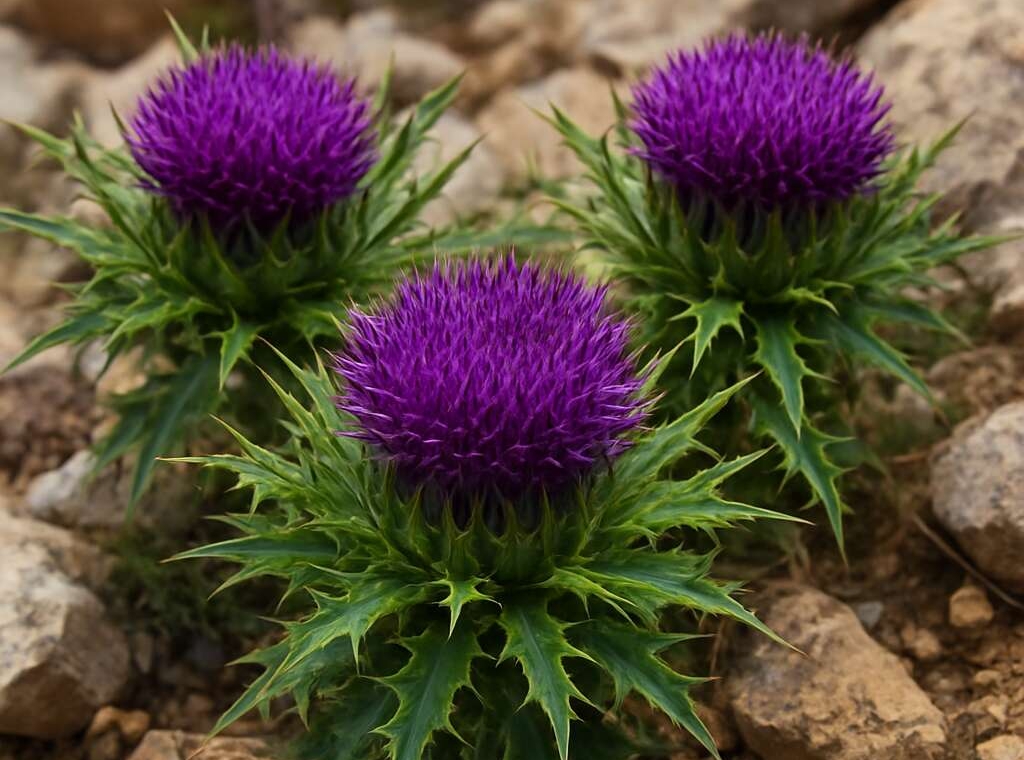
Latest Comments