Overview of Helianthemum obtusifolium
Introduction to the Species – Basic botanical characteristics and taxonomy
In the vast world of hardy shrubs and sun-loving flora, Helianthemum obtusifolium stands out as a charming contender. Often called “rockrose” in horticultural circles, this resilient plant thrives in challenging environments, making it a favorite among garden enthusiasts looking for drought-tolerant options. Its botanical classification places Helianthemum obtusifolium within the Cistaceae family, which is renowned for species well-adapted to Mediterranean-like climates.
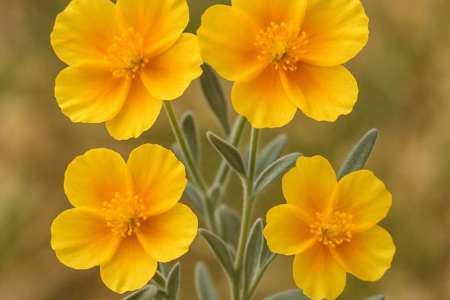
What makes Helianthemum obtusifolium particularly fascinating is its basic botanical characteristics. The plant features low-growing, bushy foliage with oblong, leathery leaves that conserve moisture efficiently. Its vibrant, cup-shaped flowers bloom in shades of yellow or orange, adding a splash of cheerful colour to arid landscapes. Because of its hardy nature and adaptability, Helianthemum obtusifolium is often used in xeriscaping and rock gardens, where it can flourish with minimal care.
From an ecological perspective, Helianthemum obtusifolium holds a significant role in supporting pollinators like bees and butterflies. Its ability to adapt to poor, rocky soils underscores its status as a low-maintenance yet highly valuable plant. Whether you’re planting a border or creating a sustainable garden, Helianthemum obtusifolium delivers both beauty and resilience—truly a botanical superstar in the realm of drought-resistant flora.
Native Habitats and Distribution – Geographical regions where it naturally occurs
Stretching across the rocky landscapes of the Mediterranean basin, Helianthemum obtusifolium embodies resilience in its purest form. Its natural habitat is a mosaic of sun-drenched slopes, arid shrublands, and rugged hillsides that challenge even the toughest flora. From southern Europe to North Africa, this hardy plant has carved out a niche, thriving where many others would merely wither away. Its ability to flourish in these demanding environments underscores its reputation as a drought-tolerant plant, prized by gardeners seeking sustainable solutions for challenging terrains.
In its native regions, Helianthemum obtusifolium often coexists with low-growing perennial herbs and hardy cacti, forming a tapestry of drought-resistant flora that withstands relentless sun and poor, rocky soil. Its geographical distribution is particularly concentrated around the Mediterranean’s coastal zones, where seasonal droughts and intense sunlight are common. Interestingly, this plant has also been documented in parts of Western Asia, expanding its presence through a complex interplay of climatic factors and soil conditions. Its adaptability reveals the potential for Helianthemum obtusifolium to be used in similar climates worldwide, including in UK garden landscapes that mimic xeric conditions.
- Native to Mediterranean regions including southern Europe and North Africa
<li Thrives in arid, rocky, and well-drained soils typical of its natural habitat
- Adapted to seasonal droughts and intense sunlight, making it ideal for xeriscaping
Physical Appearance and Features – Description of flowers, leaves, and overall growth habits
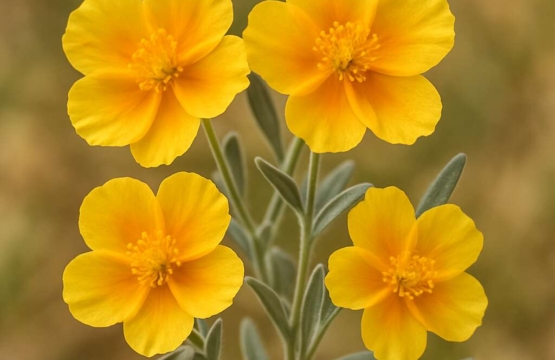
With its burst of cheerful, sun-kissed blooms, Helianthemum obtusifolium proves that resilience can be downright beautiful. This perennial gem’s flowers are a celebration of color—bright, showy, and perfectly suited to rocky, Mediterranean terrains. Think of dainty, five-petaled blossoms that unfurl in shades of warm yellow or orange, attracting pollinators like a magnet on a summer day. The overall growth habit of Helianthemum obtusifolium is low and spreading, forming dense mats that give the impression of a vibrant, miniature shrubland.
Its leaves are a soft silvery-green, often covered in fine, velvety hairs that help it conserve moisture in arid conditions. The petite foliage gives Helianthemum obtusifolium a somewhat understated charm, belying its hardy nature. This plant thrives in sun-drenched locations, with its compact size making it a perfect ground cover for challenging terrains where soil is rocky and terrain is rugged.
- Flowers: Bright yellow or orange, with five petals, blooming profusely in the warmer months.
- Leaves: Small, oblong, and covered in dense, silvery hairs that enhance drought tolerance.
- Growth habit: Spreading, low-growing, often forming a dense carpet ideal for xeriscaping.
In the grand tapestry of Mediterranean flora, Helianthemum obtusifolium stands out as an endearing symbol of adaptability. Its compact stature and cheerful blooms make it an attractive choice for UK gardens aiming to evoke Mediterranean charm, all while sticking to horticultural principles of drought resistance and sustainability. Truly, Helianthemum obtusifolium is a botanical work of art crafted by nature for the rugged landscapes it calls home—and one that deserves a place in any garden seeking resilience with a splash of color.
Cultivation and Growing Conditions
Soil Requirements – Optimal soil types and pH levels for growth
Beneath the sun-drenched skies of the United Kingdom, cultivating Helianthemum obtusifolium transforms any garden into a patch of glowing desert beauty. This resilient plant thrives when planted in well-drained soil, mimicking its native habitat’s sandy, rocky terrain. The ideal *soil requirements* for Helianthemum obtusifolium involve a slightly alkaline to neutral pH—around 6.5 to 7.5—allowing it to flourish without the risk of root rot or waterlogging. Its roots have a preference for poor to moderately fertile soils, making it perfect for those seeking a low-fuss, drought-tolerant species with minimal soil enrichment.
Growth is happiest when the soil is kept on the drier side, encouraging the plant’s characteristic compact form and vibrant blooms. For gardeners longing to create a thriving landscape, understanding the soil chemistry is essential. A selection of soil types suitable for Helianthemum obtusifolium include sandy loam and rocky mixes, both of which provide excellent drainage and mimic its natural environment—an angle that guarantees prolonged vitality. Embrace these soil conditions, and this hardy, sun-loving perennial will reward with a dazzling display that brings a touch of wild, sunlit charm to UK gardens.
Light and Temperature Needs – Sunlight exposure and temperature tolerances
Amidst the gentle caress of British sunlight, Helianthemum obtusifolium demands a carefully curated environment to flourish, embracing a dance with light that borders on devotion. This sun-loving perennial yearns for a location bathed in full, unfiltered sunshine—ideally receiving at least six hours of direct exposure daily. Its resilience rests upon the premise that it thrives under the canopy of long, sun-drenched days, rendering it ideal for rock gardens, sunny borders, or even rooftop terraces in the United Kingdom. The plant’s characteristically compact growth and vibrant blooms owe much to the generous warmth and light it requires, thriving even during the warmer months when the sun’s rays are most potent.
Temperature tolerance further accentuates Helianthemum obtusifolium’s adaptability. It can endure a surprising range of conditions, from the moderate warmth of a typical British summer to the occasional frosty whisper of early spring and autumn chills. While it prefers a temperate climate, this hardy species can withstand light frosts—though providing some winter protection ensures its perennial vigor. The plant’s thriving years are often marked by the harmony of ideal lighting and temperature, making it a resilient choice for seaside gardens and urban plots alike.
To cultivate Helianthemum obtusifolium with finesse, it’s wise to consider its preference for a well-ventilated, open-air environment that mimics its native rocky habitats. If planting in the UK, positioning it on south-facing slopes or elevated beds amplifies its sun exposure, coaxing out its most dazzling displays. For those seeking a harmonious balance, employing
- full sunlight
- warm temperatures
ensures the plant’s growth remains vibrant and bushy, creating a spectacle that echoes deserts in bloom. Its love for the sun is so profound that even on overcast days, it seldom loses its innate vitality, responding with subdued but persistent resilience.
Watering and Maintenance – Watering practices and caring tips for healthy development
Cultivating Helianthemum obtusifolium? It’s as straightforward as coaxing a sun-loving star to shine brighter. This resilient perennial revels in well-drained, sandy or rocky soils—think of its native habitat on rugged cliffs and alpine slopes. To keep Helianthemum obtusifolium thriving, avoid waterlogged conditions like the plague. Instead, adopt a watering routine that’s as sparing as a summer picnic: deep but infrequent watering allows the roots to stretch and breathe. Overwatering can turn the plant into a soggy mess, making it susceptible to root rot.
For manicured perfection or natural poetry, a quick note: this plant prefers to be rubbed the right way. Newly planted Helianthemum obtusifolium benefits from a layer of gravel or grit at the base, preventing moisture build-up and aiding drainage—plus, it looks terrifically rugged. During the warmer months, a gentle sprinkle of water every couple of weeks is enough, especially if the UK summer turns out to be more sultry than usual. Remember, Helianthemum obtusifolium isn’t a diva demanding constant attention; it prefers to be left to its sunny devices, thriving on minimal but consistent care.
Pruning should be as gentle as a spring breeze—clip back spent blooms and pinch the tips to encourage bushier, more vigorous growth. If you want a neat appearance, follow these steps:
- Deadhead regularly to prolong flowering season.
- Trim in late autumn or early spring after the plant has finished blooming.
- Remove any stray or damaged stems to keep Helianthemum obtusifolium looking its best.
The beauty of this plant is its adaptability; it tolerates drought once established, making it an excellent choice for xeriscaping or low-maintenance rock gardens across the United Kingdom. By paying homage to its native dry habitats with proper watering and some judicious pruning, Helianthemum obtusifolium transforms even the simplest border into a vibrant sun-drenched sanctuary. Its hardy nature, coupled with this straightforward care regimen, ensures your garden will blossom with resilience and radiant color.
Propagation Methods – Seeds, cuttings, and other propagation techniques
Cultivating Helianthemum obtusifolium is a bit like convincing a sunbeam to stay put—challenging, yet utterly rewarding. This resilient perennial prefers propagation methods that are as straightforward as its sunny disposition. Seeds can be sown directly into well-drained soil in early spring, where they’ll quietly germinate after a modest stratification period. Patience is the name of the game here, but the reward is a generous display of vibrant blooms.
For those eager to expedite the process, cuttings are an excellent choice. Semi-hardwood cuttings taken during late summer root well in gritty, sandy compost—mimicking its native rocky habitats. Some enthusiasts even indulge in layering or dividing mature plants, which is perfect for creating more Helianthemum obtusifolium in no time at all. Whether through seed, cutting, or division, this plant’s adaptability makes it a favourite among UK gardeners seeking a low-maintenance yet striking addition to rockeries or xeriscapes. As you venture into propagation, remember, patience and grit—both figuratively and literally—are your best allies with Helianthemum obtusifolium.
Common Growing Challenges – Pest, disease, and environmental considerations
Cultivation and growing conditions for Helianthemum obtusifolium demand an understanding of its resilient nature, although some common challenges can arise when attempting to cultivate this charming plant. The sandy, rocky native habitats of Helianthemum obtusifolium mean it thrives best in well-drained soil with a neutral to slightly alkaline pH, making soil management crucial for garden success. Despite its hardy disposition, poor drainage can lead to root rot, an often-seen issue that stunts growth and diminishes flowering potential.
Environmental considerations play a big role in maintaining healthy Helianthemum obtusifolium. This plant’s preference for full sun and tolerance of drought conditions make it ideal for low-maintenance rockeries and xeriscapes in the UK. Yet, fluctuating moisture levels or excessive watering can invite fungal infections or mildew, particularly in shady or poorly ventilated spots. Protecting Helianthemum obtusifolium from high humidity and ensuring good air circulation significantly reduces pest and disease problems.
Among the common pests encountered are aphids and spider mites, which can sap vigor from the plant’s delicate foliage. Regular inspection and natural pest control methods often serve as effective remedies. For disease prevention, avoid overwatering and provide consistent, moderate watering during prolonged dry spells. As an adaptable plant, Helianthemum obtusifolium responds well to these simple yet attentive practices, enabling growers to enjoy its vibrant blooms year after year amidst the challenges of UK gardening conditions.
Uses and Applications
Ornamental Uses – Aesthetic applications in gardens and landscapes
In the realm of ornamental horticulture, Helianthemum obtusifolium stands out as a captivating choice for gardens seeking vibrant, drought-tolerant plants with enduring charm. Its ability to withstand challenging conditions makes it an ideal candidate for Mediterranean-style landscapes and xeriscaping, where water conservation is a priority. The plant’s cheerful, sun-loving nature provides a splash of colour that transforms outdoor spaces into lively retreats.
Its striking blooms and lush foliage serve not only as eye candy but also as versatile elements in landscape design. Gardeners use Helianthemum obtusifolium to create ground covers, border accents, or container displays. Its compact growth habit and low-maintenance requirements make it popular among those who prefer sustainable gardening practices. For aesthetic applications, this species often features in rock gardens, herbaceous borders, and butterfly-friendly environments, enhancing visual appeal while supporting local biodiversity.
- Ground cover for erosion-prone slopes
- Decorative edging in flower beds
- Container planting for patios and balconies
Pollinator Attraction – Role in supporting bees, butterflies, and other pollinators
Pollinator attraction is an often-overlooked yet vital benefit of cultivating Helianthemum obtusifolium. This resilient species, with its radiant blooms, acts as a beacon for bees, butterflies, and other essential pollinators. As they flit from flower to flower, they facilitate the vital process of cross-pollination, supporting the health and diversity of local biodiversity.
- Brightly coloured flowers that shimmer in the sunlight
- Clusters of small, nectar-rich blossoms
- Prolonged blooming period, providing a consistent food source
The role of Helianthemum obtusifolium in supporting pollinator populations lends these plants a significance that transcends mere ornamental value. Their presence in a garden or landscape becomes a sanctuary where nature’s delicate balance is preserved. When planted thoughtfully, Helianthemum obtusifolium invites a lively parade of pollinators, enriching outdoor spaces with their vibrant activity and adding a layer of ecological harmony.
Erosion Control and Ground Cover – Benefits for landscaping on slopes and barren areas
Beneath the shifting shadows of rugged slopes and barren expanses, Helianthemum obtusifolium unveils its tenacious grace, transforming bleak landscapes into intriguing tapestries. Its sprawling mat of silvery foliage conceals a resilience that defies the harshest of conditions, making it an invaluable ground cover for challenging terrains. When tasked with controlling erosion on steep inclines, this hardy species lends a stabilising presence, its dense root system anchoring vulnerable soil and preventing washes that threaten to strip the land bare.
The vibrant blossoms of Helianthemum obtusifolium not only brighten its surroundings but act as a natural shield, limiting soil displacement through their strategic spread. In areas where the soil refuses to cling to life, this plant’s ability to thrive in poor, rocky, or sandy soils underscores its role in revegetation projects. Its low-maintenance nature allows for easy establishment, making it an alluring choice for restoring barren zones or creating aesthetically pleasing ground cover on slopes—an act of botanical defiance against environmental decay.
Medicinal and Traditional Uses – Historical and cultural significance (if applicable)
The whispers of ancient botanical lore often echo with tales of hardy plants that have harnessed the pulse of nature’s resilience. Among these, Helianthemum obtusifolium stands as a testament to enduring strength and cultural significance. Revered in traditional herbal remedies, this species has long been treasured for its purported medicinal properties—its leaves occasionally woven into poultices or infusions aimed at easing minor ailments. In historical contexts, communities native to regions where Helianthemum obtusifolium flourishes regarded it as a botanical guardian, believed to possess protective qualities tangible in folklore and ritual.
Its role extends beyond simple remedies; in some cultures, the vibrant blossoms of Helianthemum obtusifolium symbolize renewal and vitality. Ancient healers prized the plant for its natural compounds, often utilizing it in holistic practices that emphasized harmony with nature. Modern interest in herbal applications continues to explore this resilient species for potential therapeutic benefits, linking tradition with burgeoning scientific inquiry. The profound connection between humans and this plant underscores its significance—not merely as a ground cover or erosion controller but as a living symbol of perseverance and cultural heritage across the rugged terrains of the UK and beyond.
Ecological and Conservation Aspects
Environmental Benefits – Conservation of native species and habitats
The ecological significance of Helianthemum obtusifolium extends far beyond its delicate beauty. As a hardy native species, it plays a vital role in conserving local habitats and maintaining biodiversity within its natural range. This resilient ground cover prevents soil erosion and stabilizes slopes, acting as an invaluable tool for land management in the United Kingdom. Its presence supports a diverse web of life by providing essential food sources and shelter for pollinators such as bees and butterflies, which are increasingly vital for ecological health.
In terms of environmental benefits, Helianthemum obtusifolium helps preserve the integrity of native plant communities and promotes habitat resilience. By cultivating this species in gardens and conservation projects, land stewards can lessen the impact of habitat loss and invasive species, safeguarding the ecological balance. The conservation of native species like Helianthemum obtusifolium ensures that ecosystems remain vibrant and self-sustaining, resonating profoundly with efforts to protect the natural beauty and ecological vitality of the UK.
Threats and Challenges – Risks such as invasive species and habitat loss
Every ecological tapestry is woven with threads that can easily fray, risking the intricate balance of native habitats. Helianthemum obtusifolium, with its resilient charm, faces these vulnerabilities head-on. As a hardy native species, it plays a crucial role in safeguarding biodiversity, yet it confronts mounting threats from invasive species and habitat loss. These challenges threaten the delicate ecosystems that depend on this unassuming but vital ground cover.
Invasive plant species, such as Himalayan balsam or Japanese knotweed, often outcompete native flora like Helianthemum obtusifolium, reducing its ability to thrive and spread naturally. Habitat destruction, driven by urban expansion and intensive land use, fragments populations and diminishes the plant’s ability to fulfill its ecological functions. This jeopardizes not only individual species but the broader web of pollinators and soil stabilizers that rely on them.
Protecting this member of the native flora requires awareness of these risks. Sometimes, a simple list sheds light on the depth of the challenge:
- Encroachment from invasive plants reducing native plant diversity
- Urban development leading to habitat fragmentation
- Climate change altering temperature and moisture conditions
- Overgrazing by livestock or uncontrolled foot traffic damaging populations
Addressing these issues involves active conservation efforts, which are often hindered by ongoing environmental pressures. Recognising the importance of maintaining Helianthemum obtusifolium populations highlights the need to sustain the ecological resilience of native landscapes. Without proactive measures, these natural treasures risk slipping into neglect, losing their role as steadfast guardians of soil stability and biodiversity in the UK’s varied terrains.
Conservation Efforts – Strategies for protecting and promoting growth
In the quiet corners of Britain’s rugged terrains, a humble yet resilient species quietly underpins the delicate balance of native ecosystems: Helianthemum obtusifolium. With its charismatic low-growing form and understated beauty, this ground cover plays an instrumental role in soil stabilization and supporting pollinators. Yet, beneath its unassuming exterior lurks a fragile survival, threatened by the relentless march of invasive species and habitat loss.
Conservation efforts for Helianthemum obtusifolium hinge upon meticulously planned strategies that foster its natural growth and resilience. Habitat preservation is paramount — safeguarding the native landscapes where it flourishes. Restoration projects often incorporate the use of native seed banks and controlled propagation techniques, ensuring the plant’s propagation remains undisturbed and environmentally compatible. To enhance growth and ecological stability, conservationists can employ targeted measures such as habitat corridors and invasive species management.
A layered approach to protection also involves engaging local communities and raising awareness about the ecological importance of Helianthemum obtusifolium. By educating about its role in supporting pollinators—bees, butterflies, and other beneficial insects—stakeholders can galvanize efforts to maintain biodiversity. In regions where habitat fragmentation poses a significant threat, creating protected areas can serve as sanctuaries dedicated solely to safeguarding this vital ground cover.
Any serious conservation effort must consider the threats posed by invasive plants like Himalayan balsam or Japanese knotweed, which threaten to overshadow native flora. Removing such competitors, coupled with reseeding native populations, forms the backbone of a sustainable strategy. Additionally, monitoring programs help track the health of Helianthemum obtusifolium populations, ensuring early intervention against emerging challenges.
In the grand tapestry of the UK’s natural heritage, Helianthemum obtusifolium is a modest but steadfast thread. Protecting it entails a balanced blend of habitat management, community engagement, and ongoing scientific research, ensuring this resilient native species continues to grace our landscapes, holding soil, supporting pollinators, and enriching the environment we all cherish.
Research and Future Prospects – Ongoing studies and potential for horticultural expansion
Research into Helianthemum obtusifolium continues to unveil remarkable potential, especially in terms of its ecological contributions and horticultural expansion. Scientific studies are increasingly focusing on its genetic resilience and adaptability to various soil and climate conditions found across the United Kingdom. This comprehensive understanding paves the way for innovative approaches to cultivating this resilient native species in new environments.
Ongoing projects aim to explore its role in erosion control and ground cover, emphasizing sustainable landscaping solutions that prioritize native plant conservation. Researchers are also investigating how Helianthemum obtusifolium interacts with pollinators and other beneficial insects, highlighting its importance within biodiversity corridors. These insights could unlock new horizons for enhancing pollinator-friendly gardens and restoring habitats.
- Field trials are testing propagation methods suitable for large-scale horticultural deployment, including seed harvesting and cuttings techniques.
- Potential for commercial cultivation of Helianthemum obtusifolium in native plant nurseries is being examined to meet conservation and ornamental demands.
Future prospects for this species are promising, with botanists assessing its genetic diversity to guarantee resilience against invasive species and environmental pressures. As awareness of indigenous flora grows, so does the opportunity to integrate Helianthemum obtusifolium into community-led conservation programs and sustainable landscaping initiatives. By harnessing scientific research and horticultural innovation, this modest species could soon become a symbol of ecological stability and natural beauty.

 by
by 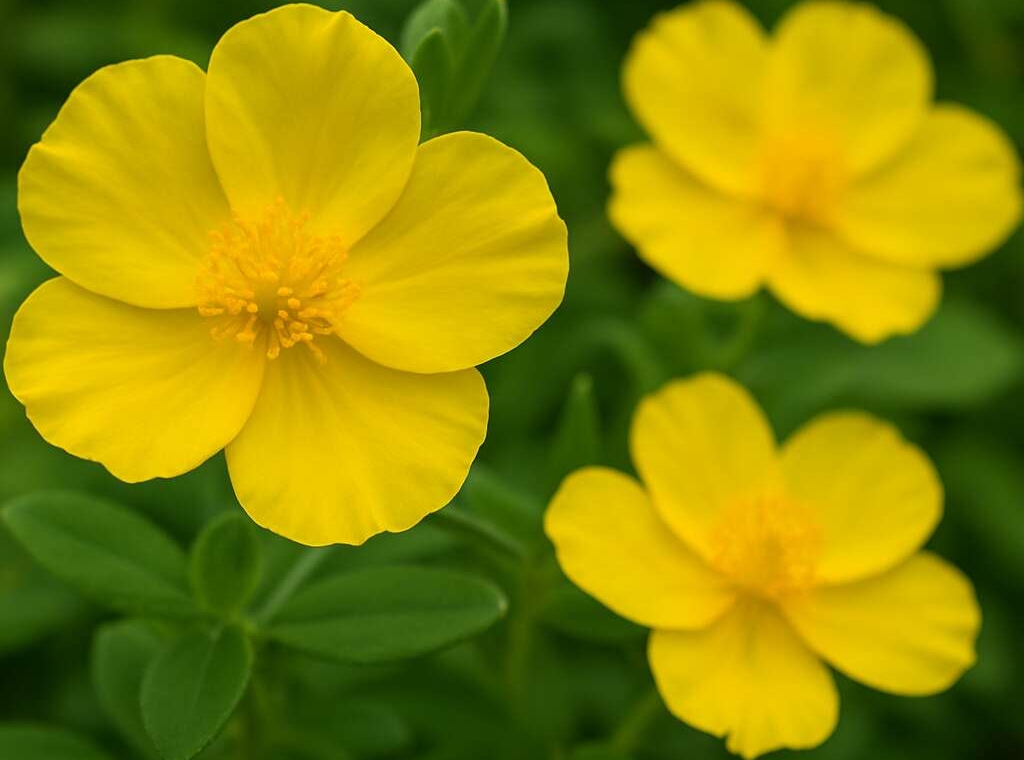



Latest Comments