Introduction to Cedrus brevifolia
Overview of Cedrus brevifolia – Characteristics, taxonomy, and origins
Amidst the verdant landscapes of Cyprus, a majestic conifer quietly commands reverence—Cedrus brevifolia, often dubbed the Cyprus cedar. This rare and fascinating species stands as a botanical marvel, distinguished by its graceful, bluish-green needles and rugged, yet elegant form. Its origins trace back to the ancient flora of the eastern Mediterranean, making Cedrus brevifolia a living testament to resilience and timeless beauty.
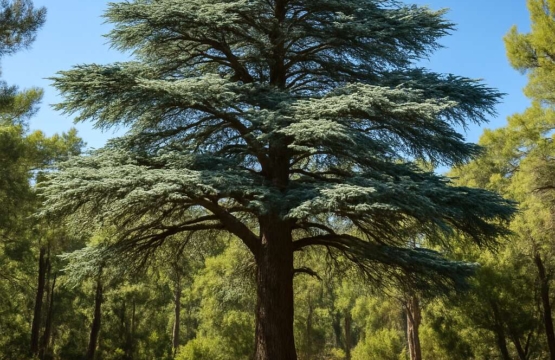
Taxonomically, Cedrus brevifolia belongs to the Pinaceae family, sharing lineage with its more famous relatives like Cedrus libani and Cedrus atlantica. What makes Cedrus brevifolia truly captivating is its adaptation to the rocky, limestone-rich soils of its native habitat—an enduring trait that underscores its status as a symbol of survival. The tree typically reaches a height of 8 to 15 meters and boasts a conical crown, a feature that adds to its ornamental appeal in landscaped settings.
- Distinctive blue-green foliage
- Resilient to arid conditions
- Native to Cyprus and surrounding regions
Given its unique origins and characteristics, Cedrus brevifolia has garnered interest among botanists and enthusiasts alike, seeking to preserve its legacy amid modern environmental challenges. This species’ rarity and beauty ensure it remains a cherished component of Mediterranean biodiversity, standing as a splendid emblem of resilience in the face of changing climates.
Geographical Distribution – Native habitats and current range
Cedrus brevifolia is a conifer with a restricted yet captivating native range. Primarily found in Cyprus, its habitat consists of rugged, limestone-rich landscapes where few other trees thrive. This species’s native habitat includes high-altitude forests and rocky slopes, making it highly adapted to challenging conditions. Its survival across these terrains demonstrates its resilience and unique ecological niche.
While its core native range remains island-specific, Cedrus brevifolia can now be found in limited cultivation beyond Cyprus, particularly in Mediterranean regions with similar climate conditions. Efforts to plant Cedrus brevifolia in botanical gardens and conservation sites are essential for preserving this rare species. Its current range highlights the importance of protecting native habitats and maintaining biodiversity in Mediterranean ecosystems.
- Cyprus: the primary native habitat
- Surrounding eastern Mediterranean regions
- Introduced and cultivated in Mediterranean botanical gardens
The distribution of Cedrus brevifolia underscores its rarity, yet its adaptability has allowed some success outside its original range. Its striking foliage and rugged form make it a sought-after species for ecological and ornamental purposes, reinforcing its value in Mediterranean biodiversity conservation efforts. Clearly, Cedrus brevifolia’s geographical range is a testament to its specialized natural habitat and enduring resilience.
Historical Significance – Cultural and scientific importance
They say rarity is the spice of life, and nowhere is this more evident than with Cedrus brevifolia. This conifer, often dubbed the “Cyprus cedar,” boasts a fascinating blend of cultural and scientific significance that’s hard to overlook. For centuries, local populations in Cyprus regarded Cedrus brevifolia as a symbol of endurance—standing tall amidst rugged landscapes, whispering tales of ancient forest druids and mythic sanctuaries.
Scientists have long found Cedrus brevifolia intriguing, largely due to its unique evolutionary path. Unlike other cedars, it’s adapted to thrive exclusively in high-altitude, limestone-rich terrains where few other trees dare to root. Its genetic lineage and ecological niche make it a botanical marvel, often studied as a prime example of conifer resilience and diversification. From an ethnobotanical perspective, Cedrus brevifolia’s aromatic resin and timber have played roles in local traditions, elevating its status beyond just a pretty face in the landscape.
For conservationists and botanists alike, Cedrus brevifolia’s cultural and scientific importance cannot be overstated. It is a living testament to the island’s natural history, a symbol of Greece’s eastern Mediterranean heritage, and a reminder of the fragile beauty that biodiversity conservation aims to protect. As its limited native range faces ongoing threats, this iconic species embodies both the challenges and rewards of preserving botanical treasures like Cedrus brevifolia for generations to come.
Physical Characteristics and Morphology of Cedrus brevifolia
Tree Size and Shape – Height, trunk structure, and overall form
Few trees command the landscape with the regal presence of Cedrus brevifolia, a true botanical marvel with size and shape that could make even the most seasoned gardener do a double take. Standing proudly, this Cyprus cedar reaches an impressive height, often stretching up to 15-20 meters, with some specimens edging closer to the 25-meter mark in optimal conditions. Its trunk presents a sturdy, textured bark that often bears the marks of centuries, giving it a wise, weathered appearance. The overall form of Cedrus brevifolia is conical to pyramidal, tapering elegantly towards the sky with dense, horizontally spreading branches.
What sets Cedrus brevifolia apart in the tree universe is its distinctive morphology. Its needles are arranged in dense, whorled bundles, sometimes giving this evergreen an almost otherworldly texture. The tree’s branch structure isn’t just a pretty sight; it’s an integral part of its resilience—allowing it to withstand the gusty winds and the dry climate of its native habitat. For those interested in the subtle nuances of its physical characteristics, Cedrus brevifolia’s stature and trunk structure exemplify a perfect balance of strength and grace, making it a standout in any landscape or botanical collection.
Needle and Cone Features – Foliage details and seed cones
When it comes to the physical characteristics of Cedrus brevifolia, tree enthusiasts often find themselves captivated by its distinctive foliage and remarkable cones. Unlike common pines or spruces, Cedrus brevifolia boasts needles arranged in dense, whorled bundles, giving its crown a textured, almost sculptural quality. These needles, with their deep green hue, can cluster in groups of 20 to 40, creating a lush, evergreen tapestry that remains vibrant through the seasons.
The seed cones of Cedrus brevifolia are another marvel—globular and often quite large compared to its size, they mature over roughly two years, gradually opening up to reveal winged seeds. These cones are not only visually appealing but serve as a testament to the tree’s resilience, adapting to the dry, rocky terrain of its native Cyprus habitat. To better understand its morphology, you might consider this:
- Needle arrangement in dense whorled bundles
- Cones that are sturdy, globular, and woody
- Winged seeds capable of long-distance dispersal
This combination of needle and cone features gives Cedrus brevifolia a distinctive appearance — a botanical sculpture rooted in centuries of adaptation. Its foliage and seed structures stand out as leafy, resilient symbols of the rugged yet majestic Cyprus cedar.
Bark and Root System – Texture, color, and root architecture
The physical characteristics of Cedrus brevifolia evoke the imagery of an ancient guardian standing sentinel over the rugged terrains of Cyprus. Its bark presents a tapestry of texture and color that shifts with age—a rugged, fissured exterior woven in shades of silvery-gray and deep ash. As the tree matures, the bark develops a flaky, corky resilience, reminiscent of the layered armor of mythical beings guarding secrets of centuries past.
Beneath this stately armor, the root system of Cedrus brevifolia forms a labyrinthine architecture designed to withstand the challenges of rocky, arid environments. Its roots spread in a wide radius, anchoring firmly into the resilient limestone substrate. The roots tend to grow both horizontally and vertically, creating a network that is as much a part of the landscape as the tree itself. This expansive root structure enhances stability and facilitates long-term survival in its native habitats.
- The bark displays a textured surface with a silvery-gray hue, often cracking and peeling into irregular plates.
Such features exemplify Cedrus brevifolia’s adaptation to its harsh surroundings, combining aesthetic grandeur with biological ingenuity. Its bark and root architecture contribute significantly to its mythic presence, making it a symbol of endurance and resilience rooted deep in the geological memory of Cyprus’s rugged landscape.
Distinctive Traits – Unique identifiers compared to other cedar species
Few botanical entities evoke a sense of mythic resilience quite like Cedrus brevifolia. As a distinctive cedar species endemic to Cyprus, its physical characteristics and morphology are a testament to evolutionary ingenuity, revealing a complex interplay between form and survival. Unlike its more familiar cousins, Cedrus libani or Cedrus atlantica, Cedrus brevifolia possesses a unique combination of traits that set it apart in both aesthetic and botanical terms.
The foliage of Cedrus brevifolia comprises compact, densely packed needles that radiate in a characteristic, slightly twisted pattern, a feature signaling its adaptation to the Mediterranean’s dry, rocky environment. The cones are notably smaller and more ovoid than those of other cedar species — a subtle yet definitive identifier for Cedrus brevifolia. These seed cones display a textured surface, frequently adorned with a reddish or brownish hue that contrasts sharply with the silvery-gray foliage, creating a visual signature of its indigenous landscape.
- Distinctive needle arrangement and size
- Small, ovoid seed cones with textured surface
- Unique bark with a fissured, flaky exterior
Perhaps most captivating are the eruptions of silvery-gray bark that peel away with age, revealing irregular plates that contribute to its ancient, weathered aura. Its trunk spirals upward in a resilient, conical form that echoes the rugged terrain from which it emerged. Unlike other cedar species, Cedrus brevifolia tends to develop a more irregular crown, a characteristic that accentuates its mythic presence as a living relic rooted deep in Cyprus’s geological memory.
Growing Conditions and Cultivation of Cedrus brevifolia
Climate Requirements – Temperature ranges, humidity, and seasonal patterns
Cedrus brevifolia thrives best in specific climatic conditions that mirror its native mountainous habitats. This species prefers moderate to cool temperatures, typically ranging between -5°C to 15°C during winter months, which allows it to withstand seasonal shifts without stress. Summers should bring warmer conditions, but not excessive heat, as Cedrus brevifolia favors temperate climates with some seasonal variation.
Humidity levels play a crucial role in its growth. While it appreciates moderate humidity, excessive moisture can lead to root rot, making well-draining soil essential. Seasonal patterns influence its cultivation—cool, wet winters promote healthy dormancy, while dry, warm summers accelerate growth. In areas such as the United Kingdom, it’s advisable to plant Cedrus brevifolia in sheltered locations to protect from harsh winter winds, ensuring consistent winter temperatures.
- Cool winter temperatures (-5°C to 5°C)
- Warm summer conditions (up to 15°C)
- Well-draining, slightly acidic to neutral soil
- Moderate humidity without excessive moisture
Soil Preferences – Soil type, pH, drainage, and fertility
When considering the cultivation of Cedrus brevifolia, the foundation lies beneath the surface—literally. This hardy cedar species prefers soil that mimics its native mountainous habitat in Cyprus. A well-draining soil is non-negotiable; standing water and overly moist conditions spell trouble for Cedrus brevifolia’s roots. Think of it as a trendsetter that refuses to chill in soggy shoes. The ideal soil pH for Cedrus brevifolia leans toward slightly acidic to neutral, typically hovering between 6.0 and 7.0, ensuring optimal nutrient uptake without the fuss of intense soil amendments.
Fertility isn’t a deal-breaker but certainly helps. Cedrus brevifolia loves a fertile, loamy mix that provides a balanced diet of nutrients. This resilience to less-than-perfect soil is tempting, but for long-term health, amending with organic matter such as compost can turn the growing experience into a joyride rather than a drain on patience. To make your Cedrus brevifolia thrive, consider soil modifications like adding coarse sand or gravel, which enhance drainage and prevent root rot—a true nemesis for this species. For those in the United Kingdom dreaming of planting Cedrus brevifolia, ensuring the soil drains well and maintains moderate fertility levels will keep your tree merrily growing through the seasons.
- Sandy, loamy soils with good drainage.
- Slightly acidic to neutral pH levels (6.0–7.0).
- Moderately fertile, enriched with organic compost.
Propogation Methods – Seeds, cuttings, and nursery practices
Growing Cedrus brevifolia isn’t a matter of simply sticking it in the ground and hoping for the best—this distinguished species demands a touch of horticultural finesse. Native to the rugged mountains of Cyprus, Cedrus brevifolia thrives in conditions reminiscent of its homeland: well-draining sandy or loamy soils, moderate fertility, and a climate that appreciates its cool, temperate roots.
Propagating Cedrus brevifolia can be achieved through a few reliable methods. Seeds are the natural marvels of this species—plant them fresh in Autumn for best results, and expect a slow but steady germination. Seedlings prefer a protected environment initially, so starting in a nursery setting allows them to build resilience before venturing into the British climate. For those who prefer a quicker route, semi-hardwood cuttings taken during late summer can be rooted with a good rooting hormone.
Nursery practices often involve a blend of patience and precision, with careful attention paid to maintaining consistent moisture and temperature. When nurturing Cedrus brevifolia from seed or cutting, ensuring a controlled environment that mimics its native mountain habitat will result in healthier, more vigorous trees.
To optimize propagation success, consider layering techniques or specialized seed stratification—methods that simulate natural periods of cold dormancy—enhancing germination rates. And, if you’re lucky enough to obtain a nursery-grown Cedrus brevifolia sapling, early planting in well-prepared, soil-enhanced beds will set the stage for grand, pyramidal growth that echoes its impressive native stature.
Growing Cedrus brevifolia in the UK might seem like a challenge, but with the right cultivation practices and a commitment to understanding its propagation needs, this striking cedar can flourish in botanical gardens, large landscapes, or even a well-placed urban park.
Care and Maintenance – Watering, pruning, and pest control
Growing Cedrus brevifolia in the UK requires careful attention to its specific needs, helping this spectacular cedar flourish beyond its native Cyprus. Native to rugged mountain terrains, Cedrus brevifolia thrives in well-draining sandy or loamy soils with moderate fertility, making soil preparation a critical step in its cultivation. The species prefers a cool, temperate climate with seasonal temperature variations—so, in the UK, choosing a sheltered location can make all the difference.
Proper watering is essential, especially during the establishment phase. Deep, infrequent watering mimics its natural mountain rainfall, encouraging a healthy root system. Pruning should be minimal and focused on maintaining the tree’s elegant pyramidal shape, removing any dead or crossing branches to foster strong growth. Monitoring for pests like aphids or scale insects is important; early intervention keeps Cedrus brevifolia vigorous and pest-free.
For optimal growth, consider the following care practices:
- Ensure the soil remains moist but not waterlogged, avoiding drainage issues that could threaten the roots.
- Use mulch around the base to conserve moisture and regulate soil temperature.
- Prune during late winter or early spring, when the tree is less active, to shape and remove any damaged foliage.
In colder months, wrapping young Cedrus brevifolia with frost cloth can protect it from harsh weather, especially in exposed UK gardens. It’s also wise to inspect regularly for signs of stress or pests, acting promptly if issues arise. With patience and meticulous care, Cedrus brevifolia can become a striking focal point, its lush foliage and towering form defining any landscape with an almost ancient, resilient charm.
Challenges in Cultivation – Common issues and solutions
Growing Cedrus brevifolia in the UK presents its own unique set of challenges and delights. This ancient cedar, native to Cyprus, is a proud specimen that prefers specific conditions to truly thrive. The secret to cultivating Cedrus brevifolia lies in replicating its natural mountainous habitat, with well-draining sandy or loamy soils that prevent waterlogging—because nobody wants rot for Christmas.
Climate-wise, Cedrus brevifolia loves a cool, temperate environment with seasonal variations. In the UK, this means choosing a sheltered location—think of it as giving your tree a cozy mountain retreat. It’s no fan of prolonged wet feet or muggy summers; good drainage and appropriate soil preparation are non-negotiable.
Common issues with Cedrus brevifolia cultivation include pests like aphids and scale insects, which can be managed with early intervention and natural control methods. Another challenge stems from its susceptibility to frost, especially in exposed areas. Wrapping young trees during harsh winters can save them from the cold snap that even the most resilient Cedrus brevifolia finds challenging.
Dealing with these obstacles involves patience, as Cedrus brevifolia can be a slow grower. Yet, when nurtured properly, it rewards with striking, lush foliage and a commanding presence. Growing Cedrus brevifolia may test your gardening patience, but the spectacle of its silhouetted, pyramidal form makes it worth every effort.
Ecological and Conservation Aspects of Cedrus brevifolia
Ecological Role – Interactions with local flora and fauna
In the quiet, ancient groves of the Eastern Mediterranean, Cedrus brevifolia plays a pivotal Ecological role in maintaining habitat diversity. This majestic cedar species intricately interacts with its environment, forming symbiotic relationships with local flora and fauna that are vital to the health of the ecosystem. Its needle clusters provide shelter for a variety of bird species, while the aromatic resin-rich bark offers nourishment for certain insects, creating a balanced web of life.
As a cornerstone of its native habitat, Cedrus brevifolia supports a diverse range of species, contributing to the ecological stability of the region. Its presence helps prevent soil erosion on steep slopes and facilitates nutrient cycling through leaf litter that enriches the soil. Conservation efforts highlight the importance of protecting Cedrus brevifolia, given its role in stabilising fragile environments and supporting endemic wildlife. The ongoing preservation of Cedrus brevifolia ensures that this tree continues to be a magnificent guardian of biodiversity in its native landscape.
Threats and Preservation – Environmental pressures and conservation efforts
The fragile beauty of Cedrus brevifolia masks its fierce resilience—a survivor clinging to existence amidst mounting environmental pressures. This species, native to the Eastern Mediterranean, faces threats ranging from deforestation to climate change, which jeopardize its delicate equilibrium. Despite these challenges, dedicated conservation efforts aim to preserve Cedrus brevifolia’s natural habitat and genetic diversity. Organizations and local communities are increasingly aware that safeguarding this majestic species is crucial for maintaining biodiversity and ecosystem stability.
Conservation initiatives focus on habitat protection, restoration projects, and raising awareness about the ecological significance of Cedrus brevifolia. Strategies such as controlled reforestation and seed banking are vital in combating habitat loss and ensuring future generations can admire this rare cedar. Without conscious intervention, the persistence of Cedrus brevifolia remains uncertain. Its survival hinges on a combined effort—one that recognizes the profound importance of this ancient species not just as a botanical marvel but as a cornerstone of ecological resilience in the Eastern Mediterranean.
Legal Protection and Reserves – Protected areas and legal frameworks
In the rugged landscapes of the Eastern Mediterranean, Cedrus brevifolia stands as a testament to nature’s resilience and beauty. Protecting this ancient cedar has become a priority, supported by a framework of legal protections and strategic reserves. These measures serve as crucial barriers against the relentless threats from deforestation, urban expansion, and climate change that jeopardise its survival. Ensuring Cedrus brevifolia’s preservation requires more than just awareness; it demands robust legal statutes designed specifically to safeguard its habitat and genetic lineage.
Protected areas designated for Cedrus brevifolia play a pivotal role in conservation. These reserves are carefully managed to maintain ecological integrity, prevent illegal logging, and allow for natural regeneration. Many of these areas operate under strict national laws, complemented by international agreements aimed at biodiversity preservation. For instance, national legislation often classifies Cedrus brevifolia as a protected species, restricting any harmful activities in its natural habitat.
Such conservation efforts are often reinforced by legal frameworks that establish specific zones for sanctuary and reforestation projects. These zones enable controlled reforestation, seed banking, and scientific research, all aimed at bolstering the species’ resilience. Additionally, the creation of conservation reserves offers a habitat safe haven where Cedrus brevifolia can thrive despite the mounting environmental pressures of today’s world.
- Protected areas serve as the backbone of Cedrus brevifolia conservation
- Legal protections restrict destructive activities in its natural habitat
- Reserves facilitate scientific research and habitat restoration projects
The ongoing commitment from governments, environmental organizations, and local communities has fostered a growing network of conservation reserves dedicated to this majestic species. Such collaborative efforts stand as a vital testament to the recognition that Cedrus brevifolia is more than a botanical marvel—it is a keystone species, crucial for maintaining ecological stability in the Mediterranean region. As long as these legal protections and reserves remain active, there is hope that Cedrus brevifolia can withstand the challenges of a changing world and continue to embellish the landscape with its timeless grace.
Threatened Status – Assessment by conservation organizations
The plight of Cedrus brevifolia has garnered increasing attention from conservation organizations worldwide, as its threatened status signals a need for urgent ecological vigilance. This species, often called the Cyprus cedar, embodies a fragile yet resilient thread in the fabric of Mediterranean biodiversity. Its limited geographic range heightens its vulnerability, underscoring the importance of strategic conservation assessments made by leading bodies such as the IUCN.
These assessments evaluate threats like illegal logging, climate change, and habitat fragmentation that continually loom over Cedrus brevifolia. The species is classified as endangered, prompting conservationists to prioritize its preservation. Critical to this effort are habitat protection measures, which include establishing protected areas and implementing strict legal protections. Such initiatives serve as the backbone of efforts aimed at safeguarding the genetic integrity of Cedrus brevifolia while facilitating natural regeneration in its native range.
A collaborative network of reserves and legal frameworks plays a vital role in ensuring the survival of Cedrus brevifolia. Among these, reforestation projects and seed banking initiatives stand out, offering hope for future generations. These efforts are reinforced by detailed ecological studies, which deepen our understanding of the species’ role within the Mediterranean ecosystem. Without vigilant assessment and dedicated conservation strategies, the majestic Cedrus brevifolia risks fading from the landscapes it has graced for centuries.
Impact of Climate Change – Potential future challenges and resilience
The looming shadow of climate change threatens to alter the fate of Cedrus brevifolia, an emblematic cedar species native to Cyprus. As temperatures rise and weather patterns become more unpredictable, this resilient giant faces potential future challenges that could jeopardize its survival. The escalating frequency of wildfires, prolonged droughts, and unpredictable frosts test the species’ capacity to adapt and endure in a rapidly changing environment.
Nevertheless, the ecological resilience of Cedrus brevifolia offers a glimmer of hope. Its ability to survive in nutrient-poor, rocky soils and withstand certain climatic stresses hints at an intrinsic adaptability. Yet, without intervention, these natural strengths may not be enough to counteract the adverse effects of climate change. Conservationists are increasingly concerned about habitat fragmentation and the reduced capacity for regeneration as conditions shift.
- Habitat shifts caused by rising temperatures
- Increased vulnerability to pests and diseases
- Challenges in seed dispersal and natural regeneration
Future conservation efforts must consider these obstacles. Protecting and restoring Cedrus brevifolia’s native range will require innovative strategies that bolster its resilience—such as assisted migration, seed banking, and habitat management—while addressing the unpredictable impacts of climate change on its ecological niche. Time is of the essence to prevent the gradual decline of this precious Mediterranean relic, whose enduring presence speaks to a fragile yet resilient chapter in nature’s story.

 by
by 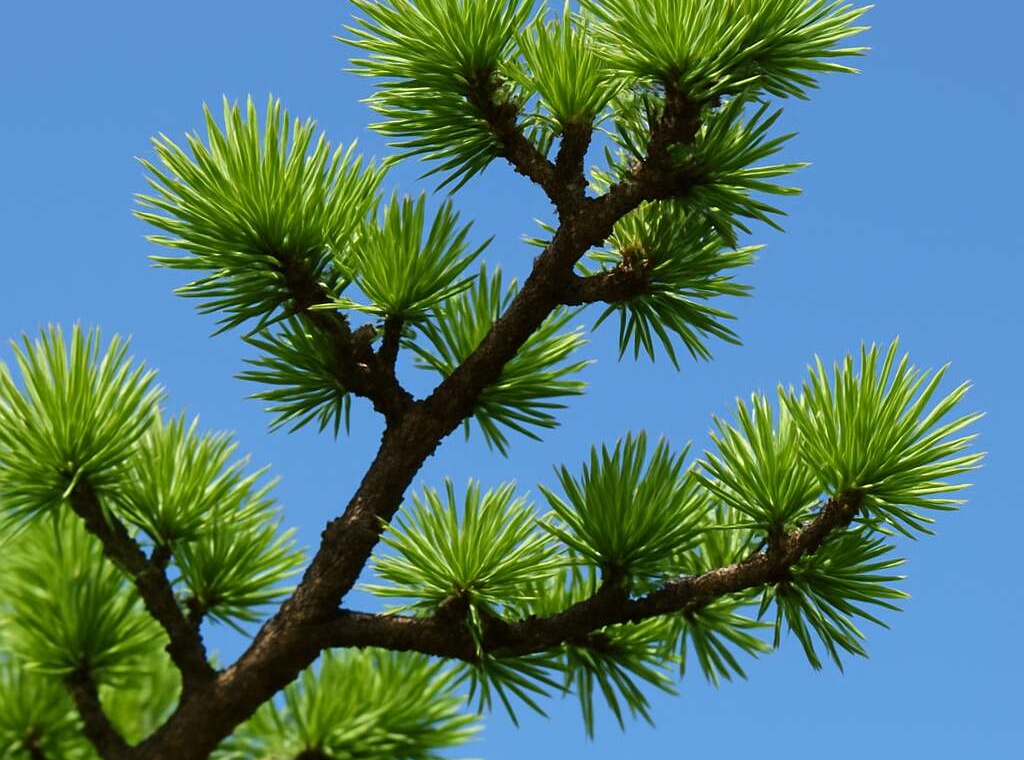



Latest Comments