Introduction to Sideritis cypria
Overview of Sideritis cypria – General description and botanical classification
Nestled amidst the rugged mountains of Cyprus, Sideritis cypria emerges as a botanical marvel—an emblem of resilience cloaked in delicate beauty. Belonging to the Lamiaceae family, this perennial herb boasts slender, grey-green stems topped with vibrant yellow flowers, creating a captivating contrast against the rocky terrain. Its botanical classification places it within the genus Sideritis, known for centuries of traditional use combined with modern herbal appreciation.
Sideritis cypria thrives in rocky crevices and sun-drenched slopes, where its hardy nature becomes a testament to nature’s ingenuity. This plant’s distinctive aroma, often likened to a fresh mountain breeze, wafts through the air, hinting at its rich history as a medicinal humble hero. Its reputation as a herbal remedy has persisted through generations, anchoring itself in the cultural fabric of Cyprus.
While its charming appearance might suggest fragility, Sideritis cypria commands reverence not only for its medicinal properties but also as an invasive species indicator that supports sustainable herbal harvesting. The allure of Sideritis cypria lies not only in its botanical elegance but in the stories woven into its very fibers—a truly unique member of the woodland understory.
Historical significance and traditional uses – Cultural background and ancient applications
Sideritis cypria holds a treasured place in Cyprus’s cultural history, with roots stretching back centuries. Its traditional uses as a herbal remedy have been passed down through generations, often regarded as a natural tonic for various ailments. In ancient times, local communities utilized Sideritis cypria for its healing properties, making it a staple in traditional medicine. Folklore speaks of its calming effects and ability to fortify the immune system, words echoed in old manuscripts and oral traditions.
Every sip of Sideritis cypria tea carried a story—one of resilience and harmony with nature. Many Mediterranean cultures, including Cyprus, have long valued this plant for its medicinal qualities. Not only was it acclaimed for its health benefits, but it also found use in ceremonial teas and herbal infusions, symbolizing hospitality and respect. Today, Sideritis cypria also stands as a testament to Cyprus’s commitment to sustainable herbal harvesting, blending age-old tradition with modern appreciation for natural remedies. Its legacy continues, woven into both the history and daily routines of those who cherish it.
Geographical distribution and habitat – Natural growing regions and environmental preferences
At the edge of the Mediterranean’s embrace, where sun-dappled hills whisper stories of ancient civilizations, grows a botanical marvel—Sideritis cypria. This enchanting herb, often called “Cyprus mountain tea,” thrives in the rugged, rocky terrains that have shaped its resilient nature. Its natural habitat spans the secluded hills and mountain slopes of Cyprus, where the altitude and mineral-rich soils create the perfect environment for this sacred plant.
Sideritis cypria prefers a mild, well-drained climate, flourishing in the cool, shaded areas nestled among wild shrubs and aromatic herbs. Its favorite surroundings are often characterized by their limestone or volcanic substrates, which lend the leaves their unique potency and flavor. The plant’s environmental preferences evoke a symphony of conditions that have allowed it to flourish for centuries, making it a symbol of Cyprus’s rich botanical heritage.
In fact, the natural growing regions of Sideritis cypria are often divided into specific zones:
- Mountain slopes with sparse vegetation
- Rocky outcrops bathed in sunlight
- Shade-hued valleys with well-drained soils
Each of these microhabitats contributes to the plant’s distinctive characteristics, woven into the fabric of Cyprus’s breathtaking landscapes. For those who cherish its tradition and natural purity, understanding where Sideritis cypria grows best underscores its importance in herbal medicine and cultural practices. It is not just a plant but a living legacy rooted in Cyprus’s diverse and resilient environment.
Health Benefits of Sideritis cypria
Rich in antioxidants and anti-inflammatory compounds – How its phytochemicals contribute to health
In the quiet embrace of mountains where the air hums with ancient whispers, Sideritis cypria unfolds its herbal tale. This captivating plant, revered for centuries, is a treasure trove of natural antioxidants and anti-inflammatory compounds. Its phytochemicals, like secret alchemical ingredients, work harmoniously within the body to combat oxidative stress and soothe inflammation.
The presence of flavonoids and phenolic acids in Sideritis cypria acts as a gentle shield, defending cells from damage and supporting overall vitality. These botanical marvels not only enhance well-being but also embody a natural approach to sustaining health. For those seeking a harmonious balance, Sideritis cypria offers a fragrant reminder of nature’s restorative power, weaving an herbal story that is both ancient and ever-renewing.
Potential effects on digestion and immune support – Supporting digestive health and immune function
Beneath the canopy of ancient montane forests, Sideritis cypria reveals itself not merely as a plant but as a whisper of tradition echoing through ages. Its potential effects on digestion and immune support have long been woven into the fabric of folkloric healing, cherished for its gentle yet potent influence. When brewed into a fragrant infusion, Sideritis cypria can soothe digestive discomforts, encouraging a harmonious flow within the gastrointestinal realm. This effect is often attributed to its phytochemicals that relax smooth muscles and stimulate peristalsis, easing bloating and indigestion alike.
Beyond digestion, Sideritis cypria holds a sacred place in fortifying immune resilience. Its rich profile of flavonoids and phenolic acids works as a gentle guardian, helping the body respond more effectively to daily challenges. Whether encountered as a calming tea or an herbal supplement, Sideritis cypria’s remarkable capacity for supporting digestive health and immune function makes it a treasured botanical ally, deserving recognition in any wellness journey.
Research studies and scientific findings – Latest research on Sideritis cypria’s medicinal properties
Recent scientific studies spotlight Sideritis cypria as more than just a traditional herbal. Laboratory and clinical research have uncovered its rich phytochemical profile, revealing potent antioxidant and anti-inflammatory properties. One intriguing finding shows that compounds within Sideritis cypria can neutralize free radicals more effectively than some conventional antioxidants, indicating its potential role in reducing oxidative stress.
Furthermore, pioneering research suggests that Sideritis cypria’s bioactive constituents may modulate immune responses, aiding the body in resisting pathogens. Experimental data demonstrates that extracts of Sideritis cypria can influence cytokine production—crucial messengers in immune regulation—highlighting its promise as a natural immune supporter.
Studies also hint at the plant’s ability to calm gastrointestinal inflammation, thanks to its phytochemicals that inhibit inflammatory pathways. These promising results elevate Sideritis cypria beyond folklore, positioning it as a scientifically-backed remedy for those seeking natural immune and digestive health solutions.
Comparison with other Sideritis species – Unique benefits and similarities
Sideritis cypria stands out among the Sideritis species for its unique blend of health benefits and rich phytochemical profile. While many varieties of *Sideritis* are cherished for their traditional use in herbal teas and natural remedies, Sideritis cypria’s scientific backing reveals why it deserves special attention. Its potent antioxidant and anti-inflammatory compounds not only provide comparable benefits to other *Sideritis* species but often surpass them in concentration and efficacy.
Many people appreciate Sideritis cypria for its ability to support immune health and aid digestion, much like its relatives. Yet, it also offers distinct advantages, thanks to its high level of bioactive constituents that can help neutralize free radicals more effectively. Compared to other *Sideritis* species, Sideritis cypria’s phytochemicals demonstrate a remarkable capacity to influence inflammatory pathways and cytokine production, vital for immune regulation.
- Rich in unique antioxidant compounds
- Potent anti-inflammatory properties
- Supports immune modulation and gastrointestinal health
Ultimately, Sideritis cypria’s combination of traditional charm and scientific validation underscores its role as a natural remedy with both historic roots and modern-day relevance. Its similarities with other *Sideritis* species are evident, yet its distinctive phytochemistry lends it a special place in herbal health enthusiasts’ collections.
Cultivation and Harvesting of Sideritis cypria
Growing conditions and soil preferences – Optimal environments for cultivation
The cultivation and harvesting of Sideritis cypria require meticulous attention to its growing environment, as these plants flourish best in specific soil and climatic conditions. Native to the mountainous regions of Cyprus, Sideritis cypria thrives in rocky, well-drained soil that is rich in minerals. Its preference for soil that offers excellent drainage helps prevent root rot and promotes healthy growth, especially during the snowy winter months when temperatures can dip below freezing.
Growing conditions for Sideritis cypria are quite particular; it prefers full sun exposure and thrives at higher altitudes where the air is cooler and less humid. This plant is resilient, yet consistent watering and soil that mimics its natural mountainous environment will enhance its aromatic qualities and phytochemical content. Harvesting typically occurs just before the flowering period, when concentration of antioxidants and anti-inflammatory compounds peaks, ensuring each harvest delivers the full medicinal benefits for which Sideritis cypria is revered.
Harvesting techniques and timing – Best practices to maximize potency
The true art of cultivating Sideritis cypria lies in understanding the delicate balance between nature and patience. At the optimal moment, just before the plant bursts into full bloom, is when its potency reaches its zenith. This period, typically in late spring or early summer, demands meticulous timing—harvesting too early or too late can compromise its rich phytochemical profile.
Experienced growers often employ precise harvesting techniques: hand-picking the flowering shoots with sharp, clean tools, ensuring minimal damage and preserving the essential aromatic compounds. It’s a process rooted in respect for the plant’s natural rhythm, recognizing that its antioxidant and anti-inflammatory properties are at their most concentrated during this window. Yet, the timing is not solely about the calendar; observing the plant’s appearance—a rich, vibrant hue and full bloom—guides the decision.
A refined approach also involves cutting stems at a slight angle to enhance drying efficiency, ultimately securing a harvest that emphasizes medicinal quality. Sideritis cypria, when harvested at the right moment, encapsulates the very essence of resilience and purity, a tribute to its mountainous origins.
Processing methods for herbal products – Drying, packaging, and preparing for consumption
The art of processing Sideritis cypria hinges on preserving its rich phytochemicals, which are responsible for its renowned medicinal qualities. Once harvested during the optimal window—just before full bloom—the plant must be handled with care to maintain its antioxidant and anti-inflammatory compounds. Proper drying is a pivotal step in this process, as it prevents mold while preserving the aromatic profile of the herbs. Traditional methods often involve gentle air-drying in a shaded location, ensuring the delicate phytochemicals aren’t broken down by heat or direct sunlight.
Following drying, Sideritis cypria is typically stored in airtight packaging to protect it from moisture and light. This allows for a longer shelf life and retains its potency. When preparing for consumption, the dried herbs can be gently crushed or left whole, depending on their intended use. A simple, yet effective, technique involves using an airtight jar—keeping the herbs in a cool, dark place until needed. Such conscientious handling amplifies the herbal’s natural properties, making every cup or extract a genuine tribute to its mountain origins.
Challenges in cultivation and sustainable harvesting – Environmental concerns and preservation efforts
The cultivation and harvesting of Sideritis cypria pose a unique set of challenges that rival the intricacies of a well-choreographed ballet. Nestled in its native mountainous terrains, this herbal treasure demands specific environmental conditions—particularly well-drained soil and a temperate climate—that are not always readily replicated outside its natural habitat.
One cannot ignore the environmental concerns tied to overharvesting. Unsustainable practices threaten this delicate mountain flora, prompting a collective effort towards sustainable harvesting. To avoid depleting wild populations, many growers now adopt the following approach:
- Implementing rotational harvesting techniques that allow the plant to regenerate naturally,
- Using selective harvesting to prevent overextraction,
- Engaging in conservation projects aimed at preserving its native ecosystems.
The delicate balance between harvesting for medicinal use and preserving biodiversity exemplifies the ongoing conservation efforts surrounding Sideritis cypria. As demand grows, so does the imperative to cultivate this herb responsibly—eschewing greed for sustainable practices that respect its environment and ensure that future generations can savor its renowned phytochemicals.
Uses and Applications of Sideritis cypria
Traditional uses in herbal medicine – Common remedies and Preparations
Sideritis cypria has a long-standing reputation in herbal medicine for its versatile uses. Traditionally, it has been employed as a natural remedy for common ailments, particularly respiratory issues and digestive discomfort. Its soothing properties make it an essential component in herbal infusions meant to alleviate cold symptoms and promote relaxation.
For preparations, traditional practitioners often recommend harvesting the aerial parts during the flowering season, followed by drying them carefully to retain its medicinal qualities. An herbal tea brewed from Sideritis cypria is perhaps the most popular application, offering a gentle yet effective way to support health. Some cultures also prepare tinctures or infusions that can be conveniently used throughout the day. This means that Sideritis cypria remains a staple in many households, admired for its natural healing potential and cultural significance in traditional herbal medicine.
Modern herbal products and supplements – Tea, tinctures, and capsules
Sideritis cypria has transitioned from traditional herbal remedy to a sought-after ingredient in modern health supplements. Its gentle, aromatic profile lends itself well to a variety of preparations, making it a favorite among herbal enthusiasts.
In contemporary herbal medicine, Sideritis cypria is commonly incorporated into teas, tinctures, and capsules. The herbal tea form remains particularly popular because it offers a natural, soothing experience that supports respiratory health and digestion. For those seeking convenience, standardized capsules and tinctures provide a practical alternative, allowing busy individuals to enjoy the herb’s benefits throughout the day.
The versatility of Sideritis cypria in these forms stems from its rich phytochemical profile, which includes antioxidants and anti-inflammatory compounds. These natural substances work synergistically to promote overall wellness, especially in supporting immune function and alleviating mild digestive discomfort.
- Herbal teas brewed from Sideritis cypria are cherished for their calming effects and health-promoting properties.
- Tinctures offer a concentrated dose, ideal for targeted use and quick absorption.
- Capsules provide a convenient, pre-measured way to incorporate Sideritis cypria into daily routines.
As interest in botanical supplements grows, Sideritis cypria’s modern applications continue to expand, aligning ancient wisdom with contemporary health practices. Its inclusion in herbal capsules, teas, and tinctures not only preserves its traditional significance but also highlights its potential as a natural support for respiratory and digestive health.
This fascinating herb embodies the perfect marriage of age-old remedies and innovative supplementation—making Sideritis cypria a distinguished choice in today’s herbal product landscape.
Culinary uses and recipes – Incorporating Sideritis cypria into foods
Despite its humble appearance, Sideritis cypria packs a culinary punch that’s often overlooked—a true secret weapon in the realm of herbal ingredients. This Mediterranean herb, with its subtle aromatic nuances, lends itself elegantly to innovative culinary applications that elevate everyday dishes into true gastronomic delights. Incorporating Sideritis cypria into your kitchen repertoire isn’t merely about flavor; it’s a way to add a layer of traditional wellness to modern cuisine.
For those with a penchant for experimentation, a simple sprinkle of dried Sideritis cypria leaves can transform roasted vegetables or fresh salads into memorable creations. Its delicate, herbaceous notes blend beautifully in Mediterranean-inspired recipes, lending authenticity and a dash of herbal sophistication. If you’re feeling adventurous, consider infusing Sideritis cypria into oils or vinegars, creating personalized dressings that marry health benefits with culinary elegance.
- Herb-infused olive oil makes an excellent accompaniment for bread or salads, imbuing dishes with a gentle herbal aroma.
- Adding a pinch of dried Sideritis cypria leaves to hearty stews or beans enhances digestion and introduces a subtle layer of flavor.
- Herbal teas brewed from fresh or dried Sideritis cypria can be incorporated into recipes like poached fruit or flavored syrups, offering a unique herbal twist.
Not merely limited to these applications, Sideritis cypria’s unique phytochemical profile makes it a versatile ingredient in both sweet and savoury contexts. Its anti-inflammatory properties harmonize with rich, fatty dishes, counterbalancing heaviness while adding a refined herbal dimension. From rustic to refined, the culinary possibilities with Sideritis cypria are as broad as your imagination—and its health benefits are an added bonus in every bite or sip.
Possible side effects and precautions – Usage guidelines and safety information
Sideritis cypria, with its delicate herbal aroma and rich phytochemical profile, has garnered increasing attention for its versatile uses and applications. While celebrated for its traditional medicinal properties, Sideritis cypria also lends itself beautifully to culinary innovation. Its subtle, earthy notes can elevate dishes, making it a treasured ingredient in both ancient remedies and modern kitchens.
Its gentle anti-inflammatory traits and supportive effects on digestion make Sideritis cypria a natural addition to herbal teas and infused oils. When incorporated thoughtfully, it can enhance flavors while promoting wellness. Nevertheless, as with any potent botanical, it’s wise to observe certain precautions. Overconsumption might cause mild gastrointestinal discomfort or allergic reactions in sensitive individuals.
For safe usage, start with small amounts—no more than a teaspoon of dried leaves per serving—and monitor your body’s response. Pregnant or breastfeeding women, and those on medication, should consult a healthcare professional before integrating Sideritis cypria into their routine. When used appropriately, it remains a delightful, healthful addition, blending tradition with culinary creativity.

 by
by 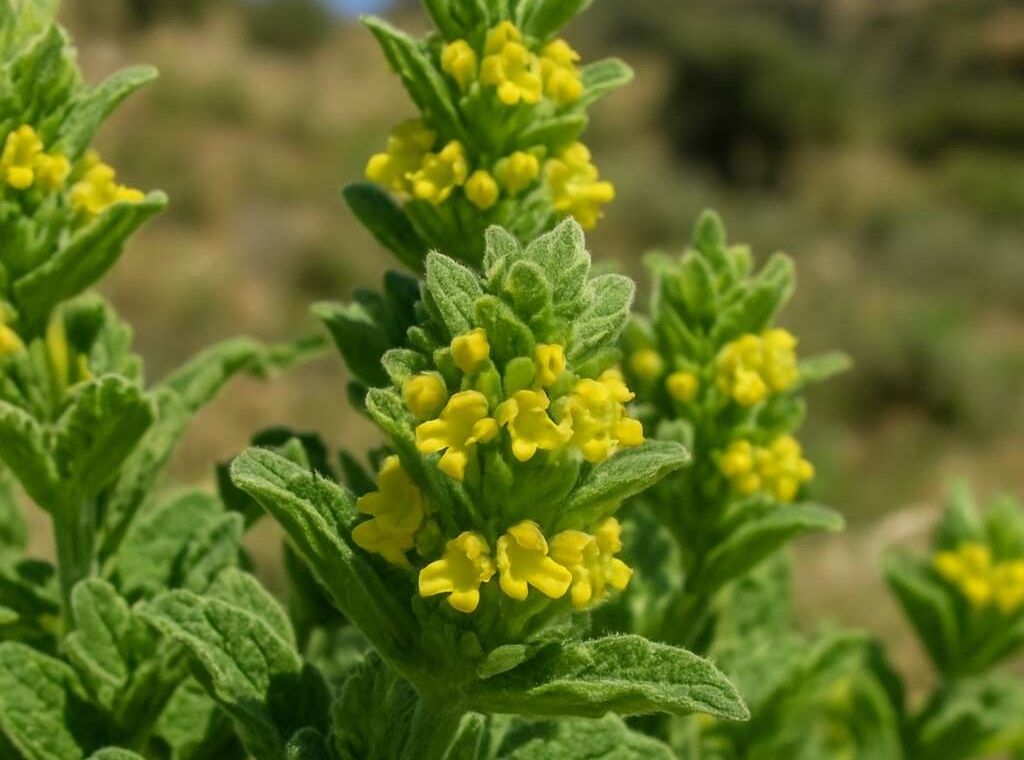



Latest Comments