Botanical Characteristics and Identification of Cyprus Basil (Acinos troodi)
Overview of Acinos troodi – Description, distinguishing features, and taxonomy
Among the many botanical marvels vying for prominence in Mediterranean flora, Cyprus Basil (endemic) Acinos troodi stands out as a testament to nature’s intricate artistry. This endemic species, confined exclusively to the rugged mountains of Cyprus, embodies a delicate harmony between resilience and grace. Its slender stems weave through rocky terrains, asserting a quiet dominance that is both subtle and commanding.
Acinos troodi can be identified by its densely packed, oval leaves that emit a distinctive aromatic scent – a hallmark of the Lamiaceae family from which it derives. Its small, lavender-blue flowers appear in tight clusters, providing a vibrant contrast to the dark green foliage, casting an enchanting aura typically associated with the island’s unique biodiversity.
What distinguishes Cyprus Basil (endemic) Acinos troodi is not only its geographical restriction but also its taxonomy—classified under the genus Acinos, it shares lineage with aromatic herbs prized in traditional medicine. Botanists admire its distinct features, such as the glandular hairs on stems and leaves that give it a slight, shimmering appearance. Identification of Acinos troodi requires careful observation of these traits, especially considering the similarity to other local aromatic species.
Physical Appearance – Shape, size, leaf characteristics, and flowering details
Cyprus Basil (endemic) Acinos troodi captivates with its delicate yet resilient physical appearance, making it a standout among Mediterranean aromatic herbs. This species boasts slender, upright stems that can reach heights of up to 30 centimeters, giving it a graceful yet hardy silhouette as it weaves through rocky mountain terrains. Its oval-shaped leaves, typically measuring 1 to 2 centimeters, cluster densely along the stem, emitting a fragrant aroma that signals its medicinal lineage.
The flowers of Acinos troodi are a stunning display of lavender-blue, forming tight clusters that appear in late spring. These tiny blossoms are not just eye-catching but also fragrant, attracting pollinators amidst Cyprus’s rugged landscapes. The plant’s glandular hairs are a distinctive feature, shimmering subtly under the sun and adding to its allure. Observing these blooms and leaf characteristics is vital for correctly identifying Cyprus Basil (endemic) Acinos troodi, especially considering its visual similarity to other aromatic herbs native to Cyprus’s mountainous regions.
Habitat and Growth Conditions – Preferred environment, altitude range, soil type
When considering the botanical nuances of Cyprus Basil (endemic) Acinos troodi, there’s a fascinating interplay between its habitat preferences and growth conditions. This aromatic herb thrives in the rugged, mountainous terrains of Cyprus, especially at higher elevations. Its habitat is characterized by rocky slopes and well-drained soils, which reflect its adaptation to challenging environments. The plant’s ability to flourish in nutrient-poor, limestone-rich soils demonstrates its resilience, making it a unique subject of interest for herbal enthusiasts and botanists alike.
Growth conditions for Acinos troodi are quite specific. It favors altitude ranges between 800 and 1,800 meters above sea level, where the cooler temperatures and increased sunlight provide optimal conditions. Since it’s an endemic species, its distribution is naturally limited, reinforcing the importance of conserving its native habitat. Its adaptability to local soil and climate highlights the importance of preserving these unique mountain environments—each microclimate serving as a vital sanctuary for this endemic Cyprus Basil.
To aid identification and understanding, it’s helpful to note its specific habitat features, such as:
- Dry, rocky slopes with good drainage
- Altitude between 800 to 1,800 meters
- Limestone or shaley soils
- Sun-exposed locations, often amidst sparse vegetation
This combination of growth conditions plays a pivotal role in shaping Acinos troodi’s distinctive appearance and fragrant profile, making it a remarkable example of Cyprus’s endemic flora. Recognizing these particular environmental factors enhances appreciation for its delicate yet hardy nature and underscores why this endemic Cyprus Basil remains a crucial part of the island’s botanical heritage.
Endemic Status and Geographic Distribution of Acinos troodi
Endemic Nature of Cyprus Basil – Definition of endemism and significance for Cyprus
Nestled high within the rugged terrains of Cyprus, Acinos troodi, also known as Cyprus Basil (endemic), weaves a story of botanical rarity and geographical exclusivity. This enchanting species is a testament to the island’s unique flora, flourishing only in the protected slopes and alpine meadows of the Troodos Mountains. The very definition of endemism, Acinos troodi exemplifies a plant found nowhere else on Earth, making it a vital piece of Cyprus’s natural heritage.
The geographic distribution of Cyprus Basil (endemic) is remarkably limited, confined to the specific microclimates of Cyprus’s high altitudes. Such a restricted habitat underscores the significance of its conservation, not only because of its captivating beauty but also as a symbol of the island’s ecological identity. Its endemic status enhances its value as a botanical treasure, inspiring a sense of wonder and responsibility to preserve this rare marvel for generations to come.
Locations in Cyprus – Specific areas and protected regions where it’s found
In the shadowy heights of Cyprus’s Troodos Mountains, a botanical treasure trove quietly thrives—Acinos troodi, better known as Cyprus Basil (endemic). This species isn’t just a pretty face; it’s a living testament to Cyprus’s rare and delicate endemism. With its exclusive foothold on the island, Acinos troodi’s distribution is as limited as a secret recipe—hidden in high-altitude microclimates that offer just the right blend of soil, elevation, and climate.
Within the protected regions of the Troodos range, this captivating endemic plant finds sanctuary. Notable locations include:
- Spilia Hill, a well-guarded and sensitive habitat where Cyprus Basil (endemic) makes its seasonal debut.
- Troodos National Forest Park, a UNESCO Biosphere Reserve boasting some of the most pristine microclimates for Acinos troodi.
- High-altitude slopes and alpine meadows, where the plant’s small yet striking appearance can be observed amid rugged terrains.
Its habitat is remarkably confined to these specific areas, emphasizing the importance of conservation incentives for this endemic Cyprus Basil (endemic). Since Acinos troodi is found nowhere else on Earth, preserving its limited spots isn’t just about saving a plant; it’s about safeguarding a unique piece of Cyprus’s natural identity.
Range and Population Status – Population estimates, distribution patterns, conservation concerns
The rare beauty of Cyprus Basil (endemic) Acinos troodi isn’t just a pretty plant—it’s a botanical VIP, exclusive to the island’s high-altitude hideouts. With a geographic range confined mainly to the Troodos Mountains, this species is as enigmatic as a secret handshake among botanists. Population estimates suggest that fewer than 5,000 individuals grace the rugged slopes, making it a charismatic but fragile ecological gem.
Territorially speaking, Acinos troodi prefers to keep itself tucked away in microclimates that only the most intrepid hikers or botanists would stumble upon. Its distribution pattern indicates a clear preference for elevations above 1,200 meters, nestled in the rocky, well-drained soils that would make any gardener jealous. Conservation concerns are mounting, as habitat fragmentation, climate change, and human activity threaten its tiny but vital footprint. Efforts to protect this endearing member of Cyprus flora have focused on preserving its limited habitats, which are vital to the plant’s survival and the island’s natural heritage.
- Microclimate microcosms in Troodos National Forest Park
- Seed dispersal limited by steep terrain
- Vulnerable to habitat disturbance as it only inhabits specific altitudes
Uses, Benefits, and Cultural Significance of Cyprus Basil
Traditional Uses – Medicinal, culinary, and cultural applications in Cyprus
Cyprus Basil (endemic) Acinos troodi holds a unique place not only in the botanical landscape of Cyprus but also in the cultural fabric of the island. Its aromatic leaves are cherished for their medicinal properties, traditionally used to alleviate digestive issues and respiratory ailments. The fresh herb’s robust scent and flavor lend themselves beautifully to culinary uses—adding a distinctive touch to local dishes and salads, where its subtle, peppery notes elevate simple ingredients into something memorable.
The cultural significance of Cyprus Basil (endemic) Acinos troodi extends beyond the kitchen and medicine cabinet. For centuries, this herb has been intertwined with Cypriot rituals and celebrations, symbolizing protection and vitality. Its preservation is viewed as a responsible act toward conserving the island’s endemic flora, embodying a deeper respect for natural heritage. In its essence, Acinos troodi exemplifies the symbiosis between Cyprus’ natural environment and its traditions, reminding us of nature’s quiet resilience and enduring importance.
Health Benefits – Potential medicinal properties and bioactive compounds
In the mystical landscapes of Cyprus, where ancient legends whisper through the winds, the endemic Cyprus Basil (Acinos troodi) emerges as a botanical marvel with profound health benefits. This rare herb, nestled among the high-altitude terrains of the Troodos Mountains, teems with bioactive compounds that have captured the fascination of herbal enthusiasts and researchers alike.
The leaves of Acinos troodi contain essential oils rich in phenolic compounds, known for their antioxidant properties. These molecules possess potent anti-inflammatory effects, offering potential medicinal benefits in alleviating minor aches or respiratory discomfort. Traditional uses of Cyprus Basil (endemic) include herbal infusions believed to soothe the digestive system and strengthen the immune response, making it a treasured component of natural healing practices.
Culturally, Acinos troodi embodies the resilience and enduring spirit of Cyprus. Its sacred presence in local rituals symbolizes protection against negativity and the fostering of vitality. As an endemic species, its conservation is intertwined with preserving Cyprus’ natural legacy, accentuating its role both in health and heritage.
It is the unique bioactive profile of Acinos troodi that makes it a focal point of curiosity among botanists and health-conscious individuals. The herb’s subtle yet complex aroma carries not only culinary appeal but also hints at its traditional medicinal importance. This fascinating plant continues to inspire stories where nature’s quiet resilience manifests in health-promoting qualities, enriching the cultural tapestry of Cyprus.
Symbolism and Cultural Importance – Role in local traditions, folklore, and festivals
In the tapestry of Cyprus’s cultural heritage, nothing embodies resilience and sacred tradition quite like Cyprus Basil (endemic) Acinos troodi. Its role in local rituals and folklore weaves an intricate narrative of protection, vitality, and spiritual connection. This herb is often used during religious festivals, where sprigs of Acinos troodi are placed at altars or carried in processions, symbolizing divine safeguarding against negativity.
Traditional tales, passed down through generations, describe the herb’s power to ward off evil spirits and bring good fortune. Its fragrant leaves are sometimes woven into charms or used in ceremonial cleansing, reaffirming its revered status. Within Cyprus, Cyprus Basil’s deep roots in cultural practices are a testament to its enduring significance—not merely as a plant but as an emblem of national identity and spiritual resilience.
Its symbolic importance transcends mere ornament; it signifies hope, protection, and the enduring spirit of the Cypriot people. The endemic character of Acinos troodi amplifies its role as a natural safeguard rooted in Cyprus’s very land, enriching local festivals, rituals, and everyday traditions with a profound sense of heritage. For many, the presence of Cyprus Basil (endemic) Acinos troodi is a reminder that nature and culture are intertwined in the ongoing story of Cyprus’s soul.
Conservation and Sustainable Management of Acinos troodi
Threats and Challenges – Habitat loss, invasive species, climate change impacts
Amid the rugged beauty of Cyprus, the delicate presence of Cyprus Basil (endemic) Acinos troodi whispers secrets of ancient landscapes. Yet, this captivating species faces mounting threats that jeopardize its fragile existence. Habitat loss, driven by expanding agriculture and urban sprawl, continues to fragment the natural environments where Acinos troodi thrives. Invasive species, such as non-native plants and pests, further encroach upon its niche, diluting biodiversity and destabilizing the delicate balance of the endemic plant’s habitat.
Climate change compounds these challenges, altering temperature and precipitation patterns that are vital for the species’ growth and flowering cycles. Protecting Acinos troodi requires a concerted effort to implement conservation strategies that emphasize sustainable management of natural resources.
A critical step involves prioritizing areas where Cyprus Basil is most abundant, establishing protected zones that safeguard its remaining populations. Community engagement and preservation programs centered around endemic plants like Acinos troodi can foster awareness and advocacy. By valuing the ecological importance of this species, Cyprus can ensure that future generations will still marvel at the resplendence of its endemic flora, celebrating Cyprus Basil’s place in the island’s natural heritage.
Conservation Efforts – Protection measures, national and international programs
Amidst the rugged, whispering hills of Cyprus, the delicate presence of Cyprus Basil (endemic) Acinos troodi stands as a testament to the island’s untouched natural beauty. This elusive botanical treasure, with its fragrant leaves and charming blooms, embodies the very soul of Cyprus’s endemic flora. Yet, this enchanting species teeters on the edge of disappearance, caught in a web of burgeoning threats that challenge its survival.
Protection measures are now more vital than ever to prevent the silent loss of Acinos troodi. Conservation efforts include establishing protected zones in areas where Cyprus Basil (endemic) thrives most abundantly, creating sanctuaries where its populations can flourish away from the encroaching threats of habitat destruction. Additionally, national and international programs are mobilized to preserve the genetic uniqueness of this species, emphasizing the importance of safeguarding Cyprus’s endemic biodiversity.
In the heart of these initiatives, a multifaceted approach emerges. Local communities play a pivotal role, engaging in preservation programs that recognize the cultural and ecological significance of Acinos troodi. By integrating sustainable management practices—such as controlled harvesting and habitat restoration—conservation efforts become more resilient. As part of this strategic tapestry, certain regions—rich in endemic flora—are designated as protected areas, ensuring that Cyprus Basil (endemic) continues to thrive for generations.
The goal is not merely to confront threats but to foster a thriving future where Acinos troodi remains a symbol of Cyprus’s botanical heritage. Through education, awareness, and dedicated stewardship, the fragile beauty of Cyprus Basil (endemic) can be preserved. This collective commitment is crucial—each effort threads a vital strand into the fabric of conservation—ensuring that this endemic gem continues to grace the island’s rugged landscapes and inspire awe in all who wander through its wild, fragrant realms.
How to Support Conservation – Methods for locals and visitors to contribute sustainably
Protecting the fragile beauty of Acinos troodi is a task that requires passionate involvement from both locals and visitors. This endemic plant’s survival hinges on sustainable practices that respect its delicate habitat. Supporting conservation efforts begins with awareness—understanding the intrinsic value of Cyprus Basil (endemic) and the threats it faces.
Visitors can contribute by sticking to designated paths within protected areas, ensuring they do not disturb the speckled populations of Acinos troodi. Engaging with local community-led preservation programs also makes a difference; these initiatives often include volunteer days for habitat restoration and education campaigns that highlight the cultural and ecological importance of Cyprus Basil (endemic).
For those involved in harvesting, adopting controlled collection techniques is vital. Here is a simple list of methods to support:
- Harvest only during official sustainable periods, avoiding overharvesting
- Use minimal plant material to prevent damaging the root system
- Leave enough plants untouched to allow natural regeneration
Participating in local conservation activities doesn’t just protect Acinos troodi—it preserves the island’s unique endemic flora for generations. By respecting the natural environment and actively engaging in responsible tourism, everyone can contribute to the safeguarding of Cyprus Basil (endemic). This collective effort sustains the wild landscapes rich with endemic species, ensuring that their fragrant, charming blooms continue to grace Cyprus’s rugged terrains.

 by
by 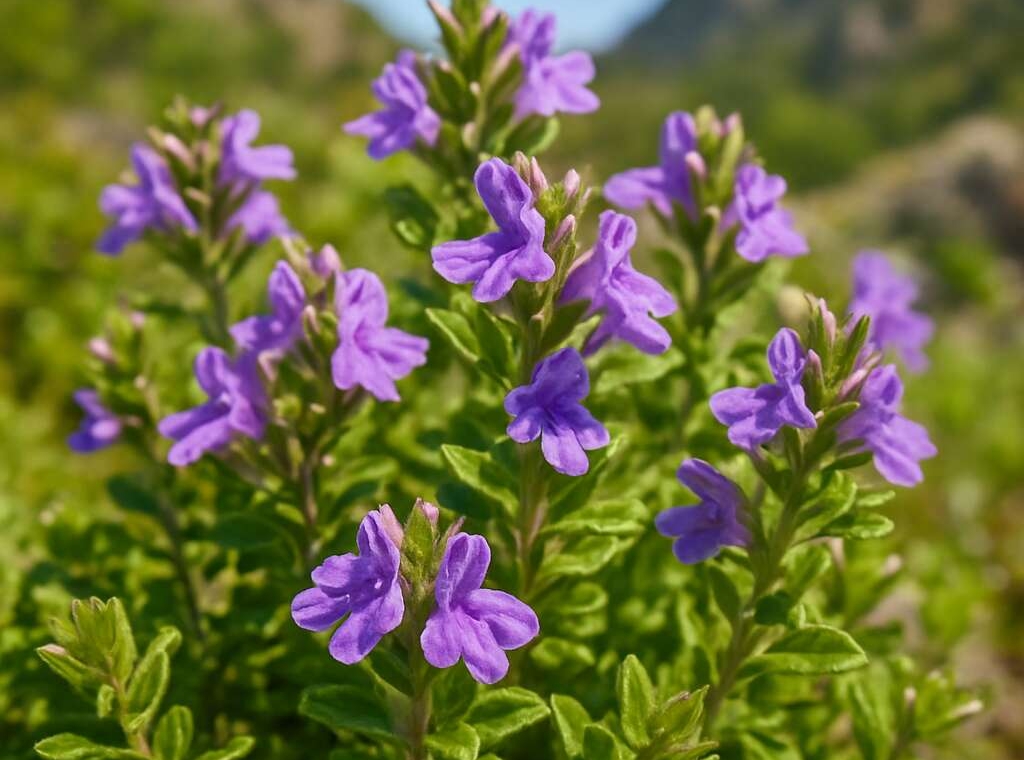


Latest Comments