Introduction to Alyssum akamasicum and Its Significance
Overview of Alyssum akamasicum – Description of the endemic plant species and its botanical classification
In the heart of the Mediterranean’s protected natural habitats, few plants evoke the same sense of rarity and delicacy as Akamas Alison (endemic) – Alyssum akamasicum. This striking species is a botanical gem, residing solely within the rugged landscapes of the Akamas Peninsula. Its fragile blossoms, clustered in soft hues of white and pale yellow, bring a whisper of understated elegance to an already breathtaking terrain. Recognised for its ecological significance, Alyssum akamasicum plays a vital role in preserving local biodiversity and floral harmony.
The botanical classification of Alyssum akamasicum places it among the Brassicaceae family, with distinct characteristics that set it apart from closely related species. As an endemic plant, it has evolved unique adaptations to thrive in its specific environment, making it an invaluable part of Cyprus’s natural heritage. Its limited distribution not only underscores its ecological importance but also highlights the need for dedicated conservation efforts to ensure the survival of this remarkable species.
Geographical distribution – Detailed information about its native habitat in the Akamas region
The Akamas Peninsula stands out as one of Cyprus’s most unique natural treasures, and at its heart lies Alyssum akamasicum, commonly known as Akamas Alison (endemic). This rare plant’s whereabouts are restricted to this rugged, protected landscape, making it an emblem of the region’s ecological richness. Its limited geographical distribution underscores the importance of preserving this delicate species, especially as it faces increasing threats from habitat disturbance and climate change.
In terms of habitat, Alyssum akamasicum has adapted to thrive in the rocky, limestone-rich soils characteristic of the Akamas region. This specific environment offers the well-drained, mineral-rich conditions that this endemic species requires to survive. The plant’s ability to flourish in such challenging terrain exemplifies its resilience, yet it also highlights its vulnerability. The distribution of Alyssum akamasicum is concentrated mainly within the protected zones of the Akamas Peninsula, where its presence contributes to the floral diversity that makes this region so distinctive.
- The plant predominantly inhabits steep slopes and rocky outcrops, where competing vegetation is scarce.
- It prefers the Mediterranean climate of hot, dry summers and mild, wet winters, which shapes its growth cycle.
- Efforts are ongoing to ensure that this endemic species remains protected, given its limited habitat and ecological significance.
By focusing conservation efforts on habitats that sustain Alyssum akamasicum, we safeguard not just this beautiful species but also the broader biodiversity of the Akamas region. Its ecological role in supporting soil stability and attracting pollinators further emphasizes why the distribution of Alyssum akamasicum is a priority for environmental preservation in Cyprus.
Ecological importance – Role of Alyssum akamasicum within local ecosystems and biodiversity
Few plants capture the fragile beauty of Cyprus’s native flora quite like Alyssum akamasicum, better known as Akamas Alison (endemic). This diminutive yet resilient species holds a special place in the heart of biodiversity, standing as a testament to the rugged charm of the Akamas Peninsula. Its delicate white flowers, clinging stubbornly to steep, rocky slopes, evoke a sense of quiet perseverance amid the harsh Mediterranean environment.
The ecological importance of Alyssum akamasicum cannot be overstated. It plays a pivotal role in supporting local biodiversity, especially by stabilizing soil on steep cliffs and rocky outcrops, preventing erosion in one of Cyprus’s most vulnerable habitats. Many pollinators are attracted to this endemic, making it a cornerstone in the thriving web of life that defines the Akamas region. Protecting Alyssum akamasicum ensures that the region’s delicate balance remains intact, preserving nature’s intricate tapestry for future generations.
Distinctive Characteristics of Akamas Alison
Physical traits – Unique morphological features including flowers, leaves, and growth patterns
When it comes to botanical charisma, Alyssum akamasicum, affectionately dubbed Akamas Alison, stands out as a true marvel among endemic species. With its delicate, yet striking, flowering display, this plant boasts a profusion of tiny, nectar-rich flowers that seem to sparkle like miniature gems against its muted foliage. These blooms typically showcase shades of pale violet and white, adding a touch of elegance to the rugged Cypriot terrain where they’re endemic.
The physical traits of Alyssum akamasicum reveal a plant that’s both resilient and charming. Its low-growing, bushy growth pattern makes it an ideal groundcover, often forming dense mats that cling to rocky outcrops. The leaves are small, elongated, and covered with fine hairs—an adaptation to its arid habitat that prevents water loss and provides a silvery hue that reflects sunlight.
- Unique floral arrangement with clusters of tiny, tubular flowers
- Compact, mat-forming growth pattern perfect for stabilising soil
- Silvery-green, hairy leaves that are both decorative and functional
This nifty combination of morphological features makes Alyssum akamasicum not only visually captivating but also ecologically suited to the challenging environment of the Akamas peninsula. Its physical traits serve as a testament to evolution’s knack for crafting plants that are both hardy and eye-catching—truly nature’s own artful masterpiece in the world of endemic plants.
Coloration and bloom time – Details about flower colors, blooming seasons, and flowering duration
In the shadowed corners of the Akamas Peninsula, where the rugged landscape whispers tales of ancient resilience, the Alyssum akamasicum—more often cloaked in the mysterious allure of its common name, Akamas Alison—unfolds as a botanical enigma. Its bloom time, carefully etched in the cycles of Cypriot seasons, reveals a delicate yet persistent display of pale violet and white flowers, casting a ghostly pallor against the rocky terrain. Typically, these blooms emerge in spring, their ephemeral life span a fleeting spectacle that captures the fleeting nature of beauty itself.
The flower coloration of Alyssum akamasicum is no mere aesthetic choice; it acts as a silent sentinel in its environment, beckoning pollinators with nectar-rich clusters while echoing the muted tones of the island’s rugged cliffs. The blooming duration is brief—lasting only a few weeks—casting each flower as a transient whisper of nature’s artistry. This ephemeral flowering, nestled within the plant’s compact, mat-forming growth pattern, ensures it remains an enduring symbol of adaptation amid harsh conditions.
By encapsulating the fleeting yet captivating spell cast by Alyssum akamasicum, the interplay of its color palette and flowering cadence reflects a resilience that is both poetic and profound. The delicate, nectar-swathed blossoms serve as a reminder of the plant’s subtle power—an endemic jewel thriving beneath the Cypriot sun, resilient as the land it adorns.
Adaptations to environment – Special adaptations that enable survival in the rocky and Mediterranean climate
The rugged terrain of the Akamas Peninsula isn’t just a haven for hikers and adventurers—it’s also home to a botanical marvel: Alyssum akamasicum, commonly known as Akamas Alison. This endemic plant has evolved remarkable adaptations to thrive amidst Cyprus’s harsh Mediterranean climate and rocky landscape, making it a symbol of resilience in this wild corner of the island.
One of its most distinctive features is its compact, mat-forming growth pattern. This adaptation helps Alyssum akamasicum conserve moisture and stabilize soil, preventing erosion on steep, rocky slopes. Its small, narrow leaves are covered with fine hairs, reducing water loss through evaporation—a crucial survival trait in the blistering heat of Mediterranean summers. Such physical adaptations allow the plant to withstand droughts and intense sunlight where few others could flourish.
Bright white and pale violet flowers emerge in spring, an elegant reminder that beauty can bloom even in the most forbidding environments. The ephemeral nature of Alyssum akamasicum’s flowering—lasting only a few weeks—mirrors its strategy for survival: fleeting yet impactful. This rapid bloom attracts pollinators efficiently, ensuring seed dispersal before the relentless summer scorches the land again.
Conservation Status and Challenges
Endemic species vulnerabilities – Factors contributing to its limited endemic range and threats
In the enchanted realms of Cyprus, where every pebble seems to whisper ancient secrets, the Akamas Alison (endemic) Alyssum akamasicum stands as a botanical jewel—delicately perched on the brink of oblivion. Endemic to the rugged Akamas Peninsula, this charming plant’s limited distribution makes it a poster child for conservation vulnerabilities. Its tiny, carpets of white blossoms appear fleetingly in spring, a brief floral ballet that captivates botanists and casual hikers alike. But all is not well in paradise; the Alyssum akamasicum faces a cocktail of threats that could snip its story short.
The major challenges include habitat degradation, driven by increasing tourism and land development—factors that shrink its natural habitat with reckless abandon. Climate change tramples over its delicate adaptations, and invasive species compete fiercely for the same rocky outcrop niches. Its limited endemic range, a result of historical geographical isolation, amplifies these vulnerabilities since the plant cannot simply relocate when conditions grow hostile.
- Habitat destruction from urban expansion
- Climate shifts affecting growth cycles
- Invasive plant species encroaching on native territories
- Pollution and trampling by tourists
What makes Alyssum akamasicum especially fragile is its affinity for the rocky, Mediterranean environment, which, while seemingly resilient, offers scant room for error. Protecting this endemic treasure requires more than mere admiration; it demands a concerted effort to mitigate these threats—lest we see this botanical marvel vanish into the pages of botanical history. The conservation status of the Akamas Alison underscores the urgent need to preserve its pristine habitat and ensure that future generations can admire the delicate beauty of Alyssum akamasicum thriving in its native landscape.
Habitat preservation efforts – Current conservation initiatives and protected areas in Akamas
Amid the rugged beauty of Cyprus’s Akamas Peninsula, the Alyssum akamasicum—commonly known as the Akamas Alison—embodies a botanical rarity so fragile it teeters perilously on the edge. Endemic to this pristine landscape, Alyssum akamasicum’s limited distribution underscores the urgency of its conservation status, making it a symbol of both natural elegance and ecological vulnerability.
Presently, habitat preservation efforts for the Akamas Alison are underway, with several protected areas being established to safeguard its delicate environment. The Akamas National Park, in particular, provides a haven where human activity is carefully managed to mitigate threats like habitat destruction from urban expansion and invasive species encroachment. Recognizing this, conservation initiatives aim to maintain the integrity of the rocky Mediterranean habitat that Alyssum akamasicum calls home.
- The first step involves rigorous monitoring of the plant populations, ensuring that each blossoming cycle is recorded and protected.
- Second, habitat restoration projects are designed to control invasive plant species that threaten the native flora.
- Third, community engagement campaigns foster awareness about the importance of protecting this endemic treasure, rallying local support.
These measures are complemented by legislative protections, as the Akamas Alison’s vulnerability emphasizes the need for sustained, targeted preservation. Although its habitat is fairly shielded within the national park, ongoing threats like pollution and increased foot traffic by tourists demand vigilant management. Preserving Alyssum akamasicum is a delicate dance—an intricate ballet performed on rocky ledges where the plant has become a symbol of Cyprus’s unique natural heritage.
Human impact and threats – Effects of tourism, development, and invasive species on its population
The fragile existence of Alyssum akamasicum, commonly known as the Akamas Alison, underscores a compelling narrative of ecological vulnerability in Cyprus. This endemic plant’s limited geographical range makes it particularly susceptible to the relentless human impact on its habitat. Human activities such as tourism, light development projects, and invasive plant species pose significant threats to its survival, often overshadowing its delicate presence on rocky Mediterranean slopes.
Tourism, while economically beneficial, brings increased foot traffic that can cause direct damage to Alyssum akamasicum’s tiny patches. The trampling of plants and compaction of soil diminish its fragile habitat, risking further decline. Development projects—whether new roads or construction—further fragment the landscape, making it even more difficult for this botanical rarity to thrive.
Invasive species, often introduced inadvertently by human activity, compete fiercely with Alyssum akamasicum for nutrients and space, sometimes outlasting the endemic’s slow-growing nature.
- Invasive plant encroachment
- Increased pollution levels
- Uncontrolled tourism activity
Conservation efforts are in a race against time. The protected status of Akamas National Park provides a vital buffer, but ongoing vigilance is necessary. The delicate balance maintained within the park’s boundaries is continually tested by these persistent threats, highlighting the importance of strict regulation and community involvement to preserve the Akamas Alison’s future. As the plant’s population remains precarious, it embodies a stark reminder of the fragile intersection between human progress and natural preservation.
Cultivation and Appreciation of Alyssum akamasicum
Horticultural practices – Guidelines for cultivating Alyssum akamasicum in native and international gardens
Horticulturally, Alyssum akamasicum—also known as Akamas Alison—presents a captivating challenge for botanical enthusiasts. Its delicate, silvery foliage and clusters of petite, fragrant flowers demand a cultivation approach that respects both its endemic roots and Mediterranean adaptations. Gardens in the United Kingdom striving to exhibit native plant resilience find that mimicking its natural rocky habitat encourages vigorous growth, emphasizing well-drained soil and moderate watering. Recognizing its preference for partial sunlight ensures that the Alyssum akamasicum’s characteristic flowering period flourishes with vibrant colour and extended bloom time, completing a spectacle that resonates with ecological authenticity.
While it thrives in its native habitat across Akamas, cultivating Alyssum akamasicum in international gardens requires thoughtful practices rooted in understanding its ecological significance. Gardeners often incorporate sandy or gravely substrates—mimicking its rocky environment—to enhance resilience. Its typical growth pattern is low and spreading, making it ideal for ground cover or container planting in urban landscapes. For those seeking to expand the appreciation of this endemic species worldwide, encouraging naturalistic settings that highlight its drought tolerance and adaptation to Mediterranean climate conditions proves advantageous.
- Use of well-draining soil
- Sunlight exposure of at least 4-6 hours daily
- Moderate watering to prevent root rot
To cultivate Alyssum akamasicum successfully, patience and attention to microclimate nuances are vital. Its limited endemic range underscores how delicate the balance can be, yet that same sensitivity provides an exquisite opportunity for conservation-minded horticulture. When nurturing Alyssum akamasicum, a focus on its physical traits—such as aromatic leaves and modest but eye-catching blooms—helps highlight its unique beauty and ecological importance. Enthusiasts who appreciate the plant’s subtle colouration and bloom time often comment on its captivating presence in a cultivated setting, symbolising both biodiversity and resilience in the face of environmental challenges.
Landscape applications – Ideas for integrating this endemic species into horticultural designs
In the intricate tapestry of Mediterranean flora, the allure of Akamas Alison (endemic) – Alyssum akamasicum – weaves a story of resilience and fragile beauty. Its silvery foliage shimmers like moonlit whispers across rocky slopes, inviting gardeners to imagine a garden that echoes the rugged elegance of its native habitat. Cultivating Alyssum akamasicum in the United Kingdom or beyond becomes an act of reverence—an homage to the secluded corners of the Akamas peninsula where this species first took root. Its low, spreading habit makes it an ideal candidate for ground cover or contemplative container gardens, where its modest yet captivating blooms unfurl amid drought-tolerant, well-drained soil.
Landscape applications for Alyssum akamasicum transcend mere aesthetics, offering ecological insights wrapped in naturalistic charm. For a truly authentic Mediterranean feel, integrate Alyssum akamasicum into rock gardens or alpine beds, where its resilience and subtle colour palette can shine. Its ability to thrive in sun-drenched, sandy substrates mirrors the plant’s adaptations to the rocky environment of its endemic habitat. Consider layering with other drought-tolerant plants to create a harmonious scene that celebrates biodiversity and the delicate balance of native species.
Ideas for integrating Alyssum akamasicum into horticultural designs are both imaginative and respectful of its conservation status. Think in terms of textured ground covers that soften the hard edges of urban landscapes or create visual respite in coastal gardens. Its aromatic leaves lend an olfactory dimension—an earthy scent that captures the essence of its native Mediterranean climate. To elevate its visual impact, plant Alyssum akamasicum along pathways or within container arrangements, allowing its tiny blooms to punctuate the landscape with bursts of understated colour and charm.
Envision a Mediterranean-inspired garden where Alyssum akamasicum’s modest elegance complements larger sculptural plants or rugged stone features. Its natural spreading habit can be harnessed to create flowing carpets of silvery foliage, adding depth and texture to contemporary designs. When cultivated mindfully, this endemic species not only enhances the aesthetic but also offers a poignant reminder of the importance of habitat preservation and biodiversity, endorsing sustainable practices rooted in respect for native ecosystems.
Significance for botanical collectors – Why collectors value this plant for its rarity and endemic status
The allure of rare botanical treasures captivates the imagination, especially when they are as distinct and delicate as Alyssum akamasicum. This endemic Mediterranean species, also known as Akamas Alison, enchants with its silvery foliage and understated charm—a true testament to nature’s artistry. For botanical collectors, Alyssum akamasicum holds a special place; its rarity and restricted endemic range transform it into a coveted piece of living art. The prospect of adding such a unique plant to a collection ignites a sense of exclusivity, especially given its limited distribution and ecological significance.
The fascination with Alyssum akamasicum grows from its status as a species found solely in the rugged terrain of the Akamas peninsula. Collectors value this plant not only for its visual appeal but also for its role in conserving native biodiversity. The plant’s resilience in rocky, sun-drenched environments exemplifies its extraordinary adaptations—traits that appeal to those eager to cultivate hardy and unusual species. Growing Alyssum akamasicum in international gardens requires an understanding of its specific needs, such as well-drained soil and full sun exposure, making it a rewarding challenge for dedicated horticulturists.
Because of its endemic status, Alyssum akamasicum is subject to various habitat preservation efforts. Its limited range faces threats from human activity and invasive species, which heighten its allure among conservation-minded individuals. Botanical lovers often seek to support initiatives that protect its natural habitat, ensuring that this remarkable plant remains part of the Mediterranean landscape. Cultivating Alyssum akamasicum is more than a horticultural pursuit—it is a gesture of appreciation for endemic flora and a step toward safeguarding extraordinary botanical diversity.
This rarity—a plant found only in the picturesque Akamas region—makes Alyssum akamasicum a true collector’s gem. Its diminutive, silvery leaves and tiny, star-shaped flowers punctuate rocky slopes with understated elegance. The plant’s limited availability elevates its status within botanical circles, fueling desire for specimens that have an intrinsic story woven into their very existence. When nurtured in private gardens or botanical collections, Alyssum akamasicum serves as a living reminder of the importance of habitat preservation and the extraordinary beauty native to the Mediterranean’s rugged landscapes.

 by
by 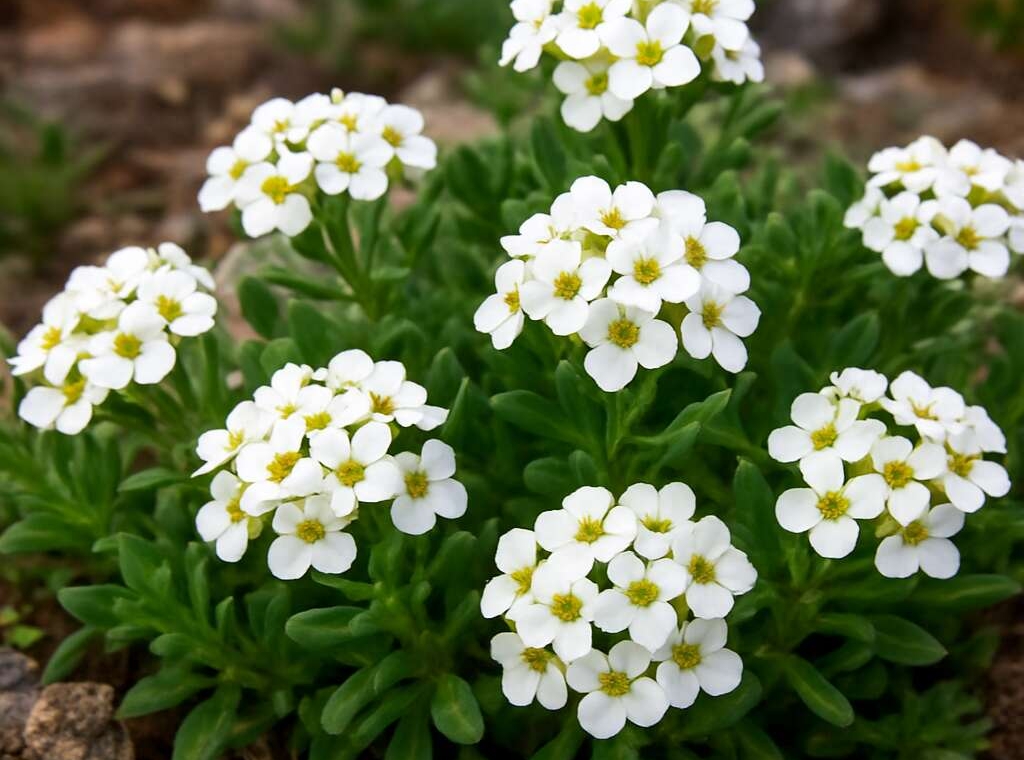


Latest Comments