Taxonomic Classification and Botanical Description
Overview of Centaurea calcitrapa subsp. angusticeps – Taxonomic placement within the Centaurea genus and distinguishing features
Sorting through the botanical family tree can be as perplexing as decoding a cryptic manuscript, but Centaurea calcitrapa subsp. angusticeps stands out with distinctive clarity. Belonging to the vast Centaurea genus, this subspecies boasts unique morphological traits that set it apart from its relatives. Its placement within the Asteraceae family places it among the notable flower-like composites cherished in both wild and cultivated landscapes.
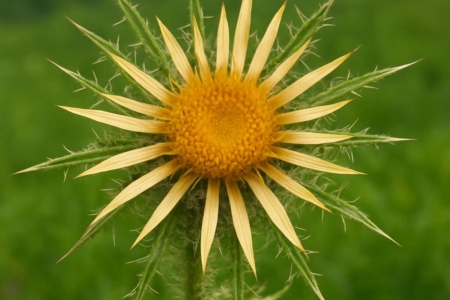
What makes Centaurea calcitrapa subsp. angusticeps particularly captivating are its spiny, calcitrabe-like projections and vibrant floral display. The subspecies exhibits a robust growth habit, with sharply lobed leaves that exude an unmistakable charm for botany enthusiasts. Its floral heads, typically a rich purple or violet, are crowned with radiating bracts—an unmistakable hallmark that aids in easy identification in the field. To illustrate, here are the key distinguishing features of Centaurea calcitrapa subsp. angusticeps:
- Resilient, spiny exterior resembling a calcitrabe
- Vivid violet or purple flower heads
- Sharply lobed, green foliage
- Branching stems with a thorny texture
This botanical portrait not only underscores the taxonomic placement of Centaurea calcitrapa subsp. angusticeps but also highlights its aesthetic and scientific allure—making it a subject of interest for both horticulturists and nature lovers alike.
Morphological Characteristics – Detailed description of plant height, leaf shape, flower structure, and seed features
Centaurea calcitrapa subsp. angusticeps is a striking example of botanical resilience and intricate design. Growing typically to about 60 to 90 centimetres tall, this subspecies boasts a sturdy, branching structure that supports its vibrant floral display. Its leaves are sharply lobed, with a rough, green surface that exudes a certain rugged charm, making it quite distinguishable from other members of the Centaurea genus. The plant’s flowering heads are characterized by their deep violet or purple hue, often highlighted by radiating bracts that look almost like delicate crowns atop each flower cluster.
The plant’s seed features are equally fascinating. The seeds are small, elongated, and equipped with bristly awns that aid in natural dispersal by wind. This mechanism allows Centaurea calcitrapa subsp. angusticeps to colonize diverse environments, from rocky hillsides to cultivated lands, where it often becomes a welcome yet resilient addition to the flora. The morphological characteristics of this subspecies—such as its thorny exterior and vividly coloured blooms—make it an easy subject for both botanists and naturalists interested in the adaptability and aesthetic appeal of wildflowers.
- Height of approximately 60-90 cm.
- Sharply lobed, green foliage with a rough texture.
- Deep violet or purple flower heads with radiating bracts.
- Seed features include small, elongated seeds with bristly awns for wind dispersal.
This detailed botanical portrait of Centaurea calcitrapa subsp. angusticeps highlights its unique morphological traits, reinforcing its status as a resilient, visually captivating plant well worth understanding for enthusiasts and professionals alike. Its adaptability and striking features make it a fascinating subject within the diverse genus of Centaurea, firmly rooted in the wild landscapes of the UK and beyond.
Habitat and Distribution – Native regions, preferred environmental conditions, and global spread patterns
Centaurea calcitrapa subsp. angusticeps is a botanical marvel whose distribution reveals intriguing patterns across the globe. Native to the Mediterranean basin, this subspecies has gracefully extended its reach into various parts of Southern Europe and even made a cameo in the UK’s wildflower scenes. Thriving in rocky, well-drained soils, it prefers sunny, temperate climates — a botanical nomad with a sharp eye for environments where its thorny exterior can flourish unchallenged.
Its habitat range is notably diverse, often colonizing disturbed lands, roadside verges, and open fields. This adaptability fuels its spread, with wind dispersion mechanisms playing a starring role in propagating its seeds far beyond its original native regions. The seeds, equipped with bristly awns, seem to have perfected the art of hitchhiking, allowing Centaurea calcitrapa subsp. angusticeps to establish itself in climates that range from the semi-arid to the mildly humid. Its natural dispersal patterns ensure that this resilient subspecies continues to surprise botanists — and challenge gardeners seeking a hardy yet striking addition to wild landscapes.
Differences from Related Subspecies – Key morphological and genetic variations separating it from other subspecies
Among the myriad members of the Centaurea genus, Centaurea calcitrapa subsp. angusticeps stands apart, distinguished by subtle yet unmistakable morphological and genetic nuances. Its taxonomic placement places it within a fascinating lineage of thorny, flowering composites, yet what truly sets this subspecies apart lies beneath its surface, in its genetic blueprint and intricate floral architecture.
This subspecies exhibits a more robust, compact stature compared to its relatives, often reaching height variances that hint at its resilient nature. Its leaves, while similar in shape, tend to present a more serrated edge with a slightly glossy sheen—features that confer an undeniable visual distinction. The flowers of Centaurea calcitrapa subsp. angusticeps are characterized by their distinctive bristly involucres and a denser arrangement of florets, which often display a deeper hue that makes it stand out amid wild landscapes.
On the genetic front, recent analyses reveal variations in DNA sequences and chromosomal counts that solidify its classification as a unique subspecies. These differences don’t merely serve taxonomic classification—they illuminate the evolutionary pathways this plant has traversed, marking its divergence from other similar Centaurea members. To appreciate the differences in this subspecies, consider
- flower color intensity
- leaf serration and gloss
- sepal and bristle structure
—features that have allowed Centaurea calcitrapa subsp. angusticeps to adapt and thrive in specific environments across the Mediterranean basin and beyond.
Whether one is a botanist or an enthusiast, understanding these key morphological and genetic variations enriches the narrative of this resilient plant. Its subtle distinctions tell a story of adaptation, survival, and the complex dance of evolutionary pressures shaping each leaf, flower, and gene within the fascinating world of Centaurea calcitrapa subsp. angusticeps.
Ecological and Environmental Significance
Role in Ecosystems – Interactions with pollinators, plant competition, and habitat preferences
Centaurea calcitrapa subsp. angusticeps isn’t just another plant in the wild; it plays a vital role in shaping its environment. Its brightly colored inflorescences attract a variety of pollinators, including bees and butterflies, establishing essential ecological relationships that sustain local biodiversity. These interactions aren’t merely incidental — they are part of a complex web that supports pollinator populations and promotes healthy plant reproduction.
This subspecies often competes with native flora, shaping plant community structures through its aggressive growth pattern and prolific seed dispersal. Its habitat preferences, favoring open, sunny areas with well-drained soils, allow it to carve out a niche in disturbed landscapes and semi-arid regions. Unlike some related species, Centaurea calcitrapa subsp. angusticeps has adapted to survive in environments where soil conditions fluctuate unpredictably, influencing the local plant competition dynamic.
- Pollinator interactions reinforce the plant’s reproductive success.
- Habitat preferences influence the distribution across varied landscapes.
- Its competitive nature impacts surrounding plant communities, shaping local biodiversity.
Environmental Adaptations – Adaptations to climate, soil types, and altitude variations
Centaurea calcitrapa subsp. angusticeps has evolved remarkable ecological adaptations that allow it to thrive where many other plants struggle. Its resilience to a wide range of climate conditions, from hot, dry summers to cooler, wetter winters, demonstrates its formidable survival capacity. This subspecies can tolerate fluctuating soil textures, from sandy, well-drained stretches to more compact, rocky terrains, making it a true pioneer in disturbed landscapes.
Altitude variations pose little challenge to Centaurea calcitrapa subsp. angusticeps. Unlike some plants confined to lowlands, this subspecies often ascends into semi-arid hills and plateaus, where it cleverly exploits niche environments. Its ability to adapt to these diverse conditions not only ensures its persistence but also influences the surrounding flora—sometimes outcompeting native species in the process. A mix of hardy roots and opportunistic seed dispersal strategies make it a formidable presence in ecosystems.
- Exceptional tolerance to soil salinity and low nutrient levels
- Capable of thriving at altitudes up to 900 meters
- Flexible growth in regions with unpredictable rainfall patterns
This blend of environmental adaptations underscores how Centaurea calcitrapa subsp. angusticeps carves out its unique ecological niche. Its ability to flourish across a spectrum of environmental conditions not only ensures its survival but also shapes the ecological fabric of its habitat, reinforcing its status as a resilient and influential plant species.
Invasive Potential and Control – Assessment of invasive behavior in non-native regions and management practices
Centaurea calcitrapa subsp. angusticeps is not merely a plant; it is a silent master of adaptation, whispering stories of resilience across diverse landscapes. Its invasive potential is a subject that warrants keen attention, especially when this charming yet formidable subspecies begins weaving itself into non-native regions. In the United Kingdom, sightings of Centaurea calcitrapa subsp. angusticeps have prompted careful ecological assessments, revealing a capacity to outcompete native flora in disturbed habitats. Its knack for thriving in poor soil conditions and fluctuating climates positions it as a species with both natural beauty and formidable influence.
Managing its spread requires a nuanced approach that respects natural ecosystems. Targeted removal strategies, including mechanical extraction and careful monitoring of seed dispersal zones, can help mitigate its invasive behavior. Since its seed dispersal hinges on opportunistic mechanisms, controlling these pathways is essential for preventing unchecked expansion. Local conservation programs increasingly focus on early detection, emphasizing the importance of understanding the ecological role of Centaurea calcitrapa subsp. angusticeps before it becomes an uncontrollable menace. As this plant continues to make its presence felt across various regions, responsible stewardship becomes paramount in balancing its ecological impact—an intriguing dance between preservation and control.
Conservation Status – Current conservation assessments and the importance of habitat preservation
Centaurea calcitrapa subsp. angusticeps is more than just a striking floral presence; it holds a delicate balance within the ecosystems it inhabits. As its distribution expands across non-native regions, including parts of the United Kingdom, the importance of understanding its conservation status becomes increasingly evident. This subspecies, with its vibrant, spiky flower heads and resilient nature, serves as a reminder of nature’s capacity for adaptation—and the far-reaching impact humans can have on delicate habitats.
Current conservation assessments highlight that while Centaurea calcitrapa subsp. angusticeps is not yet classified as endangered, its rapid spread in disturbed areas necessitates vigilant habitat preservation efforts. Protecting native flora requires a nuanced approach that recognizes the plant’s ecological role, including its interactions with pollinators and its competitive nature. Preserving habitats that foster native biodiversity is key, ensuring this subspecies does not overshadow local species that might be less adaptable to shifting environmental conditions.
In regions where Centaurea calcitrapa subsp. angusticeps begins to establish itself more aggressively, control measures must be carefully balanced to avoid unintended ecological consequences. Conservation initiatives often involve:
- Monitoring seed dispersal zones
- Implementing targeted removal strategies
- Maintaining habitat heterogeneity to support endemic species
This combination of safeguards allows natural ecosystems to flourish while limiting the invasive potential of this resilient subspecies. The ongoing effort to understand and preserve the balance highlights the complex relationship between invasive species and environmental health, making habitat preservation a foundational goal in managing Centaurea calcitrapa subsp. angusticeps populations in the United Kingdom.
Cultivation and Uses
Cultivation Methods – Optimal growing conditions, propagation techniques, and soil requirements
Bringing Centaurea calcitrapa subsp. angusticeps into cultivation is both a challenge and a joy. This resilient plant thrives best in well-drained soils, especially those that mimic its native Mediterranean environment—sandy, rocky, and slightly alkaline. Providing these conditions allows the distinctive spiny flower heads to flourish, attracting pollinators like bees and butterflies that are essential for its growth.
Propagation of Centaurea calcitrapa subsp. angusticeps is straightforward if you follow a few key techniques. Seeds can be sown directly into the soil in early spring, ideally after the last frost. For faster results, some gardeners use cuttings or division of mature plants in the autumn. To aid germination, lightly scarify the seeds and soak them overnight to soften their tough seed coat—this subtle step increases success rates significantly. Ensuring the soil remains moderately dry prevents rot and encourages robust root development.
- Choose a sunny spot with well-drained, sandy soils.
- Prepare the soil by mixing in some gravel or coarse sand to improve drainage.
- Sow the seeds shallowly in spring or early summer after the risk of frost has passed.
- Water sparingly until seedlings establish, then allow the plant to grow freely.
From a cultivation standpoint, the key is patience and attention to its natural growing conditions. As an adaptable species, Centaurea calcitrapa subsp. angusticeps can be a striking addition to wildflower gardens or naturalised areas, bringing a touch of rugged beauty and ecological value to UK landscapes. Its unique appearance and ease of care make it a favorite among gardeners seeking to emulate the plant’s native habitats while maintaining sustainable practices.
Medicinal and Traditional Uses – Historical applications in herbal medicine and cultural practices
Centaurea calcitrapa subsp. angusticeps has a rich history in traditional medicine and cultural practices, often valued for its medicinal properties. This plant’s role in herbal remedies dates back centuries in Mediterranean regions where it is native, where it was used to treat minor ailments and as part of local healing rituals. Its distinctive appearance and traditional uses have made it a symbol of resilience and natural healing.
In folk medicine, Centaurea calcitrapa subsp. angusticeps was commonly employed for its anti-inflammatory and antiseptic qualities. Some cultures believed it could aid digestion or serve as a natural remedy for wounds when applied topically. Its long-standing place in herbal medicine illustrates its cultural significance and the trust placed in natural remedies derived from this hardy plant.
The plant’s traditional applications extend beyond medicine. It has been incorporated into various cultural practices, often symbolizing rugged beauty and endurance in local folklore. Today, herbalists and ethnobotanists continue to study Centaurea calcitrapa subsp. angusticeps for its potential medicinal benefits, contributing to a growing interest in plant-based healing practices. Its historical and cultural prominence highlights the enduring importance of native plants in both health and cultural heritage.
Ornamental Value – Aesthetic qualities, landscape integration, and popularity in garden design
In the realm of ornamental plants, Centaurea calcitrapa subsp. angusticeps emerges as an understated jewel, captivating garden enthusiasts with its striking silhouette and vibrant hues. Its radiant, star-shaped floral displays make it a darling for those seeking to add a touch of natural artistry to their landscape. With a reputation for resilience, this subspecies lends itself remarkably well to rugged terrains and xeriscapes, thriving in conditions many plants would shy away from.
Cultivating Centaurea calcitrapa subsp. angusticeps is a straightforward affair, provided one appreciates its preference for well-drained soil and full sunlight. Its drought-tolerant nature ensures that even in a less-than-ideal British summer—often characterized by unpredictability—this hardy perennial remains unfazed. Garden designers often incorporate it into flower beds and borders, appreciating how effortlessly it marries aesthetics with practical resilience.
Its ornamental value isn’t solely rooted in flower anatomy; the plant’s leaves, with their intricate form, add visual interest long before the bloom period. For those with a penchant for spontaneous elegance, Centaurea calcitrapa subsp. angusticeps is particularly favored for its ability to infuse spaces with a wild, natural charm. To optimize its visual impact, consider planting in groups or massings, creating a sea of purple and silver that can elevate any garden setting.
- Creates a striking contrast when paired with ornamental grasses
- Ideal for borders seeking a naturalistic touch
- Attracts pollinators, making it a beneficial addition to eco-conscious gardens
Its popularity in garden design continues to grow among British horticulturists, who admire its rugged resilience and low-maintenance charm. Whether used as a focal point or a backdrop for more delicate plants, centaurea calcitrapa subsp. angusticeps undeniably lends an aura of resilience and natural beauty that resonates with contemporary gardening sensibilities. Truly, this plant exemplifies how native flora can redefine outdoor spaces—delivering aesthetic appeal and ecological benefits in equal measure.
Potential for Commercial Cultivation – Economic opportunities, challenges, and market demand
Centaurea calcitrapa subsp. angusticeps stands at the crossroads of ornamental allure and commercial potential. With its striking silhouette and adaptable nature, this subspecies promises a lucrative avenue for nurseries and garden centers eager to diversify their collections. The plant’s natural resilience to drought and poor soil conditions makes it especially appealing for large-scale cultivation in regions where water conservation is paramount.
Given the rising demand for native and low-maintenance plants, the growing market for Centaurea calcitrapa subsp. angusticeps presents an intriguing opportunity. Its popularity particularly blossoms among eco-conscious gardeners seeking pollinator-friendly species that marry ecological benefits with aesthetic charm. The primary challenge remains: managing its invasive potential in non-native settings, which calls for careful cultivation practices and strict monitoring protocols.
The ease of propagation—primarily through seed—along with its minimal care requirements makes it an attractive crop for commercial growers. As more consumers become enchanted by plants that combine rugged resilience with visual drama, Centaurea calcitrapa subsp. angusticeps is set to carve out a niche in the ornamental plant industry. For entrepreneurs with a keen eye, this subspecies not only beautifies a landscape but also cultivates economic opportunity in the verdant world of horticulture.
Research and Scientific Perspectives
Genetic Studies – Research on genetic diversity, variation, and plant breeding
In the realm of botanical mysteries, research on Centaurea calcitrapa subsp. angusticeps offers a portal to understanding the genetic tapestry that weaves through this captivating subspecies. Scientific investigations have illuminated a remarkable degree of genetic variation within wild populations, hinting at a deep reservoir of adaptability and resilience. Such genetic studies are vital—they form the backbone of plant breeding programs aiming to enhance desirable traits like drought tolerance and disease resistance, especially in regions where environmental stresses are escalating.
Advanced molecular techniques are revealing nuanced differences in the DNA sequences of Centaurea calcitrapa subsp. angusticeps, setting it apart from closely related subspecies. These genetic markers not only clarify taxonomic distinctions but also serve as guiding stars for conservation efforts and sustainable cultivation. As scientists continue to unravel the genome of this intriguing plant, their work paves the way for fostering diversity and ensuring the subspecies’ survival amidst changing climates. With each discovery, the enigmatic legacy of Centaurea calcitrapa subsp. angusticeps grows richer, inspiring new avenues for botanical exploration and sustainable development.
Phytochemical Composition – Active compounds, medicinal properties, and potential pharmacological uses
Unlocking the medicinal potential of Centaurea calcitrapa subsp. angusticeps is like opening a treasure chest of phytochemicals—each one promising new health possibilities. Scientific research indicates that this intriguing plant harbors a rich array of active compounds, including flavonoids, alkaloids, and sesquiterpene lactones, which could make it a candidate for pharmacological applications.
What makes Centaurea calcitrapa subsp. angusticeps particularly fascinating is its unique chemical profile, which might be responsible for its traditional use in herbal medicine. Researchers are exploring its potential for anti-inflammatory, antimicrobial, and antioxidant properties. This botanical jewel may soon find itself in the limelight of herbal pharmacology, inspiring new formulations or natural remedies.
As the science unfolds, the precise phytochemical composition of Centaurea calcitrapa subsp. angusticeps continues to reveal promising avenues for medicinal uses. Its complex mixture of active molecules could potentially be harnessed to develop natural anti-inflammatory drugs or even novel treatments for oxidative stress. The ongoing exploration of this subspecies’ pharmacological potential underscores not only its ecological importance but also its crop of untapped medicinal riches.
Ecological Research – Studies on its role within plant communities and environmental impact
The ecological footprint of Centaurea calcitrapa subsp. angusticeps extends far beyond its striking appearance; it influences the intricate web of plant communities with subtle yet profound effects. Scientific investigations reveal that this subspecies often assumes a pivotal role in its native habitats, shaping interactions among pollinators and competing flora. Its presence can alter community dynamics, exhibiting traits that sometimes border on invasive potential in non-native regions, where it may outcompete indigenous species and modify soil composition.
In plant ecology studies, Centaurea calcitrapa subsp. angusticeps is often evaluated through its impact on habitat structure and biodiversity. Ecologists pay close attention to its proliferation patterns and the way it adapts to varying environmental conditions, such as climate fluctuations and soil types. These adaptations highlight its resilience and potential to influence ecological stability across different ecosystems.
- Interactions with native pollinators, which can shift the balance of local species;
- Its ability to seed rapidly in disturbed areas, facilitating its spread;
- Effects on soil nutrient cycling due to its root exudates and decomposition profile.
Understanding the environmental impact of Centaurea calcitrapa subsp. angusticeps invites further inquiry into its role within plant communities. As studies unfold, the dual nature of this subspecies emerges—serving as both a candidate for ecological restoration and a cautionary species in invasive management. This delicate balance underscores the importance of ongoing ecological research that probes the complex interactions driven by this captivating plant.
Future Research Directions – Emerging scientific questions and technological advancements in study
Emerging scientific inquiries into Centaurea calcitrapa subsp. angusticeps reveal a plant with more questions than answers—an enticing challenge for botanists and ecologists alike. As technology advances, particularly in remote sensing and genetic sequencing, researchers gain unprecedented insights into its propagation patterns and adaptive strategies. These innovations enable study of its seed dispersal mechanisms at a granular level, illuminating how it colonizes disturbed habitats with alarming speed and efficiency.
One promising avenue involves utilizing drone-based aerial surveys to map its distribution over expansive terrains, revealing its influence on local biodiversity with greater precision. Additionally, molecular markers are being employed to explore genetic variation within populations, shedding light on its resilience and invasive potential across non-native regions.
- How do seed dormancy traits vary among different climates?
Future research also questions the ecological consequences of its interactions with native pollinators. Does Centaurea calcitrapa subsp. angusticeps inadvertently divert pollinator attention from indigenous flora, thereby altering plant community dynamics? These questions underscore the importance of interdisciplinary research strategies combining botany, ecology, and environmental science. As knowledge deepens, so too does the potential for managing this enigmatic plant—balancing its role in restoration projects against its capacity for unchecked spread.

 by
by 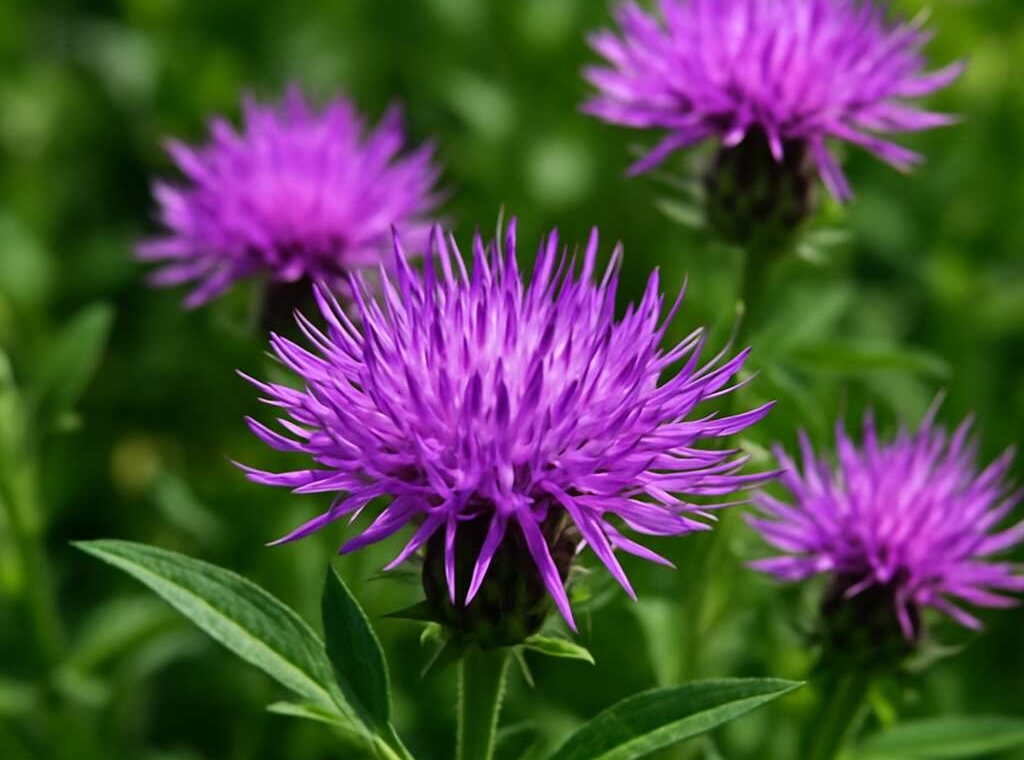




Latest Comments