Introduction to Lavender Lavandula stoechas
What is Lavandula stoechas? – Overview of Lavender Lavandula stoechas and its botanical classification
Lavender Lavandula stoechas isn’t your average purple shrub; it’s the flamboyant cousin of traditional lavender, bursting with personality and flair. Known for its distinctive showy flower heads topped with papery, rabbit-ear-like bracts, this aromatic herb commands attention wherever it grows. Native to the sun-drenched Mediterranean, Lavender Lavandula stoechas is the botanical star in any fragrant garden, offering both visual appeal and sensory delight.
Botanically, Lavender Lavandula stoechas falls under the Lamiaceae family, aligning with other fragrant sages and mints. Its botanical classification might sound like complex academic jargon, but all you really need to know is this plant’s natural habitat and unique features. With its evergreen foliage and resilient nature, Lavender Lavandula stoechas can thrive in poor soils and dry conditions, making it a versatile choice for gardeners looking to add some Mediterranean charm to their outdoor spaces.
- Bright purple, flower-laden stems
- Distinctive rabbit-ear bracts
- Sweet, herbal aroma that energizes the senses
For those enamored with fragrant herbs that flourish in the UK climate, Lavender Lavandula stoechas offers an attractive blend of beauty, aroma, and resilience—truly a statement piece in any herbaceous collection.
History and Origin – Historical background and geographical distribution
In the sun-drenched groves of the Mediterranean, a regal herbaceous wonder known as Lavender Lavandula stoechas has long enchanted those who encounter its flamboyant display. With roots tracing back to ancient civilizations, this botanical treasure has journeyed across centuries, carried by traders and explorers eager to share its aromatic allure. Historically prized not only for its visual splendor but also for its mystical properties, Lavender Lavandula stoechas has imbued gardens in southern Europe with a sense of magic and resilience.
Originating from regions boasting a Mediterranean climate—where summers blaze fiercely and winters are tempered by the sea—Lavender Lavandula stoechas thrived amidst rocky, poor soils. Its ability to flourish in such seemingly inhospitable terrain transformed it into a symbol of endurance. Today, this plant’s geographical distribution stretches across countries bordering the Mediterranean basin, from Spain and France to Italy and North Africa—each region echoing with the fragrant echo of this stunning species. Its storied history and widespread presence make Lavender Lavandula stoechas a true emblem of sunny resilience and aromatic heritage.
Unique Characteristics – Distinctive features of Lavandula stoechas compared to other lavender varieties
Step into the world of Lavender Lavandula stoechas, where form and fragrance intertwine in a delicate ballet of botanical artistry. Unlike its more subdued lavender cousins, Lavandula stoechas commands attention with its flamboyant, regal plumes—an eye-catching crown of bracts that resemble butterfly wings, fluttering proudly atop silvery-green foliage. This distinctive feature sets it apart, making it an unmistakable jewel among Mediterranean herbs.
The magic of Lavender Lavandula stoechas lies not just in its visual opulence but also in its aromatic punch. The scent is more intense, hinting at an almost mystical quality that has captivated gardeners and artisans for centuries. Blooming from late spring through early summer, its vibrant, densely packed flower spikes fill gardens with a fragrance that’s both bold and enchanting—a true testament to its resilience and uniqueness in the lavender family.
Botanical and Morphological Features
Plant Structure and Growth Habit – Description of shrub size, shape, and foliage
Lavender Lavandula stoechas unfurls like a crowned monarch, boasting a compact, bushy form that commands attention with its distinctive silhouette. Typically, it reaches a height of 30 to 60 centimetres, forming a rounded or dome-shaped shrub that exudes an aura of timeless elegance. Its branches are densely clothed in aromatic foliage, where narrow, silvery-green leaves create a soft, whispering backdrop for the show-stopping flower spikes.
The plant’s growth habit is both resilient and captivating. The upright flowering stems, topped with unique, pineapple-like bursts of vivid violet and purple blooms, seem to dance proudly above the foliage. Its structure is naturally suited to rock gardens, herb borders, or even as a striking feature in container planting. This particular lavender species, Lavandula stoechas, embraces a streamlined, low-maintenance charm that makes it a favorite among garden enthusiasts seeking a splash of colour with a touch of wild elegance.
- Height: 30-60 cm
- Shape: Rounded, dome-shaped shrub
- Foliage: Aromatic, narrow, silvery-green leaves
- Flowers: Distinctive, pineapple-like purple and violet spikes
This combination of plant structure and growth habit ensures Lavandula stoechas remains a striking, fragrant presence—an emblem of rugged beauty and aromatic allure in gardens across the United Kingdom.
Flowers and Inflorescence – Details of flower color, shape, and flowering season
Lavender Lavandula stoechas captivates with flowers that seem plucked from a fairy tale—squirreled away in the crown of a monarch’s head. Unlike its more understated lavender cousins, L. stoechas flaunts vibrant purple or violet spikes, topped with a distinctive, pineapple-like shape that sets it apart in any plant collection. These striking inflorescences bloom between late spring and early summer, their captivating hues providing a flamboyant display that is impossible to ignore.
What makes Lavender Lavandula stoechas a veritable showpiece is the flamboyant arrangement of its flowers. The spikes are composed of tightly packed florets, each blossoming into a vivid spectacle that bursts with personality. As the season progresses, these blooms retain an exotic charm—drawing admiring looks from all who pass by. Its aromatic foliage, paired with these ornamental flowers, makes Lavandula stoechas a perfume lover’s dream and a gardener’s crown jewel.
The floral display of Lavender Lavandula stoechas not only offers visual delight but also enhances its role within herbal and ornamental gardens. A natural choice for rock gardens or herb borders, its long-lasting blooms can be cut and brought indoors to fragrance a room, turning any space into a fragrant oasis. That cheerful, exotic aesthetic remains unwavering, making Lavandula stoechas a perennial favourite for garden lovers who cherish a touch of wild elegance.
Leaves and Stems – Characteristics of leaves and stems, including texture and aromatic qualities
Lavender Lavandula stoechas isn’t just a pretty face—it boasts some unmistakably intriguing botanical features that make it a perennial standout in any garden. Its leaves are something of a botanical paradox: soft to the touch, yet aromatic, inviting a gentle rub that releases a burst of herbaceous scent. These silvery-green foliage blades are narrow and lance-shaped, cloaked in a fine, velvety texture that hints at a touch of wild aristocracy. Their aromatic qualities aren’t just for show—they serve as a natural deterrent for pesky insects, adding an extra layer of charm to this fragrant shrub.
Stemming from the plant’s base, the stems reach upward like eager courtiers announcing their arrival. They are sturdy yet flexible, often bearing a slightly woody core that sustains the flamboyant inflorescences above. Their coloration ranges from pale green to greyish, providing a subtle, muted backdrop that allows the vibrant flowers—Lavender Lavandula stoechas’s crowning glory—to truly shine.
- Spiky, aromatic stems with a somewhat fibrous texture
- Silvery-green, lance-shaped leaves that exude soothing herbaceous scents
- Flexible, upright growth habit that creates a compact yet striking presence in the garden
What makes Lavender Lavandula stoechas truly captivating is the heightened aromatic quality of its foliage. Running your fingers over its leaves releases a waft of fragrance—ephemeral, yet unmistakably inviting. These botanical traits, paired with its distinctive pineapple-shaped flower spikes, make it a plant that commands both visual admiration and sensory delight, ensuring it remains a cherished choice for those who cherish both form and function in their botanical collection.
Varietal Differences – Variations within Lavandula stoechas species across regions
Botanical and morphological variations within Lavandula stoechas reveal a tapestry of regional adaptations that underscore nature’s subtle artistry. Across the diverse climates of the United Kingdom and Mediterranean basin, this species exhibits remarkable phenotypic plasticity—shifting subtly in stature, foliage, and floral display to meet its environment’s demands. For instance, some populations boast densely packed, darker green foliage, where others showcase lighter, more silvery leaves that advantage reflectivity and reduce water loss.
Regional varietal distinctions often emerge through leaf texture and stem robustness, with certain cultivars cultivated for their fibrous stems that lend an architectural rigidity, while others prioritize lush, aromatic foliage appreciated for its sensory allure. The changing floral architecture of Lavandula stoechas, from pineapple-shaped spikes to more elongated inflorescences, further reflects genetic divergence rooted in geographical provenance.
- Variations in flower color and size across regions
- Difference in aromatic intensity depending on soil and climate
- Distinct growth habits adapted to local environmental pressures
Such botanically rich diversity underscores the allure of Lavender Lavandula stoechas, inviting gardeners and enthusiasts alike to explore its multifaceted personality across varied landscapes.
Cultivation and Care Tips
Ideal Growing Conditions – Soil type, sunlight requirements, and climate preferences
Lavender Lavandula stoechas, with its striking plume-like flower heads and enchanting aroma, thrives best when nurtured with mindful attention to its ideal growing conditions. The secret to cultivating this captivating species lies in understanding its intimate relationship with the soil, sunlight, and climate. This lavender prefers well-drained, sandy or gravelly soil—conditions that mimic its native Mediterranean habitat, where moisture rarely lingers and roots are encouraged to develop strong, resilient structures. Achieving proper soil acidity, ideally slightly alkaline, can significantly influence its aromatic qualities and flowering success.
Sunlight is non-negotiable for Lavandula stoechas; it requires at least six hours of direct sunlight daily to flourish. A sunny position not only enhances its visual appeal but also ensures the production of its intensely fragrant oil. Climate-wise, lavender Lavandula stoechas finds comfort in temperate zones with dry, warm summers and mild winters, avoiding excessive moisture and frost. For optimal growth, consider planting in areas protected from harsh winds that can damage delicate stems. To illustrate, a simple
- well-drained soil
- full sun exposure
- warm, dry climate
trifecta creates the perfect sanctuary for Lavender Lavandula stoechas to thrive in a UK garden setting—transforming a humble corner into a fragrant haven with minimal fuss. Understanding these conditions allows gardeners to cultivate Lavandula stoechas not only as a resilient shrub but as a living testament to nature’s adaptability and resilience in a temperate climate.
Planting and Propagation – Methods for planting, including cuttings and seed germination
Cultivation and care of Lavender Lavandula stoechas hinge upon understanding its propagation pathways, which intertwine tradition and botanical finesse. As with many fragrant plants, the art lies in mastering the nuances of planting and propagation. For those seeking to propagate Lavender Lavandula stoechas, starting with cuttings offers an elegant shortcut—a method that captures the essence of the parent plant’s resilience and aromatic character. Semi-hardwood cuttings, taken in late summer, tend to develop roots more readily when nestled into a well-draining medium of coarse sand or gritty compost. Patience guides this process, as roots typically establish within six to eight weeks, nurtured in a sheltered environment until vigorous enough for transplantation.
Seed propagation, while more deliberate, opens a portal to genetic diversity within Lavender Lavandula stoechas. Sow the tiny seeds onto a bed of classified gritty sand or seed-raising mix, lightly pressing them into the surface without covering. The key to successful germination lies in maintaining consistent moisture and warmth, with a temperature hovering around 20°C—an environment reminiscent of its Mediterranean origins. Under proper conditions, seedlings emerge in a few weeks, revealing the floral blueprint of this captivating species. For an efficient method, many cultivators favor layering—simply pegging flexible branches to moist soil—allowing roots to develop naturally before separating the new plant.
When it comes to planting, the interval between root development and ground placement must be approached with meticulous care. Transplanting rooted cuttings or seedlings into prepared beds involves ensuring that the soil’s drainage capacity remains uncompromised, mimicking its native sandy habitat. Organic matter is secondary to drainage; thus, incorporating grit or fine gravel into the planting site creates an environment where Lavender Lavandula stoechas can thrive, resisting moisture retention that could otherwise promote rot.
In terms of ongoing care, pruning plays a vital role—encouraging bushy growth while maintaining the distinct, plume-like flowers. Regular trimming just after flowering not only extends the bloom period but also prevents the shrub from becoming leggy. Bearing in mind that Lavender Lavandula stoechas benefits from a sunny and well-ventilated setting, positioning plants in locations with at least six hours of direct sunlight ensures the synthesis of aromatic oils and vibrant flowering. Use of mulch or gravel around the base reduces weeds and maintains the soil’s dryness, aligning with the Mediterranean climate that Lavender Lavandula stoechas prefers.
In a UK context, where the climate can be unpredictable, selecting hardy, well-drained sites becomes paramount. With thoughtful placement, this species of lavender—the Lavandula stoechas—can be cultivated successfully in borders, containers, or even dry garden beds, imparting its distinctive scent and striking appearance while demanding minimal intervention once established. Its resilience is a testament to its origin story—the ancient Mediterranean shrub adapted ingeniously to arid, rocky terrains, a trait it retains in cultivated spaces across the temperate regions.
Watering and Fertilization – Guidelines for watering schedules and fertilization practices
A flourishing lavender patch is as much a testament to careful watering and fertilization as it is to patience and precision. For Lavender Lavandula stoechas, mastering the watering schedule is crucial to cultivating its aromatic allure and ornate flower heads. This species, rooted in the Mediterranean, thrives best in well-drained soil, making overwatering a potential downfall. When watering Lavender Lavandula stoechas, allow the soil to dry out slightly between sessions; a deep soak once the top inch feels dry encourages deep rooting without risking rot. During warmer months, a fortnightly watering is usually sufficient, but adjust frequency in response to rainfall or ambient humidity.
Fertilization serves as the secret ingredient—yet, moderation is key. Overzealous feeding can lead to overly lush foliage at the expense of bloom quality. Use a balanced, low-nitrogen fertilizer once in early spring and again after flowering. For those passionate about enhancing fragrance and flower vibrancy, organic compost can be gently incorporated around the roots—just enough to enrich the soil without impairing drainage. To keep growth vigorous and healthy, consider integrating the following into your routine:
- Light, organic fertilization in spring and after blooming
- Avoid heavy feeds that encourage leafiness over flowering
- Use compost around the base to nurture roots naturally
Watering and fertilization are intertwined efforts, each supporting the plant’s resilience and aromatic expression. For Lavender Lavandula stoechas, patience combined with precise care transforms a simple garden bed into a fragrant sanctuary—one that endures through unpredictable UK seasons and captures the timeless essence of the Mediterranean shrub.
Pruning and Maintenance – Techniques to promote healthy growth and flowering
The art of cultivating Lavender Lavandula stoechas transcends mere horticulture; it becomes a poetic dialogue between gardener and plant. This species, often called French lavender, is renowned for its ornate flower heads and fragrant foliage, making it a prized choice in Mediterranean-inspired gardens. Yet, behind its aesthetic appeal lies a disciplined routine of pruning and maintenance that unlocks its full potential. Proper pruning encourages vibrant flowering and maintains the shrub’s distinctive shape, preventing it from becoming leggy or unruly.
Timing is everything. As the plant finishes blooming in late summer, a gentle prune will stimulate fresh growth and prepare it for the next season’s spectacle of purple-topped spikes. Use sharp, clean scissors or shears to remove spent flower heads and cut back the woody stems just above a healthy leaf node. This targeted trimming not only enhances airflow around the stems but also reduces the risk of disease, which Lavender Lavandula stoechas can be prone to if left unmaintained.
In addition to pruning, routine maintenance involves a layer of mulch to conserve moisture and suppress weeds—yet it must be well-draining, aligning with Lavandula stoechas’s love for well-drained soils. Incorporating a natural fertilization regime during the growing season supports vigorous growth, but balance remains paramount. Overfeeding can lead to excessive leafiness, detracting from the plant’s ornate flowers and aromatic qualities. Regularly checking for signs of pests or disease ensures that each plant remains resilient in UK gardens, where unpredictable weather can challenge even the most carefully tended specimens.
Maintaining Lavandula stoechas isn’t merely about aesthetics but about understanding its needs for structure and health. Techniques like light pruning, controlled watering, and organic feeding foster an environment in which this Mediterranean shrub can flourish. As with many gardening pursuits, patience paired with attentive care transforms a simple shrub into a vibrant, fragrant centerpiece that endures through seasonal shifts, bringing a subtle elegance to every garden space.
Pests and Diseases – Common issues affecting Lavandula stoechas and management strategies
In the shadowy realm of fragrant botanicals, Lavender Lavandula stoechas stands as a hauntingly beautiful sentinel of the Mediterranean. Yet, beneath its exquisite lavender-tinted plumes lies a delicate web of pests and diseases that can threaten its ethereal grace. Fungal infections such as root rot, often spurred by poorly drained soil, cast a dark pallor over its vibrant foliage. Spotting these maladies early requires vigilant inspection: yellowing leaves, wilting stems, or a musty smell are ominous signs of decay creeping into its structure.
Venturing into the realm of pest control, the notorious aphids and whiteflies cannot be underestimated. These tiny invaders siphon vitality from the plant, leaving behind sticky residues and distorted growth. To vanquish these pests, organic management strategies like introducing natural predators—such as ladybirds—or applying insecticidal soap can prove effective. Yet, prevention remains the most potent shield: maintaining well-draining soil and proper air circulation is paramount to keeping Lavandula stoechas resilient against these invasions.
A few simple measures can stave off the more sinister threats. I have often seen how neglecting routine checks allows issues to fester quietly in the UK’s unpredictable climate. Vigilance and an eye for subtle changes—noticing the mottling or irregular growth—are your best allies. Proper hygiene, such as removing decayed stems or fallen debris, constrains the spread of disease. When it comes to pests, an integrated approach—combining cultural safeguards with organic remedies—can transform a struggling shrub into a fragrant fortress.
Lavender Lavandula stoechas demands intimacy in stewardship—its beauty and aromatic qualities depend on our careful navigation through its vulnerabilities, ensuring that its ornate flower heads and silvery foliage remain pristine amidst the garden’s gothic allure.
Uses and Applications
Aromatic and Herbal Uses – Use in perfumes, potpourri, and herbal remedies
Lavender Lavandula stoechas isn’t just a treat for the senses; its aromatic and herbal applications are truly enchanting. When harnessed correctly, its essential oils impart a captivating scent that elevates perfumes and herbal remedies alike. This variety’s distinctive aroma, with a hint of camphor and a floral note, makes it an ideal ingredient in natural room fresheners, such as potpourri. The aromatic qualities of Lavender Lavandula stoechas also make it a beloved addition to herbal infusions, providing a calming and soothing effect that can ease anxious minds.
In herbal medicine, Lavender Lavandula stoechas is often used for its reputed antiseptic and anti-inflammatory properties. Its extracts can be found in tinctures and balms aimed at promoting relaxation, alleviating headaches, and supporting respiratory health. For those seeking an organic alternative in their wellness routines, this lavender variety’s herbal uses offer a gentle yet effective option that preserves the plant’s natural potency, integrating seamlessly into everyday self-care rituals.
Landscaping and Ornamental Use – Design ideas for gardens and decorative purposes
Lavender Lavandula stoechas isn’t just a charming addition to the garden—it’s a statement of style and sophistication! When considering landscaping with Lavandula stoechas, its unique architectural form turns any space into a horticultural masterpiece. The distinctive, tufted flower heads crowned with flamboyant “rabbit ears” add a whimsical yet elegant touch, perfect for creating visual focal points.
This variety of lavender lends itself beautifully to decorative purposes, whether forming low hedges, edging garden beds, or framing pathways. Its fragrant foliage and striking blossoms make it a popular choice for attracting pollinators like bees and butterflies—an added bonus if you’re into eco-friendly gardening. For those with a flair for design, incorporating Lavandula stoechas in container gardens or rockeries offers versatility and resilience.
To elevate your garden’s aesthetic, plant Lavandula stoechas in clusters or as standalone specimens. Its evergreen nature ensures year-round visual appeal, while its compact growth habits enable you to craft charming, resilient displays that won’t require a degree in horticulture to maintain. Truly, Lavandula stoechas is the botanical equivalent of a well-tailored suit—timeless, elegant, and utterly captivating.
Traditional Medicine and Benefits – Historical medicinal uses and potential health benefits
Lavender Lavandula stoechas has long captivated herbalists and traditional medicine practitioners alike, thanks to its remarkable array of health benefits rooted in centuries of use. Historically, this aromatic herb was treasured not only for its visual appeal but also for its medicinal properties. In particular, Lavandula stoechas was employed to alleviate respiratory issues, thanks to its expectorant qualities that helped soothe coughs and colds. Its antiseptic nature also made it a valuable ingredient in herbal remedies aimed at wound healing and skin care.
Beyond its traditional applications, recent studies suggest that Lavender Lavandula stoechas may possess antioxidant and anti-inflammatory properties. These attributes contribute to its potential in reducing oxidative stress and inflammation within the body—a promising area for ongoing research. Its fragrant buds and foliage have aromatic compounds that could support relaxation and mental clarity when used in herbal infusions or aromatherapy practices.
Some practitioners even turn to Lavandula stoechas for its calming effects, making it a natural choice for stress relief and sleep support. The gentle yet potent essence of Lavender Lavandula stoechas exemplifies the intricate connection between herbal tradition and contemporary wellness pursuits. As interest in holistic health persists, this botanical continues to hold its revered place in both historical and modern medicinal applications.
Wildlife Attraction – Role in attracting pollinators like bees and butterflies
Lavender Lavandula stoechas isn’t just a fragrant showstopper in gardens; it plays a surprisingly vital role in attracting pollinators essential for healthy ecosystems. Think of it as a buzzing traffic cop, guiding a vibrant parade of bees and butterflies right to your patch of blooms. Its aromatic buds release a heady scent that’s irresistible to these winged workers, making it a favorite among naturalists and garden enthusiasts alike.
The unique flower structure of Lavender Lavandula stoechas—with its distinctive, tufted topknot—acts like a neon sign for pollinators scouting for nectar. This botanical magnet not only supports biodiversity but also enhances the productivity of nearby plants by facilitating cross-pollination. Gardeners and landscapers often plant Lavandula stoechas to naturally encourage a thriving insect population, which feeds into a balanced, flourishing garden ecosystem.
For those keen on creating a pollinator-friendly environment, incorporating Lavandula stoechas into your design is a smart move. Besides its ornamental appeal, it ensures a continuous buzz of activity—transforming your outdoor space into a lively hive of pollinating goodness. With its aromatic foliage serving as both a visual and olfactory delight, Lavender Lavandula stoechas proves to be a must-have for sustainable, bee-friendly gardening.
Sustainable and Eco-friendly Uses – Incorporation into eco-friendly gardening practices
Lavender Lavandula stoechas weaves sustainability into the very fabric of eco-friendly gardening practices, transforming outdoor spaces into sanctuaries of harmony and balance. Its aromatic foliage and vibrant, tufted blooms serve a purpose far beyond mere aesthetic appeal; they stand as living proof of nature’s ingenuity, offering a sustainable alternative to synthetic fragrances and chemical-laden pest control methods. When integrated thoughtfully, Lavender Lavandula stoechas becomes a cornerstone of eco-conscious cultivation, encouraging biodiversity and supporting pollinator conservation.
Incorporating Lavender Lavandula stoechas into your garden design can be as simple as planting hardy shrubs that thrive with minimal intervention—reducing water consumption and reliance on artificial fertilizers. Gardeners often use natural mulches and organic compost to nurture these resilient plants, creating an environment that echoes the ideals of sustainable horticulture. Its drought-tolerant nature aligns perfectly with rainwater harvesting systems and xeriscaping principles, making it an excellent choice for eco-minded outdoor projects.
For those committed to eco-friendly gardening practices, Lavender Lavandula stoechas offers multiple applications:
- Natural pest repellent: Its aromatic oils deter common garden pests without pesticides.
- Pollinator support: Its distinctive, tufted flowers act as attractants for bees and butterflies, fostering biodiversity.
- Herbal and aromatic use: Harvested sustainably, its fragrant buds can enrich homemade herbal remedies and natural air fresheners.
The plant’s role extends into preserving native flora and fauna, exemplifying how traditional herbal uses can intersect seamlessly with sustainable strategies. As flora that requires no chemical interventions, Lavender Lavandula stoechas exemplifies the quiet, enduring reach of eco-conscious practices—making each garden not just a visual haven but a living testament to environmental stewardship.

 by
by 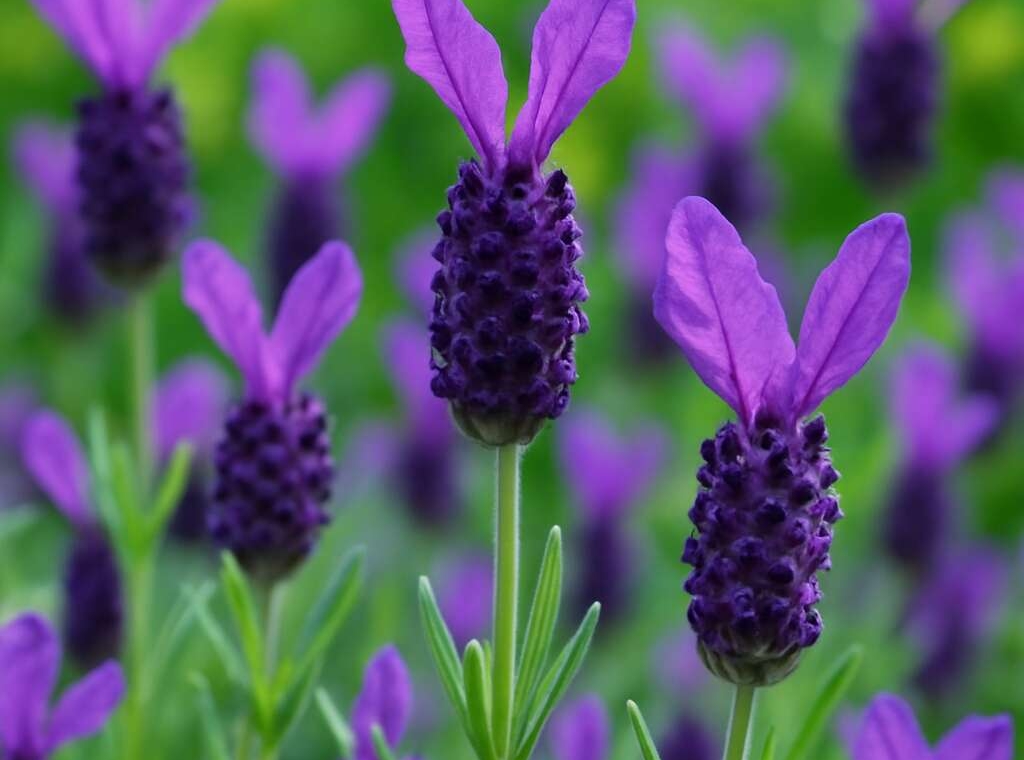

Latest Comments