Botanical Characteristics of Limonium ammochostianum
General Morphology – Description of plant size, leaf shape, and flower structure
Limonium ammochostianum is a striking perennial plant with a compact, bushy growth habit. Typically reaching a height of 15 to 30 centimetres, it showcases a dense arrangement of narrow, lance-shaped leaves that form a sturdy base. The plant’s foliage provides a beautiful backdrop for its intricate flowers, which distinguish Limonium ammochostianum from other species in the genus.
The flowers of Limonium ammochostianum are arranged in slender, branching inflorescences that often display a delightful range of pastel shades, from lavender to pale purple. These tiny blossoms are densely packed along the stems, creating a textured and vibrant display. The structure of its flowers not only enhances its ornamental appeal but also plays a role in attracting pollinators.
- Size: 15-30 cm tall
- Leaf shape: Narrow, lance-shaped
- Flower structure: Dense, branching inflorescences with small blossoms
Distinctive Features – Key botanical traits that differentiate it from related species
Limonium ammochostianum is distinguished by its unique botanical traits that set it apart from other species within the Limonium genus. Its dense, branching inflorescences produce small blossoms that often glow in pastel shades—lavender and pale purple, creating a subtle yet captivating display. These flowers are not just ornamental; they attract vital pollinators, contributing to its ecological importance.
One of the most striking features of Limonium ammochostianum is its narrow, lance-shaped leaves. These leaves form a sturdy, compact base, supporting the plant’s overall bushy growth habit. This structural trait makes it highly recognizable compared to related species that tend to have broader foliage.
- The plant’s flower structure, with densely packed blossoms on slender stems, allows the infusion of soft hues across its inflorescences.
- Its growth pattern shows a resilient, bushy form that emphasizes its perennials’ adaptability in various environments.
In terms of botanical characteristics, Limonium ammochostianum exhibits a combination of delicate aesthetic and hardy traits. Its distinctive foliage and inflorescence arrangement not only enhance its ornamental value but make it a standout among Mediterranean and coastal flora. Recognising these traits helps in identifying Limonium ammochostianum in the wild and understanding its role within its native habitat.
Reproductive Structures – Details about flowers, seed production, and pollination mechanisms
The reproductive structures of Limonium ammochostianum unveil a breathtaking symphony of delicate architecture. Its small, clustered blossoms cascade along slender stems, creating an almost ethereal display of pastel hues that seem to whisper secrets of ancient coastlines. These blossoms are not merely ornamental but serve as a vital nexus for pollination, drawing in a myriad of pollinators with their subtle fragrances and soft, lavender shade.
One of the captivating facets of Limonium ammochostianum is its seed production process. After successful pollination, the plant produces tiny, wind-dispersed seeds, each equipped with fine hairs that facilitate dispersal across the breeze—like tiny sailboats sailing across the Mediterranean air. This reproductive agility ensures its persistence in diverse environments, supporting its role as a resilient perennial in coastal flora.
- The flowers of Limonium ammochostianum attract key pollinators such as bees and butterflies, which are essential for the plant’s reproduction cycle.
- The seasonality of its blossoms often coincides with optimal conditions for seed dispersal, ensuring successful propagation.
- Its seed capsules develop within the floral structure, maturing gradually before releasing their delicate cargo into the wind.
Habitat and Distribution of Limonium ammochostianum
Native Range – Geographical regions where the species naturally occurs
Limonium ammochostianum thrives in specific habitats that showcase its delicate beauty. Native to regions with rocky coasts and coastal salt flats, this species has adapted to thrive in saline soils with excellent drainage. Its natural environment often features cliffs and shoreline pockets where wind and salt spray create an inhospitable climate for many plants, but not for Limonium ammochostianum.
This species is predominantly found in the Mediterranean basin, particularly along the coastal areas of Greece and Cyprus. Its distribution is limited to these regions, making it a true endemic species. The species favors environments that are both sunny and exposed, which promote its vibrant bloom display.
In practice, its natural habitat can be described through this list:
- Rocky coastal cliffs
- Saline coastal flats
- Dry, exposed environments
Limonium ammochostianum is a testament to the resilience of plants that flourish under challenging conditions. Its limited native range underscores the importance of habitat preservation for this regional gem.
Preferred Ecosystems – Types of environments and soil conditions favored by the plant
In the rugged embrace of the Mediterranean coast, where cliffs whisper tales of resilience, Limonium ammochostianum holds court as a botanical marvel. Its habitat is a testament to nature’s ability to adapt; thriving in saline soils and among rocky coastal cliffs, this species flourishes where others falter. Its preferred ecosystems are characterized by dry, exposed environments—places where the relentless wind and salt spray craft an inhospitable climate for most, yet summon forth this endearing endemic.
Limonium ammochostianum’s distribution is a delicate thread woven through the coastal landscapes of Greece and Cyprus. Its absence from other regions underscores its status as a regional gem, a species that demands careful habitat preservation.
In the tapestry of its preferred environment, the plant favors:
- Rocky coastal cliffs
- Saline coastal flats
- Dry, exposed environments
This resilient species exemplifies nature’s artistry—clinging to life amidst salt-laden air and stony soil, showcasing how lilies of the saline world can flourish against all odds. The habitat and distribution of Limonium ammochostianum serve as a living reminder that even in the harshest terrains, beauty and endurance intertwine seamlessly.
Environmental Adaptations – How the species adapts to local climate and ecological challenges
Limonium ammochostianum has adapted remarkably well to its rugged Mediterranean environment, a testament to nature’s ingenuity. Growing in rocky coastal cliffs and saline flats, this endemic species has developed unique resilience strategies to withstand harsh conditions like salt spray, wind, and drought. It’s a prime example of ecological specialization—thriving precisely where many other plants struggle to survive.
Both its distribution and habitat are narrowly focused: Limonium ammochostianum is predominantly found along the coastal regions of Greece and Cyprus. This limited geographical range emphasizes the importance of habitat preservation, as the species’ survival hinges on the delicate balance of its native ecosystems.
- Saline tolerance: Its ability to thrive in saline soils allows it to occupy niches others can’t handle.
- Drought resistance: Adaptations to dry, exposed conditions make it resilient during prolonged dry spells.
- Cliff anchoring: Its root systems are specially adapted to cling onto rocky substrates, preventing erosion and ensuring stability in shifting terrains.
In essence, Limonium ammochostianum exemplifies how plants can evolve to exceed ecological challenges, turning seemingly inhospitable environments into thriving habitats. Its existence reminds us of the importance of conservation efforts for regionally endemic species and the fragile ecosystems they call home.
Cultivation and Care of Limonium ammochostianum
Growing Conditions – Optimal soil, light, and water requirements
Growing Limonium ammochostianum is akin to hosting a delicate dance between soil, light, and water—each step must be executed with finesse. This charming perennial flourishes best in well-drained, slightly alkaline soil that doesn’t throw a tantrum when drought strikes. Think of a sandy or gritty loam that allows excess water to escape, preventing root rot from turning into a plant’s worst nightmare.
Sunlight isn’t negotiable—Limonium ammochostianum relishes full sun, soaking up rays with enthusiastic abandon. If you’re cultivating this species in the UK, aim for a location that offers at least six hours of direct sunlight daily; it’s the secret to maintaining those vibrant, papery flowers.
Water requirements are modest, bordering on the laissez-faire. Once established, Limonium ammochostianum tolerates drought better than most. During the active growing season, a monthly sip of water suffices, but always allow the soil to dry out thoroughly between drinks. This hardy plant loves some elbow room, so avoid over-crowding; space plants about 30cm apart to promote airflow and prevent mildew. With this care, Limonium ammochostianum can truly thrive, bringing a splash of resilience and colour to even the most challenging garden spots.
Propagation Methods – Techniques for cultivating new plants, including seed and cuttings
Propagation Methods of Limonium ammochostianum: A Horticultural Adventure
Cultivating new Limonium ammochostianum plants is akin to orchestrating a botanical symphony—delicately balanced and immensely rewarding. This resilient perennial lends itself well to two primary propagation techniques: seed and cuttings.
Starting with seeds, patience is your most reliable companion. Sow the tiny Limonium ammochostianum seeds in a well-drained, gritty compost mixture during early spring. Cover lightly with soil and keep the soil moist but never soggy, mimicking its natural Mediterranean habitat. Expect germination within a few weeks if conditions are optimal.
For those who prefer a quicker route, propagation via cuttings emerges as the star performer. Snip a healthy, non-flowering stem just below a node, and remove any lower leaves. Dip the cut end into rooting hormone—a sprinkle of magic for faster establishment—then insert into a sandy compost mix. Keep the soil moist and place the pot in full sun, ensuring the Limonium ammochostianum cutting develops a robust root system before transplanting outdoors.
- Use well-drained soil — sandy or gritty loam preferred
- Ensure ample sunlight for optimal growth
- Maintain moisture levels without overwatering to prevent root rot
With this approach, cultivating Limonium ammochostianum becomes less of a chore and more of an engrossing horticultural escapade—an excellent choice for those seeking enduring beauty alongside botanical resilience.
Maintenance Tips – Pruning, fertilization, and pest control suggestions for healthy growth
To cultivate Limonium ammochostianum successfully is to invite nature’s poetry into your garden—a delicate balance of nurture and patience that transforms ordinary soil into a tapestry of vibrant bloom. This resilient perennial, famed for its enchanting clusters of lavender-hued flowers, demands attentive care to flourish in its full splendor. Proper cultivation begins with ensuring that the soil mimics its native Mediterranean habitat—well-drained, sandy, or gritty loam that allows excess water to escape effortlessly, preventing root rot and promoting healthy growth.
Maintaining the health of Limonium ammochostianum involves a keen eye for pruning, fertilization, and pest control. Regular removal of spent flower stems encourages continuous flowering and keeps the plant looking pristine. A gentle feed of balanced fertiliser during growth periods can invigorate the plant, enriching the soil and supporting vigorous development. Vigilance against pests such as aphids or whiteflies is wise; applying natural remedies like neem oil helps safeguard against unwelcome visitors while maintaining a harmonious garden environment.
For robust, flourishing Limonium ammochostianum, consider implementing these guidelines:
- Prune after each bloom to maintain shape and promote new flowering stems.
- Fertilize sparingly—once in early spring and again mid-summer with a low-nitrogen fertiliser.
- Monitor regularly for pests, intervening promptly with organic controls to prevent infestations.
Ensuring ample sunlight—preferably full sun—will empower Limonium ammochostianum to produce its signature flower display. Be mindful to keep the soil moist but not waterlogged, especially during hot, dry spells typical of a well-managed UK garden. With consistent care and attention, this botanical marvel rewards gardeners with enduring beauty and resilience, transforming any setting into a miniature Mediterranean paradise filled with the timeless charm of Limonium ammochostianum.
Uses and Significance of Limonium ammochostianum
Ornamental Value – Uses in floral arrangements, gardens, and landscape design
Limonium ammochostianum’s striking charm makes it a prized choice for floral arrangements and garden design. Its delicate, papery blossoms create a sense of ethereal beauty that captivates both garden enthusiasts and professional florists alike. When used in bouquets, Limonium ammochostianum adds a touch of elegance and texture, elevating any floral display to a work of art. Gardeners appreciate its drought-tolerant nature, which allows it to thrive in rocky soils and sunny exposures, making it a sustainable yet stunning addition to ornamental beds and borders. Landscape designers often incorporate Limonium ammochostianum into coastal or Mediterranean-inspired gardens to evoke a sense of wild beauty and resilience. With its versatile ornamental value, this species embodies both decorative appeal and practical horticultural use, fitting seamlessly into various garden styles.
Ecological Role – Importance for local fauna, pollinators, and ecosystem health
Limonium ammochostianum plays a vital role in supporting local fauna and pollinators, making it a cornerstone of native ecosystems. Its delicate, papery blossoms attract a diverse array of bees, butterflies, and other beneficial insects, which rely on this resilient species for sustenance during lean seasons. The plant’s ability to thrive in rocky soils and sunny exposures ensures it maintains ecological stability in rugged coastal landscapes and Mediterranean-inspired gardens.
This hardy species also contributes to ecosystem health by preventing soil erosion and fostering a balanced environment. Its drought-tolerant nature means it can withstand periods of dryness, reducing the need for supplemental watering and mitigating water scarcity concerns. By providing vital nectar sources and habitat, Limonium ammochostianum enriches biodiversity and sustains the intricate web of life around it.
In regions where this plant naturally occurs, such as parts of the United Kingdom’s coastal areas, its presence encourages a resilient, thriving habitat. The importance of Limonium ammochostianum extends beyond aesthetics, embodying ecological significance that underscores its value for conservation and natural harmony.
Conservation Status – Assessment of its abundance, threats, and preservation efforts
Limonium ammochostianum is a plant whose conservation status highlights its fragile existence amid growing environmental challenges. Its population remains relatively stable in certain coastal regions of the United Kingdom, yet threats such as habitat destruction, invasive species, and climate change pose ongoing risks. Overgrowing urbanization and land development encroach on its native rocky habitats, making preservation efforts critical.
Conservation initiatives emphasize protecting natural coastal zones and promoting sustainable management practices. Some regions have established protected areas where Limonium ammochostianum flourishes, ensuring future generations can appreciate its ecological and ornamental value. Efforts now focus on maintaining the plant’s native range, preventing illegal collection, and encouraging local community involvement.
The species’ resilience depends on continued conservation. Its ability to survive in tough environments makes it a symbol of hardy native flora that must be safeguarded. With its delicate blossoms and ecological importance, Limonium ammochostianum embodies the fragile beauty of coastal plant communities and the ongoing need for targeted preservation efforts.

 by
by 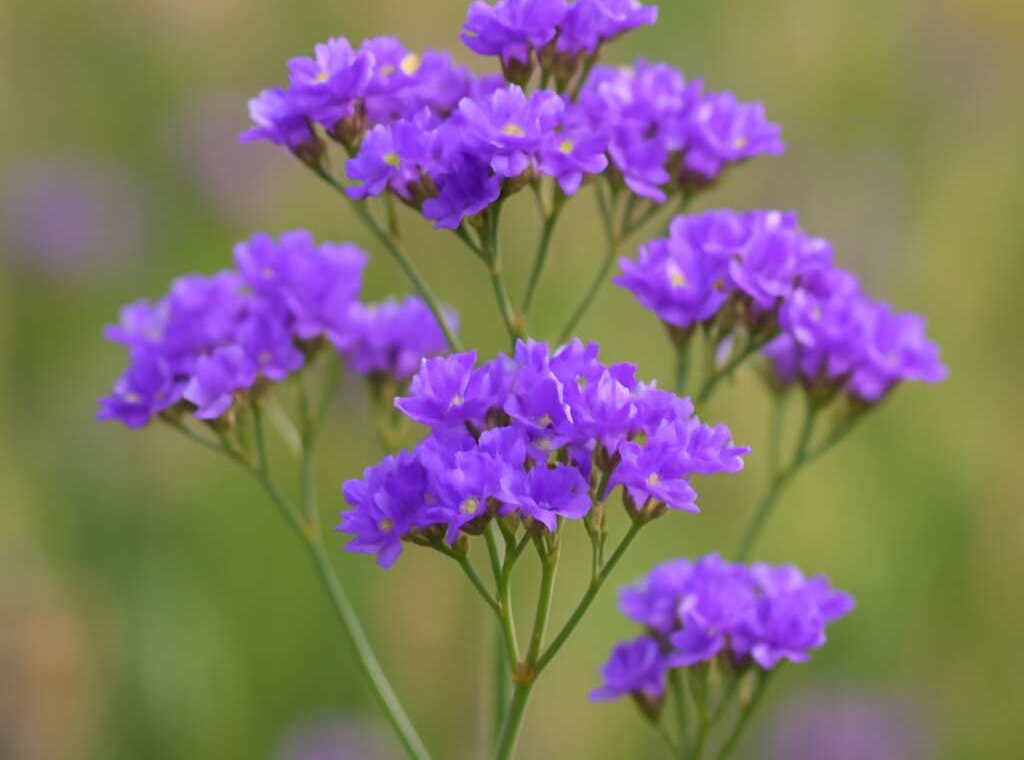






Latest Comments