Taxonomy and Botanical Characteristics of Quercus alnifolia
Overview of Quercus alnifolia – General description and botanical classification
Among the diverse botanical realm, Quercus alnifolia stands out as a remarkable emblem of Cyprus’s unique flora. Known as the Cyprus oak, this species contributes profoundly to the island’s natural landscape, embodying resilience and elegance in equal measure. Its scientific classification places it within the beech family, Fagaceae, a testament to its evolutionary kinship with other oaks famed for their strength and longevity.
Botanically, Quercus alnifolia is distinguished by its compact stature and dense foliage. Its leaves are leathery and lanceolate, carpeting rocky terrains with a shimmering crown that seems to whisper ancient secrets. The bark, rugged yet refined, matures into a silvery-grey hue that accentuates its majestic presence. This distinctive oak adapts to Cyprus’s arid climate through a set of specialized traits, including deep-rooted structures and drought-resistant foliage, which allow it to thrive where few others can.
- Genus: Quercus
- Family: Fagaceae
- Height: Typically up to 8 metres
- Leaf Characteristics: Leathery, lanceolate leaves with a silvery underside
Physical Features – Leaf shape, bark texture, and size
Amidst the rugged terrains of Cyprus, Quercus alnifolia reveals a rare symphony of botanical resilience and intricate beauty. This species, an emblem of the island’s natural heritage, captivates with its distinctive physical features. Its leaf shape is lanceolate and leathery, providing the perfect shield against harsh climates. The silvery underside of its leaves not only adds a shimmering contrast but also signifies its drought-resistant nature—a vital trait for thriving in Cyprus’s arid environment.
The bark of Quercus alnifolia is rugged yet refined, maturing into a striking silvery-grey that emphasizes its majestic presence. Its compact stature typically reaches up to 8 metres, giving it a formidable, yet graceful appearance. This oak’s dense foliage creates an almost supernatural canopy, whispering tales of ancient resilience. Deliberate in its design, Quercus alnifolia’s physical features serve as a testament to its evolutionary mastery of survival in challenging conditions.
Reproductive Structures – Flowering, acorn development, and pollination processes
Quercus alnifolia, a captivating species endemic to Cyprus, embodies a delicate balance between elegance and resilience. Its flowering process begins in early spring, where small, pale yellow catkins emerge, signaling the arrival of nature’s annual rebirth. These blooms attract pollinators, playing a vital role in the oak’s reproductive cycle and ensuring its persistence across generations.
As the flowers fade, acorn development takes center stage. These acorns mature over the course of one to two years, developing from tiny, green structures into substantial, russet-brown nuts. Pollination primarily occurs via wind, allowing the tree’s pollen to traverse the fragrant air, reaching receptive flowers and completing the cycle of reproduction. This process highlights Quercus alnifolia’s mastery of survival, adapting seamlessly to the rugged mountain terrains of Cyprus.
To appreciate the botanical intricacies of Quercus alnifolia, one might consider its reproductive structures as a testament to natural artistry. The interplay of flowering, pollination, and acorn development exemplifies a finely tuned evolutionary process that sustains this remarkable oak species.
Taxonomic Distinctions – Differences from related oak species
Quercus alnifolia claims a distinguished place within the botanical taxonomy of oaks, setting itself apart from related species through subtle yet pronounced differences. Native exclusively to the rugged mountains of Cyprus, this endemic oak boasts a unique position in the family Fagaceae, characterized by its refined botanical traits. The taxonomic distinctions are not merely academic; they reveal a story of evolutionary adaptation and geographic isolation that has shaped this species into a symbol of resilience.
Unlike its cousins in the Quercus genus, Quercus alnifolia stands out thanks to its distinctive leaf morphology and bark texture. Its leaves are small, elliptical, and finely serrated, a feature that reduces water loss—a crucial adaptation in Cyprus’s often arid mountain climate. The bark presents a corky, fissured appearance that offers further evidence of its evolutionary response to environmental stresses. These physical features, combined with its limited distribution, render Quercus alnifolia easily distinguishable from other oak species in the Mediterranean region.
- Compared to the widespread Quercus petraea, Quercus alnifolia exhibits smaller leaf size and a denser canopy, tailored for its specific habitat.
- Its acorns mature over a longer period, often requiring two seasons for full development, a trait that highlights its unique reproductive strategy among oaks.
- The leaf veins and arrangement are markedly different from those in Quercus coccifera, on which it subtly depends for its ecological niche.
This meticulous adaptation and clear taxonomic distinction underscore the importance of recognizing Quercus alnifolia not just as a botanical curiosity but as a vital piece of the island’s natural heritage. Its differences from related oak species illuminate a fascinating evolutionary path aimed at survival amidst Cyprus’s demanding terrain, ensuring that this remarkable oak remains a captivating subject for botanists and conservationists alike.
Habitat and Distribution of Quercus alnifolia
Native Range – Geographical regions and endemic zones
Quercus alnifolia, often dubbed the “Cyprus oak,” doesn’t just toe the line of botanical intrigue — it practically redefines it. Cradled within the rugged terrains of Cyprus, this endemic oak has carved out a niche so exclusive that it’s often regarded as the island’s botanical crown jewel. Its habitat is a testament to nature’s selective taste, thriving predominantly on limestone slopes where few other trees dare to root themselves.
The distribution of Quercus alnifolia is anything but widespread. Endemic to Cyprus, this oak’s range is confined to specific montane regions, making it a living emblem of the island’s unique biodiversity. The best part? It’s a resilient little fellow, often found in mixed Mediterranean forests and subtropical woodlands. Here are some key zones where Quercus alnifolia stands tall:
- Mountains of Troodos – the heartland of the Cyprus oak.
- Rocky hillside slopes with limestone substrata.
- Protected areas and nature reserves that ensure its survival amidst urban sprawl and climate change.
What makes Quercus alnifolia particularly captivating isn’t just its geographical exclusivity but also its adaptation skills, flourishing in zones where others might shy away. It’s truly a botanical marvel showcasing the resilience and specificity of Cyprus’s endemic flora.
Preferred Ecosystems – Soil type, topography, and climate conditions
Quercus alnifolia, often celebrated as the flagship species of Cyprus’s endemic flora, thrives in habitats that showcase nature’s artistry in adaptation. Its preferred ecosystems are characterized by limestone-rich soils, which provide a uniquely alkaline environment that supports its delicate balance between resilience and vulnerability. These soils are usually found on steep mountainsides or rocky slopes—settings that are at first glance inhospitable, but that this oak species has colonized with remarkable tenacity.
The topography favored by Quercus alnifolia includes rugged, uneven terrain—particularly the mountains of Troodos where the oak’s resilience truly shines. This topographical preference contributes to the species’ localized distribution, as it avoids more sedate or overly fertile zones. The climate conditions it endures are equally specialized: warm, dry summers coupled with moist, mild winters create a delicate ecological niche that this oak calls home. This climate demands services as natural as its root systems: adaptations that allow Quercus alnifolia to withstand prolonged droughts and sporadic frosts.
- Limestone slopes with well-drained, calcareous soils
- Elevations generally ranging from 900 to 1,200 meters above sea level
- A Mediterranean climate featuring hot, dry summers and cool, wet winters
In addition, the physical geography of its surroundings has helped shape the evolution of Quercus alnifolia, which thrives in areas where other trees might struggle. The rocky hillside slopes encourage both sun exposure and drainage, vital for the oak’s growth. This natural habitat sustains a resilience that stands as a testament to the depth of Cyprus’s botanical heritage and the specialized needs of Quercus alnifolia in its preferred ecosystems.
Habitat Adaptations – Drought tolerance, soil preferences, and growth habits
The delicate yet resilient nature of Quercus alnifolia captivates those fortunate enough to witness it thriving in some of the most unforgiving terrains of Cyprus. Nestled amid limestone-rich soils and rugged mountains, this oak species demonstrates extraordinary adaptation to its environment. Its preference for well-drained, calcareous soils on steep slopes makes it uniquely suited for life where many other trees would falter, revealing a story of survival etched into every leaf and bark.
In terms of habitat, Quercus alnifolia is often found at elevations ranging from 900 to 1,200 meters above sea level, where the Mediterranean climate’s warmth and dryness test its endurance. During hot, arid summers, its drought tolerance is vividly apparent, thanks to deep-rooted systems that reach into the rocky ground for moisture. This exceptional adaptation ensures that the oak can endure sporadic frosts and prolonged droughts that are common in its endemic ranges, emphasizing its role as a symbol of resilience amidst Cyprus’s natural landscape.
Its growth habits reveal a preference for sunny, rocky slopes which encourage sun exposure and facilitate drainage, allowing Quercus alnifolia to thrive where less hardy species struggle. The natural progression of its evolution has fine-tuned its physical traits to withstand the challenging conditions of its preferred ecosystems. Such adaptations not only underscore its unique role within the flora of Cyprus but also highlight its significance as a botanical treasure carefully sculpted by nature’s relentless forces.
By embracing its specialized habitat, Quercus alnifolia continues to stand as a testament to the endurance and adaptability of endemic species, offering a glimpse into how life persists against the odds in the rugged and rocky highlands of Cyprus.
Range Expansion and Conservation Status – Current distribution, threats, and conservation efforts
Quercus alnifolia, a striking symbol of Cyprus’s unique botanical heritage, possesses a fascinating distribution that underscores its status as an endemic species. Restricted primarily to the Troodos Mountains, this oak’s natural range is confined to a series of rugged, limestone-laden slopes at elevations between 900 and 1,200 meters. Its limited geographical spread heightens the importance of ongoing conservation efforts, as habitat fragmentation and human encroachment threaten its delicate existence.
In recent years, strategic conservation initiatives have sought to safeguard Quercus alnifolia from potential threats such as illegal logging, urban expansion, and climate change-induced droughts. Protected areas within the Troodos range serve as refuges, where careful management aims to preserve the integrity of this resilient oak species.
- Legal protections that restrict logging and land development
- Reforestation projects to restore degraded habitats
- Monitoring programs to track population health
These measures collectively support the survival of Quercus alnifolia, ensuring that future generations can witness its hardy resilience amidst Cyprus’s rugged terrain.
The expansion of Quercus alnifolia’s range remains constrained by its specialized ecological requirements, yet climate variations could inadvertently influence its distribution pattern. As the Mediterranean climate continues to shift, isolated populations of this oak may face increased pressure, emphasizing the urgency of targeted conservation strategies. Preserving the genetic diversity of Quercus alnifolia not only sustains its adaptive potential but also emphasizes its role as a flagship species for endemic flora conservation efforts across island ecosystems.
Ecological and Cultural Significance of Quercus alnifolia
Role in Local Ecosystems – Wildlife interactions, soil enrichment, and forest dynamics
Quercus alnifolia stands as a silent guardian within its native Cypriot landscapes, embodying more than just botanical beauty. Its role in local ecosystems is profound, intricately woven into the fabric of life that sustains diverse forms of wildlife. This endemic oak supports a myriad of bird species, which feast on its acorns and nest among its branches, weaving their stories into the forest’s daily symphony.
Ground-dwelling creatures find refuge beneath the expansive canopy, while insects rely on Quercus alnifolia for nourishment during crucial stages of their life cycle. Its leaf litter enriches the soil with organic matter, fostering a fertile environment that sustains understory plants and promotes forest regeneration. The tree’s presence influences forest dynamics, shaping the growth of neighboring flora and maintaining ecological balance.
- Wildlife interactions
- Soil enrichment through leaf litter
- Role in forest succession
Cultural Heritage – Historical uses, symbolism, and traditional practices
The majestic presence of Quercus alnifolia in Cypriot heritage goes beyond its striking beauty; it is a symbol woven into the cultural fabric of local communities. This endemic oak has historically served as a cornerstone for traditional practices, from crafting tools and furniture to offering shade during long, warm days. For generations, villagers have revered Quercus alnifolia, often associating it with resilience and endurance—qualities that mirror their own struggles and hopes.
Its symbolic significance resonates deeply, embodying strength and longevity in Cypriot folklore and customs. Many local festivals and rituals honor this oak, viewing it as a guardian of the land. Its presence not only safeguards ecological diversity but also preserves the stories and identity of those who have thrived in its shadow, making Quercus alnifolia a living testament to enduring cultural heritage.
Economic Value – Timber, ornamental uses, and potential for forestry
Amidst the rugged terrains of Cyprus stands Quercus alnifolia, a jewel in the crown of natural abundance and economic valor. This remarkable species offers more than visual grandeur; it embodies a resource with multifaceted potential. The timber derived from Quercus alnifolia is prized for its durability and fine grain, rendering it perfect for crafting furniture and artisanal woodenware that endure generations. Its ornamental appeal, with its robust foliage and unique bark texture, makes it an ideal choice for landscaping projects seeking a touch of historic elegance.
Beyond its aesthetic and utilitarian use, Quercus alnifolia’s potential for forestry shines through in its ability to thrive in challenging environments. Its drought-tolerant nature and adaptability to poor soils make it a candidate for sustainable forestry practices—supporting reforestation efforts and ecological restoration.
- Timber and furniture
- Landscaping and ornamental plants
- Reforestation projects and sustainable forestry
The economic opportunities linked to Quercus alnifolia extend further, offering a renewable resource that aligns with environmentally conscious initiatives.
Conservation Challenges – Habitat loss, invasive species, and climate change impacts
The ecological and cultural significance of Quercus alnifolia cannot be overstated; it is a living testament to resilience and enduring legacy. This endemic oak species weaves itself into the fabric of Cyprus’s natural landscape, supporting a delicate balance of wildlife and plant interactions that sustain local biodiversity. Its presence fosters vital habitat diversity for various bird and insect species, each plays a role in maintaining the ecological harmony of the region.
Yet, the grandeur of Quercus alnifolia faces formidable obstacles. Habitat loss driven by urban expansion, invasive species encroaching upon its environment, and the unsettling impacts of climate change threaten its survival. These challenges are not isolated; they threaten to unravel centuries of ecological and cultural history woven into the very roots of this species.
Efforts to conserve Quercus alnifolia must grapple with these complex issues—balancing human activity and ecological integrity, ensuring that this species continues to thrive amid changing environmental conditions. Its survival hinges on safeguarding its habitat, which holds profound cultural symbolism and ecological importance. If lost, the shadow cast by its absence would diminish not only the landscape but also the collective memory embedded within Cyprus’s natural heritage.
Cultivation, Propagation, and Management of Quercus alnifolia
Propagation Techniques – Seed collection, germination, and nursery practices
The art of cultivating Quercus alnifolia unveils a symphony of meticulous techniques and nature’s resilient artistry. Propagation begins with the careful collection of acorns, ideally harvested in late autumn when maturity is at its peak. These acorns, bearing the promise of new life, require immediate attention; their viability can diminish rapidly upon harvest.
Germination practices for Quercus alnifolia involve a chilling period—stratification—that mimics natural winter conditions, often lasting several weeks. This slow process awakens the seeds’ dormant potential, prompting sprouting in well-drained, sandy loam soil that echoes their native habitat.
Nursery practices emphasize gentle handling and protection from pests, fostering healthy seedling development. Transferring young Quercus alnifolia saplings into larger containers or prepared ground must be done with care to ensure their roots establish securely. For those eager to propagate this noteworthy oak, following an ordered sequence—such as seed collection, stratification, nursery sowing, and initial cultivation—creates the foundation for thriving growth.
Whether establishing a conservation project or ornamental landscape, proper management of Quercus alnifolia is vital; every step in propagation techniques echoes with the promise of resilience and longevity.
Cultivation Tips – Soil preparation, watering, and pruning advice
Deep within the shadowed groves of the Mediterranean, where the sun filters through twisted branches, lies a marvel of resilience—Quercus alnifolia. This ancient oak, cloaked in mystery, demands a cultivation approach that respects its fierce independence and adaptive soul. Cultivation of Quercus alnifolia begins with meticulous soil preparation; it thrives best in well-drained, sandy loam that echoes its native terrain. The ground must be gently cleared of competing flora, allowing the roots to anchor into the earth’s embrace with unwavering resolve.
Regular watering is paramount, particularly during the formative stages of growth. Yet, this oak’s natural drought tolerance encourages sparing hydration—overwatering can threaten its rugged vitality. Pruning should be approached with reverence, only removing dead or damaged branches to preserve its commanding silhouette while fostering healthy development. For those seeking to propagate Quercus alnifolia successfully, an ordered sequence of procedures unfolds: seed collection, stratification, nursery sowing, and careful transplantation. Each step echoes the resilience of this oak, shaping its future with deliberate patience.
Pest and Disease Management – Common threats and integrated control methods
Like a whisper from ancient times, Quercus alnifolia demands respect and finesse in its cultivation. Guardians of this resilient oak know that its survival hinges on delicate attention to pest and disease management. By understanding its natural threats, cultivators can safeguard this botanical marvel while preserving its unique character.
Common threats to Quercus alnifolia include the notorious oak aphid, whose relentless feeding can distort growth and weaken the tree. Fungal invasions, such as powdery mildew, also pose a risk, especially in humid conditions. To mitigate these challenges, an integrated approach combining cultural and biological controls is most effective. Regular inspections and maintaining proper airflow can reduce fungal outbreaks, while introducing natural predators like ladybirds can curb aphid populations without resorting to harsh chemicals.
For persistent problems, organic fungicides and insecticidal soaps may serve as gentle yet effective remedies. A well-rounded pest and disease management strategy aimed at Quercus alnifolia can foster a healthier, more resilient tree—standing as a living testament to the enduring spirit of this remarkable oak. The health of Quercus alnifolia hinges on vigilant oversight and a nurturing environment that echoes its native resilience, ensuring this exceptional species thrives for generations to come.
Landscaping and Uses in Garden Design – Aesthetic qualities and integration into planting schemes
The allure of Quercus alnifolia lies not only in its striking aesthetic but also in its adaptability within diverse garden schemes. Its elegant, leathery leaves and dense, textured bark make it an eye-catching focal point amid lush greenery. For landscape designers, this endemic Cyprus oak offers an exceptional opportunity to craft naturalistic settings that evoke a sense of timeless serenity. Its compact stature and resilient growth habits make it perfect for both formal gardens and wildflower meadows.
When integrating Quercus alnifolia into landscape planning, consider its preference for well-drained, slightly acidic soil and moderate watering needs. Its deep-rooting system ensures drought tolerance, providing stability even during periods of scarce rainfall. For gardeners keen on propagation, collecting acorns in autumn offers a sustainable method—germinate them in sandy soil, and with patience, you’ll nurture a young sapling that embodies resilience and beauty.
In garden design, this oak’s lush foliage offers dense shade and visual texture, functioning beautifully as a specimen tree in a mixed planting scheme. Its ornamental qualities become even more pronounced when paired with groundcovers and flowering shrubs, creating a harmonious tapestry that celebrates native biodiversity. Whether utilized as a solitary feature or within a broader ecological planting scheme, Quercus alnifolia’s unique charm and ecological benefits amplify its standing in modern landscaping.

 by
by 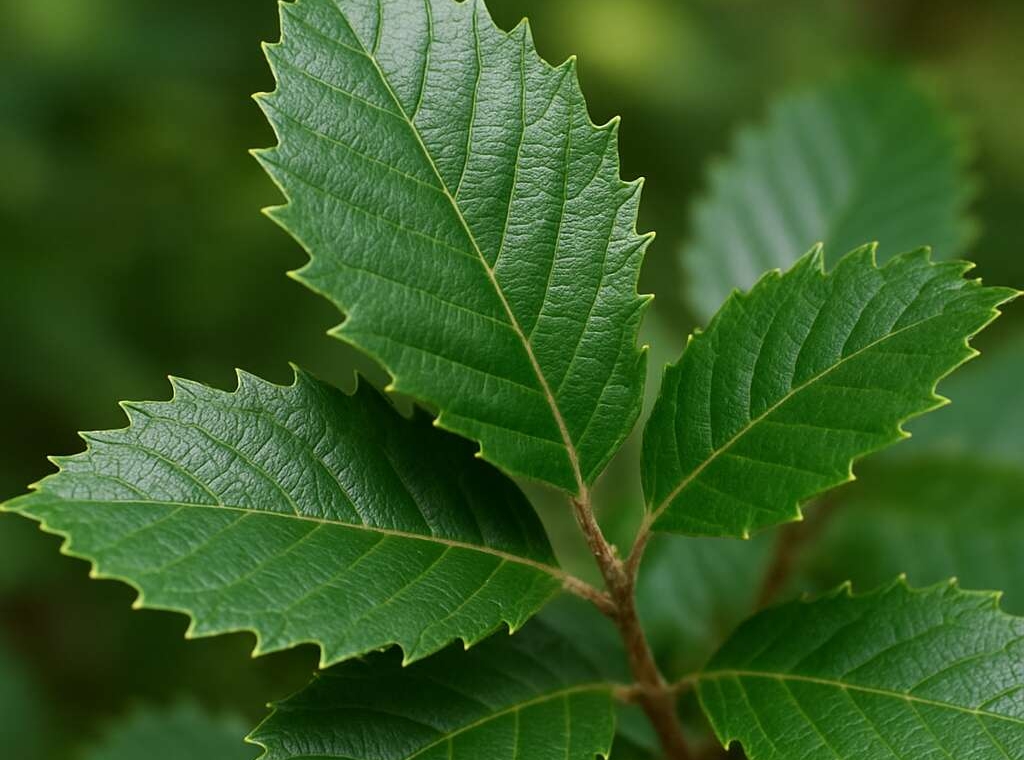


Latest Comments