Taxonomic Classification and Botanical Description
Overview of Arenaria rhodia subsp. cypria – Taxonomy, subspecies differentiation, and nomenclature
Taxonomy can be a tangled web, but for Arenaria rhodia subsp. cypria, it’s a carefully stitched fabric of botanical classification. This subspecies, nested within the larger Arenaria rhodia species, carries distinct features that set it apart in the plant taxonomy tree. Often regarded as a charming variant, it has earned its own subspecies status thanks to subtle differences in morphology and geographical distribution.
Distinguishing Arenaria rhodia subsp. cypria from its close relatives involves paying attention to minute details like leaf shape, flower size, and habitat niche. Some botanists might note its unique nomenclature, reflecting its Cypriot provenance, anchoring it firmly in the Mediterranean’s flora tapestry.
- Genus: Arenaria
- Species: rhodia
- Subspecies: cypria
This precise classification not only helps in identifying Arenaria rhodia subsp. cypria but also underpins its ecological importance, especially considering its limited geographic range and specialized habitat requirements.
Physical Characteristics – Plant size, leaf structure, flower morphology, and unique features
Amidst the rugged beauty of the Mediterranean, Arenaria rhodia subsp. cypria emerges as a botanical jewel, quietly orchestrating its presence within this ancient landscape. Its taxonomic classification reveals a finely tuned subspecies, distinguished from its relatives by subtle yet meaningful features. Each element of its botanical description offers a window into its unique identity, whispering tales of adaptation and resilience.
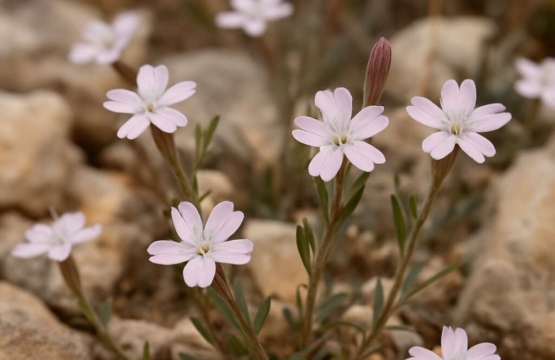
Standing modestly in stature, Arenaria rhodia subsp. cypria typically reaches a height of just a few centimeters. Its leaves are slender, often linear or grass-like, arranged in a dense and somewhat tufted manner that helps it withstand the harsh, rocky terrain it favors. The flowers — delicate yet vivid — bloom in clusters, showcasing petals that are often pale pink to white, with a charming and almost ethereal quality that captivates the keen observer.
- Size: Small, usually less than 10 cm tall, perfect for thriving in crevices and rocky outcrops.
- Leaf structure: Thin, elongated, and densely packed, aiding in water conservation and protection against wind.
- Flower morphology: Tiny, with five petals, radiating soft hues that contrast beautifully with the rugged habitat.
One of the distinct features of Arenaria rhodia subsp. cypria is its ability to cling to sheer cliffs and rocky slopes, often seen as a resilient whisper amidst the craggy terrain. Its roots have an uncanny knack for anchoring into nooks and crannies, allowing this subspecies to endure the Mediterranean’s unpredictable climate. This blend of delicate beauty and hardy survival makes Arenaria rhodia subsp. cypria a fascinating specimen within the flora tapestry of Cyprus and its unique ecological niche.
Genetic Traits and Variability – Genetic markers, subspecies distinctions, and natural variation
The taxonomic classification of Arenaria rhodia subsp. cypria reveals a fascinating story of botanical evolution and adaptation. As a distinct subspecies within the Caryophyllaceae family, it showcases subtle yet meaningful distinctions from its close relatives. Its morphological traits are rooted deep in its genetic makeup, setting it apart through specific markers that hint at its resilience and specialized niche.
Genetic traits within Arenaria rhodia subsp. cypria exhibit remarkable variability, a testament to its ability to thrive across Cyprus’s rugged landscape. Researchers have identified particular genetic markers that indicate natural variation, underpinning the subspecies’ adaptability to diverse microhabitats. This variability often manifests in slightly different flower colors or leaf shapes, which can differ depending on environmental conditions. Such variations are integral to its survival, allowing it to resist the challenges posed by rocky outcrops and unpredictable climate shifts.
While the core features of Arenaria rhodia subsp. cypria remain consistent—small stature, dense linear leaves, and delicate pink to white flowers—the genetic diversity within this subspecies fuels its resilience. This natural genetic variability not only helps it withstand habitat-specific pressures but also underscores its significance within the Mediterranean flora. Its distinct taxonomic footprint continues to intrigue botanists and conservationists alike, revealing the subtle complexity behind this resilient botanical marvel.
Habitat and Distribution in Cyprus
Native Range and Geographic Locations – Main regions where the subspecies is found in Cyprus
Cyprus, often celebrated for its rugged coastline and sun-drenched landscapes, serves as the captivating native range for Arenaria rhodia subsp. cypria. This subspecies thrives in the island’s limestone-rich regions, where its delicate presence adorns the craggy cliffs and rocky outcrops. Its habitat preference is primarily for well-drained, sunlit areas, where the resilient foliage endures the Mediterranean’s seasonal dry spells.
The geographic locations where Arenaria rhodia subsp. cypria is found reveal a pattern of distribution concentrated along Cyprus’ main coastal regions. The subspecies is particularly abundant in the Troodos mountains’ lower slopes, thriving amid limestone formations that provide a unique microhabitat.
Main regions include:
- Akamas Peninsula
- Cape Greco
- Troodos foothills
Here, the plant’s growth is often limited by altitude, yet its presence offers resilience and a delicate splash of floral purity amidst the rugged terrain. The precise adaptation to Cyprus’ specific geology makes Arenaria rhodia subsp. cypria a botanical emblem of the island’s natural heritage.
Ecological Niche and Environment – Preferred soil types, elevation ranges, and microhabitats
Amid the rugged cliffs of Cyprus, where the sea whispers secrets against ancient stone, resides a botanical enigma: Arenaria rhodia subsp. cypria. This delicate yet resilient subspecies carves out a niche within the island’s treacherous limestone formations, thriving in the shadows of nature’s rugged cathedral. Its preferred soil type is notably limestone-rich, providing a mineral tapestry that nourishes its fragile existence. The plant’s microhabitats are often found in sun-drenched crevices, where drainage is swift, and moisture is a rare gift.
Elevationally, Arenaria rhodia subsp. cypria favors lower to mid-altitudes, often nestled along the Troodos foothills or cliffside microhabitats in the Akamas Peninsula. These regions offer a sanctuary where altitude limits growth, yet the plant’s presence weaves a haunting beauty into the landscape. Its microhabitat choices reflect a preference for well-drained, sunny spots, where it endures the Mediterranean’s seasonal dry spells with a tenacity bordering on the mystical.
In Cyprus’ sprawling terrain, the distribution of Arenaria rhodia subsp. cypria remains concentrated along select coastal and mountainous corridors. Its localized spread emphasizes a finely tuned ecological niche, adapted to the island’s unique geology and climate. Special microhabitats, such as limestone outcrops and rocky ledges, serve as miniature kingdoms where this subspecies flourishes amidst the shadows of grandeur. Such specialized habitat preferences make Arenaria rhodia subsp. cypria a true emblem of Cypriot natural heritage.
Environmental Factors and Adaptations – Climate resilience, drought tolerance, and soil interactions
Amidst Cyprus’s rugged terrain, the habitat of Arenaria rhodia subsp. cypria reveals a tale of resilience and adaptation. With its roots anchoring deep within limestone outcrops, this subspecies exhibits a remarkable tolerance for the island’s well-drained, mineral-rich soils. The plant’s microhabitats—craggy crevices and sun-baked ledges—serve as sanctuaries where drought resilience is paramount.
The climate of Cyprus, characterized by scorching summers and mild, moist winters, tests the limits of Arenaria rhodia subsp. cypria’s endurance. Its physiological traits allow it to survive prolonged dry spells, thriving in microclimates that offer fleeting moisture from seasonal rains. This plant’s interactions with the soil highlight a fascinating relationship: its preference for limestone substrates provides not just a geological anchor but also essential nutrients, supporting its delicate form amidst the harsh Mediterranean environment.
In Cyprus, the distribution of Arenaria rhodia subsp. cypria remains intensely localized—clinging along coastal cliffs and atop mountainous ridges—each microecosystem echoing the plant’s adaptability. Such microhabitats act as natural fortresses against the erosive forces of wind and water, enabling this botanical enigma to flourish against the odds, a shimmering testament to how specialized habitat preferences shape survival.
- Exclusive coastal and mountain microhabitats
- Sun-exposed limestone outcrops
- Well-drained, mineral-rich soils
The intricate dance between climate resilience and soil interaction underscores the remarkable adaptations of Arenaria rhodia subsp. cypria, a true emblem of Cyprus’s resilient natural heritage. Its ability to endure and flourish within this landscape exemplifies nature’s poetic ingenuity.
Ecological Role and Conservation Status
Role in Local Ecosystems – Pollination, plant associations, and habitat importance
Arenaria rhodia subsp. cypria is more than just a delicate flowering plant—it’s a vital thread in Cyprus’s ecological tapestry. Its subtle presence can dramatically influence pollination dynamics within its native habitat. Bees and other native insects are particularly attracted to its small, vibrant flowers, which serve as a crucial energy source during lean seasons. This relationship sustains local insect populations and helps maintain the flowering cycles of surrounding flora.
In its native range, Arenaria rhodia subsp. cypria often forms associations with other Mediterranean plants, creating microhabitats that support a diverse range of organisms. Its presence stabilizes soil and prevents erosion in rocky areas, reinforcing the importance of this subspecies in habitat preservation. Conservation efforts are increasingly recognizing Arenaria rhodia subsp. cypria’s role in maintaining biodiversity, especially in fragile environments threatened by climate change and human activity.
- Pollination by native insects
- Habitat stabilization in rocky substrates
- Supporting plant diversity in Mediterranean microhabitats
Threats and Challenges – Human activity, invasive species, habitat destruction
In the hushed corners of Cyprus’s rugged landscapes, where the stone whispers stories of time, Arenaria rhodia subsp. cypria stands as a guardian of resilience. This delicate yet steadfast plant weaves a silent narrative of survival amidst the tumult of human activity and invasive species. Its fragile blooms, emerging like whispers of hope, serve as an emblem of natural perseverance within an environment increasingly challenged by habitat destruction.
Yet, the threats are myriad—the relentless march of urban development, livestock overgrazing, and the insidious encroachment of invasive species threaten to unravel the delicate fabric of its existence. Habitat fragmentation strips away the microhabitats that sustain its ecological niche, putting this subspecies at further peril. Preservation hinges on understanding these challenges, as Arenaria rhodia subsp. cypria’s future must be safeguarded in order to maintain the intricate web of life that it supports, from pollinating insects to surrounding flora.
Conservation Efforts and Measures – Protected area status, cultivation programs, and legal protections
In the shadowed recesses of Cyprus’s rugged terrain, Arenaria rhodia subsp. cypria emerges as a whisper from the stones—an unassuming yet vital thread in the fabric of this ancient landscape. Its role in the local ecosystem is subtle but profound; it pollinates with the quiet grace of dawn, fostering a delicate balance among the surrounding flora and fauna. This subspecies serves as an indicator of environmental health, its presence a testament to the resilience embedded within the island’s microhabitats.
To safeguard this fragile marvel, dedicated conservation efforts have taken root. Arenaria rhodia subsp. cypria benefits from protected area status—its natural habitats shielded from the relentless tide of urban expansion. Cultivation programs, carefully managed to mimic its native environment, aim to sustain genetic diversity and ensure its survival against the encroaching shadows of habitat destruction.
- Legal protections in Cyprus reinforce its preservation, recognizing the plant’s intrinsic ecological value.
- Research initiatives continuously monitor the species’ population trends and habitat integrity, guiding adaptive management strategies.
By weaving these measures into the fabric of conservation, human guardianship fights against the silent threat of invasive species and habitat fragmentation. Truly, the fate of Arenaria rhodia subsp. cypria hinges on our collective resolve to preserve its sacred space within Cyprus’s storied landscapes.
Uses, Cultural Significance, and Research
Potential Uses in Horticulture and Landscaping – Cultivation requirements and ornamental value
Arenaria rhodia subsp. cypria offers more than just visual appeal; it holds a subtle yet significant role in ecological harmony. Its ornamental value makes it an ideal choice for rock gardens and coastal landscapes, where its delicate, moss-like foliage cascades enchantingly over stones. The finely textured, star-shaped flowers add a splash of pure white that captivates admirers and invites gentle admiration. Cultivation requirements are modest yet precise—this subspecies flourishes in well-drained, rocky soils and appreciates exposure to full sun. Its drought tolerance and adaptability to microhabitats in Cyprus highlight its resilience.
Research potential uses in horticulture and landscaping are promising, expanding possibilities for sustainable gardens. Its natural growth habit suits erosion control projects, aligning with eco-friendly landscape practices. Growers and landscapers value its low maintenance and ornamental versatility, making Arenaria rhodia subsp. cypria a compelling option for regions where drought-tolerant, native plants are in demand. As a symbol of resilient beauty, it continues to inspire innovative ideas in garden design, blending ecological function with aesthetic elegance.
Ethnobotanical and Cultural Relevance – Historical uses, symbolism, and local traditions
In the rich tapestry of Cyprus’s native flora, Arenaria rhodia subsp. cypria stands out not only for its delicate beauty but also for its cultural resonance. This resilient subspecies, resilient against the harsh Mediterranean climate, embodies the quiet strength woven into the island’s natural history. Historically, local communities have regarded it as a symbol of perseverance, often associating its star-shaped, white flowers with purity and hope. These subtle yet persistent traits have led to its inclusion in various traditional symbols and regional stories, reflecting an unspoken respect for nature’s understated elegance.
Its role goes beyond mere ornamentation; Arenaria rhodia subsp. cypria has found a place in local traditions where indigenous populations have used it in folk remedies and botanical preparations, believing in its gentle healing properties. In cultural narratives, the plant exemplifies resilience and adaptability, inspiring stories that emphasize harmony between humans and the environment. This reverence underlines the plant’s ethnobotanical significance, reaffirming its status as a living heritage of Cyprus.
From a research perspective, Arenaria rhodia subsp. cypria offers intriguing possibilities for expanding our understanding of plant symbolism and ecological adaptation. Its natural persistence in microhabitats, often in rocky crevices and coastal cliffs, underscores its resilience against environmental pressures. These qualities make it a vital subject in ecological studies focused on drought tolerance and habitat specialization. Scholarly interest also explores how its genetic traits contribute to its stability, providing valuable insights into plant adaptability amid changing climates.
In the realm of ethnobotany, the plant’s traditional uses highlight the deep connection between people and their native plants. Local artisans and herbalists continue to regard Arenaria rhodia subsp. cypria as a symbol of endurance and natural beauty. Just as the plant’s delicate foliage cascades gracefully over stones, it quietly reminds us that strength often resides in understated resilience—an enduring lesson rooted in both its cultural significance and natural design.
Ongoing Scientific Research – Studies on genetics, ecology, and potential pharmaceutical applications
Arenaria rhodia subsp. cypria’s uses extend beyond its visual appeal. Indigenous communities have historically used it in folk remedies, harnessing its gentle healing properties for skin treatments and herbal infusions. Its role in traditional medicine underscores its ethnobotanical significance, symbolizing resilience in local cultures. With its hardy nature, this subspecies is increasingly considered for use in sustainable landscaping, especially in rocky or drought-prone areas, thanks to its adaptability.
The cultural significance of Arenaria rhodia subsp. cypria is often reflected in local symbolism. Its star-shaped flowers and robust growth serve as symbols of perseverance and hope—values deeply embedded in Cyprus’s regional stories. Its presence in art and folklore reinforces a collective appreciation for understated beauty and strength rooted in nature. This connection highlights how plants like Arenaria rhodia subsp. cypria encapsulate cultural identity, reminding us of the enduring bond between a community and its environment.
Research efforts are currently exploring the genetic traits of Arenaria rhodia subsp. cypria. Studies focus on its drought tolerance, ecological adaptation, and potential pharmaceutical applications. Researchers are keen on understanding how its unique genetic markers contribute to its resilience, particularly in microhabitats like rocky crevices and coastal cliffs. These environments select for traits that may inform broader ecological strategies for plant survival amid climate change.
Ongoing scientific investigations into Arenaria rhodia subsp. cypria involve examining its ecological role and exploring possibilities for medicinal use. For example, preliminary studies suggest that compounds found within it could have anti-inflammatory and antioxidant properties. Such findings energize the search for natural remedies derived from native plants, especially those with a proven history of folk use. It’s fascinating how this unassuming plant continues to inspire research that could yield novel pharmaceutical applications.
- Genetic studies to identify markers linked to drought resilience
- Ecological research on its microhabitat preferences and adaptability
- Pharmaceutical investigations into bioactive compounds for natural remedies
This blend of traditional significance and scientific inquiry underscores the multifaceted value of Arenaria rhodia subsp. cypria. Its natural persistence in challenging environments and potential as a resource for modern applications make it an intriguing subject. Whether in the lab or in local storytelling, this plant exemplifies a convergence of resilience, cultural heritage, and scientific promise.

 by
by 




Latest Comments