Botanical Characteristics and Taxonomy of Asperula cypria
Overview of Asperula cypria – Description of plant morphology, distinguishing features, and appearance
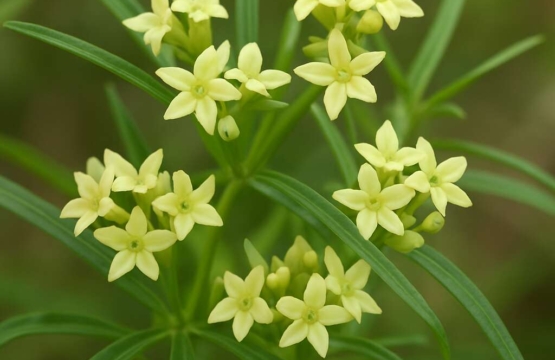
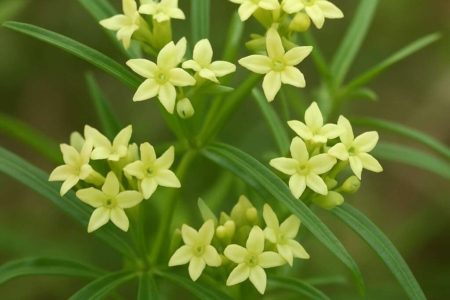
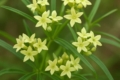
Asperula cypria captivates with its delicate yet resilient presence, a true gem among Mediterranean flora. This perennial herb features slender, whorled leaves that form dense mats, creating a lush carpet of vibrant green. Its small, tubular flowers, often tinged with subtle shades of purple or pink, bloom in clusters that emit a gentle, enchanting fragrance, making it a favorite for garden enthusiasts seeking both beauty and aroma.
From a botanical standpoint, Asperula cypria belongs to the Rubiaceae family, sharing its genus with other aromatic species. Its plant morphology is characterized by a creeping growth habit, with finely divided foliage that accentuates its intricate texture. The plant’s distinguishing features include its compact size—usually reaching up to 15 centimeters in height—and the aromatic nature of its leaves, which evoke a soft, herbal scent.
Taxonomically, Asperula cypria is classified as a subspecies endemic to Cyprus, thriving in rocky, well-drained soils. Its unique combination of morphological traits and genetic profile sets it apart within the Asperula genus, highlighting its adaptation to the specific climate and terrain of its native habitat. This plant’s ability to withstand drought conditions further underscores its significance as a hardy species suited for Mediterranean gardens and natural landscapes. A natural choice for those seeking to incorporate native, resilient plants into their outdoor spaces, Asperula cypria embodies both elegance and endurance in every leaf and flower.
Taxonomic Classification – Family, genus, and species details, including related species
Asperula cypria holds a fascinating place in the botanical world—part of the ever-intriguing Rubiaceae family, which obliges plant aficionados to marvel at this charming species. This native of Cyprus flaunts a unique taxonomy, with a genus that includes other aromatic plants, but none quite as resilient or endearing as Asperula cypria. Its classification as a subspecies endemic to the island underscores its exclusive connection to the Mediterranean terrain, thriving in rocky, well-drained soils that defy drought and neglect with equal aplomb.
From a taxonomic standpoint, Asperula cypria belongs to the genus Asperula, which boasts about 150 species, many of which share similar aromatic qualities. Among its relatives, Asperula odorata and Asperula tinctoria stand out—though they lack the endearing endemic charm of Asperula cypria, which is perfectly adapted to Cyprus’s rugged landscape. This plant’s ability to flourish in tough conditions is one of many reasons it has become a subject of admiration among botanists and gardeners alike.
In terms of plant morphology, Asperula cypria exhibits a creeping growth habit, with finely divided foliage that can, quite amusingly, form dense, lush carpets—like nature’s tiny green throws. Its small, tubular flowers tend to cluster together, adding splashes of subtle purple or pink, which exude a gentle aroma that’s both inviting and reminiscent of herbal remedies. Such qualities make Asperula cypria a natural choice for those looking to incorporate native plants into Mediterranean landscapes or to cultivate a resilient garden tapestry.
- Family: Rubiaceae
- Genus: Asperula
- Species: Asperula cypria
With its distinct taxonomic profile, Asperula cypria exemplifies the botanical diversity endemic to Cyprus, resonating through its genetic profile and morphological traits. It remains a compelling species, not only for its hardy nature but also for how it exemplifies the remarkable adaptability of the Asperula genus in Mediterranean climates. Whether as a resilient ground cover or an aromatic highlight in naturalistic gardens, Asperula cypria’s botanical characteristics certainly warrant the attention of enthusiasts and professionals alike.
Physical Attributes – Information on size, leaf shape, flowering period, and coloration
Stand back, botanists and casual garden enthusiasts—there’s more to Asperula cypria than meets the eye! With its tightly clustered, tubular flowers and vigorous creeping stems, this resilient mediterranean native is a master of disguise, blending seamlessly into rocky, well-drained soils. The plant typically reaches a modest height of around 10-15 centimeters, but don’t let its size fool you; its dense, finely divided foliage covers ground like a lush, green carpet—perfect for creating attractive, low-maintenance ground covers or aromatic accents.
Flowers grace Asperula cypria from late spring through early summer, showcasing delicate shades of purple or pink that whisper of herbal remedies and Mediterranean breezes. Its small, tubular blossom clusters emit a gentle, herbal aroma—an olfactory affirmation of its aromatic properties. The leaves, which resemble miniature fern fronds, are thin, lance-shaped, and arranged oppositely along the creeping stems, giving the plant a finely textured appearance. Whimsical yet hardy, Asperula cypria is not only a charming garden addition but a testament to the adaptability of the Asperula genus in tough climates.
- Size: approximately 10-15 centimeters in height
- Leaf shape: finely divided, lance-shaped, oppositely arranged
- Flowering period: late spring to early summer
- Coloration: subtle purple or pink flower clusters with aromatic, green foliage
Native strictly to Cyprus, Asperula cypria has evolved to thrive in rocky terrains that would make most plants run for cover. Its resilience makes it a prized choice for enthusiasts aiming to cultivate native plants or develop drought-tolerant gardens in Mediterranean-inspired landscapes. Whether cultivated as a resilient ground cover or used as an aromatic accent, Asperula cypria’s distinctive physical attributes position it as a must-have species for lovers of botanical diversity and hardy flora alike.
Habitat, Distribution, and Growth Conditions
Natural Habitat – Types of environments where Asperula cypria thrives
Nestled within the rugged microclimates of Cyprus, Asperula cypria flourishes in habitats that are both arid and rocky. Its natural environment often includes limestone slopes and calcareous soils where the well-drained terrain provides an ideal backdrop for this resilient perennial. The plant’s ability to adapt to these challenging conditions highlights its unique ecological niche.
Moving beyond its native terrain, Asperula cypria finds sanctuary in diverse microhabitats, such as scrubby hillsides and open woodland edges. Its growth conditions require a delicate balance of sunlight and shelter; it thrives under partial shade yet demands enough light to promote flowering. The plant’s robust nature allows it to coexist with other xerophyte species, making it a fascinating subject for botanists and enthusiasts alike.
The distribution of Asperula cypria remains chiefly concentrated in the Mediterranean region, particularly in Cyprus, where its specialized habitat sustains its fragile existence. Whether nestled within the cracks of rocky fissures or spreading across limestone terraces, this enchanting species embodies the resilient spirit of the Mediterranean flora.
Geographical Range – Distribution regions, especially in Cyprus and neighboring areas
Nestled in the sun-drenched microclimates of Cyprus, Asperula cypria is a botanical marvel that demonstrates nature’s knack for resilience. This charming perennial prefers arid, rocky terrains, making limestone slopes and calcareous soils its happy hunting ground. Its natural habitat, peppered with fissures in rugged terrain, provides the perfect backdrop for its sneaky, low-growing habit.
In terms of geographical range, Asperula cypria has a rather exclusive guest list—mainly Cyprus and nearby Mediterranean regions. Limited in distribution yet abundant in character, this species is a testament to the delicate balance of local ecosystems. Its growth conditions demand a specific set of circumstances: a blend of partial sunlight and shelter that encourages flowering without leaving it parched.
Growing in open woodland edges and scrubby hillsides, Asperula cypria shows its flexibility without losing its signature charm. Its adaptability to diverse microhabitats within its tiny but treasured range makes it a charismatic fixture of the Mediterranean flora scene. Whether sprawling across limestone terraces or hiding in rocky fissures, Asperula cypria stands as a resilient symbol of nature’s ability to thrive against the odds.
Environmental Requirements – Soil type, sunlight exposure, watering needs, and climate preferences
Asperula cypria is a captivating member of the Rubiaceae family, renowned for its adaptability to some of the most demanding environments in Cyprus and the Mediterranean basin. Its natural habitat typically includes rocky, arid terrains where limestone slopes and calcareous soils dominate, offering the plant just the right blend of mineral richness and drainage. These conditions foster the unique microhabitats that Asperula cypria calls home, often nestled in fissures within rugged terrain, where shelter from the harshest sunlight encourages healthy growth.
In terms of distribution, Asperula cypria is primarily found in Cyprus, with known populations on neighboring Mediterranean islands. Its limited range underscores its status as a specialized species thriving in a narrow ecological niche. Growing in open woodland edges and scrubby hillsides, this perennial exhibits remarkable resilience and flexibility, adapting to microhabitats that few other plants can colonize successfully.
Growth conditions for Asperula cypria are tailored to its specific needs. It prefers soil rich in calcareous material, with excellent drainage and partial sunlight exposure. It does well when sheltered from extreme heat—morning sun combined with shaded afternoons creates a perfect environment. Regular watering is essential during dry periods, but overwatering must be avoided as it risks root rot. This plant’s climate preferences lean toward warm, temperate conditions, thriving best in Mediterranean-like weather zones.
- Soil type: Calcareous, rocky, well-drained
- Sunlight exposure: Partial sunlight, sheltered zones
- Watering needs: Moderate, with careful attention to avoid overwatering
- Climate: Warm, temperate Mediterranean climate
These environmental requirements highlight the delicate interplay between Asperula cypria and its native ecosystem, emphasizing both its resilience and vulnerability. Whether sprawling across limestone terraces or nestled within rocky fissures, Asperula cypria exemplifies the extraordinary adaptability of Mediterranean flora to thrive amid adversity.
Cultivation Tips – Best practices for growing Asperula cypria in gardens or controlled settings
When it comes to cultivating the hearty yet delicate Asperula cypria, understanding its preferred habitat is half the battle won. This Mediterranean gem is a true chameleon, thriving quietly in rocky, calcareous terrains that would make most plants run for cover. Think limestone slopes—rugged, sun-drenched, and well-drained—and you’ve arrived at the natural home of Asperula cypria, which prefers microclimates sheltering it from the fiercest midday sun. Its knack for finding refuge in fissures and crevices speaks to its resilience and adaptability in harsh, arid environments.
Its distribution is quite specialized; Asperula cypria primarily inhabits Cyprus, with pockets on neighboring Mediterranean islands where its survival depends on just the right blend of mineral-rich soil and dry conditions. Growing naturally along woodland edges and on scrubby hillsides, it is a testament to how some plants excel in microhabitats that few dared to colonize. Whether nestled in rugged limestone cliffs or nestled within rocky fissures, Asperula cypria’s limited range highlights its status as a habitat specialist.
When it’s time to cultivate Asperula cypria outside its natural environment, mimicking those unique conditions is imperative. The plant adores calcareous, rocky soil that drains like a dream—think gravel, crushed limestone, or well-aerated soil with added grit. Partial sunlight is preferred; full sun might scorch its delicate leaves, while too much shade hinders flowering. Shelter from intense afternoon heat—perhaps by positioning it under a sheltered nook—can make all the difference for healthy growth. Regular watering during droughts is necessary, but remember—overwatering is akin to an invitation for root rot. So, a measured approach ensures Asperula cypria remains resilient, thriving in warm, Mediterranean-like climates even in the UK’s garden if you can recreate those microclimates.
Conservation Status – Assessment of population status and any protective measures
Asperula cypria is a rare botanical gem with a limited yet fascinating habitat that underscores its conservation importance. Native primarily to Cyprus, this plant thrives in rocky, calcareous terrain—especially limestone slopes and fissured cliffs—where it has adapted to survive in microhabitats that other plants find inhospitable. Its natural distribution highlights the necessity of preserving these microhabitats, which are crucial for maintaining the species’ genetic diversity and ecological role.
Assessing the conservation status of Asperula cypria reveals that its population is classified as vulnerable, given its restricted range and specialized habitat. Human activities like quarrying and land development threaten its habitat, making protective measures vital. Conservation efforts often include habitat management strategies such as monitoring population health, creating protected zones, and fostering the plant’s survival through cultivation in botanical gardens, which serve as ex-situ conservation sites.
In terms of growth conditions, asperula cypria’s survival depends heavily on its environment. It prefers well-drained, calcareous soil, thriving in gravelly or rocky substrates that mimic its native limestone slopes. While partial sunlight promotes optimal flowering, excessive exposure—especially during the hottest parts of the day—can cause stress. The plant’s resilience in dry conditions underscores its ability to withstand drought, but careful watering during extreme droughts is essential to avoid root rot. For hobby gardeners in the UK, cultivating asperula cypria in microclimates that resemble its Mediterranean origins is often necessary to sustain its delicate growth cycle.
- Protecting its natural habitat is paramount for the long-term survival of Asperula cypria and involves strict conservation measures at key sites.
- Efforts like habitat restoration and creating botanical reserves help mitigate threats from habitat destruction.
- Public awareness campaigns around the plight of habitat specialist plants are improving recognition of their ecological value and need for protection.
Uses and Applications of Asperula cypria
Horticultural Uses – Ornamental applications and landscape integration
Asperula cypria isn’t just a plant for those who love botanical curiosity—it’s increasingly valued for its ornamental and landscaping potential. Its dense, low-growing habit and charming floral display offer a unique aesthetic that seamlessly integrates into various garden styles. Whether used as ground cover or along pathways, Asperula cypria lends a natural yet cultivated look to outdoor spaces.
Landscape architects and garden enthusiasts alike appreciate its adaptability. Its ability to thrive in well-drained soil and sunny spots makes it an excellent choice for rock gardens or Mediterranean-inspired plantings. Its delicate, star-shaped flowers bloom profusely, providing a splash of understated colour during its flowering period. Many see Asperula cypria as an eco-friendly solution, fitting well with sustainable gardening practices.
In landscape design, Asperula cypria is often used for creating a lush ground cover or to soften hard edges within a botanical setting. Its resilience and aesthetics make it suitable for diverse applications, from urban plantings to rural garden schemes. For those seeking a low-maintenance yet visually appealing addition, Asperula cypria offers a natural charm that elevates any green space.
Medicinal Potential – Traditional or researched medicinal properties, if applicable
Asperula cypria has long been cherished not only for its aesthetic allure but also for its potential medicinal applications. Historically, plants from the Asperula genus have been used in traditional remedies, sparking curiosity about their healing properties. While scientific research into Asperula cypria’s medicinal potential remains limited, anecdotal evidence suggests promising hints of therapeutic benefits.
Some herbalists believe that Asperula cypria possesses mild anti-inflammatory qualities, making it a potential complementary treatment for skin irritations and minor wounds. Its delicate aroma and star-shaped flowers have also led to the hypothesis that extracts from the plant might have calming effects when used in herbal infusions. Interestingly, certain related species have been studied more extensively, revealing compounds that could be explored further for medicinal qualities.
In the realm of natural medicine, Asperula cypria is sometimes included in traditional herbal mixtures. While the scientific community continues to investigate its full spectrum of medicinal properties, awareness of its traditional applications remains strong among herbal enthusiasts. As interest grows, this plant’s subtle yet intriguing medicinal potential could pave the way for new herbal formulations, bringing an element of botanical wonder into modern phytotherapy.
Ecological Role – Contributions to local biodiversity and ecosystem support
In the charming world of botanicals, Asperula cypria stands out as a modest marvel. Its contributions to local biodiversity are often overlooked, yet this resilient plant is a vital player in its native landscapes. Growing naturally amidst rocky crevices and limestone slopes, Asperula cypria provides essential cover and forage for a variety of insects and small fauna. This underappreciated species inserts itself seamlessly into its ecosystem, supporting pollinators and fostering ecological harmony.
Asperula cypria’s ecological role extends beyond aesthetics; it acts as a natural stabilizer for soil, preventing erosion in its rugged habitat. Its star-shaped flowers attract bees, butterflies, and beetles—an impressive feat for a plant with such humble origins. The plant’s subtle presence is enough to sustain the delicate balance of its environment, making Asperula cypria not just a pretty face but a cornerstone of its natural habitat.
Garden Design Tips – Ideas for incorporating Asperula cypria into floral arrangements and garden layouts
Innovative Uses and Garden Design Ideas with Asperula cypria
Imagine a plant that whispers secrets of ancient landscapes, its star-shaped flowers weaving a delicate tapestry of colour and charm—Asperula cypria does just that. This resilient and charming species is rapidly gaining recognition not only for its ecological significance but also for its versatility in horticultural artistry. Garden enthusiasts seeking to craft a haven of subtle elegance should consider incorporating Asperula cypria into their layouts, transforming ordinary spaces into magical retreats.
When used thoughtfully in floral arrangements, Asperula cypria’s dainty blooms add a touch of ethereal beauty. Its soft pastel hues and starry blossoms lend themselves perfectly to delicate bouquets or as a gentle ground cover among larger arrangements. For those who prefer a naturalistic garden, this plant’s versatility allows it to blend seamlessly with gravel pathways or nestled among drought-tolerant succulents while providing a splash of understated colour. Its low-maintenance nature and charming appearance make Asperula cypria a favourite among gardeners aiming for botanical harmony.
In garden design, Asperula cypria excels as a border accent or evergreen carpeting, especially in rock gardens and limestone slopes. Its drought-tolerance and ability to flourish in rocky environments make it an ideal choice for environmentally conscious landscaping. Below are some inspiring ways to incorporate Asperula cypria into your garden:
- Plant it among Mediterranean-inspired plants to evoke an ancient, rugged landscape.
- Create a charming rock garden or alpine display that highlights its natural habitat.
- Use Asperula cypria as a ground cover to suppress weeds while adding subtle bursts of floral charm.
Its ability to thrive in sunny, well-drained soils with minimal watering aligns perfectly with sustainable garden practices, allowing you to craft a beautiful, low-maintenance space that celebrates its natural origins. Whether used as a focal point or as an understated filler, Asperula cypria’s understated beauty will transform any garden into a serene, enchanted landscape.
Propagation Methods – Techniques such as cuttings, seeds, or division for cultivation
For those with a passion for sustainable gardening and native flora, the propagation of Asperula cypria offers a fascinating journey into cultivating a resilient and charming plant. This species, native to the rugged landscapes of Cyprus, has garnered interest for its low-maintenance qualities and natural beauty. Propagating Asperula cypria can be achieved through several thoughtful methods, each suited to different gardening ambitions and environments.
One of the most straightforward techniques is propagation via cuttings. During early spring or late summer, mature stems are cut just below a node, then planted in well-drained soil, where they can root readily with minimal fuss. This method preserves the genetic integrity of the plant, ensuring that the charming star-shaped flowers and soft foliage continue to decorate the garden.
Seeds also provide an excellent avenue to cultivate Asperula cypria, especially for those interested in expanding or conserving genetic varieties. Seeds should be sown on the surface of moist, sandy soil in a cool sheltered spot. Patience is required, as germination might take several weeks, but the reward is a new generation of plants that echo the natural beauty of this species.
Another viable method is division, ideal for mature clumps that have naturally propagated over time. Carefully lifting and partitioning the plant ensures rapid establishment and sustains the ecological role Asperula cypria plays in its native habitats. This method promotes healthy growth and allows gardeners to share this native species without disrupting its natural landscape.
In selecting propagation methods for Asperula cypria, the gardener should consider local environmental conditions and intended landscape uses. Its ability to thrive in well-drained, rocky soils makes it adaptable to gravel gardens or drought-tolerant landscapes. Whether through layering, cuttings, seeds, or division, each method opens a new chapter in nurturing this resilient species, which embodies the rugged charm of Mediterranean environments.
Conservation and Research Perspectives
Current Research Status – Ongoing studies and scientific interest areas
Conservation efforts surrounding Asperula cypria are gaining momentum as scientists recognize its ecological significance. This native plant, endemic to Cyprus, faces threats from habitat loss and overgrazing. Researchers are actively studying its population dynamics and reproductive biology to develop effective preservation strategies.
Current research focuses on understanding the plant’s adaptability to changing environmental conditions. Scientists are conducting ongoing studies on its soil preferences, drought tolerance, and flowering periods. This information informs conservation projects and helps maintain biodiversity.
In addition, there is a growing scientific interest in exploring the medicinal potential of Asperula cypria. Some studies suggest it may contain compounds beneficial for traditional medicine. As interest in sustainable cultivation increases, researchers are experimenting with propagation methods that preserve genetic diversity. Protecting Asperula cypria is a priority, and ongoing research plays a vital role in ensuring its survival for future generations.
Threats and Challenges – Potential threats from habitat destruction, invasive species, or climate change
The fight to conserve Asperula cypria is becoming more urgent as several threats loom over this rare endemic plant. Habitat destruction due to urban expansion, agriculture, and infrastructure development continues to fragment its natural environment across Cyprus. Invasive species such as non-native grasses and shrubs also threaten to outcompete Asperula cypria, pushing it further toward endangerment. Climate change compounds these pressures, leading to unpredictable weather patterns and prolonged droughts that strain this drought-tolerant species.
One of the greatest challenges in preserving Asperula cypria is understanding its resilience within changing environmental conditions. Ongoing research aims to address this gap, focusing on its soil preferences and flowering periods. Protecting its limited populations requires coordinated efforts that include habitat restoration and controlling invasive species. Without sustained scientific attention, the future of Asperula cypria remains uncertain, making active intervention and adaptive conservation plans more crucial than ever.
Conservation Efforts – Existing initiatives and suggestions for preservation
Conservation efforts for Asperula cypria are gaining momentum as scientists and environmentalists recognize its fragile existence. Despite its limited range confined to the mountainous terrains of Cyprus, this rare endemic plant has inspired various initiatives aimed at safeguarding its future. Active measures include habitat restoration projects that replenish the natural environment and prevent further fragmentation caused by urban expansion.
To complement existing efforts, professionals suggest establishing protected areas specifically for Asperula cypria populations, ensuring that this enchanting flora remains undisturbed. Controlling invasive species such as non-native grasses and shrubs is also crucial to maintain its ecological niche. Engaging local communities in awareness campaigns can foster a sense of shared responsibility in preserving the unique biodiversity of Cyprus.
- Implementing seed banking programs to safeguard genetic diversity.
- Promoting habitat-specific cultivation in botanical gardens to educate and inspire public support.
- Supporting ongoing research to better understand its soil preferences, flowering periods, and resilience.
These initiatives aim to create a sustainable framework designed to maintain and enhance the natural populations of Asperula cypria. As scientific investigations continue, adaptive conservation strategies will become more refined—ensuring this delightful plant not only survives but thrives amidst a changing environmental landscape.
Future Research Directions – Areas needing further exploration, such as genetic diversity or ecological interactions
Future research into Asperula cypria holds exciting potential for uncovering the plant’s hidden secrets and ecological significance. While current investigations focus on its habitat and conservation needs, exploring its genetic diversity could reveal resilience traits vital for long-term survival. Understanding the ecological interactions of Asperula cypria—such as its pollinators and symbiotic relationships—may unlock new strategies for habitat preservation.
Scientists suggest prioritising areas like soil preferences and flowering periods to better inform cultivation and protection practices.
- Genetic variation within isolated populations
- Interactions with native fauna
- Response to climate change impacts
This detailed knowledge will help develop adaptive conservation strategies tailored to enhance the natural populations of Asperula cypria. As we delve deeper, the intricate ecological role of Asperula cypria within Cyprus’ mountainous terrains may come into sharper focus, guiding future preservation efforts. Embracing these research directions promises to safeguard this charming endemic for generations to come.

 by
by 
Latest Comments