Introduction to Carex cyprica
Overview of Carex cyprica – General description, botanical classification, and native habitat
Carex cyprica is a fascinating species within the diverse genus Carex, known for its slender, grass-like appearance and resilient nature. Originating from the Mediterranean region, particularly the islands around Cyprus, this sedge has adapted to thrive in rocky soils and coastal environments. Its botanical classification places it firmly within the Cyperaceae family, making it a noteworthy subject for both botanists and landscape enthusiasts alike.
With its tufts of fine, greenish foliage, Carex cyprica exudes a subtle elegance that enhances natural landscapes. This species is not only admired for its aesthetic appeal but also for its ecological role in preventing soil erosion and supporting local biodiversity. Native habitats often feature rocky crevices and saltmarshes, where Carex cyprica’s hardy roots anchor it against harsh conditions and fluctuating moisture levels.
- Climatic adaptability to Mediterranean environments
- Preference for rocky and coastal terrains
- Contributions to soil stabilization and habitat diversity
Physical Characteristics – Distinctive features, size, foliage, and growth habit
Carex cyprica, often overlooked in the rush of botanical marvels, embodies a subtle yet intricate beauty that speaks to the resilience of nature’s design. Its physical characteristics reveal a genus of sedges where form meets function, designed by evolution to withstand the challenges of rocky Mediterranean terrain. Growing in dense tufts, its slender, grass-like foliage exhibits a nuanced palette of greenish hues—sometimes tinged with subtle brown — that shimmer softly under the Mediterranean sun.
The typical size of Carex cyprica is modest but purposeful, with each tussock reaching approximately 20-40 centimeters in height. Permit your gaze to follow its growth habit, which is both prostrate and clumping, allowing it to form protective mats that anchor soil against erosion. Its leaves are fine, delicate, and arch gently, contributing to a graceful silhouette that, despite its resilience, exudes an understated elegance.
Distinctive features of Carex cyprica include its dense inflorescences—ephemeral and airy—that emerge from the crown in early summer. These flower spikes, tinged with subtle shades of brown, serve as a visual cue to its adaptability — thriving where others might falter. For landscape architects and ecologists alike, the plant’s growth habit not only offers visual texture but plays a crucial role in soil stabilization, especially on rocky or coastal terrains.
Immersed in its native habitat, Carex cyprica’s growth pattern reveals a masterful adaptation to fluctuating moisture levels and salty breezes. Its tufts tend to spread horizontally, creating a natural mosaic that exemplifies resilience, balancing the fine line between delicate appearance and hardy endurance. This sedge’s physical makeup is a testament to its role as a guardian of soil vitality, anchoring erosion-prone slopes and supporting biodiversity in the stark beauty of coastal microclimates.
Growth Environment – Preferred soil types, climate conditions, and watering needs
Stepping into the realm of resilient flora, Carex cyprica commands attention through its unique symbiosis with challenging environments. Native to the coastal and rocky terrains of the Mediterranean, this sedge reveals an affinity for well-drained, rocky soil types that mirror its natural habitat. Its preference for such conditions underscores a requirement for soil that offers both stability and subtle mineral richness, allowing its intricate root system to thrive amidst fluctuating moisture levels.
Climate considerations are integral to understanding Carex cyprica’s growth environment. The plant flourishes under a Mediterranean climate, characterized by hot, dry summers and mild, moist winters. It has evolved to withstand saline breezes and occasional droughts, making it an optimal choice for coastal microclimates. When cultivating Carex cyprica outside of its native surroundings, maintaining consistent watering—particularly during prolonged dry spells—is crucial. Its drought tolerance is paired with a need for moisture during establishment, which ensures vigorous growth and soil stabilization.
To truly mimic its native conditions, consider the following watering approach for Carex cyprica:
- Keep the soil lightly moist during the initial planting phase, avoiding waterlogging.
- Reduce frequency once established, relying on natural rainfall in appropriate climates.
- Provide supplemental watering during extended dry periods to prevent stress and promote lush foliage.
Cultivation and Maintenance of Carex cyprica
Planting Guidelines – Optimal planting time, propagation methods, and spacing
The optimal time to plant Carex cyprica is during early spring or late autumn when soil temperatures are moderate, allowing roots to establish without the stress of extreme weather. This hardy sedge thrives in well-drained, moist soils but is remarkably adaptable to various soil types, making it a versatile choice for ground cover or ornamental borders.
Propagation of Carex cyprica can be achieved through division or seed sowing. Division, often preferred for immediate results, involves carefully separating clumps and replating them with sufficient spacing to promote healthy growth. For those opting for seed propagation, sow the seeds in a cold frame or greenhouse during autumn, ensuring they experience natural stratification to improve germination rates.
Spacing is crucial; planting Carex cyprica with a distance of approximately 15-20 cm apart encourages a lush, dense mat that is both aesthetic and resilient. This spacing allows for natural expansion and minimizes competition for nutrients, ensuring the sedge reaches its full potential in a garden setting.
Care & Maintenance – Watering routines, fertilization tips, and pruning techniques
Carex cyprica, with its graceful tufts and delicate foliage, commands attention as a resilient sedge that elevates any garden landscape. Proper cultivation is the key to unlocking its full potential—much like tending a living tapestry woven with nature’s finest threads. Watering routines should emulate the sedge’s native habitat; a consistent moisture level encourages lush growth without oversaturation, ensuring roots breathe freely beneath the soil surface.
Feeding this sedge with a balanced, slow-release fertiliser in early spring fosters vibrant, verdant foliage. Pruning, done carefully, revitalises and maintains the plant’s aesthetic, removing any dead or yellowing blades that may diminish its elegance. For Carex cyprica enthusiasts, integrating a gentle trimming technique encourages dense, compact growth, transforming the sedge into a verdant mat that’s both resilient and ornamental.
Seasonal watering adjustments are especially crucial during droughts or cold spells, where a little extra care helps sustain its delicate beauty. During the growing season, consider mulching around the base of Carex cyprica to conserve moisture and suppress weeds—each aspect of maintenance entwines like poetry, reinforcing the sedge’s stature as a steadfast garden sentinel.
- Maintain consistent moisture levels to mimic its natural habitat.
- Apply fertiliser in early spring to promote healthy growth.
- Prune carefully to preserve its elegant form and encourage dense foliage.
Pest and Disease Management – Common issues, prevention strategies, and organic treatments
In the shadowed corners of your garden, where shadows dance and whispers of the wind carry ancient secrets, Carex cyprica lurks with an understated grace. Yet this elusive sedge is not immune to the lurking threats that can tarnish its delicate allure. Pests and diseases threaten to unravel its repose—slugs, aphids, and fungal enemies find sanctuary among its soft foliage. A vigilant eye is your first line of defence, seeking out curling blades or darkened patches that hint at trouble. Prevention hinges on good cultural practices: avoid overwatering, ensure proper drainage, and keep the area free of debris that might harbour pests.
For organic treatments, a gentle spray of neem oil or organic insecticidal soap acts as a silken veil against intruders, preserving the sedge’s pristine appearance without the poison of synthetic chemicals. If fungal issues arise, a mixture of compost tea or a diluted copper-based fungicide can quell the rot before it consumes the roots of Carex cyprica, ensuring it remains a resilient sentinel in your landscape. To keep these maladies at bay, regular inspection and maintenance are not just recommended—they are mandatory. After all, the fragile beauty of Carex cyprica hinges upon the unseen vigilance against its shadowy foes.
Uses and Applications of Carex cyprica
Landscaping Uses – Ground cover, border planting, and erosion control
Carex cyprica isn’t just a pretty face in the plant world; it’s a versatile workhorse for landscaping enthusiasts. Its dense, fine-textured foliage makes it perfect for ground cover, where it transforms barren patches into lush, green carpets. Landscape architects and garden designers love to tuck it along borders or cascade it over slopes to prevent erosion—because who wants a hillside that leaks soil faster than a leaking bucket?
This sedge’s natural resilience means it’s often employed in erosion control projects, stabilising soil on embankments or around water features. Its adaptability to various soil types and climate conditions makes Carex cyprica a go-to choice for creating low-maintenance, environmentally friendly garden features. Whether serving as a visual boundary or a natural barrier, Carex cyprica proves that sometimes, the simplest plants make the biggest impact.
Indoor and Container Gardening – Growing Carex cyprica indoors or in pots
Indoor and container gardening with Carex cyprica opens a world of lush greenery, even in the most unexpected places. Its fine, tufted foliage adds a refined texture to any indoor space, turning a dull corner into a focal point of calming serenity. Because of its adaptability, Carex cyprica thrives in well-draining pots and containers, making it a perfect choice for balconies, patios, or sunny windowsills.
Growing Carex cyprica indoors isn’t just about aesthetics; it’s about creating a living mosaic that enhances air quality and adds a natural touch to busy homes or offices. For a vibrant display, plant it alongside other low-maintenance varieties, or let its natural elegance speak for itself. With minimal fuss, Carex cyprica proves that bringing a piece of nature inside can be both simple and rewarding.
Environmental Benefits – Erosion prevention, habitat creation, and eco-friendly landscaping
Carex cyprica is more than just a lush ornamental grass; it plays a vital role in fostering environmental harmony. Its dense root system and resilient foliage help stabilize soil, making it an excellent choice for erosion prevention on slopes and vulnerable landscapes. In rural settings, Carex cyprica contributes to habitat creation, providing shelter and food for various wildlife species, from insects to small birds.
Eco-friendly landscaping with Carex cyprica enhances biodiversity and reduces reliance on chemical controls, supporting sustainable practices. Its low-maintenance nature aligns with organic gardening principles, making it a favored selection for those seeking eco-conscious solutions. Ideal for natural borders or ground cover, Carex cyprica seamlessly integrates into native plantings, promoting healthy ecosystems and resilient green spaces. Its ability to thrive in diverse environments underscores its importance in environmentally responsible landscaping strategies.
Carex cyprica in Landscape Design and Trends
Design Techniques – Creating naturalistic landscapes, accents, and contrasts
Transforming a landscape into a living tapestry requires a touch of botanical poetry—and Carex cyprica offers just that. Its delicate, arching foliage drapes gracefully across borders, creating a tapestry of green that whispers stories of serene naturalism. When incorporated into landscape design, Carex cyprica effortlessly produces contrasts—pair it with bold perennials or textured shrubs for a visual dialogue that enchants the eye.
Carex cyprica’s beauty lies in its versatility. Its fine-textured leaves add a subtle softness, making it perfect for creating naturalistic landscapes that mimic wild habitats. Whether used as ground cover or a border accent, it lends an organic feel that resonates with trend-conscious gardens seeking sustainable, eco-friendly aesthetics. Its ability to adapt to various soil types and climate conditions makes it a favourite among landscapers aiming to produce low-maintenance, yet richly textured environments.
In creating contrasts, designers often use Carex cyprica alongside other grasses, placing it in layered compositions that amplify its charm. Its gently flowing form introduces movement, making static designs burst with life and rhythm—a true masterpiece for modern trends in landscape design.
Complementary Plant Pairings – Pairs with other perennials, grasses, and shrubs
In the realm of contemporary landscape design, the strategic pairing of plants can evoke a dialogue between contrasting textures and forms. Carex cyprica, with its delicate, arching foliage, offers a poetic counterpoint when paired with robust perennials, textured shrubs, or taller grasses. Its subtleness acts as a whisper amidst bold statements, creating a visual tapestry that invites contemplation. When integrated thoughtfully, Carex cyprica transforms a garden from mere greenery into a living canvas, echoing the nuanced complexities of human emotion and the natural world.
Complementary plant pairings elevate the aesthetic to new heights. For instance, pairing Carex cyprica with vibrant perennials such as Echinacea or Rudbeckia creates striking contrasts. The upright, vibrant blooms juxtapose perfectly with the flowing, fine-textured leaves of Carex cyprica, establishing a layered composition alive with movement and rhythm. Similarly, textured shrubs like Berberis or Euonymus offer a structural counterbalance, anchoring the softness of Carex cyprica into a cohesive design.
Layering Carex cyprica among grasses such as Pennisetum or Miscanthus infuses a landscape with a dynamic sense of motion—gestures that seem to echo the silent stories of the land itself. Its versatility in plant pairings reflects a deeper desire for sustainability and eco-friendly aesthetics, allowing landscape architects to craft environments that speak of resilience and natural harmony. Such thoughtful combinations transcend mere decoration, touching the very soul of human connection with nature, urging us to see beauty not just in form but in the stories they tell.
Current Trends – Popular uses in modern gardens and sustainable landscaping
In the world of contemporary gardening, plant choices are no longer just about aesthetics—they’re about creating eco-friendly, resilient, and visually compelling landscapes. Enter Carex cyprica, the understated sensation that quietly transforms a garden into a tapestry of textures and tones. This delicate sedge, native to Mediterranean regions, is making waves in modern landscape design with its graceful arching fronds and adaptable nature. It’s proving to be an indispensable element for sustainable landscaping, especially in UK gardens where the climate encourages hardy, low-maintenance plants.
Carex cyprica’s popularity stems from its versatility; it thrives in a range of soil types and offers a soft, flowing contrast to bolder plantings. Its fine-textured foliage lends itself perfectly to attractively layered compositions—think borders, ground cover, or erosion control projects. For those seeking to create naturalistic environments that mimic the wild, Carex cyprica provides a whisper of movement and subtle elegance. Integrating it with taller grasses like Pennisetum or miscanthus enhances the visual rhythm—an effortless dance of form and flow.
In terms of planting trends, Carex cyprica stands out as an eco-conscious choice for modern gardens. Its ability to stabilize soil and create habitat makes it a favorite among landscape architects committed to sustainable practices. Whether used as a border accent or part of a wildflower meadow, its low-maintenance needs and resilience make it a smart option for those who prefer a more hands-off approach without sacrificing style.
With its natural charm and eco-friendly credentials, Carex cyprica continues to be a beloved staple in outdoor design. Its gentle presence offers a poetic counterbalance in mixed plantings, elevating everyday landscapes into living art. This unobtrusive plant’s role in sustainable landscaping underscores a broader desire among garden enthusiasts to harmonise beauty with environmental responsibility—an outstanding reason why Carex cyprica deserves a place in the modern garden scene.

 by
by 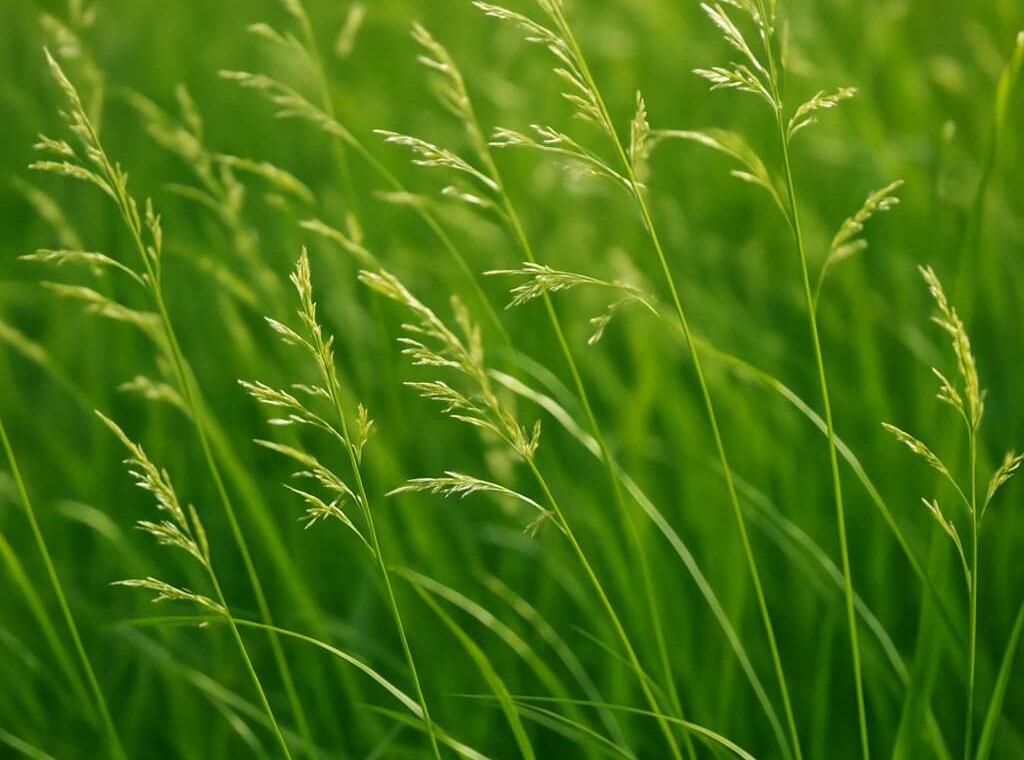




Latest Comments