Biological Characteristics of the Common Pipistrelle Bat
Physical Appearance – Descriptive details about size, fur color, and distinctive markings
In the quiet hours of dusk, the Common Pipistrelle Bat (Pipistrellus pipistrellus) begins its nocturnal ballet, captivating those fortunate enough to witness its delicate form. This diminutive creature, often mistaken for a mere shadow, embodies a slender elegance that belies its small stature. Measuring approximately 3.5 to 5 centimeters in head-body length, the Common Pipistrelle Bat is a testament to nature’s mastery of compact adaptability.
Its fur, typically a warm shade of reddish-brown to dark brown, provides a subtle camouflage against the bark of trees and the shade of buildings. Distinctive markings, such as a contrasting white or pale patch behind its ears, make the Pipistrellus pipistrellus easily identifiable amidst other bat species. A series of natural characteristics, including its pointed wings and tiny yet perceptive eyes, reveal a creature finely tuned to the nuances of night-time navigation.
- Size: 3.5-5 cm in length
- Fur color: Reddish-brown to dark brown
- Markings: Pale behind ears, distinctive facial features
The graceful silhouette of the Common Pipistrelle Bat exemplifies adaptability and resilience, thriving across Europe and parts of the United Kingdom, where their physical features play a vital role in their survival amid urban and woodland environments.
Distribution and Range – Geographical spread across Europe and neighboring regions
Biological Characteristics and Range of the Common Pipistrelle Bat
The allure of the Common Pipistrelle Bat (Pipistrellus pipistrellus) extends far beyond its delicate appearance; it is a master of adaptation, thriving across varied habitats throughout Europe and the United Kingdom. This diminutive creature’s biological traits are finely tuned to its nocturnal lifestyle, allowing it to navigate through urban and woodland environments with astonishing agility. The pipistrelle’s echolocation calls, a characteristic feature, enable it to pinpoint even the smallest insects in near darkness, illustrating a highly efficient feeding strategy.
With a wide geographical spread, the Common Pipistrelle Bat is a remarkable example of a resilient species with a broad range. Its presence is especially notable in temperate regions where roosts are found in tree cavities, buildings, and old structures. This adaptability to diverse sites indicates an evolutionary advantage, allowing pipistrelles to flourish in areas heavily influenced by human activity.
- Europe’s temperate zones
- Coastal regions and inland forests
- Urban margins with suitable roosting sites
Across its extensive distribution, the pipistrelle’s habitat preferences and foraging behavior highlight its ability to adapt rapidly to environmental changes, making it a beacon of resilience among UK and European bat populations. The common Pipistrelle Bat exemplifies a species remarkably attuned to its surroundings, thriving amidst both natural and built landscapes, a testament to its enduring biological success.
Behavioral Traits – Daily activity patterns, roosting habits, and social behavior
One of the most fascinating aspects of the Common Pipistrelle Bat (Pipistrellus pipistrellus) is its highly adaptable behavioral repertoire. These tiny creatures are active during the night, usually taking to the skies at dusk and returning before dawn. Their nocturnal activity pattern allows them to hunt for insects with impressive precision, thanks to their sophisticated echolocation calls. You might think bats just fly aimlessly, but Pipistrellus pipistrellus is quite the strategist, using sound waves to navigate complex urban and woodland environments.
Roosting habits of the Common Pipistrelle Bat are equally intriguing. They prefer to cozy up in tree cavities, crevices within old buildings, or other sheltered spots. During the breeding season, they often gather in colonies, creating a lively and bustling bat community. Social behaviors include a range of vocalizations and physical interactions that help maintain group cohesion, which is essential for survival and reproduction.
In terms of social behavior, Pipistrellus pipistrellus demonstrates a surprising level of organization. They communicate through ultrasonic calls, which can also serve as a form of social bonding among colony members. Their daily routine includes foraging in lush woodland edges or along urban margins where insects congregate, showcasing their remarkable flexibility in habitat selection.
- Active during twilight and night hours
- Roosts in tree cavities, buildings, and old structures
- Colony-based, with complex social interactions
All these behavioral traits paint a picture of a species finely tuned to thrive in a variety of environments. The Common Pipistrelle Bat’s agility, social structure, and adaptive roosting habits underscore its status as one of the most successful bat species across Europe and the United Kingdom. Pipistrellus pipistrellus is certainly not just a delicate flyer in the night sky; it’s a master of survival.
Diet and Feeding – Insectivorous diet, hunting techniques, and foraging times
The magic of the night unfurls with the relentless pursuit of the Common Pipistrelle Bat, or Pipistrellus pipistrellus, as it deftly navigates its shadowy realm in a dance of precision and finesse. These petite aerial hunters boast an insectivorous diet that sustains their swift, agile flight. Their hunting techniques are nothing short of extraordinary—using sophisticated echolocation calls to sweep the darkness for the faintest flutter of insect wings.
As twilight deepens into night, Pipistrellus pipistrellus emerges in search of sustenance, often in intervals synchronized with insect activity peaks. Their foraging times are meticulously adapted to the twilight hours and the deep of night, capitalizing on the abundance of nocturnal insects. In their quest, Pipistrellus pipistrellus employs the following tactics:
- Silent, agile flying to intercept prey mid-air
- Ultrasonic calls that bounce off insects, providing real-time spatial awareness
- Quick, darting movements to snatch diverse prey from woodland edges, urban perimeters, and open spaces
This combination of hunting techniques reveals a species finely attuned to its environment, capable of exploiting even the most challenging terrains. The diet of the Common Pipistrelle Bat primarily includes midges, mosquitoes, moths, and various small insects, reflecting its role as a crucial predator in maintaining ecological balance. Its nocturnal foraging legacy underscores the remarkable adaptation and evolutionary mastery of Pipistrellus pipistrellus—a true success story amongst Britain’s night creatures.
Habitat and Environmental Preferences
Roosting Sites – Types of locations used for roosting including buildings, trees, and caves
The Common Pipistrelle Bat (Pipistrellus pipistrellus) has a remarkable ability to adapt to diverse habitats in the United Kingdom, making it one of the most widespread and beloved small mammals in our rural landscapes. Their choice of roosting sites can be surprisingly varied, often reflecting the availability of suitable shelter in a rapidly changing environment.
Roosting sites for the Pipistrellus pipistrellus include an array of locations, from historic buildings and old barns to natural features like mature trees and caves. These bats are particularly fond of dark, sheltered places that provide safety from predators and environmental fluctuations. In urban and rural areas alike, they tend to seek out cracks, crevices, and voids in buildings, making old stone walls, rooftops, and abandoned structures prime real estate for these agile creatures.
- Buildings – especially old churches, barns, and sheds with accessible cracks or cavities
- Trees – especially mature oaks, plane trees, and other species with creviced bark or dense foliage
- Caves and man-made tunnels – offering cool, humid environments for roosting during certain seasons
The ability of Pipistrellus pipistrellus to exploit such a wide range of roosting sites highlights its resilience and adaptability. As they quietly emerge at dusk to hunt for insects, their choice of sheltered locations ensures they remain concealed from potential threats — a crucial factor for their survival in both rural and semi-urban settings. These seemingly humble bats continue to weave their silent presence into the fabric of the natural world, thriving on a variety of environmental niches that cater to their lifestyle and social structure.
Preferred Environments – Habitat types that support common pipistrelle populations
The Common Pipistrelle Bat (Pipistrellus pipistrellus) is a truly adaptable creature, thriving in a variety of environments across the United Kingdom. Their ability to find sanctuary in both natural and man-made sites makes them a remarkable example of resilience among small mammals. These bats prefer habitats where they can find sheltered, dark spaces—ideal for roosting and raising their young—ensuring their survival amidst changing landscapes.
Preferred environments for the Common Pipistrelle Bat include woodlands with mature trees that have creviced bark or dense foliage, providing ample shelter for rest and breeding. They also flourish in rural areas dotted with old barns, churches, and farm buildings, which serve as vital roosting sites. These structures often have cracks, crevices, and cavities that are perfect for this agile species to nest quietly away from predators.
In addition to woodland and rural buildings, the Common Pipistrelle Bat often discovers refuge in caves and tunnels. These man-made and natural underground habitats offer cool, humid conditions that are especially valuable during seasonal migrations or for hibernation. Such diverse environmental preferences underline the importance of maintaining a wide range of habitats, as they support healthy Pipistrellus pipistrellus populations and promote their continued presence in rural Britain.
- Mature trees with creviced bark and dense foliage
- Ancient buildings like churches, barns, and sheds
- Caves and tunnels providing humid, cool environments
Migration and Movement Patterns – Seasonal migration behavior and territorial ranges
The seasonal dance of the Common Pipistrelle Bat, Pipistrellus pipistrellus, is a mesmerizing testament to nature’s choreography of survival. As twilight descends over Britain, these delicate creatures embark on nightly foraging journeys, tracing intricate incisions through the air to hunt their preferred insect prey. Their movement patterns reveal a surprisingly expansive territorial range—often spanning several kilometers—where they navigate a web of familiar roosting sites nestled in trees, caves, and man-made structures.
During colder months, Pipistrellus pipistrellus engages in seasonal migration, seeking refuge in warmer, sheltered environments. This remarkable adaptability enables them to endure the shifting climates of the UK, often visiting different roosting sites as they follow the availability of insects or warmer microclimates. These migrations, subtle yet significant, underscore the importance of protecting a mosaic of habitats, from ancient churches to woodland canopies, that serve as waypoints along their seasonal voyage. In the quiet hours of night, the Common Pipistrelle Bat continues its elegant journey—an exquisite wonder wrapped in silent flight.
Impact of Urbanization – Effects of urban development on habitat availability and bat behavior
Urbanisation weaves a complex tapestry of challenges and opportunities for the Common Pipistrelle Bat (Pipistrellus pipistrellus). As cityscapes expand, natural habitats are increasingly fragmented, a silent transformation that influences the bat’s environment and behavior. Narrowing green corridors and dwindling ancient trees threaten their traditional roosting sites, forcing Pipistrellus pipistrellus to adapt swiftly to an evolving urban mosaic.
The impact of urban development on habitat availability is profound. These bats are remarkably flexible, often nesting in man-made structures like old buildings, bridges, and even under roof tiles. Yet, relentless construction and increased light pollution disrupt their nocturnal routines, making foraging more arduous. Light deters many insects—the primary diet of Pipistrellus pipistrellus—causing their flight paths to shift just as their microclimate refuges diminish.
Recognizing this delicate balance prompts a deeper appreciation of the need for habitat preservation and the incorporation of green features in urban planning. Creating bat-friendly environments—such as maintaining old trees or installing bat boxes—becomes more than conservation; it’s a necessary step to sustain Pipistrellus pipistrellus populations amidst relentless urban sprawl. By understanding these environmental preferences, we can foster a landscape where the silent flight of the Common Pipistrelle Bat continues to weave through the city’s shadows.
Role in Ecosystem and Conservation Status
Ecological Role – Importance in controlling insect populations and pollination
The Common Pipistrelle Bat (Pipistrellus pipistrellus) dances through the twilight with a silent grace that belies its tiny stature. These nocturnal creatures play a vital role in maintaining ecological balance, especially in the United Kingdom where they thrive amidst urban and rural landscapes alike. Their insectivorous habits make them nature’s own pest controllers, reducing the presence of moths, midges, and mosquitoes that would otherwise swarm in human habitats. With a swift, fluttering flight, Pipistrellus pipistrellus patrols the skies at dusk, expertly hunting invertebrates, shaping the health of countless ecosystems.
The ecological contribution of the Common Pipistrelle Bat extends beyond insect control. They are approximately 4 grams in weight, but their significance in pollination and seed dispersal, though less documented, hints at a broader ecological network. Conservation status for Pipistrellus pipistrellus remains stable in many areas, yet habitat fragmentation and urbanization pose ongoing threats to their populations. Protecting their preferred roosting sites—ranging from old buildings to secluded trees—ensures that these tiny guardians continue their vital work in ecological maintenance.
Conservation Concerns – Threats such as habitat loss, disease, and pollution
The Common Pipistrelle Bat (Pipistrellus pipistrellus) is a true marvel of the nocturnal world, flitting through the shadows with an almost mythical grace. Its role within the British ecosystem cannot be overstated; as a natural pest controller, it keeps insect populations, such as moths, midges, and mosquitoes, in delicate balance. These tiny creatures, weighing roughly 4 grams, are relentless hunters during their nightly forays, their swift, fluttering flights weaving an invisible tapestry of ecological maintenance across urban and rural landscapes alike.
Yet, beneath this poetic dance lies a fragile existence threatened by modern developments. Habitat loss looms large as the primary concern, with old buildings and mature trees—preferred roosting sites—being sacrificed to urban expansion. Disease, such as whitenose syndrome, and pollution further imperil Pipistrellus pipistrellus populations, eroding the resilience of this vital species. Protecting their preferred environments ensures that the symphony of their nightly hunts continues to resonate through the British countryside and townscapes.
To understand the scope of the challenges faced by the Common Pipistrelle Bat, it is helpful to recognize the specific threats they encounter:
- Habitat fragmentation, which isolates roosting sites and disrupts foraging grounds
- Pollution impacting their health and food sources
- Emergence of infectious diseases like whitenose syndrome
Recognizing these threats underscores the delicate balance of their survival. Conservation efforts focus on safeguarding roosting sites, creating green corridors, and monitoring disease spread, all aimed at maintaining the ecological harmony that Pipistrellus pipistrellus facilitates. As guardians of the night, these bats deserve recognition and protection to ensure that their enchanting silhouette continues to grace the twilight skies for generations to come.
Legal Protections – Regulations and conservation initiatives specific to Pipistrellus pipistrellus
The Common Pipistrelle Bat (Pipistrellus pipistrellus) is more than just a fleeting shadow in the night—it’s a silent sentinel of ecological balance. This diminutive creature, weighing merely 4 grams, weaves itself through the fabric of British life, controlling insect populations with relentless finesse. As they flit in and out of city nooks and ancient woodlands, their role in the ecosystem is both subtle and profound. These bats act as natural pest controllers, effortlessly managing moths, midges, and mosquitoes that would otherwise threaten to overrun the nightscape.
Protecting the lineage of Pipistrellus pipistrellus is essential, prompting a suite of conservation laws and initiatives across the United Kingdom. Legal protections are enshrined within European nature directives and national legislation, which safeguard roosting sites from needless destruction. Conservation initiatives often focus on creating green corridors and preserving old buildings—both are sacred spaces for the Common Pipistrelle Bat—ensuring their nocturnal ballet continues unbroken. Efforts also include monitoring disease impacts, such as whitenose syndrome, which threatens the resilience of this enigmatic species.
- Safeguarding roosting sites through planning regulations and habitat management.
- Implementing pollution controls to maintain healthy insect prey populations.
- Supporting research and monitoring programs that track disease spread and population changes.
The plight of Pipistrellus pipistrellus echoes in the corridors of conservation, demanding vigilance and care. As guardians of the night, these bats are a cryptic but vital piece of Britain’s natural heritage. Their existence hinges on the preservation of their preferred environments, weaving a fragile tapestry of shadows that stretches across urban and rural horizons alike.
Research and Monitoring – Efforts to study population trends and health indicators
The silent wings of the Common Pipistrelle Bat, Pipistrellus pipistrellus, flutter through the shadows of Britain’s night, revealing a creature of ecological artistry. Scientific studies reveal that these tiny beings, weighing only around 4 grams, are indicators of environmental health—serving as a barometer for the state of our natural habitats. Their presence in various regions signals healthy insect populations and thriving ecosystems, underscoring their role beyond mere nocturnal acrobats.
Tracking their population trends is paramount for conservation, as fluctuations can foretell shifts in habitat quality or emerging threats. Researchers employ a combination of acoustic monitoring and field surveys to gather data on Pipistrellus pipistrellus—a process that illuminates their seasonal movements and resilience to changing environments. Monitoring programs not only document growth or decline but also shed light on health indicators, such as the prevalence of white-nose syndrome, that threaten their future.
Efforts to understand these delicate creatures are enhanced by visualizing their migration corridors and foraging habits. Such insights underpin habitat management strategies, ensuring the preservation of vital roosting sites and insect prey populations. Every flutter of the Common Pipistrelle Bat’s tiny wings is a whisper of nature’s intricate balance, demanding vigilant study and dedicated conservation.
Human Interactions and Safety Considerations
Cultural Significance – Historical and cultural perceptions of pipistrelle bats
Human interactions with the Common Pipistrelle Bat, Pipistrellus pipistrellus, are often limited due to its nocturnal and elusive nature. Yet, this small mammal plays a vital role in our ecosystem by controlling insect populations, making it a fascinating creature to observe from a distance. Despite their beneficial presence, many people perceive pipistrelle bats through a mixture of fascination and concern, especially in urban environments where their habitats overlap with human spaces.
Cultural perceptions of Pipistrellus pipistrellus have varied throughout history. In some European folklore, bats symbolize mystery and the unknown, often depicted as creatures of the night with spiritual significance. The Common Pipistrelle Bat has often been misunderstood, sometimes associated with superstitions that cast bats as ominous figures. However, modern attitudes tend to favor conservation efforts recognizing their ecological importance. Some communities even regard pipistrelle bats as natural pest controllers, appreciating their role in reducing fly populations without the use of pesticides.
- Fear of disease transmission, though largely unfounded, still influences human attitudes.
- Historical reverence for bats as symbols of rebirth or protection in certain cultures.
- Urban development sometimes encroaches on roosting sites, prompting debates on coexistence.
Safety considerations are paramount in urban and rural settings. While Pipistrellus pipistrellus generally poses minimal risk to humans, it’s important to avoid disturbing roosting sites, especially during the breeding season. Bats can carry diseases such as bat fleas or mites, but transmission to humans remains exceedingly rare with proper precautions. Bat conservation initiatives often encourage the installation of bat boxes and preservation of natural roosts as ways to support the species without direct human interference.
Building and Property Management – Guidelines for coexisting with bat populations
Human interactions with the Common Pipistrelle Bat, Pipistrellus pipistrellus, often evoke a clash between curiosity and caution. As these nocturnal creatures flit silently through our urban environments, their presence becomes a subtle reminder of nature’s persistence amidst human development. It’s tempting to regard them merely as part of the night’s shadows, but understanding how to coexist with Pipistrellus pipistrellus is paramount in safeguarding both their wellbeing and our peace of mind.
Safety considerations play a pivotal role in property management. While generally harmless, pipistrelle bats can carry parasites like mites or bat fleas, which pose little threat if precautions are followed. Avoid disturbing roosting sites during the breeding season — a period where they are especially vulnerable. Installing bat boxes instead of blocking natural roosts not only supports their ecological needs but also prevents unnecessary conflicts.
In populated areas, hesitation often arises from unfounded fears of disease transmission. Yet, proper hygiene practices and adherence to legal protections ensure human health isn’t compromised. For instance, some property owners use simple, humane strategies—like sealed entry points — to prevent bats from roosting in unwanted locations without risking their safety or disrupting their natural behaviors.
Given their adaptability, pipistrelle bats often choose roosting sites inside buildings, trees, or caves, seamlessly blending into urban and rural landscapes alike. This behavior underscores the importance of coexisting thoughtfully; regulation and responsible management can foster harmony. An increasing awareness ensures that these small mammals—like the Common Pipistrelle Bat—are viewed less as nuisances and more as invaluable parts of our shared ecosystem.
Health and Safety – Potential health risks, such as zoonotic diseases, and mitigation strategies
Human interactions with the Common Pipistrelle Bat, Pipistrellus pipistrellus, invite a nuanced conversation about health and safety. As these delicate creatures navigate the shadows of urban landscapes, concerns about zoonotic diseases often surface. While the risk of transmission is minimal if proper precautions are followed, awareness remains crucial. Parasites like mites and bat fleas are common in roosting populations but generally do not threaten human health if contact is avoided during handling or disturbance.
Mitigation strategies form a vital part of coexisting harmoniously. Sealing entry points, rather than blocking essential roosting sites, can effectively prevent unintentional encounters. The simple act of maintaining cleanliness around buildings minimizes the chances of attracting these small mammals into human spaces.
It’s worth noting that legal protections safeguard the Common Pipistrelle Bat, Pipistrellus pipistrellus, underscoring the importance of responsible management. Proper hygiene practices, such as wearing gloves when inspecting roosts or handling bats, reduce any potential health risks without disrupting their natural behaviors.
A practical approach involves understanding the bat’s habits: they often roost in buildings, trees, and caves.
- Ensuring that natural habitats are preserved or mimicked with bat boxes can divert their interest away from human structures.
By balancing safety considerations with ecological respect, property managers can foster a coexistence that emphasizes the ecological importance of the Common Pipistrelle Bat, Pipistrellus pipistrellus.
Bat Conservation Engagement – How individuals and communities can support bat preservation efforts
Human interactions with the Common Pipistrelle Bat, Pipistrellus pipistrellus, should be approached with a combination of respect and a dash of scientific curiosity. While these tiny creatures generally prefer to keep to themselves—swooping gracefully through the twilight hours—the myth that they seek out human contact to cause mischief is wildly exaggerated. Still, a nod to safety considerations is prudent, especially when handling or inspecting roosts. Wearing gloves, for instance, isn’t just about avoiding the superstitions or myths: it’s a simple, effective mitigation strategy that protects both humans and bats.
Support from communities plays an astonishing role in conservation efforts, yet misconceptions about zoonotic diseases often cloud good intentions. The truth is, transmission risk from Pristrelle bats is minimal if proper hygiene is maintained. To foster a harmonious coexistence, consider information dissemination that emphasizes bat-friendly building management. Sealing entry points can prevent unintentional encounters without disturbing their natural habitats—be it buildings, trees, or caves. It’s as much about protection as it is about preserving their crucial ecological role—after all, the Common Pipistrelle Bat is a formidable insectivore, quietly keeping the bug population under control.
Community engagement can take many forms, from educational programs to installing bat boxes in suitable environments. These bat-friendly initiatives help redirect Pipistrellus pipistrellus away from human structures and into safe, natural or mimicked habitats. When citizens become educated stewards of these mild-mannered mammals, it results in a symbiotic relationship far richer than the fleeting fear of zoonotic diseases.
Supporting bat preservation isn’t just about safeguarding a species; it’s about recognizing their role in maintaining the ecological balance. Whether you’re a property manager, conservationist, or an eco-conscious homeowner, encouraging responsible interactions with Pipistrellus pipistrellus lays the foundation for a safer, healthier environment—one bat-friendly building at a time.

 by
by 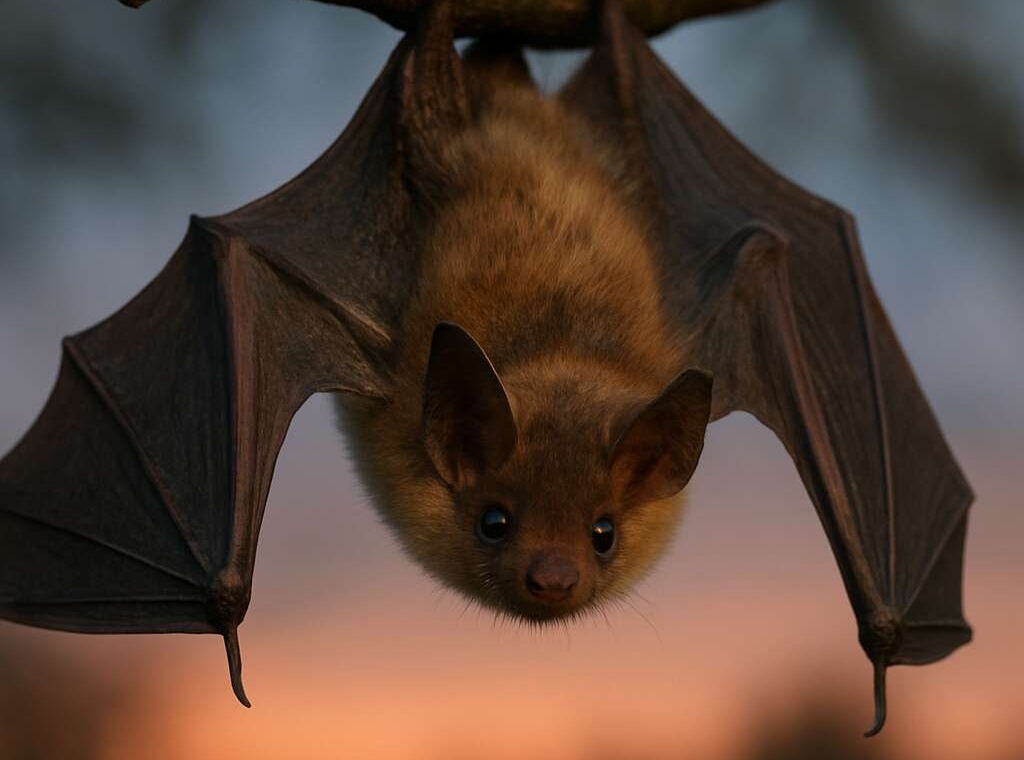








Latest Comments