Introduction to Euphorbia lemesiana
Overview of Euphorbia lemesiana – Botanical characteristics and origins
Euphorbia lemesiana is a striking succulent that captures attention with its unusual appearance and resilient nature. This species belongs to the diverse Euphorbiaceae family, known for its drought-tolerant traits and unique botanical features. Native to the arid regions of Madagascar, Euphorbia lemesiana has adapted remarkably to survive in harsh environments where water is scarce and temperatures fluctuate sharply.
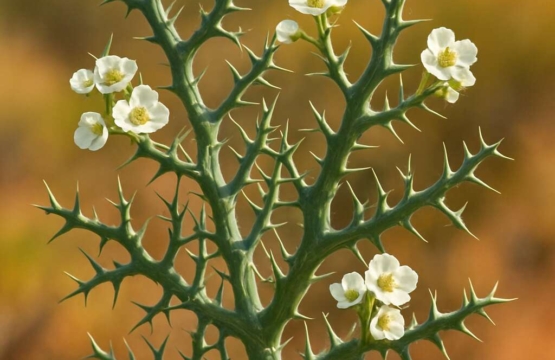
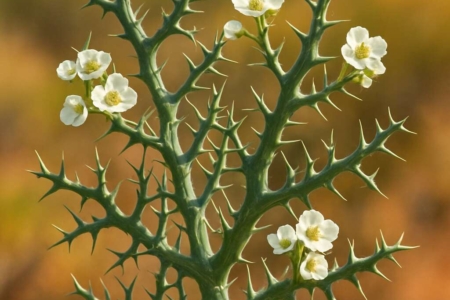
Botanically, Euphorbia lemesiana boasts a compact, branching structure covered in thick, grey-green stems often adorned with small spines. Its distinctive appearance includes a dense arrangement of stems that form a tight, woody base, making it an attractive choice for succulent collections. The origins of Euphorbia lemesiana lie in Madagascar’s unique ecosystem, where it evolved to withstand extreme climatic conditions.
For those interested in rare succulents, Euphorbia lemesiana offers a fascinating blend of resilience and visual appeal. Its adaptability to various cultivation settings has increased its popularity among succulent enthusiasts worldwide. Whether used as a focal point in a xeriscape garden or kept indoors, Euphorbia lemesiana remains a standout specimen in the world of drought-resistant plants.
Taxonomy and classification – Genus Euphorbia and its diversity
In the ever-expanding universe of succulents, the genus Euphorbia stands as a testament to botanical diversity and resilience. Among its myriad members, Euphorbia lemesiana emerges as a particularly enchanting example, captivating enthusiasts with its sculptural form and hardy nature. This species, with its distinctive appearance and unique evolutionary path, exemplifies the remarkable versatility of the Euphorbia genus.
Belonging to the Euphorbiaceae family, Euphorbia lemesiana is part of a broad and diverse grouping that includes plants adapted to some of the harshest climates on Earth. The genus Euphorbia itself boasts over 2,000 species, each varying in structure—from sprawling ground covers to towering cacti-like forms. Such diversity makes Euphorbia an intriguing subject of study and admiration among botanists and succulent lovers alike.
- The genus Euphorbia showcases a wide range of adaptations, from drought tolerance to chemical defenses that deter herbivores.
- Euphorbia lemesiana, in particular, exemplifies these adaptations through its thick, spiny stems and compact growth habit.
By understanding its taxonomy and classification within this expansive genus, one gains deeper insights into the evolutionary marvel that Euphorbia lemesiana represents. Its placement in the Euphorbiaceae family highlights a lineage characterized by resilience and a penchant for thriving in extreme environments. This botanical context illuminates the fascinating journey of Euphorbia lemesiana—an elegant yet formidable member of the Euphorbia family, and a shining example of nature’s ingenuity in plant survival strategies.
Natural habitat and distribution – Regions where Euphorbia lemesiana thrives
In the arid corners of Ethiopia, where rugged terrain meets blazing sun, Euphorbia lemesiana thrives as a testament to nature’s resilience. This species, with its robust, spiny stems and compact silhouette, is perfectly adapted to survive in climate zones that challenge even the hardiest plants. Its natural habitat is primarily characterized by rocky slopes and semi-desert regions, where water is scarce and temperatures can soar during the day.
Euphorbia lemesiana’s distribution is largely confined to specific regions in Ethiopia—regions celebrated for their unique biodiversity. Its ability to flourish in such extreme conditions makes it a fascinating subject for botanists and succulent enthusiasts alike. Native to these rugged terrains, Euphorbia lemesiana has become a symbol of survival amidst adversity. Its habitat not only provides a sanctuary for this remarkable plant but also highlights the ecological diversity that this species embodies.
Physical Features and Morphology
Distinctive plant structure – Size, shape, and growth habit
Euphorbia lemesiana is a marvel of botanical architecture, presenting a distinctive silhouette that commands attention even in the most arid landscapes. Its physical features unveil a complex interplay of size, shape, and growth habit that make it stand out among succulent species. Often, mature Euphorbia lemesiana reaches a height of up to 1.5 meters, with an elongated, columnar form that exudes both resilience and elegance. Its dense, gray-green stems are lined with prominent ribs, giving it the appearance of a living sculpture crafted by nature’s own hand.
The plant’s morphology is characterized by a branching pattern that starts from a sturdy base, often forming a symmetrical, meditative stance. Its growth habit reflects an adaptive strategy to survive in regions where water conservation is vital—showcasing a slow, measured ascent as it develops into a striking centerpiece. For those interested in the botanical intricacies of Euphorbia lemesiana, its distinctive structure offers a captivating example of how form and function coalesce seamlessly in this remarkable desert native.
Leaf and stem characteristics – Texture, color, and arrangement
Few plants exemplify resilience with such captivating flair as Euphorbia lemesiana. Its physical features reveal a riveting story of adaptation, where tactile and visual elements collide in perfect harmony. The stems, painted in shades of silvery-gray-green, are both sturdy and surprisingly smooth to the touch, yet lined with prominent ribs that hint at an underlying architectural poetry. This ribbed texture not only adds to its aesthetic charm but also plays a crucial role in water conservation—a testament to its desert-born ingenuity.
When examining its morphology, Euphorbia lemesiana’s leaf and stem characteristics emerge as central to its identity. The plant bears sparse, small leaves that often appear as if in quiet retreat, limiting water loss amid arid conditions. Its stems, elongated and columnar, tend to grow in a symmetrical pattern—like a disciplined sculpture carved by nature herself. The arrangement of these features offers a balanced visual appeal while facilitating photosynthesis with minimal water expenditure.
- Gray-green coloration with a muted luster
- Elegant, ribbed stems that serve both structural and conservation purposes
- Sparse leaves that minimize transpiration
Encased in a web of resilience, Euphorbia lemesiana’s morphology symbolizes more than botanical adaptation; it embodies a harmonious blend of form and function—making it a standout among succulents and a darling for enthusiasts who appreciate both beauty and endurance. Its physical features are not merely ornamental but function as vital components in thriving within regions where water is a prized commodity. Such design brilliance solidifies Euphorbia lemesiana’s reputation as a quintessential desert native, inspiring admiration in every gardener’s eye.
Flower and fruit description – Blooming patterns and seed development
Few plants evoke such a mesmerizing blend of resilience and elegance as Euphorbia lemesiana. Its physical features tell a silent story of desert endurance, where every ribbed stem and sparse leaf has a purpose rooted in survival. The plant’s stems are painted in shades of silvery-gray-green, exuding a muted luster that seems to shimmer under the bracing sun. These stems are elongated, perfectly symmetrical, and adorned with prominent ribs—each groove serving as a testament to the plant’s innate architectural ingenuity in water conservation. Such features make Euphorbia lemesiana a true marvel of natural design.
Moving beyond its striking morphology, Euphorbia lemesiana also boasts a unique flowering pattern. Its small, luminous flowers bloom in clusters that appear almost like delicate firework displays against its muted stems. These blossoms are primarily yellow with hints of green, radiating a subtle vibrance that contrasts beautifully with the plant’s subdued color palette. The flowering season often coincides with the cooler, wetter months, a strategic timing that ensures seed development occurs within a protected environment.
- The flowers are borne on terminal inflorescences called cyathia—a characteristic feature of Euphorbia.
- Once pollinated, the plant produces small, oval seed capsules that ripen rapidly, dispersing seeds across the arid landscape.
- Seed pods often explode open with a gentle burst, scattering seeds like tiny miracles designed for propagation.
This fascinating reproductive cycle makes Euphorbia lemesiana not only visually captivating but also ecologically influential. Its seed development, paired with blooming patterns, underscores a natural mastery of timing and resilience—turning the harsh desert environment into a canvas of life’s persistent artistry.
Adaptations for survival – Mechanisms for drought and pest resistance
Euphorbia lemesiana’s physical features and morphology are nothing short of extraordinary, showcasing a plant finely tuned for survival in some of the harshest environments. Its elongated, ribbed stems are painted in silvery-gray-green hues that reflect the sun’s relentless rays, a natural adaptation to minimize water loss. These sturdy stems, often measuring up to several feet, are arranged with remarkable symmetry, embodying a perfect example of desert resilience. The grooves and prominent ribs on each stem are architectural marvels, designed to maximize water storage and reduce surface area exposed to the elements.
Beyond its striking appearance, Euphorbia lemesiana has evolved clever mechanisms for drought and pest resistance. Its sparse leaves—sometimes absent altogether—limit transpiration, while the thick, succulent stems act as reservoirs for precious moisture. The plant’s surface features a waxy coating that further minimizes water evaporation and adds an extra layer of protection against pests. An adaptive strategy that stands out is the subtle coloration of the stems, which camouflages it in the arid terrain, discouraging herbivorous attacks.
- Waxy coating for water conservation
- Silvery-gray-green coloration for sun reflection
- Reduced leaf surface to limit water loss
Pollinators face the challenge of the plant’s tough environment, yet Euphorbia lemesiana’s flowering pattern ensures reproductive success. Its small, luminous flowers bloom in clusters, often clustered at the tip of elongated stems—demonstrating a refined evolutionary design for wind and insect pollination in arid climates. The rapid ripening of seed capsules, which often explode with a gentle burst, showcases an efficient seed dispersal mechanism, ensuring the plant’s survival even in the most unforgiving landscapes. Such features illustrate the delicate balance Euphorbia lemesiana maintains between resilience and adaptability, a true testament to its natural ingenuity.
In the face of drought and pests, Euphorbia lemesiana’s sophisticated adaptations highlight a resilience that is both survivalist and undoubtedly elegant. Its architectural design, coupled with protective features like waxy coatings and strategic coloration, make it a resilient icon of desert flora, thriving where many others falter. Every rib, every seed, and every flower tells a story of perseverance, a vivid reminder of nature’s ability to craft beauty and strength out of adversity.
Cultivation and Care Tips
Soil and watering requirements – Optimal soil types and watering frequency
Euphorbia lemesiana is a resilient succulent that demands specific soil and watering requirements to thrive. Its natural habitat in arid regions signals the need for well-draining soil to prevent root rot and mimic its native environment. A mix of sandy loam with coarse gravel ensures optimal drainage, supporting healthy root development.
Watering should be infrequent; once every three to four weeks is generally sufficient, especially during the warmer months. Overwatering is a common mistake and can be fatal to Euphorbia lemesiana. During winter, reducing watering frequency further helps maintain its drought-resistant nature.
For successful cultivation, consider using a container with drainage holes to avoid water accumulation. A simple watering routine, combined with an appropriate soil mix, will help your Euphorbia lemesiana stay vigorous and attractively shaped. Proper care ensures this unique plant remains a striking feature in any xeriscape collection.
Lighting and temperature preferences – Sun exposure and climate considerations
Lighting and temperature conditions play a pivotal role in cultivating Euphorbia lemesiana, a plant that thrives on the edge of desert resilience. This remarkable succulent demands bright, direct sunlight—ideally, at least six hours daily—to develop its distinctive shape and coloration. Inside a temperate climate like the United Kingdom, positioning Euphorbia lemesiana near south-facing windows or under outdoor shade during the hottest part of summer ensures it receives ample sun exposure while safeguarding it from harsh midday heat.
Maintaining optimal temperature is equally crucial. Euphorbia lemesiana prefers a warm environment, ideally between 18-25°C. It is sensitive to frost, so in cooler months, move it indoors or provide protection against freezing temperatures. A gentle, consistent warmth mimics its natural habitat in arid regions, enabling the plant to flourish with minimal fuss. If you’re considering where to place Euphorbia lemesiana, remember that steady temperature levels contribute profoundly to its drought-resistant nature and overall health.
Understanding its adaptability to sunlight and climate allows for a unique appreciation of how Euphorbia lemesiana balances its needs with the environment. For those seeking to create a striking xeriscape or a low-maintenance indoor garden, this plant’s optimal lighting and temperature preferences highlight its resilience without demanding excessive intervention. Whether situated in a sunny conservatory or a well-drained balcony, Euphorbia lemesiana rewards careful placement with extraordinary visual appeal and enduring vitality.
Propagation methods – Seeds, cuttings, and other techniques
Propagation of Euphorbia lemesiana can be both rewarding and straightforward when approached with patience and understanding. The plant can be propagated through seed sowing or by using cuttings, each method catering to different gardener preferences and experience levels. Seeds are natural and produce offspring that carry the genetic diversity of the plant. To maximize germination, it’s best to sow seeds in a well-draining cactus or succulent soil mix during the early spring. Keep the soil moist but not soggy, and place the container in a bright, sunny spot. Germination typically occurs within a few weeks, giving you a new Euphorbia lemesiana to nurture.
Cuttings offer a faster alternative for propagation, especially in cultivating mature specimens. Take a healthy, mature stem cutting during the plant’s active growth period. Allow the cut to callus over for a few days before planting it in a similar well-draining soil mix. Water sparingly during the initial rooting phase. Using rooting hormone can enhance success, but it’s not mandatory. Once roots are established, gradually reintroduce regular watering as the plant develops.
For those looking to expand their collection or create plant backups, layering or division can sometimes be used with Euphorbia lemesiana. These techniques help maintain the plant’s resilience and overall health while maintaining genetic consistency. Proper propagation and diligent care ensure that Euphorbia lemesiana continues to thrive, whether in indoor gardens or outdoor xeriscapes.
- Handle cuttings with gloves — Euphorbia lemesiana’s sap can be irritating to skin.
- Ensure good airflow around seedlings to prevent fungal issues.
- Use sharp, sterilized tools to avoid infecting cuttings or seeds.
Common challenges and solutions – Pest management and disease prevention
Cultivation of Euphorbia lemesiana reveals a delicate dance between nature’s resilience and human attentiveness. While this striking succulent demands well-draining soil and a mastery of light, it can fall prey to common challenges like pests and fungal ailments, especially in damp or poorly aerated conditions. Vigilance is the gardener’s greatest ally — regularly inspecting for unwelcome visitors such as mealybugs or spider mites can save your Euphorbia lemesiana from decay. A literal fortress of good airflow acts as a silent shield against disease, letting the plant breathe in and out like the rhythmic pulse of desert winds.
Consistent care involves not only monitoring pests but also preventing ailments through cleanliness and cautious watering practices. Overwatering can birth root rot, while neglecting hygiene invites fungal invasion.
- Use sterilized tools to prune or handle cuttings.
- Maintain a controlled environment, avoiding excess moisture.
- Isolate new plants before integrating them into your collection to curb pests.
For the plant’s health and longevity, attentive cultivation marries patience with precision. Its natural habitat, often arid and sun-drenched, underscores the importance of mimicking such conditions; an environment with appropriate lighting and dry soil will ensure your Euphorbia lemesiana remains vigorous and striking. When pests strike or disease threatens, swift intervention—carefully applied organic remedies or targeted insecticidal treatments—serves as the ultimate safeguard, preserving the innate beauty and resilience that makes Euphorbia lemesiana so extraordinary.
Uses and Significance
Ornamental applications – Decorative aspects and landscape use
Euphorbia lemesiana isn’t just a plant—it’s a statement, a dash of sculptural elegance that elevates any garden or landscape design in the United Kingdom. Its distinctive, succulent stems and striking silhouette make it a natural choice for those seeking to create a visually arresting botanical canvas.
When it comes to ornamental applications, Euphorbia lemesiana excels as a focal point or an accent piece, thanks to its architectural form and resilient nature. Its ability to thrive in poor soil conditions and drought-resistant traits make it suitable for xeriscaping and low-maintenance garden schemes.
Garden designers often incorporate Euphorbia lemesiana into Mediterranean-inspired landscapes or modern minimalist arrangements, where the plant’s dramatic presence complements the clean lines and understated aesthetic. In addition, its adaptability means it can be used in containers or rock gardens, adding texture and depth. For those emphasizing structural plantings, Euphorbia lemesiana’s bold form and evergreen foliage provide year-round interest, making it an invaluable member of any ornamental repertoire.
Ethnobotanical importance – Traditional uses and cultural significance
Euphorbia lemesiana carries more than just ornamental appeal; it holds deep ethnobotanical significance rooted in traditional practices across regions where it naturally occurs. Historically, this resilient succulent has been employed for its medicinal qualities, often used by local communities to treat skin conditions or as a purification agent. Its cultural importance extends beyond practical uses, embodying symbolism of resilience and adaptability, principles highly cherished in local folklore.
Native to arid landscapes, Euphorbia lemesiana’s significance in traditional applications is complemented by its role in cultural rituals, where its striking appearance often serves as a symbol of strength and endurance. Interestingly, some communities have incorporated parts of Euphorbia lemesiana into ceremonial artifacts, emphasizing its cultural weight. The plant’s unique resilience and utility have cemented its status as an ethnobotanical treasure, weaving botanical purity with cultural identity and enduring legacy in its native regions.
Conservation status and efforts – Protection measures and ecological importance
In the shadowed corners of desert realms, where resilience is forged in arid silence, Euphorbia lemesiana emerges as a botanical enigma — a testament to nature’s unyielding spirit. Yet, beyond its sculpted beauty, this extraordinary plant holds a profound ecological significance, standing as a sentinel in its native habitats. Its rugged form and hardy nature make Euphorbia lemesiana a crucial component of soil stabilization and erosion prevention, quietly preserving fragile ecosystems amid relentless droughts and harsh conditions.
Conservation efforts surrounding Euphorbia lemesiana are shrouded in urgency, as its unique adaptation mechanisms face threats from overharvesting and habitat destruction. Protección measures are steadily gaining ground, including propagation programs and habitat restoration projects that aim to safeguard this living relic. Recognizing its ecological importance, efforts now focus on ensuring the survival of populations through sustainable cultivation and legal protections, reversing the tide of decline that endangers its existence.
- Preservation of native habitats
- Controlled cultivation to prevent overharvesting
- Legislation for plant protection
Potential medicinal or economic uses – Research insights and prospects
Euphorbia lemesiana holds a fascinating place in the world of rare succulents, offering more than just eye-catching beauty. Its potential medicinal or economic uses are increasingly capturing the attention of researchers eager to unlock its hidden properties. Rich in unique phytochemicals, this resilient plant shows promise in natural remedies — especially in traditional medicine systems where plants with medicinal potential have long been valued.
Scientists are exploring the possibility of extracting compounds from Euphorbia lemesiana that could serve as sources for novel pharmaceuticals or bioactive substances. Its hardy nature also makes it a candidate for sustainable cultivation, opening doors for economic opportunities in horticulture and herbal industries. Some enthusiasts speculate that its latex, a characteristic feature within the Euphorbia genus, might possess antimicrobial or anti-inflammatory properties worth investigating further. As research progresses, Euphorbia lemesiana’s role as a botanical treasure trove continues to unfold, promising exciting prospects in medicinal and economic fields.

 by
by 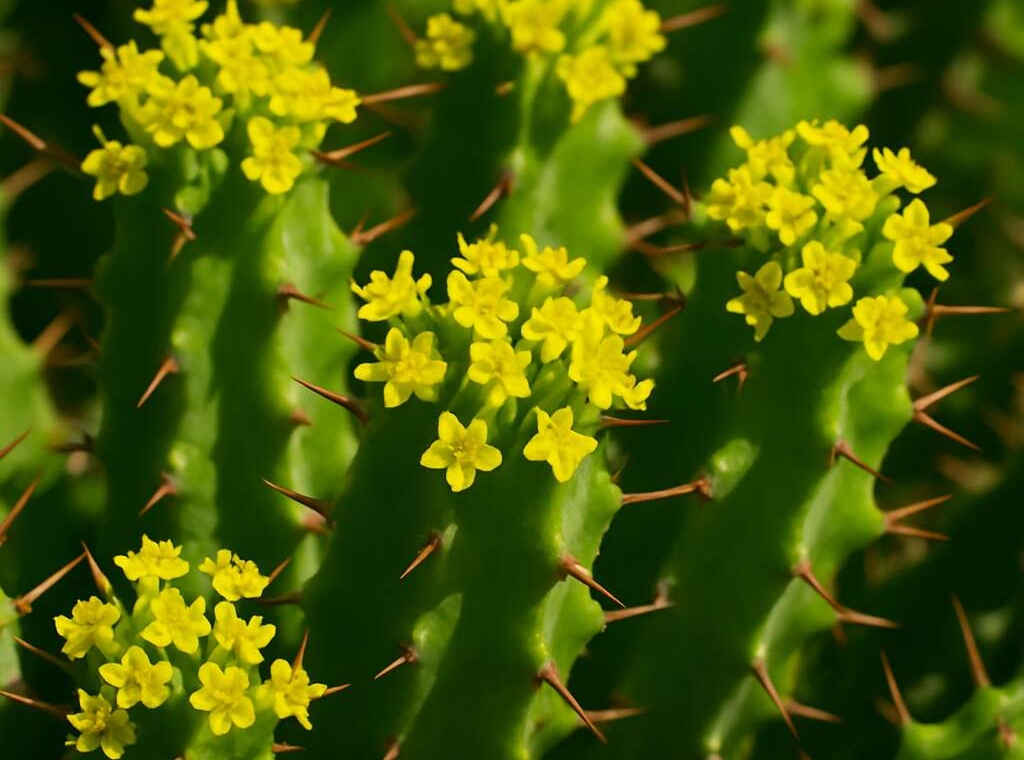



Latest Comments