Taxonomic Classification and Physical Characteristics
Overview of Bufotes viridis – Taxonomic position within amphibians and unique identifiers
In the intricate web of amphibian diversity, the Green Toad (Bufotes viridis) stands out with its remarkable taxonomic position and distinctive physical traits. Belonging to the family Bufonidae, Bufotes viridis is a fascinating member of the amphibian class, showcasing evolutionary traits that set it apart from other toads. This species exhibits a unique blend of morphological features that have intrigued herpetologists for years, making it a subject worthy of deeper exploration.
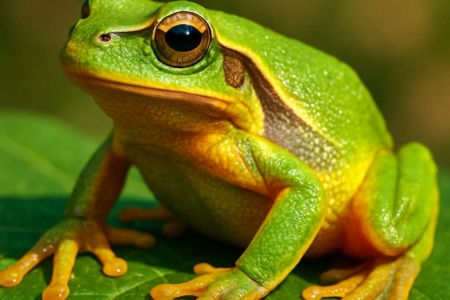
Distinguished by its vibrant green coloration and speckled pattern, the Green Toad Bufotes viridis possesses physical characteristics that serve as key identifiers. Its skin often appears rough with warty protrusions, aiding in camouflage within its natural habitats. The species typically measures between 5 to 7 centimeters, with a robust build that hints at its adaptability across various terrains.
- Taxonomic position within amphibians: Family Bufonidae
- Physical identifiers: Vibrant green hue, warty skin, speckled markings
- Size range: 5 to 7 centimeters—compact yet resilient
Understanding the taxonomic classification and physical makeup of Bufotes viridis offers a glimpse into its ecological role and survival strategies. This knowledge brings us closer to appreciating the delicate balance that sustains this enchanting amphibian species in its environment.
Physical Features – Distinctive coloration, size, and body structure
The Green Toad Bufotes viridis possesses an enchanting allure that belies its unassuming size. With an average length of just 5 to 7 centimeters, this amphibian’s compact body houses a world of intriguing adaptations. Its sturdy form allows it to deftly navigate rocky outcrops, grassy plains, and even urban gardens—showing resilience in diverse environments. The physical structure of the Green Toad Bufotes viridis seamlessly combines strength and agility, making it a master of survival in the wild.
One of its most captivating features is its vibrant green coloration—a lively hue that seems to shimmer in sunlight, providing excellent camouflage amidst lush foliage. The skin, often warty and textured, adds a unique tactile dimension, while its speckled markings further help it blend seamlessly with its surroundings. These distinctive visual traits are essential identifiers that inspire both admiration and curiosity among herpetologists and nature enthusiasts alike.
In terms of physical identifiers, the Green Toad Bufotes viridis displays a robust body structure with a slightly flattened profile, which benefits its burrowing and climbing pursuits. Its muscular limbs enable it to leap short distances with surprising agility, and its skin’s roughness not only aids in camouflage but also helps prevent desiccation during dry spells. The distinctive coloration, size, and body build of this amphibian coalesce into a fascinating example of evolutionary artistry.
- Vibrant green hue that dazzles in natural light
- Size ranging from 5 to 7 centimeters, compact yet resilient
- Warty, textured skin with speckled markings for camouflage
This harmonious blend of physical features and coloration makes Green Toad Bufotes viridis an elegant symbol of adaptability within the amphibian world. Exploring its physical characteristics reveals not merely a creature of beauty but one built for endurance, thriving amidst the varied terrains of its habitat.
Variations and Adaptations – Regional color morphs and adaptive traits
The Green Toad Bufotes viridis embodies an intriguing tapestry of evolutionary ingenuity, with variations that reflect its expansive habitat range across Eurasia. This species’ taxonomic classification places it firmly within the amphibian family Bufonidae, yet beneath this simple categorization lies a fascinating spectrum of physical characteristics tailored to regional environments. These adaptations are not merely aesthetic; they are survival tools honed by generations of natural selection, enabling the Green Toad Bufotes viridis to thrive amidst diverse ecosystems.
Across its extensive range, the Green Toad Bufotes viridis exhibits remarkable regional color morphs. In drier zones, it often adopts a more subdued, dusty hue that mimics the arid terrain. Conversely, populations residing in lush, humid areas showcase a vibrant, emerald-green coloration that dazzles in sunlight—a brilliant example of nature’s adaptive artistry. These color variations serve as exceptional camouflage, helping it evade predators and blend seamlessly into the surrounding flora and terrain.
Adaptive traits of the Green Toad Bufotes viridis extend beyond pigmentation. Its muscular limbs and compact body facilitate agility in rocky outcrops and grassy plains. Interestingly, some regional populations develop slightly different skin textures—ranging from smoother to warty—adding another layer to its camouflage arsenal. These physical feature variations underscore an exquisite balance between form and function that allows the Green Toad Bufotes viridis to navigate fluctuating climates and terrain with enviable resilience.
To further appreciate its adaptability, consider the diverse environments it encounters, from semi-arid steppes to lush forests. The plasticity in its physical features and coloration exemplifies how evolutionary pressures sculpt adaptive traits that are as elegant as they are effective. Each regional morph of the Green Toad Bufotes viridis tells a story of survival, a testament to nature’s relentless pursuit of optimizing life amidst change and challenge.
Habitat and Geographic Distribution
Natural Habitats – Preferred environments such as wetlands, meadows, and rocky areas
Amidst the varied tapestry of European amphibians, the Green Toad Bufotes viridis emerges as an emblem of adaptability and resilience. Its natural habitat, a mosaic of wetlands, meadows, and rocky outcrops, reflects an uncanny ability to thrive in diverse environments. These preferred environments create vibrant microhabitats where the Green Toad Bufotes viridis can often be seen basking on sun-drenched stones or nestled within lush grasses. The presence of this amphibian in such locations underscores its preference for regions that offer both moisture and cover, vital for its breeding and shelter needs.
The geographic distribution of the Green Toad Bufotes viridis spans across southeastern Europe, extending into parts of the Middle East. This widespread dispersion highlights its remarkable capacity to adapt from temperate zones to semi-arid regions. In fact, the Green Toad Bufotes viridis is often found in areas characterized by seasonal droughts, where it survives by evolving moist burrows and adaptive behaviors that ensure its longevity despite fluctuating environmental conditions. Such resilience makes it a fascinating subject of ecological study and conservation interest.
Geographic Range – Distribution across Europe and parts of Asia
The Green Toad Bufotes viridis isn’t just a pretty face among European amphibians; it’s a master of geographical versatility. Spanning from the sun-drenched plains of southeastern Europe to the more arid regions of the Middle East, this amphibian proves that adaptability isn’t just a buzzword, but a survival strategy.
Its distribution across Europe and parts of Asia showcases a creature unphased by climatic extremes. In regions where droughts threaten to turn wetlands into dust bowls, the Green Toad Bufotes viridis employs clever tactics—such as burrowing into moist soil or exploiting seasonal water pockets—to endure.
- Southern Europe, including countries like Greece and Bulgaria
- Eastward into Turkey and the Middle East
- And across numerous microhabitats peppered throughout the continent
The impressive geographic range of the Green Toad Bufotes viridis highlights its resilience, making it a fascinating subject not just for herpetologists, but for anyone captivated by nature’s ingenuity. Whether nestled in lush meadows or clinging to rocky outcrops, this amphibian’s sprawling distribution underscores a truly widespread ability to thrive across diverse environments.
Habitat Adaptations – Strategies for surviving diverse climates and terrains
The Green Toad Bufotes viridis is nothing short of a marvel when it comes to habitat adaptation. This species demonstrates a remarkable ability to thrive across a broad spectrum of environments, from lush meadows to rocky outcrops. Its capacity to survive in such varied terrains is a testament to its evolutionary ingenuity. In particular, the Green Toad Bufotes viridis employs clever survival strategies, making it a master of adaptation in diverse climates and terrains.
One of the most fascinating aspects of the Green Toad Bufotes viridis is its ability to handle climatic extremes. In arid regions, it burrows into moist soil or seeks out seasonal water pockets, allowing it to endure droughts and high temperatures. These amphibians are often found in microhabitats that provide enough moisture, ensuring they can escape the harshness of their surroundings. Their adaptability also includes changes in coloration and body structure, which help them blend seamlessly into their environment and avoid predators.
- Burrowing into moist soil during dry spells.
- Exploiting seasonal water sources that appear after heavy rains.
- Adjusting physical features like coloration to match environment conditions.
To truly appreciate the resilience of the Green Toad Bufotes viridis, consider its widespread distribution across Europe and parts of Asia. It has mastered survival in climates ranging from temperate to semi-arid, showcasing how natural selection has favored versatile traits. Whether nestled in wetlands, meadows, or rocky landscapes, the Green Toad Bufotes viridis continues to impress as an amphibian that embodies survival against the odds.
Behavior and Lifecycle
Breeding Habits – Mating calls, breeding seasons, and reproductive behavior
The Green Toad Bufotes viridis is an amphibian whose vocal symphony heralds the arrival of breeding season with an almost hypnotic allure. Calling from the shadows of wetlands and meadows, these toads produce a rhythmic chorus that resonates across the countryside, serving as a clarion call for mates and marking their territory with unwavering persistence. During the early spring, their mating calls crescendo amidst the croaking of other amphibians, creating a tapestry of natural soundscapes that awakens the senses.
Breeding habits of the Green Toad Bufotes viridis are an elegant dance of timing and ritual. Reproductive behavior often begins with males establishing calling sites, vying for the attention of females. The breeding season, which varies regionally, typically aligns with the onset of warmer temperatures and plentiful rainfall, ensuring optimal conditions for egg deposition. Eggs are laid in clusters on aquatic vegetation or submerged debris, where they develop into tadpoles that swiftly metamorphose into terrestrial toads. This lifecycle culminates in a delicate balance, with the Green Toad Bufotes viridis thriving in its habitat—an adaptable amphibian whose seasonal breeding spectacle is nothing short of nature’s poetic symphony.
Activity Patterns – Nocturnal vs diurnal activity, seasonal movements
The Green Toad Bufotes viridis is quite the nocturnal character—an amphibian whose activity pattern we might liken to a shadowy little comedian, sneaking around under the cloak of darkness. Their preferred activity window stretches into the night, especially during breeding seasons when their rhythmic calls pierce the quiet, attracting mates and asserting territorial dominance. During these twilight hours, Green Toad Bufotes viridis is most lively, engaging in essential foraging and social interactions that sustain their lively life cycle.
While these amphibians are predominantly nocturnal, seasonal movements reveal a dash of diurnal activity, particularly in cooler weather or during rainfall. They tend to venture out in small groups, seeking moist environments like wetlands or meadows—habitats that are carefully chosen to match their reproductive and survival needs. Interestingly, this seasonal movement is not random but a calculated dance with environmental cues, ensuring they stay within a suitable climate zone. Their impressive adaptability becomes apparent here, showcasing strategies that allow the Green Toad Bufotes viridis to thrive across a broad geographic range that extends throughout Europe and parts of Asia.
Lifecycle Stages – Eggs, tadpoles, metamorphosis, and maturity
The lifecycle of the Green Toad Bufotes viridis is a study in resilience and transformation. From the moment eggs are laid, chaos and potential swirl in equal measure. These amphibians favor still, moist environments—often laying their eggs in shallow pools where oxygen is abundant and the water’s temperature resonates with their developmental needs.
Within days, eggs hatch into tiny tadpoles, embarking on a metamorphic journey that lasts for several weeks. During this stage, they rely heavily on their environment’s temperature, water quality, and available food sources. As the tadpoles grow, their bodies undergo a profound transformation—limb buds emerge, tails recede, and lungs develop to prepare them for life on land.
This metamorphosis is not merely physical but symbolic of a broader transition—an ongoing testament to the Green Toad Bufotes viridis’s ability to adapt and flourish amid shifting landscapes. Once these amphibians reach maturity, they leave behind their aquatic beginnings and emerge, fully formed, into a realm of dappled sunlight and moist meadows. Their lifecycle, marked by these distinct stages, underscores a remarkable resilience that echoes through their role in the ecosystem and their geographic resilience across Europe and parts of Asia.
Conservation Status and Ecological Role
Population Trends – Current conservation status and threats
The Green Toad Bufotes viridis might not be a household name, but it’s a true amphibian superstar—at least in the world of ecological significance. Currently, the Green Toad Bufotes viridis is listed as Least Concern on the conservation status scale, which sounds like a relief, but it shouldn’t lead to complacency. Habitat destruction, climate change, and pollution are quietly chipping away at their populations, making their future less certain than it appears at first glance.
These toads play a critical role in maintaining insect populations, serving as both predator and prey in their natural habitats. Their presence indicates healthy wetlands and meadows—vital ecosystems that support diverse life forms. Population trends for Bufotes viridis show fluctuations driven largely by environmental pressures. In some regions, their numbers are stable; elsewhere, declines are ominously documented. Recognizing these patterns underscores the importance of ongoing conservation efforts, especially in areas where habitat fragmentation poses a persistent threat.
Threats to the Species – Habitat loss, pollution, climate change impacts
While the Green Toad Bufotes viridis might not be splashed across glossy wildlife magazines, it’s a fascinating amphibian with a tale worth telling. Its conservation status is officially listed as Least Concern, which might tempt some to think the Green Toad Bufotes viridis is thriving without a care in the world. But, lurking behind this seemingly safe label are several threats that could turn its paradise into a perilous puzzle. Habitat loss, pollution, and climate change are gradually intruding on its natural haunts—wetlands, meadows, and rocky outcrops—like uninvited guests that refuse to leave.
These resilient amphibians play an underrated yet crucial role in maintaining the ecological balance. They keep insect populations in check, preventing your garden from turning into a *moonlit* swarm, while also serving as prey for a host of predators. The presence of Green Toad Bufotes viridis is a subtle, yet vital, indicator of ecosystem health—think of them as the biological canaries in the coal mine of European and Asian wetlands. As their population trends fluctuate across different regions, it’s clear that habitat fragmentation and environmental pressures are quietly nudging their numbers in unpredictable directions.
With their keen ability to adapt—like a savvy camper adjusting to the terrain—the Green Toad Bufotes viridis has managed to endure amidst changing landscapes. But their future hinges largely on whether humans can curb habitat destruction and pollution. After all, every pond, meadow, or rocky hillside they call home is under siege, making conservation efforts more important than ever. These amphibians remind us that even species listed as Least Concern need vigilant stewardship to prevent their status from slipping down the scale.
Ecological Importance – Role in food webs, pest control, and ecosystem health
The Green Toad Bufotes viridis may not demand headlines or grace magazine covers, but these vibrant amphibians are silent custodians of their ecosystem. Their conservation status, categorized as Least Concern, suggests a certain resilience. Still, beneath this seemingly stable surface lies a delicate balance threatened by habitat loss, pollution, and climate change impacts. Every pond, meadow, or rocky outcrop they inhabit is increasingly under threat, making their continued presence a subtle but powerful indicator of environmental health.
As integral components of their ecological web, Green Toad Bufotes viridis serve multiple roles within food webs. They control insect populations—think of them as natural pest control agents—while themselves being prey for birds, snakes, and larger mammals. This dynamic exemplifies their vital ecological importance, maintaining the balance that sustains many other species. Without their predatory and prey relationships, local biodiversity could face destabilization.
In fact, these amphibians’ presence signals the health of freshwater and terrestrial habitats alike. Amphibians like Green Toad Bufotes viridis are often called biological canaries, because shifts in their populations often precede larger environmental issues. Their ability to adapt to various climates and terrains, from wetlands to rocky hillsides, speaks to their resilience. Yet, despite this adaptability, ongoing habitat degradation underscores the need for vigilant conservation efforts.
- Control of insect pests, safeguarding plant life and human interests.
- Providing prey for a diverse array of predators, supporting complex food webs.
- Serving as an environmental barometer—indicators of ecosystem integrity.

 by
by 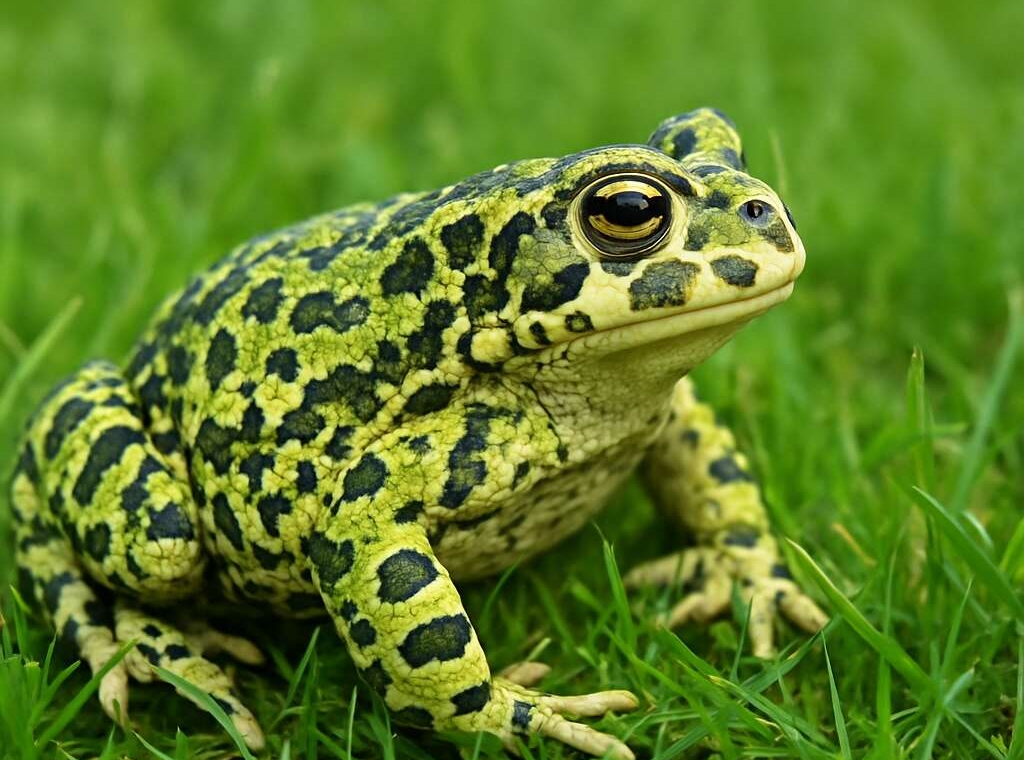


Latest Comments