Botanical Characteristics of Hazelnut Corylus avellana
Overview of Botanical Features – Details about plant morphology, leaf structure, and natural appearance.
Picture a plant that embodies resilience and elegance, with a natural aesthetic that hints at the quiet strength of its botanical design. Hazelnut Corylus avellana, with its distinctive morphology, stands as a testament to adaptability. Its shrub-like form often reaches heights of up to 4.5 meters, boasting a sprawling habit that exudes a gentle wildness, yet remains cultivated with purpose. The plant’s bark is a textured, mottled grey, inviting a closer inspection into its timeless appearance.
The leaves of Hazelnut Corylus avellana are another marvel, broad and ovate, with serrated edges that catch the light and sway with ease in the breeze. Their vibrant green hue amplifies the plant’s sense of vitality. In their natural setting, these leaves are a vital part of the plant’s overall role—providing shelter and nourishment for a variety of wildlife. The botanical features of Hazelnut Corylus avellana, from its leaf structure to its woody architecture, reveal the subtle beauty of a species finely tuned to its environment.
Growth Habitats and Ecology – Information on natural environments, climate preferences, and soil conditions.
Hazelnut Corylus avellana flourishes in a variety of natural habitats, showcasing an impressive adaptability that resonates with the resilient beauty found in the British countryside. Preferring temperate climates, this species thrives where the air is crisp and the soil is well-drained yet fertile. It is particularly at home in woodlands and hedgerows, where dappled sunlight filters through broad canopies, creating the perfect environment for its growth. The plant’s preference for slightly acidic to neutral soil conditions allows it to develop a sturdy, resilient root system that sustains its sprawling, bushy form.
In the wild, Hazelnut Corylus avellana often establishes itself as an understorey species, quietly weaving into the fabric of its environment. Its ecological role goes beyond mere aesthetics—providing shelter for bird species and nourishing a mosaic of wildlife. The plant is a natural coloniser, with its ability to thrive in various soil types and withstand periods of drought or shade, making it an iconic presence in its native habitat.
- Cool, temperate regions with moist, well-drained soil
- Environments where the soil retains nutrients yet remains airy
- Areas with seasonal variation, offering a period of dormancy followed by energetic growth
Such characteristics underpin the dreamlike resilience of Hazelnut Corylus avellana, anchoring its place as a botanical marvel that embodies harmony between adaptability and grace. Its growth habits suggest a delicate balance—an elegant testament to the evolving relationship between flora and environment, deeply rooted in the natural order of the United Kingdom’s varied landscapes.
Varieties and Cultivars – Different types and cultivated varieties of Corylus avellana.
Hazelnut Corylus avellana is a versatile species cherished not only for its culinary value but also for its intriguing botanical diversity. The various cultivated varieties and cultivars of Corylus avellana demonstrate a fascinating range of traits, from nut size to leaf morphology, reflecting centuries of selective breeding. This diversity enhances the appeal of hazelnuts as a key crop in the UK, where agricultural practices aim to optimise flavor and yield.
Among the most popular cultivated varieties of Hazelnut Corylus avellana are those specifically developed for their nut quality and adaptability. These varieties often combine resilience to pests and diseases with the capacity to produce large, evenly sized nuts—traits vital for commercial cultivation. Whether grown for local markets or international exports, each cultivar offers unique characteristics that suit particular growing conditions.
To better understand the variety within Hazelnut Corylus avellana, consider the following:
- Barcelona: Known for its large, high-quality nuts and suitability for UK climates.
- <strong’Negret: A traditional Spanish cultivar appreciated for its flavor and resilience.
- Jefferson: Popular in North America but adaptable to the temperate environments of the UK.
The botanical characteristics of Hazelnut Corylus avellana varieties can also include differences in leaf shape, bark texture, and growth habits. These distinctions allow growers to select cultivars that best match their specific environmental conditions and management preferences, ensuring the sustainability and productivity of hazelnut orchards across the UK.
Cultivation and Agricultural Practices
Planting and Propagation Techniques – Methods for establishing hazelnut orchards, including seed and vegetative propagation.
Embarking on the journey of cultivating Hazelnut Corylus avellana is like unlocking a treasure chest of natural wonder. This resilient shrub can be propagated through a variety of methods, each offering its own charm and challenges. Farmers and horticulturists alike often favor vegetative propagation for its fidelity to the parent plant, ensuring that beloved cultivars produce consistently high-quality nuts. Techniques such as hardwood cuttings or layering allow for the creation of new trees that mirror the original’s vigor and flavor profile.
Seed propagation, while beautiful in its unpredictability, requires patience and careful planning. Seeds need stratification — a period of cold treatment — to simulate winter conditions, awakening the embryo for sprouting. Properly prepared, seedling-grown Hazelnut Corylus avellana can develop into vigorous orchards that thrive in more diverse environments. For establishing an efficient hazelnut orchard, understanding these planting and propagation techniques is essential to not only ensure survival but to cultivate healthy, productive trees that will flourish for generations.
Climate and Soil Requirements – Optimal conditions for healthy growth and productivity.
The cultivation of Hazelnut Corylus avellana thrives best under specific climate and soil conditions that mirror its natural origins. In the temperate zones of the United Kingdom, where cool, moist winters are common, this resilient shrub flourishes when given the right environment. Optimal growth occurs in well-drained, loamy soils rich in organic matter, which supports vigorous root development and maximizes nut production.
A balanced climate with moderate rainfall and mild temperatures—typically between 13°C and 23°C—encourages the development of healthy, productive trees. Ensuring these conditions not only promotes resilience against pests and diseases but also enhances the flavor profile of the nuts. To illustrate, young Hazelnut Corylus avellana plants may struggle if subjected to waterlogging or prolonged drought; thus, attention to soil drainage and moisture levels remains paramount.
For those starting hazelnut orchards, engaging with specific soil amendments can create the ideal foundation, fostering a thriving ecosystem for these nut-bearing marvels.
Pest and Disease Management – Common threats and integrated strategies for control.
Navigating the realm of Hazelnut Corylus avellana cultivation reveals a delicate dance between nature’s whispers and human stewardship. Within this intricate ballet, pest and disease management emerges as a vital chapter—one where vigilance transforms potential threats into tales of triumph. Fungal afflictions like eastern filbert blight and leaf spot fungi threaten to mar the lush canopy of hazelnut orchards, while pests such as Nut Weevils and aphids seek to undermine the vitality of these nut-bearing marvels.
Adopting integrated strategies becomes akin to casting enchanted shields against these foes. Regular monitoring, coupled with biological control agents and targeted treatments, can keep the orchard’s harmony intact. For instance, applying organic fungicides during vulnerable periods or encouraging natural predators like ladybirds can create a balanced ecosystem that wards off unwanted invaders.
- Implementing crop rotation and pruning to improve airflow.
- Utilizing resistant cultivars and proper sanitation to reduce disease reservoirs.
- Introducing beneficial insects to naturally suppress pest populations.
With such layered measures, cultivators of Hazelnut Corylus avellana forge a resilient sanctuary, safeguarding their harvests from the common threats that lurk within the shadows. This harmonious approach intertwines judicious intervention with nurturing instinct, ensuring the noble hazelnut’s story continues unfettered across the fertile UK landscape.
Nutritional and Economic Value
Nutritional Composition of Hazelnuts – Health benefits, vitamins, minerals, and calorie content.
In the enchanted orchards where hazelnuts flourish, the *Corylus avellana* reveals its hidden treasures—golden clusters of nutritional riches. These nuts are more than just a delightful treat; they are a powerhouse of health benefits, packed with a variety of vitamins and minerals that nourish the body from within. Each indulgent bite offers a rich blend of vitamin E, B-vitamins, magnesium, and zinc, contributing to overall well-being and vitality.
Calorie content in hazelnuts is thoughtfully balanced, providing energy without excess, making the *Hazelnut Corylus avellana* a versatile ingredient for those seeking wholesome nourishment. Their natural composition also includes dietary fiber, which supports digestive health, and antioxidants, that help combat oxidative stress. For those valuing both nutrition and economic sustainability, cultivating hazelnuts presents a fruitful venture, aligning health with a thriving market. Naturally, the economic value of hazelnuts makes the *Corylus avellana* an alluring crop—rich in profit as well as in health benefits.
Uses in Food and Industry – Application in confectionery, oils, and other products.
Hazelnut Corylus avellana isn’t just a beloved snack; it holds a remarkable position in the world of culinary and industrial applications. Its rich, buttery flavor and distinct aroma make it a favorite in confectionery creations, from smooth chocolates to delicate pralines. The versatility of hazelnuts shines through in their ability to complement both sweet and savory dishes, serving as a natural enhancer of flavor and texture.
Beyond the realm of food, Hazelnut Corylus avellana is pressed to produce premium hazelnut oil—an ingredient prized for its light, nutty taste and stability in cooking. This oil isn’t just a staple in gourmet kitchens; it also finds its way into cosmetics and skincare products, thanks to its nourishing properties. Industries appreciate the natural antioxidants found in hazelnuts, making them an invaluable ingredient in health-conscious and organic product lines.
- Confectionery products
- Hazelnut oils for culinary and cosmetic use
- Nut-based spreads and snacks
- Healthy ingredient additions to baked goods
In food manufacturing, hazelnuts are often processed into fine pastes used in pastries and ice creams, elevating the sensory experience. The economic value of Hazelnut Corylus avellana continues to grow, driven by increasing demand for plant-based and nutrient-rich ingredients. Farmers and producers around the UK are seizing opportunities to cultivate these trees, knowing that their yield can support both local markets and international export.
Market Trends and Economic Impact – Global demand, trade statistics, and economic importance.
Embarking on the journey of Hazelnut Corylus avellana reveals a story woven through the tapestry of global markets and cultural homage to nature’s riches. With an estimated 1.4 million tonnes of hazelnuts produced worldwide annually, demand continues to surge, driven by consumer appetite for plant-based foods and nutrient-rich ingredients. This evergreen allure has propelled Hazelnut Corylus avellana into an economic powerhouse, especially in the European Union, where its cultivation is both a tradition and a burgeoning industry.
Trade statistics illuminate the vital role these nuts play; Turkey alone leads as the world’s largest exporter, accounting for over 70% of global hazelnut trade, with other significant players like Italy and the United Kingdom steadily increasing their harvests. The UK, keenly attuned to the organic and health-conscious markets, now sees local farmers cultivating Hazelnut Corylus avellana as a sustainable alternative that promises sustained economic impact. The craze for nut-based spreads, artisanal confections, and gourmet oils continues to elevate the profile of hazelnuts as a premium ingredient, where they are valued not just for flavor but for their thriving market presence.
- The global hazelnut market is projected to grow at a compound annual growth rate (CAGR) exceeding 5% over the next decade.
- Trade statistics reveal a steady upward trajectory, with increased imports to North America and Asia reflecting a broader appreciation of Hazelnut Corylus avellana’s versatility.
This expanding demand fuels a wave of economic activity in regions embracing hazelnut cultivation, transforming rural landscapes into hubs of sustainable agriculture. In the UK, pioneers are harnessing the resilience of Hazelnut Corylus avellana, aligning traditional knowledge with modern horticulture to meet the rising appetite for a natural, antioxidant-laden ingredient that seamlessly bridges culinary art and industrial innovation.
Environmental and Sustainability Aspects
Environmental Benefits of Hazelnut Cultivation – Biodiversity, soil health, and ecological contributions.
Hazelnut Corylus avellana do more than delight our taste buds; they play a fascinating role in maintaining environmental balance. When cultivated thoughtfully, these nut-bearing shrubs contribute positively to biodiversity, providing habitat and shelter for a variety of birds, insects, and small mammals. Their extensive root systems help stabilize soil, prevent erosion, and enhance soil health by promoting nutrient cycling.
In sustainable hazelnut forestry, the ecological contributions extend beyond soil preservation. The natural growth patterns of hazelnut Corylus avellana support diverse plant and animal life, integrating seamlessly into the native landscape. Such cultivation encourages a balanced ecosystem where flora and fauna thrive side by side. This harmony is vital for resilient agricultural practices that respect the environment, ensuring that hazelnut orchards remain a beacon of ecological contribution and sustainability.
Sustainable Farming Practices – Methods to reduce environmental footprint and promote conservation.
Amid the shadowed groves where light filters through entwined branches, hazelnut Corylus avellana emerges as a silent guardian of the earth’s delicate balance. These ancient shrubs, with their gnarled stems and rustling leaves, do more than produce the coveted nut; they form part of an intricate tapestry of sustainability that whispers secrets from the depths of nature’s darkened chambers.
Sustainable farming practices surrounding hazelnut Corylus avellana aim to minimize environmental footprints and foster the preservation of natural resources. By employing techniques such as integrated pest management and organic cultivation, growers reduce reliance on harmful chemicals, maintaining the purity of the soil and water. These methods embrace conservation, allowing the land to breathe and the ecosystem to flourish.
A vital strategy lies in prioritizing soil health—through crop rotation and cover cropping—thus preventing erosion and revitalizing vital nutrients. For those wishing to tread lightly on the earth, planting native varieties of hazelnut Corylus avellana becomes a sacrament of ecological harmony. The natural growth pattern of these shrubs seamlessly woven into the landscape supports biodiversity, nourishing a web of life beneath their protective canopy.
- Reducing synthetic chemical use
- Implementing water conservation measures
- Supporting native and resilient cultivars of hazelnut Corylus avellana
Such practices forge a bond not only with the environment but also with the future, where the enduring presence of hazelnut Corylus avellana underscores a commitment to harmony and resilience. In the shadowed dance of sustainable cultivation, these noble shrubs serve as beacons guiding us through the darkness—reminding us that even in quiet circles of growth, profound ecological reverence can be found.
Challenges and Future Perspectives – Climate change impacts and innovations in sustainable agriculture.
Amid the shifting tapestry of our climate, Hazelnut Corylus avellana stands as both a symbol of resilience and a testament to the pressing need for sustainable agriculture. Climate change exerts unprecedented pressure on traditional crop-growing regions, threatening the very ecosystems that support these noble plants. Rising temperatures and unpredictable weather patterns challenge farmers to adapt swiftly and innovatively.
Emerging technologies and practices in sustainable agriculture offer hope. Innovations such as precision farming, drought-resistant cultivars, and integrated pest management are redefining how we approach hazelnut cultivation. For Hazelnut Corylus avellana, these advancements mean cultivating varieties that withstand extreme weather while reducing water usage—a delicate dance between tradition and progress.
Efforts to align ecological harmony with productive farming forge a future where Hazelnut Corylus avellana continues to thrive amidst the tumult. Exploring resilient cultivars, implementing water conservation measures, and employing organic methods are not mere strategies but a commitment to safeguarding ecological balance. As the world navigates this environmental turning point, the future of hazelnut farming becomes a mirror reflecting our dedication to sustainability and innovation.

 by
by 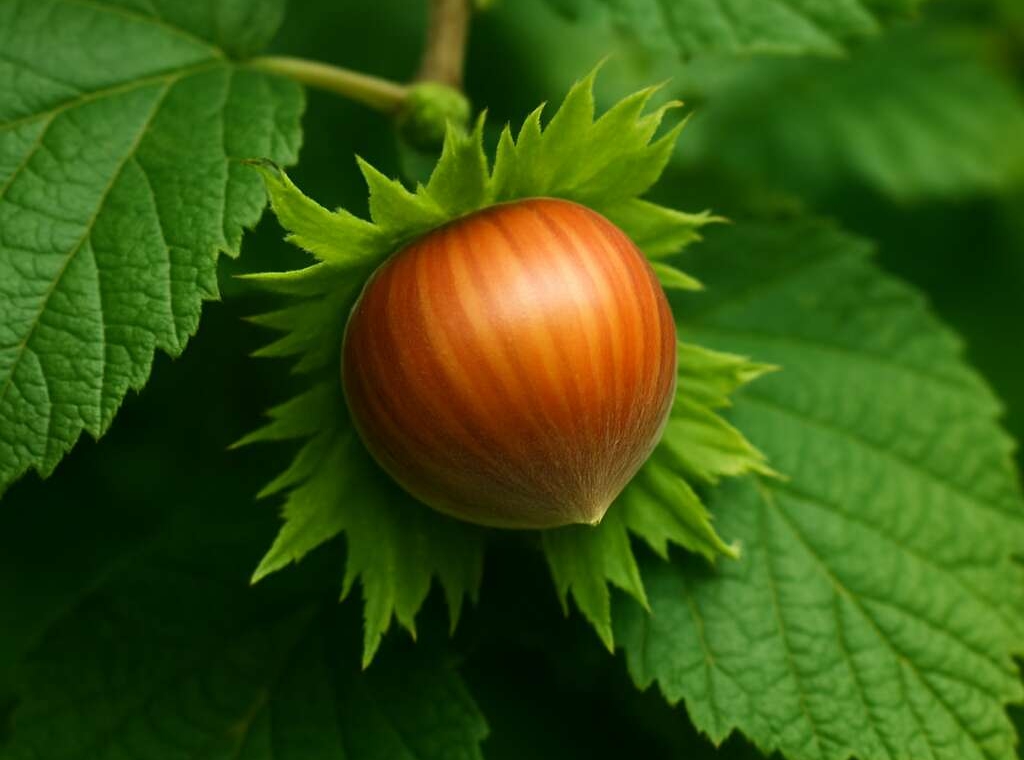



Latest Comments