Understanding Hyper-Local Tourism
Overview of Hyper-Local Tourism – Definition and core principles of hyper-local tourism
In the bustling world of travel, Hyper-Local Tourism is quietly transforming the way we explore our own backyards. This fascinating concept shifts the focus from remote destinations to the hidden gems just a stone’s throw away. Think of it as turning the spotlight inward, discovering local history, culture, and cuisine that often go unnoticed.
At its core, hyper-local tourism champions the idea of immersing oneself deeply within a community. It’s the art of appreciating every alleyway, boutique, and family-run café, all within a manageable radius. The core principles include sustainability, fostering community engagement, and providing authentic experiences that beat the cookie-cutter tourist traps.
- Promoting local businesses
- Encouraging sustainable tourism practices
- Enhancing cultural appreciation
By embracing hyper-local tourism, residents and visitors alike become part of a vibrant, interconnected narrative—one that redefines what it means to travel locally. This isn’t just a trend; it’s a renaissance of understanding the treasures right outside your door.
Historical Evolution – Origins and development over recent years
The origins of hyper-local tourism, nestled in the quiet corners of history, evoke a sense of reverence for the familiar. It is a modern reinterpretation of age-old practices when communities once thrived on barter, storytelling, and shared spaces. Over recent years, this concept has evolved alongside a global shift toward mindful travel, where authenticity replaces superficiality. Today, the rise of hyper-local tourism reflects a desire to forge deeper connections with one’s surroundings, fostering appreciation for local history, culture, and cuisine.
Beyond its roots, hyper-local tourism has blossomed into a movement that champions sustainability and community engagement. It’s no longer about rushing through sights but about unraveling the layers of local life, woven together through intimate experiences. This development is marked by a shift from the stereotypical tourist destinations to authentic, manageable adventures right outside our doors—highlighting a gradual but profound transformation in how we perceive travel, one local story at a time.
Differences from Traditional Tourism – Contrasting hyper-local with mainstream travel patterns
Traditional tourism often involves visiting popular landmarks and crowded destinations, prioritising quantity over quality. In contrast, hyper-local tourism offers a refreshingly different approach. It emphasizes experiencing the essence of a community, often within just a few streets or neighbourhoods. This shift focuses on authenticity and meaningful engagement instead of superficial sightseeing.
Many travellers now seek genuine connections with local culture, cuisine, and history. Hyper-local tourism caters to this desire by encouraging exploration of small businesses, hidden gems, and shared spaces that deepen understanding of an area’s unique character. Unlike mainstream travel, which can feel detached or rushed, hyper-local tourism fosters slow, immersive experiences that leave a lasting impression.
- Fosters community engagement
- Emphasizes sustainability
- Highlights authentic local stories
Ultimately, hyper-local tourism redefines what it means to travel. It’s about appreciating the layers of local life, right outside the familiar tourist trail. This approach appeals particularly to those wishing for more meaningful, manageable adventures that are as enriching as they are accessible.
Benefits of Hyper-Local Tourism
Community Engagement and Development – Supporting local businesses and fostering community ties
In the shimmering glow of hyper-local tourism, communities find a renaissance rooted deep in shared culture and authentic experiences. Supporting local businesses is not merely an act of commerce but a celebration of community vitality. When visitors engage with local artisans, eateries, and craft markets, they weave themselves into the fabric of everyday life. This nuanced exchange fosters a sense of pride and renewal within neighbourhoods, transforming mere travel into meaningful connection.
Community engagement in hyper-local tourism creates a ripple effect—strengthening relationships and nurturing thriving local economies. Small businesses, often overshadowed by commercial giants, flourish through increased foot traffic and brand recognition. As a result, community ties deepen—turning casual visitors into passionate advocates. Embracing hyper-local tourism means honouring the unique identity of each locale while inviting a new spectrum of hospitality, rooted in genuine human interaction. It’s a delicate dance, one that elevates the spirit of place for residents and travellers alike.
Environmental Impact – Reducing carbon footprint through short-distance travel
Amid rising concerns about environmental sustainability, hyper-local tourism presents a compelling antidote to the relentless march of jet-setting and mass tourism. Picture this: travelling within one’s neighbourhood or town, yet feeling a sense of adventure and novelty—an ironic twist on modern tourism’s frantic pace. This form of travel dramatically cuts down carbon emissions, a feat made possible by embracing short-distance travel. In essence, hyper-local tourism diminishes the need for long-haul flights and extensive transport, which are often the biggest culprits behind a hefty carbon footprint.
Engaging in hyper-local tourism encourages exploration on a human scale, nurturing an appreciation for local landscapes and community spaces. It’s not just about the scenery—it’s about consciously cheering on community-led initiatives that foster environmentally friendly practices. As visitors wander through local parks, markets, and historic precincts, they participate in a commuting style that minimizes environmental impact. Such small-footprint journeys contribute to a more sustainable approach to travel, proving that meaningful experiences don’t necessarily require extensive travel. In fact, a well-curated hyper-local experience can rival far-flung adventures—community-by-community, footprint-by-footprint.
Cultural Preservation – Promoting and sustaining local traditions and heritage
Within the quiet corridors of community streets and beneath the vibrant canopy of local traditions lies a treasure trove waiting to be celebrated. Hyper-Local Tourism isn’t just travel; it’s an act of reverence—an ode to the stories carved into every cobblestone and whispered by age-old landmarks. It fosters a cultural preservation that breathes life into ancient customs, ensuring they resonate beyond the echoes of time. When visitors embrace hyper-local tourism, they become custodians of authenticity, guarding the intangible heritage that forms the soul of each locale.
The enchantment of hyper-local tourism resides in its capacity to nurture a rich tapestry of traditions. Small communities, often overlooked in mass tourism, flourish when their heritage is woven into the traveler’s journey. Participating in local festivals, sampling age-old recipes, or learning traditional crafts creates a profound connection—an understanding that grand adventures can blossom within modest precincts. It’s this celebration of the local that sustains cultural identity, converting fleeting visits into enduring legacies.
By championing hyper-local tourism, the preservation of cultural heritage becomes an intrinsic part of the travel experience. Small-scale initiatives such as:
- Supporting local artisans
- Engaging with heritage centers
- Participating in community-led events
transform casual visits into meaningful acts of cultural stewardship. In this dance of genuine engagement, both visitor and host find a rare harmony—one that reveres the past while fosteringly shaping the future. This intimate approach to tourism ensures that novel stories are not only told but lived, turning vibrant traditions into living legacies on the modern stage.
Economic Advantages – Generating income for local economies with minimal infrastructure
In an era where global travel often feels overwhelming and disconnected, hyper-local tourism emerges as a refreshing alternative that emphasizes intimate, authentic experiences. This form of tourism not only provides a sense of personal connection but also plays a pivotal role in local economic resilience. When travellers choose hyper-local tourism, they contribute directly to the physical and cultural sustenance of small communities with minimal infrastructure investment. It’s a model grounded in simplicity yet profound in its impact, allowing communities to flourish through targeted engagement rather than costly development projects.
The real economic advantage lies in direct expenditure. Visitors tend to spend within a confined geographic area, supporting local artisans, farmers, and small businesses—fostering a cycle of reciprocal growth. For instance, a single visit can translate into several layers of income: from purchasing handcrafted gifts to participating in regional festivals. Small-scale initiatives such as local markets or community-led tours naturally become economic catalysts that foster sustainable development without the need for expansive tourism infrastructure. This, in turn, helps preserve the authentic character of the locale while generating income for residents.
- Supporting local artisans and craftsmen
- Engaging with indigenous food producers and eateries
- Participating in regional events that showcase local traditions
What makes hyper-local tourism uniquely advantageous for local economies is its capacity to distribute income equitably. Unlike mass tourism, which often concentrates benefits in a handful of large operators, hyper-local initiatives create a more inclusive economic environment. Small businesses thrive on the influx of visitors curious about authentic cultural experiences, facilitating a more resilient and diversified local economy. These subtle yet significant financial flows ensure that the beauty and richness of the area can sustain itself over time, even when mainstream tourism wanes.
Strategies for Promoting Hyper-Local Tourism
Digital Marketing Tactics – Utilizing social media, local influencers, and online campaigns
In an era where travelers seek authenticity and a sense of community, hyper-local tourism has emerged as a captivating alternative to the rush of mainstream destinations. Promoting this trend requires a finely-tuned digital marketing approach that resonates with the desire for genuine local experiences.
Using social media platforms as vibrant showcases, destinations can share stories, stunning visuals, and real-time updates to spark curiosity and conversation. Collaborating with local influencers—those beloved voices in the community—adds authenticity that no glossy brochure can match. An online campaign highlighting lesser-known gems or unearthing hidden local traditions seamlessly ties into the core principles of hyper-local tourism, generating enthusiasm among potential visitors.
To effectively captivate the target audience, employing a strategic combination of digital tactics is vital. Tailoring content to reflect the unique culture of each area, fostering engagement through interactive features, and harnessing user-generated content are all essential components of a successful hyper-local tourism strategy. After all, when the digital landscape meets genuine local flavor, the magic of hyper-local tourism is only a click away.
Collaboration with Local Stakeholders – Partnering with community leaders, businesses, and tourism boards
One thing’s for sure: hyper-local tourism isn’t just a passing trend; it’s reshaping the way we experience travel—one charming village, brewery, or boutique shop at a time. To truly set the stage for authentic, community-driven experiences, collaboration with local stakeholders is non-negotiable. Engaging with community leaders, local businesses, and tourism boards can turn a sleepy hamlet into a vibrant destination that visitors want to write home about.
By fostering meaningful partnerships, destinations ensure that hyper-local tourism remains rooted in authenticity and sustainability. Consider the following approach—it’s simple, effective, and keeps everyone smiling:
- Partner with local artisans to host workshops or craft markets that highlight traditional skills
- Collaborate with neighborhood cafes and inns to craft unique experiences that guests can’t find on a generic travel app
- Jointly organize events or festivals that celebrate local customs, attracting curious visitors in droves
These alliances create a ripple effect—supporting local businesses, fostering community pride, and making sure the tourism stays true to its roots. When stakeholders work hand-in-hand, hyper-local tourism benefits all, turning hidden gems into must-visit attractions with a genuine sense of place. It’s a win-win where everyone gets a piece of the cultural pie and a chance to shine in the spotlight!
Creating Unique Local Experiences – Designing activities that highlight regional uniqueness
In the shadowed corners of the countryside, where time seems to dilate and the stories of old whisper on the wind, lies the dark allure of hyper-local tourism. This form of travel, rooted in the mystique of regional authenticity, calls for more than mere surface appearances; it demands a tapestry woven with the threads of unique local experiences.
Designing activities that highlight regional craftsmanship, folklore, and traditions transforms ordinary visits into immersive journeys. Imagine guided nocturnal walks through ancient villages, where every cobblestone echoes with forgotten legends, or artisan workshops that delve into age-old crafts—each event envelops visitors in the cloak of local heritage. Incorporating taste and scent, local food festivals or traditional brewing demonstrations breathe life into the essence of hyper-local tourism, ensuring that stories are preserved through tangible, sensory encounters.
To truly enchant travelers and make them part of the narrative, leverage the natural contrasts of the locale. Curate experiences that evoke curiosity—be it a candlelit storytelling evening or a clandestine art exhibit hidden within a historic inn. Embrace the mysterious charm of these destinations, allowing visitors to peel back layers of authenticity and reveal the soul of the community. Such delicate curation transforms hyper-local tourism from fleeting interest into a heartfelt encounter – an undeniable call to explore the unseen, the unheard, and the unspoken stories that make each place a portal to the past.
Leveraging Technology – Implementing mobile apps and virtual guides to enhance visitor engagement
In a world obsessed with international travel, it turns out the real treasures are often hiding just outside our doorsteps. Hyper-Local Tourism is the latest twist in making travel meaningful, fostering connections with communities that cherish their stories and traditions. An impressive 70% of travellers now crave authenticity over cookie-cutter experiences, proving that the heart beats strongest in those tiny, overlooked corners of the UK. To captivate modern explorers, adopting innovative digital strategies is no longer optional—it’s the secret weapon.
Implementing mobile apps and virtual guides offers an immersive way to engage visitors without adding clutter or fuss. A well-designed app that highlights hidden gems, schedules local events, or even offers augmented reality storytelling transforms an ordinary stroll into an adventure in hyper-local tourism. For those craving a dash of novelty, including features such as interactive maps or geocaching elements keeps the journey lively and personable. Think of these tools as digital tour guides—minus the grumpy attitude—and way more fun!
For a seamless experience, consider deploying a curated list of local spots. This could be as simple as a numbered list of historical sites, artisan cafés, and folklore hotspots—the kind of content that turns a casual walk into a sensory expedition. The magic lies in the online platform’s ability to foster community-driven content, encouraging locals to share their stories and, in doing so, reinforce cultural preservation. And yes, a little humour, like a cheeky prompt about *finding the village’s secret squirrel*, keeps visitors engaged.
Challenges and Solutions in Hyper-Local Tourism
Overtourism and Congestion – Managing visitor numbers and preserving local authenticity
Hyper-Local Tourism promises an intimate connection to places often overlooked by mainstream travel. Yet, with this rise in popularity, challenges like overtourism and congestion threaten to undermine its benefits. Managing visitor numbers becomes a delicate balancing act—too many visitors can erode the authenticity that makes hyper-local experiences so appealing. Striking this balance requires innovative solutions that prioritise preserving local cultural identities and environmental integrity.
One effective approach is implementing visitor capacity limits during peak times, complemented by real-time data sharing through mobile apps. Such technology empowers travelers to plan visits during quieter periods, reducing pressure on the community and natural sites. Encouraging off-peak exploration sustains the charm of hyper-local tourism while protecting local resources. Furthermore, fostering community-led initiatives ensures that tourism remains embedded within local priorities, aligning economic benefits with cultural preservation.
Seasonality and Demand Fluctuations – Balancing tourism flow throughout the year
Seasonality and demand fluctuations can turn the charming world of hyper-local tourism into a real game of whack-a-mole. One month, local inns are bustling with eager explorers; the next, it’s as if the village disappeared into a ghost town. The challenge? Balancing tourism flow throughout the year in a way that keeps the economy ticking and preserves that authentic vibe tourists flock to.
Fortunately, savvy destinations are turning to creative solutions. Implementing dynamic pricing and incentive schemes during off-peak periods encourages visitors to flock when crowds are less intense. This approach spreads out the demand and prevents hyper-local tourism hotspots from becoming overrun. A well-designed calendar of events and themed experiences—think harvest festivals or seasonal markets—can also help flatten those peaks, making every season appealing in its own right.
- Introduce flexible booking policies that reward early reservations for off-peak dates.
- Partner with local businesses to create themed excursions suited for different times of the year.
- Utilize digital marketing tactics, like targeted social media campaigns, to shift visitor interest to quieter periods.
By aligning demand with the natural rhythm of the area, hyper-local tourism can flourish year-round without trampling on the very charm that makes these destinations unique. Balancing the ebb and flow of tourism isn’t just smart—it’s essential to safeguarding the cultural and environmental integrity of these treasured spots.
Funding and Investment Barriers – Securing resources for sustainable initiatives
Securing funding and investment for hyper-local tourism initiatives often feels like navigating a maze. Many community-led projects lack the capital needed to develop sustainable experiences that attract tourists without sacrificing authenticity. This creates a cycle where limited resources hinder innovation, leaving destinations stuck with outdated infrastructure or underdeveloped offerings.
One common challenge is overcoming the perception that hyper-local tourism is too niche for significant investment. Since the majority of funding tends to favour large-scale or international tourism schemes, smaller initiatives struggle to stand out. To address this, some regions implement creative solutions such as public-private partnerships or community crowdfunding.
A practical approach involves prioritizing projects with clearly measurable benefits. For example, funding could be allocated in the form of phased investments, focusing on activities like local crafts markets or cultural festivals first. This staged approach allows stakeholders to see tangible results before committing further. Engaging local businesses and stakeholders early in the planning process increases transparency and helps build trust, making it easier to unlock additional financing.
A significant hurdle remains—the risk associated with investing in hyper-local tourism. Small-scale ventures often lack the financial cushioning or proven track record needed to attract conventional investors. To mitigate this, some destinations explore alternative funding models like social impact bonds or grants aimed at cultural preservation and sustainable development. These initiatives not only secure resources but also reinforce the social and environmental integrity of hyper-local tourism projects.
Without adequate funding, the potential of hyper-local tourism to foster community development and cultural preservation may remain unrealized. Addressing investment barriers calls for innovative thinking, strategic partnerships, and an understanding that authentic, locally rooted experiences are worth nurturing with dedicated resources.
Maintaining Cultural Integrity – Ensuring tourism growth does not compromise local identity
Within the shadowed corridors of hyper-local tourism lies a perilous dance — a delicate balance between fostering growth and preserving the sacred silence of authenticity. These quaint, visceral experiences promise to awaken the dormant senses of the traveller and forge an intimate bond with the place and its people. Yet, without careful stewardship, the relentless tide of tourism may threaten to erode the very soul it seeks to celebrate.
Challenges in maintaining cultural integrity are akin to guarding a fragile relic—each crack or exposure risks losing the essence of local traditions. Over-tourism, in particular, casts a dark pall over community life, transforming once tranquil pathways into crowded thoroughfares that drown out the whispers of history. When external forces shroud these destinations, the danger of commodification looms, dulling the unique tapestry of regional customs.
Solutions rooted in the essence of hyper-local tourism’s charm revolve around stewardship and mindful strategies. Some regions turn to community-led initiatives, empowering local residents as custodians of their own heritage. By implementing controlled visitor flow and curating experiences that highlight genuine traditions, it becomes possible to enrich the narrative without diluting its authenticity.
It is imperative that stakeholders embrace this ethos as a core principle, safeguarding the time-honoured rituals and stories that form the heartbeat of every locale. As the line between visitor and caretaker blurs, a more sustainable approach emerges—one where the preservation of cultural identity becomes an unbreakable vow, and hyper-local tourism remains a testament to its own storied past.
Practical Solutions – Strategies for sustainable development and community involvement
One of the biggest hurdles in hyper-local tourism lies in preserving local culture amid growing visitor numbers. Over-tourism can threaten to erode authentic experiences, replacing genuine traditions with staged performances that cater more to tourists than the community. The challenge is finding a way to allow visitors to enjoy the local charm without compromising its core identity.
Some practical solutions focus on community involvement and sustainable development. Engaging residents as custodians of their traditions ensures that tourism aligns with local values. Implementing controlled visitor flow through timed visits or limited access helps maintain the tranquility and authenticity of destinations. Utilizing digital marketing tactics, such as social media campaigns led by local influencers, can draw visitors who are genuinely interested in regional culture, reducing the risk of overcrowding.
To manage these challenges, collaboration with local stakeholders becomes vital. Investing in community-led initiatives and designing unique local experiences highlight regional distinctiveness while safeguarding cultural integrity. By leveraging technology—mobile apps or virtual guides—visitors can explore off-the-beaten-path attractions without overwhelming small communities. These strategies create a sustainable model for hyper-local tourism, where growth and preservation go hand in hand, ensuring that local character remains intact for generations to come.

 by
by 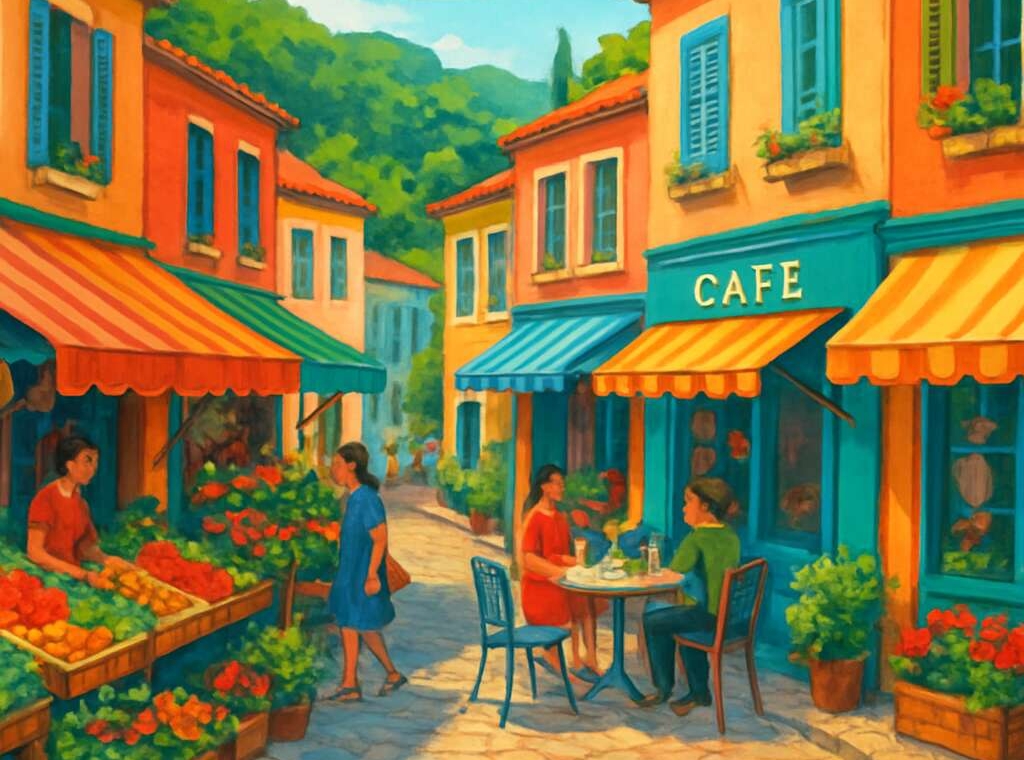








Latest Comments