Botanical Characteristics of Hypericum repens
Overview of Hypericum repens – Description of plant morphology, appearance, and growth habits
Hypericum repens, often called the creeping St. John’s Wort, unveils a fascinating botanical profile that captivates both horticulturists and herbal enthusiasts alike. This low-growing perennial forms dense mats, creating a lush emerald carpet that is as intriguing as it is resilient.
Its sprawling growth habit features slender, woody stems that trail effortlessly across the ground, sometimes rooting at the nodes to produce a vibrant, interconnected network. The foliage of Hypericum repens consists of tiny, ovate leaves packed tightly along the stems, contributing to its compact appearance. Bright yellow flowers, with five petal structures, burst forth during the flowering season, attracting pollinators and adding bursts of colour to otherwise subdued landscapes.
- It thrives in well-drained soils and sunny locations, often found creeping along rocky terrains or ground covers
- Its ability to withstand drought makes Hypericum repens a popular choice for xeriscaping in UK gardens
In essence, Hypericum repens embodies both decorative appeal and hardy adaptability, making it a standout option for those seeking a resilient, ground-covering plant with a touch of the wild edge.
Habitat and Distribution – Native regions, preferred growing conditions, and geographical spread
Hypericum repens, often found adorning the rugged terrains of the Mediterranean, possesses a resilient spirit that has captivated botanists and horticulturists alike. This intriguing ground cover thrives in regions where the sun’s unyielding gaze warms the landscape, making it an ideal candidate for xeriscaping projects within the United Kingdom. Its native habitat spans the rocky, well-drained slopes of southern Europe and North Africa, where harsh climates forge a plant of remarkable durability.
Growing in a sprawling, low-to-the-ground form, Hypericum repens prefers sandy or stony soils that drain quickly, allowing its roots to breathe in the arid embrace of the environment. Its enduring nature is evidenced by its ability to withstand prolonged drought and poor soil conditions, turning even the most hostile terrains into an emerald tapestry. The plant’s natural distribution has historically extended across the Mediterranean basin, but its adaptability ensures it can flourish outside its native range where plenty of sunlight and well-drained soil are available.
- Native to Mediterranean regions, Hypericum repens has successfully adapted to a variety of drought-prone landscapes.
- Its preferred growing conditions include full sun exposure and rocky, well-drained soils that mimic its native environment.
- The geographical spread of Hypericum repens extends beyond southern Europe, increasingly making appearances in cultivated landscapes across the UK due to its hardy and decorative qualities.
Identification and Distinguishing Features – Key traits for accurate identification, comparison with similar species
Hypericum repens stands out vividly among ground covers, with a mosaic of botanical features that make it easily recognizable for enthusiasts and botanists alike. Its sprawling, low-to-the-ground growth habit presents a dense mat of vibrant, dark green leaves along slender stems, creating a visually striking texture on rocky slopes and sandy terrains. One of the most notable traits of Hypericum repens is its profuse display of bright yellow flowers, typically blooming from late spring through summer, each crowned with five petals and dotted with radiating stamens that catch the light beautifully.
Distinguishing Hypericum repens from similar species depends on a few precise characteristics. Unlike many other Hypericum varieties, Hypericum repens maintains a prostrate form, with creeping stems that root at the nodes, forming dense mats. Its leaf shape is oval with a slight sheen, and its flowers are generally smaller than those of related species, yet their abundance provides a captivating visual appeal. To ensure accurate identification, look for the plant’s characteristic growth habit and its relatively short, pointed leaves.
- Flattened, creeping stems that root at the nodes
- Small, bright yellow flowers with five petals and multiple stamens
- Dark green leaves that are oval-shaped and slightly shiny
Comparison with other Hypericum species reveals subtle yet distinctive differences. While Hypericum perforatum, for example, tends to grow taller and develop larger flowers with perforated leaves, Hypericum repens remains low, spreading horizontally with a more compact floral display. Its adaptability to drought and poor soils is evident in its hardy, resilient appearance—traits that have contributed to its increasing popularity in UK horticulture, especially in xeriscaping projects.
Medicinal and Therapeutic Uses of Hypericum repens
Traditional Medicine Applications – Historical uses in herbal remedies and folk medicine
In the realm of herbal remedies, Hypericum repens has long enjoyed a reputation as a venerable folk medicine herb, prized for its versatile medicinal properties. Historically, traditional healers prized this plant for its ability to soothe emotional ailments and physical discomfort alike. Its extensive use in herbal medicine underscores a rich cultural tapestry where plant-based healing was as vital as the air we breathe.
One of the most fascinating aspects of Hypericum repens is its application in therapeutic practices for skin and nerve issues. Folk medicine often employed this resilient groundcover to create poultices, believed to promote healing of wounds and reduce inflammation. It was also used to alleviate symptoms of mild depression and anxiety, serving as a natural remedy that taps into the plant’s unique phytochemicals.
Interestingly, the traditional applications of Hypericum repens extend beyond simple heuristics; some herbalists advocate its use for minor burns by preparing infusions, harnessing the plant’s anti-inflammatory properties. Among its many uses, it has found a niche as a remedy for nerve pain, where its phytoconstituents are thought to calm overactive nerve endings. These medicinal and therapeutic uses exemplify how a humble herb can be woven into centuries-old practices, sustaining its relevance in contemporary herbal form.
Pharmacological Properties – Active compounds, antioxidant and anti-inflammatory effects
Hypericum repens is gaining attention beyond its traditional uses, thanks to its promising pharmacological properties. Rich in active compounds, this resilient groundcover contains hypericin, flavonoids, and phloroglucinols—substances known for their potent antioxidant and anti-inflammatory effects. These phytochemicals enable Hypericum repens to combat oxidative stress and reduce inflammation, making it an attractive candidate for therapeutic applications.
Research indicates that the flavonoids in Hypericum repens contribute to its ability to neutralise free radicals, which are often linked to aging and various chronic diseases. Meanwhile, hypericin confers antiviral and mood-regulating benefits, aligning with its historical use in folk medicine for alleviating emotional discomfort. The plant’s anti-inflammatory properties make it a natural contender in managing skin irritations and nerve pain.
Some herbalists even highlight the potential of Hypericum repens in developing topical formulations that harness these properties to support wound healing. Incorporating Hypericum repens extracts in these remedies taps into the plant’s unique composition, emphasizing its role in modern herbal medicine. This combination of active compounds and biological effects underscores why Hypericum repens continues to merit scientific attention and herbal applications alike.
Clinical Research and Studies – Recent scientific findings and clinical trials involving Hypericum repens
Recent clinical research is shedding light on the promising medicinal potential of Hypericum repens, capturing the attention of herbalists and scientists alike. Studies indicate that extracts from Hypericum repens demonstrate notable antidepressant and neuroprotective effects, aligning with traditional uses for emotional well-being. These findings are opening new avenues in herbal therapy, especially for conditions like mild to moderate depression.
One compelling aspect of recent trials involves the plant’s anti-inflammatory properties, which have shown significant results in alleviating nerve pain and skin irritations. Researchers have also explored Hypericum repens in topical formulations, where its active compounds, including hypericin and flavonoids, work synergistically to support wound healing and reduce inflammation. Such applications highlight the multifaceted benefits of Hypericum repens in herbal medicine.
- Clinical trials have tested Hypericum repens in various formulations, with some studies reporting positive outcomes in mood regulation and skin health.
- Investigations also suggest that the plant’s antioxidant properties might play a role in managing oxidative stress-related disorders.
As scientific exploration continues, the therapeutic applications of Hypericum repens seem to expand—its extracts offering hope for new herbal remedies rooted in centuries of folk medicine. Ongoing research underscores the importance of this resilient plant in modern herbal pharmacology, sparking curiosity about its full potential.
Cultivation and Propagation Techniques
Growing Conditions and Care – Soil type, sunlight requirements, watering, and maintenance tips
In the enchanting world of botanical cultivation, Hypericum repens reveals itself as a resilient yet delicate marvel. Native to Mediterranean regions, this low-growing shrub boasts vibrant yellow blossoms that dazzle even in the driest soil. Its vibrant foliage and sprawling habit make it a sought-after choice for garden enthusiasts seeking ground cover with a touch of wild elegance. The secret to thriving Hypericum repens lies in understanding its specific growing conditions and attentive care.
Growing conditions for Hypericum repens are aligned with its natural habitat, preferring well-drained, sandy, or rocky soil that mimics its native environment. It flourishes with full sunlight, so placing it in a south-facing spot ensures its most exuberant flowering. Regular watering is recommended during the initial planting phase, after which it often becomes drought-tolerant. For sustained health, maintenance should focus on minimal pruning to encourage bushier growth, while removing any dead or diseased stems.
For those looking to propagate Hypericum repens with ease, layering offers a natural method—simply pin a branch into moist soil and wait for roots to develop. Alternatively, stem cuttings taken in early summer can be rooted in a mixture of sand and peat. When cultivating Hypericum repens, providing the right soil type coupled with adequate sunlight and moisture creates an ideal environment that invites vigorous growth and lush, flowering ground cover.
Propagation Methods – Seeds, cuttings, and other propagation techniques
For those who seek botanical alchemy, propagation techniques for Hypericum repens reveal a tapestry of possibilities that blend natural instinct with horticultural craftsmanship. This resilient ground cover, with its sun-kissed blossoms and sprawling, silver-green foliage, lends itself to a variety of propagation methods that can transform a modest cutting into a flourishing shrub. Mastery begins with understanding the plant’s proclivity for layered growth—one of the most natural and efficient propagation techniques for Hypericum repens. By pinning a flexible branch into moist soil, the plant generates roots within weeks, eventually forming a cohesive, vigorous mat of greenery.
The allure of propagation through stem cuttings beckons enthusiasts to collect early summer shoots—preferably those that are semi-hard, offering just enough firmness to root without difficulty. These cuttings are best rooted in a mixture of coarse sand and peat, which mimics Hypericum repens’ preferred well-drained yet moisture-retentive soil environment. Rooting hormone powders can be used to enhance success rates, though Hypericum repens is notably undemanding in this regard. Patience is rewarded; roots often form within a month, eager to anchor the new growth.
For perpetual proliferation, some cultivators employ seed propagation, although it requires patience and an understanding of germination nuances. Seeds for Hypericum repens should be sown in a shallow tray filled with a fine, sterilized seed-starting mix, kept in a warm, bright location. Coverage should be light—just a whisper of soil—to facilitate sprouting, which can be irregular but ultimately rewarding. Because Hypericum repens readily adapts to varied propagation techniques, it can also be propagated via layering, cuttings, or even division, making it a versatile choice for both amateur gardeners and seasoned cultivators.
- Hypericum repens propagates efficiently through layering, making it ideal for natural ground cover expansion in well-prepared soil beds.
- Stem cuttings rooted in sand and peat blend achieve rapid rooting, suited for lush, spreading carpets of vibrant yellow blooms.
- Seed propagation, while more time-consuming, offers an authentic genetic revival, enriching collections with unique variations.
Challenges and Pest Management – Common pests, diseases, and sustainable control strategies
The resilient charm of Hypericum repens isn’t just in its radiant yellow blooms or its sprawling, silver-green foliage—it’s also in its remarkable ability to adapt and thrive under various conditions. Yet, even the most vigorous plants face challenges, especially when it comes to cultivation and ensuring a healthy, flourishing ground cover. Understanding common pests, diseases, and sustainable control strategies can make all the difference in nurturing Hypericum repens to its full potential.
One of the adversaries faced in the cultivation of Hypericum repens is aphids, which love nibbling at new growth and can sap the plant’s vitality if left unchecked. Fungal infections, such as leaf spots and root rot, also pose a threat, especially in overly damp or poorly drained soils. To maintain a healthy Hypericum repens, it’s wise to adopt organic pest management strategies—introducing beneficial insects like ladybirds or applying neem oil can effectively curb aphid populations while remaining eco-friendly.
Maintaining proper watering techniques and ensuring excellent drainage is crucial. Overwatering invites fungal diseases that weaken the plant’s sprawling habit. When pests or disease symptoms emerge, timely intervention with environmentally safe remedies becomes necessary. For those who prefer preventative measures, regular inspections and pruning out affected parts prevent the spread of problems and encourage vigorous, disease-resistant growth. Recognising these issues early preserves the integrity of your Hypericum repens, creating a lush, resilient ground cover that will enchant for seasons to come.
Environmental and Ecological Importance
Role in Local Ecosystems – Interactions with pollinators, biodiversity contributions
Hypericum repens is more than just a resilient plant; it plays a vital role in supporting local ecosystems through its interactions with pollinators. Its vibrant yellow flowers attract a variety of bees and butterflies, fostering biodiversity and ensuring healthy pollination processes. This plant’s adaptability to different habitats makes it a key component of ground cover in native areas, where it stabilizes soil and prevents erosion.
In gardens and natural reserves, Hypericum repens acts as a magnet for many insects that rely on native flora. Its presence helps sustain a complex web of species, contributing to the ecological balance. By providing nectar and pollen, Hypericum repens encourages the proliferation of pollinator populations, which are essential for the productivity of nearby flowering plants and crops. This interaction illustrates its indispensable role within the ecological mosaic—an unassuming yet impactful contributor to environmental wellbeing.
Conservation Status – Endangered or protected status, threats, and preservation efforts
In the shadowed corners of our native landscapes, Hypericum repens emerges as a guardian of ecological harmony, quietly weaving its story into the fabric of biodiversity. This resilient ground cover, with its cheerful yellow blossoms, beckons pollinators and supports the delicate dance of life that sustains our environment. Its presence is more than decorative; it embodies a pivotal role in fostering biodiversity and stabilizing soil, preventing erosion where other plants struggle to thrive.
The conservation status of Hypericum repens, however, casts a subtle but urgent pall over its flourishing scenes. While not globally endangered, certain regional populations face threats from habitat loss and invasive species, which threaten the balance of local ecosystems. Protecting this often-overlooked species requires dedicated preservation efforts—grassroots initiatives and habitat restoration projects that recognize Hypericum repens as an ecological cornerstone. As a vital part of native flora, its preservation persists as a testament to our commitment to safeguarding the intricate web of life so deliberately spun by nature’s hand.
Impact of Climate Change – Effects of changing climate patterns on distribution and health of Hypericum repens
The shifting rhythms of our climate are rewriting the story of Hypericum repens, a resilient ground cover known for its cheerful yellow blossoms and ecological importance. As the planet experiences unpredictable weather patterns, the distribution of Hypericum repens faces subtle but meaningful changes. Warmer temperatures and altered rainfall can influence its growth, sometimes leading to a reduction in its natural range, especially in regions where it historically thrived.
Increased frequency of droughts and extreme weather events threaten the vitality of Hypericum repens populations. These conditions can cause stress to the plant, undermining its ability to stabilize soil and support pollinators. Unstable environmental conditions may also favor invasive species that outcompete Hypericum repens, further complicating conservation efforts. Its adaptability is remarkable, yet persistent climate change challenges its ability to fulfill its ecological roles effectively.
An uncertain future awaits Hypericum repens if climate patterns continue to shift at this pace. Protecting this species requires not just traditional preservation tactics but also adaptive management strategies that account for changing environmental realities. As an integral element of native flora, Hypericum repens exemplifies the delicate balance between plant resilience and environmental stress—a balance that stands at risk in a rapidly warming world.

 by
by 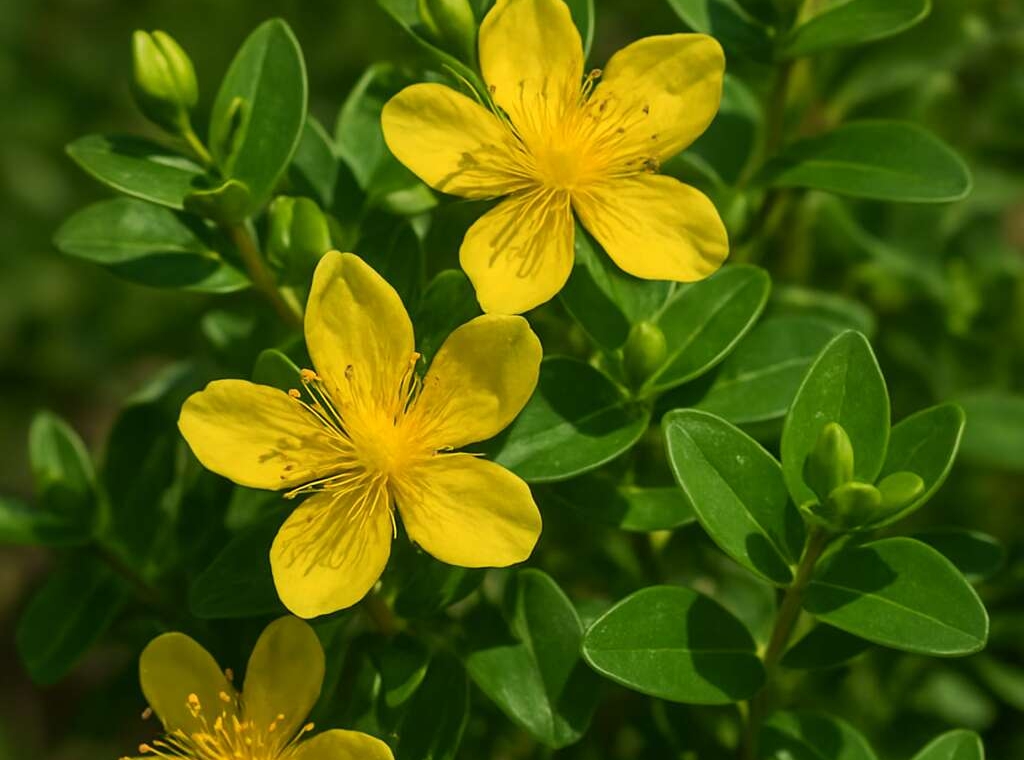



Latest Comments