Overview of the Imperial Eagle
Introduction to the Imperial Eagle – Taxonomy, species overview, and unique features
The Imperial Eagle, scientifically known as Aquila heliaca, is a majestic bird of prey that commands attention with its impressive presence and striking features. Residing primarily across Eastern Europe and parts of Central Asia, this species exemplifies elegance and resilience in its natural habitat. With a wingspan that can reach up to 2.2 meters, the Imperial Eagle exemplifies grandeur, yet its grace is underpinned by a fierce hunting prowess.
This raptor’s taxonomy places it firmly within the Aquila genus, sharing close ties with other majestic eagles but boasting distinct characteristics that make it uniquely identifiable. Its dark brown plumage, combined with a contrasting golden hue on the nape and shoulders, sets the Imperial Eagle apart visually. It is also noteworthy for its powerful beak and talons—tools that enable it to seize prey with remarkable efficiency. Despite its regal appearance, the Imperial Eagle faces ongoing conservation challenges, elevating its status as a symbol of wilderness and fragility.
Habitat and Geographic Range – Distribution across Eurasia, preferred environments
The Eurasian expanse bears witness to the distinguished presence of the Imperial Eagle, scientifically known as Aquila heliaca. With its expansive distribution across Eurasia, this magnificent raptor exemplifies adaptability amidst diverse environments. Its range stretches from the eastern reaches of Europe through Central Asia, often traversing regions that echo with the subtle rhythms of wilderness and human history alike.
Preferring open landscapes, the Imperial Eagle thrives in a mosaic of habitats that offer both hunting grounds and nesting sites. Its favored environments include expansive steppe zones, deciduous and coniferous forests, and rugged mountainous areas. These diverse settings provide the elevation and variety necessary for breeding and sustenance, making the Imperial Eagle a symbol of resilience amid ecological shifts.
- Grasslands and steppes
- Riparian woodlands
- Cliff faces for nesting
In the narrative of Eurasia, the Imperial Eagle’s presence remains a testament to the delicate balance between wilderness and human influence. Its preferred habitats are increasingly under threat from habitat fragmentation, underscoring the importance of understanding its distribution and ecological needs. Aquila heliaca’s ability to adapt to different environments highlights its enduring spirit, an allegory for survival in a world marked by rapid change.
Physical Characteristics – Size, plumage, and distinguishing marks
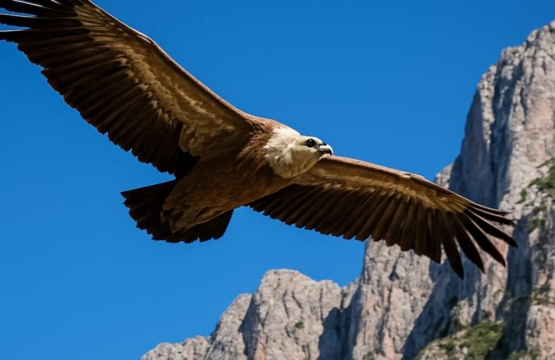
With a wingspan stretching up to 2.2 meters, the Imperial Eagle (Aquila heliaca) commands attention whenever it soars through the Eurasian skies. Its physical stature is nothing short of majestic—powerful yet graceful, embodying the very essence of regal raptors. The adult Imperial Eagle’s plumage is a stunning mosaic of rich brown tones, highlighted by a contrasting golden nape that hints at its noble lineage. This distinctive marking makes it unmistakable, especially when viewed in profile against the sprawling landscape.
Juvenile Imperial Eagles don a darker, more camouflaged coat, blending seamlessly into their environment—perfect for stealthy hunts. As they mature, their plumage lightens, revealing the signature features that set them apart from other large eagles. A quick glance will reveal their strong, hooked beak, sharp talons, and piercing eyes, all built for precision hunting and survival in challenging habitats. The combination of size, plumage, and distinctive markings makes the Imperial Eagle a true icon of resilience and adaptability in the wild.
- Wingspan: up to 2.2 meters
- Plumage: rich brown with golden nape
- Distinguishing marks: sharp talons, hooked beak, piercing eyes
Behavior and Ecology
Diet and Hunting Strategies – Prey items, hunting techniques, and feeding habits
The Imperial Eagle, Aquila heliaca, exhibits remarkable behavior and an intriguing ecological niche. This species tends to be quite territorial during the breeding season, often soaring high above its preferred habitats—mainly open woodlands, steppe grasslands, and semi-arid regions. Their hunting strategy is built on patience and precision, with adults soaring for hours before swooping down on prey with rapid, powerful wings. The diet of the Imperial Eagle largely consists of medium-sized mammals, birds, and reptiles—highlighting its opportunistic feeding habits.
When it comes to prey items, Aquila heliaca demonstrates adaptability, preying on species such as rabbits, hares, and waterfowl, which are often located near wetlands or rivers. Hunting techniques include soaring aloft for scanning large areas, then executing swift, decisive dives. They frequently scavenge carrion as well, especially during times of scarce prey. The eagle’s keen eyesight and strong talons facilitate successful captures, whether attacking from the air or ambushing prey on the ground.
- Patience while soaring for extended periods
- Targeting diverse prey including small mammals and waterfowl
- Using heightened vantage points to locate prey from afar
- Engaging in opportunistic feeding habits, including scavenging
Breeding and Nesting – Mating behavior, nesting sites, and incubation
The captivating spectacle of the Imperial Eagle, Aquila heliaca, unfolds during its intricate breeding season, revealing a dance of intense territoriality and elaborate courtship rituals. Males and females engage in aerial displays, soaring in synchronized patterns that seem to slice the air with purpose—an impressive testament to their strong pair bonds. These majestic raptors select nesting sites with calculated precision, often favoring tall trees, steep cliffs, or rocky outcrops that provide vantage points over their sprawling territories.
Such nesting sites offer both shelter and strategic advantage, allowing them to monitor approaching threats or rival eagles. The incubation period for their eggs typically lasts around 45 days, during which parents exhibit unwavering dedication—taking turns incubating and fiercely guarding their precious eggs from predators and scavengers alike. The nest itself, constructed with sturdy branches lined with softer materials, becomes a symbol of resilience amidst their rugged habitat. The breeding behavior of Aquila heliaca is as captivating as it is vital for understanding their ecology and survival strategies.
Migration Patterns – Seasonal movements, migration routes, and timing
The imperial eagle, Aquila heliaca, embodies the ghostly splendor of the skies—migrating with a silent, almost predatory grace that echoes through the corridors of their shadowed realm. Seasonal migration patterns reveal a ballet of darkness and light, as these formidable raptors traverse vast corridors across Eurasia, braving turbulent climates and treacherous terrains. As the days grow shorter, they embark on their journeys from nesting grounds in eastern Europe and Asia, heading towards warmer southern refuges, seeking the solace of milder climes.
Migration routes of the imperial eagle are forged through centuries of instinct, threading through mountain ranges, steppes, and forests—a route carved by a primal call for survival. The timing of these departures often coincides with the approach of winter, a calculated departure from their breeding territories, where they take advantage of thermals and updrafts to soar with ease. This periodic migration reveals a resilience born from harsh habitat conditions, yet also hints at the fragile balance that sustains their existence.
- Late summer to early autumn marks their departure for warmer realms.
- Spring signifies the return, as they reoccupy nesting sites with renewed vigor.
- Their long, perilous journeys can span thousands of kilometers, bearing witness to their incredible endurance and adaptability.
Throughout their seasonal movements, the imperial eagle is both a harbinger of wilderness and a symbol of resilience, navigating a landscape fraught with human encroachment and ecological challenges. Each flight remains an atmospheric testament to their role as sovereigns of the sky, their migration a haunting echo of ancient, predatory grace woven into the fabric of Eurasia’s tumultuous history.
Social Structure – Territorial behavior, interactions with other raptors
The Imperial Eagle, Aquila heliaca, embodies a fascinating blend of territorial prowess and intricate social behavior that reveals the depth of its ecological role. These regal raptors are fiercely protective of their nesting sites, often engaging in dramatic aerial displays to assert dominance within their territory. Such displays serve as a visual declaration, warning potential interlopers to respect the boundaries of this majestic predator.
When it comes to interactions with other raptors, the Imperial Eagle demonstrates a complex hierarchy. While solitary by nature, during migration or breeding seasons, these birds can become territorial rivals, fiercely defending their space from intruders. The relations with other large raptors—such as golden eagles or larger buzzards—are often marked by sharp exchanges of talon and scream, an unspoken assertion of dominance in the skies.
Within their social structure, the Imperial Eagle tends to be a monogamous species, with pairs sharing a bond that can last for life. During the breeding season, they establish and defend extensive territories, which they patrol with unwavering vigilance. This territorial behavior ensures access to prime nesting sites—often atop tall trees, cliffs, or rugged terrains—that provide both safety and strategic vantage points. Their aggressive defense of these territories underscores a primal instinct: to secure the resources necessary for survival and reproductive success.
- Their territorial disputes are usually resolved through aerial combat or loud territorial calls.
- Interactions with neighboring raptors often involve silent, watchful glides—an unspoken assertion of dominance rather than overt conflict.
- During the breeding season, social interactions become more confrontational, as pairs reinforce boundaries to protect nesting sites from rivals and predators alike.
Understanding the intricate social and territorial behavior of the Imperial Eagle illustrates their resilience and adaptability amid a changing landscape. These birds of prey are not just symbols of power but also reflect a complex tapestry of instincts that have evolved over centuries of survival—an existential dance through the skies that commands both reverence and awe.
Conservation Status in the Wild – Threats, population trends, and recovery efforts
The Imperial Eagle, Aquila heliaca, is a striking symbol of resilience in the face of mounting environmental pressures. Once plentiful across Eurasia, their populations have declined sharply, sparking concern among conservationists. You might think of this regal bird as a living barometer for ecological health—what happens to the Imperial Eagle mirrors broader changes in habitat quality and human impact.
Today, the main threats to the Imperial Eagle include habitat loss due to agriculture expansion and infrastructure development, pesticide misuse that diminishes prey populations, and illegal hunting. These challenges have caused a noticeable decline in their numbers, pushing them onto the vulnerable conservation status list. Despite these setbacks, dedicated recovery efforts—like habitat protection, breeding programs, and education campaigns—are beginning to show promise. For instance, establishing protected areas ensures the preservation of critical nesting sites and hunting grounds.
Efforts to monitor population trends reveal that while some regional declines persist, certain populations are stabilizing thanks to international collaboration. As they stand at a crossroads, the future of the Imperial Eagle hinges on a collective commitment to combating threats and fostering coexistence. Protecting this majestic bird isn’t solely about safeguarding a species; it’s about maintaining the delicate balance of our shared environment.
Conservation Challenges and Efforts
Main Threats Facing the Imperial Eagle – Habitat loss, poisoning, human disturbance
The majestic flight of the Imperial Eagle (Aquila heliaca) faces mounting threats that endanger its survival. Habitat loss, driven by agricultural expansion, urban development, and deforestation, steadily diminishes the ancient nesting sites that these raptors have relied upon for centuries. This loss not only reduces available breeding grounds but also fragments the territories essential for their territorial behavior and hunting strategies.
Poisoning remains another relentless challenge. Toxic substances—often aimed at rodents or pests—accidentally claim the lives of Imperial Eagles, disrupting their population dynamics. Human disturbance, too, leaves scars on these regal birds; disturbance near nesting sites can result in abandonment and decreased reproductive success.
Efforts to preserve the Imperial Eagle (Aquila heliaca) are increasingly focused on targeted conservation programs. These include habitat restoration, legal protections, and community engagement to minimize human-wildlife conflicts. To safeguard the future of this awe-inspiring species, addressing the main threats facing Imperial Eagle populations must remain a priority.
Protection Initiatives – Legal protections, protected areas, breeding programs
Conservation of the Imperial Eagle (Aquila heliaca) faces a complex array of challenges, highlighting the urgent need for targeted protection initiatives. One of the most effective measures has been the establishment of legal protections that prohibit hunting and illegal activities detrimental to this majestic bird. These laws are complemented by the designation of protected areas, where the eagle’s natural habitat is preserved and carefully managed to prevent further loss of nesting sites and feeding grounds.
Protection initiatives often include breeding programs aimed at increasing population numbers and ensuring genetic diversity. These efforts are essential because Imperial Eagle populations are particularly vulnerable to habitat fragmentation and human disturbance. To maximize their impact, many conservation programs also involve community engagement, encouraging local people to participate in safeguarding the species and its habitat.
Some countries have implemented ordered conservation strategies, such as habitat restoration projects that aim to restore degraded landscapes and create corridors that facilitate safe migration and territorial stability. The combination of legal protections, protected areas, and breeding programs reflects a comprehensive approach to ensuring the long-term survival of the Imperial Eagle (Aquila heliaca). Such initiatives underscore the collective responsibility we hold in conserving this symbol of Eurasian wilderness.
Role of Conservation Organizations – NGOs, government agencies, international cooperation
As the majestic silhouette of the Imperial Eagle (Aquila heliaca) soars high above Eurasia’s rugged landscapes, it faces a silent, persistent battle for survival. Despite its regal presence, this spectacular bird of prey endures threats that threaten to silence its cry of the wild. Conservation organizations, both local and international, play an indispensable role in safeguarding this symbol of wilderness.
NGOs and government agencies collaborate across borders, weaving a tapestry of protection initiatives that include legal protections, habitat preservation, and breeding programs. These efforts are bolstered by transnational cooperation to restore degraded habitats and create corridors that facilitate safe migration. Such measures ensure the Imperial Eagle’s soaring song remains part of the natural symphony of Eurasia.
In the ongoing quest to conserve the Imperial Eagle (Aquila heliaca), a coordinated approach is vital. Initiatives may involve:
- Implementing strict anti-poaching laws to prevent illegal hunting
- Designating protected areas that serve as sanctuaries for nesting and feeding
- Supporting breeding programs to increase population resilience and genetic diversity
Through relentless dedication and international cooperation, these efforts aim to nurture the Imperial Eagle’s future amid the shadows of habitat loss and human encroachment. The collective guardianship embodied by conservation organizations ensures that the echo of these regal raptors continues to thrill and inspire generations to come.
Impact of Climate Change – Changes in habitat, prey availability, and migration
The majestic Imperial Eagle (Aquila heliaca) may seem like a symbol of rugged resilience, but even these regal raptors aren’t immune to the chaotic impacts of climate change. Rising temperatures and unpredictable weather patterns are rewriting the bird’s natural script—altering habitat availability and prey populations like a bird’s version of a plot twist.
Changes in habitat—whether through droughts, deforestation, or urban sprawl—force the Imperial Eagle to find new territories or adapt to less-than-ideal conditions. Prey availability is also on the decline, with small mammals and birds becoming scarcer, leaving these birds of prey to fly longer distances in search of their next meal. Migration routes, once predictable, are now punctuated by erratic weather that disrupts timing, jeopardising breeding success and overall survival.
Conservation efforts are waking up to this new environmental narrative, with strategies such as habitat restoration and creating migration corridors. Addressing these challenges involves a combination of innovative research and dedicated activism, ensuring that the Aquila heliaca continues to grace Eurasia’s skies despite the daunting effects of climate change. As these changes unfold, the resilience of the Imperial Eagle remains a poignant reminder of the urgent need for adaptive conservation measures.
Human Interactions and Cultural Significance
Historical and Cultural References – Symbolism in different cultures, mythology
The Imperial Eagle, Aquila heliaca, has long captivated human imagination, often embodying symbolism and reverence across various cultures. In ancient folklore, this majestic raptor was viewed as a messenger of divine power, a creature that bridged the mortal world with the heavens. Its imposing presence and regal plumage made it a natural symbol of authority and sovereignty.
In many traditions, the Imperial Eagle represented strength, resilience, and protection. Its image appeared in heraldry and royal insignias, emphasizing leadership and valor. Conversely, in some mythologies, the eagle’s soaring flight signified enlightenment, spiritual awakening, and the pursuit of higher knowledge. Such deep-rooted symbolism continues to influence modern cultural references and conservation efforts for Aquila heliaca.
Human interactions with this extraordinary raptor have historically ranged from reverence to conflict. In various countries, the Imperial Eagle has served as a national emblem—a testament to its revered status. Cultural narratives often portray the Aquila heliaca as a guardian of the skies, embodying qualities of nobility and vigilance that resonate through centuries of storytelling and symbolism.
Understanding these historical and cultural layers reveals more than just an appreciation for Aquila heliaca; it highlights the profound connection humans have forged with nature and its regal predators, making the protection of this iconic species a matter of cultural as well as ecological importance.
Eagle Watching and Ecotourism – Birdwatching hotspots, tourism benefits and concerns
For those enchanted by the majesty of avian predators, the sight of the Imperial Eagle, Aquila heliaca, soars beyond mere observation; it becomes a vivid emblem of wilderness’s enduring splendor. Birdwatching hotspots across Eurasia resonate with the piercing cry of this regal raptor, drawing nature lovers and conservationists alike into a shared reverence. Ecotourism centered around Imperial Eagle sightings not only nurtures a profound connection to our natural world but also fosters sustainable livelihoods in regions where these magnificent birds nest and hunt.
In areas where the Imperial Eagle families unfold their wings, local communities often see an enriching flow of tourism benefits—guided tours, photography expeditions, and educational programs that ignite the imagination while emphasizing the need for habitat preservation. Yet, such interactions also demand careful management: human disturbance, if unchecked, threatens the very quietude necessary for nesting and soaring. Balancing tourism with conservation ensures these avian monarchs continue to grace our skies for generations to come.
With patience and a keen eye, enthusiasts frequently encounter the Aquila heliaca during quiet dawns or graceful migratory passages. As a symbol of power and resilience, the imperial eagle draws countless visitors eager to capture its image, but this allure also comes with concerns. Over-tourism may inadvertently disturb breeding sites, putting in peril the very species that attract admiration. Nevertheless, organized and responsible eagle watching provides a window into the awe-inspiring world of the Imperial Eagle, fostering a deep appreciation that can inspire action and safeguard these noble guardians of the sky.
For the avid birdwatcher, spotting the Imperial Eagle in its natural habitat marks a triumphant moment—an encounter that stirs the soul like poetry writ in feathers. Its impressive wingspan and commanding presence serve as a reminder of the vital link between human curiosity and ecological stewardship. As awareness grows, so too does the importance of protected areas where this symbol of sovereignty can be observed responsibly, ensuring that the beauty of Aquila heliaca endures for future generations to marvel at, in the wild and within our collective conscience.
Educational and Public Awareness Campaigns – Outreach programs, community involvement
The majestic flight of the Imperial Eagle, Aquila heliaca, is awe-inspiring—a living testament to nature’s grandeur that commands both admiration and a sense of responsibility. As this regal raptor soars across Eurasian skies, it inspires not only birdwatchers but also communities to contemplate their role in safeguarding its future. Human interactions with the Imperial Eagle extend beyond observation; they encompass education, cultural reverence, and active participation in preservation efforts. Outreach programs serve as vital bridges, connecting local communities and visitors alike to the profound significance of this species.
Community involvement plays a pivotal role in fostering a culture of conservation. Initiatives that include guided eagle watching tours, school-based educational programs, and volunteer habitat restoration projects cultivate a deeper respect for Aquila heliaca and its vital environment. These efforts often feature storytelling that emphasizes the eagle’s unique features and cultural symbolism, making the experience both captivating and meaningful. For example, local legends across Eurasia elevate the imperial eagle as a symbol of sovereignty and power, creating a rich tapestry of cultural significance that resonates deeply with communities.
To enhance awareness and collective responsibility, many organisations deploy targeted campaigns that highlight the threats facing the Imperial Eagle, such as habitat loss and human disturbance. These campaigns often leverage striking imagery and compelling narratives to foster a sense of stewardship. Community involvement is further strengthened through participatory events that encourage local residents to take pride in their role as guardians of these magnificent birds.
- Educational outreach programs that teach the ecological importance of Aquila heliaca in maintaining the health of Eurasian ecosystems.
- Public exhibitions showcasing the species’ physical characteristics, feeding habits, and seasonal migration patterns, creating an immersive learning environment.
- Partnerships with local schools, NGOs, and government agencies to develop conservation-aware curricula that cultivate future generations’ understanding and passion for protecting the imperial eagle.
Involving communities in conservation not only preserves the imperial eagle but also forges a resilient connection between humans and the natural world. Clear, honest communication about the species’ cultural significance—as well as its ecological role—can ignite a broader appreciation that extends beyond birdwatching circles. With each effort, the message that Aquila heliaca is a symbol of both natural resilience and cultural heritage becomes more pervasive, inspiring collective action rooted in knowledge and respect.
Love for the Imperial Eagle in Art and Literature – Iconography, influence on art and heraldry
In the shadowed corridors of history and art, the Imperial Eagle, Aquila heliaca, has long stood as a symbol of sovereignty and power. Its majestic silhouette, often captured soaring against the stormy backdrop of Eurasian skies, has inspired countless legends and artistic representations. From ancient heraldry to modern sculpture, the imperial eagle’s influence reverberates through centuries of cultural fabric, casting an air of mystique that commands both reverence and awe.
In the tapestry of symbolism, the imperial eagle embodies resilience and divine authority. Monarchical emblems across Europe and Asia have borrowed from this regal bird’s commanding presence, elevating it to the status of universal iconography. Artistic works, whether in painting or tapestry, often depict the Aquila heliaca with wings outstretched in a display of dominance, its piercing gaze a mirror of imperial dignity. Such images serve not merely as decoration but as portals into a tradition that venerates strength and resilience.
Throughout history, the imperial eagle has also permeated folklore and mythology, forging a thread that links human civilization with its untamed guardian. In some cultures, it embodies the celestial messenger—a bridge between worlds—while in others, it symbolizes the unyielding sovereignty of kingship. These cultural reverences continue to influence contemporary representations, reminding us of the deep-rooted bond between the species and human consciousness.
Today, love for the imperial eagle persists in the realm of ecotourism and birdwatching, where its symbolic significance enriches the experience. It is not just a creature of feathers and talons but an enduring emblem of natural resilience, inspiring conservation efforts around Europe and beyond. The eerie beauty of the Aquila heliaca’s flight stirs the imagination, anchoring its place in both our collective heritage and our ongoing quest to protect its fragile existence.
Challenges in Coexistence – Balancing human activities with eagle conservation
Human interaction and the conservation of the Imperial Eagle, Aquila heliaca, remain delicate topics. As majestic as this bird is, it faces numerous challenges from expanding human activities. Coexistence hinges on striking a balance between development and protecting the species.
In regions where agriculture, urban growth, and infrastructure projects encroach upon the eagle’s habitat, conflicts can arise. These birds often nest in remote, undisturbed areas, yet they are vulnerable to habitat destruction and disturbance from careless human presence.
To foster safer coexistence, conservation efforts focus on awareness and designated protected zones. Some strategies include removing poisoning sources and managing land use to preserve critical nesting sites.
- Implementing stricter legal protections
- Creating buffer zones around key habitats
- Engaging local communities in awareness programs
Many conservation agencies work with local populations to develop sustainable practices. These initiatives foster respect and understanding, ensuring the Imperial Eagle remains a symbol of sovereignty and resilience in the wild. Still, ongoing threats persist, demanding constant vigilance and adaptive management. Balancing human interest with eagle conservation is not just a challenge—it’s a shared responsibility rooted in respect for this regal species.

 by
by 




Latest Comments