Taxonomy and Botanical Classification of Odontarrhena troodi
Overview of Odontarrhena Genus – Introduction to the genus Odontarrhena and its distinguishing features
At the very heart of Cypriot flora lies Odontarrhena troodi—a botanical emblem of resilience and grace. This enigmatic species, with its delicate yet hardy foliage, whispers tales of ancient geological forces shaping its existence. It’s a plant that defies the ordinary, its roots entwined deeply within the taxonomy of the Brassicaceae family, echoing a lineage rich with evolutionary marvels.
The genus Odontarrhena, a captivating tapestry of small, succulent plants often adorned in shimmering silvery hues, distinguishes itself through unique floral structures and an ability to thrive in rocky, sun-baked terrains. Distinctive features include pointed leaves and vibrant cluster blossoms, aimed precisely to attract pollinators amid the rugged terrains it calls home.
- Adapted to arid environments
- Characteristic silvery-green leaves
- Clustered, fragrant flowers
Botanical Nomenclature of Odontarrhena troodi – Scientific naming and taxonomic history of the species
Odontarrhena troodi holds a distinguished spot within the rich tapestry of Cypriot flora, captivating experts and nature enthusiasts alike. Its taxonomy and botanical classification trace through a fascinating lineage, reflecting centuries of scientific discovery and meticulous research. This plant was historically classified under different genera before settling into its current taxonomic identity, highlighting the dynamic evolution of botanical nomenclature. The scientific naming of Odontarrhena troodi adheres to the binomial nomenclature system established by Carl Linnaeus, ensuring clarity and consistency in botanical references worldwide.
Initially classified under the genus Alyssum, subsequent phylogenetic studies revealed its distinct morphological and genetic features, leading to its reclassification within the Odontarrhena genus. This genus is renowned for its small, succulent plants adapted to rugged environments, with Odontarrhena troodi standing as a prime example of this remarkable botanical diversity.
- The taxonomic journey of Odontarrhena troodi exemplifies the evolving nature of plant classification systems.
- Its current botanical nomenclature accurately reflects its unique evolutionary traits and geographic specialization.
Understanding the botanical nomenclature of Odontarrhena troodi offers insight into its classification history, rooted in rigorous scientific processes that help map the plant’s place within the Brassicaceae family. This integration of taxonomy and nomenclature not only highlights its botanical significance but also ensures consistency in research and conservation efforts, preserving its legacy for future generations.
Related Species and Taxonomic Revisions – Comparison with similar species and recent changes in classification
The taxonomic landscape of Odontarrhena troodi exemplifies the fluid artistry inherent in botanical classification. While initially tamed within the boundaries of Alyssum, evolving genetic and morphological data painted a different picture. The reclassification to Odontarrhena troodi signifies not only scientific precision but also a deeper understanding of its evolutionary journey. As botanists scrutinized this plant’s subtle features, they recognized its kinship with other species within the Odontarrhena genus, a group known for its resilience and adaptation to rugged terrains.
Its close relatives include diverse species that share similar succulence and environmental resilience, yet each bears unique genetic signatures. The ongoing taxonomic revisions reflect the dynamism in plant taxonomy, particularly as DNA analysis continues to refine our grasp of plant relationships. Recent classifications have embraced this molecular evidence, solidifying Odontarrhena troodi’s distinction from similar species and clarifying its placement within the Brassicaceae family.
- Odontarrhena orientalis, its closest congener, shares several morphological traits but diverges in geographical range and genetic markers.
- Other species, such as Odontarrhena serpyllifolia, illustrate how subtle differences in leaf structure or flower formation can lead to taxonomic reevaluation.
This ongoing evolution in classification underscores the importance of integrating both classical taxonomy and modern genetic techniques. For botanists and conservationists alike, recognizing these taxonomic revisions not only informs academic pursuits but also elevates the importance of preserving Odontarrhena troodi and its related species—an essential component of the Cypriot flora with a story as intricate as its genetic makeup.
Natural Habitat and Geographic Distribution
Habitat Preferences and Soil Requirements – Detailed description of the preferred habitats and soil types
Nestled within the rugged grandeur of Cyprus, Odontarrhena troodi graces its natural habitat with a delicate resilience that captures the eye and soul alike. This captivating endemic species thrives in the high-altitude regions of the Troodos Mountains, where the air is crisp, and the landscape is painted with wild, rocky outcrops. Its preference for these mountainous terrains underscores a deep compatibility with the unique microclimates and volcanic soils that characterize the area.
Odontarrhena troodi flourishes in well-drained, calcareous soils that are often rich in limestone, providing the mineral diversity that supports its intricate root system. Its ability to adapt to rocky slopes and sparse vegetation is a testament to its hardy nature, making it a symbol of Cyprus’s botanical resilience. The species’ specific soil requirements and habitat preferences reinforce its niche as a true mountain jewel, thriving where few plants dare to venture, yet offering a striking reminder of nature’s unyielding artistry.
Geographical Range in Cyprus – Locations and regions where Odontarrhena troodi is naturally found
Odontarrhena troodi is a rare botanical treasure, confined to the rugged terrains of Cyprus’s Troodos Mountains. Its natural habitat spans the high-altitude regions where the mountain air is crisp and the landscape is adorned with weathered rocky peaks and sparse, hardy vegetation. This species has adapted to survive amidst the volcanic soils, thriving on calcareous, limestone-rich substrates that define its mountainous domain.
Within the geographical range of Odontarrhena troodi, the species occupies a few select locations that highlight its specialized habitat preferences. These include the secluded slopes of Mount Troodos and surrounding highland regions, where the species’s resilience is most visibly on display. Its habitat is characterized by well-drained, rocky slopes that provide the perfect microclimate and soil conditions for its delicate yet hardy nature. This distribution underscores the species’ niche as a mountain endemic, uniquely suited to a landscape where few other plants dare to flourish.
Environmental Factors Influencing Growth – Climate, altitude, and ecological conditions affecting its distribution
Odontarrhena troodi is a botanical marvel, uniquely tailored to thrive in the high elevations of Cyprus’s Troodos Mountains. Its natural habitat is defined by rugged terrain, where volcanic soils and limestone-rich substrates create a challenging environment that tests the resilience of endemic species. The species’ adaptation to such extreme conditions underscores the intricate relationship between plant life and its ecological surroundings.
The geographic range of Odontarrhena troodi is remarkably limited, confined predominantly to the secluded slopes of Mount Troodos and its surrounding highland regions. This narrow distribution emphasizes the species’ specialized habitat preferences, thriving on well-drained, rocky slopes that benefit from consistent moisture runoff and high sun exposure. Its presence in these isolated niches highlights its status as a mountain endemic—one that exists only within a precise ecological tapestry.
Environmental factors such as climate, altitude, and ecological conditions play a decisive role in shaping the growth and survival of Odontarrhena troodi. The high-altitude environment of the Troodos Mountains—ranging from approximately 1,600 to 1,951 meters—brings cooler temperatures and significant seasonal variation. The species is well adapted to these conditions, benefiting from the mountain air’s crispness and the volcanic, calcareous soils that provide essential nutrients.
Temperature fluctuations and increased solar radiation at higher elevations create microclimates that favor the development of resilient flora like Odontarrhena troodi. The altitude not only influences temperature and moisture availability but also affects wind exposure and soil drainage, which are critical for plant survival in rocky, limestone-rich terrains. These factors collectively help the species carve out its niche amid the mountainous terrain.
Alongside climate and altitude, specific ecological conditions—including well-drained rocky slopes, limited competition, and minimal disturbance—contribute to the thriving environment of Odontarrhena troodi. The species has evolved to prefer calcareous soils where nutrient levels are balanced yet challenging enough to limit invasive species, thus maintaining its ecological independence.
Understanding the environmental factors influencing Odontarrhena troodi reveals the intricate balance of nature on Cyprus’s mountainous backbone. It is a testament to the adaptability of endemic plants and the delicate environmental tapestry that sustains them—reminding us of the importance of conserving these pristine, often overlooked habitats.
Morphological and Physiological Characteristics
Plant Morphology and Identification Features – Descriptions of size, leaf shape, flowers, and other identifying traits
With a stature that whispers of ancient resilience, Odontarrhena troodi unveils a captivating tapestry of morphological and physiological traits. This perennial herb typically measures between 10 to 30 centimeters in height, anchoring itself amidst rocky slopes and limestone outcrops of Cyprus’s Troödos mountain range. Its narrow, lance-shaped leaves—glabrous and radiating a subtle sheen—serve as a testament to its adaptability in rugged terrains.
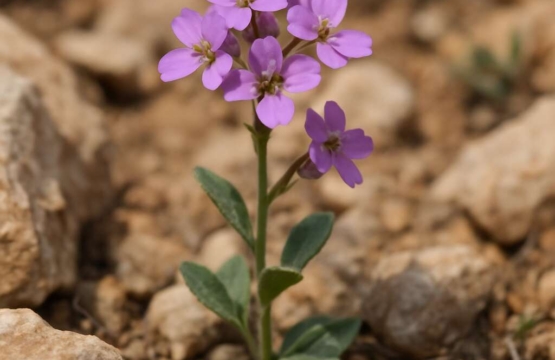
The plant’s striking floral display blooms during late spring, unfurling clusters of small, star-shaped flowers. Each blossom presents a vivid vale of colors, predominantly pale violet with subtle hints of white, creating a visual symphony against the stark backdrop of its native habitat. The flowers, arranged in dense racemes, possess five delicate petals that attract the pollinators essential for its reproductive cycle.
A distinctive morphological hallmark of Odontarrhena troodi lies in its fruit—wrinkled, pod-like capsules that harbor tiny, fertile seeds. This seed dispersal strategy enables it to thrive in soil pockets that are often nutrient-scarce, showcasing its physiological resilience. Features such as its finely serrated leaf margins and robust root structures facilitate its survival in the selective alkaline soils of Cypriot mountains—making its identification both fascinating and intuitive for botanists and plant enthusiasts alike.
Physiological Adaptations – Adaptations to local environmental conditions, drought tolerance, etc.
Amidst the rugged, sun-drenched slopes of Cyprus’s Troödos mountain range, Odontarrhena troodi stands as a testament to nature’s quiet resilience. This perennial herb, with its modest stature—ranging from 10 to 30 centimeters—masks a sophisticated array of physiological adaptations that enable it to flourish amid the mountain’s alkaline, nutrient-limited soils. Its finely serrated leaves and star-shaped violet blossoms whisper secrets of survival, but beneath this delicate veneer lies a world of remarkable physiological resilience.
Odontarrhena troodi has evolved drought tolerance through its deeply rooted structures, which anchor it steadfastly within rocky outcrops and limestone fissures. Its physiology allows it to endure prolonged dry spells common in its native habitat, conserving water with a suite of cellular mechanisms that minimize transpiration. The plant’s seed capsules, wrinkled and pod-like, exemplify its strategic adaptations for seed dispersal and soil colonization even in sparse, hostile environments.
Several physiological traits contribute to its persistence in Cyprus’s challenging climate:
- Efficient water retention strategies during drought conditions
- Enhanced root systems for nutrient uptake in poor, alkaline soils
- Modified leaf surface with a subtle sheen, reducing water loss
- Seed dispersal mechanisms optimized for soil pockets with limited nutrients
With each adaptation, Odontarrhena troodi embodies an elegant harmony of form and function, a plant whose physiological makeup echoes the enduring spirit of the Cypriot mountains. Its resilience is not just a matter of survival but a poetic testament to how life persists against the odds, in terrains that challenge even the most seasoned botanists and plant enthusiasts alike.
Comparison with Similar Species – Differentiating Odontarrhena troodi from close relatives and look-alikes
When comparing Odontarrhena troodi with its close relatives, a captivating story of adaptation and subtle differentiation unfolds. While many members of the Brassicaceae family sport similar floral structures, Odontarrhena troodi’s unique combination of morphological and physiological traits sets it apart. Its diminutive stature, often just 10 to 30 centimeters, belies a complex suite of features tailored for survival amid the harsh Cypriot landscape.
This species can often be distinguished from close relatives by its finely serrated leaves, which are adapted to reduce water loss through a subtle glossy sheen—a trait that helps it endure prolonged droughts. Unlike some of its look-alikes, which tend toward larger, broader leaves, Odontarrhena troodi’s leaves are narrow and star-shaped, a feature that minimizes transpiration without sacrificing photosynthetic capacity. Its violet flowers bloom in star-like clusters, but what truly stands out are the wrinkled seed capsules, a remarkable adaptation for seed dispersal in rocky, nutrient-poor soils.
- Size and stature
- Leaf morphology—serrated and glossy
- Flower structure and color
- Seed capsule shape and dispersal strategy
Physiological characteristics offer an even more telling narrative. Unlike some of its relatives, Odontarrhena troodi exhibits drought resilience through deeply anchored root systems and cellular water conservation mechanisms that are finely tuned to alkaline, nutrient-limited soils. Its modified leaf surface reflects an evolutionary fine-tuning to the mountain climate, effectively reducing water loss while still gathering enough sunlight for photosynthesis. This delicate yet resilient physiological balance is what allows it to withstand the seasonal dry spells and rocky terrain of the Troödos mountains.
In the battle of morphology and physiology, Odontarrhena troodi emerges as a nuanced exemplar of natural engineering. Its subtle differences—distinguished by leaf shape, flower form, and internal water conservation strategies—highlight a plant perfectly suited to its environment. A true marvel among Cyprus’s endemic flora, it continues to whisper secrets of resilience on the sun-drenched mountainside.
Ecological and Conservation Aspects
Role in Local Ecosystems – Interactions with other species and ecological significance
Amid the rugged terrains of Cyprus’s Troodos Mountains, Odontarrhena troodi plays a pivotal role in maintaining ecological balance. This resilient plant persists in soils enriched with metals, acting as both an indicator of environmental health and a stabilizer of local biodiversity. Its interactions with other species foster a unique web of ecological relationships, where it offers vital resources to pollinators and small herbivores while contributing to the soil’s mineral cycling. The presence of Odontarrhena troodi often signals a healthy, undisturbed habitat, highlighting its importance in conserving the landscape’s natural integrity.
Wildlife relying on Odontarrhena troodi illustrates the species’ significance within its ecosystem. For example, native insects and birds utilize its flowers for nourishment, establishing mutualistic links that sustain various populations. Its adaptation to metal-rich soils makes it a natural competitor against invasive species, thereby safeguarding the endemic flora of Cyprus. Protecting Odontarrhena troodi not only preserves its intrinsic ecological value but also supports the stability of the entire local environment.
Threats and Conservation Status – Risks faced by the species and conservation efforts in place
Standing steadfast amid the rugged contours of Cyprus’s Troodos Mountains, Odontarrhena troodi embodies resilience in the face of environmental adversity. Its presence on metal-rich soils—often a silent testament to nature’s hidden alchemy—renders it a beacon of ecological significance. Yet, this remarkable species faces silent threats that imperil its future, casting shadows over the delicate balance it maintains within its delicate ecosystem.
Acts of environmental disturbance, such as mining activities and land development, threaten the habitats where Odontarrhena troodi thrived for centuries. Its specialized adaptation to metal-laden soils makes it particularly vulnerable to habitat loss—once disturbed, its unique ecological niche can vanish in the blink of an eye. The species’ endangered status highlights the urgent need for conservation efforts, which include habitat protection and research into its ecological role.
Efforts to preserve Odontarrhena troodi are gaining momentum through initiatives like protected area designations and ecological restoration projects. These initiatives aim to shield its natural habitat from invasive species and human encroachment. As a resilient symbol of Cyprus’s rich botanical heritage, Odontarrhena troodi’s survival hinges on sustained conservation actions that foster biodiversity and protect its endemic status.
Research and Monitoring Programs – Ongoing studies, protected areas, and future research directions
Efforts to illuminate the ecological and conservation aspects of Odontarrhena troodi are gaining momentum, as ongoing research and monitoring programs strive to unlock the secrets of this resilient endemic. These initiatives are rooted in a profound understanding that preserving our native flora is not merely about saving a species but safeguarding an intricate web of life that sustains the very fabric of Cyprus’s unique environment.
Current studies focus on tracking population dynamics, habitat health, and reproductive success, providing critical data that can inform adaptive conservation strategies. Protected areas designated for Odontarrhena troodi serve as living laboratories, where scientists can observe its interactions with the environment and other species, ensuring that conservation efforts are both effective and scientifically grounded.
Future research directions aim to deepen knowledge about its physiological adaptations, especially its remarkable drought tolerance and metal accumulation capabilities. This research is fundamental in understanding how Odontarrhena troodi responds to environmental changes and increasing human encroachment. For example, targeted ecological restoration projects utilize native soil amendments and invasive species control to create resilient habitats, which are vital for sustaining this species’ endemic status.
To structure ongoing efforts, research teams emphasize the importance of
- long-term ecological monitoring
- habitat connectivity analysis
- genetic diversity assessments
ensuring that conservation measures adapt to emerging challenges. Such comprehensive oversight is the backbone of a lasting legacy—one that recognizes Odontarrhena troodi not just as a botanical curiosity, but as a symbol of resilience that deserves our deepest commitment.

 by
by 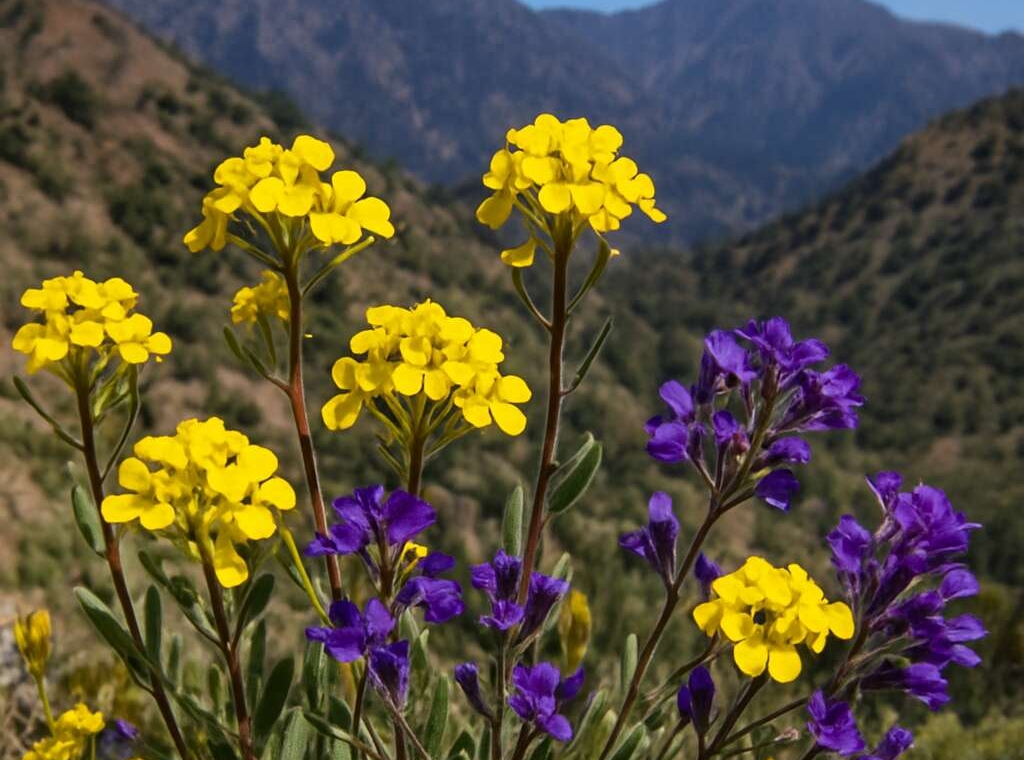





Latest Comments