Introduction to Onosma caespitosa
Overview of Onosma caespitosa – General description, distinguishing features, and botanical classification
Among the captivating members of the Boraginaceae family, Onosma caespitosa stands out as a botanical marvel, often overlooked by those only familiar with more flamboyant flora. This resilient plant, hailing from rocky, arid terrains, boasts a compact, tufted growth habit that makes it an intriguing subject for both botanists and enthusiasts alike.
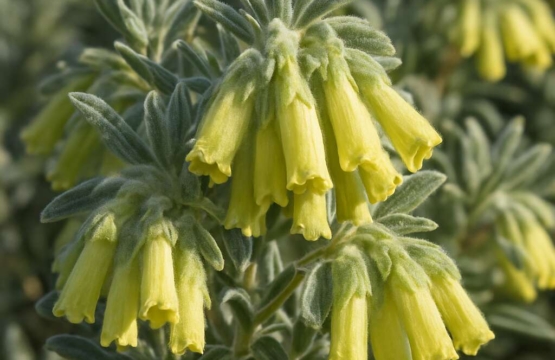
What truly sets Onosma caespitosa apart are its slender, elongated stems topped with small, tubular flowers. These blossoms unfurl in shades of muted purple or pink, creating a delicate contrast against the hardy, greyish-green leaves. A distinguishing feature lies in its densely clustered, caespitose arrangement—hence the name—that enables it to withstand the toughest of conditions.
Botanically, Onosma caespitosa belongs to the genus Onosma, characterized by a diverse group of herbaceous plants adapted to dry environments. Its botanical classification as part of the Boraginaceae family underscores its evolutionary link to other drought-tolerant species, making it a prime example of nature’s ingenuity in arid landscapes.
Native Habitats and Distribution – Geographical regions, preferred environments, and ecological niche
Onosma caespitosa thrives in the rugged, rocky terrains of the Mediterranean basin, where the climate is often harsh and unforgiving. Its natural distribution spans regions across southern Europe, particularly in Greece, Turkey, and parts of the Balkan Peninsula. These resilient plants have carved out a niche in arid environments, flourishing where few other species dare to grow.
The preferred environment for Onosma caespitosa is characterized by well-drained, stony soils that mimic its native habitat. It is commonly found clinging to rocky slopes, cliff faces, and among sparse vegetation, often in elevation zones that test its drought endurance. This botanical marvel is a true survivor, often forming dense clusters that help it resist desiccation and harsh winds.
- Rocky, arid landscapes
- Sun-exposed slopes
- Dry, stony soils
Its ecological niche is that of a pioneering species, capable of stabilizing soil in rocky areas while providing a microhabitat for other drought-tolerant flora. The distribution of Onosma caespitosa is a testament to its adaptability, with populations concentrated in regions where water conservation is paramount. Its presence signals a resilient plant perfectly suited to withstand the challenges of arid, sun-drenched environments.
Historical and Cultural Significance – Traditional uses, historical references, and cultural relevance
Throughout history, plants like Onosma caespitosa have held a subtle yet enduring cultural significance in the Mediterranean region. In local traditions, this resilient herb has been valued for its medicinal properties and symbolic connection to endurance and survival amid harsh environments. References to Onosma caespitosa can be found in ancient texts, where it was often associated with strength and resilience, traits that the plant itself exemplifies in its rugged habitat.
In some areas, traditional uses of Onosma caespitosa included its incorporation into herbal remedies aimed at skin healing or inflammation reduction. Though primarily appreciated for its hardy nature, this plant also features in regional folklore as a symbol of persistence in barren landscapes. The cultural relevance of Onosma caespitosa underscores its role as more than just a survivor—it is a reminder of nature’s ability to thrive against the odds.
Its presence in local narratives and use in traditional practices underline a broader narrative about resilience—a quality that places Onosma caespitosa at the heart of Mediterranean botanical heritage. The plant’s enduring legacy is woven into the stories of people who live in some of the most demanding terrains, making it a true emblem of perseverance. For those interested in ethnobotanical history, Onosma caespitosa exemplifies how flora can transcend purely biological roles to become culturally significant.
- Traditional medicinal applications
- Symbol of resilience in local folklore
- Historical references in Mediterranean herbal practices
Botanical Characteristics and Morphology
Physical Appearance and Size – Growth habits, height, and overall plant structure
Standing quietly in rocky Alpine corners, Onosma caespitosa reveals itself as a botanical whisper of resilience and grace. Its physical appearance is enchanting—compact, mat-forming growth habits cloak the rugged terrain like a natural tapestry. With a stature reaching just a few centimeters to a careful height of approximately 15 centimetres, this flowering gem exhibits a dense, cushion-like structure that exudes both durability and delicacy. Its leaves, slender and grey-green, seem almost to shimmer under the sun’s gaze, hinting at the plant’s adaptation to harsh environments.
The defining feature of Onosma caespitosa lies in its intricate, tubular flowers. Often deep violet with streaks of white or pale purple, the blossoms emerge sporadically from mat-like foliage, creating a striking contrast against the rocky backdrop. This modest shrub’s overall growth habit is low-lying but vigorous, forming a resilient ground cover that embodies nature’s tenacity.
- Small, dense clumps
- Height ranging from 5 to 15 centimetres
- Rugose, greyish-green leaves
- Bright violet flowers in late spring to early summer
Overall, Onosma caespitosa exemplifies the elegance found in survival—its physical characteristics and growth habits make it a captivating subject for botanical herbarium collections and native plant enthusiasts alike. Its physical appearance and structure serve as a testament to the plant’s adaptation to the mountainous, rocky habitats where it thrives.
Leaves and Stem Features – Leaf shape, arrangement, and stem attributes
Botanical charm often lies hidden in quiet corners, where resilience and delicate beauty coexist. Onosma caespitosa, with its intriguing morphology, offers a glimpse into nature’s artistry. Its leaves are a marvel of adaptation—rugose, greyish-green, and slender, these foliage elements cloak the plant’s low-lying stature with a soft, textured armor. These leaves tend to be arranged in dense whorls or rosettes, creating a mat that withstands the harsh mountain climate with grace. The stems of Onosma caespitosa are sturdy yet flexible, often covered in fine hairs that lend a velvety feel, allowing it to cling tightly to rocky surfaces. The plant’s overall stem architecture supports the densely packed leaves and sporadically sprouting tubular flowers, making it an enduring symbol of alpine resilience.
Its morphological features serve as a testament to its ability to thrive amidst rugged terrain. The leaves are typically elongated and narrowly lanceolate, which helps minimize water loss in sun-baked environments. The plant’s stems tend to be fibrous and tend to grow close to the ground, forming a coherent ground cover that fights against soil erosion. When chatting about Onosma caespitosa, it’s impossible not to admire the plant’s exquisite adaptation—the way each stem and leaf configuration contributes to its survival while maintaining a striking visual appeal in its native rocky habitats. This humble yet resilient structure underscores the plant’s role as an enduring piece of mountain lore and alpine flora.
Flowers and Reproductive Structures – Flower color, blooming season, and pollination traits
Brace yourself for a botanical marvel thriving in the rugged terrains of alpine regions – Onosma caespitosa is a testament to nature’s resilience. Its vibrant flowering season, spanning late spring to early summer, showcases tubular blossoms that cascade in delicate clusters, captivating both botanists and outdoor enthusiasts alike. The plant’s striking flower color varies from deep violet to subtle lilac, providing a vivid contrast against the grey-green foliage.
This flower’s reproductive structures are specially adapted to attract a diverse range of pollinators, including native bees and butterflies. The tubular shape of the blossoms not only shields the nectar from harsh mountain winds but also encourages efficient pollination. Such features make Onosma caespitosa a fascinating subject for those interested in alpine flora and plant adaptation strategies.
- Flower color: Deep violet to lilac
- Blooming season: Late spring to early summer
- Pollination traits: Adapted for bee and butterfly visitation
Stepping into the world of Onosma caespitosa, one cannot help but admire its ability to thrive in thin, rocky soils where few others can endure. The plant’s compact flowers and resilient nature exemplify the enduring spirit of mountain flora, making it an iconic symbol of alpine wilderness.
Distinctive Morphological Traits – Unique identifiers, adaptations, and environmental resilience
Amidst the rugged splendor of alpine regions, Onosma caespitosa reveals its captivating charm, standing resilient against the harshest elements. Its botanical characteristics highlight a plant uniquely adapted to survive in thin, rocky soils—an enduring testament to nature’s ingenuity. This vibrant herbaceous flower boasts a dense, mat-like growth habit, forming low-lying tufts that hug the mountain terrain with quiet determination.
Distinctive morphological traits set Onosma caespitosa apart from its neighbors. Its stems are slender yet firm, often covered in a fine, silvery fuzz that helps it conserve moisture. The plant’s leaves are small, linear to lanceolate, and arranged alternately along the stems. Such leaves minimize water loss while maintaining essential photosynthesis—adaptations vital to thriving in alpine climates.
One of the most enchanting features of Onosma caespitosa is its tubular blossoms, which emerge like delicate lanterns in shades of deep violet to lilac. These flowers are not only visually striking but also strategically designed to withstand mountain winds.
- They foster efficient pollination by attracting native bees and butterflies with their nectar-rich, tubular structures.
Their resilience is further evident in their ability to bloom from late spring to early summer, when mountain conditions are most temperate.
Environmental resilience is encapsulated in the plant’s ability to flourish in some of the most challenging terrains. Its compact, hardy form and specialized reproductive traits, including nectar pathways and flower shape, make Onosma caespitosa a quintessential example of alpine flora adaptation. Every petal, stem, and leaf tells a story of survival, a verdant testament to how life persists where few others can thrive.
Cultivation and Care of Onosma caespitosa
Soil and Climate Conditions – Preferred soil types, pH levels, and climate parameters
If you thought growing a desert flower was akin to convincing a cat to take a bath, think again—Onosma caespitosa is surprisingly resilient, provided you offer it the right conditions. Native to rocky slopes and arid terrains, this hardy perennial thrives where soil has a preference for well-drained, sandy or gritty textures. It’s quite the soil connoisseur, favoring slightly alkaline to neutral pH levels—think a pH between 6.5 and 7.5—and tends to frown upon overly moist environments, which threaten its drought-tolerant reputation.
For the climate in the United Kingdom, Onosma caespitosa prefers a temperate zone with plenty of sunlight. It’s best to avoid heavy clay soils or regions with high humidity, as excess moisture can lead to root rot. If you’re plotting to cultivate this botanical marvel, consider soils that mimic its native conditions—think rocky, mineral-rich, and with excellent drainage. In a typical garden setting, a mixture of coarse sand, gravel, and a dash of organic matter will give Onosma caespitosa the environment it craves, making it more than just a resilient survivor—it’s a star performer in tough conditions!
Propagation Methods – Seeds, cuttings, and division techniques
Cultivating Onosma caespitosa is less a matter of botanical bravado and more about finesse—though, quite frankly, it angels in with surprisingly little fuss when approached correctly. Propagation of this resilient desert flower can proceed through several graceful methods, each suited to different gardener temperaments. Seeds, cuttings, and division techniques all have their charming virtues.
Starting with seeds, patience is a virtue. Sow Onosma caespitosa seeds on the surface of well-drained, gritty soil in early spring, ensuring they aren’t buried too deeply—a common mistake with such daring seedlings. Cover lightly with fine sand and keep the soil barely moist until germination, which could take a few weeks. Cutting back on watering mimics its native drought environments, encouraging healthy sprout development.
For those who favor more immediate gratification, taking semi-hardwood cuttings in late spring or early summer is ideal. Dip the cuttings in rooting hormone and plant them in sand or gritty compost. Keep them in a warm, bright location, but avoid overwatering—again, the secret to thriving Onosma caespitosa.
Division is another auspicious method—best performed during early spring or late autumn. Gently tease apart mature plants, ensuring each division boasts a robust root ball. Plant these in the preferred sandy soil mixture, where Onosma caespitosa’s preference for excellent drainage and slightly alkaline pH levels will reward diligent cultivation.
In summary, whether by seed, cutting, or division, nurturing Onosma caespitosa demands a delicate balance of patience and understanding of its desert-born resilience. This charming perennial, with its charming mat-forming habit, makes an adventurous addition to rock gardens and dry beds, flourishing in the perfect blend of well-drained, mineral-rich substrates. Such versatility in propagation techniques ensures this hardy beauty continues to captivate gardeners across the United Kingdom, turning even the most initially skeptical into ardent admirers of Onosma caespitosa.
Watering and Fertilization – Irrigation needs and nutrient requirements
Watering and fertilization are the lifeblood of Onosma caespitosa, transforming it from mere resilience into flourishing vitality. This desert-native perennial is accustomed to sporadic moisture and thrives best when its watering regimen mimics its natural habitat’s arid cycles. Overwatering can quickly turn this rugged beauty into a victim of root rot, so patience and moderation are paramount. Allow the soil to dry out thoroughly between watering sessions, especially during the cooler months, when growth naturally slows.
Fertilization plays a supporting role in nurturing Onosma caespitosa, but it must be approached with precision. A balanced, mineral-rich feed applied lightly in spring will sustain its vibrant foliage and prolific flowering. For those who wish to fine-tune their care, consider these guidelines:
- Use a diluted cactus or succulent fertilizer every four to six weeks during active growth.
- Apply a gentle boost of organic compost in early spring to enrich the sandy, well-drained soil.
- Keep fertilization minimal in winter, maintaining the plant’s natural drought-hardiness and resilience.
In the silent, sun-drenched niches where Onosma caespitosa is native, these plants acquire nutrients from the mineral-rich soils that judge heavily against excess water. This means that in cultivation within the United Kingdom, attentive watering tailored to its dry-loving roots is essential, as is understanding its preference for slightly alkaline pH levels—preferably around 7.5 to 8.0. Fertilization should never drown its delicate roots but rather reinforce its hardy constitution, ensuring that the plant continues to thrive and display its characteristic mat-forming habit.
When tending to Onosma caespitosa, think of your care as an art form—each watering and feeding act a delicate brushstroke on the canvas of this desert jewel. Its resilience in drought-like conditions is a testament to the beauty that emerges when its hydration and nourishment are thoughtfully synchronized.
Maintenance and Pruning – Best practices for health, appearance, and longevity
Onosma caespitosa thrives with the right maintenance and pruning, ensuring its health, appearance, and longevity. This hardy perennial benefits from minimal interference, but strategic pruning encourages denser mat formation and promotes a vibrant display of flowers. Regular removal of spent blooms prevents disease and keeps the plant looking pristine.
Best practices for pruning include gently trimming back overgrown stems after flowering, which helps the plant allocate energy efficiently. Use clean, sharp shears to avoid damage and disease transmission. Avoid heavy pruning in late summer or autumn, as this can hinder the plant’s next blooming cycle.
Maintaining Onosma caespitosa’s shape is straightforward. Focus on light thinning to remove dead or weak growth. This approach encourages robust health and a more attractive, compact appearance. Integrating thoughtful pruning into your routine enhances its drought resilience and helps it adapt to containers or tough soil conditions.
For sustained vigor, somewhat light maintenance practices are enough. Proper pruning, combined with minimal but targeted watering and fertilization, creates the perfect environment for Onosma caespitosa to flourish. Remember, this desert native’s natural resilience means it rewards patience and moderation in care practices.
Common Challenges and Solutions – Pest issues, diseases, and environmental stressors
Cultivation and care of Onosma caespitosa present unique challenges that test even seasoned gardeners. While this hardy perennial displays remarkable resilience, its susceptibility to certain pests and diseases requires vigilance. Soil-borne issues such as root rot can occur if drainage isn’t optimal, especially after periods of heavy rainfall or overwatering. Environmental stressors like prolonged drought or extreme temperature swings may cause leaf scorch or stunted growth.
To maintain its vitality, it’s advisable to monitor for common pest issues such as aphids or spider mites, which occasionally infest coastal or rocky habitats where Onosma caespitosa naturally occurs. Addressing these problems swiftly with organic insecticides or natural predators helps preserve the plant’s health. For environmental stress, providing filtered sunlight and avoiding excessive watering are simple yet effective measures.
Signs of distress might include wilting, discoloration, or uncharacteristic bare patches. A few proactive steps include maintaining well-drained soil, ensuring good air circulation around the plant, and avoiding heavy pruning that can exacerbate stress. Proper care not only safeguards against diseases but also ensures that Onosma caespitosa remains an enduring fixture, thriving in diverse conditions within UK gardens.
Uses and Applications of Onosma caespitosa
Medicinal and Herbal Uses – Traditional medicine applications, active compounds, and benefits
In the realm of traditional herbal medicine, few plants carry the mystique and potential of Onosma caespitosa. Historically, this resilient herb has been revered for its medicinal properties, often employed in remedies aimed at treating skin ailments and inflammation. The active compounds within Onosma caespitosa, such as flavonoids and alkaloids, are believed to contribute to its therapeutic effects, offering natural anti-inflammatory and antioxidant benefits.
The application of Onosma caespitosa as a herbal remedy is rooted in centuries of ethnobotanical use across its native regions. Its extracts have been utilized in poultices and infusions, harnessing the plant’s potent bioactive constituents. Botanical studies reveal that the unique phytochemistry of Onosma caespitosa makes it a valuable resource in herbal medicine, especially for promoting wound healing and alleviating minor dermatological issues. As interest in plant-based therapies grows, the potential application of Onosma caespitosa in modern herbal medicine continues to unfold, revealing a promising natural alternative for health and wellness enthusiasts.
Horticultural and Landscaping Uses – Incorporation into gardens, aesthetic appeal, and companion planting
The charm of Onosma caespitosa extends beyond its botanical classification, wielding a subtle influence over horticultural and landscaping practices that is often underestimated. This resilient perennial, with its intricate foliage and striking blooms, has garnered admiration among enthusiasts seeking to create visually compelling gardens that marry nature’s artistry with ecological harmony.
Incorporating Onosma caespitosa into garden designs offers a tapestry of aesthetic appeal—its tiny, star-shaped flowers shimmer like gems, creating a texture that plays with light and shadow. Ideal for rock gardens, borders, or wildflower meadows, it offers a low-maintenance option that thrives under the British climate, its natural resilience a testament to its adaptability.
A particularly effective approach involves using Onosma caespitosa for *companion planting*, where its growth habits complement neighbouring plants, promoting both visual cohesion and ecological balance. Its ability to grow in well-drained, slightly alkaline soils makes it an excellent choice for garden enthusiasts aiming to cultivate a sustainable landscape—each plant forming part of a dynamic, living mosaic.
For horticulturists keen on purposeful planting, here are some effective methods:
- Propagate via seeds or cuttings to achieve genetic diversity and personalized garden layouts.
- Strategically place it in sunny spots to enhance flowering abundance and overall plant health.
- Combine with other drought-tolerant species for a low-impact, environmentally conscious design that still captivates the eye.
The distinctiveness of Onosma caespitosa lies not only in its unique morphological traits but also in its capacity to endure diverse environmental conditions, making it an asset in the modern British garden. Its ornamental value combined with its resilience elevates it beyond mere aesthetics, transforming spaces into living, breathing works of art that flourish in harmony with nature.
Conservation and Ecological Role – Conservation status, ecological functions, and supporting biodiversity
The conservation and ecological role of Onosma caespitosa reveal a fascinating narrative of resilience and balance within native British habitats. This unassuming perennial, often overlooked, plays a subtle but vital part in supporting biodiversity and maintaining ecological harmony. Its hardy nature allows it to thrive in well-drained, alkaline soils, often found in precarious rocky slopes and grassland margins where few other species flourish.
In terms of conservation status, Onosma caespitosa is not currently classified as endangered, yet its specialized habitat preferences underscore the importance of habitat preservation efforts. Protecting areas where this plant naturally occurs ensures that its ecological functions—such as soil stabilization and providing nectar sources—remain undisturbed.
The plants’ role extends beyond mere aesthetics; it actively supports pollinator populations, including native bees and beneficial insects. The flowers serve as a vital food resource during peak blooming season, reinforcing the interconnectedness within native flora and fauna. Supporting biodiversity involves safeguarding its preferred environments and encouraging ecological networks that sustain its population.
- Providing nectar for pollinators at critical times.
- Contributing to soil stability through its root system.
- Enhancing habitat diversity by supporting coexisting plant species.
Charming yet resilient, Onosma caespitosa exemplifies a species whose presence enriches the British landscape on multiple levels—both visually and ecologically. Its contribution underscores the importance of conservation efforts that recognize the interconnectedness of plant diversity and the health of native ecosystems.
Research and Scientific Interests – Ongoing studies, potential pharmacological uses, and future prospects
The allure of botanical research lies in unveiling the secrets of nature’s silent guardians. Among these, Onosma caespitosa stands as an intriguing subject for ongoing scientific studies, captivating researchers with its multifaceted potential. This resilient perennial, native to the rugged terrains of the British Isles, invites exploration into its pharmacological prospects, as emerging investigations reveal compounds possibly holding medicinal value.
Scientists are particularly interested in the plant’s active constituents—natural antioxidants and anti-inflammatory agents—that could someday find their way into herbal remedies or pharmaceutical formulations. Its robust adaptability under varying soil and climate conditions makes Onosma caespitosa a promising candidate for further study within ethnobotanical frameworks, where tradition meets modern science.
Research efforts currently emphasize its unique morphological traits, which may unlock new applications in natural product development. The plant’s enduring presence in rocky slopes and calcareous grasslands offers fertile ground for ecological and pharmacological exploration. As understanding deepens, the future of Onosma caespitosa appears bright, with potential avenues extending into sustainable herbal medicines and innovative botanical applications.
- Pharmacological research into active compounds
- Potential use in herbal medicine and natural remedies
- Ongoing studies on its resilience and environmental adaptability
This floral sentinel’s contribution transcends its visual appeal, beckoning a new chapter where science and nature entwine. With each study, the layers of the plant’s potential unfold, hinting at future medicinal breakthroughs and new horizons in botanical science.

 by
by 





Latest Comments