Botanical Characteristics and Classification
Overview of Origanum majorana var. tenuifolium – Taxonomy and Nomenclature
Origanum majorana var. tenuifolium stands as a fascinating example of botanical differentiation within the mint family. Renowned for its slender, aromatic leaves, this variety exhibits a unique morphological structure that sets it apart from the more common forms of marjoram. Its leaves are notably finer and more delicate, giving the plant an elegant, almost ethereal appearance. These characteristics are not just aesthetic; they influence the plant’s essential oil composition, which is highly prized in culinary and medicinal applications.
Classified under the taxonomy of Lamiaceae, the mint family, Origanum majorana var. tenuifolium has a precise botanical classification that underscores its place within the genus Origanum. The scientific naming is anchored in its distinct traits—namely, the tenuifolium epithet, meaning “slender-leaved”. This botanical nuance has earned it a specific classification, helping horticulturists and herbal enthusiasts distinguish it from related variants.
Its taxonomy and nomenclature reflect a well-defined botanical lineage, which can be summarized as follows:
- Kingdom: Plantae
- Order: Lamiales
- Family: Lamiaceae
- Genus: Origanum
- Species: Origanum majorana
- Variety: tenuifolium
This precise classification aids in understanding its specific traits and how it integrates into traditional herbal practices, giving it a distinguished place in botanical taxonomy within the UK and beyond.
Plant Morphology and Physical Description – Leaf Shape, Flower Structure, and Growth Habit
Origanum majorana var. tenuifolium is distinguished by its delicate botanical characteristics that captivate both gardeners and herbalists alike. Unlike the broader-leaved varieties, this specific tussock produces slender, finely textured leaves that shimmer with a silvery-green gloss, giving the plant an almost ethereal presence in any herb garden. The narrow leaves—its defining feature—also influence the plant’s essential oil profile, making it especially prized in culinary and medicinal use.
When it comes to plant morphology and growth habit, Origanum majorana var. tenuifolium exhibits a compact, bushy form with a somewhat sprawling nature. Its growth is slow but steady, forming dense mats of foliage that can be easily cultivated for ground cover or container gardening. The flower structure unfolds in delicate clusters of tiny, pale pink to lavender blooms, which attract pollinators and add a subtle touch of colour to its elegant profile.
Leaf shape and size are central to its classification. The leaves are elongated and lanceolate, usually less than one centimetre wide, and are arranged oppositely along the stems. This slender form not only enhances its visual appeal but also affects the aromatic profile, giving it a sharper, more refined scent compared to coarser varieties. Experienced horticulturists note that the natural growth habit of Origanum majorana var. tenuifolium lends itself well to both small herb gardens and larger landscape designs, providing versatility and a touch of distinction.
- Distinguished by its fine, slender leaves that lend an airy, delicate appearance.
- Shows a compact growth habit with bushy, sprawling stems ideal for ground cover or container cultivation.
- Features tiny, pale pink to lavender flowers in compact clusters, attracting pollinators and enhancing its ornamental value.
For those cultivating Origanum majorana var. tenuifolium, understanding its physical description allows for optimized growing conditions—warm climates, well-drained soil, and plenty of sunlight—ensuring its aromatic leaves develop to their full potential. Appreciating these botanical nuances helps distinguish this variety from the more common marjoram, highlighting its unique contribution to both herb cultivation and botanical diversity within the Lamiaceae family.
Differences from Other Marjoram Varieties – Unique Traits and Identification Tips
Origanum majorana var. tenuifolium stands out among marjoram varieties because of its distinctive botanical features. Its unique traits include fine, slender leaves that provide an almost lace-like appearance, differing sharply from the broader leaves of common marjoram. These narrow leaves are not just ornamental; they influence the plant’s aromatic profile, offering a sharper, more nuanced scent that appeals to herbal enthusiasts.
Unlike other marjoram variants, Origanum majorana var. tenuifolium exhibits a bushy, sprawling growth habit with low, dense foliage perfect for ground cover or container gardening. Its compact stature and delicate flower clusters, which typically bloom in shades of pale pink to lavender, set it apart visually. These clusters attract pollinators, adding both ecological and ornamental value to your garden!
- Slender, lanceolate leaves less than one centimetre wide
- Fine texture creating an airy and elegant silhouette
- Compact, bushy growth with sprawling stems
- Pale pink to lavender tiny flowers in dense clusters
Authentic identification of Origanum majorana var. tenuifolium often hinges on these botanical distinctions. Its narrow, elongated leaves and refined floral structure make it easy to distinguish from broader-leaved marjoram. When cultivating, remember that this variety thrives in warm climates with well-drained soil and plenty of sunlight, ensuring its aromatic, delicate leaves flourish. Recognising these differences not only aids proper classification but also highlights its value in both culinary and medicinal herb collections within the diverse family of Lamiaceae.
Habitat and Growing Conditions – Climate Preferences, Soil Requirements, and Habitat Range
In the shadowed corners of herbal lore, Origanum majorana var. tenuifolium emerges as a whisper from the past—an emblem of subtle elegance and arcane aromatic mystery. Its botanical characteristics whisper of delicacy and precision, with slender, lanceolate leaves often less than one centimeter wide, resembling fragile lace spun from ether. These fine, airy foliage lend an almost ghostly silhouette to the plant, an ephemeral presence in any garden yearning for a touch of the supernatural.
Classified within the genus Origanum, Origanum majorana var. tenuifolium is distinguished by its compact, sprawling growth habit, often crawling across the earth like a secretive creature lurking beneath the night’s shadow. Its diminutive, pale pink to lavender flowers bloom in dense clusters—tiny orbs of muted colour that attract pollinators like moths to a flickering flame, adding both allure and ecological depth to its native habitat. Such exquisite traits make it a prized botanical specimen for collectors seeking the rare and the mysterious.
This variety’s preferred habitat resides in warm, temperate climates where well-drained soil embraces its delicate roots. It thrives in sun-drenched environments, basking in the glow of long daylight hours—a vital component for its aromatic leaves, which release enigmatic scents with every breeze. In the wild, Origanum majorana var. tenuifolium often threads its way through rocky slopes and rocky outcrops, a testament to its resilience and ability to flourish in unforgiving terrain. Cultivation in the United Kingdom’s climate demands well-drained loam, with a need for protection during colder months, lest the fragile leaves succumb to frost’s shadow.
Cultivation and Care Guide
Propagation Methods – Seed Sowing, Cutting Techniques, and Transplanting
Propagating Origanum majorana var. tenuifolium offers a rewarding journey into cultivating this distinctive variety. Seed sowing remains a traditional yet highly effective method; scattering the tiny seeds across well-drained soil, then gently covering them, encourages sprouting. Patience is key, as germination can take several weeks, especially in cooler UK climates. Alternatively, cuttings offer a more immediate route to established plants. Select healthy, non-flowering stems, and remove lower leaves before inserting them into moist compost or a rooting medium. A polythene cover can help retain humidity, boosting rooting success. Transplanting is best achieved when the cuttings develop a sturdy root system; this often involves gently easing seedlings or rooted cuttings into their final position, ensuring they have ample space and optimal soil conditions. For those wishing to multiply their Origanum majorana var. tenuifolium efficiently, following these propagation methods ensures a thriving, aromatic herb garden.
Optimal Growing Conditions – Sunlight, Watering, Soil pH, and Fertilization
Cultivating Origanum majorana var. tenuifolium is an endeavor shrouded in subtle complexities that reward patience and attention to detail. These aromatic herbs flourish best when provided with the optimal growing conditions that align with their natural habitat preferences in the UK. Sunlight is paramount; place your Origanum majorana var. tenuifolium where it can bask in full sun for at least six hours daily, ensuring vigorous, fragrant growth.
Watering should be moderate—allow the soil to dry slightly between watering sessions to prevent root rot, a common enemy in cooler, damp climates. The ideal soil pH for Origanum majorana var. tenuifolium hovers around neutral to slightly alkaline, fostering enhanced herb development. Soil drainage must be excellent, mimicking its native rocky terrain, which is vital for the plant’s health and resilience.
For fertilization, incorporate well-balanced organic compost during spring and summer, supporting steady growth without overfeeding, which can diminish aromatic potency. To further streamline growth, follow a 1-2-3 fertilization schedule, applying organic liquid feed every third week during peak season.
Understanding the specific environmental needs of Origanum majorana var. tenuifolium unveils a world where soil, sunlight, water, and nutrients dance in harmony, creating a fragrant oasis perfect for culinary and ornamental pursuits.
Common Pests and Diseases – Identification and Organic Control Methods
Even the most resilient herbs face challenges from pests and diseases. With Origanum majorana var. tenuifolium, vigilance is key to maintaining its fragrant vitality in UK gardens. Common pests such as aphids and spider mites can quickly invade if left unchecked, causing distorted leaves and reduced aroma. Recognising early signs, like fine webbing or sticky residue, enables timely organic control.
Organic methods are preferred for sustainable growth. Introducing beneficial insects such as ladybirds or applying neem oil effectively manages pest populations without toxic chemicals. For fungal issues like powdery mildew, ensure good airflow around your plants and avoid overwatering. Copper-based organic fungicides can also prove effective when applied at the first sign of trouble.
In terms of diseases, root rot is a frequent concern when soil drainage is poor. To prevent this, use well-draining soil rich in organic matter and monitor watering routines during UK’s damp seasons. Regularly inspecting your Origanum majorana var. tenuifolium helps catch issues early, preserving its aromatic charm.
Harvesting and Post-Harvest Handling – Timing, Techniques, and Storage Tips
For those who believe that a fragrant herb is merely a garnish, think again—especially when it comes to Origanum majorana var. tenuifolium. This delightful variety of marjoram not only elevates culinary creations but also rewards the diligent gardener with a symphony of aroma and charm. Timing, careful handling, and proper storage of this herb transform an everyday plant into a prized harvest.
Harvesting Origanum majorana var. tenuifolium at just the right moment—typically just before the flowers bloom—ensures the collection of leaves brimming with essential oils and vibrant fragrance. Using sharp scissors or pruning shears, snip the sprigs cleanly, avoiding damage to the overall plant. Post-harvest, it’s paramount to dry or store the herb correctly to retain its enchanting aroma. A well-ventilated, cool, dark space preserves its potency for months, while freezing chopped leaves in airtight containers offers a fresh palate for culinary adventures.
- Pick the herb early in the morning when oil concentrations are highest.
- Air-dry in small bunches, hanging upside down in a shaded spot away from direct sunlight.
- Once dried, rub the leaves gently to release natural oils, then store in an airtight jar.
Understanding the artistic nuances of harvesting and post-harvest handling elevates the experience of cultivating Origanum majorana var. tenuifolium. Whether you’re Aromatherapy enthusiast or a culinary connoisseur, proper techniques ensure this herb remains a fragrant treasure in the UK’s temperate garden landscape. Its delicate leaves, once carefully harvested and stored, continue to enchant and inspire — one sprig at a time.
Wintering and Maintenance – Seasonal Care, Pruning, and Overwintering Strategies
The way we care for herbs through the seasons often distinguishes a thriving garden from one that merely survives. For Origanum majorana var. tenuifolium, proper wintering and ongoing maintenance are vital to preserve its delicate aroma and vigorous growth. This variety of marjoram is particularly sensitive to cold, making seasonal care a crucial aspect of its cultivation in the UK’s temperate climate.
During winter, it’s advisable to bring potted Origanum majorana var. tenuifolium indoors or into a sheltered location, such as a greenhouse or a conservatory. If grown outdoors, mulching around the base helps insulate roots from frost damage, while covering the plant with a frost cloth provides extra protection during severe cold snaps. Regular pruning in early spring promotes healthy new growth and prevents the herb from becoming woody or leggy.
Overwintering strategies should include a balanced approach—reducing watering frequency to avoid root rot but maintaining enough humidity to keep the herb from drying out. For persistent cold conditions, a sheltered site with some winter sun can make a notable difference, helping the herb retain vital oils and aroma. With attentive seasonal care, Origanum majorana var. tenuifolium remains an enduring delight in any garden.
Culinary and Medicinal Uses
Culinary Applications – Recipes, Flavor Profiles, and Pairing Tips
In the culinary landscape, Origanum majorana var. tenuifolium emerges as an aromatic jewel, its delicate leaves whispering promises of nuanced flavor. This variety of marjoram, cherished for its subtle, sweet fragrance, elevates dishes from simple to sublime. Its tender leaves lend a gentle, herbaceous note that pairs beautifully with Mediterranean fare, enhancing everything from roasted vegetables to succulent meats.
When it comes to pairing tips, think of origanum majorana var. tenuifolium as a versatile artisan—complementing garlic, lemon, and olive oils with ease. It harmonizes most notably with ingredients like tomatoes, lamb, and fresh greens, creating a symphony of fresh, fragrant notes. For a delightful twist, sprinkle it atop baked bread or swirl it into stews, its aromatic profile awakening taste buds with each bite. Its role as a culinary herb can transform everyday recipes into evocative sensory experiences—highlighting the culinary potential of this delicate yet distinctive herb.
Medicinal Properties – Traditional Uses, Scientific Support, and Active Compounds
Amidst a labyrinth of aromatic herbs, Origanum majorana var. tenuifolium emerges as an understated yet potent botanical legend, celebrated for its distinctive medicinal and culinary virtues. Though modest in stature, its traditional uses have spanned centuries, often revered in folk medicine for its gentle yet profound effects. Historically, it has been employed to soothe digestive unrest, bolster respiratory resilience, and alleviate minor ailments—an herbal remedy grounded in centuries of cultural wisdom.
Modern scientific investigations have begun to lend credence to these age-old beliefs, isolating powerful active compounds within Origanum majorana var. tenuifolium. Its essential oils—rich in thymol, carvacrol, and terpenes—exhibit antimicrobial and anti-inflammatory properties that substantiate its medicinal credibility. These constituents do not merely underpin its aromatic allure but also form the foundation of its role in herbal medicine, highlighting the therapeutic potential embedded within this delicate herb.
- Antioxidant effects: The herb’s polyphenols contribute to cellular protection, fending off oxidative stress.
- Digestive aid: Its use in traditional practices as a mild carminative supports gastrointestinal harmony.
- Infection resistance: The herb’s antimicrobial action renders it a natural choice for topical or internal use against certain pathogens.
Beyond its internal applications, the herb’s volatile oils serve as natural preservatives and remedies, bridging the realms of culinary artistry and holistic health. When woven into tea infusions or herbal tinctures, Origanum majorana var. tenuifolium imparts not only a symphony of fragrances but also a touch of therapeutic finesse—proving that sometimes beauty and wellness are entwined in the same fragile leaves.
Essential Oil and Extract Uses – Aromatherapy, Massage, and Natural Remedies
Origanum majorana var. tenuifolium isn’t just a culinary delight—it’s a potent medicinal herb with a mysterious allure. Its essential oil boasts a complex aroma that conceals a wealth of therapeutic properties, making it a versatile ingredient in natural health practices. From ancient times, this variety has been prized for its ability to alleviate digestive discomfort and support respiratory health, proving that its benefits extend far beyond the kitchen.
The essential oil of Origanum majorana var. tenuifolium is rich in thymol, carvacrol, and other terpenes, which lend their antimicrobial and anti-inflammatory qualities. These compounds make the herb a favorite in aromatherapy and massage therapies, where inhaling its aromatic vapors or applying diluted oils can soothe both mind and body. Its fragrant profile not only invigorates scentscapes but also imparts a sense of holistic well-being.
- Its calming aroma aids in reducing stress and promoting relaxation.
- Topical applications help in alleviating minor skin irritations and infections.
- Herbal infusions act as internal remedies for gastrointestinal and respiratory issues.
In natural remedies, Origanum majorana var. tenuifolium is often used as an oil extract or herbal tincture due to its high concentration of active compounds. The herb’s volatile oils lend themselves to aromatherapy practices, where inhalation supports respiratory resilience and boosts mental clarity. When incorporated into massage blends, these oils can ease muscle tension and provide a comforting, therapeutic experience. The plant’s multifaceted use in skincare, internal applications, and holistic health speaks to its enduring appeal among herbal enthusiasts and clinically inclined practitioners alike.
Dietary Benefits and Limitations – Nutritional Content and Precautions
In the world of culinary herbs and medicinal plants, few possess the elegant complexity of Origanum majorana var. tenuifolium. This delicate variety of marjoram commands attention not only for its aromatic allure but also for its remarkable health benefits. Its subtle, yet sophisticated flavor profile enhances a multitude of dishes, offering a gentle, fragrant touch that elevates any culinary creation. And beyond the kitchen, its medicinal properties have been celebrated since antiquity, intertwining taste with wellness in a harmonious dance.
The herb is renowned for its rich content of active compounds such as thymol and carvacrol, which endow Origanum majorana var. tenuifolium with potent antimicrobial and anti-inflammatory qualities. These characteristics make it a prized ingredient in herbal infusions and natural remedies designed to soothe digestive and respiratory issues. Its leaves, when freshly harvested, lend a mild sweetness with a hint of spice, perfectly suited for pairing with hearty vegetables, meats, and even baked goods.
From a nutritional standpoint, Origanum majorana var. tenuifolium offers vitamins, antioxidants, and essential oils that contribute to overall wellness. Consumption in culinary forms is generally safe, yet moderation remains key—excessive use can lead to skin sensitivities or gastrointestinal discomfort. It’s equally important to source high-quality, organically grown herbs, ensuring both safety and maximum therapeutic effect.
- Use fresh or dried leaves to flavour stews, marinades, and salads, for a subtle, aromatic accent.
- In herbal teas and infusions, it acts as an internal remedy, supporting respiratory and digestive health.
- In tinctures and oil extracts, Origanum majorana var. tenuifolium offers a concentrated form of its active compounds, ideal for targeted herbal applications.
While largely safe for culinary and medicinal uses, individuals with sensitivities should perform a patch test before topical application and consult healthcare professionals when incorporating Origanum majorana var. tenuifolium into daily routines. Its delicate essence not only infuses dishes with a warm, herbal aroma but also embodies centuries of herbal wisdom and botanical elegance, making it a versatile presence in both the kitchen and the apothecary cabinet.
Gardening Tips and Best Practices
Designing a Herb Garden – Companion Planting, Layout Ideas, and Container Gardening
Creating a thriving herb garden begins with thoughtful planning, especially when incorporating aromatic varieties like Origanum majorana var. tenuifolium. Its delicate, narrow leaves and enchanting floral displays make it a standout in sunny containers or well-drained garden beds. When designing your herb garden, consider companion planting techniques—pairing Origanum majorana var. tenuifolium with basil, thyme, or oregano can enhance growth and ward off pests naturally. A strategic layout ensures each plant receives adequate sunlight and airflow, crucial for healthy development.
Container gardening offers flexibility, especially in climates with unpredictable weather. Use raised beds or decorative pots to optimise space and microclimates—think about placing Origanum majorana var. tenuifolium near pathways or porch areas to enjoy its fragrant aroma. For larger gardens, an organized planting scheme—such as a herb spiral—can maximize space while creating visual interest. Integrating these practices elevates your herb garden, making it both functional and a feast for the senses.
Sustainable Gardening Practices – Organic Fertilizers, Water Conservation, and Pesticide Alternatives
Growing a vibrant herb garden that flourishes while maintaining sustainability is a pursuit of both artistry and conscience. When nurturing plants like Origanum majorana var. tenuifolium, adopting organic fertilizers ensures that every leaf and flower remains untainted by synthetic chemicals, fostering a healthier ecosystem. Organic compost, rich in natural nutrients, gently feeds the delicate, narrow leaves of this marjoram variant, promoting robust growth and aromatic potency.
Water conservation plays a pivotal role in sustainable gardening. Employing rainwater harvesting or drip irrigation methods helps maintain optimal moisture levels without waste, which is particularly beneficial for Origanum majorana var. tenuifolium’s well-drained soil preferences. Mulching around the base of the plant further reduces evaporation, safeguarding its resilience in varying weather conditions.
For pest control, embrace pesticide alternatives rooted in nature—such as neem oil or insecticidal soaps—that target common pests while preserving beneficial insects. Implementing crop rotation and companion planting, including pairing Origanum majorana var. tenuifolium with herbs like basil and thyme, naturally diminishes pest encounters and enhances vitality.
In the pursuit of a sustainable herb garden, meticulous attention to soil health, water efficiency, and organic practices creates an environment where Origanum majorana var. tenuifolium can truly thrive, offering fragrant foliage and culinary delights while respecting the planet.
Troubleshooting Common Issues – Addressing Growth Problems, Pest Damage, and Seasonal Challenges
When cultivating Origanum majorana var. tenuifolium, even seasoned gardeners know that attention to growth issues can mean the difference between a thriving herb and a disappointing patch. Spotting early signs of growth problems like yellowing leaves or leggy stems is crucial. Often, these stem from inadequate light or poor soil drainage. Ensuring the plant receives ample sunlight and that soil remains well-drained prevents root rot and encourages lush foliage.
Pest damage is another common hurdle. You might notice speckled leaves or tiny holes—reminders to monitor for aphids, spider mites, or whiteflies. Organic control methods like neem oil and insecticidal soaps tend to be effective without harming the beneficial insects that support your herb garden.
- Address watering habits—overwatering can cause fungal issues, while underwatering stunts growth.
- Adjust pruning techniques; proper pruning keeps Origanum majorana var. tenuifolium healthy and bushy.
- Implement seasonal protection—covering plants during harsh weather preserves their vitality against cold snaps and wind exposure.
Seasonal challenges are inevitable but manageable. During colder months in the United Kingdom, mulching helps insulate roots, while strategic overwintering preserves the herb’s vigor. Regularly checking soil pH and adjusting watering routines ensures optimal growing conditions, even when weather fluctuates. Troubleshooting these issues swiftly helps maintain a vibrant, aromatic herb garden centered around Origanum majorana var. tenuifolium’s distinct traits and growth habits. With proactive care, this marjoram variant flourishes, offering fragrant foliage for culinary and medicinal use season after season.
Permaculture and Ecosystem Integration – Creating Biodiverse and Resilient Gardens
< צייט entrenamiento русийә pants conclude trying robot
Nurturing a resilient and biodiverse herb garden involves more than just planting the right species; it requires an integrated approach to permaculture and ecosystem design. When cultivating Origanum majorana var. tenuifolium, creating a symbiotic environment can significantly enhance growth and health. Emphasising companion planting helps establish natural pest control and diverse habitats that mimic native ecosystems. For example, pairing Origanum majorana var. tenuifolium with pest-repelling herbs like garlic or chives can reduce reliance on chemical interventions and reinforce ecological balance.
In addition, implementing layered planting strategies not only makes efficient use of space but also fosters a diverse environment resilient to seasonal fluctuations. Consider including plants that attract beneficial insects—such as ladybirds and hoverflies—to keep pest populations in check naturally. This approach promotes a biodiverse setting, which inherently increases resilience against pests and diseases.
One practical method involves designing your garden layout with biodiversity in mind. Creating habitats like small patches of wildflowers or incorporating native plants anchors the ecosystem, ensuring the herb’s growth habitat is supported by a thriving, balanced environment. Such practices align with sustainable gardening principles that value ecosystem health over simple yield.
Furthermore, soil health acts as the foundation of permaculture. Regularly enriching it with organic matter and employing mulching techniques conserves moisture while suppressing weeds. Smart water management—including rainwater harvesting—integrates seamlessly with ecosystem creation, ensuring that Origanum majorana var. tenuifolium receives consistent moisture without waterlogging. This technical harmony prevents common problems, such as root rot and fungal infections, while maintaining sustainable water use.
Ultimately, integrating these sustainable practices leads to a garden that’s not only productive but also resilient—capable of withstanding climate variations common in the United Kingdom. When cultivating Origanum majorana var. tenuifolium within such a biodiverse framework, gardeners develop a herb patch that is both therapeutic and ecologically harmonious, enriching the entire outdoor environment. By prioritising ecosystem integration, your herb garden becomes a testament to resilient, sustainable cultivation that benefits all facets of your outdoor space.
Professional and Hobbyist Resources – Guides, Workshops, and Community Networks
In the verdant world of herb gardening, or perhaps a slightly rebellious corner of your vegetable plot, Origanum majorana var. tenuifolium stands out as a fragrant champion. This rare marjoram variety isn’t your garden-variety herb; it packs a flavorful punch with a finesse that even seasoned herb enthusiasts will envy. As in all good stories, community and resources play a vital role—enter the realm of gardening tips and best practices, where seasoned professionals and passionate hobbyists alike share their secrets through guides, workshops, and vibrant community networks.
Whether you’re a curious beginner or a veteran soil whisperer, tapping into these resources enriches your understanding of nurturing Origanum majorana var. tenuifolium. Workshops on organic gardening methods often reveal that this particular variety thrives with well-drained soil and plenty of sunlight—no surprises there—yet, the nuanced techniques discussed in community forums can turn a mediocre harvest into a fragrant, resilient bounty. The exchange of experiences—think of it as a lively herbaceous symposium—can shed light on subtle tricks like optimal pruning times or companion planting strategies that elevate your herb’s natural resilience.
For those seeking deeper knowledge, numerous online guides provide detailed insights into sustainable gardening practices tailored for UK climates. And don’t overlook local community networks—these hubs of real-world wisdom often host seed exchanges, which are perfect for acquiring high-quality Origanum majorana var. tenuifolium seeds or cuttings, helping to establish herbal sanctuaries in your kitchen garden or allotment.
Engaging with these resources isn’t just about planting; it’s a shared voyage into the science and art of herb cultivation, transforming a simple herb bed into an emblem of sustainable horticulture. As the UK climate invites both challenge and charm, professional-led workshops and lively gardening communities become invaluable allies, ensuring that your Origanum majorana var. tenuifolium journey is as fragrant as the herb itself.

 by
by 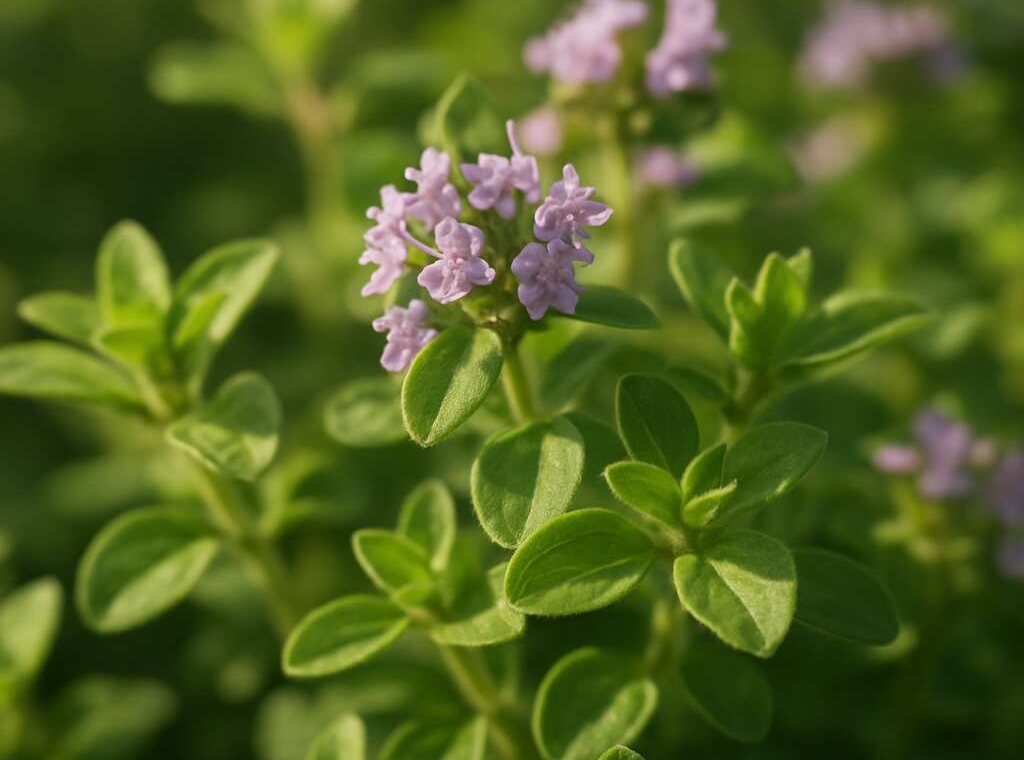


Latest Comments