Introduction to Pear Tree Pyrus communis
Overview of Pear Tree – General description and significance of Pyrus communis
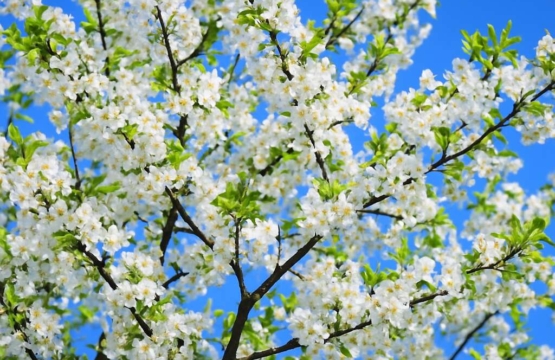
Standing quietly in orchards across the UK, the Pear Tree Pyrus communis embodies centuries of cultivation and tradition. Its graceful, spreading branches are cloaked in delicate blossoms each spring, heralding a season of renewal and promise. The significance of Pyrus communis extends beyond its aesthetic appeal; it plays a vital role in traditional horticulture and culinary pursuits, making it a cornerstone among fruit-bearing trees.
With a rich history that intertwines with rural heritage, Pyrus communis is renowned for producing high-quality pears that range from sweet to subtly tart. This species is not merely a tree but a testament to perseverance and careful cultivation, often adapting to various soil types and climates. If you’re considering adding a Pear Tree Pyrus communis to your landscape, understanding its growth patterns and fruiting cycle is essential.
- Ageing gracefully with proper pruning techniques
- Requiring minimal maintenance for sustained productivity
- Offering a bounty of pears each harvest season
Its prominence in traditional orchards and modern gardens alike underscores the enduring appeal of Pyrus communis. Whether for culinary use or aesthetic delight, this tree continues to be a symbol of abundance and resilience in British horticulture.
Historical Background – Origins and history of pear cultivation
In the mists of ancient Europe, the pear’s journey begins—a tale woven through the tapestry of time, rooted deeply in the fertile soils of the UK. The Pear Tree Pyrus communis, a venerable figure in this narrative, has graced orchards for centuries, embodying a blend of myth and horticultural mastery. From the earliest records, it’s evident that the cultivation of Pyrus communis was not merely an agricultural pursuit but a rite of passage that connected communities to the land and to one another.
Historical texts hint at the tree’s origins in the wild steppes of Central Asia, where resilient Pyrus species adapted to varied climates. Over centuries, skilled farmers and gardeners selectively nurtured the qualities that make the Pear Tree Pyrus communis a symbol of abundance—its ability to flourish in diverse soil types and temperate climates of the UK. This age-old tree has transcended generations, becoming a living relic of rural heritage, with each blossom echoing stories of perseverance and bountiful harvests.
Botanical Characteristics – Physical features and classification of Pyrus communis
The Pear Tree Pyrus communis stands as a striking embodiment of botanical grace, with a majestic presence that commands attention even before its fruit appears. Recognized for its rounded, symmetrical crown and smooth, silvery-gray bark, this classic tree exudes an air of timeless elegance. Its branches stretch outward like welcoming arms, often laden with clusters of fragrant white blossoms in spring, signaling the start of a new cycle of abundance.
The scientific classification of Pyrus communis places it squarely within the Rosaceae family, sharing kinship with apples and quinces. Its physical features include narrow, glossy green leaves that turn shades of amber and crimson in autumn, offering a visual spectacle. The fruit itself, often heart-shaped or rounded, matures into a luscious, crisp pear—an icon of culinary tradition and rural heritage in the UK.
- Distinctive blossom clusters
- Dual-season foliage changes
- Resilient, broad-rooted structure
Understanding the physical traits of Pear Tree Pyrus communis reveals why it’s revered not only as a fruit-producing tree but also as a symbol of resilience in temperate climates. Its classification and physical features combined give it an enduring place in both historic orchards and modern gardens across the United Kingdom.
Cultivation and Growing Conditions
Optimal Soil and Climate – Preferred soil types and climate conditions for thriving pear trees
In the quiet and often overlooked corners of our gardens, the pear tree Pyrus communis stands as a symbol of patience and enduring beauty. Its cultivation is an act of faith, rooted in understanding the subtle dance between soil and climate. The best soil for a pear tree Pyrus communis is one that offers good drainage, low acidity, and a rich, loamy texture. Such soil fosters the deep, widespread roots necessary for longevity and fruit production.
Climate—particularly in the United Kingdom—plays a vital role in a healthy harvest. Pear trees thrive in temperate conditions with cold winters to satisfy the chilling requirements and warm summers to encourage ripening. A well-honed balance ensures the tree’s resilience against the unpredictable temperament of nature. For optimal growth, choose sites with the following conditions:
- Protection from strong, drying winds
- Full sun exposure for at least six hours daily
- A consistent water supply during the growing season, especially in late spring and summer
When it comes to cultivating a thriving pear tree Pyrus communis, understanding and harnessing the harmony between soil and climate is fundamental. This harmony creates an environment where the tree’s natural beauty and fruitfulness can unfold with graceful authority, reminding us that patience in cultivation often mirrors patience in life itself.
Planting Guidelines – Best practices for planting Pyrus communis
Planting a Pear Tree Pyrus communis is more than just an act of horticultural interest; it’s an investment in a legacy of fruitful abundance. Starting with a well-chosen site ensures the creation of a thriving environment for this venerable species. The process demands patience, as the direction you take from the outset will influence the tree’s future growth and productivity.
For an optimal planting experience, select a location that offers protection from strong, drying winds—these can scorch tender blossoms and hinder flowering. Full sun exposure for at least six hours per day encourages optimal fruit ripening, while consistent moisture during late spring and summer sustains the developing canopy and fruits. When preparing the soil, aim for a rich, loamy texture that drains well but retains enough moisture to nourish the roots during dry spells.
Carefully following planting guidelines will foster a resilient Pear Tree Pyrus communis, encouraging deep root development and a bountiful harvest. It’s advisable to plant during early spring or late autumn, avoiding periods of frost. Dig a wide hole—at least twice the width of the root ball—to allow roots to spread freely. Place the tree at the same level as in the nursery container, backfill with soil, and firm gently. Water thoroughly and apply a layer of mulch to help conserve moisture and suppress weeds.
To ensure steady growth, consider implementing a simple staking system during the first year to support the young tree against gusts and wind. Pruning in early spring shapes the canopy and removes any damaged or crossing branches, enhancing air circulation and reducing disease risk. With meticulous care, the formation of a healthy, vigorous Pear Tree Pyrus communis becomes an achievable goal, promising years of fruitfulness rooted in tradition.
Care and Maintenance – Pruning, watering, and fertilizing techniques
Cultivating a thriving Pear Tree Pyrus communis requires more than just planting; it demands ongoing care and precision. Proper watering, pruning, and fertilizing are at the heart of fostering a healthy, productive tree. A well-watered Pear Tree Pyrus communis benefits from deep, infrequent watering that penetrates the soil and encourages strong root development. During dry spells in late spring and summer, consistent moisture is essential to support flowering and fruit development.
Pruning shapes the tree’s structure, improves air circulation, and reduces disease risk. It’s best to prune in early spring, removing any damaged or crossing branches. Proper pruning techniques create an open canopy, which enhances sunlight exposure and encourages better fruit ripening. Fertilizing should focus on balanced nutrients—phosphorus, potassium, and nitrogen—to sustain vigorous growth and high yields.
To streamline maintenance, consider the following care sequence:
- Water deeply once a week, adjusting for rainfall and soil moisture levels.
- Apply organic mulch around the base to conserve moisture and suppress weeds.
- Fertilize twice a year, in early spring and late summer, with a slow-release fertilizer suitable for fruit trees.
Consistent attention to watering, pruning, and fertilizing ensures your Pear Tree Pyrus communis remains resilient and productive. Proper care cultivates vibrant foliage, robust flowering, and a generous harvest of high-quality pears year after year.
Pest and Disease Management – Common threats and protective measures
Even the hardiest of horticulturists will tell you that a Pear Tree Pyrus communis is not invincible— pests and diseases are its constant dance partners in the orchard. These mischievous threats can sap vitality and mar an otherwise glorious crop of high-quality pears. Fortunately, early detection and protective measures make all the difference. Rust and fire blight are among the most notorious culprits, often lurking unseen until they’ve already taken hold. Regular inspection, especially during the spring and early summer, can help catch trouble before it snowballs.
- Apply copper-based fungicides when needed to thwart common fungal infections.
- Maintain good air circulation around the Pear Tree Pyrus communis by strategic pruning, which reduces humidity and discourages disease proliferation.
- Remove fallen leaves and pruned branches promptly to eliminate breeding grounds for pests and pathogens.
Insect pests like codling moths and pear psyllas are persistent enemies, often targeting the fruit itself. Integrated pest management—using natural predators or environmentally friendly insecticides—ensures the health of your Pear Tree Pyrus communis remains uncompromised. By taking these protective measures, you not only safeguard your tree’s vitality but also secure a plentiful harvest of delicious, glossy pears that stand proud against the threat of pests and diseases.
Varieties and Cultivars of Pear Tree
Popular Cultivars – Descriptions of widely grown Pyrus communis varieties
Some pear tree varieties of Pyrus communis have become legendary among orchard cultivators, thanks to their resilience and extraordinary fruit quality. These popular cultivars each tell a story of innovation and nature’s artistry. The Conference pear, for example, is prized for its juicy, melting flesh and storability, making it an essential choice for UK growers seeking reliable harvests. Meanwhile, the Williams’ Bon Chrétien stands out with its sweet, aromatic flavour and early ripening, captivating those who crave a classic pear experience.
Other distinguished cultivars like the Beurre Hardy excel with their buttery texture and exceptional aroma, adding diversity to any garden or commercial orchard. For those seeking a robust and versatile option, the D’Anjou cultivar offers a longer shelf life and adaptability to different soil types.
- Conference
- Williams’ Bon Chrétien
- Beurre Hardy
- D’Anjou
Each of these Pyrus communis varieties contributes unique characteristics, ensuring that whether for fresh consumption or culinary innovation, the perfect pear can always be found.
Flavor and Uses – Differences in taste and culinary or processing applications
When it comes to the flavor profiles of Pear Tree Pyrus communis, variety really is the spice of life—or at least of the fruit bowl. Some cultivars deliver a mellow sweetness, perfect for snacking on a lazy afternoon. Others are more aromatic and suited to culinary exploits, like poaching or baking. It’s no secret that a well-selected Pyrus communis can elevate a simple tart into a gourmet masterpiece.
Take the Conference pear, for example. Its juicy, melting flesh makes it a customer favourite for fresh eating, while its storability lends itself to processing into pear preserves or delicate compotes. Meanwhile, Williams’ Bon Chrétien is loved for its early ripening and intensely fragrant flavor—picking it feels like catching a fleeting daydream.
For those interested in culinary versatility, Pyrus communis offers a treasure trove of options. Fruits like Beurre Hardy, with its buttery texture, shine in desserts or cheese platters, emphasizing the varied uses of this species. In addition, the D’Anjou cultivar boasts a longer shelf life, making it ideal for those who prefer to keep their culinary options open—whether using the fruit fresh, canned, or dried.
- Fresh eating
- Cooking and baking
- Processing into pear brandy or juice
These different flavors and textures underscore why Pear Tree Pyrus communis remains a staple in orchards and kitchens across the UK, continuously offering new ways to enjoy this timeless fruit. Each cultivar, with its distinct taste and suitability, ensures that whatever your pear purpose—be it a quick snack or a refined dessert—you’ll find the perfect match.
Selecting the Right Cultivar – Guidance for choosing pear varieties based on climate and purpose
Choosing the right pear variety can feel like selecting a rare gem—each cultivar brings its own charm, flavor profile, and purpose. When planting a Pear Tree Pyrus communis, it’s crucial to consider your local climate and your culinary ambitions. The temperate climate of the UK provides a welcoming home for many cultivars, but specific varieties thrive better under particular conditions. For example, some cultivars are bred for early ripening, while others excel in shelf life or flavor intensity.
If you’re seeking a pear for fresh consumption, look for cultivars with crisp, juicy flesh and mellow sweetness. For culinary uses, pick varieties ideally suited for baking, poaching, or processing into preserves. The Conference pear, renowned for its melting flesh, is perfect for fresh eating and preserves. Meanwhile, cultivars like Williams’ Bon Chrétien are prized for their aromatic qualities and early harvesting, making them a favorite among keen home growers.
- Assess your climate—moderate temperatures are ideal for most Pyrus communis cultivars.
- Determine your purpose—whether for fresh eating, cooking, or processing.
- Choose cultivars that align with your needs—consider factors like ripening time and flavor.
Matching the right Pear Tree Pyrus communis cultivar to your soil type, climate, and culinary style ensures a fruitful harvest and a fruitful life from your orchard. Each cultivar has its own story, and selecting with care can turn a simple garden into a haven of seasonal delights.
Harvesting, Storage, and Usage
Harvesting Techniques – Best timing and methods for picking pears
As the golden rays of autumn beckon, the time to harvest Pear Tree Pyrus communis arrives with a whisper of anticipation. Knowing when and how to pick these elegant fruits transforms a routine task into a mystical ritual of patience and skill. The best timing for harvesting Pyrus communis is when the pears are fully matured yet still firm—usually late summer to early autumn, depending on your cultivar and climate.
One effective harvesting technique involves gently twisting the pear until it naturally separates from the branch—resisting the urge to yank or pull too hard, which can damage the tree or bruise the fruit. For a more precise approach, use scissors or pruning shears to snip the stem, avoiding unnecessary pressure on the pear. Pear Tree Pyrus communis should be harvested before they become overripe, as it allows for optimal storage and flavor.
Storage and Usage
Once picked, store the pears in a cool, humid environment—ideally between 0°C and 4°C—to prolong their freshness. This method prevents dehydration while preserving the delicate balance of sugars within the fruit. Pears destined for culinary use can then be enjoyed fresh, poached, or baked, as the versatility of Pear Tree Pyrus communis shines through in many recipes. Whether for a hearty crumble or refined poached slices, these pears lend a tender sweetness to every dish.
Storage Tips – How to prolong freshness and shelf life
The art of preserving the luminous freshness of Pear Tree Pyrus communis is akin to capturing sunlight in a jar—delicate, fleeting, yet eternally worth the effort. Once plucked at the perfect moment—when their subtle firmness whispers readiness—these pears can reveal their finest qualities. To prolong their shelf life, store them in a cool, humid sanctuary, where temperature hovers between 0°C and 4°C. This ensures that their gentle sugars and tender textures are preserved, granting a second life to each harvested fruit.
For culinary pursuits, it is often recommended to consume Pyrus communis shortly after harvest, but with proper storage, they can grace your kitchen for days longer. An effective way to maintain their exquisite flavor is to avoid stacking pears directly atop one another. Instead, arrange them carefully, allowing air circulation to slow ripening and prevent bruising.
- Use crisper drawers or dedicated fruit storage containers to maintain optimal humidity.
- Keep pears separate from ethylene-producing produce like apples or bananas to avoid premature ripening.
- Regularly inspect stored pears and remove any that show signs of over-ripening or bruising, as this can help prevent spoilage of the entire batch.
When it comes to culinary versatility, Pear Tree Pyrus communis excels in a myriad of dishes. From slowly poached slices that dissolve into silky sweetness to baked delights that fill the air with aromatic allure, these pears are a testament to nature’s craftsmanship. Their tender flesh and nuanced flavor make them an adaptable ingredient, cherished for their ability to enhance both rustic and refined recipes. Whether enjoyed raw or cooked, proper storage techniques ensure that each pear remains a sublime canvas for culinary creativity.
Culinary Uses – Recipes and food preparation ideas using Pyrus communis
Harvesting Pear Tree Pyrus communis demands a keen eye and patience. The best time to pick these pears is when they develop a subtle firm texture, indicating they are ripe without becoming overripe. Using gentle twisting or the “lift and twist” method helps avoid damaging their tender skin. Timing is everything—harvesting too early compromises sweetness, while waiting too long invites spoilage.
Storing Pear Tree Pyrus communis correctly can extend their freshness significantly. Keep them in a cool, humid environment—preferably in crisper drawers or dedicated fruit storage containers—and avoid stacking them directly on top of each other. This arrangement ensures proper air circulation, which slows ripening and prevents bruising. Never store Pear Tree Pyrus communis near ethylene-producing fruits like apples or bananas, as this accelerates ripening and can shorten their shelf life.
For culinary uses, these pears are versatile stars. From slicing onto salads to poaching for a silky dessert, Pear Tree Pyrus communis lends itself to a variety of food preparation ideas. Whether baked into tarts or drizzled with honey, their tender flesh and nuanced flavor elevate both simple and sophisticated recipes. Incorporating these pears into your kitchen can inspire an array of culinary adventures that highlight their natural sweetness and delicate aroma.
Benefits of Fresh Pears – Nutritional value and health benefits
Beneath the shroud of dusk, when shadows lengthen and the air thickens with the scent of ripeness, harvesting Pear Tree Pyrus communis becomes an act of patience and reverence. Picking these pears at their zenith prevents succumbing to the temptation of snatching fruit too early or waiting until spoilage lurks in the shadows. The gentle twist, akin to a whispered command, reveals whether they are ready—firm yet yielding to a careful lift and twist. Their tender skin requires delicate handling, for any damage may invite decay into the secret heart of the fruit.
Once harvested, proper storage extends their ephemeral life—crisp in crisper drawers, where cool, humid air preserves their fragile flesh. Avoiding the ethylene-producing fruits such as apples and bananas is paramount; they herald rapid ripening that can turn lush sweetness into fleeting memory. For those who cherish the layered flavours of Pyrus communis, keeping the pears in an environment with proper air circulation ensures that each bite remains as fresh as the dawn’s first light.
Nutritiously, Pear Tree Pyrus communis offers more than just its enchanting aroma. Rich in dietary fiber, vitamins C and K, and antioxidants, these pears act as silent guardians of wellbeing—supporting digestion and bolstering immunity. Their subtle sweetness makes them a natural remedy for soothing the digestive system, while their delicate texture dissolves effortlessly into the bloodstream’s century-old pursuit of health. Whether enjoyed raw, baked into decadent tarts, or poached into luscious desserts, these pears reveal a universe of culinary possibilities. Their versatility transforms everyday fare into an ode to simplicity and elegance, beckoning epicureans to craft with the whispers of season and time.
Crafted by the labyrinth of nature, the Pyrus communis acts as a testament to the confluence of history, botany, and human desire—embodying a fruit both ancient and ever-renewing. When delicately handled from harvest to table, the fruits reveal their full narrative through taste and aroma, leaving behind an echo of the orchard’s silent proclamation: beauty and bounty reside in patience, in the careful art of letting nature unveil her secrets.

 by
by 



Latest Comments