Introduction to Quince Cydonia oblonga
Understanding Quince Cydonia oblonga – Botanical classification and description
Quince Cydonia oblonga, often regarded as a treasure from ancient orchards, boasts a rich history that stretches back thousands of years. Recognized for its distinctive appearance and fragrant aroma, this fruit has captivated both botanists and culinary enthusiasts alike. Its botanical classification places it firmly within the Rosaceae family, making it a relative of apples and pears, yet the quince stands out with its unique, knobbly exterior and golden hue. Quince Cydonia oblonga thrives in temperate climates, producing fruit that is both decorative and edible, especially when cooked to reveal its sweet, tangy flavor. This resilient shrub or small tree can reach heights of up to 5 meters and features narrow, fuzzy leaves that give way to beautiful, fragrant blossoms in early spring. With its rich historical significance and versatile culinary uses, Quince Cydonia oblonga remains a cherished element of traditional gardens and modern markets alike.
Historical Significance – Cultural and historical uses of quince
The rich tapestry of human history often intertwines with the fruits we cherish, and Quince Cydonia oblonga holds a particularly fascinating place within this narrative. From ancient Persia to classical Greece, this resilient fruit has been cherished not merely for its aroma but for its symbolic and culinary significance. Historically, quince was regarded as a symbol of fertility and love, often featured in rituals and mythological stories that underline its cultural importance.
In many cultures, the quince was seen as a gift of prosperity and was exchanged during seasonal festivals. Its aromatic flesh and vibrant golden exterior made it a prized ingredient in traditional recipes that have withstood the test of time. Interestingly, in medieval Europe, quince was used not only in gastronomy but also in medicinal preparations, believed to possess healing properties. This layered history fosters a deeper appreciation for Quince Cydonia oblonga, revealing its enduring role across centuries and civilizations.
Geographical Distribution – Where quince is commonly cultivated and naturalized
Quince Cydonia oblonga, a fruit that evokes both nostalgia and intrigue, thrives in specific regions that have long favored its cultivation. Predominantly found in the temperate zones of Europe and Asia, this resilient tree has carved out a substantial presence in the Mediterranean basin, the Caucasus, and parts of the Middle East. Its adaptability to varying soils and climates makes it a cherished staple in traditional orchards across these regions.
Within the United Kingdom, quince Cydonia oblonga has seen a resurgence among heritage fruit enthusiasts, who appreciate its historic significance and distinctive aroma. The fruit’s preference for well-drained, slightly alkaline soils aligns well with certain UK microclimates, allowing dedicated growers to cultivate this ancient cultivar successfully. Its naturalization in these areas often sparks a sense of botanical continuity, weaving together modern horticulture and centuries-old traditions.
As a testament to its widespread appeal, quince Cydonia oblonga is commonly cultivated in orchards that emphasize organic and sustainable farming practices. Whether in traditional European gardens or specialized specialist farms—where it is sometimes integrated into agroforestry systems—it continues to flourish. Its presence can be undeniably felt in regions that value historical cultivation, making quince a living link to our collective botanical heritage.
Botanical Characteristics and Growth Conditions
Physical Attributes of Quince – Description of the fruit, tree size, and leaves
Beneath its rugged, often gnarled branches, Quince Cydonia oblonga reveals a surprising elegance rooted in nature’s refined artistry. The tree itself can reach heights of 4 to 5 meters, giving it a majestic presence that commands admiration in orchards and gardens alike. Its dense, dark green leaves are ovate with a velvety texture, creating a lush canopy that hints at the fruitful treasures within.
The physical attributes of Quince – Cydonia oblonga – include its distinctive fruit, which boasts a golden-yellow hue and an unmistakably fragrant aroma. The quince fruit has a unique oblong shape that widens at the base, resembling a heart fluttering with promise. When ripe, the exterior is slightly fuzzy, and the flesh inside is firm yet tender, full of a tart sweetness that awakens the senses. This combination of size and vibrant color makes Quince Cydonia oblonga both a visual delight and a culinary marvel for those who appreciate its unique charm.
Growing Environment – Ideal soil types, climate requirements, and sunlight needs
Amidst the shadowed groves where whispers of ancient secrets linger, Quince Cydonia oblonga stands as a monument to nature’s mysterious elegance. Its botanical characteristics reveal a hardy yet enchanting specimen—an arboreal sentinel that thrives amid the UK’s subdued climate. The tree’s formidable stature, measuring four to five meters, commands a silent reverence, its gnarled branches cloaked in dense, velvety green leaves that seem to whisper stories of old. The leaves’ ovate form and textured surface craft a canopy both lush and impenetrable, hinting at the fruit’s hidden allure beneath.
Growing beneath this arboreal veneer, the unique habitat requirements of Quince Cydonia oblonga beckon a specific environment. Its roots prefer well-drained, loamy soils, imbued with organic richness—rich enough to nurture the robust vigor of the tree. It summons a climate that shrouds it in the gentle embrace of cold winters and warm, sun-drenched summers. Bright sunlight is essential; Quince Cydonia oblonga demands at least six hours of direct exposure daily to flourish. For those cultivating this ancient fruit in the United Kingdom, shadowy corners and sheltered spots often serve as the ideal crucible for growth.
- Well-drained, loamy soil with high organic content
- Full sun exposure, at least six hours a day
- Cold winters with minimal late frosts to induce proper dormancy
In the draped gloom of the orchard, it’s fascinating how Quince Cydonia oblonga’s growth pattern manifests—its branches twist and turn, whispering of resilience against the capricious British weather. With patience and meticulous care, the tree’s establishment depends heavily on specific conditions. Its ability to withstand varying soil types hinges on soil pH, which should ideally sit on the slightly acidic to neutral spectrum—around 6.0 to 7.0. The climate must offer a delicate balance: cool enough to satisfy its dormant needs, yet warm enough during its growing season to coax out the fruit’s amber glow and fragrant aroma. This symbiosis between plant and environment makes Quince Cydonia oblonga not just a botanical wonder but a reflection of nature’s silent poetry—an ode to resilience penned in leaves and fruit alike.
Propagation Methods – Seeds, grafting, and rooting techniques
Quince Cydonia oblonga, a mystical herald of autumnal riches, boasts a botanical profile as captivating as tales spun around ancient fires. Its dense, velvety leaves sprout in ovate clusters, cloaking the gnarled branches with a lush canopy that hints at secrets buried beneath the foliage. The tree’s formidable stature—reaching four to five meters in height—commands attention, yet it remains lovingly resilient, thriving amidst the unpredictable climate of the UK. The fruit itself, often mistaken for a pear or apple at first glance, unveils a golden hue and fragrant aroma that beckon the senses, a testament to the tree’s enchanting allure.
Growth conditions for Quince Cydonia oblonga are steeped in the soil’s embrace and the dance of seasons. To flourish, the tree demands well-drained, loamy soils rich in organic matter—think of a nurturing bed where roots can weave deep and strong. A pH level hovering around 6.0 to 7.0 creates an ideal environment, ensuring the quince’s roots find the perfect balance for nutrient uptake. Cold winters with minimal late frosts are crucial, as dormancy is triggered by these chilly interludes, preparing the plant for a vigorous spring awakening. Bright sunlight—at least six hours daily—is the siren call for the quince to produce its signature amber fruit, wafting perfume and all.
Propagating Quince Cydonia oblonga is a pursuit of both patience and artistry, embodying a balance of ancient genetic wisdom and craft. Seed propagation, while straightforward, requires stratification—mimicking nature’s cold spell—before sowing. Grafting emerges as a favored technique among seasoned cultivators, attaching a vigorous rootstock to a healthy quince scion, ensuring vigor and pest resistance. Rooting techniques, such as cuttings taken during the dormant season, can also yield fruitful trees, provided they are rooted in well-prepared soil and given generous patience. For those embarking on this botanical journey, consider these steps:
- Collect mature, healthy quince seeds from ripened fruit in late autumn.
- Stratify seeds by storing them in moist sand within a cool environment over winter, mimicking natural conditions.
- For grafting, select a compatible rootstock—often a wild quince or similar species—and join with a well-pruned scion during the early spring.
- Root cuttings should be taken from semi-hardwood branches and placed in a humid, warm propagation medium until roots establish.
Mastering propagation methods for Quince Cydonia oblonga demands patience, but the reward—the resilient grandeur of a mature, fruit-bearing tree—makes every effort worthwhile. Whether grown from seed, grafted, or rooted, each method carries with it the promise of cultivating this ancient, resilient arboreal marvel, a living testament to resilience and the whisper of bygone eras amid the modern garden.
Harvesting and Ripening – Seasonality, harvesting tips, and ripening indicators
Quince Cydonia oblonga stands out with its unique botanical profile. Its dense, velvety leaves form ovate clusters that provide a lush canopy, concealing gnarled branches. This resilient tree reaches four to five meters in height and is admired for its commanding presence. The fruit, often mistaken for a pear or apple, reveals a golden hue and fragrant aroma as it matures, making it a prized addition to the garden. The seasonality of quince Cydonia oblonga is marked by harvest times in late autumn, typically between October and November in the UK.
Ripening indicators are vital for successful harvests. When the fruit develops a deep golden colour and emits a strong, sweet aroma, it’s a sign that quince Cydonia oblonga is ready for picking. Unlike some fruits, quinces do not soften significantly upon ripening; instead, their aroma intensifies. Picking quince Cydonia oblonga at the right moment ensures optimal flavor and aroma. A gentle twist can often detach the fruit from the branch, confirming its readiness for harvest. For best results, harvest early in the morning when the fruit is cool to preserve its fragrant qualities.
Culinary and Medicinal Uses of Quince
Culinary Applications – Traditional and modern recipes featuring quince
Quince Cydonia oblonga is a versatile fruit that has long been celebrated for its culinary and medicinal properties. Its aromatic, fragrant flesh lends itself to traditional recipes as well as contemporary culinary creations. The fruit’s natural tartness makes it a perfect ingredient for jams, jellies, and preserves, often paired with sugar and spices to enhance its flavor. Modern chefs are increasingly incorporating quince into sauces and charcuterie accompaniments, showcasing its adaptability.
Beyond the kitchen, quince Cydonia oblonga holds medicinal value in herbal remedies. Traditionally, it has been used to soothe sore throats, aid digestion, and improve respiratory health. The fruit’s high pectin content also makes it a natural remedy for gastrointestinal issues. When preparing quince, it’s common to roast or stew the fruit, which mellows its acidity and unlocks rich aromas. Whether used in sweet or savory dishes, quince Cydonia oblonga offers a healthful twist on ancient culinary and medicinal traditions.
Nutritional Profile – Vitamins, minerals, and potential health benefits
Quince Cydonia oblonga is more than just a fragrant addition to the fruit basket; it’s a powerhouse of nutrition and traditional medicine. This fruit packs a punch with a rich profile of vitamins, minerals, and unique compounds that contribute to overall health. Rich in vitamin C, quince Cydonia oblonga supports immune function, while its high levels of dietary fiber promote digestive health and help regulate cholesterol. The mineral content—potassium, copper, and magnesium—further enhances its reputation as a healthful choice.
Beyond its culinary allure, quince Cydonia oblonga offers potential health benefits rooted in centuries of herbal use. Its high pectin content aids in managing gastrointestinal issues, making it a natural remedy for indigestion and diarrhea. The fruit’s antioxidants can also play a role in reducing inflammation and oxidative stress. Whether roasted, stewed, or transformed into jams, quince Cydonia oblonga’s nutritional profile makes it an excellent addition to a balanced diet, resonating with both traditional practices and modern health trends. The sweet and tart balance of quince creates a versatility that appeals to chefs and health-conscious consumers alike.
Medicinal Properties – Historical medicinal uses and potential therapeutic effects
Throughout history, quince Cydonia oblonga has been valued not only for its aromatic qualities but also for its medicinal properties. This versatile fruit has found a place in traditional healing practices across Europe and the Middle East, where it has been used to soothe digestive issues and combat inflammation. Its high pectin content and antioxidant compounds make it a natural remedy for supporting gastrointestinal health, especially in easing indigestion and diarrhea.
In folk medicine, quince Cydonia oblonga was often boiled into remedies believed to strengthen the immune system and aid respiratory health. Its therapeutic effects are now being explored in modern herbal medicine, where its natural antioxidant activity can help reduce oxidative stress. Historical uses often involve herbal infusions and tinctures, revealing the longstanding medicinal significance of quince Cydonia oblonga. This fruit’s potential as a healing agent continues to resonate with those seeking plant-based health solutions.
Preparation Tips – How to select, store, and prepare quince for cooking
Quince Cydonia oblonga offers a tantalising blend of culinary potential and medicinal promise. When selecting quince for cooking, aim for fruits that feel firm but yield slightly to gentle pressure, with a fragrant aroma hinting at their ripeness. Store quince in a cool, airy space, away from direct sunlight; they can last up to a week, especially if wrapped in paper or stored in a breathable container.
Preparing quince involves peeling and chopping, as the raw fruit’s tannic nature makes it unpalatable on its own. Cooking transforms quince Cydonia oblonga into a jewel-toned puree, perfect for jams, jellies, and desserts. To enhance flavor, add a splash of lemon juice during cooking and sweeten with honey or sugar. Fruits such as quince are also excellent in traditional recipes like poached quinces or roasted dishes, where their natural antioxidants are released and can be appreciated in every bite.
In its simplest form, boiling or roasting quince releases aromatic oils and converts the fruit’s fibrous flesh into a tender, fragrant treat. For smooth results, consider starting with
- peeling the fruit thoroughly
- removing the core and seeds
- cooking in a gentle simmer to soften
. This careful preparation allows the natural therapeutic compounds of quince Cydonia oblonga to shine, making it not just a delight for the palate but also a beneficial addition to herbal remedies and healthful diets.
Cultivation and Care of Quince Trees
Planting Guidelines – Optimal planting time and spacing considerations
When it comes to cultivating Quince Cydonia oblonga, timing and spacing are everything—imagine trying to put together a jigsaw puzzle with pieces that refuse to fit! The optimal planting time for quince trees in the UK is during early spring or late winter when the soil has begun to warm but before the buds start to swell. This window allows the tree to establish roots before the scorching summer sun or the damp autumn chills arrive. Spacing matters too—aim for at least 4.5 to 6 meters (about 15 to 20 feet) between each Quince Cydonia oblonga tree, giving it plenty of room to grow and breathe.
If you’re planting more than one, consider the orchard aesthetic and practical needs—healthy airflow reduces disease risk and improves fruit quality. Remember, quince trees love a well-drained soil rich in organic matter and a sunny location. To plant, dig a hole twice as wide as the root ball, loosen surrounding soil, and gently set your Quince Cydonia oblonga in place. Firm the soil, water generously, and watch your future orchard flourish—just be patient, the best quince takes time!
Pruning and Maintenance – Techniques for healthy growth and fruit production
Amid the quiet beauty of the orchard, the quince Cydonia oblonga stands as a testament to resilience and regal fragrance. Cultivating this noble fruit requires more than mere planting; it demands attentive stewardship—pruning and care that nurture its natural elegance and prolific fruiting. To maintain healthy growth and ensure an abundant harvest, it’s crucial to embrace techniques that balance vigor with restraint, guiding the quince’s branches into a harmonious silhouette.
Seasonal pruning, ideally performed during late winter or early spring, awakens the quince Cydonia oblonga’s dormant branches. Remove any dead, diseased, or crossing limbs, thereby opening the canopy to sunlight and air. This not only discourages disease but also stimulates vigorous growth and fruit development. A well-pruned quince invites long, sweeping branches to flourish, forming a strong framework capable of supporting fruit loads. Keep in mind to prune lightly in midsummer to prevent overgrowth and maintain airflow.
Beyond pruning, consistent maintenance imparts health and vitality. Fertilize with organic matter in early spring, and mulch around the base to preserve moisture and enrich the soil. Regular watering is especially vital during dry spells, emphasizing that quince trees love a well-drained soil rich in organic nutrients. For those seeking a more structured approach, consider
- training young trees against supports for better shape
- thinning out overly crowded growth
to foster air circulation and fruit quality.
Pruning and maintenance are the silent poems whispering through the quince Cydonia oblonga’s branches, encouraging it to flourish amid the changing seasons. The artist’s touch in careful care ensures that this majestic fruit tree remains vigorous, resilient, and laden with fragrant, jewel-like quinces. Such attentiveness transforms simple cultivation into a lyrical dance of patience and nurturing—where each season sings a promise of future bounty.
Pest and Disease Management – Common pests and diseases affecting quince trees
Quince Cydonia oblonga, with its luscious aroma and striking appearance, often faces threats from pests and diseases that can compromise its vitality. Protecting this noble fruit tree begins with vigilant monitoring and early intervention. Common pests such as codling moths, aphids, and scale insects can sap the tree’s strength and diminish fruit quality. Implementing integrated pest management strategies, including attractant traps and natural predators, helps keep infestations in check.
Diseases like fire blight, which causes wilting and blackening of branches, and fungal issues such as rust and leaf spot, can spread rapidly if unchecked. Regularly inspecting the quince Cydonia oblonga for signs of infection allows for prompt removal of affected parts. Employing resistant varieties when available and applying appropriate organic fungicides will significantly reduce disease incidence.
- Maintain good air circulation around the tree by proper pruning
- Ensure well-drained soil to prevent root rot
- Use organic sprays during vulnerable seasons to prevent pest buildup
Consistent care and early action are vital. Adopting these practices preserves the health of the quince Cydonia oblonga, producing a lush canopy and abundant, fragrant quinces. This resilient fruit tree, if managed with care, can withstand many challenges posed by pests and disease, ensuring a thriving harvest year after year.
Economic Value and Market Potential – Growing quince as a crop for commercial purposes
The economic potential of growing quince Cydonia oblonga as a commercial crop has begun to attract keen interest among horticulturists and entrepreneurs alike. With its unique aroma and versatile culinary uses, this fruit commands a niche market that values quality over quantity. The escalating demand for natural, locally-grown produce in the United Kingdom creates an ideal climate for cultivating quince trees, providing a lucrative opportunity for small-scale farmers and large orchards alike.
Investing in quince Cydonia oblonga involves understanding its market channels—be it fresh fruit sales, processed products like jams and jellies, or specialty exports. The resilient nature of this hardy tree makes it adaptable to various soil types and climates, provided proper care and cultivation practices are maintained. In the world of commercial horticulture, the quince’s versatility and historical reputation as a royal fruit contribute to its rising market potential, promising a fruitful harvest season after season.

 by
by 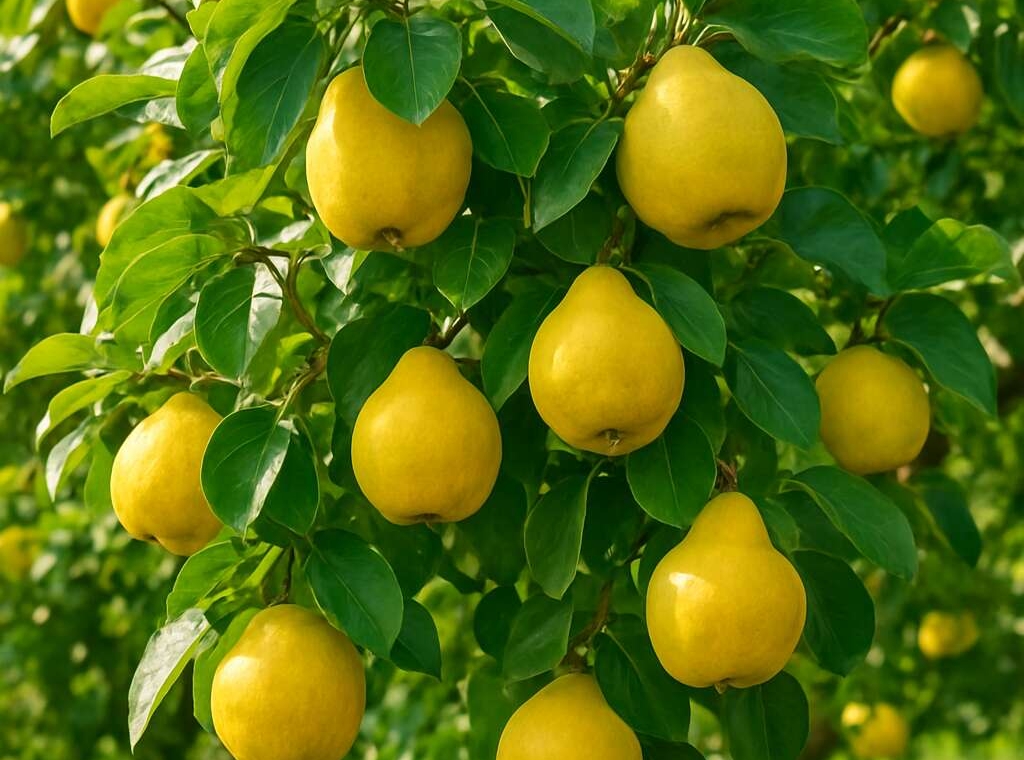





Latest Comments