Botanical Description and Taxonomy
Overview of Papaver rhoeas – Description of the plant’s physical characteristics, including flower size, color, and growth habit
The Red Poppy *Papaver rhoeas* is a striking emblem of simplicity and resilience, catching the eye with its vivid crimson petals. Its delicate yet bold blooms typically measure 7 to 10 centimeters across, standing out against the greenery with their fiery hue. This plant’s growth habit is both modest and resilient, often creating sprawling mats that seem to dance in the breeze. Its slender stems, topped with a single flower, exude an almost ethereal beauty that captivates garden enthusiasts and botanists alike.
Botanically, *Papaver rhoeas* belongs to the Papaveraceae family. Its genus *Papaver* includes various poppy species, but the Red Poppy remains the most recognizable for its bright, velvety petals. The plant’s structure features finely divided, greyish-green foliage that complements the vibrant blossoms. Typically, the plant prefers well-drained soil, thriving in disturbed ground or rough terrains, which adds to its enchanting spontaneity. From a taxonomy perspective, *Papaver rhoeas* is a perennial that often acts as an annual—an adaptable plant embodying the wild, carefree spirit of rural landscapes.
Taxonomic Classification – Scientific classification within the Papaveraceae family, including genus and species details
Strength in simplicity and the rich tapestry of rural landscapes—these qualities define the remarkable *Papaver rhoeas*, more widely known as the Red Poppy. Its slender stems and velvety petals have become symbols of resilience and fleeting beauty, often thriving amidst disturbed soils and barren fields. But behind its delicate allure lies a rich botanical story rooted in its precise scientific classification.
The *Papaver rhoeas* belongs to the Papaveraceae family, a diverse group of flowering plants renowned for their striking blooms. Within this family, the genus *Papaver* encompasses many poppy species, yet the Red Poppy remains the most iconic. Its scientific classification helps us understand its place in the botanical world:
- Kingdom: Plantae
- Order: Ranunculales
- Family: Papaveraceae
- Genus: *Papaver*
- Species: *rhoeas*
This taxonomy emphasizes the plant’s evolutionary ties to other poppies, sharing characteristics such as finely divided greyish-green foliage and large, crimson petals. The specific epithet ‘rhoeas’ evokes its characteristic red hue, an unmistakable feature that sets it apart from its relatives. It is fascinating how this scientific classification reveals the delicate balance of nature’s design while demonstrating its adaptability—most notably, how the Red Poppy *Papaver rhoeas* can flourish both as a perennial and an annual, embodying the persistent spirit of rural life.
Related Species and Variants – Comparison with similar poppy species and notable cultivars
The botanical universe of poppies is delightfully diverse, and the Red Poppy Papaver rhoeas stands out with its vibrant crimson hues and delicate charm. A true symbol of resilience in the UK countryside, this species boasts typically large, velvety petals and slender stems that sway with an almost poetic grace. Its botanical description showcases a plant that’s both hardy and fleeting, thriving as both a perennial and an annual depending on the climate and soil conditions.
When comparing Papaver rhoeas to its close relatives, the differences become quite fascinating. For example, it closely resembles the Caucasian poppy, yet the latter tends to have slightly larger flowers with more muted shades. Notable cultivars of Papaver rhoeas include varieties like ‘Crimson King’—a popular choice for ornamental gardens—and the more wistful ‘Flanders Field’, which pays homage to history with its deeper red petals. An unordered list below highlights similar poppy species:
- Papaver somniferum: This opium poppy is larger and is famed for its medicinal properties, with a more subdued flower appearance.
- Papaver nudicaule: Known as Iceland poppy, it features softer colours and a more bushy growth habit.
- Papaver somniferum var. album: The white-flowered cousin of the opium poppy, often cultivated for ornamental purposes.
These variants underscore the evolutionary thread woven through the poppy family—yet the striking red Papaver rhoeas remains distinct with its bold hue and symbolic significance. Not just a simple roadside flower, this species shares botanical roots with a range of other poppy species, each with their own personality and purpose. The tapestry of variants and related species offers gardeners and botanists alike a fascinating spectrum of choices—yet nothing quite captures the spirit of resilience as the vivid Red Poppy Papaver rhoeas does in the landscape of the United Kingdom.
Habitat and Growing Conditions
Native Range and Distribution – Geographical areas where Red Poppy naturally occurs and its spread worldwide
Nestled in the fertile, disturbed soils of Europe and western Asia, Red Poppy Papaver rhoeas has long captivated botanists and flower enthusiasts alike. Its resilience in open fields and roadside verges reveals a plant that thrives on environmental flux, with a preference for well-drained, sandy, or loamy soil types. This adaptable nature allows Red Poppy Papaver rhoeas to flourish in areas where the land has been tilled or disturbed, making it a common sight in arable fields, meadows, and ignored wastelands.
The native range of Red Poppy Papaver rhoeas spans across the temperate regions of Europe, from the Iberian Peninsula to the Balkans, extending into parts of western Asia. Over centuries, its hardy seeds have traversed borders, carrying with them a tale of resilience and adaptability. Today, Red Poppy Papaver rhoeas has spread worldwide, often found thriving in similar climates in North America, Australia, and beyond. The plant’s remarkable ability to colonize disturbed habitats ensures its continued presence, echoing its storied history across diverse geographical landscapes.
- Native to Europe and western Asia
- Prefers open, disturbed soils, sandy or loamy
- Thrives in arable fields, roadsides, and wastelands
- Now spread across North America, Australia, and other temperate regions
Preferred Soil and Climate – Optimal soil types, pH levels, temperature ranges, and sunlight requirements
Whispers of the wind and the warm embrace of the sun seem to orchestrate a silent symphony that invites the red poppy Papaver rhoeas to flourish. This resilient spectacle of nature thrives best in habitats that mirror the chaos of renewal—open, disturbed soils that tell stories of past harvests and quiet rebirth. The plant’s preference for well-drained, sandy, or loamy soil is no accident; these conditions mirror its native environments, where water swiftly courses through the earth, ensuring its delicate yet hardy blooms bask in optimal conditions.
The climate that welcomes Red Poppy Papaver rhoeas is typically temperate, with warmth to ignite its fiery red petals and mild winters that do little to hinder its cycle of growth. A temperature range between 10°C and 20°C proves particularly suitable, allowing the plant to establish its presence before seasonal changes turn the landscape into an artist’s canvas of vibrant colors. Sunlight requirements are equally vital—full sun is ideal, bathing the poppy in the energy needed for its iconic blossoms to fully unfurl. Its adaptability to various soil pH levels, generally around neutral to slightly acidic, allows this species to thrive across a broad spectrum of environmental conditions.
- Well-drained sandy or loamy soil
- Temperature: 10°C to 20°C
- Full sun exposure
- pH range: neutral to slightly acidic
From the wildflower-strewn fields of Europe to the roadside verges of the United Kingdom, Red Poppy Papaver rhoeas displays a remarkable resilience. Its affinity for disturbed habitats makes it a symbol of rebirth—a floral torchbearer flourishing amid chaos, yet imbued with a delicate beauty that captivates all who witness its rise. Whether nestled within arable farmland or sprouting in neglected wastelands, the plant’s ability to adapt to diverse growing conditions ensures that these vivid blooms continue to enchant across seasons and borders.
Cultivation Tips – Guidelines for cultivating and caring for Red Poppy in gardens or wild settings
Few sights evoke such a visceral sense of revival as a field of Red Poppy Papaver rhoeas swaying in the breeze. These resilient wildflowers have an uncanny ability to flourish in less-than-ideal conditions, making them a charming yet hardy choice for both cultivated gardens and untamed verges alike. Interestingly, their presence often signifies the aftermath of disturbance—an elegant herald of nature’s ability to regenerate from chaos.
Growing Red Poppy Papaver rhoeas requires an understanding rooted in their wild origins. They thrive best in well-drained sandy or loamy soil, mimicking their native European habitats where water quickly drains away, preventing root rot and encouraging vigorous blooms. A neutral to slightly acidic pH, coupled with full sun exposure, creates the ideal environment for these vibrant blooms to unfurl their fiery petals with pride. These native conditions are often surprisingly forgiving, allowing their cultivation in a variety of UK settings, from neglected wastelands to carefully curated borders.
For the attentive gardener or wildflower enthusiast, cultivating Red Poppy Papaver rhoeas is less about controlling nature and more about embracing its natural tendencies. Sowing the seed directly into disturbed soil during early spring or autumn promotes healthy germination. Given their affinity for open, sun-drenched sites, they tend to self-seed prolifically—so much so that a single planting can turn into a perennial spectacle with little intervention. To maximize their flowering, ensure soil remains well-drained, avoiding waterlogging that can dampen their spirited resilience.
Sowing methods matter—using surface scattering of seeds onto prepared soil not only mimics their natural dispersal but also encourages a more authentic, chaotic display. Red Poppy Papaver rhoeas values patience; their germination may be slow but once begun, their lively blooms promise a kaleidoscope of scarlet blossoms. Within the UK’s temperate climate, such patience is rewarded with a prolonged display of flowers that bring both a touch of wild charm and societal symbolism of resilience.
Ecological and Cultural Significance
Role in Ecosystems – Pollinator interactions, ecological benefits, and role in native habitats
Red Poppy Papaver rhoeas plays a pivotal role in supporting native pollinators like bees and butterflies, acting as a vital nectar source during the bloom season. This vibrant wildflower, often seen swaying in fields and roadside verges across the United Kingdom, not only adds striking visual appeal but also fosters ecological stability by attracting a diverse array of pollinator interactions. Its bright red petals serve as a beacon for insects seeking sustenance, helping sustain populations that are essential for pollination and biodiversity.
The ecological benefits of Red Poppy Papaver rhoeas extend beyond pollinator support. Its presence in native habitats contributes to soil stabilization and offers habitat niches for various small fauna. The plant’s natural distribution encourages healthy ecosystem functions, promoting a balanced and resilient environment. For those interested in native wildflower conservation or ecological gardening, Red Poppy Papaver rhoeas exemplifies an attractive yet functional addition to the landscape.
- Provides nectar for pollinators during peak flowering months
- Supports biodiversity by attracting various insects and small fauna
- Contributes to soil health and habitat diversity within native ecosystems
Symbolism and Cultural Uses – Historical and cultural symbolism, including its role in art, literature, and memorials
The Red Poppy Papaver rhoeas holds a fascinating place not just in the natural world, but also within the fabric of cultural history. Its vivid red petals have been a powerful symbol of remembrance and resilience, especially across the United Kingdom. Walking through fields where these poppies flourish, it’s impossible not to feel the weight of their symbolic significance.
In art and literature, Red Poppy Papaver rhoeas often represents themes of fleeting beauty, mortality, and memory. The imagery of these poppies became ingrained during wartime, with memorials and Remembrance Day ceremonies paying homage to fallen soldiers. Their unforgettable scarlet hue acts as both a tribute and a reminder of sacrifice.
Culturally, the poppy has been used to evoke emotional response; it is a lasting symbol of hope amid hardship. Their presence in paintings, poetry, and memorials cements the Red Poppy Papaver rhoeas as a plant deeply woven into the collective consciousness, echoing stories of loss and renewal that continue to resonate today.
Conservation and Preservation – Status in the wild, threats, and efforts for conservation
The striking presence of Red Poppy Papaver rhoeas isn’t just a feast for the eyes; it’s also a symbol woven into the ecological fabric of many regions, especially across the United Kingdom. Well-known for thriving in disturbed soils and wastelands, this resilient annual often signals the persistence of wildflower meadows amidst urban development. Its ability to colonize open fields and roadside verges makes it stand out as both a botanical identifier and a harbinger of ecological resilience.
Yet, despite its hardy nature, Red Poppy Papaver rhoeas faces mounting threats from habitat destruction, intensive farming, and the decline of traditional hay meadows. Urban sprawl encroaches on its native sites, leading to a noticeable reduction in wild populations. Conservation efforts are urgently needed, with strategies such as habitat restoration and seed banking gaining momentum. These initiatives aim to safeguard the genetic diversity of Red Poppy Papaver rhoeas and ensure its vibrant scarlet blooms continue to adorn our countryside.
In terms of preservation, the plant’s status in the wild remains somewhat precarious but hopeful. Programs encouraging native wildflower cultivation at local levels help to raise awareness and foster growth. These efforts not only conserve Red Poppy Papaver rhoeas but also promote the health of pollinator populations that rely on its nectar. One can’t help but marvel at how such a seemingly modest flower embodies both ecological importance and cultural symbolism—truly a plant worth championing.
Gardening and Landscaping Applications
Design Ideas and Aesthetic Appeal – Use in flower beds, wildflower gardens, and landscape designs
The vibrant allure of Red Poppy Papaver rhoeas has long captivated gardeners and landscape designers alike. Its fiery crimson blooms, with petals like whispered secrets of summer, lend a wild, romantic charm to any setting. This flower’s natural ease of growth makes it an exceptional choice for flower beds in the UK, where its vivid colouration can seem to set the countryside ablaze with life. When thoughtfully incorporated into wildflower gardens or informal landscape designs, Red Poppy Papaver rhoeas offers an effortless way to create a scene that feels both timeless and spontaneous.
For garden enthusiasts seeking aesthetic appeal, experimenting with planting Red Poppy Papaver rhoeas alongside other native wildflowers or ornamental grasses can evoke a pastoral paradise. Unlike more formal floral arrangements, this poppy’s naturalistic presence lends an air of enchanting chaos—perfect for flowering borders and meadow-inspired landscapes. To achieve the intended visual harmony, consider layering the poppies with fragrant lavender or silvery foliage to accentuate their fiery hue and height. Naturally, the striking appearance of Red Poppy Papaver rhoeas continues to personalise outdoor spaces, making it a perennial favourite for enhancing the visual appeal of flower beds and more relaxed landscape designs.
Growing Red Poppy from Seeds – Step-by-step guide on sowing, spacing, and timing
Growing Red Poppy Papaver rhoeas from seeds is a delight that promises a burst of crimson elegance in any garden. The process begins with selecting a sunny spot, as this resilient flower thrives in full sunlight, flourishing best when the soil is well-drained and slightly alkaline. For successful germination, sow the seeds directly into the soil in early spring or late autumn, depending on the UK’s climate.
To ensure even growth, space the seeds approximately 10-15 centimetres apart, allowing each delicate flower room to breathe and reach its full potential. Lightly cover the seeds with a fine layer of soil—no more than 1 centimetre—because Red Poppy Papaver rhoeas prefers to be near the surface for optimal sprouting.
Patience is rewarded: as the weather warms, slender green shoots will emerge, slowly giving way to the iconic fiery crimson blooms that seem to set the landscape ablaze with vibrancy. This naturalistic plant’s simplicity in cultivation makes it an excellent choice for both seasoned gardeners and newcomers eager to cultivate a wild, romantic meadow effect. The promise of mature Red Poppy Papaver rhoeas, with its fleeting yet unforgettable blossoms, whispers of the poetic beauty that life’s fleeting moments can offer in the garden.
Care and Maintenance – Watering, pruning, and handling common pests or diseases
Though often seen swaying in the breeze during summer, the care and maintenance of Red Poppy Papaver rhoeas can truly transform a garden into a vivid tapestry of natural beauty. Proper watering is the cornerstone of healthy growth; these resilient flowers thrive in conditions where the soil remains lightly moist without being waterlogged. In dry spells, a deep, infrequent watering encourages strong root development and ensures vibrant blooms.
Handling pests and diseases may seem daunting for new gardeners, but Red Poppy Papaver rhoeas generally resists most common afflictions. To keep plants healthy, regularly inspect for aphids or fungal spots. When issues do appear, gentle organic remedies or good garden hygiene typically suffice, preventing serious damage.
- Remove faded flowers promptly to encourage ongoing blooming and preserve plant vitality.
- Ensure proper spacing—about 10-15 centimetres apart—to prevent overcrowding and reduce disease risk.
- Prune as needed to maintain a tidy appearance and allow sunlight to reach all parts of the plant.
Handling these simple yet essential tasks helps maintain the natural elegance of Red Poppy Papaver rhoeas throughout its flowering period, ensuring a spectacle of fiery red that enlivens any space and underscores the raw beauty of wildflower-inspired design. Their carefree nature makes them ideal for both formal garden borders and informal meadow plantings, where their resilience and striking appearance shine through with minimal intervention.

 by
by 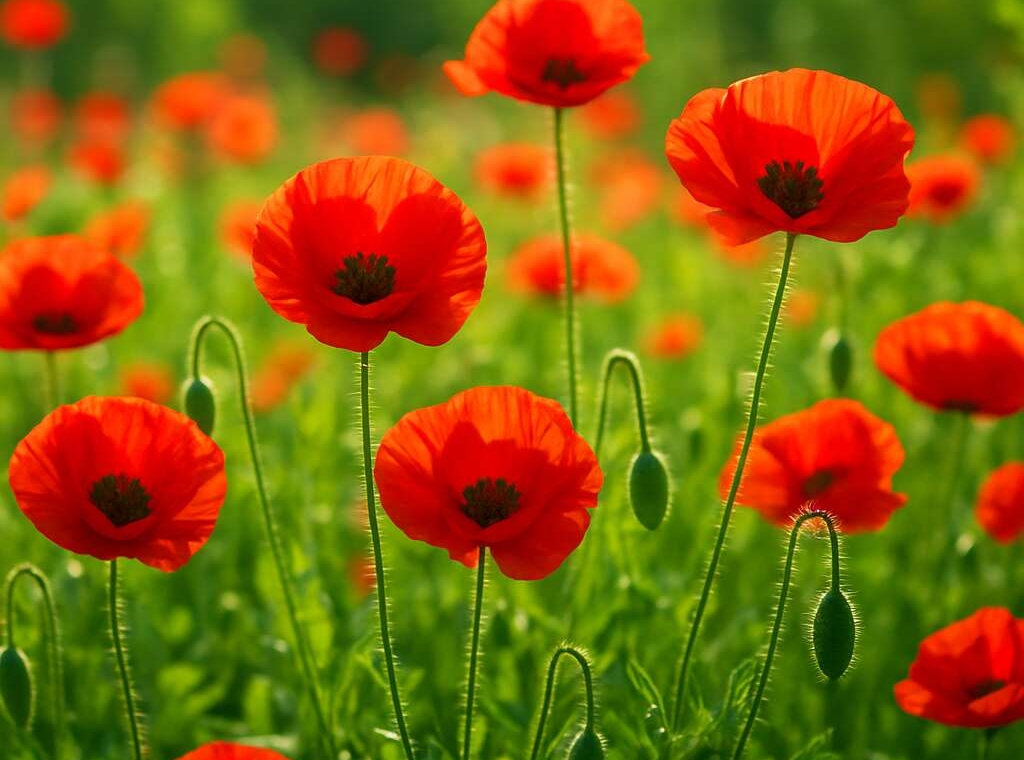



Latest Comments