
Red Starfish Echinaster sepositus: The Vibrant Mediterranean Marine Marvel
-
 by Potamos Guest House
 - March 16, 2026
- Echinasteridae
- 0
 by
by 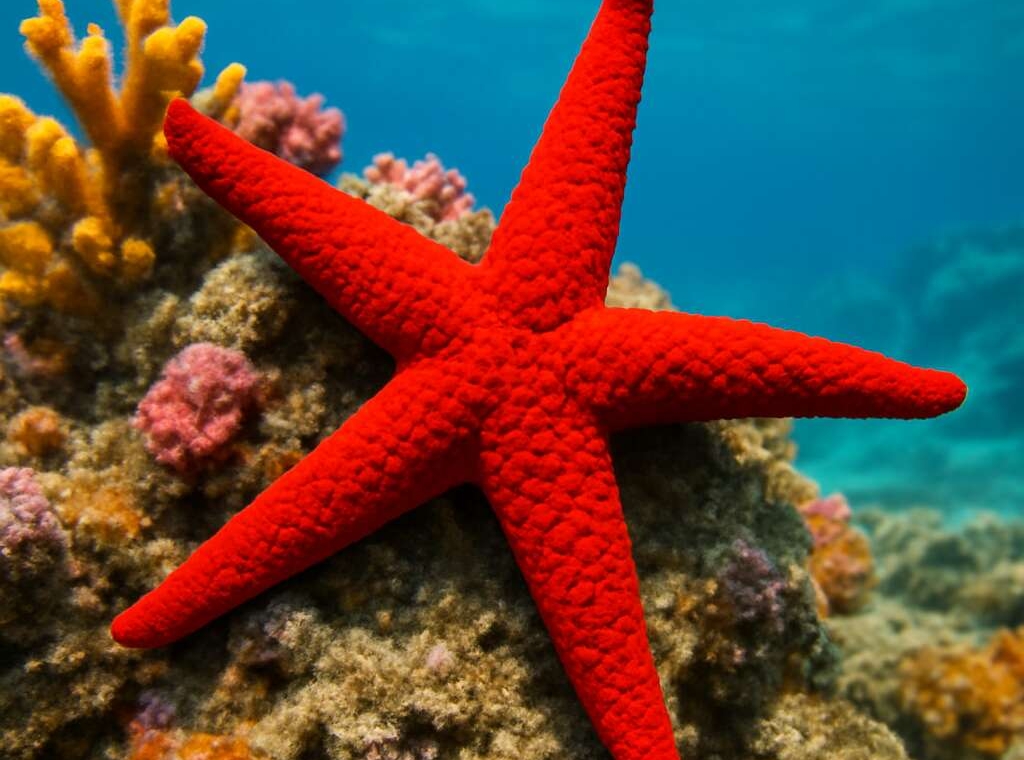
Introduction to Red Starfish Echinaster sepositus
Overview of Echinaster sepositus – Basic description and characteristics of the species
The Red Starfish, known scientifically as Echinaster sepositus, is one of the ocean’s most captivating creatures, bearing a crown of vibrant crimson that seems to glow beneath the water’s surface. This species of starfish, often found adorning rocky Mediterranean coastlines, enchants both divers and marine biologists alike with its striking appearance and graceful movements. With a diameter that can reach up to 30 centimetres, the Red Starfish Echinaster sepositus is a testament to nature’s artistry, featuring elongated arms that stretch outward like delicate ballet dancers caught in mid-pose.
One of the captivating features of Echinaster sepositus is its textured surface, speckled with tiny bumps and spines that serve both as protection and sensory tools. Its coloration, ranging from deep scarlet to lighter orange hues, helps it blend seamlessly into the vibrant coral reefs and rocky substrates where it resides. These starfish play a critical role in maintaining local marine ecosystems, preying on benthic invertebrates and contributing to the intricate balance of underwater life. For enthusiasts and researchers alike, the Red Starfish Echinaster sepositus embodies both resilience and elegance, making it a jewel of the marine world.
Habitat and Distribution – Marine environments and geographical range
Residing primarily in the sun-dappled waters of the Mediterranean, the Red Starfish Echinaster sepositus commands attention with its vivid coloration and elegant form. Its preference for rocky coastlines and coral reefs makes it a frequent spectacle for divers exploring the lesser-seen nooks of coastal waters. This species thrives in environments where the substrate is textured enough to hold its textured surface—an attribute that helps it blend seamlessly into the vibrant underwater tapestry.
The distribution of the Red Starfish Echinaster sepositus is centered around the warmer, temperate zones of the Mediterranean basin, stretching from the Balearic Islands to the southeastern coasts of Italy. It can be found at depths ranging from shallow reefs to approximately 50 meters, where the undisturbed rocky habitats flourish. The species’ adaptability to these specific marine environments reflects a fascinating balance between resilience and elegance.
For those with a penchant for marine geography, understanding the geographical range of the Red Starfish Echinaster sepositus reveals much about its ecological niche. Alongside its Mediterranean habitat, this starfish occasionally appears along the Atlantic coasts of southern Portugal, hinting at its subtle versatility. Its presence serves as a reminder of the importance of protected marine environments, where such striking creatures continue to thrive amidst the ebb and flow of ocean currents.
Identification Features – Distinctive physical traits and coloration
The Red Starfish Echinaster sepositus captivates the eye with its fiery hue and graceful form, standing out vividly against the rocky seabed. Its striking coloration, a blazing scarlet often tinged with shades of orange, makes it one of the most recognizable marine inhabitants of the Mediterranean. This species boasts a distinctive warder’s star shape, with arms that extend outward like the spokes of a wheel, each tipped with subtle granular textures that catch the light with an almost hypnotic shimmer.
The physical traits of the Red Starfish Echinaster sepositus are as elegant as they are functional. Its textured surface, adorned with tiny, rough tubercles, enhances its camouflage among coral and rocky substrates. The central disc presents a slightly depressed surface, often displaying a faint pattern that varies across individuals, further aiding in its seamless integration into its vibrant environment.
- The vivid, fiery coloration acts as both warning and allure, a beacon in the dappled depths.
- Its robust arms taper gently, embodying a perfect blend of resilience and aesthetic grace.
- Textured surfaces provide tactile detail, inviting careful inspection.
Understanding the intricate physical features of the Red Starfish Echinaster sepositus reveals a creature built for both survival and visual splendor. Its coloration and textured surface not only serve as stunning visual elements but also as adaptive traits, helping it blend in amidst the coral reefs and rocky crevices of the Mediterranean. Such details make it a fascinating subject for divers and marine enthusiasts alike, inspiring awe in the mysterious beauty beneath the waves.
Physical Characteristics and Morphology
Coloration and Pattern – Typical colors and markings
The allure of the Red Starfish Echinaster sepositus is a testament to nature’s artistry, captivating observers with its striking physical traits. Measuring typically between 10 to 35 centimeters in diameter, this species boasts a robust, slightly elongated body that seems to glow with an almost mythical vibrancy. Its motorized, flexible arms—usually five but occasionally more—radiate outward like the spokes of a celestial wheel, creating an iconographic silhouette that beckons divers and researchers alike.
The true magic, however, lies within its mesmerizing coloration and patterning. The skin of the Red Starfish Echinaster sepositus is adorned with a vivid scarlet hue—fiery and eye-catching—serving both as camouflage among coral reefs and a warning to predators. Its surface is dotted with tiny, lighter-coloured tubercles and subtle, irregular white marks that swirl across its body, creating intricate patterns reminiscent of ancient runes or cosmic constellations.
- Bright scarlet base color
- White markings and speckles
- Subtle, textured skin with tubercles
- Flexible, graceful arms extending outward
Holding the Red Starfish Echinaster sepositus in your hand reveals a creature both delicate and resilient, a living testament to the ocean’s spectacular diversity. Its coloration not only enhances its natural beauty but also plays a vital role in its survival strategy amid the vibrant tapestry of marine life.
Size and Shape – Average size and body structure
The physical characteristics of the Red Starfish Echinaster sepositus reveal a creature that is as intriguing as it is exquisite. Typically measuring between 10 and 35 centimeters across, this starfish possesses a body that seems designed for resilience and grace. Its elongated, firm arms radiate outward in a symmetrical pattern, often five but sometimes more, creating a celestial silhouette that seems almost otherworldly. These arms are flexible yet sturdy, allowing the Red Starfish Echinaster sepositus to navigate its vibrant marine environment with a delicate, almost balletic motion.
The body structure of this species is well-adapted to its habitat, with a textured skin dotted with tiny tubercles that add a subtly rough surface. This textured skin isn’t just for show—it plays a role in camouflage amidst coral reefs. Some key physical features include:
- A compact central disc from which elongated arms extend
- A sturdy, slightly elongated body form
- Textured skin with small tubercles and minute white speckles
Understanding the size and shape of the Red Starfish Echinaster sepositus illuminates its survival strategy. Its average size provides a perfect balance—big enough to deter predators but agile enough to move through complex reef structures. This species’s morphology not only highlights its resilience but also underscores the artistry present in marine life, blending function with natural beauty in every graceful movement and rounded contour.
Arm Structure and Texture – Number of arms and surface features
When it comes to marine marvels, the Red Starfish Echinaster sepositus stands out with its captivating physical characteristics. Measuring typically between 10 and 35 centimeters across, this species boasts an elegant, compact central disc that supports its elongated arms. These arms radiate outward in a balanced fashion, often mimicking celestial symmetry, offering a stunning visual reminiscent of cosmic artistry.
One of the most intriguing features of the Red Starfish Echinaster sepositus is its arm structure. Usually having five arms, but occasionally more, this starfish’s limbs are both flexible and sturdy, allowing it to skillfully navigate the complex coral reef terrain. The surface of its body is textured with tiny tubercles, tiny bumps that add a subtly rough appearance—much like miniature mountain ranges on a tiny planet—and snacks for keen camouflage predators.
- Number of arms: Usually five, but sometimes more
- Surface features: Tiny tubercles and minute white speckles
This textured skin not only adorns the Red Starfish Echinaster sepositus with visual appeal but also plays a vital role in blending seamlessly into its vibrant marine habitat. The rough yet resilient surface helps the species hide amid coral branches and rocky crevices, making it a master of camouflage while adding an element of natural artistry to its environment. Truly, the physical makeup of this starfish is a fascinating blend of form and function, designed for survival and splendor in diversely beautiful underwater worlds.
Unique Morphological Traits – Distinctive features setting it apart from other starfish
Standing out amidst the vibrant tapestry of the ocean floor, the Red Starfish Echinaster sepositus possesses a uniquely arresting silhouette that captivates marine enthusiasts and scientists alike. Its compact central disc, supporting elongated arms, lends an elegant symmetry that almost feels celestial—like a stellar phenomenon frozen beneath the waves. Measuring typically between 10 and 35 centimetres across, this starfish’s impressive size and shape make it a striking presence in its natural habitat.
What truly sets the Red Starfish Echinaster sepositus apart are its distinctive morphological traits. Its primarily five arms can sometimes extend into more, each armed with tiny tubercles and a constellation of minute white speckles that adorn its surface with an almost otherworldly beauty. These surface features are not just ornamental—they serve crucial roles in camouflage, helping the starfish blend seamlessly into rocky crevices and coral branches, shielding it from predators lurking in the shadows.
One of its most intriguing features is the textured skin—rough yet resilient—that resembles miniature mountain ranges on a tiny planet. This unique arm structure and surface pattern create a visual spectacle that draws admiration from marine biologists and divers. The flexible yet sturdy limbs allow the Red Starfish Echinaster sepositus to navigate complex coral reef landscapes deftly, making it a true master of mimicry and resilience in shallow, sunlit waters.
Behavior and Ecology
Feeding Habits – Diet preferences and feeding behavior
Beneath the shimmering surface of Mediterranean waters, the Red Starfish Echinaster sepositus demonstrates a captivating dance of nature’s subtle palate. Its feeding habits reveal an opportunistic predator, quietly shifting between a diet of molluscs, tiny crustaceans, and detritus with a remarkable flexibility. This starfish’s ability to adapt its diet preferences ensures its survival across varying depths and habitats, embodying resilience in a landscape of fluctuating conditions.
Fascinatingly, the feeding behavior of Red Starfish Echinaster sepositus often involves slow, deliberate movements along rocky substrates, where it uses its arms to pry open bivalves or scavenge organic debris. It plays a vital role within its ecological niche, contributing to the natural balance of its environment by controlling prey populations and recycling nutrients. This starfish’s unique ecological persona underscores its importance within the marine ecosystems it inhabits.
Reproductive Strategies – Spawning season, methods of reproduction
Red Starfish Echinaster sepositus is known for its intriguing reproductive strategies. During its spawning season, which typically occurs in late spring to early summer, this species releases eggs and sperm into the water column. External fertilisation is common, allowing for a high volume of offspring to be produced rapidly. This method promotes genetic diversity and resilience within populations.
Reproduction in Red Starfish Echinaster sepositus is often influenced by environmental factors such as water temperature, salinity, and lunar cycles. Its ability to reproduce effectively across various habitats demonstrates its adaptability. Some starfish populations engage in synchronized spawning, where many individuals release gametes simultaneously, increasing the chances of fertilisation.
Understanding the reproductive methods of Red Starfish Echinaster sepositus reveals its capacity for sustainable survival. Its reproductive timing and release mechanism play a crucial role in maintaining healthy, thriving populations in Mediterranean waters. These strategies ensure that this iconic starfish continues to inhabit its ecological niche with resilience and grace.
Predators and Threats – Natural enemies and environmental risks
The Red Starfish Echinaster sepositus, with its radiant hue and graceful arms, dances through the Mediterranean’s underwater ballet. Yet, beneath its vivid surface lies a delicate balance of survival, where predators and environmental threats threaten its existence as fiercely as the currents shape its habitat.
Predators such as fish—particularly those with specialized feeding techniques—pose a natural threat to Echinaster sepositus, eagerly snatching at its delicate arms or consuming its tissue. Crustaceans and certain molluscs also patrol these waters, adding to the myriad of natural enemies that challenge the resilience of this iconic species. Nonetheless, the Red Starfish Echinaster sepositus has evolved mechanisms of camouflage and quick reflexes, often blending seamlessly into rocky crevices to evade predation.
Environmental risks, notably pollution, habitat degradation, and rising water temperatures, cast a shadow over the starfish’s fragile existence. Human activities such as coastal development and reckless fishing practices threaten the very ecosystems where the Red Starfish Echinaster sepositus thrives. These environmental threats can cause population declines, disrupting the ecological balance.
Particularly alarming are the impacts of climate change, which alter the ocean’s chemical composition and temperature—a double-edged sword for marine life. Additionally, parasitic infestations and disease outbreaks, often exacerbated by pollution, weaken populations and hinder their ability to recover. The resilience of the Red Starfish Echinaster sepositus hinges on its ability to navigate these perilous waters while maintaining the delicate harmony of its marine surroundings.
Role in Marine Ecosystems – Contribution to habitat health and biodiversity
Amid the vibrant tapestry of the Mediterranean Sea, the Red Starfish Echinaster sepositus plays a subtle yet pivotal role. Its behavior—often characterized by slow, methodical movements—contributes significantly to the health of its habitat. Unlike many marine species that rely on brute strength, Echinaster sepositus demonstrates remarkable resilience through its strategic foraging and territorial habits, fostering biodiversity in rocky crevices and coral reefs.
This starfish acts as both predator and scavenger, regulating populations of smaller invertebrates while recycling organic material. Its presence helps maintain a delicate ecological equilibrium that supports various marine organisms. The Red Starfish Echinaster sepositus is also known for its role in sediment turnover, which enriches the seabed and encourages healthy algal growth—fundamental processes that sustain broader marine biodiversity.
- Habitat stabilization through its interactions with surrounding substrates
- Supporting the food chain by providing nourishment for species such as fish and molluscs
Such ecological duties highlight the importance of the Red Starfish Echinaster sepositus in marine ecosystems. Its vibrant coloration and distinctive arm structure are more than just visual charm—they are vital adaptations that aid in camouflage and protection in a bustling underwater environment. As a keystone species, its presence influences the diversity and resilience of the ecosystems it inhabits, ensuring the vitality of marine habitats for generations to come.
Conservation and Human Relevance
Conservation Status – Current assessment and protective measures
In the shadowy depths of the Mediterranean’s rock-strewn reefs, the Red Starfish Echinaster sepositus holds an unassuming yet vital role. This vibrant species, with its striking crimson hue and intricate arm structure, has long captivated biologists and underwater enthusiasts alike. But beneath its eye-catching exterior lies a fragile existence threatened by human activity.
Conservation of the Red Starfish Echinaster sepositus has become increasingly important as populations face pressures from habitat degradation and pollution. Current assessment status indicates a need for targeted protection measures to prevent decline. Marine protected areas are instrumental in safeguarding their natural habitat and ensuring the species’ longevity. Public awareness campaigns also play a role in emphasizing the importance of this starfish within the marine ecosystem.
- Habitat preservation
- Restricting destructive fishing practices
- Monitoring population health
Efforts aimed at conserving the Red Starfish Echinaster sepositus underscore the delicate balance of marine biodiversity and remind us that each creature, no matter how beautiful, depends on our stewardship for survival.
Impact of Human Activities – Effects of pollution, fishing, and habitat destruction
The Mediterranean’s allure isn’t just about shimmering waters and vibrant reefs; it’s also about the delicate creatures that inhabit these underwater worlds. Among them, the Red Starfish Echinaster sepositus stands out with its striking crimson coloration and intricate arm structure, captivating divers and marine biologists alike. Yet, beneath its eye-catching exterior lies a creature increasingly threatened by the ripple effects of human activity.
Pollution is one of the most insidious threats to the survival of the Red Starfish Echinaster sepositus. Chemical runoff, plastic waste, and oil spills threaten to suffocate marine habitats, disrupting the delicate balance necessary for their existence. Fishing practices, especially those that involve destructive methods like trawling and overharvesting, exacerbate habitat loss and directly impact starfish populations. Habitat destruction—whether through coastal development or anchoring in sensitive reef zones—further diminishes the distribution of this vibrant species.
Marine ecosystems rely heavily on interactions within the food chain. When the Red Starfish Echinaster sepositus faces declines, the repercussions ripple through the ecosystem, affecting other species and overall habitat health. Protecting these starfish demands vigilance; it involves not just monitoring population health but also advocating for restrictions on destructive fishing practices. Restrictions help preserve the fragile rocky reefs and prevent irreversible damage.
- Implementing marine protected areas
- Enforcing pollution controls
- Reducing destructive fishing activities
Every effort counts in ensuring that the mesmerizing red starfish remains a part of the Mediterranean’s biodiversity. Human influence has a profound impact—shaping the future of species like the Red Starfish Echinaster sepositus and, ultimately, the health of our oceans. Recognising this interconnectedness is essential for fostering responsible marine stewardship and safeguarding this extraordinary creature for generations to come.
Aquarium Trade – Presence in aquatic collections and trade considerations
Conservation efforts surrounding the Red Starfish Echinaster sepositus have reached a pivotal point, especially with the growing presence of this species in the aquarium trade. As this vibrant marine creature captivates hobbyists worldwide, questions about sustainable collection and protection are more relevant than ever.
The Red Starfish Echinaster sepositus is increasingly sought after in aquatic collections, yet capturing and maintaining these starfish require delicate care and responsible sourcing. Unsustainable harvesting can threaten local populations and disturb fragile marine habitats. Ethical trade practices—such as adhering to strict collection regulations and promoting captive breeding—are imperative to prevent overexploitation.
Stakeholders and enthusiasts alike must recognize that the true stewardship of the Red Starfish Echinaster sepositus hinges on balancing human fascination with ecological integrity. Enforcing strict regulations and supporting conservation programs can help preserve this stunning species for future generations, whether in the wild or within aquariums.
Research and Scientific Interest – Role in marine research and ecological studies
The Red Starfish Echinaster sepositus, with its radiant crimson hue and intricate arm patterning, whispers stories of resilience and delicate balance within marine ecosystems. This vibrant species has become a beacon of scientific curiosity, captivating researchers eager to unravel its secrets. As a vital component of Mediterranean reefs and rocky seabeds, the Red Starfish Echinaster sepositus plays an indispensable role in maintaining ecological harmony. Its presence not only enriches biodiversity but also offers a window into the complex dynamics of marine life.
Studying the ecological functions of the Red Starfish Echinaster sepositus reveals its importance in predation and scavenging behaviors, which help regulate other invertebrate populations. Its unique morphological traits—such as its textured surface and flexible arms—serve as adaptations to survive in unpredictable environments, making it a fascinating subject for marine research. Conservation efforts increasingly emphasize understanding these biological intricacies, ensuring that this beautiful species continues to thrive despite mounting environmental pressures.
Research into the reproductive strategies of Echinaster sepositus highlights a seasonal spawning period, during which its reproductive habits contribute to genetic diversity vital for population resilience. The species also acts as an indicator for the health of its habitat, reflecting changes caused by pollution, overfishing, and habitat degradation—common threats faced by many marine creatures today.
- Marine scientists employ non-invasive observation techniques to study the feeding habits of the Red Starfish Echinaster sepositus
- Ecologists monitor its population dynamics to gauge the broader health of Mediterranean reefs
- Conservation initiatives focus on safeguarding habitats where the species is most abundant
This focus on the Red Starfish Echinaster sepositus in scientific research underscores its invaluable role in unraveling the intricate web of marine life. Enshrined in the tapestry of oceanic biodiversity, its study informs conservation strategies and highlights the delicate equilibrium that sustains our seas. By understanding its biological significance, humanity can better embrace its responsibilities in preserving symphonies of life beneath the waves.
How to Protect and Respect – Guidelines for sustainable observation and collection
Picture a sea star painted in the most vibrant shade of crimson, almost as if it decided to forgo subtlety entirely. That’s the Red Starfish Echinaster sepositus for you — a dazzling denizen of Mediterranean reefs that commands attention in a sea of dull grey rocks and monotone marine life. Yet, behind its striking appearance lies a delicate web of ecological roles and conservation challenges that deserve a closer look. This charismatic species isn’t just a pretty face; it’s a pivotal actor in maintaining the health and diversity of its underwater habitat.
Protecting the Red Starfish Echinaster sepositus isn’t just a matter of appreciation, but a necessity for sustaining the fragile balance of Mediterranean marine ecosystems. Human activities like pollution, overfishing, and habitat destruction have cast a shadow over its populations, prompting conservationists to emphasize sustainable observation and collection practices. Respectful interaction with these marine marvels involves adhering to guidelines that prevent damage to their habitat and avoid unnecessary disturbance. For instance, underwater photographers and researchers should ensure they do not handle this species unnecessarily, as even minimal physical contact can disrupt its reproductive cycle and health.
To thoughtfully safeguard the future of the Red Starfish Echinaster sepositus, conservation guidelines often include simple yet effective measures such as:
- Avoid collecting or removing specimens from their natural habitat unless absolutely necessary and only with proper permits
- Engage in non-invasive observation techniques that do not stress or harm the animal or its environment
- Participate in habitat restoration efforts where human impact has caused substrate degradation
- Support marine protected areas that provide safe zones for the species to thrive and reproduce freely
By adhering to these principles, humans can contribute to the resilience of this iconic species. Respect for the Red Starfish Echinaster sepositus and its environment ensures that future generations—both human and marine—may continue to marvel at its radiant hues and learn from its ecological significance. After all, conservation isn’t just about preserving beauty; it’s about maintaining the intricate web of life that sustains us all beneath the waves.



Latest Comments