Botanical Characteristics of Calycotome villosa
Description of the Plant – Physical features, size, and distinctive characteristics
Amidst the rugged beauty of Mediterranean landscapes, the Spiny Broom Calycotome villosa emerges as a fascinating botanical wonder. With its thorny, wiry branches and striking appearance, this plant commands attention and admiration. Its physical features include a dense, spiny crown that offers a protective allure, quite appropriate for its name. The plant typically reaches a height of 1.5 to 2 meters, standing as a resilient sentinel in arid soils and rocky terrains.
The distinctive characteristics of Calycotome villosa are rooted in its elongated, narrow leaves that are often replaced by spiny, spine-like structures, a remarkable adaptation for survival. Its bright yellow flowers bloom sporadically along the branches, adding a splash of color to the otherwise subdued, earthy palette. This species, the Spiny Broom Calycotome villosa, bears a robust seed pod, which plays a vital role in its propagation system.
- Wiry, thorny branches
- Bright yellow, papilionaceous flowers
- Height commonly between 1.5 to 2 meters
- Distinctive spine-like leaves replacing traditional foliage
In essence, Calycotome villosa’s physical characteristics make it an intriguing specimen, embodying resilience and adaptation in its natural habitat. Recognized for its spiny structure and flowering elegance, the Spiny Broom Calycotome villosa continues to captivate botanists and nature enthusiasts alike.
Flowering and Fruit Features – Details about flowers, seed pods, and blooming season
The flowering cycle of the Spiny Broom Calycotome villosa unveils a mesmerizing spectacle that few plants can match. During its prime blooming season—typically in late spring to early summer—the bright yellow, papilionaceous flowers burst into sporadic clusters along its thorny branches, transforming arid landscapes into bursts of vivid color. These blossoms aren’t just visually striking; they play a crucial role in pollination, attracting a variety of native insects eager to partake in this desert-like elegance.
The seed dispersal system of Calycotome villosa is equally fascinating. Its distinctive seed pods are large, woody, and robust—designed for survival amidst unpredictable weather conditions. When mature, these seed pods split open with a gentle rattle, releasing seeds that are naturally equipped to latch onto passing animals or be carried away by the wind. This mechanism ensures the continued propagation of Spiny Broom Calycotome villosa across rugged terrains with minimal effort.
- The plant’s vivid yellow flowers typically bloom between late spring and early summer, creating a striking seasonal display.
- Seed pods develop later in the season, growing into large, woody structures that stand out in the landscape.
- These seed pods release seeds that are adapted for wind dispersal, aiding the spread of Spiny Broom Calycotome villosa across rocky and arid soils.
Each feature of this resilient plant—the fleeting burst of floral color and its protective seed pods—embodies its mastery of survival and adaptation. For those captivated by the natural world, understanding the flowering and fruiting features of Spiny Broom Calycotome villosa reveals an extraordinary story of endurance and beauty in the face of harsh environments.
Growth Habits and Habitats – Preferred environments, climate tolerance, and geographical distribution
Spiny Broom Calycotome villosa is a captivating example of desert resilience, thriving in environments that seem inhospitable at first glance. Its growth habits are perfectly adapted to rugged terrains and rocky soils, making it a standout among plants in arid climates. This hardy shrub exhibits a bushy, somewhat sprawling structure, reaching heights of up to 2 meters, with thorny branches that hint at its defensive prowess against predators. Its ability to survive in climates characterized by extreme heat and scarce water supplies highlights its impressive tolerance for drought conditions.
Native to the Mediterranean basin, particularly around North Africa and southern Spain, Calycotome villosa showcases a remarkable adaptability to diverse terrains and soil types. Its geographical distribution spans regions with rocky slopes, dry riverbeds, and semi-arid landscapes, where few plants manage to establish themselves. The plant’s natural habitat often features well-drained, sandy soils and experiences full sun exposure, settings that the Spiny Broom Calycotome villosa embraces with ease.
Growth habits of this resilient shrub include a tendency for its branches to spread outward, creating dense thickets that provide shelter for various small animals and insects. Its unique ability to withstand harsh environmental conditions has led to its recognition as a vital component of Mediterranean flora, especially in areas where water conservation and soil stabilization are critical. The plant’s resilience is a testament to its evolutionary perfection, making the Spiny Broom Calycotome villosa not just a hardy survivor but also an ecological asset.
- Highly tolerant of drought and high temperatures, thriving in full sun.
- Prefers rocky, well-drained soils typical of Mediterranean and semi-arid regions.
- Geographically widespread across North Africa, southern Spain, and parts of the Middle East.
Distinctive Spiny Features – Explanation of spines, thorns, and adaptation mechanisms
The botanical marvel that is Spiny Broom Calycotome villosa captivates with its distinctive spiny features, a hallmark of its evolutionary ingenuity. Its formidable thorns, which can appear as sharp, woody spines along its branches, serve as a profound adaptation mechanism—an elegant response to herbivory in the harsh environments it inhabits.
These spines are not merely defensive; they also conserve water by reducing air flow around the plant’s surface, a trait vital for its survival in arid climates. The spiny structure of Calycotome villosa stands out as a natural fortress, deterring unwanted visitors and predators alike. This resilience is further enhanced by its ability to thrive amid rocky terrain, where softer, more vulnerable plants might falter under the relentless sun and drought conditions.
Understanding the distinctive spiny features of Spiny Broom Calycotome villosa reveals an intricate web of survival tactics. Its thick, thorny branches are perfectly adapted to semi-arid zones, with these spines acting as both a physical barrier and a water conservation tool. As this hardy shrub flourishes across Mediterranean and North African landscapes, its spines symbolize nature’s relentless drive for adaptation—a true testament to the plant’s evolutionary prowess.
Ecological and Environmental Significance
Role in Local Ecosystems – Interactions with native flora and fauna
Amidst the rugged terrains where resilience is a virtue, Spiny Broom Calycotome villosa quietly asserts its ecological importance. Its spiny features are not mere aesthetic anomalies but serve as strategic adaptations that influence the surrounding flora and fauna. Far from a mere thorny obstacle, it provides essential shelter for small mammals and songbirds seeking refuge from predators, acting as a backbone in their survival strategies.
Ecologically, Spiny Broom Calycotome villosa engages in intricate interactions with native flora, often helping to stabilize soil and prevent erosion on arid slopes. Its presence encourages a diverse range of insect species, which contribute to the pollination of neighboring plants, fostering a resilient and multipurpose environment. For example, its seed pods attract specific bird species that aid in seed dispersal—a critical process for maintaining the plant’s growth cycles and ecosystem diversity.
This plant’s role in local ecosystems extends further; it influences the distribution and composition of native vegetation by competing with invasive species, often limiting their spread through its hardy growth form. Observations suggest that its ecological niche is invaluable in maintaining the delicate equilibrium of Mediterranean and semi-arid landscapes, acting as both a pioneer species and a vital habitat component for native fauna.
Soil and Growth Conditions – Soil preferences, drought resistance, and adaptation
Amidst the stark beauty of arid landscapes, the resilience of Spiny Broom Calycotome villosa shines as a testament to nature’s ingenuity. Its hardy adaptation to challenging soil conditions makes it a cornerstone species in semi-arid regions, where survival is often a delicate dance. This plant’s preference for well-drained, sandy, or rocky soils allows it to thrive where others falter, creating a green haven in otherwise barren terrain.
Through its remarkable drought resistance, Spiny Broom Calycotome villosa demonstrates an advanced adaptation mechanism—its deep root systems draw moisture from beneath the surface, ensuring vitality even during prolonged dry spells. Its ability to endure extreme fluctuations in water availability not only highlights its ecological robustness but also underscores its role in stabilizing soil and preventing erosion on steep slopes or degraded land. In fact, its growth habits can lead to the gradual reinforcement of fragile ecosystems, making it a natural ally against desertification.
- Preference for sandy, rocky, or calcareous soils
- High tolerance to drought conditions
- Deep root system for water access during dry seasons
Such features position Spiny Broom Calycotome villosa as a quintessential pioneer species, capable of colonizing and transforming inhospitable environments. Its adaptability lends itself to ecological restoration efforts, especially in regions where soil erosion threatens biodiversity. In this ongoing cycle of growth and resilience, Spiny Broom Calycotome villosa continues to carve out its niche in the fabric of nature’s grand tapestry, quietly asserting its role as a guardian of semi-arid terrains.
Pollination and Reproduction – Pollinator relationships and seed dispersal mechanisms
Spiny Broom Calycotome villosa isn’t just ruggedly beautiful — it’s also a nutritional powerhouse for pollinators and a marvel of seed dispersal mechanisms that keep ecosystems thriving. This hardy bush forms vital relationships with native insects, especially bees and butterflies, which are lured by its vibrant, nectar-rich flowers. These pollinator interactions ensure the plant’s reproductive success, creating a lively dance of pollination that sustains local biodiversity.
When it comes to seed dispersal, Spiny Broom Calycotome villosa employs an intriguing mix of strategies. Its seed pods catch the wind or fall close to parent plants, sometimes hitching rides on animals passing by. With its naturally produced spines and seed casing, it cleverly manages to protect seeds from predators while facilitating propagation in semi-arid regions. This adaptability helps the plant colonize inhospitable environments—transforming barren landscapes into bustling hubs of ecological activity.
- Pollinator relationships with native insects enhance seed set and genetic diversity.
- Seed dispersal mechanisms like wind and animal involvement ensure widespread colonization.
In a way, the pollination and seed dispersal processes of Spiny Broom Calycotome villosa reflect its status as a pioneer species — resilient, resourceful, and perfectly suited to life on the fringes of more delicate ecosystems. This subtle ecological role highlights why it is so valued in restoration and natural habitat management efforts. Whether attracting pollinators or dispersing its seeds across challenging terrain, Spiny Broom Calycotome villosa proves to be a botanical powerhouse in the semi-arid world.
Impact on Biodiversity – Contribution to habitat diversity and ecological balance
Amid the often stark landscapes of semi-arid regions, Spiny Broom Calycotome villosa emerges as a resilient cornerstone for ecological diversity. Its capacity to thrive where many other plants falter underscores its vital contribution to habitat mosaic formation. This hardy shrub fosters a complex web of interactions, supporting a wide array of native insects, birds, and small mammals. Its presence enhances biodiversity by providing food and shelter in ecosystems that might otherwise be inhospitable to thriving wildlife.
The plant’s spiny morphology is more than just a defense mechanism; it also creates microhabitats for various ground-dwelling creatures, promoting ecological balance. As a pioneer species, Spiny Broom Calycotome villosa aids in soil stabilization, preventing erosion on fragile terrains and facilitating succession processes that lead to more diverse plant communities. Its role in maintaining ecological integrity makes it indispensable for natural restoration projects and sustainable land management.
Distinctively, Spiny Broom Calycotome villosa contributes to habitat heterogeneity—an essential element in supporting wildlife corridors. Its presence not only sustains local faunal assemblages but also supports plant pollination networks that are crucial for the wider ecosystem’s resilience. The plant’s adaptation to drought and poor soil conditions exemplifies its contribution to creating thriving semi-arid landscapes that support rich biodiversity.
Conservation Status – Assessment of population health and preservation efforts
The resilience of Spiny Broom Calycotome villosa is nothing short of extraordinary in the face of harsh semi-arid ecosystems. Its hardy nature positions it as a crucial player in maintaining the balance of fragile environments, especially considering its status in regions where few plants dare to thrive. Conservation efforts for Spiny Broom Calycotome villosa focus on safeguarding these resilient shrubs, as their population health directly influences habitat integrity and biodiversity levels.
Current assessments indicate that, in many areas, its population remains stable, yet threats such as land degradation and invasive species pose ongoing challenges. Preservation initiatives often include habitat restoration programs that reinforce soil stabilization, which is vital given the plant’s role in soil erosion prevention. As an indicator species, the health of Spiny Broom Calycotome villosa populations can signal broader environmental shifts, emphasizing the importance of continued monitoring.
- Protection of native habitats
- Management of invasive species
- Promotion of sustainable land use practices
These measures are crucial in maintaining the ecological balance that Spiny Broom Calycotome villosa helps uphold. Its capacity to adapt to drought and poor soil conditions underscores its importance as a natural guardian—proof that resilience does not just survive but sustains entire ecosystems. The ongoing evaluation of its conservation status ensures that this stalwart shrub remains a foundation for ecological stability across semi-arid landscapes.
Uses and Cultural Importance
Traditional Uses – Medicinal, ornamental, and practical applications
With its fiery spikes and audacious charm, Spiny Broom Calycotome villosa isn’t just a pretty face of the Mediterranean landscape. This resilient shrub has a reputation far beyond its prickly exterior, showcasing some fascinating traditional uses and cultural importance.
In the realm of practical application, the sharp, spiny branches of Calycotome villosa have historically served as natural fencing solutions—think of it as the original “keep out” sign. Local communities often used its wood for crafting fencing, thanks to the plant’s sturdy, thorny structure that discourages even the most determined trespassers.
Medicinally, indigenous peoples have employed extracts from Spiny Broom Calycotome villosa for various ailments. A decoction from its leaves has been reputed to aid in digestive issues, and some even believed it could ward off pests—naturally, with a touch of botanical magic.
On the ornamental front, its striking appearance makes Spiny Broom Calycotome villosa a favourite in arid Mediterranean gardens, where it adds an exotic flair while thriving on minimal water. Its ability to thrive in tough soil conditions renders it a practical choice for xeriscaping and wildlife-friendly landscaping, providing shelter and food for native fauna.
Whether acting as natural boundary markers or a symbol of resilience, spiny and unyielding, Calycotome villosa’s practical and cultural applications showcase its significance well beyond just being a plant of prickles and blooms.
Modern Uses – Potential in landscaping, restoration projects, and horticulture
Spiny Broom Calycotome villosa isn’t just a plant frozen in time; it has the potential to transform modern landscaping and ecological restoration projects. Its hardy nature and distinctive spiny features make it an excellent choice for sustainable horticulture, especially in arid environments. Native to the Mediterranean, the resilience of Spiny Broom Calycotome villosa ensures it can thrive in tough conditions, resisting drought and poor soil—traits highly valued in contemporary xeriscaping.
In ecological restoration, the plant’s role extends beyond its striking appearance. It provides vital habitat and food sources for native fauna, supporting biodiversity and ecological balance. Its ability to stabilize soil and prevent erosion makes it a natural solution for restoring degraded landscapes. This plant can be woven into native plant gardens or used for habitat creation, where its adaptability becomes a potent advantage.
- Promotes biodiversity by supporting local pollinators
- Stabilizes soil in erosion-prone areas
- Offers ornamental value in drought-resistant gardens
With its rugged charm and ecological significance, Spiny Broom Calycotome villosa is earning a reputation as a resilient cornerstone in sustainable horticultural practices. Its fusion of aesthetic appeal and environmental utility makes it a practical and culturally meaningful addition to the modern landscape.
Cultural Significance – Historical relevance and local traditions involving the plant
Spiny Broom Calycotome villosa may sound like a mouthful, but it’s a plant whose cultural importance runs deep in Mediterranean traditions. Historically, this resilient shrub has been more than just a thorny ornamental; it’s woven into the local tapestry of land management and folklore. In many coastal villages and mountain communities, the plant’s spiny branches served as natural barriers—protecting crops and livestock from inquisitive animals or unwelcome visitors.
Native peoples often valued Spiny Broom Calycotome villosa not only for its tough exterior but also for its symbolic role in warding off evil spirits and bad luck, much like a botanical talisman. In some regions, its presence was considered a sign of resilience and endurance—qualities revered in harsh, arid terrains. Its practical applications extended to being a source of durable fencing material, demonstrating how nature’s spiny features provided tangible benefits through generations.
- Tradition has it that the plant’s spines were used in craft-making, turning prickly branches into rustic tools or decorative elements.
- Local legends often highlight its role as a protector—both physically in the landscape and metaphorically in cultural stories.
This blend of functional utility and symbolic significance cements Spiny Broom Calycotome villosa as a treasured emblem in Mediterranean heritage. Today, its historical relevance continues to inspire sustainable horticulture practices, where ancient wisdom meets modern ecological awareness.
Potential for Commercial Cultivation – Feasibility, benefits, and challenges
Spiny Broom Calycotome villosa possesses an intriguing potential for commercial cultivation, blending ecological resilience with cultural richness. Its hardy nature and adaptability to arid Mediterranean climates make it a promising candidate for sustainable landscaping and land management projects. As an ornamental shrub, it offers aesthetic appeal with its distinctive spiny features and vibrant flowering season, attracting interest from horticulturists seeking drought-resistant plants.
The plant’s natural resilience to drought and poor soil conditions reduces the need for extensive water and fertiliser application—a major advantage in conservation-focused agriculture. Its role extends beyond ornamental uses; the spiny branches of Calycotome villosa can be processed into rustic fencing or natural barriers, echoing historical land management strategies rooted in tradition. This multifunctionality exhibits its feasibility for eco-centric commercial ventures that value ecological compatibility and traditional methods.
- Market demand for native, hardy plants increases as awareness of native biodiversity conservation grows.
- Its established role in local ecosystems promotes habitat diversity, making it a valuable addition to restoration projects aiming for ecological balance.
Nonetheless, challenges persist; propagation from seed can be unpredictable, and managing its spiny growth to suit commercial needs requires skilled handling. Yet, with appropriate cultivation techniques, the benefits of Spiny Broom Calycotome villosa—such as soil stabilization, habitat enhancement, and cultural authenticity—present a compelling case for its expanded use. Investment in breeding and propagation research could unlock even greater commercial potential, aligning environmental values with economic benefits while preserving the plant’s rich historical significance.
Cultivation and Maintenance Tips
Growing Conditions – Sunlight, soil type, watering needs
Spiny Broom Calycotome villosa thrives best when given the right growing conditions. This hardy shrub adapts surprisingly well to the challenging climates of the United Kingdom, provided it receives ample sunlight. It prefers a position in full sun, where it can flourish and produce vibrant flowers.
The plant enjoys well-drained soil with low to moderate fertility. Sandy or gravelly soils are ideal, as they prevent waterlogging and mimic its natural habitat. Once established, Spiny Broom Calycotome villosa demonstrates impressive drought resistance, making it a suitable choice for xeriscaping.
For watering, it’s best to keep the soil slightly moist during the first growing season to establish roots. Afterward, minimal watering is necessary, especially during dry spells. As a resilient species, it tolerates periods of drought without damage, though consistent watering during prolonged heat helps maintain optimal growth.
- Plant in a sunny location for best flowering results.
- Use sandy or gravelly soil to ensure proper drainage.
- Water sparingly once the plant is established.
Maintaining Spiny Broom Calycotome villosa is straightforward. Regular pruning after flowering encourages bushier growth and removes any dead or damaged branches. Overall, these cultivation tips help the plant thrive in various settings, from garden borders to restoration projects across the UK.
Propagation Methods – Seeds, cuttings, and assisted propagation techniques
Spiny Broom Calycotome villosa is not just a striking plant but also a hardy species with intriguing propagation possibilities. Propagating this resilient shrub offers an engaging challenge for horticulturists and gardeners alike.
Growing from seeds is a straightforward method. Sow the seeds in well-drained, sandy or gravelly soil during early spring for best results. Lightly cover the seeds with soil and keep them moist until germination, which typically occurs within a few weeks. For quicker establishment, cuttings are a preferred method. Take semi-hardwood cuttings in late summer, dip them in rooting hormone, and plant into a gritty, well-draining medium.
Assisted propagation techniques, like using hormone treatments and controlled environment setups, can increase success rates. Some growers also opt for layering, especially in conservation or restoration efforts across the UK.
- Use sharp, sterilized pruners for cuttings
- Maintain consistent moisture without waterlogging
- Place cuttings in bright, indirect light to encourage rooting
Maintaining Spiny Broom Calycotome villosa during its early stages involves careful attention to watering — soil should stay slightly moist but never saturated. Once established, this shrub becomes remarkably drought-tolerant. Regular pruning after flowering helps shape the plant and promotes bushier growth, vital for those integrating spiny broom into native landscapes or ecological restoration projects. With its adaptability, the plant is suitable for cultivation in various UK settings, offering an attractive, spiny feature that is both functional and resilient.
Care and Maintenance – Pruning, pest control, and seasonal considerations
Growing and maintaining Spiny Broom Calycotome villosa requires an understanding of its unique needs and subtle signs of health. This resilient plant thrives in well-drained, sandy, or gravelly soils, making it perfectly suited for the challenging climates of the United Kingdom’s varied landscapes. Regular pruning not only shapes the shrub but also encourages a denser, bushier growth, enhancing its visual appeal and ecological role.
Pruning should be undertaken during late winter or early spring, using sharp, sterilized pruners to avoid introducing diseases. Focus on removing any dead or crossing branches, and aim to shape the plant to maintain its natural form. This proactive approach helps prevent pest infestations and fungal diseases that can sometimes affect Spiny Broom Calycotome villosa, especially in damp conditions.
Speaking of pests, vigilance against common issues such as aphids or scale insects remains crucial, particularly during the plant’s early growth stages. A targeted application of environmentally friendly pest control methods can keep the plant healthy without disrupting local biodiversity.
Seasonal considerations are also important; in colder months, while Spiny Broom Calycotome villosa demonstrates impressive drought tolerance once established, some protection from frost may be needed. Mulching around the base with coarse organic material insulates roots, safeguarding it from extreme cold snaps.
Growth habit and habitat preferences reveal the importance of selecting a sunny, open location with plenty of airflow. This exposure reduces the risk of fungal pathogens and encourages flowering, which typically occurs in late spring to early summer.
Incorporating Spiny Broom Calycotome villosa into native UK landscapes demands an appreciation of its distinctive spines and thorns that serve as natural deterrents against herbivorous pests. These features, while offering striking visual interest, also contribute to its ecological role, providing shelter for small fauna. To optimize their effectiveness, routine checks ensure the spines remain unobstructed and healthy.
A natural harmony exists between this hardy shrub and native flora, often forming part of ecological restoration projects where its resilience can stabilize soils and support biodiversity. Proper watering practices, especially during initial planting, will foster healthy root development. Soil should be kept consistently moist but never waterlogged to prevent root rot, a common challenge during UK’s wetter seasons.
For those interested in the propagation of Spiny Broom Calycotome villosa, understanding its growth cycle is vital. This species can be propagated via seeds, which require stratification for optimal germination, or through semi-hardwood cuttings taken in late summer. Careful attention to propagation techniques, including the use of hormone treatments and well-draining rooting mediums, enhances success rates.
The adaptability and distinctive characteristics of Spiny Broom Calycotome villosa make it not only a resilient addition to UK gardens but also an intriguing subject for botanical enthusiasts seeking low-maintenance yet visually striking plants. Proper care, combined with strategic pruning and pest management, ensures this plant continues to thrive, enriching the landscape with its rugged beauty and ecological contributions.
Design Integration – Use in landscapes, xeriscaping, and native plant gardens
In the realm of resilient plants, Spiny Broom Calycotome villosa stands out as a striking and hardy addition to any landscape. Its ability to thrive in challenging conditions makes it an ideal choice for those seeking low-maintenance plants that deliver visual impact. If you’re envisioning a garden that combines rugged beauty with ecological benefits, integrating Spiny Broom Calycotome villosa offers a fascinating opportunity.
When it comes to cultivation and maintenance tips, understanding how to incorporate Spiny Broom Calycotome villosa into landscape design is key. Its natural growth habit lends itself beautifully to xeriscaping projects—those designed for water conservation—where drought resistance is paramount. This shrub’s deep-rooted nature allows it to flourish in sandy or gravelly soils, reducing the need for frequent watering. For native plant gardens, this species complements local flora by providing habitat and food sources for native pollinators.
Design integration of Spiny Broom Calycotome villosa can be enhanced through strategic placement. Positioning it in sunny, open areas with good airflow minimizes risk of fungal issues, while ensuring it receives ample sunlight promotes vigorous flowering. Its distinctive spines and thorns not only add visual texture but also serve as natural deterrents for herbivores, echoing its ecological role in arid habitats.
In landscape design, consider using Spiny Broom Calycotome villosa as a natural boundary or focal point. To maximize its growth potential, plant in well-drained soil, and establish a watering routine during initial stages—watering sparingly once established is sufficient. Routine pruning encourages denser, bushier growth, enhancing both its aesthetic appeal and ecological function.
- Incorporate this plant into native plant gardens or wildflower meadows as a focal or background shrub.
- Use in xeriscaping for water-efficient landscaping, especially in regions with challenging drought conditions.
- Utilize as a natural barrier, thanks to its spiny structure, providing privacy while supporting biodiversity.
Propagation of Spiny Broom Calycotome villosa can be a rewarding process. Seeds benefit from stratification—mimicking natural winter conditions—to enhance germination. Semi-hardwood cuttings taken in late summer, treated with rooting hormone and planted in a well-draining medium, offer a quick route to multiplying this resilient plant.
Once established, Spiny Broom Calycotome villosa excels in hardiness, making it a superb choice for developing sustainable, low-maintenance landscapes throughout the UK. Its ability to harmonize with native flora, play a role in habitat stabilization, and offer ecological benefits underscores its value in diverse garden schemes and restoration projects. Amid the array of plants suited to Britain’s unpredictable weather, this species offers a rugged charm and ecological resilience that can transform any garden into a haven of natural beauty and diversity.
Potential Challenges – Disease susceptibility, invasive tendencies, and management strategies
Amidst the rugged tapestry of resilient flora, few plants captivate the eye as fiercely as Spiny Broom Calycotome villosa. This stalwart shrub commands attention with its spine-like beauty, an emblem of survival in the harshest terrains. When cultivating Spiny Broom Calycotome villosa, understanding its temperamental yet rewarding nature is vital for thriving growth and sustainable maintenance.
While it boasts formidable drought resistance and adapts seamlessly to sandy or gravelly soils, the plant’s health depends on mindful management. Disease susceptibility, particularly to fungal infections in humid conditions, is one challenge landscapers often encounter. Regular pruning and ensuring good airflow are the first lines of defense, preventing the development of fungal issues that can threaten its hardy vigor. Taking proactive steps to monitor for pests such as aphids or scale insects, which occasionally target its spined branches, preserves its ecological role in native habitats.
In regions where invasive tendencies are a concern, it’s prudent to establish containment strategies. This resilient species, with its prolific seed production, can sometimes spread beyond desired bounds if left unchecked. To mitigate this risk, employing mulching techniques or removing seed pods before dispersal can help control its spread, especially in delicate ecosystems like UK native gardens or conservation sites.
Propagation of Spiny Broom Calycotome villosa may seem straightforward but demands patience and precision. Seeds benefit from stratification—exposing them to cold to mimic winter conditions—thus enhancing germination success. Semi-hardwood cuttings, treated with rooting hormone, yield quick propagation results, planting readily in well-drained, gravelly medium. Patience in nurturing the young plant yields an enduring, spiny sentinel of ecological resilience.
In the landscape, Spiny Broom Calycotome villosa stands both as a natural barrier and a statement of enduring beauty. Its spines, while formidable, serve not only as physical deterrents but also as a visual metaphor for strength and adaptability. With proper management, this species can flourish in xeriscaping projects throughout the UK and in native plant gardens, adding texture and ecological nuance.
Maintaining Spiny Broom Calycotome villosa involves careful pruning—removing dead or overgrown branches to promote denser growth—and vigilant pest control, particularly during the early stages of establishment. Seasonal considerations, such as protecting it from excessive moisture in wetter climates, are critical to its longevity. A well-planned watering routine, initially frequent during establishment, becomes a minimal requirement once rooted, allowing it to thrive with little intervention.
This species’ enduring presence, coupled with an innate capacity for species retention in arid conditions, cements its position as a keystone in sustainable gardening. Its spiny silhouette and ecological contributions forge a symphony of resilience and visual intrigue—an ode to nature’s rugged elegance and adaptability, making Spiny Broom Calycotome villosa a truly remarkable choice for those seeking to harmonize ornamental beauty with ecological responsibility.

 by
by 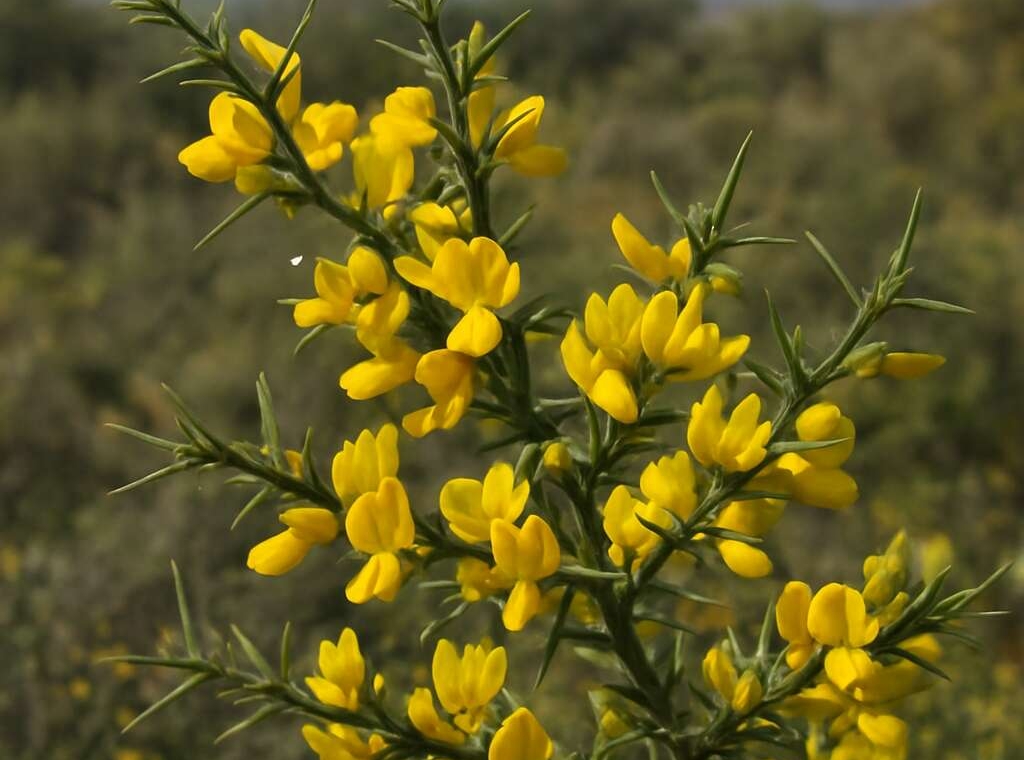




Latest Comments