Taxonomy and Botanical Description
Scientific Classification – Genus, species, family details
Within the intricate web of botanical classification, Onosma troodi stands out as a fascinating subject for enthusiasts and experts alike. Its scientific classification is a testament to nature’s meticulous organisation, revealing a story that has been unfolding for millennia. The genus Onosma, known for its resilience and striking appearance, encompasses a diverse group of plants, yet Onosma troodi commands attention with its unique characteristics.
Belonging to the family Boraginaceae, this species is deeply rooted in the flora of the Cypriot mountains, particularly the Troodos range. Its botanical description showcases a compact, woody shrub with delicate, hairy leaves and vibrant, tubular flowers that seem almost to glow against the rocky terrain. The taxonomy of Onosma troodi reflects its specialised adaptation to its environment, making it a living emblem of ecological niche specialization.
- Genus: Onosma
- Species: troodi
- Family: Boraginaceae
This classification not only aids in identifying Onosma troodi but also highlights its evolutionary connections and ecological significance. Its precise scientific classification underscores the importance of preserving such rare and captivating plants, which continue to intrigue botanists and nature lovers worldwide. The story of Onosma troodi is a reminder of the complex beauty woven into the natural world—each detail, each classification, a piece of the grand puzzle of life.
Morphological Features – Description of plant height, leaves, flowers, and roots
In the rugged embrace of the Cypriot mountains, Onosma troodi emerges as a botanical marvel, its silhouette echoing resilience and delicate beauty. Standing modestly at around 30 to 50 centimetres tall, this hardy shrub weaves itself into the rocky landscape with a quiet grace that captivates botanists and nature lovers alike. Its leaves, cloaked in fine, silvery hairs, lend the plant an almost ethereal shimmer—each one a tiny fortress against the harsh mountain climate.
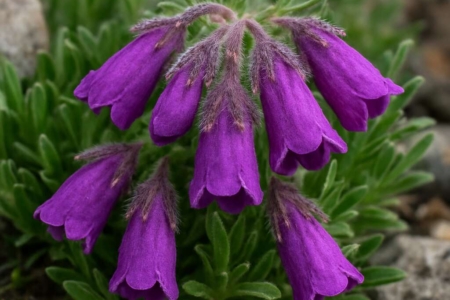
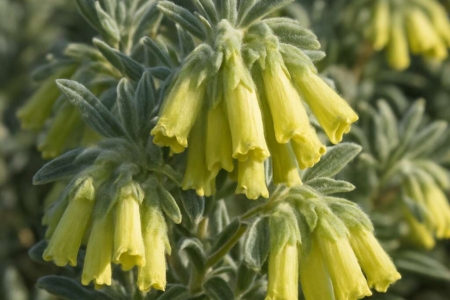
The flowers of Onosma troodi are a spectacle of tubular splendour, glowing with a vibrant hue that contrasts vividly against its muted foliage. Blooming mostly in late spring to early summer, these blossoms serve as nature’s lanterns, guiding the eye across the rugged terrain. The roots, deep and fibrous, anchor the plant securely into the rocky substratum, a testament to its specialised adaptation to the mountainous environment of Troodos.
Envision a plant with a compact, woody structure, its delicate leaves and luminous flowers forming a tapestry of life amid stone and soil. The morphological features of Onosma troodi reflect a symphony of survival—each element meticulously crafted by evolution to thrive in this specialised ecological niche. Its resilience and unique aesthetic make Onosma troodi not just a plant, but a living symbol of the captivating complexity of mountain flora.
Distinctive Traits – Unique characteristics that differentiate Onosma troodi from related species
Onosma troodi holds a distinctive position among mountain flora, thanks to its unique botanical traits. Its taxonomic classification places it firmly within the Boraginaceae family, setting it apart from related species through specific morphological features. Unlike other Onosma species, Onosma troodi exhibits a compact, woody structure with finely hairy, silvery leaves that reflect its adaptation to the rocky Cypriot mountains.
One of its most notable features is the vibrant, tubular flowers that bloom in late spring to early summer. These blossoms are typically a bright, eye-catching hue that contrasts sharply with the muted tones of its foliage. Such distinctive floral traits make Onosma troodi easily recognisable and highly valued by botanists and enthusiasts alike.
- Its deep fibrous roots penetrate the rocky substratum, ensuring stability in challenging terrain.
- The plant’s leaves are covered in fine, silvery hairs, providing an almost ethereal shimmer and protection against harsh mountain conditions.
- The tubular flowers, glowing with vibrant hues, serve as visual anchors in the rugged landscape.
These characteristics collectively set Onosma troodi apart from other species within the genus. Its specialised adaptations, such as the fibrous roots and silvery foliage, exemplify its resilience and specialised ecological niche in the Troodos Mountains. Truly, this plant embodies a remarkable blend of survival and beauty, making Onosma troodi a botanical treasure of Cyprus.
Visual Identification – Photographic guides and identification tips
Within the shadowed realms of Cyprus’s rugged mountains, Onosma troodi emerges as a spectral marvel—an elusive jewel cloaked in silvery shimmer and vibrant floral whispers. Its taxonomy, rooted firmly in the Boraginaceae family, reveals a plant that defies the ordinary with its compact, woody stature and ethereal foliage. Recognised by botanists and explorers alike, Onosma troodi’s classification underscores its distinct lineage among mountain flora, a testament to its cryptic beauty.
Visual identification of Onosma troodi calls for an eye attuned to subtle details. Its tubular flowers, bursting in late spring, glow with a fiery hue that stands in stark contrast to its silvery, finely hairy leaves. To the untrained eye, it might seem like a fleeting ghost among the rocks, but seasoned botanists know to look for the deep fibrous roots anchoring it securely to the rocky substratum. These roots, coupled with the plant’s shimmering foliage, make Onosma troodi an enchanting subject for photographic guides and identification enthusiasts.
- Observe the plant’s height—generally low-lying but robust, with leaves densely covered in silvery hairs.
- Note the bright, tubular flowers that bloom in late spring, often glowing against the mountain backdrop.
- Examine the woody, compact structure, a trait that sets it apart from other members of the genus.
Habitat and Distribution
Geographical Range – Native regions and endemic areas, focusing on Troodos mountain range
Few plants evoke the rugged charm of the Troodos mountain range quite like Onosma troodi. Endemic to Cyprus, this botanical gem has carved out a specialised niche within the high-altitude terrains of the Troodos massif. Its native regions are limited, making it a true treasure for botanists and nature enthusiasts alike. The plant’s distribution is confined predominantly to the rocky slopes and limestone cliffs that characterise the mountain’s rugged landscape, thriving amidst the sparse vegetation and challenging conditions.
The geographical range of Onosma troodi is remarkably narrow, a testament to its specialised habitat requirements. It is endemic to Cyprus, with its presence largely restricted to the Troodos mountain range, which provides a unique microclimate and soil composition that the plant has come to depend upon. Such localisation renders Onosma troodi a fascinating subject for those interested in endemic species and their conservation. Its natural habitat offers a glimpse into the delicate balance of mountain ecosystems, where each species plays a vital role.
Ecological Preferences – Soil type, altitude, climate conditions
Perched atop the rugged terrains of Cyprus, Onosma troodi displays an impressive resilience rooted in its specialised ecological preferences. This endemic plant thrives primarily in the rocky, limestone-laden slopes of the Troodos mountain range, where the soil’s mineral richness offers a nurturing yet challenging environment. Its adaptability to these well-drained, alkaline soils exemplifies nature’s ingenuity in crafting flora capable of surviving amidst seemingly inhospitable terrain.
Altitude plays a pivotal role in shaping the habitat of Onosma troodi. Flourishing at elevations often exceeding 1,200 metres, the plant endures substantial temperature fluctuations, from scorching summer days to chilly winter nights. The climate conditions here—characterised by high altitude, low humidity, and intense sunlight—are precisely tailored to the plant’s needs. These factors collectively forge a microclimate that encourages the growth of this botanical marvel, ensuring its survival against the odds.
Its ecological niche is further defined by a preference for sparse vegetation zones, where competition is minimal and the plant can bask in the full force of mountain sun. For those interested in the specific habitat requirements of Onosma troodi, consider the following key features:
- High-altitude environments of the Troodos massif
- Rocky slopes and limestone cliffs
- Well-drained, alkaline soils
- Exposure to intense sunlight and temperature variations
Habitat Specifics – Typical environments like rocky slopes, calciferous soils
Perched high amidst the rugged, limestone-laden slopes of Cyprus’s Troodos mountain range, Onosma troodi occupies a striking ecological niche that seems almost sculpted by nature’s relentless artistry. Its habitat is characterised by rocky inclines that challenge the resilience of any flora daring to take root there, yet Onosma troodi has evolved to flourish precisely within these calciferous soils—rich in minerals yet harsh in their alkalinity. These well-drained terrains create a delicate balance, offering just enough sustenance while maintaining the arid, sun-baked conditions that define its existence.
The distribution of Onosma troodi is remarkably restricted, confined chiefly to the high-altitude zones of the Troodos massif. Here, the plant endures extreme temperature fluctuations—scorching summer days and freezing winter nights—shaped by intense sunlight and low humidity. Its specialised adaptation to these climatic conditions ensures survival in environments where few other species can thrive. The plant’s preference for sparse vegetation zones not only reduces competition but also maximises exposure to mountain sun, fostering its unique growth pattern.
Conservation Status – Assessment of population health and threats
Despite its striking beauty, Onosma troodi remains an elusive marvel, confined to the rugged highlands of Cyprus’s Troodos mountain range. Its limited distribution makes it a symbol of fragile ecological balance, thriving solely within a narrow band of high-altitude rocky slopes. This specialised habitat exposes Onosma troodi to a unique set of threats, from climate change to human encroachment, that could jeopardise its existence.
Current assessments suggest that the population health of Onosma troodi is stabilising but remains vulnerable. Its restricted range amplifies the impact of localised disturbances, such as quarrying or tourism development. Experts warn that unless protective measures are enforced, this endemic plant could face imminent decline. Conservation efforts focus on habitat preservation, with particular attention to maintaining the calciferous soils and rocky terrain essential for its survival.
In fact, the plant’s survival hinges on a delicate ecological equilibrium, where even minor disruptions could have outsized consequences. Recognising the importance of its limited distribution, conservationists advocate for targeted strategies that safeguard Onosma troodi’s natural environment, ensuring that this botanical treasure endures amidst the shifting landscape of Cyprus’s highlands.
Ecological and Botanical Significance
Role in Local Ecosystems – Pollination, interactions with native fauna
In the silent depths of the Troodos mountain range, Onosma troodi plays a pivotal role in nurturing local ecosystems, acting as both a botanical gem and an ecological linchpin. Its delicate, bell-shaped flowers attract a variety of native pollinators, including specialised bees and hoverflies, which have evolved alongside this endemic species. These interactions are not merely decorative; they are vital for the pollination process, ensuring the continued survival of Onosma troodi in its rugged habitat.
Moreover, the plant’s presence influences the surrounding fauna, providing a crucial nectar source during scarce periods. Its roots stabilise rocky slopes and contribute to soil health—an often-overlooked yet essential ecological function. The intricate relationship between Onosma troodi and its environment exemplifies the delicate balance of mountain biodiversity. Recognising these interactions highlights the importance of conserving this unique species, which is intricately woven into the fabric of its native landscape.
Adaptations – Special features for survival in rocky or dry environments
In the rugged terrains of the Troodos mountain range, Onosma troodi has evolved remarkable adaptations, making it a resilient marvel of botanical survival. Its ability to thrive in rocky, arid environments is a testament to nature’s ingenuity. This endemic plant boasts a unique set of features that enable it to withstand the harsh conditions of high-altitude slopes and calciferous soils.
One of the most striking adaptations of Onosma troodi is its specialised root system. Deep-rooted and robust, these roots penetrate the rocky substrate, anchoring the plant securely while searching for scarce water sources. Additionally, its thick, grey-green leaves are coated with fine hairs that reduce water loss through transpiration, acting like a natural moisture barrier. This not only conserves precious hydration but also reflects sunlight, keeping the plant cool during the scorching summer months.
Furthermore, Onosma troodi exhibits a fascinating survival trait in its flower structure. Its bell-shaped blossoms are not only visually captivating but also adapted for selective pollination by native bees and hoverflies. These pollinators are drawn to the plant’s nectar, which remains available even during drought periods, ensuring ongoing reproduction. The plant’s resilience is enhanced by its ability to complete its lifecycle swiftly during short blooming windows, a clever adaptation to its limited growing season.
- Deep-rooted stabilisation system that prevents soil erosion on precarious slopes
- Water-conserving leaf hairs that minimise transpiration
- Flowering strategy synchronized with native pollinator activity
Such specialised features highlight Onosma troodi’s role as a botanical keystone within its ecosystem — a resilient survivor that embodies the delicate balance of mountain biodiversity. Its adaptations not only ensure its own survival but also support the broader ecological community in this rugged landscape, making it a true wonder of natural adaptation in Cyprus’s unique flora.
Reproductive Cycle – Flowering period, seed dispersal mechanisms
In the shadowed silence of Cyprus’s rugged mountains, Onosma troodi emerges as a silent sentinel of resilience and renewal. Its reproductive cycle, a fleeting yet vital event, unfolds during the brief window of late spring to early summer when the mountain air is thick with anticipation. During this period, the bell-shaped flowers of Onosma troodi burst into life, their subtle hues shimmering against the rocky backdrop, beckoning native bees and hoverflies to partake in a dance of pollination that sustains this remarkable endemic.
The plant’s seed dispersal mechanisms are equally poetic—tiny seeds cling to the fur of visiting fauna or are carried by the wind across fractured terrain. This process ensures the perpetuity of Onosma troodi’s lineage amid the relentless, arid landscape. Its ability to complete its reproductive cycle swiftly, often in mere weeks, underscores a fierce adaptability—an enduring testament to the plant’s vital ecological role within the mountain ecosystem. In this way, Onosma troodi not only survives but also weaves itself into the very fabric of its environment, safeguarding the delicate balance of life on the high slopes.
Associated Flora and Fauna – Companion species and ecological community
Within the rugged tapestry of Cyprus’s Troodos mountains, Onosma troodi plays a subtle yet vital role in its ecological community. As an endemic species, it forms part of a delicate web of flora and fauna uniquely adapted to this high-altitude environment. Its presence often indicates the health of rocky slopes and calciferous soils, acting as a botanical sentinel for conservationists and ecologists alike.
Onosma troodi’s ecological significance extends beyond its individual resilience. It shares its habitat with a variety of companion species, creating a specialised microcosm of life. Native bees and hoverflies, attracted to its nectar-rich flowers, facilitate pollination, supporting local biodiversity. The plant’s interactions with these pollinators are crucial for maintaining the reproductive success of many associated flora, fostering a robust ecological community.
- Rock-dwelling plants that thrive in similar soil conditions
- Insect species that rely on flowering native plants like Onosma troodi for sustenance
- Small mammals and birds that depend on the habitat provided by rocky, arid terrains
Such symbiosis underscores Onosma troodi’s role as an ecological keystone, weaving itself into the fabric of mountain life and ensuring the persistence of its diverse companions amidst challenging conditions. Its existence not only highlights the plant’s unique botanical traits but also celebrates the resilience of the entire ecological community it sustains.
Uses and Cultural Importance
Traditional Uses – Medicinal, horticultural, or cultural significance
For generations, the rugged beauty of Onosma troodi has been woven into the cultural fabric of the Troodos mountain communities. This resilient plant, with its delicate yet hardy nature, holds a special place not only in local traditions but also in the realm of herbal remedies. Indigenous populations have long valued Onosma troodi for its medicinal properties, using parts of the plant to treat minor ailments and promote overall wellness.
Beyond its medicinal uses, Onosma troodi is appreciated for its horticultural appeal. Its vibrant flowers and distinctive foliage make it a favourite among native plant enthusiasts aiming to preserve the natural landscape. In particular, this species is often cultivated in local gardens as a symbol of regional identity and ecological resilience.
In addition to its practical applications, Onosma troodi has a nuanced cultural significance. It embodies the endurance of the mountain communities, thriving amidst rocky slopes and challenging environments. This plant’s presence is a testament to the traditional knowledge and sustainable practices that sustain the local way of life—reminding us of nature’s ability to flourish against the odds.
Research and Pharmacology – Potential medicinal compounds and ongoing studies
Recent pharmacological research has begun to uncover the remarkable potential of Onosma troodi as a source of bioactive compounds. Scientists are particularly interested in its unique phytochemicals, which show promise in developing natural remedies for inflammation, oxidative stress, and skin health. The plant’s traditional medicinal uses are now supported by emerging studies that highlight its rich reservoir of antioxidants and anti-inflammatory agents.
Ongoing investigations aim to isolate and characterise these compounds, paving the way for novel herbal formulations. Notably, the plant’s phenolic content and flavonoids could be harnessed for therapeutic purposes, making Onosma troodi an exciting candidate in the realm of natural pharmacology. As research progresses, it continues to affirm the plant’s significance both historically and scientifically.
- Antioxidant properties
- Anti-inflammatory compounds
- Potential for natural skincare products
Furthermore, the cultural importance of Onosma troodi persists, with local communities recognising its medicinal and ecological value. Its resilience against the harsh mountain environment has inspired scientific curiosity, positioning it as a vital component of the Troodos mountain flora. Researchers are eager to explore its full pharmacological potential, which could lead to innovative herbal medicines rooted in tradition but validated by modern science.
Horticultural Value – Cultivation tips for enthusiasts
In the rugged heart of the Troodos mountains, where the air is crisp and the terrain whispers ancient secrets, Onosma troodi stands as a testament to nature’s resilience. This endemic gem captivates not only botanists and herbalists but also horticultural enthusiasts eager to cultivate a piece of this mountain marvel. Its hardy nature and striking appearance make it a prized addition to alpine gardens, where it thrives amidst rocky, calciferous soils, embodying the spirit of survival against formidable elements.
Horticultural aficionados seeking to nurture Onosma troodi should pay attention to its ecological preferences: well-drained soil, full sun exposure, and high-altitude conditions mimic its natural habitat. Propagation is best achieved through seed sowing in early spring or by division, ensuring the plant’s robust growth and flowering exuberance. Its charming, tubular flowers, often in shades of deep purple with golden accents, are not only a visual delight but also a boon for local pollinators, reinforcing its ecological significance.
For those enchanted by its cultural allure, Onosma troodi holds a revered place in local traditions. Its medicinal uses—ranging from natural remedies for inflammation to skin ailments—are still celebrated in communities surrounding the mountain range. Cultivating this resilient plant not only connects enthusiasts to its rich history but also fosters a sustainable appreciation of the Troodos flora. Truly, Onosma troodi is a botanical treasure waiting to flourish in gardens that honour its hardy spirit and historic charm.
Challenges in Conservation – Threatening factors and preservation efforts
Despite its breathtaking beauty and ecological significance, Onosma troodi faces mounting conservation challenges. Its limited endemic range in the Troodos mountains makes it particularly vulnerable to habitat disturbance. Urban expansion, quarrying activities, and increasing human footfall threaten its fragile rocky slopes and calciferous soils. Climate change further exacerbates these issues, altering the high-altitude microclimates essential for its survival.
Preservation efforts are crucial to safeguard this botanical treasure. Local conservation programmes focus on habitat protection, seed bank preservation, and raising awareness among the community. In some areas, designated protected zones ensure that Onosma troodi can continue its role within the mountain’s delicate ecosystem. The use of
- restoration projects
- native plant reintroduction
- public education campaigns
plays a vital role in reversing the decline of this resilient species. Recognising its importance, botanists and environmentalists are united in a mission to preserve Onosma troodi for generations to come, ensuring that this emblem of the Troodos mountains endures amidst a changing world.
Research and Future Perspectives
Current Scientific Research – Recent studies on Onosma troodi
Recent scientific research on Onosma troodi reveals promising avenues in pharmacology and conservation biology. Studies have highlighted its rich phytochemical profile, particularly its potential as a source of natural antioxidants and anti-inflammatory compounds. Researchers are exploring its bioactive constituents for possible medicinal applications, which could revolutionise herbal remedies in the future. Notably, ongoing investigations focus on isolating unique alkaloids and flavonoids that might hold the key to novel pharmaceuticals.
Meanwhile, conservation efforts are gaining momentum as scientists note the plant’s limited endemic range within the Troodos mountain range. With habitat threats looming due to climate change and human activity, researchers advocate for more detailed ecological assessments. An interesting fact is that onosma troodi exhibits specific adaptations to thrive on rocky slopes and calciferous soils—traits that are being studied for their potential in sustainable horticulture and ecological restoration projects. The future of onosma troodi lies in balancing scientific curiosity with preservation, making it a botanical treasure worth safeguarding.
Knowledge Gaps – Areas needing further investigation
Despite the promising strides in understanding Onosma troodi, significant knowledge gaps remain that warrant further exploration. One critical area is the comprehensive phytochemical profiling of this endemic plant, which could unlock novel bioactive compounds with medicinal potential. While initial studies suggest antioxidant and anti-inflammatory properties, the precise mechanisms and synergistic effects of its constituents are still largely uncharted territory.
Further research should also focus on its reproductive biology and seed dispersal mechanisms, which are vital for conservation strategies. Understanding these facets will enable scientists to develop sustainable propagation methods, crucial given its limited endemic range within the Troodos mountain range. Additionally, long-term ecological studies are needed to assess how climate change and habitat disturbance impact its survival and ecological role.
Addressing these knowledge gaps will not only deepen our understanding of Onosma troodi but also enhance its potential applications in pharmacology and ecological restoration. As conservation efforts intensify, a multidisciplinary approach combining botany, pharmacology, and environmental science becomes essential to safeguard this botanical treasure for future generations.
Potential Applications – Pharmaceutical, ecological, or ornamental prospects
Onosma troodi, a botanical jewel nestled within the rugged terrains of Cyprus, holds untapped promise that could revolutionise multiple fields. Its potential as a source of novel medicinal compounds is particularly captivating, with preliminary phytochemical studies hinting at antioxidant and anti-inflammatory virtues. Yet, the full spectrum of its bioactive constituents remains an enigma, beckoning researchers to uncover the intricate synergy that could unlock powerful pharmacological applications.
Looking ahead, the horizon of possibilities expands into ecological and ornamental realms. Its unique adaptations to rocky, dry environments make Onosma troodi a promising candidate for specialised horticultural cultivation, especially in drought-resistant landscaping. The plant’s resilience, coupled with its captivating floral display, positions it as a prized ornamental species. Moreover, understanding its reproductive biology and seed dispersal mechanisms can foster conservation efforts and sustainable propagation — vital for safeguarding this endemic treasure.
- Pharmacological research to isolate and characterise bioactive compounds with medicinal potential
- Ecological studies focusing on habitat preferences and resilience to climate change
- Horticultural innovations harnessing its ornamental appeal for sustainable landscaping
As the allure of Onosma troodi deepens, its role in ecological restoration gains significance, especially in the face of habitat disturbance and environmental shifts. The synthesis of botanical science, pharmacology, and conservation strategies promises to elevate this endemic plant from a regional marvel to a global botanical icon, inspiring future explorations into its multifaceted potential.
Conservation Initiatives – Efforts to protect and propagate the species
Protection and propagation efforts for Onosma troodi are essential to safeguard this captivating endemic of Cyprus. Recognised for its ecological significance and unique botanical traits, conservation initiatives aim to prevent its decline amid environmental pressures. By implementing targeted measures, scientists and conservationists are working to preserve its natural habitat and ensure the species’ longevity.
Recent research underscores the importance of understanding its reproductive biology, seed dispersal mechanisms, and habitat preferences. These insights are crucial for developing effective propagation techniques. For example, creating specialised nurseries that mimic its rocky, calcareous soil conditions can bolster population numbers and facilitate reintroduction programs.
- Establishment of protected areas within the Troodos mountain range
- Community-based propagation projects to engage local stakeholders
- Research into climate resilience to anticipate future habitat shifts
Such efforts are complemented by education campaigns that highlight the plant’s ecological and potential pharmaceutical value, fostering a broader appreciation and stewardship. As Onosma troodi faces mounting threats from habitat disturbance and climate change, dedicated conservation initiatives are vital to preserve this botanical treasure for generations to come.

 by
by 





Latest Comments