Overview of Minuartia sintenisii
Definition and Taxonomy – Scientific classification and botanical nomenclature
Minuartia sintenisii is a captivating species within the family Caryophyllaceae, known for its delicate yet resilient nature. This plant, often found thriving in rocky, arid environments, plays a vital role in its native ecosystems. Its botanical identity is rooted in precise scientific classification, making it easy for botanists and enthusiasts alike to recognise and study.
In terms of taxonomy, Minuartia sintenisii belongs to the genus Minuartia, which encompasses a diverse group of small, perennial plants. The full scientific nomenclature is Minuartia sintenisii, a name that honours botanist Paul Sintenis, who first described the species. Its classification is as follows:
- Kingdom: Plantae
- Family: Caryophyllaceae
- Genus: Minuartia
- Species: sintenisii
This precise taxonomy helps distinguish it from closely related species, allowing for targeted conservation efforts and research. Recognising the botanical nomenclature of Minuartia sintenisii ensures clarity and accuracy in scientific communication and ecological studies.
Physical Description – Key characteristics and plant morphology
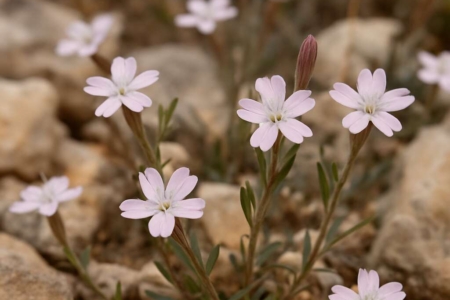
In the quiet resilience of rocky landscapes, Minuartia sintenisii reveals a delicate yet hardy silhouette that defies its harsh environment. Its slender stems and tiny, star-shaped flowers embody a paradox—fragile beauty intertwined with tenacity. This species, often overlooked, possesses a subtle elegance that captures the essence of survival amidst adversity.
The plant’s morphology is characterised by its low-growing habit, typically spreading just a few centimetres above the soil. Its linear, fine leaves are arranged alternately along the stems, adding a sense of intricate symmetry. When in bloom, Minuartia sintenisii displays small, white petals clustered in tight groups, which serve as a testament to its adaptability and resilience. These features not only distinguish it from other members of the Caryophyllaceae family but also highlight its specialised role within its native ecosystem.
Key characteristics of Minuartia sintenisii include:
- Miniature, star-like white flowers
- Thin, linear leaves that are often barely visible
- Low, sprawling growth form
- Sturdy stems that withstand arid conditions
Understanding the plant’s morphology offers a window into its survival strategies—an elegant dance of form and function that embodies the relentless spirit of nature. Minuartia sintenisii is not merely a botanical specimen but a living testament to resilience, quietly thriving in environments where many would falter. Its physical traits serve as a mirror to the challenges it endures, reminding us of the understated strength found within the smallest of beings.
Habitat and Distribution – Geographical range and preferred environments
Minuartia sintenisii is a resilient species that has carved out its niche in some of the most rugged and arid terrains. Its geographical distribution is primarily centred around the Mediterranean basin, thriving where few other plants dare to grow. From the rocky slopes of southern Europe to specific coastal cliffs, this hardy plant exemplifies nature’s quiet tenacity.
In its preferred environment, Minuartia sintenisii clings to cracks and crevices in limestone and calcareous rocks, where soil is sparse and conditions are often extreme. Its low-growing, sprawling habit allows it to withstand the relentless sun and dry winds, often surviving in microhabitats that offer minimal moisture. The plant’s ability to flourish in such challenging settings speaks to its specialised adaptations and remarkable resilience.
- Rocky coastal cliffs
- Alpine and subalpine slopes
- Gentle, sun-drenched hillsides
This specialised habitat range not only highlights the adaptability of Minuartia sintenisii but also underscores its importance within its native ecosystem. Its presence often signals an environment that has remained relatively undisturbed, making it a botanical treasure for conservation efforts and a symbol of endurance in nature’s most unforgiving landscapes.
Conservation Status – Endangered status and conservation efforts
Amidst the rugged elegance of its native landscapes, Minuartia sintenisii faces a silent battle for survival. Its conservation status is classified as endangered, a testament to the fragility of the very microhabitats it calls home. This diminutive yet resilient plant, often overlooked in the grand tapestry of Mediterranean flora, is increasingly vulnerable to habitat destruction and climate change. The loss of even a small patch of its preferred limestone crevices can have profound repercussions on its dwindling populations.
Efforts to conserve Minuartia sintenisii are vital for preserving the delicate balance of the ecosystems it inhabits. Preservation initiatives focus on safeguarding its natural habitats from urbanisation and overgrazing, while botanical surveys are helping to map its remaining strongholds. Recognising its ecological significance, conservationists advocate for the protection of coastal cliffs and alpine slopes where this unassuming botanical marvel persists. As a symbol of endurance in nature’s most unforgiving landscapes, the survival of Minuartia sintenisii hinges on our collective dedication to its preservation.
Habitat and Ecological Preferences
Natural Habitats – Mountainous regions, rocky slopes, and grasslands
Amidst the rugged, stoic landscapes of mountainous regions, Minuartia sintenisii finds its sanctuary. Its resilience is woven into the very fabric of rocky slopes and grasslands, where few other plants dare to thrive. These natural habitats, often harsh and unforgiving, demand an extraordinary adaptability—an attribute that Minuartia sintenisii embodies with quiet intensity.
The plant’s preference for such challenging environments is no coincidence. Rocky outcrops, steep inclines, and well-drained soils provide the perfect canvas for its delicate yet hardy form. In these settings, Minuartia sintenisii plays a subtle but vital role in stabilising soil and fostering micro-ecosystems, enriching the biodiversity of mountainous terrains. Its roots cling tenaciously to the stony ground, illustrating a profound harmony with its ecological surroundings.
- Mountainous regions
- Rocky slopes
- Grasslands
Understanding the specific ecological preferences of Minuartia sintenisii reveals a narrative of survival and resilience—an exquisite testament to nature’s unyielding capacity for adaptation amid adversity. This plant’s natural habitats remind us that even in the most austere environments, life finds a way to flourish with quiet grace and persistence.
Soil and Climate Conditions – Preferred soil types and climate variables
Amidst the rugged grandeur of its natural habitats, Minuartia sintenisii thrives in conditions that might seem inhospitable to many. Its preferred soil types are notably well-drained, often comprising stony, calcareous substrates that mirror the rocky slopes and mountain terrains it adorns. These substrates provide the necessary anchorage and aeration, allowing the plant’s delicate yet hardy structure to flourish in environments where water swiftly percolates away, avoiding root rot and fostering resilience.
Climate variables play a pivotal role in shaping the thriving niche of Minuartia sintenisii. This plant is a master of adaptation to temperate to Mediterranean climates, where temperature fluctuations are pronounced and drought conditions may prevail. The plant’s tolerance to such extremes is a testament to its evolutionary ingenuity. It prefers regions with moderate rainfall but can withstand periods of aridity, thanks to its drought-resistant roots and low-lying growth habit.
In fact, the ecological preferences of Minuartia sintenisii extend to specific environmental conditions, which can be summarised as follows:
- Well-drained, calcareous soils rich in mineral content.
- Exposure to full sun, ensuring optimal photosynthesis and growth.
- Temperatures that range from cool mountain breezes to warm, dry summers.
Such precise soil and climate conditions create a delicate balance—one that allows Minuartia sintenisii to carve out its quiet space amidst the tumult of mountain slopes and grasslands, embodying resilience in every fibre of its being.
Associated Flora and Fauna – Symbiotic relationships and plant community context
In the silent symphony of mountain life, Minuartia sintenisii plays a subtle yet vital role. Its habitat is a tapestry woven with the threads of ecological interactions that sustain delicate mountain ecosystems. This resilient plant often coexists with a variety of flora and fauna that have adapted to its rocky, calcareous environs, creating a community where resilience and symbiosis flourish. Among these, low-growing alpine grasses, hardy lichens, and occasional mosses serve as the backdrop to Minuartia sintenisii’s understated presence.
Within this botanical mosaic, Minuartia sintenisii exhibits intriguing relationships that enhance its survival. It often forms mutualistic associations with soil fungi—mycorrhizae—that bolster its nutrient uptake amid nutrient-sparse soils. Such symbiotic bonds are vital in nutrient-poor, calcareous substrates that characterise its preferred habitats. Moreover, the plant’s small, sun-loving flowers attract pollinators like solitary bees and specialised insects, forging vital links in the mountain’s ecological web.
- Calcareous rocky slopes where the plant’s roots anchor into mineral-rich, well-drained soils
- Open, sunny exposures that provide ample sunlight for photosynthesis
- Adjacent flora that stabilise the soil and prevent erosion, fostering a resilient plant community
This intricate web of relationships embodies the ecological preferences of Minuartia sintenisii, illustrating how it thrives amid a community that is as hardy and resilient as itself. The presence of such plants and their associated fauna not only sustains Minuartia sintenisii but also enriches the biodiverse tapestry of its mountain habitat, making it a vital character in the story of alpine ecology.
Elevation Range – Altitude specifics where Minuartia sintenisii thrives
In the lofty realms where few dare to tread, Minuartia sintenisii claims its niche with an elegance that defies the rugged terrain. This resilient alpine plant thrives predominantly at elevations ranging from 1000 to 2500 metres above sea level, where the air is crisp and the landscape is painted with rocky splendour. Its preferred habitat, often perched on calcareous rocky slopes, offers a well-drained, mineral-rich substrate that challenges even the most hardy of flora.
The plant’s ecological preferences are finely tuned to open, sunny exposures—think of it as a sun worshipper in the mountain’s grand amphitheatre. Here, the relentless sunlight fuels its photosynthesis, ensuring it remains a steadfast, low-growing sentinel amid the alpine grasses, lichens, and mosses that characterise its community. Its habitat’s elevation and terrain foster a unique microclimate, where temperature fluctuations are as dramatic as the scenery itself.
- High-altitude zones: 1000 to 2500 metres
- Calcareous rocky slopes: mineral-rich, well-drained soils
- Sunlit exposure: maximum sunlight for optimal growth
For those seeking to understand the intricate dance of mountain flora, recognising the elevation range and habitat of Minuartia sintenisii illuminates its role as a keystone species in its ecological theatre. Its ability to flourish amid such challenging conditions is a testament to its specialised adaptations and the resilient community it helps sustain.
Cultivation and Growth Characteristics
Propagation Methods – Seed collection, propagation techniques, and tips
While Minuartia sintenisii may be a delicate gem nestled among rocky slopes and alpine meadows, cultivating this charming plant requires a touch of botanical finesse. Its propagation hinges on a keen eye for seed collection and a strategic approach to germination. Seeds of Minuartia sintenisii are best harvested when ripe, typically in late summer, ensuring they are mature enough to sprout into their resilient, tiny form. Patience is key – sow them in well-draining soil, mimicking their natural rocky habitat, and keep the environment cool and slightly acidic for optimal growth.
Propagation techniques for Minuartia sintenisii are surprisingly straightforward, yet demand precision. Surface sow the seeds on a bed of grit or sandy loam, lightly pressing them in without burying too deep. Consistent moisture, paired with bright, indirect light, encourages sprouting. For those eager to expedite the process, stratification—mimicking the plant’s natural winter chill—can significantly boost germination rates. To make life easier, here’s a quick rundown:
- Collect seeds in late summer when seed capsules turn brown.
- Dry seeds thoroughly before sowing.
- Use a shallow tray with gritty, well-draining soil.
- Maintain cool temperatures and ensure adequate light.
Whether you’re aiming to introduce Minuartia sintenisii into a rock garden or preserving its fragile beauty, understanding its growth characteristics and propagation methods is crucial. This resilient little plant, with its charming blooms and adaptability, is a rewarding addition to any conservation-minded gardener’s repertoire.
Growing Conditions – Sunlight, soil, watering, and temperature requirements
In the realm of alpine flora, few plants evoke such delicate resilience as Minuartia sintenisii. This charming species thrives amidst the rugged beauty of rocky slopes and mountain meadows, demanding specific cultivation conditions that mirror its natural habitat. The secret to nurturing this tiny botanical jewel lies in understanding its growth characteristics and providing optimal growing conditions.
Minuartia sintenisii flourishes best under conditions where sunlight is plentiful yet not overpowering. A position with full sun exposure encourages vibrant blooms and healthy growth, mimicking its native mountainous environments. The soil should replicate the rocky, well-draining substrates found in its natural habitat — think gritty, sandy loam that offers excellent drainage and low fertility. Regular watering is essential, but overwatering must be avoided to prevent root rot; the plant prefers a dry period during dormancy.
Temperature-wise, Minuartia sintenisii is hardy and can withstand a range of climatic variables, but it thrives in cool to moderate temperatures. During winter, providing a slight layer of mulch can help protect its delicate roots from extreme cold. Its adaptation to elevated altitudes means that it is accustomed to fluctuating temperatures, yet consistent, well-regulated conditions will yield the best results. Whether cultivated in a rock garden or a specialised alpine setting, understanding these key growing needs ensures that Minuartia sintenisii remains a resilient gem in any botanical collection.
Growth Cycle and Lifespan – Flowering season and longevity
Amidst the austerity of alpine landscapes, Minuartia sintenisii reveals a subtle yet persistent resilience that belies its delicate appearance. Its growth cycle is a testament to nature’s intricate choreography—flowering primarily during late spring to early summer, when the mountain air is crisp and the soil awakens with life. This period marks the culmination of its subtle beauty, with blooms that emerge like fleeting whispers of colour against the rocky terrain. The lifespan of Minuartia sintenisii, however, extends beyond its brief flowering, often enduring for several years when cultivated under optimal conditions, allowing admirers to witness its quiet persistence year after year.
This plant exhibits a slow, deliberate growth characteristic, with a tendency to form dense mats that cling to rocky surfaces. Its growth pattern is a reflection of its alpine origins, where survival depends on conserving energy during harsh winters. The plant’s ability to withstand fluctuating temperatures and its compact stature make it an ideal choice for rock gardens and alpine collections. With patience, gardeners will notice that Minuartia sintenisii establishes a resilient root system, anchoring itself securely in its preferred rocky or sandy substrates.
- In the wild, Minuartia sintenisii’s flowering season peaks for a brief window, but in cultivation, this period can be extended with careful attention to microclimate adjustments.
- Its longevity is often a testament to its hardy nature, with some specimens surviving decades when given the right environment and minimal disturbance.
Understanding the growth characteristics and natural cycle of Minuartia sintenisii not only deepens appreciation for this alpine gem but also underscores the importance of mimicking its native conditions. Whether thriving in a specialised garden setting or a specialised alpine plant collection, this species remains a symbol of subtle endurance and botanical elegance—an enduring testament to the resilience encoded within its minute yet mighty form.
Common Cultivation Challenges – Pest susceptibility and environmental stress factors
Minuartia sintenisii, with its delicate appearance, conceals a remarkably hardy nature that often catches growers off-guard. Cultivating this alpine species presents unique challenges, particularly in maintaining its delicate balance between resilience and vulnerability. One of the most common issues faced by cultivators is pest susceptibility; aphids and spider mites can sometimes invade, especially if the plant is stressed or grown in less-than-ideal conditions. Environmental stress factors, such as excessive moisture or poor drainage, can also undermine its health, leading to root rot or stunted growth.
To ensure thriving specimens, it’s vital to mimic its native rocky and well-drained habitats.
- Well-draining soil
- Full sun exposure
- Minimal watering during dormancy
These conditions help reduce common cultivation challenges and promote healthy development. Despite its resilience, Minuartia sintenisii requires careful attention to avoid environmental stress, which can leave it vulnerable to pests and disease. When these factors are managed properly, this species demonstrates impressive endurance, often surviving decades in cultivation, and continues to fascinate enthusiasts with its subtle beauty and tenacious spirit.
Uses and Cultural Significance
Horticultural Uses – Ornamental potential and landscaping applications
Minuartia sintenisii isn’t just a botanical curiosity; it holds notable potential in horticulture for those seeking unique ornamental plants. Its delicate, star-shaped flowers and compact growth habit make it an attractive addition to rock gardens and alpine landscapes. This species can transform barren slopes into vibrant displays, showcasing the resilience and beauty of native flora.
Because of its adaptability to rocky, well-drained soils and its preference for sunny, elevated environments, Minuartia sintenisii is increasingly valued in landscaping applications. Gardeners and landscapers appreciate its low-maintenance nature and drought tolerance, especially in regions where water conservation is a priority. It lends itself well to conservation-friendly projects, blending aesthetic appeal with ecological sensitivity.
- It thrives in alpine and mountain-themed garden designs.
- It serves as a ground cover to prevent soil erosion on rocky slopes.
- Its subtle charm enhances naturalistic landscapes and wildflower gardens.
In this way, Minuartia sintenisii plays a vital role beyond its natural habitat, offering a sustainable option for creating visually striking yet environmentally conscious gardens. Its cultural significance as a symbol of hardy native species underscores the importance of preserving and utilising indigenous plants in horticultural practices.
Medicinal and Ethnobotanical Uses – Traditional uses and scientific research
Throughout history, indigenous plants like Minuartia sintenisii have held more than just aesthetic value; they often carry deep cultural and medicinal significance. In traditional ethnobotanical practices, this resilient species has been used for various purposes, though scientific research remains limited. Some local communities have employed parts of Minuartia sintenisii in folk remedies, believing it possesses properties that promote healing or alleviate minor ailments.
Recent scientific investigations are beginning to uncover potential bioactive compounds within Minuartia sintenisii. While concrete medicinal applications are still under study, preliminary findings suggest antioxidant and anti-inflammatory properties, making it a promising candidate for future pharmacological research. This underscores the importance of preserving native flora, as plants like Minuartia sintenisii could hold the key to novel therapeutic agents.
- Traditional use as an herbal remedy
- Potential antioxidant properties
- Research into anti-inflammatory compounds
Symbolic and Cultural Meaning – Cultural references and symbolism
In many cultures, Minuartia sintenisii holds more than just botanical curiosity; it embodies symbolism rooted in resilience and purity. Its delicate, star-like flowers are often seen as symbols of hope and renewal, especially in regions where the plant naturally thrives amidst harsh, rocky terrains. Local communities have woven Minuartia sintenisii into folklore, viewing it as a guardian of the mountains and a sign of perseverance against adversity.
The plant’s subtle beauty has inspired artistic representations and spiritual practices, reinforcing its cultural significance. Its presence on rugged slopes and alpine meadows often serves as a reminder of nature’s understated strength and the enduring power of small but vital life forms. This symbolic value elevates Minuartia sintenisii beyond its botanical classification, highlighting its deep-rooted role in cultural identity and environmental harmony.
Research and Conservation Efforts
Scientific Studies – Botanical research and ecological importance
Research and conservation efforts surrounding Minuartia sintenisii reveal its ecological significance and the urgency of safeguarding this delicate species. Scientific studies have illuminated its unique adaptations to rocky slopes and high-altitude environments, emphasising its role within specialised plant communities. Ongoing botanical research not only explores its reproductive biology and genetic diversity but also highlights its potential as an indicator species for habitat health.
Efforts to protect Minuartia sintenisii are bolstered by ecological surveys and habitat preservation initiatives. Conservation programs often prioritise the maintenance of its natural mountain and grassland habitats, ensuring that this endemic plant continues to thrive amid mounting environmental pressures. Recognising its importance, researchers and conservationists employ various methods to monitor population trends, aiming to prevent further decline.
- Genetic diversity assessments to guide restoration projects
- Habitat mapping to pinpoint critical areas for protection
- Propagation studies to support ex-situ conservation efforts
These scientific endeavours underscore a broader commitment to preserving Minuartia sintenisii, reflecting a deep understanding of its ecological and botanical importance in a changing world.
Protection Programs – Legal protections and protected areas
Amid the shadowed crags and secluded highlands, the fragile beauty of Minuartia sintenisii is under siege. Its existence hangs by a thread, forcing conservation efforts into the liminal space where hope and despair entwine. Legal protections have become a vital shield, safeguarding this rare species from the relentless march of development and habitat destruction. Protected areas, designated specifically for the preservation of endemic flora like Minuartia sintenisii, serve as sanctuaries where this delicate plant can endure amidst the chaos of modern encroachment.
In the realm of ecological safeguarding, meticulous habitat mapping uncovers the sacred grounds where Minuartia sintenisii thrives. These maps guide conservation programmes, focusing resources on the most critical regions—those rocky slopes and mountain meadows where the plant’s roots cling to survival. Conservation programmes often employ a combination of in-situ and ex-situ strategies, including propagation studies that support ex-situ conservation efforts, ensuring that genetic diversity remains resilient in the face of environmental upheaval.
- Legal frameworks enforce strict regulations against habitat destruction.
- Protected areas act as bastions for the survival of endemic species like Minuartia sintenisii.
- Monitoring initiatives track population health and detect early signs of decline.
These protection programs exemplify a profound commitment to the preservation of Minuartia sintenisii, a sentinel species whose fragile presence signals the health of its high-altitude habitat. Each measure, each law, and each survey is a testament to our collective desire to preserve this botanical gem—an enduring symbol of nature’s resilience in a world teetering on the brink of ecological collapse.
Challenges to Conservation – Habitat loss, climate change, and human impact
Research and conservation efforts directed at Minuartia sintenisii confront a complex tapestry of challenges that threaten to unravel its fragile existence. Habitat loss, driven by expanding human activity and infrastructural development, steadily encroaches upon its alpine strongholds, diminishing the already limited distribution of this endemic species. Climate change exacerbates these pressures, leading to unpredictable shifts in temperature and precipitation patterns that disrupt the delicate balance of its mountain environment. Rising temperatures cause habitat compression at high altitudes, forcing Minuartia sintenisii into increasingly isolated patches, where genetic diversity risks erosion.
Efforts to conserve this botanical gem often grapple with these relentless adversities, underscoring the importance of targeted research. Conservation programmes must navigate the intricacies of its preferred rocky slopes and grasslands, where the plant’s survival hinges on subtle soil and climate conditions.
- Habitat fragmentation
- Environmental stressors
- Human impact
pose persistent threats, demanding innovative strategies for preservation. Balancing ecological integrity with practical intervention remains an ongoing challenge, illuminating the urgent need to safeguard Minuartia sintenisii before its last remnants vanish into the void of forgotten flora.
How to Support Conservation – Environmental awareness and sustainable practices
Protecting Minuartia sintenisii requires more than just admiration; it demands deliberate action rooted in robust research and conscientious conservation efforts. As a rare endemic species confined to delicate mountain habitats, understanding its ecological nuances is essential for effective preservation. Ongoing scientific studies delve into its specific soil requirements, climate sensitivities, and reproductive strategies, illuminating pathways to safeguard this botanical jewel.
To support the conservation of Minuartia sintenisii, fostering environmental awareness and adopting sustainable practices are paramount. By recognising the fragility of its alpine environment, communities can play a vital role in reducing human impact. Promoting responsible tourism and discouraging habitat disturbance help maintain the integrity of its natural landscape. Additionally, awareness campaigns can elevate the species’ profile, inspiring local stewardship and global concern.
Conservation programmes often incorporate innovative approaches, such as habitat restoration and seed banking. Engaging local stakeholders with targeted education initiatives encourages community-led protection efforts. Here are some ways to bolster conservation initiatives:
- Supporting funding for research and habitat preservation projects.
- Participating in or donating to organisations dedicated to endemic plant protection.
- Advocating for policies that restrict habitat encroachment and promote sustainable land use.
Every action, no matter how small, can tip the scales in favour of Minuartia sintenisii’s survival. Preserving this species isn’t merely about safeguarding a plant but conserving a unique chapter of our planet’s botanical history—an urgent call echoing through the alpine silence.

 by
by 





Latest Comments