Overview of Euphorbia cassia subsp. rigoi
Taxonomy and Classification
In the shadowed depths of botanical classification, Euphorbia cassia subsp. rigoi emerges as a testament to nature’s intricate tapestry. With its origins rooted in the rugged terrains of Cyprus, this subspecies weaves a story of evolution and resilience. Its taxonomy is a delicate dance within the sprawling Euphorbiaceae family, where each classification reveals whispers of ancient lineage and adaptive prowess.
Within the scientific hierarchy, Euphorbia cassia subsp. rigoi is meticulously placed, distinguished by subtle morphological traits and genetic markers. It belongs to the Euphorbia genus, renowned for its diverse and often enigmatic species, and is classified as a subspecies due to its unique characteristics that set it apart from Euphorbia cassia. This classification underscores its distinct identity, a vital key to understanding its ecological role and evolutionary history.
- Kingdom: Plantae
- Family: Euphorbiaceae
- Genus: Euphorbia
- Species: Euphorbia cassia
- Subspecies: rigoi
Such taxonomy not only anchors Euphorbia cassia subsp. rigoi within the vast botanical realm but also illuminates its significance in the biodiversity of Cyprus. It is a living relic, cloaked in mystery, waiting to be explored by those daring enough to unravel its secrets.
Description and Physical Features
Amidst the rugged, sun-drenched landscapes of Cyprus, Euphorbia cassia subsp. rigoi stands as a captivating emblem of botanical resilience. Its striking appearance and unique physical features make it a treasure for botanists and nature enthusiasts alike. This subspecies boasts a dense, shrub-like form that can reach heights of up to 1.5 meters, with an intricate network of branching stems that seem to whisper stories of ancient survival.
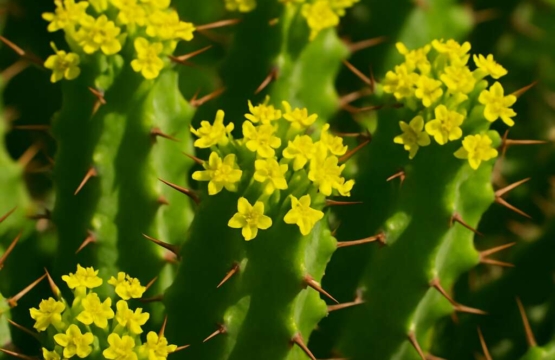
The leaves of Euphorbia cassia subsp. rigoi are small and lance-shaped, adapting perfectly to the harsh Mediterranean climate. Its vibrant green hue is often contrasted by clusters of tiny, yellow-green flowers that bloom sporadically throughout the year, adding a touch of subtle elegance to Cyprus’s rocky terrains. The plant’s surface is often coated with a waxy layer, helping it conserve moisture in the arid environment.
- Distinctive, thorn-like projections along its stems
- Small, lanceolate leaves that minimize water loss
- Clusters of minute flowers that attract native pollinators
This remarkable subspecies is further distinguished by its resilience to drought and poor soil conditions, making Euphorbia cassia subsp. rigoi a true survivor of Cyprus’s rugged wilderness. Its physical features not only reflect its adaptability but also highlight its importance in maintaining local biodiversity—an enchanting testament to nature’s ingenuity in the face of adversity.
Habitat and Geographic Range
In Cyprus, Euphorbia cassia subsp. rigoi thrives where few plants can endure. It is a quintessential symbol of resilience in the island’s rugged, arid landscapes. This subspecies is primarily found in rocky outcrops, steep slopes, and sparse soils that challenge other flora. Its natural habitat spans across the central and southern regions of Cyprus, where the climate is characterized by intense summer heat and minimal rainfall.
The geographic range of Euphorbia cassia subsp. rigoi is notably restricted, making it a rare sight outside its native environment. It adapts remarkably well to poor, well-drained soils, often growing in areas with little organic matter. The plant’s ability to withstand drought and harsh conditions highlights its vital role in Cyprus’s local biodiversity. This subspecies is often seen clinging to the margins of rocky terrain, where it forms striking clusters that stand out against the landscape.
- Rocky slopes and cliffs
- Sparse, well-drained soils
- Regions with limited water availability
Understanding the habitat and geographic range of Euphorbia cassia subsp. rigoi underscores its importance as a hardy, native species uniquely adapted to Cyprus’s environment. Its presence is a testament to the island’s ecological diversity and resilience, thriving where many other plants cannot.
Identification and Morphology
Distinctive Features
In the intricate tapestry of Cyprus’s unique flora, Euphorbia cassia subsp. rigoi stands out as a marvel of botanical resilience and elegance. Its distinctive morphology not only captures the eye but also whispers stories of adaptation in arid landscapes. The plant boasts a compact, shrub-like stature, with a dense array of succulent, grey-green leaves that shimmer under the Mediterranean sun.
What truly sets Euphorbia cassia subsp. rigoi apart are its remarkable floral structures and sculptural form. The inflorescences are small yet striking, often surrounded by bracts that lend a touch of otherworldly charm. Its distinctive features include a series of tubercles along the stems and a unique branching pattern, which can be described as both resilient and delicate. These morphological traits are vital for identifying this subspecies amidst the rocky terrains of Cyprus.
Comparison with Related Subspecies
When it comes to distinguishing Euphorbia cassia subsp. rigoi from its close relatives, keen eye and botanical insight are essential. This subspecies showcases a unique fusion of resilience and subtle elegance, making it a captivating subject for plant enthusiasts and conservationists alike. Its compact, shrub-like form is often mistaken for similar Euphorbia species; however, careful examination reveals defining features that set it apart.
Unlike its related subspecies, Euphorbia cassia subsp. rigoi exhibits a distinctive branching pattern, characterized by a series of tubercles that adorn its stems—an adaptation that speaks to its survival in Cyprus’s rocky terrains. Its succulent, grey-green leaves shimmer under the Mediterranean sun, creating a visual contrast that is both striking and delicate. To aid identification, consider these key morphological traits:
- Small, yet conspicuous inflorescences surrounded by otherworldly bracts
- A dense array of succulent leaves that retain moisture in arid conditions
- Unique tubercles along the stems that enhance resilience against drought
Compared with other Euphorbia species, Euphorbia cassia subsp. rigoi’s sculptural form and intricate branching pattern provide a clear botanical signature, making it an essential focus for those exploring the diverse flora of Cyprus. Its ability to thrive amid the rugged landscape underscores its importance as a symbol of botanical perseverance and adaptive elegance.
Visual Characteristics
In the rugged landscapes of Cyprus, Euphorbia cassia subsp. rigoi stands as a testament to nature’s artistry and resilience. Its visual allure is immediate—an intricate tapestry woven from succulent leaves and sculptural stems. The plant’s grey-green foliage shimmers under the Mediterranean sun, hinting at its adaptive brilliance in arid environments. Its physical features tell a story of survival, with each leaf and stem showcasing a delicate yet hardy elegance.
Key visual characteristics of Euphorbia cassia subsp. rigoi include a compact, shrub-like form adorned with unique tubercles along its stems. These tubercles not only add to its distinctive appearance but also serve as vital adaptations to withstand drought. The inflorescences, small yet conspicuous, are surrounded by otherworldly bracts that enhance its ornamental appeal. Observing these traits closely reveals a plant that is both resilient and breathtaking.
- Succulent, moisture-retentive leaves
- Distinctive tubercles along the stems
- Intricate branching pattern with sculptural appeal
For enthusiasts seeking to identify Euphorbia cassia subsp. rigoi in the wild, paying attention to these visual cues is essential. Its sculptural form and subtle elegance make it a standout among Cyprus’s diverse flora, embodying both the beauty and tenacity of native plant life.
Cultivation and Care
Growing Conditions
In the shadowed corners of Cyprus, where the sun’s relentless gaze sculpts the rugged landscape, Euphorbia cassia subsp. rigoi emerges as a creature of resilience and silent beauty. Cultivating this enigmatic subspecies demands more than mere soil and water; it requires an understanding of its darkened soul. Euphorbia cassia subsp. rigoi thrives best in well-drained, rocky substrates that mirror its native habitat, where the earth is both a sanctuary and a test of endurance.
Growing conditions for Euphorbia cassia subsp. rigoi are unforgiving yet rewarding. It prefers bright, direct sunlight, which accentuates its eerie, ghostly appearance, and minimal watering—allowing the soil to dry completely between drinks—mimics its arid origins. For those daring enough to cultivate this subspecies, consider the following:
- Use a gritty, sandy soil mix with good drainage.
- Place the plant in a location with full sun exposure.
- Avoid overwatering; it is inherently drought-tolerant.
- Protect it from frost, as cold spells can threaten its survival.
In the hushed silence of its native terrain, Euphorbia cassia subsp. rigoi reveals its true nature—an exquisite embodiment of adaptation amid harsh realities. Mastering its care is a dance with the desert, a testament to resilience in the face of relentless adversity.
Soil and Water Requirements
Growing Euphorbia cassia subsp. rigoi requires a keen understanding of its soil and water needs, especially given its native adaptation to Cyprus’s rugged landscape. This subspecies thrives in well-drained, rocky substrates that mimic its natural arid environment. Poor drainage can lead to root rot, so choosing the right soil mix is essential for long-term health.
For optimal cultivation, a gritty, sandy soil blend enriched with coarse gravel or pumice is ideal. This not only ensures excellent drainage but also replicates the harsh terrain Euphorbia cassia subsp. rigoi is accustomed to. When watering, less is more—allow the soil to completely dry out between watering sessions. Overwatering is a common pitfall and can be fatal for this drought-tolerant plant.
- Use a sandy, gritty soil mix with good drainage properties.
- Place Euphorbia cassia subsp. rigoi in a location that receives full sun.
- Water minimally, focusing on allowing the soil to dry thoroughly between watering.
Additionally, protecting Euphorbia cassia subsp. rigoi from frost is crucial, as cold spells can threaten its survival. Its resilience in the face of Cyprus’s challenging climate underscores the importance of tailored soil and water care—an approach that transforms this hardy plant from mere survival to thriving in even the most unforgiving conditions.
Propagation Methods
Propagating Euphorbia cassia subsp. rigoi is an exercise in patience and reverence for its stark, haunting beauty. The plant’s resilience, rooted in the rugged landscapes of Cyprus, makes it a fascinating subject for propagation enthusiasts. Its cultivators often turn to seed sowing or cuttings, each method echoing the plant’s hardy, drought-tolerant nature.
To propagate via seed, it’s best to sow them in a well-drained, gritty substrate that mimics the rocky terrain where Euphorbia cassia subsp. rigoi naturally thrives. Keep the soil barely moist and place the container in full sun, allowing the seeds to germinate under the harsh Cypriot sun. For cuttings, choose healthy, mature stems and let them callous over for a few days before planting in the same gritty soil mix. This step prevents rot, which can be a silent killer in humid conditions.
- Allow cuttings to callous for a few days.
- Plant into a sandy, well-draining soil mix enriched with coarse gravel or pumice.
- Position in full sun and water sparingly until roots establish.
Whether through seed or cutting, nurturing Euphorbia cassia subsp. rigoi demands a delicate balance of resilience and reverence. Its propagation is an ode to survival—an echo of Cyprus’s unforgiving yet beautiful landscapes. Truly, each new sprout is a testament to the plant’s enduring, almost mythic, spirit.
Common Growing Challenges
Growing Euphorbia cassia subsp. rigoi in the rugged Cypriot landscape is a venture filled with wonder and subtle challenges. This resilient succulent demands a delicate balance of care—embracing the harsh sun and rocky soil with unwavering patience. Its unique physiology makes it surprisingly resistant to drought, yet it remains vulnerable to overwatering, which can lead to root rot.
One of the most common challenges in cultivating Euphorbia cassia subsp. rigoi is managing its susceptibility to pests such as mealybugs and scale insects, which can quickly sap its vitality. To keep these threats at bay, regular inspection and gentle treatment with organic insecticides are recommended. Additionally, ensuring proper drainage is crucial; waterlogged soil is a silent killer for this plant, despite its hardy reputation.
- Ensure well-draining soil—preferably sandy with coarse gravel or pumice—that mimics its natural habitat.
- Avoid overwatering—water sparingly, especially during winter dormancy.
- Provide full sun exposure to promote healthy growth and vibrant coloration.
For enthusiasts eager to nurture Euphorbia cassia subsp. rigoi, understanding these delicate yet vital care nuances transforms a challenging task into a rewarding journey. Its survival story, etched into Cyprus’s unforgiving terrain, continues to inspire those captivated by its mythic resilience and sculptural beauty.
Uses and Applications
Ornamental Uses
In the realm of ornamental horticulture, Euphorbia cassia subsp. rigoi stands as a testament to nature’s artistry, captivating with its unique form and resilient charm. Its striking silhouette, punctuated by intricate, fleshy stems and subtle hints of verdant hue, makes it an exceptional centerpiece in desert-inspired gardens, especially in the sun-drenched landscapes of Cyprus. This subspecies’s ability to withstand harsh conditions while exhibiting a refined aesthetic offers a rare combination that appeals to both professional landscapers and passionate collectors.
Its ornamental uses extend beyond mere visual appeal—Euphorbia cassia subsp. rigoi is often employed to create captivating xeriscape displays that reduce water consumption without sacrificing beauty. The plant’s sculptural quality lends itself well to modern, minimalist garden designs, where its architectural presence can truly shine. Additionally, enthusiasts appreciate its capacity to thrive in containers, making it an ideal choice for patios and rooftop gardens, where its resilience and striking form turn any space into a living sculpture.
In the world of landscape design, Euphorbia cassia subsp. rigoi is celebrated for its versatility. Here are some popular applications:
- Creating focal points in desert and rock gardens
- Accent plant for drought-tolerant landscapes in Cyprus
- Incorporating into container gardens for modern aesthetics
With its mythic allure and practical robustness, Euphorbia cassia subsp. rigoi continues to enchant horticulturists and garden enthusiasts alike, transforming arid spaces into lush, living masterpieces that whisper stories of resilience and timeless beauty.
Medicinal and Traditional Uses
While Euphorbia cassia subsp. rigoi is primarily celebrated for its stunning ornamental appeal, it also boasts a fascinating history of medicinal and traditional uses that add an extra layer of intrigue. In Cyprus, local communities have long whispered about its potential healing properties, often incorporating parts of this resilient plant into folk remedies. Its milky sap, for example, has been historically used in small doses as a purgative, although caution is advised—this plant is as potent as it is beautiful.
Beyond its medicinal lore, Euphorbia cassia subsp. rigoi has played a role in traditional practices, especially in desert regions where resources are scarce. Some communities have employed it as a natural insect repellent or as a component in herbal mixtures aimed at treating minor ailments. Interestingly, the plant’s resilience and hardy nature have earned it a reputation as a symbol of endurance in local mythology, making it more than just a pretty face in the landscape.
- Traditional use of Euphorbia cassia subsp. rigoi in folk medicine
- Its milky sap historically employed as a natural remedy
- Role in local cultural rituals and herbal preparations
Despite its cultural significance, modern science urges caution—its potent compounds can be toxic if misused. Still, the plant’s storied past and potential applications continue to fascinate herbalists and enthusiasts alike, especially those eager to explore the untapped herbal heritage of Cyprus and the Mediterranean region. Euphorbia cassia subsp. rigoi isn’t just a pretty desert survivor; it’s a living testament to traditional resilience and natural ingenuity.
Environmental Benefits
Beyond its striking visual appeal, Euphorbia cassia subsp. rigoi embodies a remarkable capacity to enrich its environment in subtle yet profound ways. Its resilient presence in arid landscapes helps stabilize soil and prevent erosion, acting as a natural bulwark against desertification. This hardy plant’s ability to thrive in nutrient-poor, rocky soils makes it an invaluable component of ecological restoration projects across Cyprus and the Mediterranean region.
In ecological terms, Euphorbia cassia subsp. rigoi functions as a pioneer species—paving the way for other flora to establish and flourish. Its deep-rooted structure nurtures the soil, fostering biodiversity and creating microhabitats for various insects and small fauna. The plant’s natural resilience also makes it a sustainable choice for xeriscaping and water-wise gardens, reducing the need for irrigation and chemical inputs.
- Provides habitat and food for native insects and pollinators
- Helps combat desertification through soil stabilization
- Supports biodiversity in arid ecosystems
In the grand tapestry of Cyprus’s environmental landscape, Euphorbia cassia subsp. rigoi’s applications extend far beyond ornamental allure. Its ecological benefits are a testament to nature’s ingenious design—an enduring symbol of sustainability and resilience that continues to inspire conservation efforts and eco-friendly landscaping practices.
Conservation Status and Threats
Legal Protection
The conservation status of Euphorbia cassia subsp. rigoi is a topic of growing concern among botanists and environmentalists alike. This rare subspecies, native to Cyprus, faces increasing threats from habitat loss and illegal collection. Despite its resilience in the wild, its limited distribution makes it vulnerable to environmental changes and human activity.
Currently, Euphorbia cassia subsp. rigoi is classified as critically endangered in several conservation assessments. Efforts to protect this unique plant are ongoing, but legal protection remains crucial. In Cyprus, laws specifically safeguard endemic species like Euphorbia cassia subsp. rigoi from exploitation and habitat destruction.
Legal protections include strict regulations against harvesting and trade, with penalties for violations. Conservation programs focus on habitat preservation and promoting awareness of Euphorbia cassia subsp. rigoi’s importance. Protecting this subspecies not only preserves its genetic heritage but also sustains the ecological balance of Cypriot flora.
Threat Factors
The conservation status of Euphorbia cassia subsp. rigoi is a stark reminder of how fragile our island’s botanical treasures truly are. Despite its hardy appearance, this rare Cypriot endemic faces an uphill battle against relentless habitat loss and illegal poaching. Currently classified as critically endangered, Euphorbia cassia subsp. rigoi’s limited distribution makes it an easy target for environmental upheavals and human interference.
Threat factors for Euphorbia cassia subsp. rigoi are multifaceted. Urban expansion, agricultural development, and illegal collection have all chipped away at its natural habitat. To put it plainly, this subspecies is caught in a perfect storm, with only a handful of populations left in the wild. Conservation efforts are underway, but without ongoing legal protection and habitat management, Euphorbia cassia subsp. rigoi risks slipping into obscurity.
- Habitat destruction from construction projects
- Illegal collection for ornamental trade
- Environmental changes, such as droughts or invasive species
Protecting Euphorbia cassia subsp. rigoi isn’t just about saving a plant; it’s about safeguarding a piece of Cyprus’s natural heritage. Every threat factor, from habitat fragmentation to unsanctioned harvesting, underscores the urgent need for continued vigilance and legal safeguards. After all, this tiny survivor represents the resilience—and the vulnerability—of Cyprus’s unique flora ecosystem.
Conservation Efforts
The conservation status of Euphorbia cassia subsp. rigoi underscores a sobering truth: our island’s botanical treasures are more vulnerable than ever. Classified as critically endangered, this rare Cypriot endemic embodies both nature’s resilience and fragility. Its limited distribution makes it an easy target for environmental upheavals and human interference, threatening its very existence.
Efforts to protect Euphorbia cassia subsp. rigoi are ongoing, yet challenges remain. Habitat destruction from construction projects and illegal collection for ornamental trade continue to erode its natural environment. Environmental changes such as droughts and invasive species further destabilize its fragile ecosystem. To combat these threats, conservation programs have prioritized habitat restoration and legal safeguards. However, without sustained vigilance and community engagement, Euphorbia cassia subsp. rigoi’s future remains uncertain.
Recognizing the importance of this plant extends beyond mere preservation—it symbolizes Cyprus’s unique natural heritage. Protecting Euphorbia cassia subsp. rigoi isn’t just about saving a plant; it’s about safeguarding a vital part of our ecological identity. Every threat factor, from habitat fragmentation to illegal harvesting, highlights the urgent need for comprehensive conservation efforts. For those who cherish biodiversity, the fate of Euphorbia cassia subsp. rigoi stands as a poignant reminder of our collective responsibility to preserve the island’s irreplaceable flora.
Horticultural Tips and Tips for Enthusiasts
Design Ideas for Garden Cultivation
For those lucky enough to cultivate Euphorbia cassia subsp. rigoi, nurturing this striking succulent becomes an art form in itself. Its resilience in Cyprus’s sun-drenched landscapes makes it a favorite among seasoned enthusiasts and budding gardeners alike. To truly highlight its unique allure, consider designing garden spaces that embrace the plant’s natural charm—think rocky outcrops or minimalist desert-inspired arrangements. The key is to provide ample sunlight, as Euphorbia cassia subsp. rigoi thrives in full sun exposure, which enhances its vibrant coloration and architectural form.
When it comes to garden design ideas, incorporating Euphorbia cassia subsp. rigoi into xeriscaping projects can be a game-changer. Its drought-tolerant nature means less watering, making it perfect for water-wise landscapes on the island. For a more curated look, layer it with other Mediterranean natives to create a harmonious and low-maintenance garden. Enthusiasts should also experiment with container cultivation—its sculptural silhouette makes it an eye-catching focal point in patio or balcony gardens. Remember, soil drainage is paramount, so use gritty, well-draining substrates to prevent root rot and celebrate the plant’s hardy spirit. Truly, Euphorbia cassia subsp. rigoi isn’t just a plant; it’s a statement of resilience and style for Cyprus gardens.
Maintenance Tips
Horticultural mastery with Euphorbia cassia subsp. rigoi demands a blend of patience, observation, and a dash of daring. Its resilience in the fiery Cypriot sun is a testament to its hardy nature, but a few insider tips can elevate your cultivation game. Ensuring well-draining soil is paramount; a gritty, mineral-rich substrate mimics its native habitat and prevents unwelcome root rot. Watering should be infrequent—think of it as a drought diva—allowing the soil to dry completely between sessions. For enthusiasts eager to propagate, stem cuttings are an effective route, provided they are left to callus before planting. The plant’s sculptural silhouette can be accentuated through strategic pruning, which also encourages a more compact growth habit.
To keep Euphorbia cassia subsp. rigoi thriving and looking its absolute best, regular checks for pests like mealybugs or scale are advisable. A gentle wipe with insecticidal soap can work wonders, especially in the humid cyprus climate where pests may be tempted to settle. Fertilize sparingly during the growing season using a low-nitrogen, cactus-specific feed—overfeeding risks weakening its natural resilience. Enthusiasts should also consider seasonal repositioning—placing the plant in a sunny, airy spot during summer and providing protection from frost in winter. With a little attention to detail, Euphorbia cassia subsp. rigoi transforms from a striking specimen into a resilient, long-lasting feature of any Mediterranean-inspired landscape.
Common Pests and Diseases
Mastering the art of cultivating Euphorbia cassia subsp. rigoi is an exercise in patience and attentive care. This sculptural marvel, with its striking silhouette and resilience, demands an environment that echoes its native Cypriot terrain. Regular inspection for pests such as mealybugs or scale is essential; these unwelcome visitors can quickly diminish its vitality. A gentle wipe with insecticidal soap, especially during the humid summer months, keeps the plant’s defenses robust. Enthusiasts should pay close attention to watering practices—allow the soil to dry thoroughly between sessions, mimicking the drought conditions of its natural habitat.
For those eager to propagate this botanical gem, stem cuttings are a reliable method—just ensure they are callused before planting to prevent rot. To boost the plant’s sculptural appeal, strategic pruning can encourage a more compact and bushy growth habit. Seasonal repositioning is also recommended: place Euphorbia cassia subsp. rigoi in a sunny, well-ventilated spot during summer and shield it from frost in winter. Here in Cyprus, where the sun’s embrace is relentless, this hardy succulent will flourish with minimal fuss, transforming any landscape into a Mediterranean sanctuary.
Regarding common pests and diseases, vigilance is key. Besides mealybugs and scale, occasional outbreaks of spider mites can occur, especially in humid conditions. An effective natural remedy includes a strong jet of water to dislodge pests, followed by treatment with insecticidal soap. Diseases such as root rot can threaten Euphorbia cassia subsp. rigoi if the soil remains overly moist; thus, ensuring excellent drainage is non-negotiable. Regularly inspecting the plant and maintaining diligent watering routines ensure its enduring beauty and health in the Cypriot climate.
Research and Future Perspectives
Recent Scientific Studies
Recent scientific studies on Euphorbia cassia subsp. rigoi have unveiled promising avenues for its potential applications, especially in the realm of sustainable landscaping and medicinal research. Researchers are increasingly intrigued by its unique phytochemical profile, which suggests a wealth of bioactive compounds with possible therapeutic benefits. This subspecies, endemic to the Mediterranean region of Cyprus, exhibits remarkable resilience under arid conditions, making it a prime candidate for further ecological and pharmacological exploration.
Future perspectives focus on harnessing the plant’s natural properties while ensuring its conservation. Advances in propagation techniques could facilitate wider cultivation, reducing pressure on wild populations. Additionally, ongoing genetic studies aim to better understand its adaptive mechanisms, potentially unlocking new uses in environmental restoration projects. As scientific interest grows, Euphorbia cassia subsp. rigoi might soon transition from a botanical curiosity to a cornerstone of innovative biotechnological applications.
Potential for Pharmaceutical or Cosmetic Use
The potential of Euphorbia cassia subsp. rigoi as a pharmaceutical or cosmetic marvel is truly captivating. With its unique phytochemical profile, this endemic Cypriot subspecies offers a treasure trove of bioactive compounds that could revolutionize natural skincare and therapeutic formulations.
Recent research suggests that extracts from Euphorbia cassia subsp. rigoi possess anti-inflammatory and antioxidant properties, making it an intriguing candidate for innovative cosmetic products. Its resilience in arid conditions further hints at the presence of robust secondary metabolites, which might be harnessed for developing eco-friendly medicinal applications.
- Isolation of unique bioactive compounds
- Development of sustainable cosmetic formulations
- Potential integration into herbal remedies
As scientific exploration deepens, the future of Euphorbia cassia subsp. rigoi in pharmacology appears promising. Advances in biotechnology could unlock its full potential, transforming this resilient plant into a cornerstone of natural health and beauty solutions—without compromising its delicate ecological niche. With each discovery, Euphorbia cassia subsp. rigoi edges closer to becoming a sought-after botanical resource for innovative pharmaceutical and cosmetic industries in Cyprus and beyond.
Ongoing Conservation Projects
Research into Euphorbia cassia subsp. rigoi continues to unveil profound potential, illuminating pathways for future botanical innovations. The ongoing conservation projects in Cyprus are pivotal, safeguarding this endemic subspecies amid mounting environmental pressures. These initiatives not only aim to preserve its delicate habitat but also to facilitate scientific exploration that could unlock new bioactive compounds with transformative applications.
Amidst the fervor of discovery, scientists are increasingly focusing on sustainable harvesting techniques and in situ conservation strategies. Such efforts ensure that Euphorbia cassia subsp. rigoi remains resilient while its unique phytochemicals are studied intensively. The integration of modern biotechnology allows researchers to delve deeper into its secondary metabolites, revealing compounds with promising pharmaceutical and cosmetic properties.
- Collaborations between local authorities and international research institutions are accelerating conservation and scientific breakthroughs.
- Advanced genomic sequencing is providing insights into the genetic basis of its resilience and distinctive phytochemical profile.
- Community engagement plays a vital role in promoting awareness and stewardship of Euphorbia cassia subsp. rigoi’s natural habitat.
As these efforts flourish, the future perspective for Euphorbia cassia subsp. rigoi is one of cautious optimism. Its potential to revolutionize natural medicine and eco-friendly cosmetics is increasingly within reach, provided that conservation remains a core priority. The ongoing research not only promises to deepen our understanding of this resilient plant but also underscores the importance of preserving Cyprus’s unique botanical heritage for generations to come.

 by
by 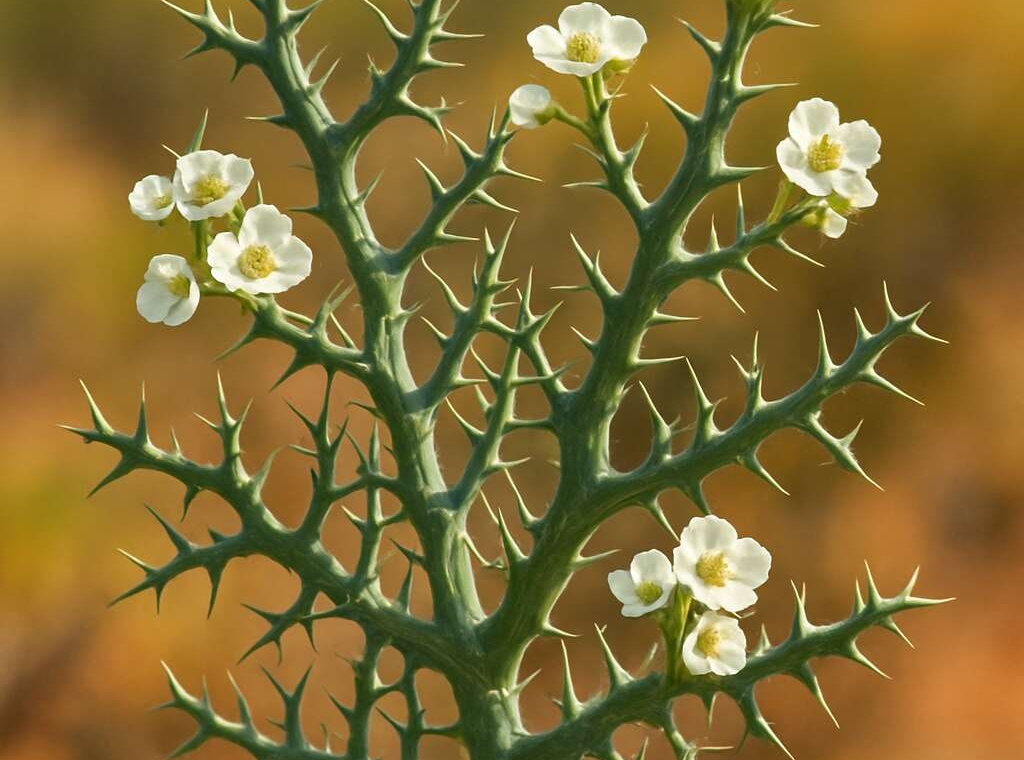




Latest Comments