Overview of Hyla savignyi
Taxonomy and Scientific Classification
In the rich tapestry of Cyprus’s endemic fauna, the Tree Frog Hyla savignyi stands out as a remarkable example of amphibian adaptability and evolutionary intrigue. Its taxonomic classification reveals a fascinating lineage that places it firmly within the Hylidae family, a group renowned for their arboreal prowess and vocal prowess. This classification isn’t merely academic; it underscores the frog’s ecological niche and evolutionary history, making it a subject of considerable interest for herpetologists and naturalists alike.
Delving into its scientific classification, the Tree Frog Hyla savignyi is assigned to the genus Hyla, which boasts a diverse array of tree-dwelling frogs across Europe, Asia, and Africa. The species name “savignyi” honors the French zoologist Marie Jules César Savigny, a nod to the long-standing tradition of naming species after pioneering naturalists. Its taxonomy can be summarized as follows:
- Family: Hylidae
- Genus: Hyla
- Species: Hyla savignyi
This precise scientific classification not only aids in identification but also enhances our understanding of its role within the local ecosystem, where it contributes to insect control and serves as a bioindicator of environmental health. Such taxonomy reveals a story of evolutionary resilience—an emblem of Cyprus’s unique biodiversity and a testament to the frog’s adaptability in a Mediterranean climate.
Common Names and Regional References
The Tree Frog Hyla savignyi is more than just a scientific curiosity; it embodies the delicate balance of Cyprus’s endemic fauna. Known locally and in scientific circles by its distinctive common names, this amphibian’s regional references reveal its deep-rooted presence across the island’s varied habitats. In Cyprus, it is often referred to simply as the “Cyprus tree frog,” a name that captures its arboreal lifestyle and geographical significance. Its vivid calls and agile leaps make it a recognizable symbol of the island’s natural diversity.
Throughout the Mediterranean basin, the Tree Frog Hyla savignyi is celebrated for its remarkable adaptability. Its regional names vary—some call it the “Savignyi frog,” honoring its species name, while others simply describe it as the “Cyprus tree frog,” emphasizing its endemic status. This frog’s reputation as a resilient inhabitant of Cyprus’s lush vegetation underscores its vital role in local ecosystems, acting as both predator and prey in a complex web of life. Such regional references serve as a testament to its cultural and ecological imprint on the island.
Physical Description and Identification
Standing just about 3 to 4 centimeters in length, the Tree Frog Hyla savignyi might be small, but its physical presence is anything but insignificant. With a slender, agile frame, this amphibian is perfectly adapted to its arboreal lifestyle, often seen clinging to Cyprus’s lush vegetation or perched on tree branches. Its vibrant coloration varies from bright green to more subdued, earthy tones, allowing it to blend seamlessly into its surroundings—an essential survival tactic in the wild.
One look at the Tree Frog Hyla savignyi and you’ll notice its distinctive features: large, expressive eyes that seem to hold the secrets of the island’s ancient landscapes and tiny, sticky toe pads that enable it to leap effortlessly from branch to branch. These pads are a marvel of evolution, providing the grip needed for its vertical adventures.
To identify this charming creature easily, keep an eye out for the following characteristics:
- Bright green or brownish skin with occasional mottling
- Large, prominent eyes with horizontal pupils
- Small, rounded body with a slightly flattened appearance
- Sticky toe pads for climbing
The Tree Frog Hyla savignyi’s physical attributes not only make it a master of camouflage but also a testament to the evolutionary finesse of Cyprus’s endemic amphibians. Its compact size and distinctive features make it a favorite among naturalists and frog enthusiasts alike—proof that sometimes, the smallest creatures make the biggest impression.
Habitat and Geographic Distribution
Natural Habitats and Microenvironments
In the rugged terrains of Cyprus, the elusive Tree Frog Hyla savignyi has carved out a niche that is as mysterious as it is vital. These amphibians thrive in natural habitats that breathe life into the island’s diverse ecosystem, often hidden within the lush, shaded microenvironments where moisture and shelter coalesce. Their presence hints at a delicate balance—one that is easily disturbed by environmental changes and human activity.
The natural habitats of Tree Frog Hyla savignyi are predominantly located in humid, vegetated zones, especially near freshwater sources. They prefer microenvironments such as dense shrubbery, rock crevices, and tree canopies that provide ample cover and breeding grounds. In Cyprus, these frogs are often found in areas where the landscape offers a blend of water and foliage, creating ideal conditions for their survival. Understanding their specific habitats is crucial for conservation efforts and appreciating the intricate web of life they support.
Geographical Range and Distribution Map
The geographic range of the Tree Frog Hyla savignyi is surprisingly limited, yet it plays a vital role in Cyprus’s fragile ecosystems. These frogs are predominantly found in the southeastern parts of the island, where the landscape offers the perfect combination of moisture, vegetation, and shelter. Their distribution map reveals that their presence is concentrated around freshwater sources, such as streams and ponds, which serve as breeding hotspots. This specific habitat preference underscores the importance of conserving water bodies and lush microenvironments on the island.
Cyprus’s unique terrain and climate have shaped the distribution of the Tree Frog Hyla savignyi. Unlike more widespread species, these frogs are highly localized, often residing in patches of dense shrubbery or rock crevices that remain moist through the year. To visualise their range, imagine a series of small, interconnected habitats stretching across the island’s southeastern landscape. Protecting this limited but vital range is essential for maintaining the ecological balance they support.
Habitat Preferences and Adaptations
Tree Frog Hyla savignyi thrives in specific microhabitats that offer a delicate balance of moisture, shelter, and food sources. These frogs are highly adapted to the unique climate of Cyprus, where their habitat preferences ensure survival amidst the island’s arid summers and mild winters. Their ability to exploit small, water-rich environments makes them an essential component of local ecosystems.
These frogs prefer habitats such as dense shrubbery, rock crevices, and areas close to freshwater sources. Their adaptations allow them to remain moist and hidden in rugged terrains, often nestled in microenvironments that retain water year-round. This selective habitat use underscores the importance of conserving small, localized water bodies, which serve as breeding hotspots and refuges for Tree Frog Hyla savignyi.
In the wild, their distribution is concentrated around streams, ponds, and other freshwater sites that provide the necessary breeding grounds. Protecting these microhabitats is crucial, as they support the survival of this limited but vital population. The resilience of Tree Frog Hyla savignyi hinges on maintaining these specific habitat preferences within Cyprus’s complex terrain.
Behavior and Ecology
Breeding and Reproductive Behavior
Tree Frog Hyla savignyi displays fascinating behavior that reflects its highly adaptable nature. These frogs are primarily nocturnal, emerging after sunset to hunt and communicate. Their calls, a series of sharp chirps, serve as both territory markers and attractants during the breeding season. Interestingly, Hyla savignyi exhibits vocal sac inflation, which amplifies their calls and helps establish dominance among males.
In terms of ecology, Tree Frog Hyla savignyi prefers microhabitats close to water sources, such as shallow ponds and wet rock crevices. During the breeding season, they gather in large choruses, sometimes numbering in the hundreds, to maximize reproductive success. Breeding behavior involves intricate courtship displays where males compete through vocalizations and physical gestures.
- They select breeding sites with abundant vegetation for egg deposition
- Eggs are laid in clusters attached to submerged vegetation or rocks
- Larvae develop rapidly, benefiting from the warm Cypriot climate
Understanding the breeding and reproductive behavior of Tree Frog Hyla savignyi offers insight into their survival strategies in Cyprus’s diverse habitats. Their ability to adapt their reproductive tactics to microenvironmental conditions underscores their resilience and ecological importance.
Diet and Feeding Habits
In the enchanting landscapes of Cyprus, the Tree Frog Hyla savignyi embodies a delicate balance between agility and survival, captivating both scientists and nature enthusiasts alike. Their behavior reveals a creature finely tuned to its environment, where nocturnal pursuits and meticulous feeding habits intertwine seamlessly. As dusk descends, these frogs emerge with a quiet grace, their keen eyes scanning for sustenance amidst the foliage.
The diet of Tree Frog Hyla savignyi primarily consists of small invertebrates, making them skilled hunters in their microhabitats. Their preferred prey includes insects such as flies, beetles, and moths, which they catch with swift, sticky tongues. Their feeding habits are opportunistic; they adapt effortlessly to the abundance of prey in shallow ponds, wet rock crevices, and dense vegetation. This voracious appetite ensures they thrive in Cyprus’s warm climate, where rapid larval development and plentiful food sources bolster their resilience.
To optimize their feeding success, Tree Frog Hyla savignyi employs keen auditory and visual senses, patiently waiting for prey to come within striking distance. Sometimes, their methodical approach is complemented by their remarkable agility, allowing them to leap great distances to catch elusive insects. Their ability to adapt their foraging strategies to varying microenvironments highlights the ecological finesse that makes Hyla savignyi a true marvel of Cyprus’s natural tapestry.
Nocturnal and Diurnal Activities
In the twilight shadows of Cyprus, the Tree Frog Hyla savignyi reveals a captivating duality—its nocturnal and diurnal behaviors weaving a complex tapestry of survival. As night cloaks the island, this amphibian transforms into a silent sentinel, its keen senses attuned to the subtle rustling of insects in the darkness. Their nocturnal activity peaks during warm, humid evenings, where their silent leaps and watchful eyes become a masterclass in stealth and patience.
However, come dawn, a different rhythm takes hold. Tree Frog Hyla savignyi often retreats into shaded microhabitats, engaging in minimal movement as the harsh Mediterranean sun filters overhead. Their activity during the day is primarily limited to sheltering within dense foliage or moist crevices—an adaptive trait that minimizes predation risks and conserves moisture. Interestingly, their presence during daylight hours is often a testament to their microhabitat selection, favoring cool, shaded environments that mimic their nocturnal comfort zones.
Cyprus’s unique microclimates influence their activity patterns profoundly. In some regions, they exhibit a crepuscular tendency—daring to venture out during dawn and dusk—highlighting their versatile behavioral ecology. This seamless transition between nocturnal vigilance and diurnal concealment underscores the resilience and ecological finesse of Tree Frog Hyla savignyi, making them an integral, if elusive, thread in the island’s natural fabric.
Migration and Movement Patterns
Tree Frog Hyla savignyi exhibits a fascinating array of migration and movement patterns that reveal its remarkable adaptability within Cyprus’s diverse microclimates. During breeding seasons, these amphibians undertake short but purposeful journeys from their sheltered microhabitats to breeding ponds, often guided by environmental cues such as temperature and humidity. Their movement is characterized by agility and stealth, allowing them to navigate through dense foliage and rocky crevices with ease.
While their primary activity revolves around reproductive migrations, their daily foraging excursions also demonstrate strategic movement. Tree Frog Hyla savignyi tends to stay close to water sources or moist microhabitats, minimizing water loss and predation risk. Interestingly, their movement is not random; instead, they follow specific routes that maximize access to insect prey while avoiding predators.
- Active during dusk and dawn—daring to traverse open spaces at twilight
This behavior underscores their ecological finesse and resilience in the face of Cyprus’s shifting environmental conditions.
Their migration patterns are often influenced by seasonal changes, with some populations traveling to cooler, shaded microhabitats during the hottest summer months, only to return when cooler, wetter conditions prevail. These adaptive movement strategies make Tree Frog Hyla savignyi an extraordinary example of amphibian resourcefulness—a true testament to the evolutionary finesse that has allowed them to thrive on Cyprus for generations.
Physical Characteristics and Morphology
Size and Morphological Features
Tree Frog Hyla savignyi exhibits a remarkable array of physical characteristics that distinguish it from other amphibians. Typically measuring around 3 to 4 centimeters in length, this small frog packs a surprising amount of detail into its compact frame. Its slender body is complemented by long, delicate limbs that aid in agile climbing, especially within its preferred microhabitats. The coloration of Tree Frog Hyla savignyi varies from bright green to brownish hues, often with subtle speckling or mottling that offers effective camouflage against the rocky and shrub-filled environments of Cyprus. This adaptive coloration plays a crucial role in avoiding predators and blending seamlessly into its surroundings.
When it comes to morphological features, the Tree Frog Hyla savignyi stands out with its distinctive toe pads, which are enlarged and sticky—perfect for clinging onto vertical surfaces or dense foliage. Its eyes are prominent, offering excellent night vision to support its nocturnal activities. The frog’s small, rounded body is enhanced by a slightly flattened head, allowing it to navigate tight spaces with ease. For enthusiasts and conservationists alike, understanding these size and morphological features offers invaluable insights into the species’ survival strategies, especially in a landscape as diverse as Cyprus. Its specialized adaptations make Tree Frog Hyla savignyi a fascinating subject for those interested in amphibian ecology and the subtle nuances of regional biodiversity.
Coloration and Camouflage
Remarkably petite yet visually captivating, the Tree Frog Hyla savignyi measures around 3 to 4 centimeters in length, making it a true marvel of miniature design. Its slender body, paired with long, delicate limbs, allows for effortless navigation through Cyprus’s rocky crevices and dense shrubbery. This frog’s physical features—like its sticky, enlarged toe pads—are perfectly adapted for climbing vertical surfaces, whether it’s a mossy rock or a tangled branch. The prominent, large eyes provide exceptional night vision, essential for its nocturnal adventures across the Mediterranean landscape.
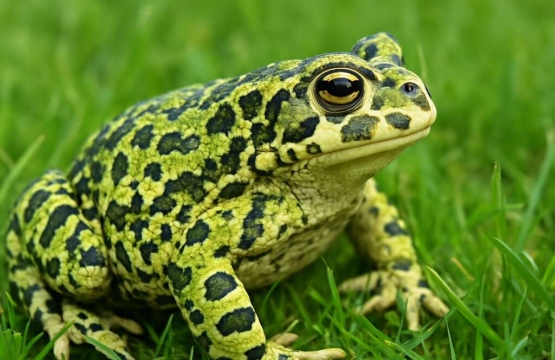
Coloration in Tree Frog Hyla savignyi is highly variable, ranging from vibrant green to mottled brown, blending seamlessly into its environment. This adaptive camouflage is vital for survival, offering effective concealment amidst the rocky terrains and shrub-filled habitats of Cyprus. Its mottled pattern, often with subtle speckling, creates a natural disguise that confuses predators and enhances its stealth.
- Bright green hues for lush environments
- Brownish tones for rocky or arid microhabitats
When it comes to morphology, the distinctive toe pads of Tree Frog Hyla savignyi are a defining trait, enabling it to cling onto the rough surfaces of Cyprus’s diverse microenvironments. Its slightly flattened head and rounded body facilitate movement through tight spaces and dense foliage, exemplifying evolutionary finesse. These combined physical characteristics not only aid in survival but also make the Tree Frog Hyla savignyi an enchanting subject for amphibian enthusiasts and ecologists alike.
Distinctive Markings and Features
The Tree Frog Hyla savignyi is a masterpiece of miniature design, captivating with its delicate yet intricate physical features. Measuring only 3 to 4 centimeters in length, this tiny amphibian exudes an enchanting charm that belies its small stature. Its slender, agile body is perfectly adapted for navigating Cyprus’s rocky crevices and lush shrubbery, with long, delicate limbs that seem to dance across uneven terrain. The prominent, sticky toe pads of the Tree Frog Hyla savignyi are marvels of evolutionary engineering, providing an unwavering grip on mossy rocks and tangled branches alike.
Distinctive in appearance, the Tree Frog Hyla savignyi boasts a slightly flattened head and a rounded body, both aiding in its stealthy movements through tight spaces. Its markings are as variable as the Mediterranean landscape it inhabits, often featuring mottled brown or vibrant green hues that serve as natural camouflage. This adaptive coloration, combined with subtle speckling, renders the frog nearly invisible amidst Cyprus’s diverse microhabitats. Whether blending into the lush greenery or the rocky outcrops, its morphology is a testament to nature’s artistry.
- Large, expressive eyes—an evolutionary gift for nocturnal navigation
- Enlarged toe pads—perfectly suited for climbing vertical surfaces
- Slim, flattened body—facilitating effortless movement through dense vegetation
Every feature of the Tree Frog Hyla savignyi whispers a story of survival and adaptation, making it not only a marvel for ecologists but also a symbol of Cyprus’s rich amphibian tapestry. From its unique markings to its specialized morphology, this tiny creature embodies the elegance of evolutionary finesse, enchanting all who encounter its delicate presence in the Mediterranean landscape.
Conservation Status and Threats
IUCN Status and Conservation Listings
Hyla savignyi, commonly known as the Cyprus tree frog, holds a unique position among amphibians in the Mediterranean landscape. Despite its charming appearance and vital role in local ecosystems, this species faces growing threats that have raised concerns among conservationists. The IUCN currently classifies the Tree Frog Hyla savignyi as Near Threatened, highlighting its vulnerability to habitat loss and environmental changes. This status underscores the importance of ongoing monitoring and protective measures to ensure its survival.
Habitat degradation, driven by urban expansion and agricultural development, poses the most significant threat to the Cyprus tree frog. Additionally, pollution from pesticides and water contamination further diminishes breeding grounds and microhabitats essential for its lifecycle. Efforts to safeguard this species are crucial, especially considering its limited distribution confined largely to Cyprus. Conservation listings and awareness campaigns are vital to prevent further decline and ensure future generations can marvel at the vibrant presence of the Tree Frog Hyla savignyi in the region’s natural tapestry.
Main Threats and Population Decline Factors
Amidst the whispering reeds and sun-dappled ponds of Cyprus, the Tree Frog Hyla savignyi embodies a delicate harmony that is increasingly under threat. Its conservation status as Near Threatened by the IUCN signals a fragile future, teetering on the edge of decline. This enchanting species, with its shimmering green hues and melodic calls, is more than just a symbol of natural beauty—it’s a vital thread in the island’s ecological tapestry.
The primary threats to the Tree Frog Hyla savignyi stem from habitat degradation and pollution. Rapid urban expansion and agricultural development have encroached upon its microhabitats, eroding the environments where it breeds and thrives. Pesticides and water contamination further diminish the quality of its breeding grounds, causing a ripple effect that impacts population numbers. These factors have contributed to a noticeable decline in sightings and numbers, raising alarms among conservationists.
- Habitat loss due to construction and land use change
- Pollution from pesticides and contaminated water sources
- Climate change-induced alterations in precipitation patterns
Efforts to protect the Tree Frog Hyla savignyi are crucial, especially given its limited geographical range confined largely to Cyprus. Without targeted conservation actions, this charismatic amphibian risks fading into the shadows of the Mediterranean landscape, lost to the relentless march of human development. Preserving this species is not only about safeguarding a creature—it’s about maintaining the vibrant, living mosaic of Cyprus’s natural heritage.
Conservation Efforts and Species Protection
The conservation status of the Tree Frog Hyla savignyi is a poignant reminder of the fragile balance within Cyprus’s unique ecosystems. Currently listed as Near Threatened by the IUCN, this enchanting amphibian faces mounting challenges that threaten its very existence. Despite its resilience, habitat loss and pollution have exerted relentless pressure, pushing populations into decline. Protecting the Tree Frog Hyla savignyi is not just about preserving a species; it’s about safeguarding an integral part of Cyprus’s natural heritage.
Efforts to conserve the Tree Frog Hyla savignyi have gained momentum, yet significant hurdles remain. Conservation initiatives focus on habitat restoration, pollution control, and raising awareness among local communities. Some organizations advocate for the establishment of protected areas, ensuring the microhabitats essential for breeding and survival are preserved. Additionally, research programs aim to monitor population trends and understand the species’ ecological needs better. These concerted actions are vital for the long-term survival of this charismatic amphibian.
In the face of ongoing environmental threats, targeted species protection measures are increasingly critical. Implementing strict regulations against pesticide use and water contamination can make a tangible difference. Moreover, educating local residents about the ecological importance of the Tree Frog Hyla savignyi fosters a collective effort to maintain Cyprus’s biodiversity. Preserving this amphibian is a testament to our commitment to maintaining the vibrant mosaic of life that makes Cyprus truly special.
Reproduction and Life Cycle
Breeding Season and Mating Calls
When it comes to the reproductive cycle of Tree Frog Hyla savignyi, the timing is as fascinating as the creature itself. Breeding season typically peaks during the warmer months, coinciding with the monsoon rains that transform arid landscapes into breeding grounds. During this period, male Tree Frog Hyla savignyi are notably vocal, emitting a series of distinctive mating calls that echo through the microhabitats they inhabit. These calls serve as an auditory beacon for females, guiding them to suitable breeding sites amidst dense foliage and reed beds.
Once paired, the reproductive process unfolds swiftly but efficiently. The female lays her eggs on submerged vegetation or within shallow pools, ensuring they are protected from predators and desiccation. The life cycle of Tree Frog Hyla savignyi is marked by rapid development; tadpoles emerge within a few days, feeding voraciously and growing swiftly before metamorphosing into miniature frogs. This brief but vital phase underscores the species’ resilience and adaptability in Cyprus’s shifting environments.
In the context of their life cycle, the breeding season is a critical window, orchestrated by environmental cues that include temperature, humidity, and rainfall. The mating calls of Tree Frog Hyla savignyi not only attract mates but also serve as a territorial signal, establishing dominance and reducing conflicts among males. This harmonious yet competitive chorus encapsulates the delicate balance of their reproductive strategy, vital for maintaining their population in the region.
Egg Laying and Tadpole Development
The reproductive strategy of the Tree Frog Hyla savignyi is nothing short of a biological symphony—an intricate dance orchestrated by nature’s unpredictable whims. During the peak breeding months, usually synchronized with Cyprus’s rainy season, these amphibians make their move, transforming otherwise arid landscapes into bustling nurseries. The female diligently lays her clutch of eggs on submerged vegetation or in shallow pools, carefully selecting sites that offer a bit of sanctuary from predators and drying winds.
Egg laying is a swift affair, often completed within a few days. Once laid, the eggs hatch into tadpoles that are voracious feeders, rapidly developing in their aquatic cradle. The tadpole development phase is a critical period, with growth rates influenced heavily by environmental conditions such as temperature and water quality. In just a few weeks, these tiny aquatic creatures metamorphose into miniature frogs, ready to hop into the next chapter of their life cycle.
- Eggs are laid on submerged vegetation or in shallow water
- Tadpoles emerge and begin feeding immediately
- Rapid growth leads to metamorphosis within a few weeks
The entire process exemplifies the resilience and adaptability of the Tree Frog Hyla savignyi, thriving in the shifting microenvironments of Cyprus. This fascinating reproductive cycle not only ensures species continuity but also highlights the delicate balance of their natural habitat—an ecological ballet worth observing and protecting.
Adult Lifespan and Maturation
The reproductive cycle of the Tree Frog Hyla savignyi is a testament to nature’s resilience and intricate timing. Adult Hyla savignyi typically reach maturity within one to two years, signaling a swift transition from juvenile to reproductive prime. Once matured, these frogs become vocal champions of Cyprus’s microhabitats, their calls echoing during the breeding season to attract mates. The life span of a Tree Frog Hyla savignyi in the wild can span up to five years, a remarkable feat considering their delicate stature and environmental challenges.
During the breeding season, which often coincides with Cyprus’s rainy months, male Hyla savignyi engage in a captivating chorus, a melodic call signaling readiness to mate. Female frogs select suitable sites—usually submerged vegetation or shallow pools—to lay their eggs, ensuring the next generation’s survival. This delicate dance of reproduction exemplifies the resilience of Hyla savignyi, thriving amidst the shifting microenvironments of Cyprus’s landscape.
Adaptations and Evolution
Unique Adaptations for Survival
In the quiet corners of Cyprus, where the whispering breezes dance through the Mediterranean landscape, the Tree Frog Hyla savignyi exemplifies evolutionary ingenuity. This species has developed unique adaptations that allow it to thrive in diverse microenvironments, from coastal wetlands to rocky outcroppings. Its remarkable ability to blend seamlessly with its surroundings is not just a matter of aesthetics but a vital survival strategy. The vibrant coloration and textured skin of the Tree Frog Hyla savignyi serve as natural camouflage, enabling it to evade predators and ambush prey effectively.
Furthermore, the Tree Frog Hyla savignyi has evolved specialized vocal sac structures that amplify its mating calls, ensuring reproductive success amidst the cacophony of Cyprus’s ecosystem. Its limbs are finely tuned for agility and climbing, with sticky toe pads that cling to uneven surfaces, facilitating movement across a variety of substrates. These adaptive features highlight a fascinating interplay between form and function, underscoring the species’ resilience in a changing world.
- Enhanced camouflage abilities to hide from predators
- Vocal adaptations for effective communication and mate attraction
- Climbing adaptations such as sticky toe pads for navigating complex terrains
Through these evolutionary traits, the Tree Frog Hyla savignyi exemplifies nature’s capacity to craft survival strategies that are both elegant and efficient—truly a testament to the resilience of amphibians in Cyprus’s unique environment.
Evolutionary Relationships and Phylogeny
Tree Frog Hyla savignyi has a fascinating evolutionary history that highlights its remarkable adaptations. Phylogenetic studies suggest that this species shares a common ancestor with other Hyla frogs, yet it has diverged significantly to thrive in Cyprus’s unique environment. Its evolutionary path showcases a series of specialized traits that enhance survival, from its camouflage to its vocal prowess.
One notable aspect of its evolution is the development of highly effective camouflage abilities. These adaptations allow Tree Frog Hyla savignyi to blend seamlessly into rocky surfaces and lush vegetation, making it nearly invisible to predators. Such traits result from millions of years of natural selection, fine-tuning its appearance for concealment.
Understanding its evolutionary relationships reveals that Tree Frog Hyla savignyi is part of a diverse genus rooted in Mediterranean amphibian lineages. Its phylogeny underscores a pattern of divergence driven by habitat specialization and climate fluctuations. This evolutionary resilience underscores the species’ capacity to adapt to Cyprus’s changing microenvironments.
Genetic Diversity and Population Structure
Within the lush microhabitats of Cyprus, the Tree Frog Hyla savignyi exemplifies evolutionary ingenuity. Its genetic diversity is a testament to its resilience, allowing it to adapt seamlessly to the island’s varied microenvironments. This genetic variation fuels the species’ ability to withstand climate fluctuations and habitat shifts, ensuring its survival amidst environmental upheavals.
Recent studies reveal that populations of Tree Frog Hyla savignyi are structured in a way that reflects both historical migration patterns and localized adaptations. These frogs exhibit a remarkable capacity for genetic exchange within populations, which promotes diversity and fortifies their evolutionary resilience. Such robust genetic makeup not only enhances their survival odds but also contributes to the species’ distinctive ecological role in Cyprus’s ecosystems.
Interestingly, the evolutionary path of Tree Frog Hyla savignyi is punctuated by specialized adaptations—most notably its highly effective camouflage. This trait isn’t just a visual marvel but a direct outcome of natural selection prioritizing concealment; it allows the frog to vanish into rocky crevices and leafy undergrowth with startling ease. Evolution, in this case, has turned the Tree Frog Hyla savignyi into a master of disguise, a true ninja of the amphibian world.
Research and Ecological Significance
Role in Ecosystems and Food Chains
Research on the Tree Frog Hyla savignyi reveals its vital role in maintaining ecological balance within Mediterranean ecosystems. As both predator and prey, it influences local food chains significantly. Its presence indicates a healthy environment, as the frog’s reliance on specific microhabitats makes it a sensitive bioindicator for habitat quality.
Hyla savignyi helps control insect populations, particularly mosquitoes and other pest species, which benefits both agriculture and human health. Its unique adaptations enable it to thrive in varied microenvironments, from rocky outcrops to dense shrubbery. This versatility underscores its ecological importance in Cyprus and surrounding regions.
- Controlling insect populations
- Supporting biodiversity
- Serving as a prey item for larger predators
Understanding the ecological significance of the Tree Frog Hyla savignyi emphasizes the need for targeted conservation efforts. Protecting its habitats ensures the stability of local food chains and the overall health of the ecosystem. This frog is more than just a creature of interest; it’s a keystone species in its environment.
Indicator Species for Environmental Health
In the intricate tapestry of Cyprus’s natural environment, the Tree Frog Hyla savignyi stands out as a luminous thread, subtly revealing the health of its ecosystem. As an indicator species, this amphibian’s presence or absence offers profound insights into habitat quality and environmental stability. Its sensitivity to microhabitat changes transforms it into a living barometer—an organism that whispers the story of ecological resilience or decline.
Research underscores the ecological importance of Hyla savignyi beyond its charming appearance. It serves as a crucial link in food chains, controlling pest populations like mosquitoes and supporting biodiversity. The frog’s adaptability to varied microenvironments—rocky outcrops, shrubbery, and wetlands—further underscores its role as a sentinel for habitat integrity. Protecting the habitats of Tree Frog Hyla savignyi isn’t merely about conserving a species; it’s about safeguarding the delicate balance of life in Cyprus’s unique landscapes.
Recent Scientific Studies on Hyla savignyi
Recent scientific research emphasizes the ecological significance of the Tree Frog Hyla savignyi beyond its charming appearance. Studies reveal that this amphibian plays a vital role in controlling pest populations, particularly mosquitoes, which helps maintain the health of Cyprus’s ecosystems. As a sensitive indicator species, Hyla savignyi responds swiftly to changes in microhabitats, making it a valuable tool for monitoring environmental stability.
Research also highlights the genetic diversity within Hyla savignyi populations, which is crucial for understanding its adaptability to shifting habitats. Its ability to thrive across various microenvironments, from rocky outcrops to wetlands, underscores its ecological resilience. Protecting the Tree Frog Hyla savignyi therefore isn’t just about safeguarding a single species; it’s an essential step toward preserving the broader ecological balance in Cyprus.
Tips for Observation and Identification
Best Times and Places to Spot
Spotting the elusive Tree Frog Hyla savignyi in its natural habitat can feel like discovering a hidden gem amidst Cyprus’s lush microenvironments. These vibrant amphibians are primarily nocturnal, making the late evening hours the best time to observe their lively calls and shimmering coloration. Their subtle camouflage allows them to blend seamlessly with the foliage, so patience and a keen eye are essential for identification.
To increase your chances of seeing the Tree Frog Hyla savignyi, focus on humid, shaded areas near freshwater sources such as ponds or streams, especially during the breeding season. The best places to spot them are often in dense shrubbery or beneath leaf litter, where their distinctive markings and bright green hues stand out against the subdued backdrop. Remember, early spring and early summer are prime times for observation, as these frogs are most active during this period. Using a gentle flashlight and moving quietly can turn a fleeting glimpse into a memorable encounter with this captivating species!
Behavioral Cues for Identification
Observing the elusive Tree Frog Hyla savignyi demands a nuanced approach that goes beyond mere chance. Its secretive nature and subtle behaviors mean that patience and attentiveness are your greatest allies. Focus on quiet, humid microhabitats where these frogs are most active, and move slowly—suddenly startling a Tree Frog Hyla savignyi can cause it to vanish like a whisper in the wind.
Behavioral cues are invaluable for identification. Listen for their lively, rhythmic calls during the breeding season, often echoing through Cyprus’s shaded wetlands. The Tree Frog Hyla savignyi often perches motionless on foliage, blending seamlessly with its environment—a testament to its mastery of camouflage. Watching for the faint shimmer of its bright green coloration as it shifts slightly can be a rewarding clue.
- Early evening is ideal for spotting Tree Frog Hyla savignyi, as they become more active after sunset.
- Look beneath leaf litter or in dense shrubbery where their subtle markings can be mistaken for natural debris.
- Use a gentle flashlight to illuminate their vibrant hues without startling them, revealing their true colors in the dim light.
Recognizing their distinctive calls and calm posture in shaded, moist environments can transform a fleeting encounter into a profound connection with this remarkable species—if you know what to observe and when to listen. The secret to understanding the Tree Frog Hyla savignyi lies in keen observation and respecting its delicate habitat, allowing its quiet beauty to reveal itself on its own terms.
Photographing and Documenting the Species
Capturing the elusive Tree Frog Hyla savignyi on camera requires more than just luck; it demands patience and keen observation. These frogs are masters of camouflage, often blending seamlessly into the lush greenery of Cyprus’s shaded wetlands. To improve your chances, focus on quiet, humid microhabitats during early evening hours when they become most active. Using a gentle flashlight can help reveal their vibrant green hues, especially as they perch motionless on leaves or shrubbery.
When photographing Tree Frog Hyla savignyi, aim for low angles and steady shots to capture their subtle markings and reflective eyes. A macro lens is ideal for close-up detail, highlighting their distinctive features without startling them. Documenting their natural behavior—such as their rhythmic calls during the breeding season or their calm posture—adds valuable context to your photographs. Remember, respecting their habitat is key to observing and photographing this remarkable species without disruption.

 by
by 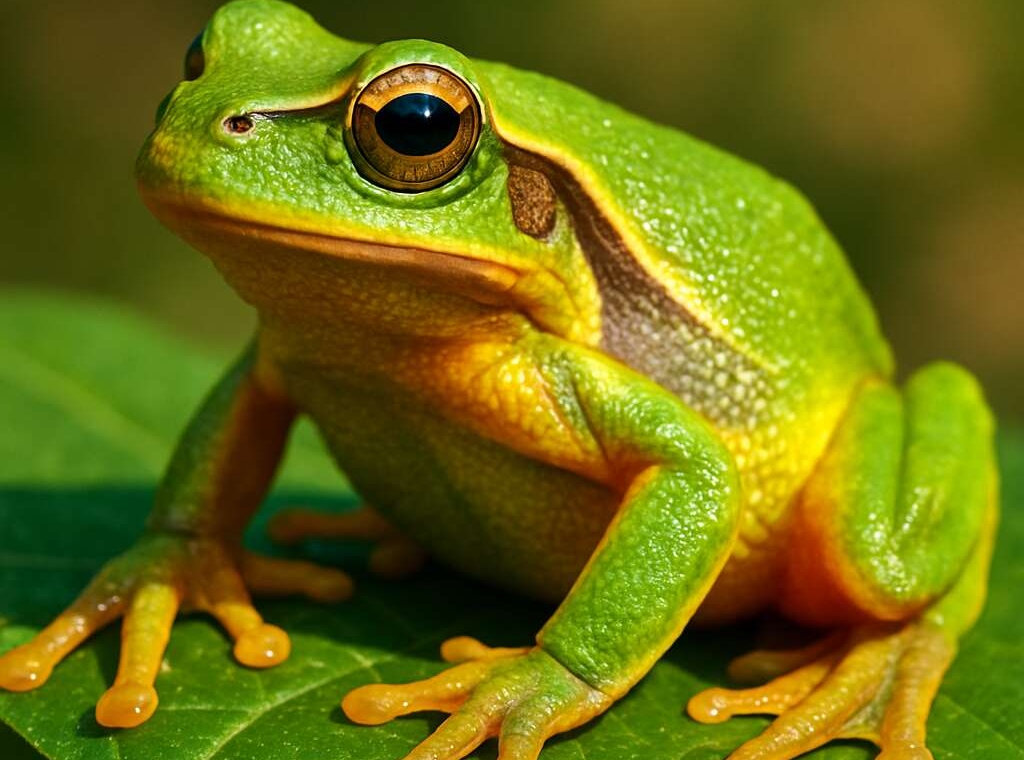


Latest Comments