Understanding Alyssum chondrogynum
Overview of Alyssum chondrogynum
In the lush tapestry of Cyprus’s native flora, Alyssum chondrogynum emerges as a delicate yet resilient whisper of the mountains. This charming perennial, often overlooked, holds a secret: its silvery-gray foliage and tiny, fragrant blooms create a captivating contrast against the rugged terrain. Its hardy nature makes Alyssum chondrogynum an ideal choice for those seeking to add a touch of natural elegance to rocky gardens or coastal landscapes.
Understanding Alyssum chondrogynum reveals a plant that thrives in well-drained soil and appreciates the Mediterranean climate’s warm, dry summers. Its adaptability and low-maintenance requirements endear it to gardeners and nature enthusiasts alike. For those wishing to cultivate this enchanting species, it’s worth noting its ability to spread gently, forming a velvety ground cover that beckons bees and butterflies with its subtle charm.
Taxonomic Classification
Delving into the taxonomic classification of Alyssum chondrogynum reveals a fascinating glimpse into its botanical heritage. This species belongs to the Brassicaceae family, a diverse group known for its hardy, flowering plants that thrive in Mediterranean climates. Such classification not only underscores its resilience but also highlights its evolutionary kinship with other mountain and coastal plants native to Cyprus.
Within its genus, Alyssum, this particular species stands out for its unique adaptations to rocky terrains and well-drained soils. Its subtle yet enchanting presence is often overshadowed by more flamboyant flora, yet Alyssum chondrogynum’s delicate silvery-gray foliage and tiny fragrant blooms are a testament to nature’s understated beauty. Recognizing its place in the taxonomy helps gardeners and enthusiasts appreciate the plant’s ecological role and evolutionary journey.
- Family: Brassicaceae
- Genus: Alyssum
- Species: chondrogynum
Understanding Alyssum chondrogynum’s taxonomic roots deepens our appreciation for its adaptability and resilience—traits that make it an invaluable addition to Mediterranean gardens and rocky landscapes across Cyprus. Its classification is more than mere labels; it’s a window into the plant’s natural history and its enduring charm.
Native Habitat and Regions
In the rugged landscapes of Cyprus, Alyssum chondrogynum finds its native sanctuary amidst the rugged, sun-baked rocks of the Mediterranean. Its natural habitat is a testament to resilience—thriving in well-drained, rocky soils where few others dare to flourish. These hardy plants have adapted seamlessly to the arid, often challenging conditions, making them an emblem of perseverance in the region’s diverse flora.
Typically, Alyssum chondrogynum is found in the mountainous and coastal regions of Cyprus, where the terrain sculpted by time provides a perfect backdrop for its delicate silhouette. Its presence is a subtle reminder of nature’s understated elegance—clinging to cliffs and rocky slopes, it weaves a tapestry of silvery-gray foliage and tiny, fragrant blooms that seem to whisper stories of survival and adaptation.
- Mountains of Cyprus: The plant’s favorite high-altitude rocky outcrops.
- Coastal cliffs: Where it withstands salty breezes and intense sunlight.
- Well-drained soils: Crucial for its growth, avoiding waterlogged roots that could threaten its delicate balance.
Understanding the native regions of Alyssum chondrogynum reveals a story of resilience and ecological harmony—an ode to the enduring beauty of Cyprus’s natural world. Its specific habitat preferences highlight why this species is such a captivating element of Mediterranean landscapes, flourishing where many others falter.
Physical Characteristics and Appearance
In the realm of Mediterranean flora, Alyssum chondrogynum emerges as a delicate yet hardy marvel—its physical characteristics revealing a tapestry of subtle elegance and resilience. The plant’s silvery-gray foliage, finely textured and densely packed, creates a shimmering carpet that whispers of ancient winds sweeping across Cyprus’s rugged landscapes.
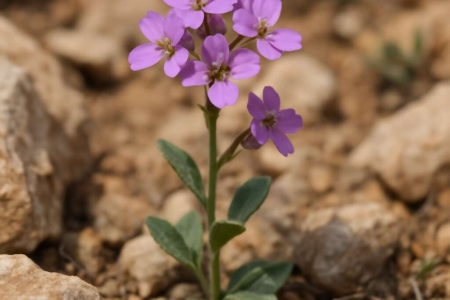
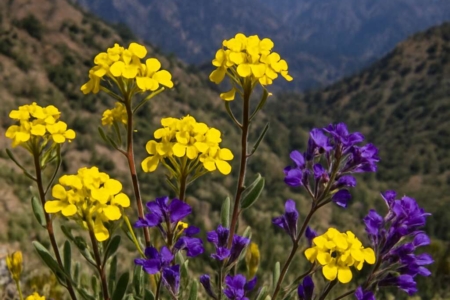
Alyssum chondrogynum boasts tiny, fragrant blooms that cluster along slender stems, often tinged with hints of violet or white. These blossoms, though modest in size, carry a potent aroma that beckons pollinators and lovers of wild beauty alike. Its compact growth habit enables it to cling stubbornly to rocky crevices and steep slopes, a testament to its tenacity in challenging environments.
For those seeking to understand the stunning physical traits of Alyssum chondrogynum, consider these key features:
- Silvery-gray, finely textured foliage providing a striking contrast against sunbaked rocks
- Small, fragrant blooms that appear in dense clusters, often in shades of white or violet
- Low-growing, spreading habit that allows it to cover rocky surfaces seamlessly
Its resilient form and understated beauty make Alyssum chondrogynum a captivating subject—an enduring symbol of natural artistry thriving amidst Cyprus’s rugged terrains. Each characteristic echoes the plant’s ability to flourish where others falter, weaving itself into the mythic landscape of the Mediterranean.
Cultivation and Care of Alyssum chondrogynum
Ideal Growing Conditions
In the arid beauty that is Cyprus, cultivating Alyssum chondrogynum is akin to discovering a rare jewel—thriving amidst challenges that deter less hardy plants. This charming species demands a delicate balance of conditions, thriving in well-drained soil that mimics its native rocky habitats. A touch of patience and an eye for detail will reward you with a cascade of tiny, fragrant blossoms that seem to whisper secrets of the Mediterranean’s rugged charm.
To ensure optimal growth of Alyssum chondrogynum, gardeners should focus on providing the ideal growing conditions—namely, full sun exposure and minimal watering, as overwatering can lead to root rot. Moreover, incorporating organic matter into the soil enhances vitality, creating a hospitable environment for this resilient plant. It’s worth noting that Alyssum chondrogynum prefers slightly alkaline soils and appreciates the occasional sprinkle of compost, which fuels its innate robustness. For those who cherish a low-maintenance yet visually captivating addition to their garden, this species offers a splendid choice that flourishes with the right care.
Soil Requirements and Preparation
In the arid embrace of Cyprus’s rugged landscapes, cultivating Alyssum chondrogynum becomes an exercise in patience and reverence for nature’s subtle intricacies. The secret to nurturing this resilient species lies in understanding its intimate relationship with soil — a foundation that echoes its native rocky terrains. Alyssum chondrogynum demands well-drained soil, mimicking the rocky, mineral-rich substrates of its homeland, where excess moisture is a silent enemy. This plant thrives in slightly alkaline soils, which enhance its innate robustness and promote an abundance of tiny, fragrant blossoms.
Preparation begins with enriching the soil with organic matter—adding compost or other organic amendments to improve vitality and structure. To foster optimal growth, consider the following steps:
- Ensure the soil is loose and well-draining, avoiding any water-logged conditions that could threaten the roots of Alyssum chondrogynum.
- Incorporate organic matter to boost soil fertility, encouraging lush foliage and prolific flowering.
- Adjust soil pH if necessary, aiming for a slightly alkaline environment that aligns with Alyssum chondrogynum’s preferences.
By respecting these soil requirements and preparation techniques, gardeners in Cyprus can unlock the full potential of Alyssum chondrogynum, transforming harsh landscapes into vibrant displays of resilience and delicate beauty. Its hardy nature, coupled with the right soil conditions, turns this species into a low-maintenance yet captivating element of any Mediterranean-inspired garden.
Sunlight and Water Needs
Sunlight in Cyprus paints the landscape with a relentless, golden glow—an invitation for Alyssum chondrogynum to unfurl its delicate blooms. This resilient plant flourishes best when basked in full sun, where its tiny, fragrant blossoms thrive under the Mediterranean’s warm embrace. The more radiant the exposure, the more exuberant its display of resilience and beauty. Yet, this charming species demands a careful balance: too much direct sun during the hottest hours can challenge its delicate constitution, so a touch of dappled shade might serve as a gentle respite during peak heat.
Watering Alyssum chondrogynum is an exercise in restraint—like whispering to a favorite secret. Overwatering can drown its roots, turning resilience into vulnerability. The plant prefers infrequent but deep watering, allowing the soil to dry out completely between sessions. In Cyprus’s arid climate, this practice mimics its native rocky terrains, where water is a rare gift. For optimal growth, consider a watering schedule that respects its drought-tolerant nature, ensuring that each drop encourages lush foliage and a prolific cascade of tiny, fragrant flowers.
- Ensure the plant receives at least 6 hours of direct sunlight daily.
- Water deeply, but only when the soil feels dry to the touch.
- Adjust watering frequency during the hottest months to prevent root rot.
By understanding the sun’s generous yet demanding nature and respecting Alyssum chondrogynum’s water needs, gardeners in Cyprus can cultivate a vibrant tapestry of resilience. Its hardy spirit, nurtured under the right sunlight and moisture conditions, transforms even the most rugged landscapes into a mosaic of delicate splendor and enduring charm.
Propagation Methods
Propagating Alyssum chondrogynum is a journey into the enchanting world of hardy, Mediterranean flora. This resilient plant can be propagated through both seeds and cuttings, making it an accessible choice for gardeners eager to expand their floral tapestry. Seed propagation begins with collecting mature seeds from the tiny, fragrant blossoms once they have faded, ensuring they are fully ripe for planting. Sow these seeds lightly over well-draining soil, maintaining a delicate balance of moisture and warmth—preferably in early spring to mimic its native cycle.
Alternatively, taking cuttings offers a quicker route to establishing new Alyssum chondrogynum plants. Select healthy, non-flowering stems, and trim just below a node. Rooting hormone can enhance success, but this hardy species often roots naturally in Cyprus’s mild climate. Insert the cuttings into a mixture of sand and compost, and keep them in dappled shade until roots develop—usually within a few weeks. With patience and care, these methods allow gardeners to cultivate an abundant display of Alyssum chondrogynum, enriching any rugged landscape with its delicate charm.
Common Cultivation Challenges
Growing Alyssum chondrogynum in the challenging climate of Cyprus demands patience and attentive care. Despite its hardy reputation, this resilient Mediterranean plant can sometimes face hurdles such as poor soil drainage or inconsistent watering. When the roots sit in soggy soil, it can lead to root rot, a common challenge for Alyssum chondrogynum cultivators. Ensuring well-draining soil is essential; a mixture of sand and organic compost can create the perfect environment for this delicate yet tough species.
One of the most common cultivation challenges is maintaining the right moisture level. Alyssum chondrogynum prefers moderate watering—too much water risks fungal issues, while too little can stunt its growth. Regularly monitoring soil moisture and avoiding overwatering helps keep the plant thriving. Additionally, protecting Alyssum chondrogynum from extreme heat or cold snaps is crucial, especially during its early growth stages. With these considerations in mind, gardeners can enjoy an abundant display of its charming, fragrant blossoms, even in rugged terrain.
Landscape Uses and Design Ideas
Garden and Landscape Applications
In the realm of garden design, Alyssum chondrogynum offers an unexpected grace that elevates any landscape with its delicate yet resilient presence. Its low-growing, mat-forming habit makes it an ideal choice for creating lush ground covers or cascading accents in rock gardens. When placed thoughtfully, Alyssum chondrogynum can soften the edges of hardscapes, infusing spaces with a sense of organic harmony and subtle vibrancy.
Landscape applications for Alyssum chondrogynum are as varied as they are inspiring. Its tiny, star-shaped flowers bloom profusely, drawing the eye and inviting closer inspection. For a more intricate aesthetic, consider planting Alyssum chondrogynum along border pathways or in container gardens where its spreading nature can be contained and showcased. Incorporating Alyssum chondrogynum into a Mediterranean-inspired landscape enhances the natural, sun-drenched ambiance that Cyprus is famed for.
- Rock gardens
- Border edging
- Container arrangements
- Erosion control on slopes
Boldness in landscape design often lies in subtlety, and Alyssum chondrogynum embodies this principle perfectly. Its ability to thrive in full sun, coupled with minimal water requirements, makes it a sustainable choice—especially suited to the Mediterranean climate of Cyprus. When integrated thoughtfully, Alyssum chondrogynum transforms mundane spaces into lush, living tapestries that whisper the quiet poetry of nature’s resilience.
Container Planting Tips
In the sun-drenched landscapes of Cyprus, where the Mediterranean breeze whispers through rocky terraces, Alyssum chondrogynum emerges as an understated marvel. Its sprawling, mat-like form lends itself effortlessly to container planting, transforming modest pots into vibrant tapestries of delicate white blooms. When used thoughtfully in landscape design, Alyssum chondrogynum becomes a living sculpture—cascading over edges, softening the rigidity of stone and concrete, and infusing spaces with a whisper of organic elegance.
For those seeking to elevate their garden’s visual poetry, container placement offers boundless creative potential. Incorporate Alyssum chondrogynum into hanging baskets or clustered planters, where its spreading nature can be showcased without overwhelming other plantings. The plant’s resilience in full sun and minimal water needs align perfectly with Cyprus’s climate, making it an ideal choice for sustainable landscape applications.
To maximize its aesthetic impact, consider these planting tips: use well-draining soil, avoid overcrowding, and let Alyssum chondrogynum spill freely—its natural tendency to cascade lends a wild, yet curated charm. Its subtle star-shaped flowers can be accentuated with complementary Mediterranean herbs or succulents, creating a harmony that celebrates resilience and beauty in every corner of your outdoor sanctuary.
Companion Plants for Alyssum chondrogynum
In the sun-drenched landscapes of Cyprus, Alyssum chondrogynum proves to be a versatile and enchanting addition to any garden design. Its sprawling, low-growing habit makes it perfect for creating living carpets or softening the edges of stone pathways. When strategically placed, Alyssum chondrogynum lends a delicate, almost whisper-like presence that elevates the visual harmony of outdoor spaces.
For those seeking to craft a Mediterranean-inspired tableau, pairing Alyssum chondrogynum with complementary plants can elevate the overall aesthetic. Succulents and aromatic herbs such as thyme or lavender work beautifully alongside it, creating a textured, fragrant mosaic. To enhance its cascading effect, consider using container planting techniques—placing Alyssum chondrogynum in hanging baskets or tiered planters to showcase its spontaneous spillover.
Here are some ideal companion plants to accentuate Alyssum chondrogynum’s charm:
- Lavender – for its fragrant foliage and purple blooms
- Thyme – a resilient herb that thrives alongside Alyssum chondrogynum
- Sedum – adding contrasting texture and color
In landscape design, Alyssum chondrogynum excels when combined with plants that tolerate the full sun and well-drained soils native to Cyprus. Its subtle star-shaped flowers, when paired thoughtfully, can transform ordinary outdoor spaces into a tapestry of organic elegance and resilient beauty—truly a testament to the understated power of this Mediterranean gem.
Maintenance and Care Tips
Pruning and Deadheading
Proper maintenance and care are essential to keep Alyssum chondrogynum thriving in your garden or container. Regular pruning encourages healthy growth and prevents the plant from becoming leggy. It’s best to prune back Alyssum chondrogynum after the flowering period, removing any spent blooms and leggy stems to promote a fuller, more vigorous display. Deadheading, or removing faded flowers, is particularly beneficial for prolonging the blooming season and maintaining the plant’s neat appearance.
For optimal results, focus on gentle trimming rather than harsh cuts. This not only preserves the plant’s natural shape but also reduces stress, allowing Alyssum chondrogynum to produce more flowers. If you notice any signs of disease or pests, timely intervention is crucial to protect this resilient plant. With consistent care, Alyssum chondrogynum will reward you with its charming, carpet-like blooms, especially in regions like Cyprus where its hardy nature shines.
Fertilization Recommendations
When it comes to nurturing Alyssum chondrogynum, proper fertilization is the secret sauce that transforms a modest ground cover into a lush, carpet-like spectacle. This resilient plant, native to the sun-drenched landscapes of Cyprus, thrives on a balanced diet of nutrients, much like a gourmet meal for the garden’s finest. An occasional feeding with a diluted, all-purpose fertilizer ensures that Alyssum chondrogynum maintains its vibrant hue and abundant blooms, even during the hottest months.
For optimal growth, it’s wise to follow a simple fertilization routine—think of it as giving your plant a gentle boost rather than a heavy-handed dose. Applying a liquid fertilizer every 4-6 weeks during the growing season keeps Alyssum chondrogynum vigorous and flowering profusely. If you prefer a more natural approach, organic compost mixed into the soil will work wonders, nourishing the roots from beneath without overwhelming the delicate balance of its native habitat.
To make fertilization even more straightforward, consider this list:
- Apply a balanced fertilizer in early spring to kickstart the growing season.
- Reapply every 4-6 weeks during active growth for sustained vibrancy.
- Reduce feeding in the winter months when Alyssum chondrogynum takes a well-earned rest.
Remember, overfeeding can lead to leggy, less charming growth, so moderation is key. With the right fertilization strategy, Alyssum chondrogynum will reward you with its charming, carpet-like blooms, especially in regions like Cyprus where its hardy nature truly shines. This little powerhouse doesn’t just survive—it dazzles, provided you give it the nutritional support it deserves!
Pest and Disease Management
Maintaining the enchanting allure of Alyssum chondrogynum requires more than just planting it and hoping for the best. This resilient ground cover, native to Cyprus, is surprisingly hardy but benefits from vigilant pest and disease management. Regular inspection is essential to catch early signs of trouble before they spread and diminish its vibrant, carpet-like blooms.
Typically, pests like aphids or whiteflies may find Alyssum chondrogynum irresistible, especially during warm months. A natural insecticidal soap or neem oil can keep these unwelcome guests in check without harming the plant’s delicate balance. Disease-wise, root rot can be a threat if the soil remains excessively moist; therefore, ensuring proper drainage is vital for long-term health.
To keep Alyssum chondrogynum thriving, consider implementing a routine:
- Inspect leaves and stems weekly for signs of pests or disease.
- Remove any infected plant parts promptly to prevent spread.
- Maintain proper watering practices—deep, infrequent watering is best, especially in Cyprus’ sunny climate.
Remember, the key lies in observation and early intervention. With attentive care, Alyssum chondrogynum remains a stunning, low-maintenance addition to any garden, resilient against pests and disease, yet delicate in its charm. Its ability to flourish in Cyprus’ sun-drenched landscape is truly remarkable—if you give it the right care, it will reward you with enduring beauty.
Benefits and Uses
Ornamental Value
In the sun-drenched landscapes of Cyprus, Alyssum chondrogynum emerges as a botanical gem, its delicate blooms offering a symphony of subtle hues that captivate the eye. Beyond its ornamental appeal, this resilient plant boasts benefits that make it a favorite among gardeners seeking both beauty and practicality. Its dense, low-growing habit acts as a natural ground cover, suppressing weeds and conserving soil moisture—a boon amid the island’s warm, arid climate.
Moreover, Alyssum chondrogynum’s fragrant clusters attract pollinators such as bees and butterflies, fostering a vibrant, thriving garden ecosystem. Its versatile nature lends itself to various uses, from cascading over rocky walls to enhancing container displays. For those seeking a hardy, charming addition to their landscape, this plant’s ornamental value is undeniable, transforming any space into a lush tapestry of color and scent.
Attracting Pollinators
In the intricate dance of nature, Alyssum chondrogynum plays a vital role by attracting pollinators such as bees and butterflies. Its fragrant clusters serve as a beacon for these essential creatures, fostering a vibrant and resilient garden ecosystem. This plant’s ability to draw pollinators not only enhances the beauty of the landscape but also supports the health of local flora, creating a cycle of growth and renewal that echoes through the environment.
For gardeners in Cyprus seeking to cultivate a harmonious space, Alyssum chondrogynum offers more than visual appeal. Its nectar-rich blooms act as a magnet for beneficial insects, encouraging biodiversity and ecological balance. Its versatility shines as it cascades over rocky walls or fills container gardens, transforming even the simplest setting into a sanctuary of scent and color.
- Its dense, low-growing habit provides ground cover that suppresses weeds and conserves soil moisture.
- The plant’s fragrant clusters support pollinator populations, ensuring a thriving garden biodiversity.
- Its adaptability makes Alyssum chondrogynum suitable for various landscape designs, from rockeries to container displays.
Climate Resilience and Drought Tolerance
In the sun-drenched landscapes of Cyprus, resilience is a treasured trait, and Alyssum chondrogynum stands out as a champion of climate adaptability. This hardy plant’s innate drought tolerance makes it an ideal choice for enduring the island’s arid summers, where water conservation becomes essential. Its ability to thrive with minimal moisture not only reduces maintenance but also ensures a vibrant, lush display even during prolonged dry spells.
Beyond its charming appearance, Alyssum chondrogynum offers significant benefits in sustainable gardening. Its dense ground cover naturally suppresses weeds, reducing the need for chemical interventions while conserving soil moisture—an eco-friendly boon for eco-conscious gardeners. Its nectar-rich clusters attract pollinators, supporting biodiversity and creating a resilient, thriving garden ecosystem. For those seeking versatility, Alyssum chondrogynum adapts seamlessly to various landscape applications, from cascading over rocky walls to filling container gardens, making it a truly resilient addition to any outdoor space in Cyprus.
Additional Resources and References
Links to Cultivation Guides
For those eager to elevate their gardening prowess with Alyssum chondrogynum, a wealth of additional resources awaits discovery. These guides and references serve as invaluable companions, transforming novice attempts into masterful displays of botanical finesse. In particular, specialized cultivation guides tailored for Mediterranean climates, like Cyprus, delve into the nuances of nurturing Alyssum chondrogynum amidst the region’s unique soil and climate conditions.
To deepen your understanding, consider exploring these curated links, which cover everything from soil preparation to pest management strategies. Whether you’re a seasoned horticulturist or a passionate hobbyist, these references offer insights that will help optimize growth and ornamental appeal.
- Comprehensive Alyssum chondrogynum cultivation guide from regional horticultural societies
- Expert articles on soil amendments and watering regimes specific to Cyprus’s climate
- Online forums and community groups dedicated to Mediterranean flora enthusiasts
Engaging with these resources not only enriches your botanical knowledge but also ensures that Alyssum chondrogynum flourishes as a vibrant, resilient addition to any garden or landscape project. The journey towards cultivating this charming plant is significantly more rewarding when guided by authoritative references tailored to your local environment.
Research Studies and Articles
In the shadowed corridors of botanical knowledge, certain resources stand as gateways to deeper understanding—especially when cultivating Alyssum chondrogynum in the sun-drenched landscapes of Cyprus. These references, often overlooked, reveal secrets that can transform a tentative gardener into a master of Mediterranean flora. Research studies and peer-reviewed articles dissect the subtle nuances of soil composition, microclimate adaptation, and pest management strategies tailored specifically for Alyssum chondrogynum’s unique needs.
For those seeking an edge in their horticultural pursuits, exploring curated resources such as specialized journals or regional guides can be invaluable. They often include research studies that analyze the plant’s resilience against drought and harsh sunlight—factors critical for thriving in Cyprus’s climate. Additionally, online forums dedicated to Mediterranean flora enthusiasts provide a thriving community where insights and experiences about Alyssum chondrogynum flourish amidst the digital gloom.
- Comprehensive botanical articles on Alyssum chondrogynum
- Peer-reviewed research focusing on drought tolerance in Mediterranean plants
- Case studies from regional horticultural societies
Engaging with these authoritative resources and references ensures your cultivation journey is deeply rooted in scientific understanding. Such knowledge not only elevates your gardening prowess but also allows Alyssum chondrogynum to stand as a resilient, hauntingly beautiful sentinel in your landscape—an ode to the mysterious allure of Mediterranean flora.
Nursery and Supplier Information
For those passionate about cultivating Alyssum chondrogynum in the sun-drenched landscapes of Cyprus, sourcing reliable nursery and supplier information is paramount. Trusted nurseries specializing in Mediterranean flora can offer high-quality specimens and expert guidance, ensuring your Alyssum chondrogynum thrives amidst the rocky terrains and intense sunlight. It’s worth seeking out regional suppliers who understand the plant’s delicate balance of drought resilience and soil preferences.
Many reputable nurseries provide detailed cultivation guides and personalized advice for growing Alyssum chondrogynum in challenging climates. Additionally, joining regional horticultural societies or online communities can connect you with suppliers who prioritize sustainable practices, ensuring your Alyssum chondrogynum remains a resilient focal point in your garden.
- Identify nurseries with expertise in Mediterranean or drought-tolerant plants.
- Verify supplier reputation through reviews and regional horticultural networks.
- Ask for specific varieties of Alyssum chondrogynum that are best suited for Cypriot microclimates.
Whether you’re sourcing from local growers or international suppliers, the right resource can elevate your gardening pursuits and guarantee that Alyssum chondrogynum becomes a hauntingly beautiful sentinel—an ode to the resilient spirit of Mediterranean flora.

 by
by 




Latest Comments