Introduction to Red Valerian Centranthus ruber
Origin and Botanical Background – History of the plant, botanical classification, native regions
In the shadowed corridors of botanical history, Red Valerian Centranthus ruber emerges as a plant shrouded in myth and mystery. Originating from the rocky coasts and arid terrains of the Mediterranean, this captivating perennial boasts a storied past rooted in native regions that stretch across southern Europe. Its botanical classification reveals a member of the Caprifoliaceae family, sharing kinship with plants known for their resilience and allure.
Ancient texts whisper of its prowess in surviving harsh climates, a testament to its hardy nature. Native regions such as southern France and the Spanish coastline have long been its sanctuary, where the blood-red blossoms mirror the fiery passion of the landscape. In the garden, Red Valerian Centranthus ruber continues to enchant with its vibrant, spiky blooms and its ability to thrive in challenging soils. Such history and resilience make it a symbol of enduring beauty amidst the stark, unforgiving wilderness—an eternal testament to nature’s dark elegance.
Physical Description – Plant size and growth habit, leaf characteristics, flower appearance
Standing tall with a bewitching presence, Red Valerian Centranthus ruber is an extraordinary perennial that commands attention in any garden setting. Typically growing to a height of 50 to 80 centimeters, this plant features a sturdy, bushy growth habit that spreads swiftly across rocky or well-drained soils. Its upright stems are adorned with narrow, lance-shaped leaves that are a muted green hue, providing a striking contrast to the vibrant blooms. The leaves are finely textured, adding a touch of delicate intricacy to the plant’s overall appearance.
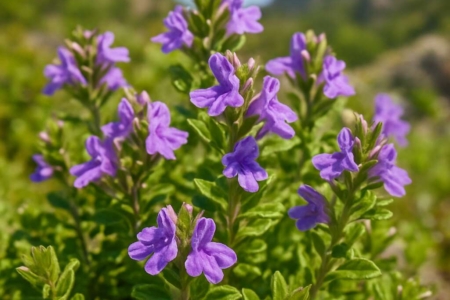
The true allure of Red Valerian Centranthus ruber lies in its dazzling flowers. The plant blooms with striking, fiery red spikes that can reach up to 10 centimeters in length, densely packed with tiny, tubular flowers. The blooms appear in late spring and persist into the summer months, attracting pollinators and adding vivid color to any landscape. Its flowering period coincides with a time when many other plants are waning, making Red Valerian Centranthus ruber an invaluable addition for creating visual interest during the warmer months. This combination of size, growth habit, and floral display makes it a versatile and captivating choice for both ornamental gardens and naturalistic plantings.
Varieties and Cultivars – Different types available, notable differences, selection tips
When it comes to adding a splash of fiery flair to your garden, the variety of Red Valerian Centranthus ruber offers more than just a one-trick pony. While the classic cultivar remains a reliable crowd-pleaser, there are intriguing options that cater to different garden styles and aesthetic preferences. From compact, low-growing types perfect for rockeries to taller, more commanding varieties suitable for borders, the range is remarkably diverse.
Notable differences among Red Valerian Centranthus ruber cultivars include flower size, growth habit, and foliage texture. Some cultivars produce denser flower spikes, while others boast a more sprawling habit, ideal for naturalistic plantings. If you’re considering a plant with vigorous spread or a more compact stature, select accordingly! An understanding of these distinctions can ensure your garden remains vibrant and resilient during the growing season. For instance, cultivars like ‘Coccineus’ feature deeply intense red spikes, making them perfect for creating a bold focal point.
- Evaluate your garden space—are you after a towering statement or a subtle ground cover?
- Consider flowering time and bloom density—do you want a prolonged display or a burst of colour in peak season?
- Think about foliage characteristics—are you more about texture or uniformity?
Choosing the right Red Valerian Centranthus ruber cultivar can transform a simple garden bed into a mesmerizing mosaic of colour and form. Whether you’re after a striking, fiery core or a gentle backdrop for other perennials, understanding the subtle differences between the various types will help you curate a plant collection that truly dazzles.
Cultivation and Care of Red Valerian
Optimal Growing Conditions – Soil preferences, sunlight requirements, climate suitability
In the realm of garden enchantments, Red Valerian Centranthus ruber stands out as a fiery splash of colour that commands admiration. With its ability to flourish in diverse conditions, this perennial transforms rocky nooks and city balconies into living canvases of crimson brilliance. To ensure your Red Valerian Centranthus ruber thrives, understanding its ideal cultivation conditions is paramount. It loves well-draining soil that retains enough moisture without becoming waterlogged—think of a terrain that mimics its natural Mediterranean habitat. The plant’s vibrant blooms truly flourish when bathed in full sunlight, basking in at least six hours of direct sun daily, which intensifies its fiery red hues.
This resilient species is remarkably adaptable to a variety of climates, though it prefers the temperate zones of the United Kingdom, where it can withstand the cool winters with some light protection. For optimal growth, plant Red Valerian Centranthus ruber in a sunny spot with soil enriched with organic matter, yet never overly moist. Its robust nature means it appreciates minimal fuss — but a touch of patience rewards you with an abundance of flowers that emerge from late spring to late summer. For planting success, consider space for its spreading habit, as this eye-catching shrub can fill gaps and border edges with its spirited presence.
Planting and Propagation – Best planting practices, seed sowing, division methods
For those who seek to transform their garden into a riotous tableau of fiery hues, Red Valerian Centranthus ruber offers an irresistible charm. Its cultivation and care, however, demand a gentle ballet of knowledge and patience—artful temerity to harness this plant’s exuberant spirit. Proper planting practices serve as the first act in this botanical symphony; planting Red Valerian Centranthus ruber in well-drained, organic-rich soil in a sunny location encourages its vibrant blooms to flourish. Late spring heralds the optimal time for sowing seeds directly into prepared ground, where they will germinate with a flourish after a modest wait of a few weeks.
Propagation of Red Valerian Centranthus ruber reveals a poetry of renewal—dividing established clumps can invigorate overgrown patches, offering new life and a fuller display of crimson glory. The division method is simple but requires a sharp spade and a tender touch: lift the plant from its base, carefully tease apart the clump into sections, and replant with adequate spacing to accommodate its spreading habit. This process not only preserves the vitality of the original plant but also provides an avenue for enthusiast gardeners to multiply their fiery border adornments.
For those seeking a more precise approach, germinating seeds indoors in early spring ensures a head start, leading to robust seedlings ready for transplanting when the danger of frost has passed.
- Prepare a seed tray with well-draining compost.
- Sow seeds lightly on the surface, pressing them gently into the soil—resisting the urge to bury them too deep, for Red Valerian Centranthus ruber thrives on light.
- Keep the soil moist but not waterlogged, and provide bright indirect light during the germination phase.
Transplant seedlings into their destined outdoor locations once they’ve established a sturdy root system, ideally spacing them about twelve inches apart to accommodate their natural spreading growth habit.
Throughout its life cycle, Red Valerian Centranthus ruber demands minimal fuss, yet it rewards diligent caretakers with sumptuous blooms from late spring through late summer. Maintaining a level of moderate watering—especially during dry spells—and removing spent flowers to encourage continued flowering imbues the plant with renewed vigour. Its resilient nature, combined with the joy of propagation through division and seed sowing, reveals a tapestry of possibilities for every passionate gardener eager to cultivate a shared tapestry of crimson vibrance.
Watering and Fertilization – Water needs, feeding schedules, soil amendments
Watering and fertilization are twin pillars in the delicate ballet of cultivating Red Valerian Centranthus ruber. This fiery perennial, with its crimson splashes across summer borders, demands a balance—neither too parched nor overly waterlogged. During the initial flowering period, deep but infrequent watering helps foster a resilient root system. Once established, Red Valerian Centranthus ruber thrives with moderate watering, especially in prolonged dry spells prevalent in UK gardens.
Fertilization should be gentle, nourishing the plant without overwhelming it. A monthly application of a balanced, organic liquid feed during active growth supports its vibrant display. Incorporate compost or well-rotted organic matter into the soil at planting, enriching the bed with essential nutrients. This not only sustains the plant’s lush foliage but also encourages prolonged flowering. When soil amendments are used, they create an environment where Red Valerian Centranthus ruber’s exuberant flowers can truly shine—each bloom a testament to attentive care and understanding of its water needs.
Design and Landscaping Uses
Garden Placement Ideas – Borders, rock gardens, containers
Transform your garden into a Romantic Eden with the charming allure of Red Valerian Centranthus ruber. This vibrant perennial is a master of versatility, lending its fiery blooms to borders, rock gardens, and container displays with equal grace. Its striking scarlet flowers glow against lush green foliage, creating a focal point that captivates the eye and stirs the soul.
In landscape design, Red Valerian Centranthus ruber excels as a border plant, where its bursts of colour can define pathways or frame garden beds. When planted in rock gardens, it’s a tiny miracle, tolerating rocky soils and dry conditions while still flowering profusely. For container gardens, its compact growth makes it ideal for adding a splash of warmth and vitality to patios or balconies.
Consider planting Red Valerian Centranthus ruber in clusters for a fiery splash, or mixed within perennial borders to introduce seasonal vibrancy that lasts from summer into early autumn. Its ability to thrive in sunny, well-drained spots makes it a versatile choice for elevating any garden scheme with bursts of colour and a touch of poetic elegance.
Companion Plants – Suitable plant partners, planting tips
When it comes to planting schemes that turn heads and invite endless admiring glances, Red Valerian Centranthus ruber stands out like a fiery comet streaking across your garden sky. Its vibrant scarlet flowers are not just eye-catching; they’re a testament to the plant’s versatility and appeal in creative landscape design. From borders to rock gardens, this perennial packs a punch in adding bursts of seasonal vibrancy.
In the realm of companion planting, Red Valerian Centranthus ruber plays well with others—think hardy lavender, silvery thyme, or wispy catmint. These plant partners not only thrive alongside each other but also elevate the aesthetic with contrasting foliage and textures, creating a symphony of gardening hues. It thrives in well-drained, sunny spots—think southern-facing walls or sandy patches—making it a darling for those tricky dry corners of your garden.
Planting tips for this charismatic perennial include clustering it for a fiery display or mixing it within perennial borders for long-lasting colour. Its compact growth habit allows for easy interplanting, and its tolerance for gritty soils means even the most neglectful gardener can indulge without guilt. Whether you’re aiming for a border that steals the spotlight or a rock garden with a splash of fiery red, Red Valerian Centranthus ruber will elevate your garden’s visual poetry effortlessly.
Design Themes and Styles – Combining Red Valerian with other plants for visual impact
Red Valerian Centranthus ruber offers a striking aesthetic that lends itself beautifully to various design themes and styles in the landscape. Its fiery scarlet blooms create vivid focal points, especially when combined with contrasting foliage and textures. Garden designers often pair Red Valerian Centranthus ruber with perennials such as lavender, thyme, or catmint, fostering visual impact through complementary colour palettes and diverse leaf shapes.
In contemporary or cottage garden schemes, clustering Red Valerian Centranthus ruber among rocks or gravel pathways accentuates its natural charm. For more formal gardens, integrating it into symmetrical borders adds a pop of lively colour that energises the overall design. Its versatility shines brightest when used in combination with other drought-tolerant plants—ideal for pared-back, low-maintenance themes that still demand style.
- Rustic rock gardens
- Long-lasting border displays
- Container gardens on sunny terraces
The plant’s compact growth habit allows for seamless blending into lush perennial arrangements, enhancing visual interest without overwhelming neighboring plants. When thoughtfully combined, Red Valerian Centranthus ruber acts as an eye-catching centerpiece or a lively foil for softer, textural foliage. Its fiery presence helps create a layered landscape design filled with depth and dimensionality, making it a versatile asset for landscape architects and avid gardeners seeking vibrant, enduring colour themes.
Maintenance and Pruning – Deadheading, shaping, winter care
Without a doubt, Red Valerian Centranthus ruber is a resilient and striking addition to any garden landscape, but its appeal extends beyond just aesthetic impact. Proper maintenance and thoughtful pruning can ensure this fiery perennial maintains its vigorous growth and vibrant blooms season after season, transforming borders, containers, or rock gardens into focal points of lively colour. When plants are allowed to grow freely without intervention, they may become unruly, diminishing their visual charm; hence, understanding the art of deadheading and shaping is essential for prolonging flowering periods and controlling their compact growth habit.
Deadheading is particularly beneficial for Red Valerian Centranthus ruber. By removing spent blooms regularly, you encourage the plant to produce fresh flowers, maintaining the plant’s visual vibrancy throughout the season. Shaping involves trimming back overgrown stems to foster a tidy, bushy appearance; this also helps prevent legginess and encourages denser foliage. Pruning after flowering can be done with a gentle hand, ensuring the plant remains balanced and healthy. For winter care, most varieties of Red Valerian Centranthus ruber are notably hardy but benefit from mulching in colder climates to protect roots from frost damage. It’s worth noting that this hardy perennial can tolerate some neglect but responds well to these simple practices, reinforcing its reputation as a gardener’s favourite for low-maintenance design themes.
- Remove dead or damaged stems to promote healthy growth.
- Lightly prune in early spring to shape and invigorate the plant.
- Deadhead spent flowers regularly to encourage prolonged flowering.
Keeping Red Valerian Centranthus ruber thriving during winter may include adding a layer of organic mulch around the base and ensuring well-drained soil to prevent root rot. Its perennial nature makes it an excellent choice for various garden schemes, from rustic rock gardens to long-lasting border displays. By understanding the subtle yet effective approaches to maintenance and pruning, gardeners can enjoy a vibrant, enduring spectacle of scarlet blooms year after year—proof of its versatility and resilient charm in any floral arrangement or landscape setting.
Benefits, Uses, and Common Issues
Aesthetic and Ecological Benefits – Attracts pollinators, drought tolerance, ornamental value
Amidst sun-dappled gardens and rugged cliff sides, the captivating allure of Red Valerian Centranthus ruber reveals itself as more than mere eye candy. Its vibrant crimson blooms not only draw admiring gazes but serve a vital ecological role as a magnet for pollinators such as bees and butterflies, intertwining garden beauty with vital biodiversity. The drought-tolerant nature of Red Valerian Centranthus ruber makes it a resilient choice for the UK’s fluctuating climate, thriving where other plants falter. This resilience is complemented by its ornamental value, boasting clusters of tubular flowers that lend a fiery splash of colour against subdued foliage or stone.
Gardeners appreciate its adaptability—planting Red Valerian Centranthus ruber along borders, in rock gardens, or in containers—while ecological enthusiasts cherish its ability to attract pollinators, enhancing local garden ecosystems. As a low-maintenance perennial, Red Valerian Centranthus ruber invites spontaneous blooms with minimal fuss, yet is prone—like many perennials—to common issues such as leaf spots or mildew if overwatered or crowded. A bit of vigilance ensures it remains a steadfast centerpiece, embodying both aesthetic splendour and ecological harmony.
Medicinal and Traditional Uses – Historical applications, current research
Red Valerian Centranthus ruber has a storied history rooted in herbal traditions, where it was once used for a range of medicinal purposes. Although modern research is limited, some studies suggest that compounds found in Centranthus ruber may possess mild anti-inflammatory and antimicrobial properties, hinting at potential future medicinal applications. Traditionally, it was believed to alleviate minor ailments such as stomach discomfort and skin irritations, making it a charming addition to herbals and folk remedies.
Beyond its medicinal lore, the plant’s ornamental appeal is undeniable. Its vibrant crimson hue makes Red Valerian Centranthus ruber a coveted choice for adding fiery accents to garden borders or rocky outcrops. Garden enthusiasts also appreciate its low-maintenance nature, thriving with minimal fuss while still offering an eye-catching display. Its resilience and striking appearance make it a popular choice among those seeking a hardy, decorative perennial that also supports local pollinators.
Whether you’re cultivating it for its historical medicinal uses or its contemporary ornamental charm, Red Valerian Centranthus ruber remains a versatile and captivating plant—worthy of a prominent spot in any garden or herbal collection.
Common Problems and Solutions – Pests, diseases, growth challenges
Red Valerian Centranthus ruber is more than just a striking ornamental plant; it is a hardy perennial that offers a plethora of benefits for garden enthusiasts and herbal explorers alike. Its resilient nature means it can endure drought conditions and poor soils, making it an excellent choice for those aiming for a low-maintenance yet vibrant addition to their garden borders or rock gardens. The plant’s fiery crimson blooms attract pollinators such as bees and butterflies, supporting local ecosystems while adding dynamic movement to floral displays.
While primarily appreciated for its ornamental appeal, Red Valerian Centranthus ruber also holds a subtle position within traditional herbal use, with emerging research hinting at its mild anti-inflammatory and antimicrobial properties. This dual role of aesthetic beauty and ecological contribution makes it a popular plant among gardeners seeking both form and function. Its use extends beyond visual interest, serving as a natural support for pollinators and a conversation starter about sustainable gardening practices.
Common issues with Red Valerian Centranthus ruber can include problems like powdery mildew or aphid infestations—both manageable with routine care. Ensuring proper air circulation around the plant and avoiding overwatering can significantly reduce these issues. For pests like aphids, natural predators or gentle insecticidal soaps are effective solutions. Growth challenges such as leggy stems or poor flowering often stem from inadequate sunlight; providing the plant with full sun exposure typically results in a more vigorous display.
Understanding these common problems and solutions can elevate your success with Red Valerian Centranthus ruber. Regular pruning to deadhead spent flowers not only encourages continuous blooming but also maintains the plant’s healthy, bushy form. When pests threaten, an integrated approach combining natural remedies and proper watering practices enhances resilience. Whether cultivated for its charming appearance or its traditional medicinal uses, this captivating plant can flourish under proper care, offering a blend of beauty, ecological service, and a whisper of herbal history.
Tips for Healthy Growth – Preventive care, signs of distress, troubleshooting
Fans of vibrant foliage and resilient perennial plants often find themselves enchanted by the fiery allure of Red Valerian Centranthus ruber. This captivating flowering plant, with its scarlet blooms that seem to ignite garden borders, offers a tapestry of ecological and aesthetic benefits. Its ability to withstand drought and poor soils transforms uninspiring patches into living, blooming artwork—an ode to hardy gardening. The lush, evergreen leaves and clove-scented scent make it a sensory delight, while its role in supporting pollinators elevates its status beyond mere ornamentation.
Yet, even the most stalwart of plants can face adversity. Powdery mildew or aphid infestations may threaten the health of Red Valerian Centranthus ruber, but these challenges are often preventable with keen observation and routine care. For optimal health, ensure the plant enjoys full sun and well-draining soil; signs of stress—such as leggy stems or poor flowering—usually speak to insufficient sunlight or overwatering. Simple measures like proper pruning and vigilant watering habits can cultivate resilient, vigorous growth, allowing this plant to flourish year after year.
To maintain its fiery spectacle and ecological contribution, gardeners embrace preventive strategies—regular deadheading encourages prolific flowering, while natural pest controls safeguard its vitality. Creating a balanced environment with good air circulation and avoiding excess moisture minimizes the risk of common issues. When trouble arises, troubleshooting can be straightforward: inspecting for pests, adjusting watering practices, and judiciously pruning healthy growth points often restore the plant’s resilience.
In the grand scheme, drawing upon the enchanting beauty of Red Valerian Centranthus ruber means nurturing both its ornamental charm and ecological role. This plant’s innate drought tolerance and effortless adaptability make it a steadfast choice for flourishing gardens, where its fiery visage continues to inspire admiration and ecological harmony alike.

 by
by 
Latest Comments