Botanical Description and Classification
Overview of Cyperus cyprius – General characteristics, morphology, and distinguishing features
In the botanical jungle of ornamental plants, Cyperus cyprius stands out with a flair that’s almost theatrical. This sedge, native to the sunny Mediterranean shores, epitomizes elegance with its tall, slender stems and lush, tufted foliage. Its distinctive, cylindrical form makes it a sought-after choice for those craving a touch of exotic charm in garden landscapes or indoor settings. With its rapid growth and hardy nature, Cyperus cyprius is as low-maintenance as it is visually striking.
Classified within the Cyperaceae family, Cyperus cyprius has an unmistakable morphology that sets it apart from other sedges. Its basal leaves are narrow and grass-like, while the inflorescence features feathery, umbrella-shaped flower clusters that sway gracefully in the breeze. The plant’s overall structure can reach impressive heights, often exceeding 60 cm, with its smooth, green stems providing a sleek, architectural aesthetic. An easy way to identify Cyperus cyprius is by examining its distinguishing features, such as its dense, rounded top compared to other, more elongated sedges.
Taxonomic Classification – Family, genus, hierarchy, and related species
At the crossroads of botanical elegance and architectural grace, Cyperus cyprius emerges as a plant of majestic presence and delicate silhouette. This species, belonging to the illustrious Cyperaceae family, transcends the ordinary with its slender, green stems and tufted, rounded crown. The botanical description of Cyperus cyprius reveals a plant that exudes a refined charm — a natural sculpture that seems to sway poetically in the breeze, capturing the very essence of Mediterranean warmth and style.
Taxonomically, Cyperus cyprius is meticulously classified within the hierarchy of the plant kingdom. It belongs to:
- Family: Cyperaceae
- Genus: Cyperus
- Species: Cyperus cyprius
Within the genus Cyperus, it stands as a distinctive emblem of its own, yet shares kinship with other notable species such as Cyperus papyrus and Cyperus alternifolius. These related species, each with their unique traits, form a diverse tapestry of sedges thriving in various environments. The taxonomic classification of Cyperus cyprius not only situates it within the botanical taxonomy but also highlights its relevance as an ornamental plant, appreciated for both form and function.
Understanding its place within the plant hierarchy enriches our appreciation for Cyperus cyprius and underscores why it continues to captivate gardeners and landscape architects alike. Whether in containers or landscape beds, the elegant architecture of Cyperus cyprius makes it an exemplar of botanical artistry.
Native Habitat and Distribution – Geographic range, climate preferences, and ecological zones
Though often overshadowed by more flamboyant flora, Cyperus cyprius possesses an understated elegance that beckons admiration—think of it as the silent refinement of the plant kingdom. Its botanical description reveals a charming specimen with slender, green stems that rise with an air of grace. The tufted, rounded crown adds a sculptural quality, making it a captivating centerpiece in any garden design. Recognized for its delicate silhouette, Cyperus cyprius lends a touch of Mediterranean warmth and timeless style wherever it is showcased.
Native to the sun-drenched regions of the Mediterranean basin, Cyperus cyprius thrives in ecological zones characterized by warm, temperate climates. Its preferences include well-drained, moist soils, where it can bask in the full sunlight or enjoy partial shade. This adaptability allows it to flourish in a variety of landscape settings, from elegant containers to expansive landscape beds. Specifically, its geographic range extends across Cyprus and surrounding Mediterranean islands, where it has historically been appreciated for both ornamental and functional purposes. With a natural inclination towards moderate moisture levels, Cyperus cyprius can endure seasonal variations while maintaining its striking appearance.
- Europe: Mainland Mediterranean regions, including parts of Greece, Italy, and Spain
- Climate: Warm summers, mild winters, and efficient drainage systems are optimal for growth
- Ecological zones: Coastal zones, gardens, and ornamental landscapes where its sculptural form can be showcased
Ecological and Environmental Significance
Role in Ecosystems – Wetlands, water purification, and habitat support
Beneath the murky waters and shadowed wetlands, Cyperus cyprius quietly manifests its ecological influence, whispering secrets of the environment it sustains. This resilient sedge, often overlooked in the grand tapestry of ecosystems, plays a silent yet vital role in water purification, filtering pollutants that threaten aquatic harmony. As it flourishes in its native habitats, Cyperus cyprius forms dense thickets that serve as natural sentinels, guarding delicate water systems from sediment overload and chemical intrusion.
In wetland environments, its root network acts as an anchoring system, stabilizing soil and preventing erosion during storms and rising water levels. This plant’s capacity to support habitat complexity becomes evident as it offers shelter to numerous aquatic species, fostering biodiversity in regions where few others dare to thrive.
- Provides necessary cover for small aquatic animals.
- Filters sediments and toxins, maintaining water clarity and quality.
- Creates a habitat that encourages the proliferation of diverse species.
The ecological and environmental significance of Cyperus cyprius is woven into the fabric of wetland resilience, subtly influencing the health of entire ecosystems. Its presence underscores a natural harmony that sustains the delicate balance of water and land.
Environmental Adaptations – Tolerance to water levels, soil types, and climatic conditions
When it comes to thriving in unpredictable environments, Cyperus cyprius doesn’t just sit back and take it—I’d say it practically masters the art of environmental adaptability. This resilient sedge has an impressive tolerance for varying water levels, making it a natural chameleon in wetlands and waterlogged soils. Whether the water is gently lapping or rising swiftly after a storm, Cyperus cyprius remains steadfast, anchoring itself with a root system that’s both extensive and flexible.
Its ability to flourish across different soil types — from nutrient-rich loams to more acidic or sandy substrates — showcases its versatility. Plus, it’s a champion when facing climatic fluctuations, enduring periods of drought or inundation with equal grace. The plant’s adaptability ensures it continues supporting vital ecological functions, even when faced with the kind of weather systems that would make other flora pack up and leave. All in all, the resilience of Cyperus cyprius makes it a cornerstone species for wetland stability and environmental conservation.
Interactions with Other Species – Pollinators, pests, and symbiotic relationships
The delicate dance between flora and fauna often hinges on the subtle yet profound interactions that sustain life in wetlands. Cyperus cyprius, an elegant sedge with its star-shaped seed heads and slender stems, plays a pivotal role in this intricate web. Its flowers attract a variety of pollinators—bees, butterflies, and even certain beetles—that depend on its nectar and pollen for nourishment. These pollinators, in turn, facilitate genetic diversity within the species, ensuring its resilience amid changing conditions.
Beyond its role as a resource for pollinators, Cyperus cyprius is also a habitat for numerous insects and small animals, serving as both shelter and breeding ground. Its lush foliage often harbours parasitic pests, yet this natural relationship is part of a balanced ecosystem. Interestingly, the plant’s roots engage in symbiosis with soil bacteria that assist in water purification, making Cyperus cyprius a linchpin for ecological health.
In wetlands, the presence of Cyperus cyprius encourages a symphony of ecological interactions that sustain biodiversity. From supporting pollinating insects to fostering symbiotic relationships with micro-organisms, this sedge’s ecological significance elevates it beyond mere plant life—making it a cornerstone for environmental stability.
Cultivation and Uses
Agricultural and Horticultural Practices – Growing conditions, propagation, and care tips
Growing Cyperus cyprius offers a unique challenge for both amateur and professional horticulturists. This striking sedge thrives best in moist, well-drained soil that mimics its natural habitat in Mediterranean wetlands. Achieving optimal growth begins with selecting a site that receives ample sunlight—Cyperus cyprius loves basking in bright, direct exposure, which energizes its lush foliage.
Propagation is straightforward if you understand its needs: division or planting from root cuttings works well. Keep the soil consistently moist, but avoid waterlogging, as Cyperus cyprius prefers a balanced moisture level. Regular watering during dry spells ensures vigorous growth, and employing organic mulch can help retain soil moisture and suppress weeds.
In terms of care, this sedge responds well to minimal fertilization—using a balanced, water-soluble fertilizer during the growing season encourages dense, vibrant foliage. If you’re cultivating Cyperus cyprius in a container, ensure it has sufficient drainage and consider periodic pruning to maintain a tidy appearance. Its adaptability to different water levels makes it a versatile choice for water features or ornamental beds. Growers can also experiment with various soil types, but well-aerated, loamy soil remains optimal for cultivating this distinctive sedge.
Medicinal and Cultural Uses – Traditional applications, folklore, and modern research
Cyperus cyprius, with its elegant form and graceful foliage, has long captivated horticulturists and plant enthusiasts alike. Its cultivation for ornamental purposes adds a touch of sophistication to water gardens and landscape designs, particularly in temperate climates where its water tolerance shines. Interestingly, this striking sedge is not just a pretty face; it’s also woven into traditional practices and folk applications stretching back centuries.
In various Mediterranean cultures, Cyperus cyprius has been employed in folk medicine. Historically, its roots and foliage were believed to possess purifying properties, used in remedies for minor ailments and as natural deodorants. Through modern research, botanists are beginning to explore potential pharmacological benefits, though concrete scientific validation remains underway. Its cultural significance extends beyond the medicinal realm, as it often features in local folklore, symbolising resilience and renewal.
From an ecological standpoint, Cyperus cyprius stands as a perennial emblem of wetland vitality. It plays an instrumental role in water purification efforts, filtering pollutants while providing habitat for pollinators. This versatility makes it increasingly popular among landscape architects seeking environmentally friendly and culturally rich plant choices. The plant’s adaptability to different soil types and climatic conditions in the UK further cements its status as a versatile, culturally resonant addition to sustainable gardens.
Industrial Applications – Uses in craft, construction, or other industries
While many see Cyperus cyprius as just an ornamental plant, its industrial applications reveal a fascinating depth. Historically, the sturdy stems of Cyperus cyprius have found use in craft industries, where their fibrous qualities lend themselves to handmade baskets, mats, and even decorative accessories. These natural fibers are renowned for their durability and eco-friendliness, making Cyperus cyprius a preferred raw material for sustainable artisans.
In construction, the plant’s roots and stems have been experimented with as natural binding agents and insulation materials—an innovative approach amid increasing demand for environmentally conscious building practices. The inherent strength of Cyperus cyprius fibers supports their integration into eco-friendly products such as pressed fibre panels or biodegradable packaging. Manufacturers also incorporate Cyperus cyprius in crafts, especially in regions with traditional craftsmanship, where the plant’s properties enhance both aesthetic appeal and functionality.
Commonly overlooked, Cyperus cyprius also offers promising opportunities in the burgeoning realm of biocomposite industries, where natural fibers are replacing synthetic materials. Its resilience to water and adaptability to different soil conditions have facilitated the development of eco-conscious products for a variety of industries, from fashion to construction. Enthusiasts of sustainable design appreciate how the plant’s versatility extends beyond water gardens into a green economy—an increasingly vital component of modern industry.
Conservation and Challenges
Threats to Cyperus cyprius – Habitat loss, invasive species, climate change
Habitat loss remains the foremost challenge facing Cyperus cyprius, as rapid urbanisation and agricultural expansion threaten its delicate wetland ecosystems. The encroachment of built environments diminishes its natural habitat, pushing this elegant species toward the brink of endangerment. Climate change compounds these threats, altering water levels and disrupting the ecological balance that Cyperus cyprius depends upon, making its survival increasingly precarious.
Invasive species also pose a silent, yet relentless threat. Non-native plants and animals often outcompete Cyperus cyprius for resources, further destabilising its populations. Efforts to conserve this species must navigate these intertwined challenges, which include habitat degradation, invasive pressures, and climatic shifts.
- Habitat destruction from infrastructure development
- Spread of invasive plant species
- Altered water regimes due to climate change
Addressing these challenges requires vigilance and targeted conservation strategies to protect Cyperus cyprius, ensuring this botanical gem continues to grace our wetlands with its unique presence.
Conservation Efforts – Protection programs, habitat restoration, and sustainable use
Conservation efforts aimed at Cyperus cyprius are more than just botanical band-aids; they’re vital for safeguarding this wetland wonder. Protection programs often focus on establishing protected areas where habitat destruction from infrastructure development is kept at bay. These initiatives are crucial because urban expansion and agricultural projects continue to nibble away at Cyperus cyprius’s delicate ecosystem.
Habitat restoration projects breathe life back into degraded wetlands, re-establishing the water regimes and soil conditions that Cyperus cyprius needs to thrive. Public awareness campaigns and local community involvement—think of them as the plant’s champions—foster sustainable use and help prevent illegal harvesting or pollution that might threaten its populations.
A strategic approach may include creating protected zones, implementing invasive species control, and forming partnerships with conservation groups. For example, a typical conservation program might involve:
- Designating critical wetland habitats as protected areas
- Removing invasive species that compete with Cyperus cyprius
- Monitoring water quality and levels to mimic natural fluctuations
All these efforts hinge on vigilant enforcement and innovative habitat restoration techniques, making sure this species doesn’t slip into the shadows of extinction. It’s a delicate dance—one where conservation initiatives serve as the guardian angels of Cyperus cyprius, ensuring this elegant species continues to grace our wetlands for generations to come.
Research Opportunities – Knowledge gaps, scientific studies, and future prospects
Amid the shifting tapestry of our wetlands, Cyperus cyprius reveals itself as a delicate yet vital thread in ecological harmony. Yet, gaps in knowledge about this species’ specific environmental needs and threats linger, leaving conservationists with puzzles to solve. Scientific studies are gradually peeling back the layers of mystery surrounding its reproductive strategies, resilience to water level fluctuations, and interactions within its habitat.
Future prospects for Cyperus cyprius hinge on targeted research that bridges these knowledge gaps. Exploring its role in water purification processes and symbiotic relationships could unveil new avenues for sustainable preservation. A promising approach involves interdisciplinary research efforts, blending ecology, botany, and climate science to understand how habitat alterations impact this species.
- Assessing long-term population trends
- Investigating genetic diversity and adaptability
- Developing climate resilience models
Such scientific endeavors not only deepen our understanding of Cyperus cyprius but also inspire innovative conservation strategies, ensuring this wetland jewel endures amid environmental challenges. The journey to safeguard Cyperus cyprius is ongoing—each discovery forming a vital link in the chain of preservation.

 by
by 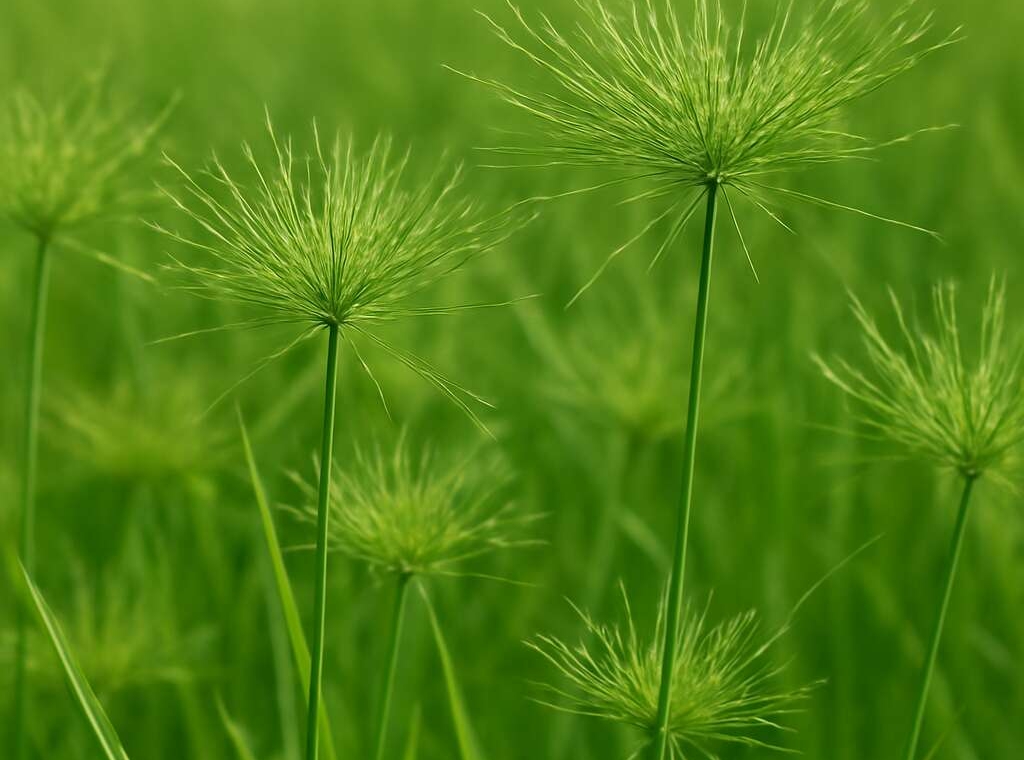

Latest Comments