Introduction to Acinos exiguus
Overview of Acinos exiguus – Taxonomic classification and botanical description
In the quiet corners of the Mediterranean landscape, Acinos exiguus stands as a testament to nature’s resilience and delicate beauty. Often overlooked, this charming herbaceous plant embodies the intricate balance of the flora native to southern Europe. With a tendency to flourish in rocky crevices and sun-drenched slopes, Acinos exiguus is more than just a pretty face—it’s an integral part of its ecosystem.
Taxonomically classified within the Lamiaceae family, Acinos exiguus has a distinctive appearance that sets it apart from other regional herbs. Its small, aromatic leaves and subtle, violet-blue flowers create a visual tapestry that delights both botanists and enthusiasts alike. From a botanical perspective, this species exhibits a dense, low-growing habit, making it well-adapted to survive in harsh, arid conditions.
If you look closely, you’ll notice that Acinos exiguus plays an important role in supporting local pollinators. Its unique adaptation to thrive in poor soils underscores its evolutionary resilience and contributes to the biodiversity of the surrounding habitats.
Habitat and Distribution – Native regions, preferred environments, and ecological range
In the shadowed nooks of the Mediterranean’s rugged terrain, Acinos exiguus finds its home amid rocky slopes and sun-baked crevices, revealing a resilience born from centuries of adaptation. Its presence is most prominent across regions of southern Europe, where the climate teeters somewhere between relentless heat and sporadic, nourishing rains. This herbaceous marvel has woven itself into the fabric of its natural habitat, thriving in areas with poor, rocky soils that many other plants shun.
The ecological range of Acinos exiguus extends through an array of Mediterranean landscapes, often nestled in the warmth of limestone hills and rugged hillsides. Its preferred environments are characterized by full sun exposure, where arid conditions prevail, and water scarcity tests the endurance of native flora. Despite these harsh conditions, Acinos exiguus displays remarkable vitality, marking its territory with a low-growing, dense habit that guards against the fierce winds and fierce droughts of its environment.
Its distribution is not merely confined to isolated pockets but spans an extensive ecological domain, where it often exists as part of a diverse plant assemblage. Within this realm, Acinos exiguus plays a vital role—supporting pollinators and contributing to the biodiversity that makes Mediterranean ecosystems vibrant and resilient. Whether clinging to cliff faces or nestled among rocky outcroppings, Acinos exiguus embodies the spirit of survival and adaptability, exemplifying the unique flora that characterizes these ancient landscapes.
Historical Significance – Historical uses and cultural relevance
Acinos exiguus is more than just an unassuming herb; it carries a layered historical significance rooted in Mediterranean traditions. For centuries, this small herb has been valued not only for its resilience but also for its medicinal and culinary uses. In ancient times, communities surrounding the Mediterranean regarded Acinos exiguus as a natural remedy, often using it to soothe digestive ailments and as a flavoring in local dishes. Its aromatic properties made it a favored herb in traditional recipes, adding depth and complexity to regional cuisine.
Beyond its practical applications, Acinos exiguus has cultural relevance that persists today. In some Mediterranean regions, it symbolizes perseverance and adaptation—traits showcased by the plant’s ability to thrive amid rocky, arid landscapes. Its role in local herbal medicine continues to influence modern herbal practices, underscoring a persistent connection between past traditions and present-day natural remedies. The historical uses of Acinos exiguus weave a narrative of resilience, echoing the enduring spirit of the Mediterranean flora.
For those interested in the symbolic and practical importance of Mediterranean plants, Acinos exiguus offers a compelling story. As a resilient herb that has stood the test of time, it embodies the rich cultural tapestry of the region. Its longstanding presence in herbal medicine and culinary traditions highlights its significance, making it a notable species in the world of historical and contemporary herbalism.
Botanical Characteristics and Morphology
Physical Description – Detailed description of plant structure, size, and appearance
When observing Acinos exiguus, one is struck by its delicate yet intricate structure — a testament to nature’s artistry. This small, unassuming herbaceous plant measures typically between 10 to 30 centimeters in height, its slender stems supporting a compact arrangement of aromatic leaves. The plant’s appearance reveals a charming, almost whimsical presence, with tiny, pointed leaves that cling tightly along woody stems, showcasing a muted green hue that whispers of resilience.
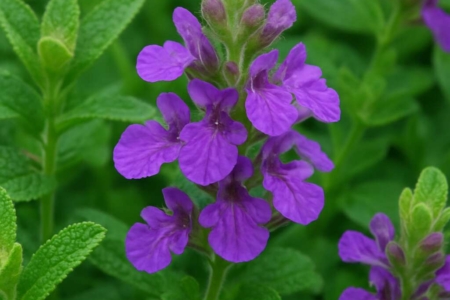
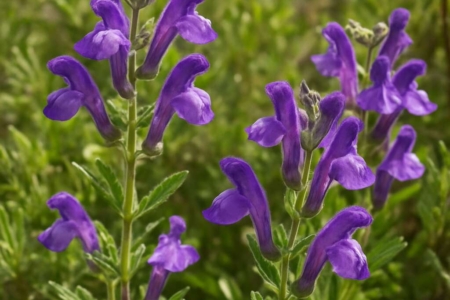
As seasons shift, Acinos exiguus reveals its true personality through clusters of tiny, tubular flowers that bloom in shades of pale purple and lavender. These blossoms are not just visually captivating—they emit a fragrant aroma that has enchanted herbalists and collectors for centuries. The plant’s overall morphology, with a creeping or slightly upright growth habit, makes Acinos exiguus a versatile addition to herb gardens and rocky landscapes alike. Its plant structure, size, and appearance exemplify a botanical delicacy rooted in hardy beauty.
- Small stature but abundant in floral display
- Compact, aromatic foliage with sharply pointed leaves
- Delicate flowering in pale purple or lavender hues
Flowering Features – Flower types, colors, blooming periods
Acinos exiguus is a striking example of botanical elegance packed into a tiny frame. Its *botanical characteristics* reveal a delicate yet hardy structure, with slender, woody stems and sharply pointed, aromatic leaves. This perennial herb maintains a compact size, usually between 10 and 30 centimeters, making it ideal for small herb gardens and rocky landscapes. The *morphology* of Acinos exiguus showcases an intricate layering of foliage, with its muted green palette hinting at its resilience against the elements.
The *flowering features* of Acinos exiguus lend it a captivating charm. Its tiny, tubular flowers bloom in *pale purple* or lavender, creating a soft, eye-catching display when in full bloom. The plant’s most abundant flowering period occurs during late spring to early summer, when the clusters of blooms release a fragrant aroma loved by herbalists and pollinators alike.
- Small, tubular flowers in shades of pale purple and lavender
- Blooming period primarily in late spring and early summer
- Flowers grow in tight clusters along woody stems
Its *flower type* and *colors*, combined with the charming, almost whimsical appearance of its foliage, make Acinos exiguus a favorite for ornamental and herbal purposes. Despite its petite size, the plant produces an abundant *floral display* that elevates any garden with its subtle beauty and aromatic allure.
Leaves and Aromatic Properties – Leaf structure, scent profile, and essential oil content
Acinos exiguus defies expectations with its delicate botanical characteristics that mask underlying resilience. Its slender, woody stems support sharply pointed, aromatic leaves that release a subtle yet persistent scent—an olfactory signature that hints at the plant’s robust essential oil content. This small herb’s leaves are incredibly textured, with a slightly wrinkled surface that enhances their aromatic properties. The scent profile of Acinos exiguus combines a fragrant blend of herbal musk and citrus undertones, making it a favorite among herbalists seeking natural aromatic compounds and essential oils.
The leaf structure is both practical and appealing. Its tiny, ovate leaves grow densely along the stems, forming a layered, almost miniature sculpture of foliage. With their muted green hue, these leaves serve as an understated backdrop to the plant’s charismatic floral display. The aromatic essence of Acinos exiguus is released when leaves are touched or brushed, an experience that reveals the plant’s sensory richness and profound adaptability in outdoor environments.
- Fragile yet hardy, the leaves exhibit a remarkable capacity to retain scent even in harsher conditions.
- The essential oils derived from Acinos exiguus are known for their soothing and antiseptic qualities, valuable in herbal medicine and perfumery.
This combination of intricate morphology and aromatic properties underscores why Acinos exiguus remains a botanical treasure. Its aromatic profile and resilient leaf structure make it an indispensable component of herb gardens and natural remedy collections. As a living testament to nature’s subtle strength, each plant exemplifies resilience wrapped in delicate beauty—an enduring symbol that captures both the eye and the nose, inviting those who tend it into a deeper understanding of resilience and subtlety.
Ecological Role and Conservation Status
Ecological Importance – Interactions with pollinators, role in ecosystem
Amidst the whispering herbs of the Mediterranean, Acinos exiguus weaves an intricate ecological tapestry that hums with life. This diminutive marvel plays a pivotal role in supporting local pollinator diversity, captivating bees, butterflies, and humming insects in a symphony of fragrant attraction. Its aromatic leaves, rich in essential oils, serve as a vital nectar source during blooming periods, offering sustenance and sanctuary within its preferred rocky, sun-drenched habitats.
The ecological importance of Acinos exiguus extends beyond simple pollination; it acts as a natural beacon in plant communities, fostering biodiversity and stabilizing soil in fragile ecosystems. Due to its specialized role, conservation efforts are increasingly vital. Though it isn’t currently classified as endangered, habitat erosion and over-collection threaten its delicate existence. Protecting Acinos exiguus ensures the continued harmony of native flora, safeguarding this aromatic whisper of the wild for generations yet to come.
Conservation Concerns – Threats, population status, conservation efforts
The ecological role of Acinos exiguus extends far beyond its delicate appearance. Nestled among rocky Mediterranean landscapes, this aromatic herb acts as a magnet for pollinators, including bees, butterflies, and humming insects. Its fragrant, essential oil-rich leaves provide critical nectar sources during bloom, supporting the delicate pollinator populations essential for maintaining biodiversity in these fragile ecosystems. Acinos exiguus’s presence helps stabilize soil and fosters resilient plant communities, making it an unsung hero within its native habitats.
Despite its ecological significance, the current conservation status of Acinos exiguus is vulnerable to increasing threats. Habitat erosion caused by human activity and over-collection for aromatic uses threaten its natural populations. Though it is not yet classified as endangered, these pressures are gradually diminishing its range. To safeguard this aromatic herb, conservation efforts focus on habitat preservation and sustainable harvesting practices.
- Protecting natural rocky outcrops where Acinos exiguus thrives.
- Promoting responsible collection methods to prevent overharvesting.
- Supporting habitat restoration projects that bolster native flora and pollinator interactions.
As stewards of the land, it is paramount that we recognize the importance of conserving Acinos exiguus. Its role in fostering local biodiversity and supporting pollination underscores the need for targeted efforts to ensure future generations can enjoy the fragrant presence of this captivating herb.
Habitat Preservation – Protection measures and sustainable practices
Hailed as the tiny guardian of Mediterranean rocky landscapes, Acinos exiguus may not be the tallest herb in the garden, but its ecological role is anything but small. This aromatic charm serves as a magnet for bees, butterflies, and humming insects, creating a vital nectar corridor amid rugged stones. Its fragrant, essential oil-rich leaves provide essential resources during blooming season, supporting pollinators and promoting biodiversity in fragile ecosystems.
Yet, despite its ecological importance, the conservation status of Acinos exiguus remains fragile. Habitat erosion from human activity and overharvesting for aromatic purposes threaten its populations. Protecting natural rocky outcrops where Acinos exiguus thrives is paramount — these sites act as botanical sanctuaries that sustain both the plant and its pollinator partners.
Effective protection measures include promoting responsible collection practices and implementing habitat preservation initiatives. Public awareness campaigns help foster community engagement, emphasizing the importance of maintaining resilient plant communities. Supporting habitat restoration projects tailored to native flora and pollinator health can ensure that Acinos exiguus continues to quietly fulfill its ecological duties for generations to come.
Incorporating these strategies not only preserves this captivating herb but also maintains the delicate balance of its ecosystem—proof that even the tiniest flora plays an outsized role in environmental harmony. The survival of Acinos exiguus is entwined with our commitment to sustainable practices and habitat stewardship.
Uses and Applications of Acinos exiguus
Medicinal and Herbal Uses – Traditional remedies, modern herbal applications
Acinos exiguus isn’t just a pretty face in the botanical world; it boasts a longstanding reputation as a versatile medicinal herb. Traditionally used in herbal remedies, this aromatic plant has found its way into folk medicine for centuries, prized for its supposed digestive and anti-inflammatory properties. Today, modern herbal applications leverage these traditional uses, focusing on natural treatment options that respect the plant’s delicate balance.
Botanists and herbalists alike appreciate Acinos exiguus for its fragrant leaves rich in essential oils, which lend themselves to various therapeutic formulations. For those interested in herbal medicine, dried leaves or extracts of Acinos exiguus serve as ingredients in teas, tinctures, and herbal infusions. Their aromatic properties make them ideal for natural blends aimed at easing common ailments such as indigestion or respiratory discomfort.
Whether employed in traditional remedies or modern herbal applications, Acinos exiguus remains a cherished example of nature’s own pharmacy—bringing the wellness benefits of herbal medicine into contemporary practices.
Culinary Uses – Incorporation into dishes, flavor profiles
Few herbs evoke a sense of aromatic mystery quite like Acinos exiguus, a botanical marvel with an understated charm and a palette of culinary possibilities. This versatile herb, often overlooked amidst more flamboyant counterparts, offers an intriguing flavor profile that can elevate humble dishes to gastronomic heights. Its delicate, fragrant leaves deliver a subtle yet persistent aroma, making it a treasured addition to a variety of culinary creations.
Incorporating Acinos exiguus into culinary applications is both an art and a science. Its aromatic leaves blend seamlessly into Mediterranean-inspired dishes, adding complexity and freshness. Whether sprinkled over roasted vegetables, infused into olive oil, or used to season grilled meats, Acinos exiguus lends a nuanced flavor that complements rather than overpowers. For culinary explorers, its flavor profile is characterized by hints of mint, thyme, and camphor—offering a delightful twist on traditional herbs.
Using Acinos exiguus in the kitchen can be as simple or as inventive as one pleases. Here’s a quick guide to its applications:
- Garnishing salads with chopped fresh leaves for an aromatic burst.
- Infusing into homemade herb vinegars and oils for added depth.
- Incorporating into herb blends such as za’atar or herbes de Provence.
- Adding to stuffing or marinade recipes to introduce complex herbal undertones.
Its adaptability makes Acinos exiguus a true gem for those seeking to add an uncommon yet refined flavor nuance. Whether used fresh, dried, or in powdered form, this herb offers culinary richness that pairs beautifully with a variety of ingredients. As chefs and home cooks alike agree, the subtlety of Acinos exiguus can transform everyday meals into memorable tasting experiences, making it a must-have in kitchens across the United Kingdom.
Other Uses – Aromatic products, landscaping, and horticultural significance
Acinos exiguus possesses a quiet allure that extends beyond the kitchen—its unique aromatic properties make it a valued specimen in various horticultural and aromatic applications. As a plant that offers subtle, refreshing scents, it finds its way into handcrafted products that elevate everyday experiences. The herb’s essential oil, rich in menthol and camphor-like notes, lends a crisp aroma to aromatic products, invigorating those who encounter it.
Its ornamental qualities also make Acinos exiguus a desirable choice in landscaping, especially in the context of UK gardens seeking a touch of Mediterranean charm. Its dense, aromatic foliage can serve as ground cover or be integrated into herb borders, where its small stature and delicate appearance complement more robust plants. The plant’s resistance to drought and its adaptability to well-drained soil are features that encourage sustainable cultivation practices, making it an eco-friendly addition to eco-conscious horticulture.
- In landscaping, Acinos exiguus enhances visual interest with its compact growth and aromatic leaves.
- Horticulturally, it attracts pollinators such as bees and butterflies, supporting local ecosystems and emphasizing ecological harmony.
In the broader scope of cultural and natural history, Acinos exiguus holds a place as a plant of both aesthetic and practical significance. It exemplifies a blend of natural resilience and olfactory richness, making it a preferred choice for natural product formulations or botanical crafts. Whether used in aromatic sachets, soaps, or custom herbal blends, its distinctive scent profile lends a subtle yet undeniable character.
Its versatility in applications demonstrates how Acinos exiguus can serve as a bridge between sustainable horticulture and artisanal creation. This herb’s ability to thrive in cultivation settings that value traditional practices while embracing innovation marks its importance in modern herbalism and horticultural design. With its compelling scent profile and ecological resilience, Acinos exiguus truly enriches both natural environments and sensory experiences.

 by
by 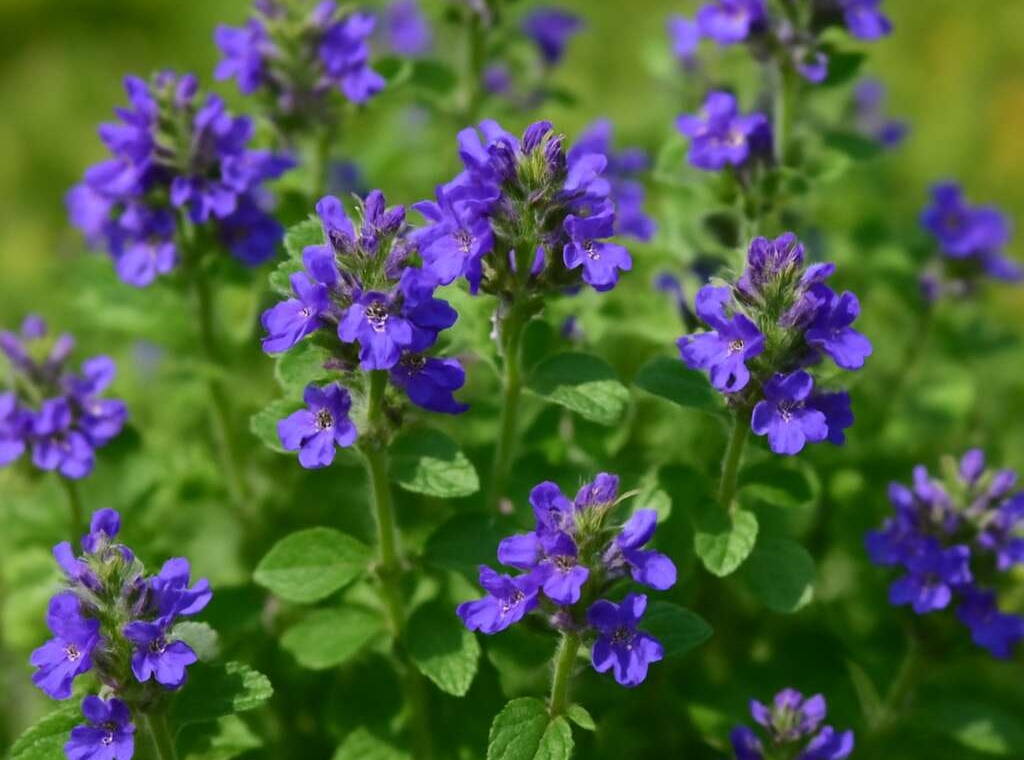


Latest Comments