Taxonomy and Classification of Lepus europaeus cyprius
Overview of Lepus europaeus – General description and characteristics of European hares
The European Hare (endemic ssp.) Lepus europaeus cyprius presents a fascinating case study within the vast Leporidae family. As a subspecies endemic to Cyprus, this hare has evolved distinctive traits that set it apart from its mainland relatives. Taxonomically, it belongs to the genus Lepus, which encompasses several species renowned for their agility and quickness. Its classification as Lepus europaeus cyprius underscores its unique geographical adaptation, highlighting its status as an endemic subspecies. This classification not only reflects genetic divergence but also its ecological niche within the Cypriot landscape.
When considering the overview of Lepus europaeus, the European Hare exhibits a robust yet graceful physique, with long, powerful hind legs and a keen sense of alertness. Its fur varies from greyish-brown to a more russet hue, blending seamlessly into the Mediterranean shrubland. These hares are notable for their speed, often reaching burst speeds that allow them to evade predators effectively. In the context of its environment, Lepus europaeus cyprius has developed subtle behavioral and physical adaptations—such as a keen sense of hearing and acute eyesight—that enable it to survive amid Cyprus’s unique ecological conditions.
Endemic status in Cyprus – Details on how Lepus europaeus cyprius is unique to Cyprus
Forget everything you thought you knew about the European Hare — Lepus europaeus cyprius is a true island anomaly. This endemic subspecies isn’t a typo or a regional nickname; it’s a genuine, unreplicated miracle of evolution, unique solely to the scenic landscapes of Cyprus. To keep things scientifically kosher, Lepus europaeus cyprius belongs to the genus Lepus, which groups all these speedy, long-legged creatures under one sprawling family. But what makes this particular subspecies in Cyprus stand out from its mainland cousins is a captivating blend of genetics and habitat-driven adaptations, making it the only European Hare endemic to this Mediterranean jewel.
This hare’s taxonomy reveals more than just a scientific label—it tells a story of isolated evolution. The endemic status of Lepus europaeus cyprius results from a long-standing geographical barrier that prevented gene flow with continental populations. As a result, this subspecies exhibits distinct morphological traits and behavioral quirks, finely tuned to Cyprus’s ecological niche. In fact, its classification highlights how geographic isolation can lead to speciation, transforming a common European Hare into a bona fide island-specific relic.
What sets Lepus europaeus cyprius apart is its genetic divergence, carefully balanced with physical and ecological differences. Studies show that, compared to mainland European Hares, this Cypriot hare has subtly adapted—think slightly smaller size, a more refined fur coat to handle the island’s climatic quirks, and a sharper eye for spotting predators in the Mediterranean shrubland. With a mixture of these physical traits, Lepus europaeus cyprius is not just a regional oddity but a living testament to Cyprus’s unique biodiversity.
In essence, Lepus europaeus cyprius isn’t just a variant of a broader species; it’s an emblem of how isolated environments craft their very own evolutionary masterpieces. Recognized as an endemic subspecies, it exemplifies the delicate balance between genetics and ecology, offering a fascinating glimpse into how evolution can fashion a species uniquely suited to Cyprus’s landscapes and climate. This living remnant underscores everything captivating about island endemism and the incredible adaptability of the European Hare in its Cypriot hideaway.
Taxonomic distinctions – Comparison with other Lepus europaeus subspecies
Taxonomy may often seem like the dry underbelly of zoological discourse, but when it comes to Lepus europaeus cyprius, it’s a drama worth the curtains. This endemic ssp. of the European Hare has carved out a niche so distinct—scientists must pay close attention to its classification. Unlike its mainland counterparts, Lepus europaeus cyprius showcases unique genetic markers that have evolved in splendid solitude on Cyprus, sparking a spirited debate among taxonomists.
Compared with other Lepus europaeus subspecies, Lepus europaeus cyprius exhibits several subtle yet telling morphological distinctions. Its smaller stature, finer fur, and sharper visual acuity distinguish it from the European Hare populations roaming mainland Europe. These physical traits serve as tangible evidence of the evolutionary journey that has shaped this island endemic, set apart by both environment and genetic drift.
To better understand its taxonomic standing, consider this comparison:
- European Hare (Lepus europaeus europaeus): Widespread across continental Europe, larger in size, with broad habitat adaptability.
- Lepus europaeus cyprius: The isolated, endemic subspecies solely inhabiting Cyprus, demonstrating size reduction and habitat-specific adaptations.
This comparative lens underscores how geographic isolation and ecological pressures have driven Lepus europaeus cyprius to diverge from its more cosmopolitan kin. Its classification within the Lepus genus, however, remains consistent, highlighting how even endemic subspecies can retain core genetic links while morphing through localized evolution into something uniquely Cypriot. No mistake—this is not just a variation; it’s a testament to the fascinating intricacies of taxonomy and the wonders of island endemism in the European Hare’s diverse family tree.
Genetic markers and evolutionary history – Insights from genetic studies and phylogeny
Genetic studies have shed fascinating light on the evolutionary history of the European Hare (endemic ssp.) Lepus europaeus cyprius, revealing a story of isolation and adaptation unmatched among European mammals. Through advanced phylogenetic analysis, scientists have uncovered unique genetic markers that distinguish this endemic subspecies from its mainland counterparts. These markers serve as biological fingerprints, illustrating a divergence driven by Cyprus’ insular environment and ecological pressures.
Phylogenetic trees place Lepus europaeus cyprius on a distinct branch within the Lepus genus, affirming its status as a unique evolutionary entity. This divergence traces back thousands of years, when geographic barriers fostered genetic drift and localized evolution. To understand its lineage, researchers often analyze specific mitochondrial DNA sequences and nuclear markers that highlight the genetic distance between endemic subspecies and their continental relatives.
In essence, the study of these genetic insights offers an inspiring glimpse into how isolated ecosystems craft new forms of life. For Lepus europaeus cyprius, this means its evolutionary journey is written not only in physical traits but also in the intricate patterns of its DNA. Such knowledge plays a crucial role in conservation efforts and helps clarify why preserving its habitat on Cyprus remains an urgent priority.
Distribution range within Cyprus – Geographical areas inhabited by this subspecies
The taxonomy and classification of the European Hare (endemic ssp.) Lepus europaeus cyprius reveal a fascinating story of evolutionary adaptation and biological divergence. As a distinct taxonomic entity, this subspecies is classified within the Lepus genus, known for its incredible diversity and widespread distribution across Europe and parts of the Mediterranean. Its unique status on Cyprus underscores the intricate relationship between geography and genetic evolution, highlighting how insular environments can foster the emergence of endemic subspecies.
Within Cyprus, the distribution range of Lepus europaeus cyprius is confined to specific geographical areas that offer the necessary habitat and ecological conditions for its survival. These habitats predominantly include the island’s open woodlands, shrublands, and agricultural margins that provide ample cover and food sources. The boundary of its habitat is often marked by natural barriers like mountains or rocky outcrops, which have historically limited gene flow from mainland populations.
- The central plains and the coastal lowlands, where agricultural activity provides grazing grounds.
- The forested regions and scattered shrublands, which afford essential cover for avoiding predators.
- Furthermore, the rugged Cypriot terrain, with its limestone hills and valleys, creates isolated pockets of habitat unique to Lepus europaeus cyprius.
This selective habitat preference and geographic confinement have played a pivotal role in shaping the genetics and physical traits of the European Hare (endemic ssp.) Lepus europaeus cyprius. Its distribution, limited to the diverse yet isolated ecosystems of Cyprus, is a living testament to how insular life forms adapt and evolve distinctly, carving their own evolutionary path amid the Mediterranean’s sea-swept landscape.
Physical Features and Adaptations
Size and coloration – Distinctive physical traits of Lepus europaeus cyprius
The European Hare (endemic ssp.) Lepus europaeus cyprius exhibits a striking array of physical features that set it apart from other hare subspecies. With a slender, agile frame, this hare’s size generally ranges between 4 to 6 kilograms, making it well-adapted for swift, graceful movements across its native Cypriot terrain. Its elongated legs and robust hindquarters are particularly tailored for fast sprints, a vital adaptation to evade predators in an environment where cover can be sparse.
One of the most captivating traits of Lepus europaeus cyprius is its coloration. Its fur displays a remarkable blend of earthy browns and greys with subtle hints of beige, providing effective camouflage in the rocky hills and open fields it inhabits. This muted palette not only helps it remain unseen but also reflects adaptation to the Mediterranean climate—protecting it from harsh sun while offering concealment from predators.
- Size: generally 4-6 kilograms
- Coloration: earthy browns and greys with beige undertones
- Physical traits: elongated legs, powerful hindquarters, slender body
Distinctive physical traits such as these are complemented by the hare’s finely tuned adaptations, like keen eyesight and exceptional speed, which are vital for survival in Cyprus’s diverse habitats. Every feature of the European Hare (endemic ssp.) Lepus europaeus cyprius emphasizes its role as a master of swift escape, allowing it to navigate the rugged and open landscapes endemic to the island. Such physical adaptations make this hare not just a symbol of Cypriot wildlife but a fascinating example of evolutionary craftsmanship in response to its unique environment.
Fur and coat modifications – Seasonal changes and camouflage adaptations
When it comes to the European Hare (endemic ssp.) Lepus europaeus cyprius, the phrase “tailor-made escape artist” might just be an understatement. This species’ physical features and seasonal adaptations turn the concept of camouflage into an art form, with every furl and feather finely tuned for survival on sun-baked Cypriot hillsides. Unlike their more globetrotting cousins, Lepus europaeus cyprius has developed a specialized fur and coat system that ensures it remains a master of disguise in its harsh, rocky habitat.
During the blazing summer months, the European Hare (endemic ssp.) Lepus europaeus cyprius sports a coat that blends seamlessly with the earthy browns and greys of Cyprus’ rocky landscape. As temperatures drop with the approach of winter, its fur deepens in hue and density, offering not only concealment from predators but also insulation against the chill. This seasonal transformation ensures Lepus europaeus cyprius remains a swift, elusive shadow amid the Mediterranean scenery.
- The fur’s subtle shift in color from beige-tinted summer to darker winter tones exemplifies its exceptional camouflage adaptation.
- Thicker winter coat enhances insulation, providing a necessary buffer against Cyprus’ temperature fluctuations.
- Shorter, lighter fur during summer helps the European Hare (endemic ssp.) Lepus europaeus cyprius regulate body temperature while staying hidden from predators lurking in the open.
It’s this meticulous fur and coat modification that makes Lepus europaeus cyprius a true wizard of concealment. Its keen eyesight and lightning-fast sprints are complemented perfectly by its seasonal cloaking ability, turning it into a living chameleon with a penchant for vanishing when danger lurks. From earthy camouflage to an adaptive winter wardrobe, every trait of this endemic hare underscores its evolutionary mastery—an elegant testament to how nature’s craftsmanship dances seamlessly with survival in the rugged Cypriot landscape.
Specialized limbs and senses – Physical adaptations for locomotion and survival
The European Hare (endemic ssp.) Lepus europaeus cyprius is an agile marvel of adaptation. Its physical features are tailored as much for survival as a bespoke sports car is for speed—sleek, powerful, and built for the rugged terrains of Cyprus. But it’s not just about looks; this subspecies boasts specialized limbs and senses that turn it into the ultimate escape artist.
Its long, muscular rear limbs are nothing short of extraordinary. They act as a natural pogo stick, propelling Lepus europaeus cyprius across rocky landscapes with breathtaking agility. This physical adaptation enables swift sprints that make predators think twice—if they can even catch a glimpse before it vanishes into the underbrush. Staying hidden requires more than just fast legs, though. The European Hare’s (endemic ssp.) acute senses are finely tuned to detect even the faintest rustle in the Mediterranean breeze.
- Vivid eyesight allows it to spot predators from a mile away; no sneaky fox or sneaky owl catches Lepus europaeus cyprius off guard.
- Highly sensitive hearing picks up the slightest movement, turning every night into a game of predator hide-and-seek.
Moreover, its physical adaptations include a compact, streamlined body, reducing air resistance during high-speed escapes—think of it as the bullet train of the hare world. These features are complemented by subtle behavioral tweaks that keep this endemic subspecies one step ahead of threats, proving that Lepus europaeus cyprius isn’t just another pretty face among the fauna but a creature finely-tuned for life in Cyprus’ rocky, sun-drenched habitats.
Comparison with mainland European hares – Key differences and similarities
The physical features of the European Hare (endemic ssp.) Lepus europaeus cyprius are remarkably adapted to the rugged terrains of Cyprus, setting it apart from its mainland relatives. Unlike the typical European hare, Lepus europaeus cyprius boasts a more streamlined body, reducing air resistance and allowing it to dart swiftly through rocky landscapes with uncanny agility. Its long, muscular rear limbs act like natural shock absorbers, providing explosive speed that often leaves predators in the dust.
Compared to mainland European hares, Lepus europaeus cyprius features a slightly smaller size, with a coat coloration that blends seamlessly into Cyprus’ sun-baked environment. The fur varies seasonally, offering camouflage during the warmer months but thickening in winter to withstand temperature shifts. This subspecies also exhibits unique genetic markers, highlighting its distinct evolutionary journey within the Mediterranean basin.
- Compact, muscular limbs optimized for high-speed sprints
- Coloration that adapts with seasonal changes
- Distinct genetic identity confirming its endemic status
While both Lepus europaeus cyprius and mainland European hares share the typical hare traits—keen eyesight, powerful legs, and acute senses—the endemic subspecies has fine-tuned its physical adaptations specifically for Cyprus’ rocky, sun-drenched habitats. These adaptations make Lepus europaeus cyprius not just a survivor but a true embodiment of evolutionary finesse tailored for the island’s unique environment.
Adaptations to Cyprus environment – Unique features for thriving in local habitats
The European Hare (endemic ssp.) Lepus europaeus cyprius is a marvel of localized adaptation, a true testament to evolutionary finesse nestled within the rugged landscapes of Cyprus. Its physical features are not merely aesthetic but finely tuned instruments of survival, perfectly suited to the island’s sun-drenched, rocky terrains.
One cannot overlook the streamlined body of Lepus europaeus cyprius, which minimizes air resistance and allows for rapid acceleration across uneven ground. Its compact, muscular limbs act as natural shock absorbers—enabling explosive sprints that leave predators in the dust. This is no ordinary hare; it’s a creature built for agility and survival in a challenging environment.
Coloration plays an equally vital role. The seasonal coat changes of Lepus europaeus cyprius provide optimal camouflage—blending seamlessly into Cyprus’ arid landscape during summer months and thickening in winter to fend off the elements. Such modifications are not superficial; they are critical adaptations that make the endemic subspecies a master of concealment within its habitat.
Integrating these adaptive traits, the endemic subspecies also boasts unique genetic markers, confirming its status as a distinct evolutionary entity. This genetic identity underscores a long, separate journey within the biodiversity of the Mediterranean basin, highlighting how Lepus europaeus cyprius has evolved specifically to thrive amidst Cyprus’ diverse habitats.
Behavior, Diet, and Reproductive Habits
Daily activity and movement patterns – Nocturnal and diurnal behaviors
The European Hare (endemic ssp.) Lepus europaeus cyprius exhibits a fascinating blend of behaviors that reflect its unique adaptation to the Cypriot landscape. This hare is predominantly crepuscular—most active during dawn and dusk when the landscape offers a softer glow and fewer predators. Its daily movement patterns reveal a remarkable agility, darting across open fields and scrublands, often in short, swift bursts designed to evade threats. Nocturnal tendencies are also evident, particularly during the hotter months when activity shifts to the cooler night hours, a testament to its keen sensory perception and survival instincts.
In terms of diet, the European Hare (endemic ssp.) Lepus europaeus cyprius primarily grazes on a variety of grasses, herbs, and shrubs found abundantly in its habitat. Its feeding habits are opportunistic—consuming whatever is readily available—and include seasonal changes in diet that reflect shifts in plant availability. This hare’s reproductive habits are as adaptable as its diet; it breeds multiple times a year, with females building shallow nests on the ground. During these breeding periods, females can become quite territorial, fiercely guarding their young from potential predators.
Daily activity often involves structured movement patterns, with the hare alternating between resting in burrows or dense vegetation during peak heat and actively foraging during cooler hours. Its speed and excellent vision enable rapid escape from predators, especially when it detects movement from afar. Being a master of both nocturnal and diurnal behaviors allows Lepus europaeus cyprius to exploit the Cypriot environment efficiently, maintaining its endemic status amidst a landscape that constantly challenges its survival.
Dietary preferences – Vegetation and food sources specific to Cyprus
The European Hare (endemic ssp.) Lepus europaeus cyprius is a marvel of evolution, an elusive creature finely tuned to the Cypriot terrain. Its behavior is a symphony of adaptation, revealing an animal that thrives in both day and night. As dusk settles, the hare springs into action, darting across open fields with astonishing agility, a testament to its evolutionary mastery of survival. When the sun blazes high and the heat intensifies, it retreats—disappearing into dense vegetation or burrows—to escape the relentless Cypriot climate.
The diet of the European Hare (endemic ssp.) Lepus europaeus cyprius is as varied as its habitat. It predominantly grazes on native grasses, herbs, and shrubs that flourish in Cyprus. In particular, it relies on vegetation such as wild thyme, oregano, and various succulent plants that provide hydration and sustenance during dry summers. Seasonal changes influence its feeding patterns—during spring and autumn, it shifts to consume berries and new shoots, demonstrating opportunistic dietary preferences that sustain it year-round.
Reproductive habits of Lepus europaeus cyprius are equally fascinating. Females often build shallow nests on the ground, cleverly concealed within the undergrowth. They breed multiple times annually, showcasing a prolific reproductive cycle that ensures the survival of this endemic species. During the breeding season, females display territorial behaviors, fiercely guarding their nesting sites from predators like foxes and birds of prey, safeguarding their young with remarkable ferocity.
Breeding season and reproductive cycle – When and how they reproduce
The European Hare (endemic ssp.) Lepus europaeus cyprius embodies a fascinating blend of instinctual agility and reproductive resilience, woven into the fabric of Cyprus’s unique landscape. Its behavior reveals an animal finely tuned to its environment, oscillating seamlessly between daytime concealment and nocturnal forays. As dusk falls, this hare springs into action, darting across open fields with an effortless grace that underscores its evolutionary mastery of survival. During the sweltering hours of daylight, it retreats into dense vegetation or underground burrows, conserving energy amidst the scorching Cypriot climate.
Reproductive habits of the European Hare (endemic ssp.) Lepus europaeus cyprius are equally impressive. Females often craft shallow nests concealed within the undergrowth, where they nest multiple times each year. This prolific reproductive cycle ensures the survival of this endemic subspecies amid natural predators such as foxes and predatory birds. During the breeding season, females display highly territorial behaviors, fiercely guarding their nests. They typically breed in early spring and again in late summer, with each cycle resulting in several litters of up to four leverets, ensuring the resilience of this charming species in Cyprus’s diverse habitats.
Social structure and territoriality – Group behaviors and territory marking
The European Hare (endemic ssp.) Lepus europaeus cyprius is an exquisite example of nature’s adaptability and social complexity. Its behavior reveals a remarkable dichotomy—active by night, yet mysteriously elusive by day. As twilight descends across Cyprus’s rugged landscape, these hares emerge with a sprightliness that seems almost poetic, darting through fields and embracing the shadows that conceal their delicate forms. Their daily routine is a finely tuned dance with the environment, balancing survival instincts with the need to forage and reproduce.
Socially, the European Hare (endemic ssp.) Lepus europaeus cyprius exhibits intriguing territorial behaviors. Males mark their territory with scent glands, creating invisible boundaries that delineate their domain, often engaging in spirited chases to defend their space. Females are fiercely territorial during the breeding season, fiercely guarding their nests and ensuring the safety of their leverets. These group behaviors foster a complex social structure that supports both reproductive success and predator avoidance. Interestingly, they tend to live solitarily outside of the breeding season but may gather in small groups during feeding times.
The diet of the European Hare (endemic ssp.) Lepus europaeus cyprius is predominantly herbivorous, consisting of a rich palette of Cypriot vegetation. This includes tender shoots, grasses, and selective browse that varies with seasonal availability. Their adaptability in dietary preference allows them to thrive in Cyprus’s diverse habitats, from open plains to shrubby areas. Their specialized limbs and acute senses enable swift movement and precise detection of threats, making them elusive creatures at the heart of Cyprus’s unique biodiversity.
Predators and defense strategies – Natural threats and evasive tactics
In the moonlit shadows of Cyprus, where rugged landscapes meet whispering shrubbery, the European Hare (endemic ssp.) Lepus europaeus cyprius proves that even the most delicate creatures have a dash of daring. These nocturnal marvels are known for their swift, darting movements—making them the envy of even the most athletic of mammals—and their ability to vanish into the dense foliage in the blink of an eye. Their behavior is a masterclass in survival, balancing fleeting glimpses and lightning-fast retreats.
This elusive endemic ssp. of the European Hare has developed a fascinating array of defense strategies to evade predators. Their natural threats include the Cyprus golden jackal, various raptors, and the cunning feral cats that patrol their territory. When danger strikes, Lepus europaeus cyprius relies on a combination of lightning-quick sprints, zig-zag running, and sharp turns—an evasive dance that leaves predators grasping at shadows. Their keen senses, including panoramic vision and acute hearing, turn them into living alarm systems that alert the hare to any approaching threat.
Diet-wise, the European Hare (endemic ssp.) Lepus europaeus cyprius sports a herbivorous palate, predominantly feasting on Cyprus-specific vegetation. Tender shoots, grasses, and selective browse form their daily menu, with seasonal changes dictating their selections. Their adaptability to Cyprus’s diverse habitats—ranging from open plains to shrubby thickets—allows them to thrive where others might falter.
When it comes to reproductive habits, these hares exhibit a surprisingly fervent cycle. Breeding season kicks off with a flurry of activity in early spring, where males engage in spirited chases, vocalizations, and territorial displays. Females are fiercely territorial during this period, fiercely guarding their nests, where they churn out a litter of leverets that seem almost born for speed and survival. An interesting aspect of their social life is their tendency to live solitarily outside of breeding season, yet gather tightly in small groups during feeding—an adaptive strategy that keeps their population resilient and ready for the challenges of the Cypriot wilderness.
Conservation Status and Ecological Role
Population trends and threats – Current status, threats, and challenges
The European Hare (endemic ssp.) Lepus europaeus cyprius occupies a fragile yet captivating niche within the Cypriot landscape. Its conservation status is shrouded in delicate balance; this subspecies faces mounting threats from habitat fragmentation and human encroachment, which threaten to diminish its populations further. Despite its resilience, the current prospects for Lepus europaeus cyprius are not devoid of concern. The ongoing loss of natural habitats in Cyprus, coupled with increased agricultural developments and urban sprawl, compound the perilous environment that this unique endemic harbors.
Ecologically, the European Hare (endemic ssp.) Lepus europaeus cyprius plays an integral role in maintaining the ecological equilibrium of Cyprus’s unique habitats. As an omnivorous and nocturnal creature, this hare contributes to seed dispersal and soil aeration, subtly shaping the local flora and fauna. Yet, population trends suggest a decline, echoing the urgency for targeted conservation initiatives. Key threats include predation by introduced species, altered land use, and climate variability, each carving away at the hare’s habitat and reproductive success.
- Habitat degradation due to urban expansion
- Predation by invasive species such as foxes and feral cats
- Seasonal food shortages driven by changing climate patterns
Addressing these challenges demands a nuanced understanding of population dynamics and ecological pressures. Without intervention, the European Hare (endemic ssp.) Lepus europaeus cyprius risks further decline, potentially leading to local extirpation. Conservation strategies must prioritize habitat preservation and mitigate human impacts to safeguard this emblematic subspecies for future generations.
Protection efforts and habitat conservation – Measures taken to preserve the subspecies
The European Hare (endemic ssp.) Lepus europaeus cyprius stands as a poignant symbol of Cyprus’s unique wildlife. Its conservation status remains precarious, largely due to habitat loss and human activity. Despite its resilience, this subspecies teeters on the brink of decline, emphasizing the urgent need for targeted preservation efforts. Protecting the European Hare (endemic ssp.) Lepus europaeus cyprius is not just about conserving a single species but safeguarding a vital element of Cyprus’s ecological identity.
Efforts to preserve the European Hare (endemic ssp.) Lepus europaeus cyprius are multifaceted, focusing on habitat conservation and ecological integrity. Local authorities and conservation groups have launched initiatives to restore and maintain natural habitats, ensuring this endemic subspecies can access food sources and breeding grounds. Measures such as establishing protected zones and controlling invasive predators aim to mitigate threats like predation by feral cats and foxes. These steps are crucial in maintaining population stability and ecological balance.
- Protecting natural habitats through legislation and land management programs.
- Controlling invasive predators to reduce predation pressure on the European Hare (endemic ssp.) Lepus europaeus cyprius.
- Implementing eco-friendly agricultural practices that limit habitat fragmentation.
Conservation efforts also extend to raising public awareness about the ecological importance of the European Hare (endemic ssp.) Lepus europaeus cyprius. Engaging local communities in habitat restoration projects fosters a collective responsibility that benefits this elusive species. By addressing factors like seasonal food shortages driven by climate changes, conservation initiatives aim to create sustainable environments that allow the hare to thrive in its native Cyprus landscape. The continuous dedication of these measures offers hope for reversing the population decline of this endemic subspecies and securing its future for generations to come.
Impact on Cyprus ecosystems – Role in local food webs and habitat dynamics
The European Hare (endemic ssp.) Lepus europaeus cyprius is more than just a creature of flesh and fur—it’s a whisper of Cyprus’s ancient, untouched soul. Its fragile presence underscores a haunting truth: that these elusive creatures occupy a delicate balance within the island’s fading wilderness. As a keystone in the tapestry of local ecosystems, the European Hare (endemic ssp.) Lepus europaeus cyprius plays a pivotal role in shaping habitat dynamics and influencing the biodiversity around them.
Within the shadows of Cyprus’s rugged landscapes, this subspecies acts as both predator and prey, integral to the intricate web of life. Its activity patterns—oscillating between the cloak of night and fleeting daylight—intertwine with the rhythms of native predators, such as owls and foxes. Such interactions not only sustain predator populations but also regulate herbaceous growth, maintaining the ecological equilibrium. The European Hare (endemic ssp.) Lepus europaeus cyprius quietly curates its habitat, selecting furs and vantage points that weave camouflage into the terrain, thus enhancing survival amid a landscape increasingly whipped by human activity.
Sadly, the conservation status of the European Hare (endemic ssp.) Lepus europaeus cyprius teeters on the edge of peril. Habitat fragmentation—pushed further by land development and invasive species—whittles away at its once-plentiful numbers. This loss reverberates through local food webs, destabilizing an intricate chain that has persisted for centuries. As the hare’s presence diminishes, so too do the ecological functions it embodies—seed dispersal, soil aeration, and serving as prey for apex predators—subjects that remain shadowed by the creeping threat of extinction.
Yet, amidst growing concern, ongoing efforts focus on reverting this decline. Protecting natural habitats through legislation and land management programs aims to arrest further erosion of the hare’s domain. In tandem, controlling invasive predators—such as feral cats and foxes—aims to alleviate predation pressure on this sensitive subspecies. Only through such deliberate, targeted action can the European Hare (endemic ssp.) Lepus europaeus cyprius hope to remain woven into the fabric of Cyprus’s enigmatic wilderness, where it quietly preserves its place within the storied landscape.
Human-habitat interactions – Effects of agriculture, development, and tourism
Amidst the whispers of Cyprus’s rugged landscapes, the European Hare (endemic ssp.) Lepus europaeus cyprius embodies more than mere survival—it’s a symbol of the island’s delicate, ancient wilderness. Though diminutive and subtle, its presence ripples through ecological corridors, forging unseen links in local food webs that have persisted for centuries. Every leap and dart of this endemic ssp. signifies a resilient thread woven into the fabric of Cyprus’s natural heritage.
The ecological role of the European Hare (endemic ssp.) Lepus europaeus cyprius is profound. It acts as a pivotal herbivore, shaping plant communities by grazing while simultaneously serving as prey for a suite of native predators. Their activity patterns—an enigmatic dance between nocturnal stealth and occasional daytime ventures—interact seamlessly with native owls, foxes, and raptors. These interactions help maintain habitat heterogeneity and prevent overgrowth that could otherwise dominate Cyprus’s biodiverse landscapes.
Human activities such as agriculture, land development, and tourism have left indelible marks on the hare’s habitat. The expansion of farmland often encroaches upon its sanctuary, while tourism-driven infrastructure fragments territories further—threatening its population viability. The result is a nuanced conflict; where pressing development projects threaten these fragile creatures, the European Hare (endemic ssp.) Lepus europaeus cyprius increasingly finds its once-expansive roaming grounds diminished.
Yet, amidst these challenges, conservation efforts are gradually taking shape. Land management programs aim to rehabilitate and safeguard important habitats, while legislation seeks to curb invasive predators like feral cats and stray dogs. Addressing human-habitat interactions requires intricate balancing acts, often through community engagement and educational initiatives that foster coexistence. Such measures are vital in ensuring this rare subspecies continues to thrive within its ancestral landscape.
Understanding the effects of agriculture, development, and tourism on the European Hare (endemic ssp.) Lepus europaeus cyprius reveals a narrative of resilience intertwined with vulnerability—each action echoing through the delicate corridors of Cyprus’s natural ecosystems. As human footprints grow heavier, so must our commitment to preserving these elusive symbols of Cyprus’s wilderness, guardians of a natural balance that has endured for generations.
Future outlook and research needs – Ongoing studies and conservation priorities
The European Hare (endemic ssp.) Lepus europaeus cyprius stands at a crossroads between survival and decline. As one of Cyprus’s most iconic endemic species, its conservation status reveals a fragile situation. Currently, population monitoring indicates a downward trend driven by habitat fragmentation and human disturbance. Yet, recent legislation and habitat restoration programs have begun to turn the tide, aiming to safeguard this elusive creature’s future.
The ecological role of the European Hare (endemic ssp.) Lepus europaeus cyprius is integral to Cyprus’s biodiversity. Acting as a primary herbivore, it influences plant community structures and supports native predators like owls and foxes. Their activity patterns—alternating between night-time foraging and occasional daytime movements—help maintain habitat heterogeneity. By fulfilling this niche, they help sustain the delicate balance of Cyprus’s ecosystems.
Future outlook and research needs are clear. Ongoing studies focus on mapping habitat suitability, understanding genetic diversity, and tracking population dynamics. Conservation priorities include expanding protected areas, controlling invasive predators, and promoting community engagement. With habitat corridors being a focus, efforts aim to connect fragmented populations and facilitate gene flow. Such measures are crucial for preserving the evolutionary uniqueness of Lepus europaeus cyprius and ensuring its long-term resilience.
- Research into seasonal behaviors and reproductive cycles could offer deeper insights into population fluctuations.
- Further genetic studies are needed to understand adaptive traits that help Lepus europaeus cyprius thrive in Cyprus’s varying environments.
- Monitoring the impact of human activities helps refine land management strategies tailored for this endemic ssp.
Protecting the European Hare (endemic ssp.) Lepus europaeus cyprius is more than conserving a species; it’s about maintaining the integrity of the island’s natural heritage. As human footprints stretch ever farther, dedicated research and targeted conservation actions remain our best tools to ensure that Cyprus’s beloved endemic hare continues to leap through its rugged landscapes for generations to come.

 by
by 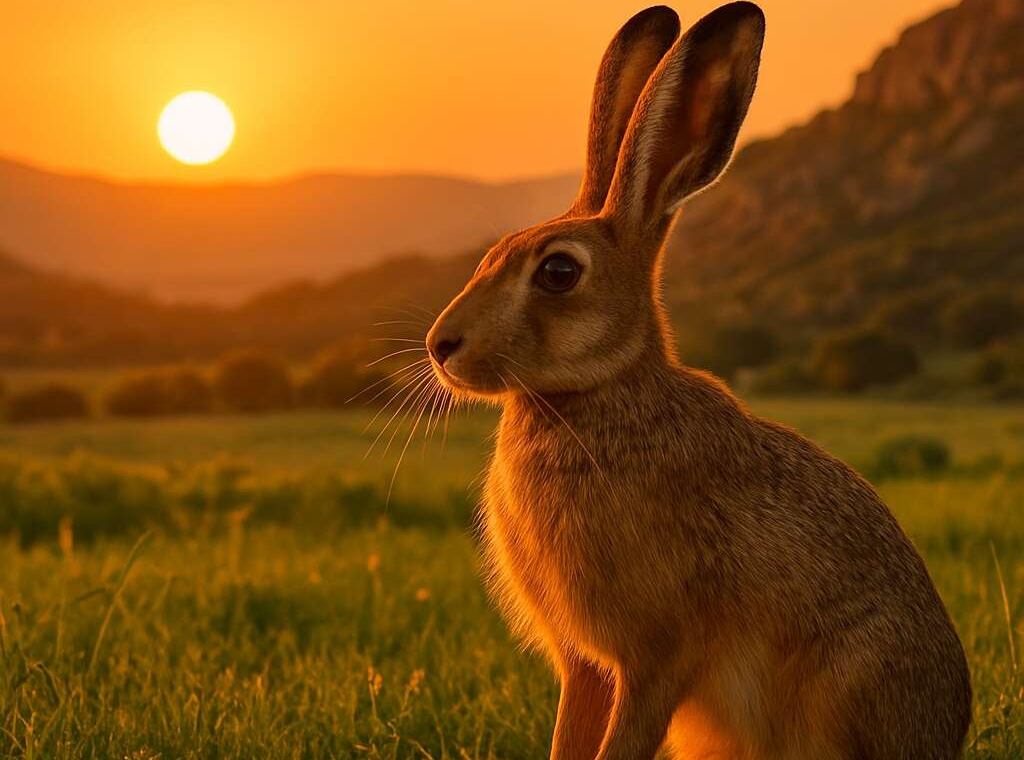





Latest Comments